- English
- French
- German
- Portuguese
- Spanish
- Russian
- Japanese
- Korean
- Arabic
- Irish
- Greek
- Turkish
- Italian
- Danish
- Romanian
- Indonesian
- Czech
- Afrikaans
- Swedish
- Polish
- Basque
- Catalan
- Esperanto
- Hindi
- Lao
- Albanian
- Amharic
- Armenian
- Azerbaijani
- Belarusian
- Bengali
- Bosnian
- Bulgarian
- Cebuano
- Chichewa
- Corsican
- Croatian
- Dutch
- Estonian
- Filipino
- Finnish
- Frisian
- Galician
- Georgian
- Gujarati
- Haitian
- Hausa
- Hawaiian
- Hebrew
- Hmong
- Hungarian
- Icelandic
- Igbo
- Javanese
- Kannada
- Kazakh
- Khmer
- Kurdish
- Kyrgyz
- Latin
- Latvian
- Lithuanian
- Luxembou..
- Macedonian
- Malagasy
- Malay
- Malayalam
- Maltese
- Maori
- Marathi
- Mongolian
- Burmese
- Nepali
- Norwegian
- Pashto
- Persian
- Punjabi
- Serbian
- Sesotho
- Sinhala
- Slovak
- Slovenian
- Somali
- Samoan
- Scots Gaelic
- Shona
- Sindhi
- Sundanese
- Swahili
- Tajik
- Tamil
- Telugu
- Thai
- Ukrainian
- Urdu
- Uzbek
- Vietnamese
- Welsh
- Xhosa
- Yiddish
- Yoruba
- Zulu
Knowing how to tell adulterated turmeric from the real thing is one of the most practical skills any B2B procurement team can develop. Pure turmeric root powder — sourced from the dried rhizome of Curcuma longa L. — should contain a naturally occurring curcuminoid content of 2–6%, a deep orange-yellow color, and no synthetic additives or fillers. Yet the global spice market has a well-documented adulteration problem: the U.S. FDA and food safety agencies worldwide have repeatedly flagged turmeric lots contaminated with lead chromate, Sudan dyes, and starch fillers. Here are five signs that help separate adulterated product from authentic material.
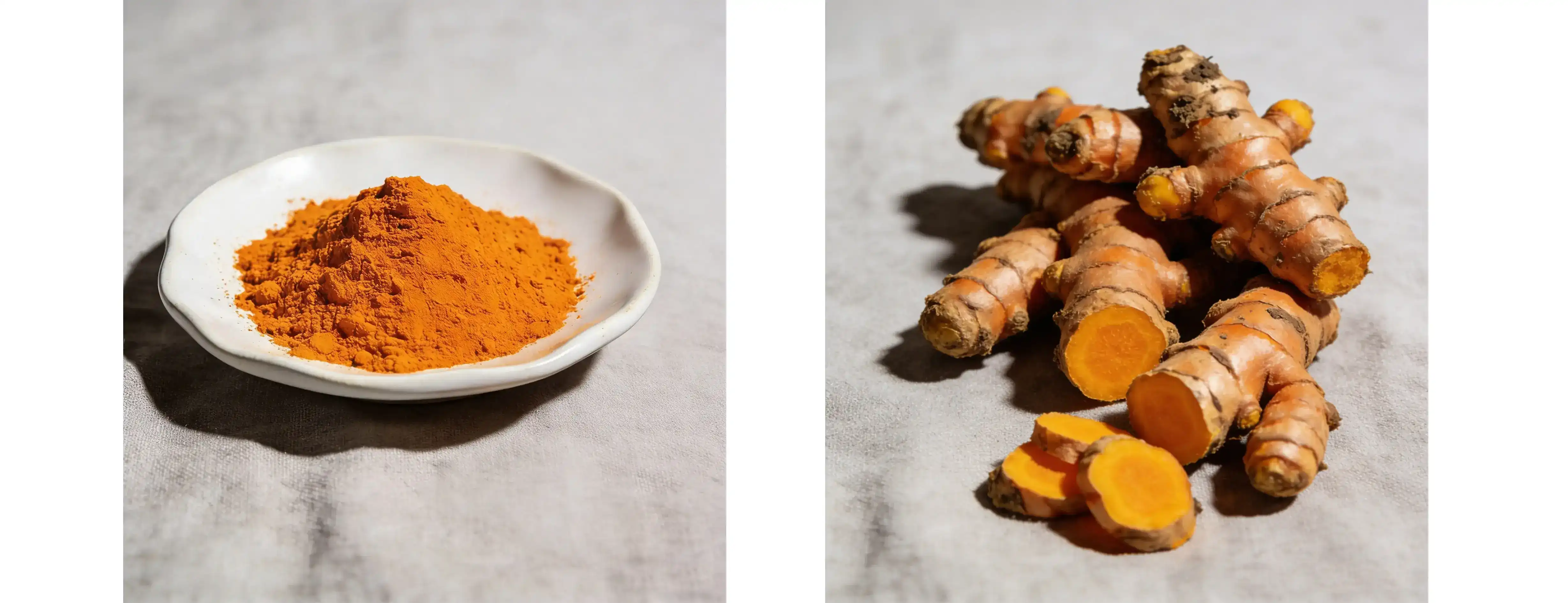
Sign 1 – Visual and Physical Differences
It is possible for a trained eye to detect quality issues prior to the ordering of a single laboratory test. A considerable lot of information about the contents of the drum may be gleaned from the outward look of pulverised turmeric root.
Color Consistency and Depth
A deep, warm orange-yellow colour may be seen throughout the whole batch of authentic Curcuma longa root powder. Material that has been adulterated often exhibits uneven areas, which may be excessively bright or drab. This is because synthetic colourants such as Metanil Yellow or Sudan Red are added to the material in order to conceal the low curcuminoid concentration they contain. In a drum weighing 25 kilograms, the colour should be uniform right down to the very last gram.
Texture and Particle Uniformity
Typically, high-grade material is milled to a mesh size of sixty to eighty, which results in the production of a powder that is fine and smooth and mixes smoothly in dry formulations. The addition of cassava starch, rice flour, or other inexpensive fillers that alter the particle structure of the original root might be indicated by textures that are coarse, gritty, or clearly clumped.
Aroma and Taste Profile
Typically, between three and seven percent of the material is comprised of volatile oils, such as turmerones and zingiberene, which are responsible for the distinctive earthy and woodsy aroma that is associated with pure dried turmeric root. A warning indicator is a scent that is in the vicinity of chemicals or is flat. The flavour needs to be somewhat spicy and slightly bitter at the same time. Dilution is often the cause of notes that are excessively bland or curiously pleasant.
These sensory assessments are completely free of charge and just take a few minutes to complete. Before any laboratory expenditure is made, they act as the first gatekeeper for procurement teams who are responsible for acquiring supplies at scale.
Sign 2 – Chemical Composition and Nutritional Integrity
Sensory checks are useful, but they can't be used instead of lab tests. As far as I can tell, pure turmeric root powder is limited by the chemicals that make it up.
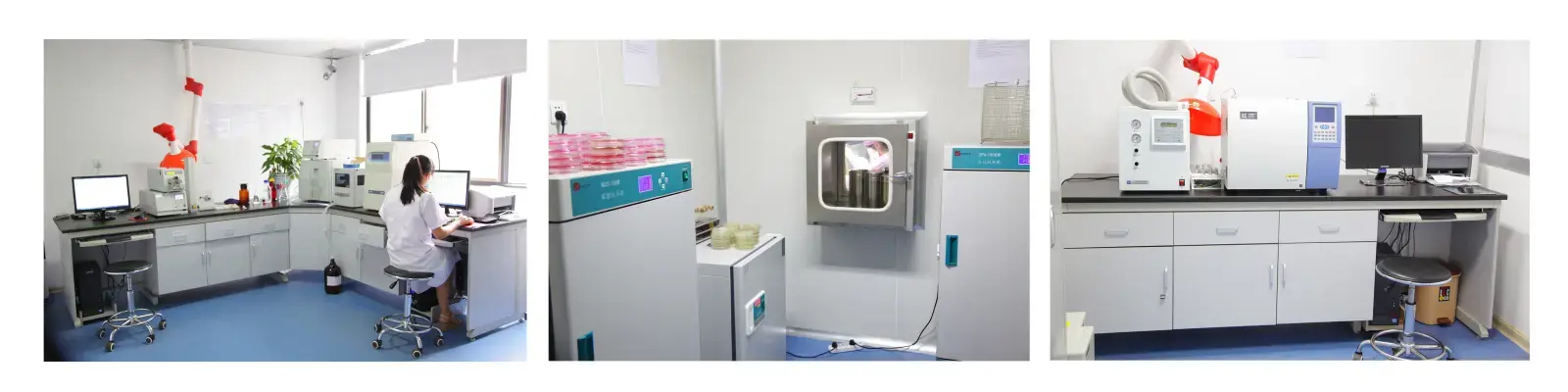
Curcumin Assay via HPLC
The three main curcuminoids that make turmeric root flour work are curcumin, demethoxycurcumin, and bisdemethoxycurcumin. HPLC tests are the best way to measure these chemicals because UV spectrophotometry can be skewed by manufactured dyes. A Certificate of Analysis can show that a real sample from a reliable source has at least 3.0% curcumin by dry weight.
Adulterant Screening: Dyes and Starch
Sudan colors (I–IV) and Metanil Yellow are found by the LC-MS/MS test. Both of these are colorants that can cause cancer, but dishonest sellers use them to make it look like they have a lot of curcumin. Imaging with iodine can show if the starch in corn or cassava has changed. These two tests cover the most common ways that people cheat to make money that can be found in bulk turmeric packages.
Heavy Metal Analysis — Lead Is the Priority
There are 6 words in this sentence. Turmeric is a root crop that naturally gets its minerals from the dirt. In the past, some growers made the color darker by putting lead chromate right on the roots. When an ICP-MS checks for lead, it should be well below 1 ppm. It is a big red flag if the seller won't give you ICP-MS data for heavy metals, especially lead.
Sign 3 – Anti-Inflammatory and Health Benefit Potency
Material that has been changed doesn't just fail a lab test; it also makes finished goods not work the way they should, which is bad for the brand's reputation.
Curcumin Bioavailability and Potency Drop
A study that was studied by experts in the field shows that curcumin is not soluble in its natural form when it is found in the raw root. A very tiny amount of curcuminoid is lost even more when starch fillers or manufactured dye replacements are added. Because of this, the supplement doesn't live up to the claims that it is useful. Health and medicine companies are at risk because they can't follow the rules or protect their reputations.
Batch-to-Batch Consistency in Applications
Brands that make functional foods, makeup, and sports nutrition must always make sure that the chemicals they use are the same from one batch to the next. The active ingredient, color, and smell of turmeric can change without warning if it has been tampered with. This doesn't follow the strict rules that professional formulations need. You run the risk of getting a bad batch if it acts differently from month to month.
Independent Third-Party Validation
Testing by a third-party lab is the best way to be sure of quality, not just what the seller says. A lot of the time, sourcing managers at cosmetic and nutraceutical companies will ask for a sample and have a third party do HPLC and heavy metal research on it before they commit to large sales.
Sign 4 – Packaging, Labeling, and Supply Chain Transparency
How a supplier checks the quality of their goods can be seen in how they label and package them.
Tamper-Evident, Hygienic Packaging
Real pure turmeric root powder in bulk should come in drums that are sealed and can't be opened. These drums are usually 25 kg food-grade containers. While the powder is being shipped, these drums keep it dry, free of oxygen and water, and clean. Mildew and mold grow faster when there is more than 10% moisture, and bad packaging is a direct path to spoilage. Lots should be easy to read on the drum itself.
Batch Numbers, Origin, and Certifications
Labels you can trust have the Latin name (Curcuma longa L.), the part of the plant that was used (root), the batch number, the place where it came from, and any certificates that are needed. Other names for the same thing are NSF GMP, FSSC22000, Kosher, Halal, ISO, and Organic. These all mean that the output standards have been checked by a third party. If labels are missing or not clear, it's a good sign that there might be problems with tracking during regulatory audits.
Supplier Credentials and Regional Provenance
India grows more than 75% of the world's turmeric, which is where most of the Curcuma longa root powder you can buy comes from. Buying teams can follow the chain from the raw materials to the finished drum if sellers can show where the materials come from, where they are handled, and if they have any certifications.

Sign 5 – Price Anomalies and Market Comparison
Price is often the quickest indication that is accessible, and it is also one of the most dependable early cautions when it comes to quality issues.
Below-Market Pricing as a Risk Indicator
There are genuine expenses associated with the production of clean, certified turmeric root powder that meets consistent quality requirements. These costs include agricultural sourcing, milling, sterilisation, third-party testing, and certification compliance. All of these factors contribute to a reasonable market price. Adulteration, which might include starch fillers, synthetic colours, or poor raw material, is the most prevalent reason for a price that is much lower than the industry standards that have been set for certified material.
Balancing Cost with Quality Assurance
When it comes to business-to-business procurement, cost pressure is a genuine thing. The practical strategy is to first establish a quality floor, which includes HPLC-verified curcuminoid content, ICP-MS heavy metal clearance, and legitimate certificates, and then negotiate prices with vendors that satisfy that floor. When you accept cheaper costs in exchange for lesser documentation requirements, you are shifting the risk onto your own brand as well as the risk onto your end consumers.
Total Cost of Ownership
When compared to the expenses of a product recall, a failed regulatory audit, or a customer complaint about uneven performance, the cost of a slightly higher ingredient from a confirmed source is nearly always less expensive. Decisions about procurement that take into consideration the whole cost, rather than simply the purchase price, safeguard the long-term worth of the organization.
Conclusion
There are a few things you can do to tell the difference between real and fake turmeric: smell and taste the real thing, check the chemicals in a lab to make sure they work, read the packaging and paperwork, and compare prices honestly. Each of the five things above should be present in any supplier of pure turmeric root powder that does business with other businesses. You can be sure of the quality in different ways with each one. You should only buy from a qualified, honest, and technically skilled seller. This is also the best way to protect the quality of your product, the reputation of your brand, and your customers' trust.
FAQ
1. What curcumin content should I expect in pure turmeric root powder?
The normal amount of curcuminoids in turmeric root powder is between 2% and 6%. High-quality powder usually has at least 3% curcumin, as shown by HPLC research. It's not as high as 95% curcumin extracts, but the root powder still has all the phytochemicals that are good for whole-food formulations.
2. Is steam sterilization required for supplement-grade turmeric powder?
Yes, turmeric comes from the ground and has a lot of microbes that come from it. Steam cleaning is the best way to get the Total Plate Count down to less than 3,000 CFU/g without leaving any chemicals behind. This makes it perfect for use in organic ways and with supplements.
3. Can turmeric root powder dissolve in water?
It naturally sticks to fats, so it won't dissolve in water. For uses in drinks that need water to mix with the ingredient, an emulsion form that is nano-encapsulated or spray-dried is needed. These aren't just root powders.
4. What certifications should a bulk turmeric supplier hold?
At the very least, you should look for an Organic certificate, NSF GMP, or FSSC22000. A product that is certified as Kosher, Halal, or ISO is even more proof that it meets international standards. Always make sure that the certificates you ask for are up-to-date and from the past year.
Request Your Free Sample from EM — Certified Pure Turmeric Root Powder Supplier
Earth Made Nutritions Inc. (EM), a new business in California that started in 2018, sells 25 kg drums of organic pure turmeric root powder (Curcuma longa L.) that has been tested for purity and goes by many other names, such as NSF GMP, FSSC22000, Kosher, Halal, ISO, and HPLC. At all four of our U.S. shops, you can try our products for free and pick them up the next day. Our R&D team and strict quality control process follow FDA and GMP rules. This means that every order for your formulation gets the same clear, high quality. Please email our team at info@em-herb.com right now to find out about prices and products.
References
1. Gafner, S. (2016). Adulteration of Turmeric (Curcuma longa). Botanical Adulterants Bulletin, American Botanical Council.
2. Prasad, S., & Aggarwal, B. B. (2011). Turmeric, the Golden Spice. Herbal Medicine: Biomolecular and Clinical Aspects, 2nd ed. CRC Press/Taylor & Francis.
3. U.S. Food & Drug Administration. (2019). Recalls, Market Withdrawals, & Safety Alerts: Turmeric Products Containing Lead. FDA.
4. Tayyem, R. F., Heath, D. D., Al-Delaimy, W. K., & Rock, C. L. (2006). Curcumin Content of Turmeric and Curry Powders. Nutrition and Cancer, 55(2), 126–131.
5. Anand, P., Kunnumakkara, A. B., Newman, R. A., & Aggarwal, B. B. (2007). Bioavailability of Curcumin: Problems and Promises. Molecular Pharmaceutics, 4(6), 807–818.
6. European Spice Association. (2020). Quality Minima Document for Turmeric (Curcuma longa L.). ESA Quality Standards.