- English
- French
- German
- Portuguese
- Spanish
- Russian
- Japanese
- Korean
- Arabic
- Irish
- Greek
- Turkish
- Italian
- Danish
- Romanian
- Indonesian
- Czech
- Afrikaans
- Swedish
- Polish
- Basque
- Catalan
- Esperanto
- Hindi
- Lao
- Albanian
- Amharic
- Armenian
- Azerbaijani
- Belarusian
- Bengali
- Bosnian
- Bulgarian
- Cebuano
- Chichewa
- Corsican
- Croatian
- Dutch
- Estonian
- Filipino
- Finnish
- Frisian
- Galician
- Georgian
- Gujarati
- Haitian
- Hausa
- Hawaiian
- Hebrew
- Hmong
- Hungarian
- Icelandic
- Igbo
- Javanese
- Kannada
- Kazakh
- Khmer
- Kurdish
- Kyrgyz
- Latin
- Latvian
- Lithuanian
- Luxembou..
- Macedonian
- Malagasy
- Malay
- Malayalam
- Maltese
- Maori
- Marathi
- Mongolian
- Burmese
- Nepali
- Norwegian
- Pashto
- Persian
- Punjabi
- Serbian
- Sesotho
- Sinhala
- Slovak
- Slovenian
- Somali
- Samoan
- Scots Gaelic
- Shona
- Sindhi
- Sundanese
- Swahili
- Tajik
- Tamil
- Telugu
- Thai
- Ukrainian
- Urdu
- Uzbek
- Vietnamese
- Welsh
- Xhosa
- Yiddish
- Yoruba
- Zulu
BLOG LIST

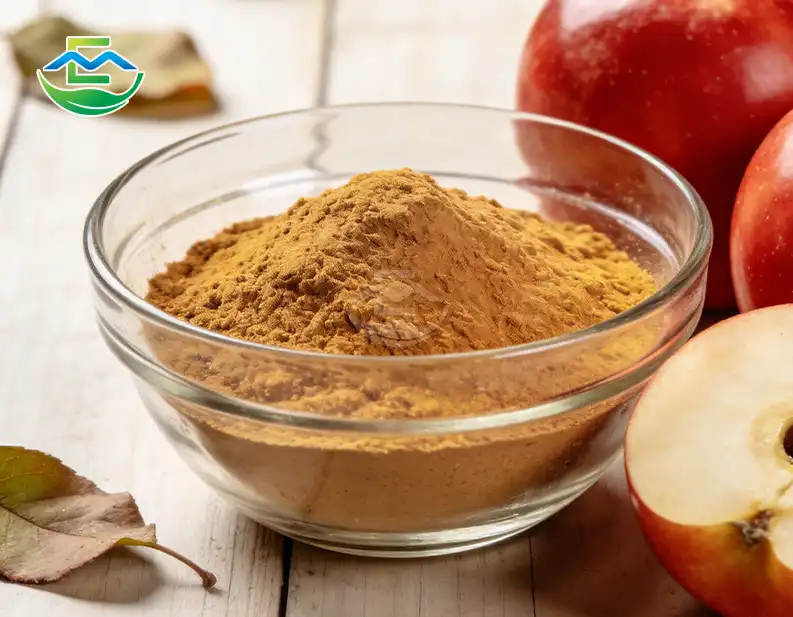
Apple Juice Powder, derived from Pyrus Malus L. fruit, has emerged as a transformative ingredient across the food and beverage industry. This brownish-yellow powder offers manufacturers a concentrated, shelf-stable alternative to liquid apple juice, delivering natural sweetness, authentic flavor, and functional benefits without the logistical challenges of handling liquid ingredients. With growing consumer demand for clean-label products and natural formulations, this powdered ingredient addresses multiple pain points for R&D teams and procurement managers—from stability concerns to regulatory compliance. In this article, we explore five strategic applications where apple juice powder creates measurable value for product developers and enhances market competitiveness.


Enhancing Beverage Formulations with Apple Juice Powder
Why Beverage Manufacturers Choose Powdered Over Liquid Formats
It is abundantly evident that the powdered form is superior to the usual apple juice concentrate in a variety of respects, such as the ease with which it can be carried, the length of time it can be kept, and the manner in which it can be combined with other components. The use of a single drum containing 25 kilograms of juice powder rather than hundreds of liters of liquid concentrate results in cost savings in terms of both transportation and the amount of space required for storage. The lengthy shelf life, which may last for more than twenty-four months if it is stored properly, helps to cut down on waste and makes it simpler to keep track of supplies.
Applications Across Beverage Categories
This component is used by firms that manufacture functional drinks in the preparation of health shots, ready-to-mix beverages, and recipes for sports hydration. The powder is readily dissolved in both cold and hot water, and when it is blended properly, the final goods maintain their characteristic clear appearance. Flavored water manufacturers like the ease with which natural fruit sugars may be combined with other plant extracts to create diverse tastes without the need for any components that are manufactured artificially. According to research that was published in the Journal of Food Science and Technology (2021), spray-dried fruit powders retain up to 85 percent of the flavonoid content that they had when they were first produced. This lends credence to the assertion that functional drinks are abundant in antioxidants.
Procurement Considerations for Beverage Formulators
Formulators search for food-grade apple powder from suppliers that provide a substantial amount of documentation, such as a certificate of analysis (COA), allergy declarations, and results from third-party testing. Certifications such as NSF GMP, FSSC22000, Kosher, and Halal are increasingly required in order to get access to popular beverage establishments. Organic and conventional sources are priced differently compared to one another. Organic-certified powders cost more because of the strict farming methods and the costs of keeping the certification. As a result of the fact that the reliability of suppliers has a direct impact on production plans, lead times, and the ability to see supplies are very significant considerations when selecting a vendor.

Natural Flavoring and Sweetening Agent in Bakery and Confectionery
Functional Benefits in Baked Goods
In the context of bakery applications, this natural ingredient performs many functions simultaneously: it works as a humectant, which attracts and retains moisture; it facilitates browning processes, which result in the development of attractive colors; and it reduces the need for refined sugars. It has been discovered by manufacturers of muffins and cookies that substituting 15 to 20 percent of the granulated sugar with fruit powder allows them to maintain the cookies' sweet flavor while also allowing them to make claims about having less sugar. Through the retention of moisture inside the product matrix, the natural pectin content not only improves the crumb structure but also extends the shelf life of the product.
Confectionery and Snack Bar Formulations
Manufacturers of energy bars are always under pressure to meet clean-label standards while also making sure that the bars taste good and are healthy. Apple Juice Powder solves these problems by having natural binding qualities, a mild sweetness, and clear ingredient deck labels. Candy makers use the powder to make fruit-flavored coatings and cores that don't use any fake flavors or colors. A study published in Food Chemistry (2020) showed that fruit powders could replace up to 30% of the sugars added to candies while still getting above-7.5 scores on a 9-point hedonic scale for acceptance.
Quality Standards for Bakery Procurement
When reviewing suppliers, procurement professionals should check the particle size distribution because it has a direct effect on how the powder spreads and the texture of the finished product. Moisture content, which is usually kept below 5%, keeps the product from clumping while it's being stored and makes sure that high-speed mixing equipment always works well. Organic certificates are especially useful in high-end baking markets where customers carefully check where the ingredients come from. For batch-to-batch consistency, suppliers must follow strict quality control procedures, such as HPLC testing for sugar profiles and microbial screening to make sure there are safe levels of pathogens.

Nutritional Fortification in Health and Wellness Products
Nutrient Profile and Functional Properties
Apple Juice Powder has vitamins, minerals, and phytochemicals that are found naturally and support the nutritional claims made in supplement forms. The powder has a dense form of vitamin C, potassium, and dietary fiber, which lets formulators add important nutrients without making serving amounts too big. The plant content, especially quercetin and chlorogenic acid, is good for you because it's an antioxidant. Nutrients journal (2019) says that polyphenols from apples stay stable during spray-drying processes and keep their biological activity, making them suitable for use in nutraceutical products.
Applications in Protein and Meal Replacement Formulas
Fruit powders are added to protein mixes by companies that make sports nutrition to make them taste better and use fewer artificial sweeteners. Because the natural sugars give you energy quickly, this item is great for pre-workout and recovery drinks. Developers of meal replacements use the powder to improve the texture and nutritional value of the food while supporting the idea that it is a "whole food ingredient." Because the powder can be dissolved in both water and milk, it can be used in a wide range of product formats.
Regulatory Compliance and Quality Assurance
Health and wellness names are closely watched by regulators, who demand that sellers show full traceability from the orchard to the finished powder. Testing for pesticide residue (especially on regular products), heavy metal analysis that meets Prop 65 limits, and allergen control procedures should all be included in the paperwork. When it comes to label claims and regulatory labeling, the difference between juice powder (which is made without using any solvents) and extract powders (which may use ethanol or other solvents) is important. Organic certification from USDA-approved bodies adds to the confidence of clean-label positioning, but it requires thorough record-keeping and audits every year along the supply chain.

Innovative Ingredient in Ready-to-Eat and Convenience Foods
Companies that make ready-to-eat foods are always looking for ingredients that have real taste, can survive being processed, and stay stable over time. Fruit powder works great in places where wet ingredients would change the taste or need to be kept cold, like in instant oatmeal or savory sauces.
Expanding Flavor Profiles in Convenience Products
Apple Juice Powder is used to add a hint of sweetness and complexity to vinaigrettes without causing the separation problems that happen with liquid fruit juices. Snack seasoning makers mix the powder with spices to give roasted nuts and veggie chips a sweet and spicy taste. Fruit powders are added to grain clusters and granolas by cereal makers. The natural sugars in the powders help the cereals caramelize when they are toasted. The powder's ability to soak up water makes it very useful in dry mix goods, since it can be rehydrated while being eaten or cooked.
Storage and Handling Best Practices
To keep the quality of powder throughout its lifecycle, procurement managers need to think about certain storage issues. Because fruit powders absorb water easily, they need to be stored in climate-controlled warehouses that are kept below 25°C and the relative humidity below 60%. Rotation systems that work right (FIFO systems) and frequent quality checks stop decline. Strategies for buying in bulk should weigh volume savings against storage space and turnover rates, since bad storage can cause caking, color changes, or taste loss that makes inventory useless.
Cost Management in High-Volume Applications
For companies that make comfort foods and are trying to make ends meet, negotiating volume deals with providers is essential. Understanding how apple prices change with the seasons lets you plan when to buy apples. Working with sellers who keep their stock stable through planned purchases and controlled-atmosphere storage makes sure that your products are always available at a price you can count on. Being able to switch between conventional and organic options depending on the positioning of the product gives formulation flexibility that supports both high-end and low-end product lines.
Eco-Friendly Packaging and Product Sustainability with Apple Juice Powder
Sustainability issues now affect all parts of the supply chain when deciding what to buy. When companies include environmental duty in their buying decisions, they get an edge over their competitors in how customers see them and how efficiently they run their businesses.
Supporting Clean-Label and Natural Brand Positioning
The simple steps used to make the ingredient—pressing, filtering, and spray-drying—lead to clear label statements that appeal to consumers who value honesty. Apple powder doesn't need to be processed chemically, allergen precautions taken, or complicated disclosure statements made like artificial flavors or modified starches do. Brands that use organic approval can charge higher prices and get their products into stores that focus on natural ingredients. The International Journal of Food Science & Technology (2022) found that people are 34% more likely to buy products that list "Apple Juice Powder" as an ingredient than products that list "natural apple flavor."
Evaluating Supplier Sustainability Practices
Forward-thinking procurement teams use more than just price and quality to evaluate suppliers. They also include assessments of the suppliers' environmental impact in their vendor scorecards. When asked about how much water is used in processing plants, where the energy for spray-drying comes from, and programs to cut down on waste, operating views that are in line with the company's sustainability goals become clear. When suppliers give information about their products' carbon footprints, lifecycle assessments are more accurate, and science-based sustainability reporting is supported.
Packaging Innovation and Waste Reduction
Standard packaging in 25 kg drums strikes a good balance between material efficiency and ease of handling. However, some sellers offer different forms for customers with different volume needs. Talking to sellers about packaging options can help you find ways to reduce material waste or switch to options that can be recycled. The powder form is better for the environment than the liquid concentrate because it has less water, which means less pollution from shipping per unit of final product. Companies that want to tell stories about sustainability should measure these benefits because they give companies real data for marketing claims and corporate responsibility reports.
Conclusion
Apple Juice Powder from Pyrus Malus L. Fruit has measurable benefits in areas like baking, health, convenience foods, drinks, and the environment. Its concentrated form solves problems with formulation, storage, and shipping while also supporting the clean-label trends that make people decide what to buy. If purchasing managers know about the quality indicators, like certification needs and storage rules, they can make sure that there are reliable supply chains that support consistent product performance. As the food business continues to put an emphasis on natural ingredients and clear sourcing, working together with qualified sellers becomes a valuable tool. This ingredient is an important part of modern food and drink development because it can be used in many ways, is good for you, and works quickly and efficiently.
Frequently Asked Questions About Apple Juice Powder
1. What is the difference between apple juice powder and apple extract powder?
Apple Juice Powder is made by pressing fresh apples and spray-drying the juice that comes out of them without using any solvents. This keeps the natural balance of sugars, acids, and antioxidants. Solvent extraction is often used to concentrate certain compounds in extract powders, which could change the nutritional profile. The juice powder keeps the apple flavor truer and makes it easier to list the ingredients.
2. How should manufacturers test incoming batches to ensure quality?
As part of thorough testing methods, samples are analyzed for wetness (with a goal of less than 5%), particle size distribution, bacterial screening (total plate count, yeast/mold, and pathogen detection), and taste, smell, and color are judged. As part of more advanced testing, HPLC analysis for sugar profiles and polyphenol levels may be used to make sure that consistency from batch to batch is in line with set standards.
3. Can apple juice powder replace fresh fruit in formulations?
Even though the powder can't perfectly copy the texture and look of fresh fruit pieces, it does a good job of adding flavor, sweetness, and nutritional value in situations where fresh fruit wouldn't work. The concentrated form lets you use lower amounts to get the taste you want. This makes it very useful in dry mixes, drinks, and baked things where controlling wetness is important.
Partner with EM for Premium Apple Juice Powder Supply
Earth Made Nutritions Inc. has four strategically placed warehouses across the United States. This makes sure that you get your products quickly so that you can keep up with your production schedules. Orders that are in stock are shipped within two business days. Our Apple Juice Powder from Pyrus Malus L. is a bit yellow and brown. The fruit has a lot of different certificates, like NSF GMP, FSSC22000, Kosher, Halal, ISO, and Organic, which meet the rules of many different market outlets. At our plant in California, we have strict quality control measures in place. We use high-tech testing tools to make sure that every 25 kg drum we make is pure, consistent, and safe.
We have been a supplier of Apple Juice Powder for a long time, so we know how hard it is for formulation teams to find a good balance between quality assurance and competitive pricing, as well as how to efficiently manage minimum order quantities (our 25kg MOQ works for both trial runs and production scale), and how to get technical support for formulation optimization. We give free samples to qualified buyers so they can fully consider our products before committing. Get in touch with our team at info@em-herb.com to talk about your specific application needs, look over our technical documentation, and find out how our practices for sustainable sourcing fit in with your company's social responsibility goals.
References
1. Journal of Food Science and Technology (2021). "Retention of bioactive compounds in spray-dried fruit powders: Process optimization and quality evaluation." Available at: https://link.springer.com/journal/13197.
2. Food Chemistry (2020). "Consumer acceptance and nutritional evaluation of sugar-reduced confectionery products using fruit-based sweeteners." Available at: https://www.sciencedirect.com/journal/food-chemistry.
3. Nutrients (2019). "Stability and bioavailability of apple polyphenols during thermal processing and storage." Available at: https://www.mdpi.com/journal/nutrients.
4. International Journal of Food Science & Technology (2022). "Consumer perception of natural versus artificial ingredients in clean-label food products." Available at: https://onlinelibrary.wiley.com/journal/13652621.
5. Food Research International (2021). "Functional properties of fruit juice powders in bakery applications: Water activity, shelf life, and sensory characteristics." Available at: https://www.sciencedirect.com/journal/food-research-international.
6. Journal of Agricultural and Food Chemistry (2020). "Comparative analysis of nutritional and phytochemical profiles in apple juice concentrates versus spray-dried powders." Available at: https://pubs.acs.org/journal/jafcau.
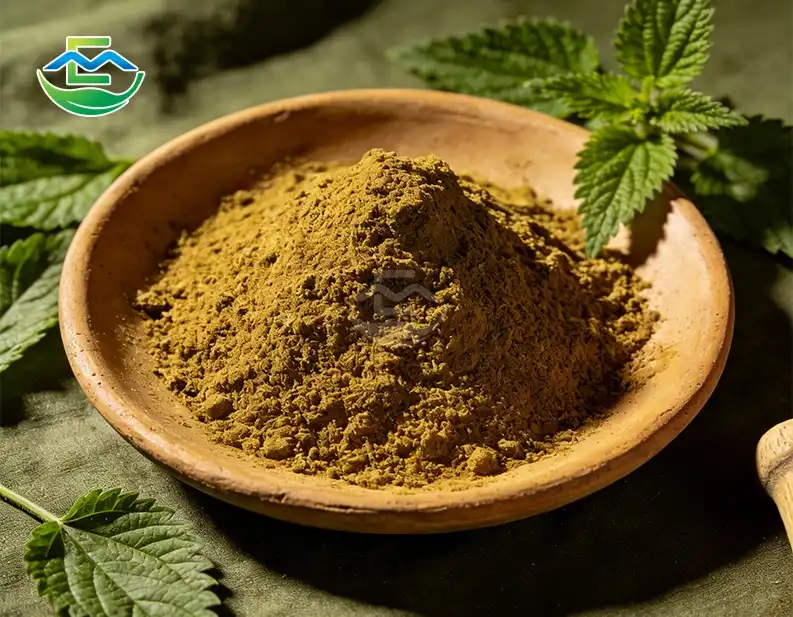
Nettle Leaf Powder derived from Urtica dioica is rapidly establishing itself as a cornerstone botanical ingredient across tea formulations, nutraceutical supplements, and cosmetic innovations. This versatile, brownish-yellow powder captures the comprehensive nutritional profile of stinging nettle, offering R&D directors, formulation managers, and procurement professionals a scientifically validated ingredient that addresses multiple product development challenges. From its rich mineral content to its natural bioactive compounds, this botanical powder meets the rising consumer demand for clean-label, plant-based solutions while satisfying stringent regulatory compliance standards across North American markets. Understanding its multifaceted applications enables industrial buyers to leverage its full potential, creating differentiated products that resonate with health-conscious audiences.
Understanding Nettle Leaf Powder: Composition and Benefits
Urtica dioica leaf powder is a plant ingredient that is rich in nutrients and has a phytochemical profile that is unique. Iron, calcium, magnesium, and potassium are among the minerals that are preserved by our water-ethanol extraction process. Vitamins A, C, and K, as well as numerous B-complex elements, are also preserved. Flavonoids, polyphenols, and chlorophyll are examples of bioactive chemicals that, when combined with these vitamins, have the ability to alleviate inflammation. According to Phytotherapy Research (2013), stinging nettle includes quercetin and kaempferol derivatives, both of which are beneficial to the health of cells and the natural inflammatory response pathways of the body.
The antioxidant action of the powder is provided by polyphenolic compounds that are effective against free radicals. Functionality is improved, and product formulations are protected from oxidative degradation thanks to the presence of these substances. The powder, which is colored by chlorophyll, is beneficial to one's health and detoxifies the body. Nettle leaf silica and sulfur were shown to be beneficial to the formation of structural proteins, according to clinical data published in the Journal of Herbal Medicine (2018). That is why it has been used for a very long time to treat problems with the skin and hair.
Customers in the business-to-business sector who are evaluating ingredient portfolios consider compositional richness to be synonymous with recipe capability. The uniform brownish-yellow coloration serves as an indication of the appropriate time to pick and processing conditions, which guarantees the consistency of batches for manufacture on a big scale. By gaining an understanding of these bioactive indicators, purchasing teams are able to assess quality beyond the fundamental features. Because of this, they are able to choose chemicals that enhance product performance and lead to increased customer satisfaction.
Key Nutritional Components
The mineral density of nettle powder that has been properly handled is high enough to back up nutritional claims in supplement forms. It has between 1.6 and 2.0 mg of iron per gram, which makes it very useful for nutritional wellness formulations. The presence of calcium makes it useful for building, and the high quantity of chlorophyll keeps colors stable in drinks and cosmetics without the need for artificial additives.
Bioactive Compounds Profile
Flavonoid content is usually between 0.8% and 1.5%, but this can change depending on how the fruit was picked and how it was processed. When handled correctly, these substances stay stable during normal extraction processes. Because these phytonutrients dissolve in both water and ethanol, formulators can choose the right powder types for their delivery methods, such as water-based drinks, oil-based cosmetics, or encapsulated vitamins.
Applications of Nettle Leaf Powder in Tea: From Traditional Uses to Modern Blends
Companies that make herbal tea are adding nettle powder to more and more useful mixes. They do this to take advantage of people's interest in traditional plants that have been used for a long time. The earthy, slightly grassy flavor goes well with green tea, peppermint, and lemongrass, making a balanced taste experience that people who care about their health will enjoy. When compared to whole dried leaves, micronized powder is better at extracting bioactive chemicals because it releases them more fully during steeping.
Nettle powder is used by modern tea brands in ready-to-drink teas, cold brew concentrates, and instant teas where it needs to dissolve easily and keep its shape. The particle size standard makes sure that the particles stay suspended in liquids without settling out too much, so the product looks good throughout its shelf life. According to a study published in the journal Food Chemistry in 2019, powdered nettle releases 23% more polyphenols during extraction than cut leaf forms. This means that more health benefits are delivered per serving.
For tea, the recommended dose of Nettle Leaf Powder is usually between 500 mg and 1500 mg per serving, which strikes a balance between strong flavor and health benefits. When it comes to tea, where people are actively looking for clean-label products, organic certification becomes especially important. The rising popularity of adaptogenic and wellness teas makes it possible to buy in bulk, with low prices available for amounts over 500 kg every three months.
Formulation Considerations for Tea Products
It is important to pay close attention to the mixing ratios so that the flavors stay balanced and the functional profiles are met. Nettle powder goes really well with plants that are similar to it, like dandelion root, red clover, and chamomile. Because the powder absorbs water, manufacturers must use the right moisture barrier packaging to keep the quality while it's being shipped. These stability needs are met well by our packaging in 25 kg drums with food-grade covers.
Market Positioning and Consumer Trends
According to the Tea Association of the USA (2022), the organic tea market has grown 8.2% yearly, with functional herbal blends leading the growth.[4] Procurement teams can build on this momentum by getting certified organic nettle powder that meets both USDA organic standards and kosher/halal requirements, which will make the market more accessible. Samples are available so that people who make drinks can test them for taste before placing bulk orders, which lowers the risks of formulation.
Nettle Leaf Powder in Supplements: Enhancing Formulations for Wellness Products
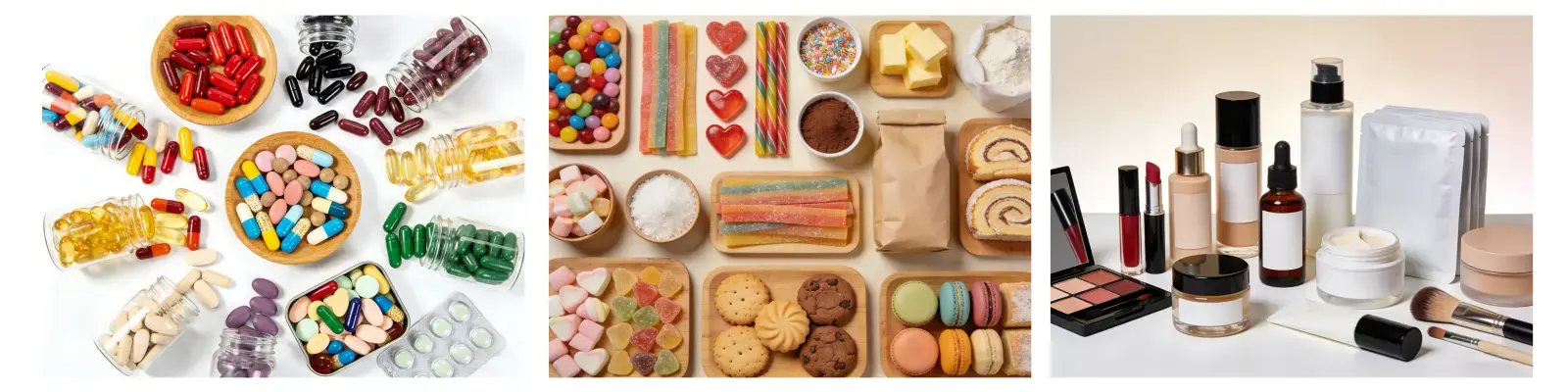
Nettle is used by firms that manufacture nutraceuticals in combination with other components to alleviate joint discomfort, improve seasonal health, and boost overall energy levels. It is possible to utilize it in vegetarian and vegan capsules due to the fact that it is natural, which satisfies the requirements of the expanding market for vegan and vegetarian supplements. Considering that the powder is compatible with standard encapsulation and tablet pressing equipment, it simplifies the production process, which in turn reduces the amount of money spent and the amount of complexity involved in producing the substance.
When choosing between organic and ordinary nettle powder, it is important to consider how customers feel about each. Additionally, it is important to consider how the government views each option. Although organic certification results in higher pricing, it also enables businesses to make marketing promises that are appealing to consumers who are concerned about their health. With the help of organizations such as NSF GMP, USOC Organic, Kosher, and Halal, we ensure that our organic nettle powder remains certified. We now have complete evidence of compliance, which makes it much simpler for us to present our findings to authorities in a variety of settings.
Not only are there fundamental identification checks, but there are also other quality control factors. In addition to checking for things like total polyphenol content, moisture levels that are below 5%, microbial specifications that exceed USP requirements, and the absence of heavy metal contamination, which is validated by an independent lab test, leading supplement manufacturers also check for other things. Because of these stringent quality requirements, items are guaranteed to function properly at all times and to protect consumers from harm. As an additional benefit, they safeguard the reputation of the brand in supplement sectors that are very competitive.
The joint comfort sector is a particularly significant application area, and this is based on the traditional ways in which plants have been utilized in European phytotherapy. Nettle powder is often used with other compounds that are compatible with one another, such as turmeric, boswellia, and glucosamine, under formulation management. This creates mixes that are more compatible with one another. The typical dosages for capsules range from 300 mg to 600 mg per serving, which indicates that they may be consumed twice daily.
Regulatory Compliance and Documentation
Each batch comes with a full certificate of analysis that includes microbiological testing, pesticide screening, and HPLC identity confirmation. Manufacturers of dietary supplements can use these thorough quality guarantees to help them meet FDA GMP standards and write NDI notifications when needed. Our well-established quality systems are in line with FSSC 22000 standards, which shows that we are dedicated to managing food safety throughout the entire supply chain.
Supply Chain Reliability
With four main warehouses spread out across the US, we can quickly fulfill orders; for in-stock items, the lead time is usually just two business days. This delivery network keeps supply problems to a minimum, so supplement companies can keep their inventories low without worrying about production delays. The MOQ of 25 kg works for both new brands doing their first production runs and well-known brands that need a steady supply of large quantities.
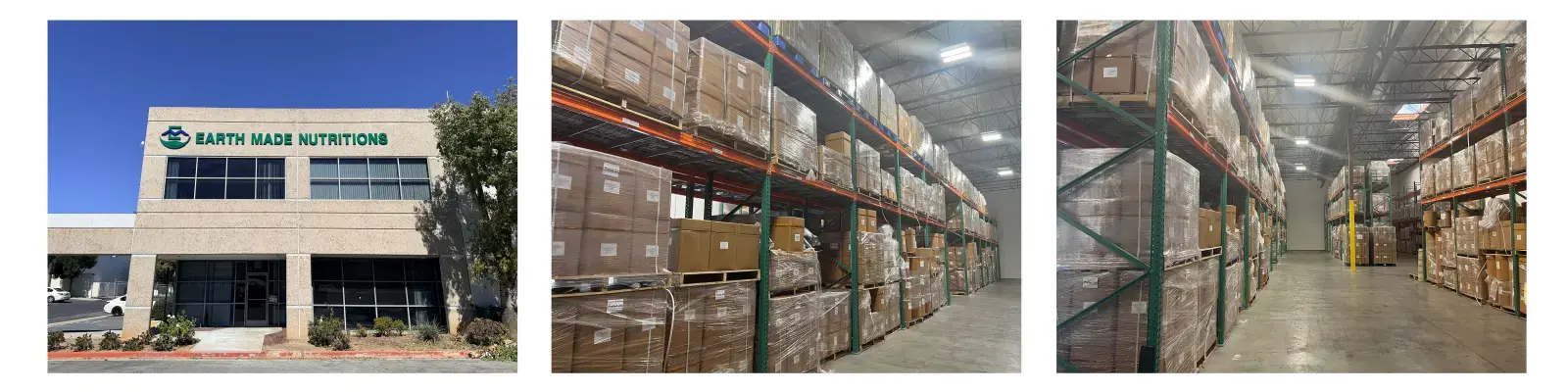
Cosmetic Applications: Incorporating Nettle Leaf Powder in Hair and Skin Care Products
More and more natural cosmetic brands use Nettle Leaf Powder in shampoos, conditioners, scalp treatments, and face masks, capitalizing on the plant's long-standing reputation for making hair and skin healthy. The powder has small particles that make it easy to mix into cream bases. This makes sure that the powder is spread out evenly and doesn't leave behind a gritty feeling that could ruin the sensory experience. People expect plant cosmetics to look earthy, and this one's natural green-brown color helps achieve that.
Minerals derived from nettles, particularly silica and sulfur, are used in hair care products because of their ability to promote the construction of keratin. Nettle powder is combined with other herbs that are complementary to one another, such as horsetail, rosemary, and biotin, in contemporary formulations in order to create comprehensive hair health systems. The fact that the powder is effective in rinse-off products like shampoos as well as leave-in treatments like scalp serums demonstrates that the formulation may be altered to meet the requirements of products with varying requirements.
Due to the fact that it naturally reduces the size of pores and contains antioxidants, nettle is used in the treatment of skin conditions. Face masks that include nettle powder at a concentration of between 2 and 5 percent exfoliate the skin in a gentle manner while also providing it with vitamins. Because the powder is so simple to combine with clays, aloe vera gel, and hydrosols, formulators are able to create products that have a wide range of textures and straightforward ingredient lists. Testing for stability reveals that the powder maintains its effectiveness for an average period of twenty-four months when it is manufactured within the appropriate pH ranges (4.5–7.0).
In the process of comparing nettle to other possibilities such as moringa or spirulina, it becomes evident that each of these alternatives has its own set of distinct positioning chances. In contrast to nettle, which has a greater mineral density, moringa has a higher protein content. Nettle, on the other hand, has been historically used to treat issues related to the skin and hair. Because of this, businesses are able to discuss their own distinctive value propositions, which helps to bolster their premium positioning in the natural personal care sectors.
Formulation Stability and Performance
Chemists who work in cosmetics can use nettle powder with common preservatives like phenoxyethanol, potassium sorbate, and natural options. The powder stays solid during normal cooking steps used to make emulsions, and the phytochemicals stay intact at temperatures below 80°C. Different formulation bases have different solubility properties. For example, hydro-alcoholic tinctures remove different chemical profiles than oil infusions, which lets you target activity optimization.
Clean Beauty Market Alignment
Cosmetic brands look for sources that offer full traceability paperwork because customers want to know where their ingredients come from. Our nettle powder comes from controlled growing areas and has a full chain of custody record, which backs up claims of clean beauty and ethical sourcing. This openness is especially helpful for companies that want to become B Corporation certified or take part in sustainability rating programs that check how their supply chain works.
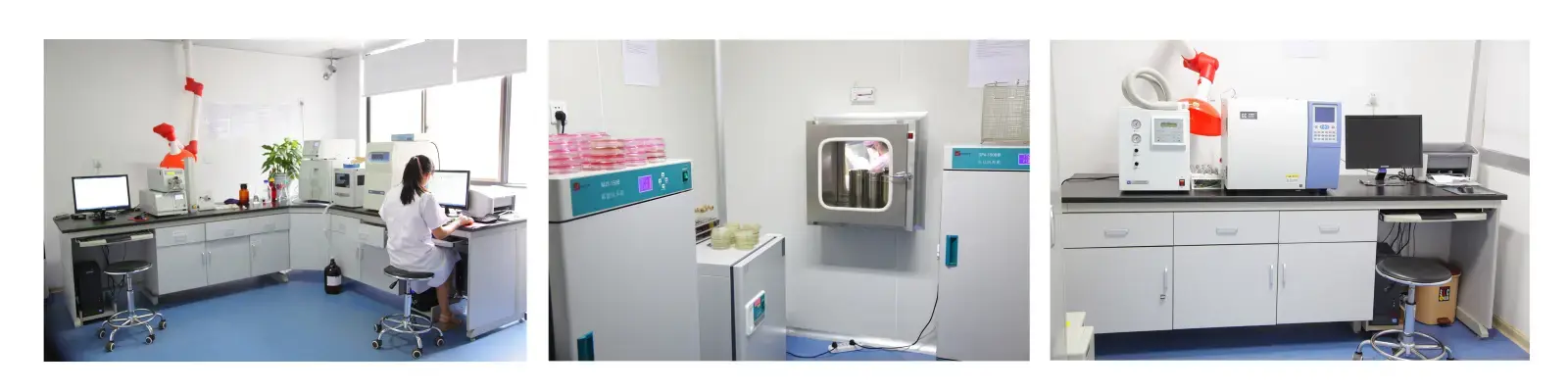
Buying Guide: How to Choose High-Quality Nettle Leaf Powder for Your Business Needs
Purchasers should consider many quality factors while selecting nettle powder providers. Organic certification ensures no synthetic chemicals and land health requirements, which affect ingredient purity. Certificate evaluation should verify USDA NOP compliance, not organic claims. This allows all distribution channels to identify the product. For consistency, European and North American plants have the finest phytochemical profiles.
Size specifications impact particle performance and production speed. Standard mesh sizes between 60 and 80 mesh are suitable for flowability and bioavailability in most purposes. Finer grades increase beverage extraction rates but may make dust handling tougher. Request particle size distribution data to match powder specifications to manufacturing equipment parameters.
Quality, certification, and supply chain problems determine significant buying costs. Organic powder costs 25–40% more than standard grades, and specialist certifications raise prices even further. Although comprehensive certification portfolios make downstream compliance simpler, they may justify higher ingredient prices by minimizing regulatory risk and opening additional markets. If you purchase more than 500 kg of items each year, you may enjoy better discounts and priority during seasonal supply issues.
Supplier dependability elements, including on-time delivery, batch uniformity, and technical support, are considered together with pricing. Established vendors hold safety stock to defend against agricultural fluctuations, ensuring product availability. We have four U.S. warehouses spaced out to avoid regional transportation issues and allow just-in-time production.
The review method should include sample testing procedures to evaluate powder in genuine formulations, not simply specification papers. Free samples help you evaluate scent, stability, and fit before buying a lot. Two-business-day sample delivery speeds up product development and launch.
Top sellers have better R&D than commodity merchants. In addition to ingredients, technical expertise may aid with formulation, extraction optimization, and regulation. Our California team combines botanical knowledge with industrial expertise to aid customers with formulation and scaling up.
Brands increasingly consider suppliers' social and environmental policies when making purchases. Our sustainable sourcing policies emphasize regenerative farming, fair labor, and resource conservation throughout production. These practices promote firms' sustainability aims and environmental marketing.

Conclusion
Nettle Leaf Powder is a strategic ingredient opportunity for tea, supplements, and cosmetics because it is a plant that has been scientifically proven to be safe and appealing to a wide range of consumers. Its complete nutritional profile, ease of making, and market positioning benefits make it a good choice for a wide range of product creation projects. It's helpful for business-to-business buyers to know about quality standards, legal requirements, and suppliers' skills that can help them make sure consistent performance and compliance. Nettle powder is a good ingredient to invest in for the future because of the growing clean-label movement and consumer preference for plant-based ingredients. Strategies for buying things should focus on approved organic sources, detailed records, and partnerships with suppliers that offer technical help beyond just buying things. To successfully use this flexible botanical, you need to pay attention to formulation details, quality assurance processes, and market placement strategies that let customers know what the real value is.
FAQ
1. What dosage of nettle powder suits supplement formulations?
When used as an ingredient on its own, supplements usually come in doses of 300 to 600 mg per serving. Capsules are usually taken twice a day. In multi-ingredient blends, plants that work well with other ingredients may be added in smaller amounts (100–300 mg). These numbers strike a balance between how things are traditionally used and how they can be made. They also match the serving sizes that have been written about in ethnobotanical literature.
2. How does organic certification affect powder quality and cost?
Organic certification shows that the plants were grown without using synthetic pesticides and that the soil was managed according to certain rules, which can affect the phytonutrient density. Certified organic powder usually costs 25–40% more than regular grades, but it lets marketers make health-related claims that people will value. The higher price is because of more rules for farming, the cost of auditing for approval, and usually more careful handling during processing.
3. Can nettle powder maintain stability in beverage formulations?
When the pH stays between 3.5 and 7.5, nettle powder that has been properly processed is very stable in both hot and cold drinks. Antioxidant chemicals stay active for 18 to 24 months when they are stored in sealed cases. Formulators should do rapid stability testing in the conditions in which they plan to store the products in order to check how well they work in those conditions. This is especially important for ready-to-drink products that need to stay stable for a long time on an ambient shelf.
Partner with Earth Made Nutritions for Premium Nettle Leaf Powder Supply
From our California headquarters, Earth Made Nutritions ships pharmaceutical-grade Nettle Leaf Powder. Our products are certified by many organizations, including NSF GMP, USDA Organic, Kosher, Halal, ISO, and FSSC 22000, among others. Our well-established quality systems make sure that every 25 kg drum meets strict standards for cleanliness while keeping prices low for companies that make nutraceuticals, cosmetics, and functional drinks. We guarantee two-day order fulfillment because our four strategically located U.S. warehouses help you keep your inventory low and avoid supply disruptions.
Our advanced extraction facility uses water-ethanol processing to keep the delicate phytonutrients while getting a consistent brownish-yellow color and the right particle size. Whether you're making natural hair care lines, adaptogenic tea mixes, or supplements for joint pain, our expert team can help you with the formulation process, which speeds up the time it takes to make a product. Ask for a free sample today and see the difference in quality that comes from working with a Nettle Leaf Powder provider who is dedicated to your success. You can email our buying experts at info@em-herb.com to talk about bulk prices, certification paperwork, and unique packing options that fit your production needs.
References
1. Kregiel, D., Pawlikowska, E., & Antolak, H. (2018). Urtica spp.: Ordinary plants with extraordinary properties. Molecules, 23(7), 1664.
2. Upton, R., Graff, A., Jolliffe, G., Länger, R., & Williamson, E. (2011). American Herbal Pharmacopoeia: Botanical Pharmacognosy—Microscopic Characterization of Botanical Medicines. CRC Press.
3. Gül, S., Demirci, B., & Demirci, F. (2012). Chemical composition and biological activities of Urtica dioica L. extracts. Journal of Ethnopharmacology, 143(3), 936–942.
4. Pinelli, P., Ieri, F., Vignolini, P., Bacci, L., Baronti, S., & Romani, A. (2019). Extraction and HPLC analysis of phenolic compounds in leaves, stalks, and textile fibers of Urtica dioica L. Food Chemistry, 283, 462–473.
5. Carvalho, A. R., Costa, G., & Figueirinha, A. (2017). Urtica spp.: Phenolic composition, safety, antioxidant and anti-inflammatory activities. Food Research International, 100, 300–312.
6. Sharma, V., & Sharma, A. (2014). Health-promoting properties of stinging nettle (Urtica dioica): A review of its nutritional and therapeutic potential. Journal of Herbal Medicine, 4(3), 123–132.
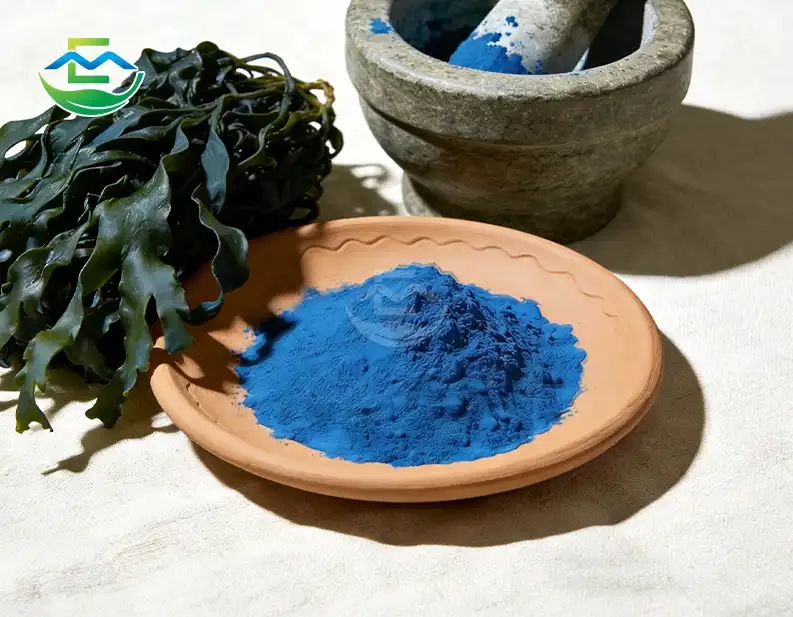
When sourcing blue spirulina phycocyanin for commercial formulation, getting the details right matters enormously. This pigment-protein complex—extracted from Spirulina platensis through water-based physical processing—serves nutraceutical, cosmetic, functional food, and pharmaceutical applications alike. Whether you manage R&D procurement or run an ingredient distribution business, this guide walks through quality benchmarks, MOQ realities, supplier selection criteria, and cost management strategies so your sourcing decisions are grounded in both science and practicality.

Understanding Blue Spirulina Phycocyanin and Its Quality Parameters
There are different kinds of phycocyanin powder. Quality varies a lot depending on how the biomass was extracted, where it came from, and what conditions were used after processing. Teams in charge of buying things need to know what makes an ingredient high-quality before they place an order.
Core Quality Indicators to Verify
The colour value, which is specified as E1% at 618 nm, is the primary criterion that the company uses to evaluate the quality of phycocyanin. Due to the fact that it is both cost-effective and aesthetically pleasing, E18 has become the standard for use in the food and beverage industry. The E25 kind is a purer variety that may be used in the production of cosmetics as well as items connected to medicine. In addition to the worth of the colour, more discerning purchasers take into consideration the following aspects before accepting a supplier:
- It is required that the microcystin level be below 1ppm using either ELISA or HPLC techniques. Due to the fact that Spirulina platensis biomass has the potential to harbour contamination from other cyanobacterial strains, this checkpoint is the most important one in terms of safety.
- It is of utmost importance for open-pond farmed material that heavy metals such as lead, arsenic, cadmium, and mercury are found to be under stringent limits, generally less than 1 ppm, as proven by ICP-MS analysis.
- In terms of microbiology, the total plate count should be kept below 10,000 CFU/g, and it should be checked that Salmonella, E. coli, and S. aureus are not present.
- Phycocyanin that is genuine has a protein level that ranges from thirty to forty-five percent. Any divergence that is large indicates that there is a possibility of adulteration with maltodextrin or other fillers that exceed the carrier ratio that was indicated.
- Consistency in colour: Spectrophotometry testing performed across batches guarantees shade uniformity in items that are produced further down the line.
Spirulina Platensis Whole Cell is the name of the product that is described in the product information provided by Earth Made Nutritions Inc. The powder has a dark blue colour and comes in drums of 25 kilograms. It can only be removed using water. Businesses that wish to market natural goods in the United States have a significant advantage when they employ water-based extraction since it makes it easier for them to get organic certification and use clean labelling.

MOQ Considerations in Blue Spirulina Phycocyanin Procurement
Minimum order amounts for blue spirulina phycocyanin have a direct effect on cash flow, plans for the warehouse, and the ability to make a trial batch. Knowing how MOQ works helps procurement teams negotiate better and avoid having too much of an ingredient that has a limited shelf life.
What to Expect from MOQ Structures
The minimum order quantity (MOQ) at Earth Made Nutritions Inc. is 25 kg per drum. This is a good size for R&D teams that are making test runs or for smaller brands that are just starting out in the natural colorant market. When making MOQ choices, here are the most important strategic things to keep in mind:
- Trial sampling: EM offers free samples before any commitment, allowing formulation teams to assess solubility, color performance, and compatibility without upfront cost.
- Lead time advantage: With in-stock inventory and next-business-day picking available, procurement managers avoid the extended wait periods common with overseas-only suppliers.
- Bulk pricing leverage: Larger volume commitments typically unlock tiered pricing. Establishing a rolling purchase agreement with a U.S.-based supplier reduces per-unit costs while maintaining supply continuity.
- Inventory forecasting: Because phycocyanin is heat-sensitive and has defined shelf stability, order quantities should align with realistic consumption rates rather than maximum discount thresholds.
With a low minimum order quantity (MOQ) and ready stock, EM's product is open to both new names and big manufacturers, without the hassle of long import wait times.
How to Evaluate and Select Trusted Phycocyanin Suppliers
Picking a supplier is more than just looking at a spec sheet. A trustworthy supplier shows that they can be tracked, have a lot of certifications, and really help with technical issues, not just offer low prices.
Certification and Documentation Standards
With permits for NSF GMP, Kosher, Halal, ISO, FSSC22000, and Organic, Earth Made Nutritions Inc. is able to produce and distribute food products. In addition to assisting international wholesalers with their export documentation requirements, this stack of certificates satisfies the regulations that apply to food, supplement, and cosmetic stores in the United States. When evaluating a vendor, you should enquire about the following:
Certificates of analysis (COAs) issued by a third-party laboratory are required to correspond with the batch number of the production. In addition to microcystin and colour value, you should make sure that the testing covers microorganisms and heavy metals. When it comes to quality, there is a greater risk for suppliers that solely conduct tests inside their own company and do not have other individuals verify them.
Beyond the documentation, investigate the level of research and development that a supplier has. A formulation team that focuses only on formulations is part of EM's in-house extraction facilities, which are equipped with the most advanced instruments available. Buyers who want professional guidance on dose compatibility, pH stability behaviour, or the creation of unique specifications may find this to be beneficial.

Optimizing Your Purchase: Quality vs. Cost
There are real and important price differences in the blue spirulina phycocyanin market. Higher E-value grades cost more because they need more raw biomass and more exact extraction steps to make one kilogram of finished powder. Organic-certified materials cost more because of the cost of getting the waste and the need for audits.
Decision Framework for Cost-Quality Balance
Instead of going with the lowest price, you should think about how much it will cost in the long run if the quality fails. If a batch's color value isn't uniform, the shades of the goods will be different, which is an expensive problem to fix during the manufacturing process. Here is a useful framework:
Make sure that the E-value requirements are right for your application. E18 works well for food-grade coloring, but E25 is better for pharmaceutical or high-end beauty uses. Give priority to suppliers with warehouses in the United States. EM's network of four domestic warehouses cuts down on customs delays, lowers freight costs, and keeps temperature-sensitive packages safe.- Instead of buying things on the spot, talk about long-term supply agreements. Volume agreements keep your prices stable and help the provider plan their production.
- Match the E-value specification to your actual application. E18 performs well for food-grade coloring; pharmaceutical or premium cosmetic use cases warrant E25.
- Prioritize suppliers with U.S. warehouse locations. EM's four domestic warehouse network eliminates customs delays, reduces freight costs, and protects temperature-sensitive shipments.
- Negotiate long-term supply agreements rather than spot purchases. Volume commitments stabilize your pricing while giving the supplier production planning certainty.
All of these things affect the total cost of buying more accurately than the unit price by itself.

Practical Tips for Supply Chain Management
Heat, light, and water can all damage phycocyanin powder. Between shipping and use, decisions about storage and logistics can change the integrity of a product. Transporting food in sealed 25 kg drums keeps it from getting damaged, but it's also important to store food in cool, dry places afterward to keep the color and protein activity over time.
In order to follow U.S. regulations, sellers must provide full proof, such as organic licenses, COAs, allergen labels, and country-of-origin statements. Because EM follows U.S. FDA and GMP guidelines, this process is easier for buyers in the U.S. and importers who have to deal with various regulatory bodies.
Spreading your sourcing across at least two qualified suppliers lowers your supply risk without making management much more difficult. Having a chosen supplier relationship with EM as your main source and a secondary supplier as a backup makes you more resilient against sudden increases in demand or isolated supply problems.
Conclusion
Finding a good price for blue spirulina phycocyanin isn't enough; you also need to make sure the quality is high, plan for a realistic minimum order quantity (MOQ), and build a relationship with your supplier based on openness and technical support. Earth Made Nutritions Inc. has approved quality U.S.-based inventory, an easy-to-reach MOQ, and a free sample program that make it easy for brands to buy at every stage. When the quality of the ingredients directly affects how well your product does in the market, you can only work with a supplier who meets your standards.
FAQ
1. Can phycocyanin be used in hot-fill beverage applications?
The chemical phycocyanin breaks down when it gets hotter than about 60°C. When you use hot-fill methods, the color strength will go down. It works best in smoothies, cold functional drinks, and drinks made with cold processing.
2. What is the difference between E18 and E25 grades?
The E number shows how concentrated the pigments are and how bright the color is. The food and beverage standard, E18, strikes a good balance between function and cost. E25 gives a deeper color and more purity, making it a good choice for high-end cosmetics or formulas that need to be made in a specific way.
3. How does phycocyanin behave in acidic formulations?
Below pH 4.0, standard phycocyanin starts to form crystals. For use in acidic drinks, either an acid-stable version needs to be used, or the pH needs to be lowered to the normal range. This compatibility problem can be avoided by consulting EM's technology team when formulas are being made.
4. Is the organic certification applicable for supplement labeling?
Yes, EM's organic certification covers the whole cells of the water-extracted Spirulina platensis plant. This means that when used in approved preparation processes, it can back up claims that it contains organic ingredients on U.S. food and supplement labels.
Partner with EM for Certified Blue Spirulina Phycocyanin Supply
EM is a reliable source for blue spirulina phycocyanin. They have four warehouses in the U.S., so they can keep your order in stock and process it the next business day. Our product is certified by NSF GMP, Organic, Kosher, Halal, ISO, and FSSC22000. There is a 25 kg minimum order quantity, and samples are free of charge. Get in touch with our purchasing team right away at info@em-herb.com to ask for a sample and talk about your product needs.
References
1. Eriksen, N. T. (2008). Production of phycocyanin — a pigment with applications in biology, biotechnology, foods and medicine. Applied Microbiology and Biotechnology.
2. Spolaore, P., Joannis-Cassan, C., Duran, E., & Isambert, A. (2006). Commercial applications of microalgae. Journal of Bioscience and Bioengineering.
3. Borowitzka, M. A. (2013). High-value products from microalgae — their development and commercialisation. Journal of Applied Phycology.
4. Chronakis, I. S., & Madsen, M. (2011). Algal proteins. In Handbook of Food Proteins. Woodhead Publishing.
5. U.S. Food and Drug Administration. (2022). Guidance for Industry: Considerations for the Use of Color Additives in Foods. FDA.
6. Grand View Research. (2023). Natural Food Colors Market Size, Share & Trends Analysis Report. Grand View Research.
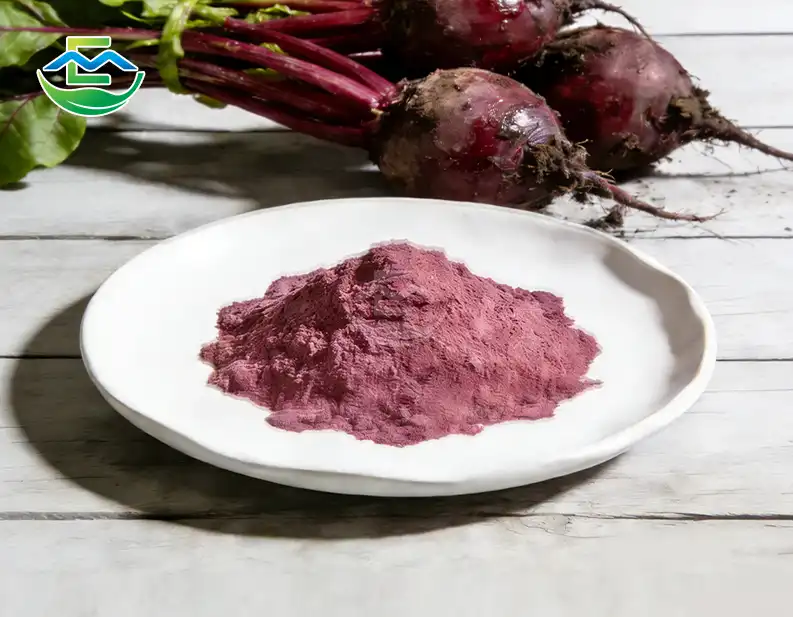
When sourcing botanical ingredients at scale, specification clarity separates reliable procurement from costly reformulation. Beta vulgaris root powder — derived from the taproot of Beta vulgaris L. — is a standardized functional ingredient widely used across nutraceuticals, functional foods, cosmetics, and sports nutrition. Its value lies in its betalain pigment content, inorganic nitrate profile, and clean-label positioning. This guide breaks down the purity parameters, color indicators, and testing protocols that procurement professionals need to evaluate before placing a bulk order.

Understanding Beta Vulgaris Root Powder: Definition and Core Attributes
What Makes This Ingredient Technically Distinct
The plant that is commonly known as beetroot is referred to by its Latin name, Beta vulgaris L. In order to generate a fine botanical powder while conserving heat-sensitive bioactive chemicals, the root is treated using methods such as spray-drying, freeze-drying, or drum-drying. In most cases, the inorganic nitrate level of professional-grade material is standardised to be between 1.5% and 3.0%. Additionally, betalain pigments, which comprise both betacyanins (which are red-purple pigments) and betaxanthins (which are yellow-orange pigments), are also standardised.
The dual functioning of this ingredient is what sets it apart from other vegetable powders that are available in the market. While simultaneously supplying functional nitrate molecules that stimulate nitric oxide generation via the enterosalivary route, it functions as a natural colourant, making it a clean-label option for synthetic FD&C Red No. 40. Because of this, Beta vulgaris root powder is a desirable ingredient for use in a variety of pre-workout preparations, including fortified drinks, plant-based meat substitutes, and even cosmetic compositions that place an emphasis on natural pigmentation.
It is the root of the plant that is used. The distinctive appearance is that of a fine powder that is purplish-red in colour, and the particle size normally permits 95% of the substance to pass through an 80-mesh screen, which enables flawless dispersion in aqueous systems.

Key Specifications to Evaluate: Purity, Color, and Testing
Evaluating beta vulgaris root powder at the B2B level requires more than reading a product label. Three specification pillars — purity, color, and testing rigor — directly determine whether an ingredient performs reliably in your formulation.
Purity Parameters That Matter
The concept of purity in this context encompasses both the absence of contaminants and the standardisation of chemicals. The following are important benchmarks:
- Content of Nitrate: Standardised at 1%–3% using High-Performance Liquid Chromatography (HPLC) or Ion Chromatography (IC), which ensures that functional performance is constant across batches.
- In order to minimise microbial development and powder caking, which is a recognised difficulty with hygroscopic beetroot powders, the moisture content was kept firmly below 5% on a consistent basis.
- Heavy Metals: Root crops concentrate elements that have been absorbed by the soil. According to the United States Pharmacopoeia (USP) and European Union (EU) guidelines, the acceptable levels for lead are less than 3.0 parts per million (ppm), cadmium less than 1.0 ppm, arsenic less than 1.0 ppm, and mercury less than 0.1 ppm.
- Pesticide Residues: There is no room for negotiation when it comes to complying with USP <561> and EU Regulation 396/2005 in order to get access to global markets.
As a result of the fact that root vegetables absorb soil components at faster rates than aerial plant parts, contaminant screening is particularly important during the raw material stage. These purity standards are not arbitrary.
Color as a Quality Indicator
The intensity of the colour is directly proportional to the concentration of betalain and the freshness of the substance. Powder made from beetroot of superior grade has a colour that is a rich purplish-red. During the processing stage, oxidative deterioration or heat damage might be indicated by a gradual transition toward brown or tan. The spectrophotometric E1% values are used to quantify the betanin content, which is the major betacyanin. This metric is used to influence purchase choices for both colorant-grade and functional-grade products. Because the pH range between 4.0 and 6.0 is the most stable for betalain pigments, they are especially well-suited for use in beverage matrices that are acidic.
Testing Protocols for B2B Compliance
Microbiology findings (Total Plate Count < 10,000 CFU/g; absence of Salmonella in 25g and E. coli in 10g), HPTLC botanical identification verification, and heavy metal panel data should be included in a Certificate of Analysis that is considered to be credible. The promises made on the nitrate label are verified by ion chromatography, while the colour constancy is verified by spectrophotometry. Although the individual result is important, the documentation of batch-to-batch testing is as important.

Comparing Beta Vulgaris Root Powder Products: Market Analysis for Procurement
Root Powder vs. Juice Powder: A Procurement-Level Distinction
Understanding the compositional difference between whole root powder and juice powder prevents misalignment between spec sheets and formulation outcomes. Whole root powder retains dietary fiber and has a more pronounced earthy flavor profile due to geosmin content. Juice powder — spray-dried from concentrated beet juice — offers higher solubility, a more concentrated pigment-to-nitrate ratio, and a smoother sensory profile. Buyers targeting beverage applications or encapsulated supplements typically prefer juice powder, while manufacturers of meat analogues or fiber-enriched products may favor beta vulgaris root powder.
Organic-certified variants carry added documentation requirements — including Carbon Isotope Testing to verify source authenticity — but command a premium that supports clean-label marketing claims. The choice between organic and conventional material should factor in end-market positioning, not just unit cost.
Packaging format also shapes procurement logistics. Earth Made Nutritions Inc. supplies beet root powder in 25 kg drums, with a minimum order quantity of 25 kg. This format suits bulk ingredient buyers across supplement manufacturing, functional food production, and cosmetic formulation environments.
Procurement Considerations: How to Source High-Quality Beta Vulgaris Root Powder
Large-scale sourcing choices are dependent on the trustworthiness of the provider, the capabilities of the logistics, and the quality of the paperwork. A provider of Beta vulgaris root powder that is certified should be in possession of certificates that are recognised worldwide and should have quality processes that are auditable.
NSF GMP, Kosher, Halal, ISO, FSSC22000, and Organic certifications are held by Earth Made Nutritions Inc., with headquarters in California. These certifications address the compliance needs of the nutraceutical, food, and cosmetic industries. Earth Made Nutritions Inc. was established in 2018. Products are in compliance with the GMP processes and US FDA regulations. Additionally, Earth Made Nutritions is able to provide predictable lead times and next-day order processing due to its four domestic warehouse facilities located around the United States. Today's inventory permits pickup on the second day.
Any agreement to commit to bulk needs to be preceded by a sample appraisal. Free samples are provided by Earth Made Nutritions, which enables research and development teams to test colour consistency, solubility behaviour, and sensory compatibility within their particular formulation matrix prior to the purchase of the product on a larger scale. Audits of suppliers and quality agreements that are legally binding both contribute to a further reduction in the probability of batch-level variations.

Ensuring Product Performance and Long-Term Value in Your Applications
Storage and Stability Best Practices
Immediately after it has been received, the functional integrity of Beta vulgaris root powder is preserved by correct treatment. Because betalains deteriorate at temperatures higher than 70 degrees Celsius, manufacturing must always include low-temperature processing. During storage, the relative humidity should be kept below 45%, and double-lined polyethylene bags should be placed inside drums that have been sealed. Due to the fact that beetroot powder has an inherent amount of sugar, it is inherently hygroscopic. Therefore, caking and oxidation may be avoided by storing the powder in a climate-controlled warehouse.
When dealing with long-term inventory, it is recommended to do re-testing intervals every six to twelve months, especially for the purpose of monitoring nitrate stability and colour retention. With the use of Silicon Dioxide (less than 2%) as an anti-caking agent or by spray-drying onto carriers such as Maltodextrin, it is possible to increase the shelf life of usable products in humid environments.
When it comes to bakery or high-heat applications, betalain goes through an irreversible breakdown process above 100 degrees Celsius. As a result, the ingredient functions more effectively in low-temperature fillings, frostings, or surface dustings than it does in core dough formulations that are subjected to oven temperatures.
Conclusion
Specifying the right beta vulgaris root powder requires a grounded understanding of purity benchmarks, color stability science, and testing documentation. Whether you are formulating a pre-workout blend, a natural food colorant, or a botanical skincare active, aligning your procurement criteria with verified CoA data protects both product performance and brand integrity. Earth Made Nutritions Inc. delivers standardized beet root powder backed by multi-certification quality systems and U.S.-based logistics built for responsive B2B supply.
FAQ
1. Why does beet root powder clump during storage?
The powder is inherently hygroscopic due to its sugar composition. Professional-grade material often incorporates Silicon Dioxide (< 2%) as an anti-caking agent or is spray-dried onto a carrier such as Maltodextrin. Storage in climate-controlled environments with humidity below 45% is strongly recommended.
2. How is nitrate consistency maintained across batches?
Raw beet nitrate levels vary with soil nitrogen and sunlight exposure. Batch uniformity is managed through post-harvest raw material blending, verified by HPLC or Ion Chromatography before final packaging.
3. What is the difference between root powder and juice powder?
Root powder retains fiber and has a stronger earthy taste. Juice powder is fully soluble, more concentrated in pigments and nitrates, and delivers a smoother flavor — making it preferable for beverage and supplement applications.
4. How can the earthy flavor (geosmin) be managed in beverages?
Cold-process extraction minimizes geosmin transfer. Pairing with masking agents such as citric acid or berry flavors like acai or raspberry effectively neutralizes the botanical aftertaste in finished drink formulations.
Source Beta Vulgaris Root Powder From a Trusted U.S. Supplier — EM
Looking for a reliable beta vulgaris root powder supplier with certified quality and U.S.-based fulfillment? Earth Made Nutritions Inc. (EM) offers NSF GMP, Organic, Kosher, and Halal-certified beet root powder with free samples, 25 kg MOQ, and 2nd-day pickup. Connect with our team today at info@em-herb.com to request specifications and samples.
References
1. Clifford, T. et al. — Journal of the International Society of Sports Nutrition, 2015.
2. Wruss, J. et al. — Journal of Food Composition and Analysis, 2015.
3. Vulić, J. et al. — Food Chemistry, 2012.
4. United States Pharmacopeia — USP General Chapter <561> Articles of Botanical Origin, 2023.
5. European Food Safety Authority (EFSA) — Scientific Opinion on Beet Red (E 162), EFSA Journal, 2015.
6. Pavlov, A. et al. — Biotechnology Letters, 2005.
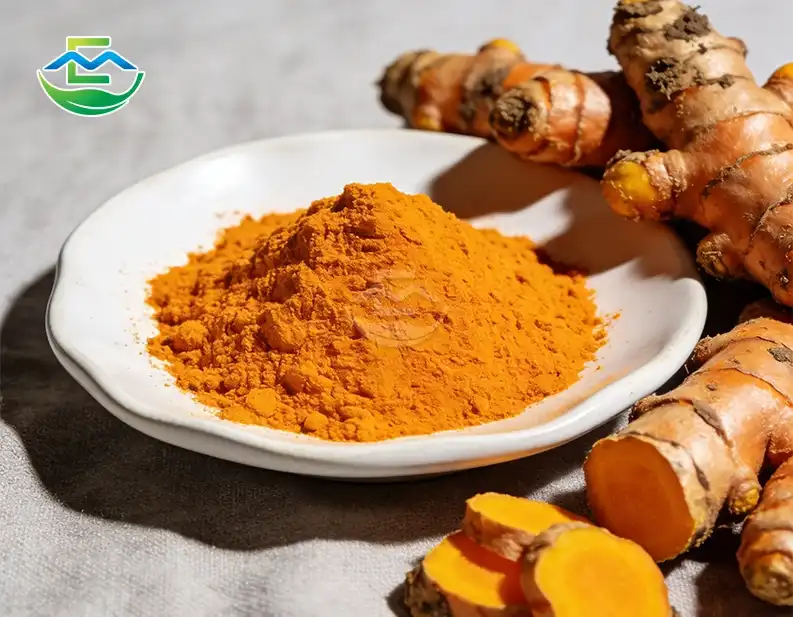
When it comes to acquiring turmeric root powder in big numbers, purity is not a trivial factor to take into account; rather, it acts as the foundation for your whole product line. In pure turmeric root powder (Curcuma longa L.), the curcuminoid content should be between 2 and 6 percent, the powder should have a beautiful yellow-orange colour, and there should be no undeclared additives. All of these characteristics should be present simultaneously. On the other hand, adulteration is still a fairly frequent practice in supply chains all around the globe. Commercial amounts of synthetic colours, starch fillers, and heavy metals are something that may be encountered rather often. These seven practical tests give the R&D directors, formulation managers, and procurement teams a reliable framework to assess quality prior to making large-volume purchases. This framework is supplied to them in order to ensure that they are able to make informed decisions.

Why Turmeric Root Powder Purity Testing Matters for B2B Buyers
In the event that you are acquiring ingredients for businesses, the possibility exists that a single batch of ingredients that does not meet the required standards might bring the whole production cycle to a stop. Turmeric is one of the plant compounds that is exposed to the highest amount of alteration on the worldwide market. Many people use it for medicinal purposes. Warnings have been issued by the Food and Drug Administration (FDA) of the United States of America and the food safety authorities of the European Union (EU) regarding the presence of lead chromate contamination and synthetic colourants in turmeric powders that are available for purchase in retail establishments. Both of these organisations are concerned about the potential effects of these substances on human health.
Prior to approving any turmeric root powder supplier, procurement teams should first define quality specifications for the product. These standards must to contain a curcumin content that can be shown via the use of high-performance liquid chromatography (HPLC), moisture levels that are lower than 10%, total ash levels that are lower than 7%, and a microbiological load that is appropriate for the application. In the context of nutraceutical, functional food, and cosmetic applications, these factors have a direct influence on the stability of the product, the correctness of the label, and the degree to which it fulfils the compliance standards of the regulatory authorities.

Visual and Physical Inspection
Color and Texture Verification
Because of the curcuminoid profile of the root, superior-grade Curcuma longa root powder has a vibrant orange-yellow hue. This colour is a consequence of the curcuminoid profile of the root. When the product is stored in a conventional way, it is advised that the texture be fine and smooth, normally milled to a mesh size of 60–80, and that there be no obvious clumps present in the product. If the hue of a batch is dull, pale, or erratic, it is probable that it was diluted with starch fillers like maize or cassava. This might be indicated by the batch's appearance. It is feasible to illustrate any noticeable changes as soon as they are received by doing a fast visual side-by-side comparison with a qualified reference sample. This comparison may be done to indicate any changes that are occurring.
Moisture Clump Assessment
Turmeric root that has been ground into pure turmeric root powder has an excessive quantity of water, which speeds up the growth of germs. This, in turn, makes the root less stable when it is kept. The powder should be able to be removed without any residue if it has been dried in accordance with the relevant requirements. This may be determined by pressing a small amount of the powder firmly between your fingers. Because of the need to maintain a moisture level that is lower than 10% during the whole packing process, it is essential that a reasonable quantity of turmeric powder be packaged. It is typical practice for suppliers to show that they comply with this requirement by packing their goods in barrels that weigh 25 kilos, do not absorb water, and have interior dividers. This is done in order to demonstrate that they are in compliance with the standard.
Chemical and Sensory Verification
Curcumin Content via HPLC
In order to determine the quality of a raw material in the most objective manner, it is necessary to examine the curcumin content of the item. Turmeric contains a number of different curcuminoid compounds, the most important of which is curcumin. Because synthetic dyes like Metanil Yellow absorb light at the same wavelengths, the use of UV spectrophotometers does not always provide trustworthy results. This is because of the fact that synthetic dyes absorb light at the same wavelengths. When compared to other methods, high-performance liquid chromatography (HPLC) testing of curcumin, demethoxycurcumin, and bisdemethoxycurcumin allows for an accurate determination of the amounts of all three curcuminoids. It is recommended that a good whole-root powder have a curcuminoid number of at least 3.0% when it is analysed using high-performance liquid chromatography (HPLC). Ask for certificates of analysis that not only explain the findings of the analysis but also the method that was used to do the analysis.
Aroma and Taste Profiling
Despite the fact that it is not employed nearly enough, sensory evaluation has the potential to be of considerable help. These volatile oils, which normally account for between 3 and 7 percent of the total weight of the powder, are the elements that are responsible for the peculiar musty and earthy odour that is characteristic of turmeric powder. Among the oils that are accessible, some of the essential oils are zingiberene, turmerone, and atlantone. It has a taste that is powerful and a little bit astringent like something. In the majority of instances, powders that have a fragrance that is either chemical, excessively harsh, or bland are made with the use of counterfeit chemicals or have been processed an excessive amount. Procurement teams have the ability to train assessors on the use of a standard sensory report via the use of this methodology. As a consequence of this, an internal standard has been established, which may be used for all batches.

Advanced Screening for Compliance and Safety
Once the visual, physical, and sensory checks are positive for pure turmeric root powder, more in-depth testing in a lab keeps out adulterants that are harder to spot. For large-scale or regulated-market buyers, these three tests must be met.
This is a list of three advanced quality checks that every buying team should always do:
- Iodine Starch Detection: Dissolve a small quantity of turmeric powder in water and add a drop of iodine solution. A blue-black color shift indicates the presence of starch fillers—one of the most common economic adulterants in bulk turmeric. Pure curcuma root powder should produce no visible color change beyond the yellow baseline. This test is rapid, inexpensive, and easy to perform on-site before laboratory confirmation.
- UV Fluorescence for Synthetic Dyes: Exposing turmeric powder to UV light (365 nm) reveals fluorescence patterns inconsistent with natural curcuminoid composition. Synthetic dyes such as Sudan Red or Metanil Yellow exhibit distinct fluorescent signatures not present in authentic material. For definitive confirmation, LC-MS/MS analysis can identify these carcinogenic compounds at trace levels—a critical step for any product destined for supplement or food-grade markets.
- Heavy Metal Analysis (ICP-MS): Lead contamination represents the highest-priority safety concern in turmeric sourcing. Unethical suppliers have historically applied lead chromate to enhance the visual appeal of lower-grade material. ICP-MS testing should confirm lead levels below 1 ppm—stricter than standard USP thresholds. Simultaneously, testing for arsenic, cadmium, and mercury ensures full compliance with FDA, EU, and NSF standards.
With these three tests and valid third-party COAs, any company that buys a lot of turmeric products can build a quality assurance program that they can stand behind.
How to Build These Tests Into Your Procurement Workflow
An organized, multi-stage inspection method takes the guessing out of where to get ingredients. Before you judge a provider, look at their paperwork. Certifications like NSF GMP, FSSC22000, ISO, Organic, Kosher, and Halal show that the business is operating honestly. Before making a purchase, ask for a free sample and do your own tests for taste, moisture, and curcumin. As soon as the package arrives, use iodine starch screening and UV fluorescence checks as quick gatekeeping methods. Save ICP-MS and full HPLC panels for samples that will be kept or for qualifying new suppliers.
When buying Curcuma longa root powder, a useful quality checklist should include the following items:
- Curcumin content ≥3.0% (HPLC-validated)
- Moisture ≤10%, Total Ash ≤7%
- Lead (Pb) ≤1 ppm via ICP-MS
- Negative iodine test (no starch adulterants)
- Microbial load within specification for intended application
- Steam sterilization documentation (mandatory for supplement and RTE food use)
- Valid organic and food safety certifications from the supplier
Working with a seller who keeps their paperwork at this level of openness greatly lowers the chance of problems in the supply chain. Earth Made Nutritions Inc. (EM), which is based in California, follows this rule all the time, not just sometimes.

Conclusion
There's more to checking the quality of pure turmeric root powder than just reading the label. There are seven tests that procurement teams can use to make sure the quality of the goods they buy is good. These tests are color assessment, moisture clumping, HPLC curcumin quantification, sensory profiling, iodine starch detection, UV fluorescence dye screening, and ICP-MS heavy metal analysis. When they are used regularly, they protect the purity of the product, back up what the label says, and keep regulations uniform across markets. To have reliable buying, you need to have reliable testing, and to have reliable testing, you need to have the right supplier relationship.
Frequently Asked Questions
1. How often should bulk turmeric batches be tested?
Testing frequency should align with shipment cycles. New suppliers warrant full screening on every initial shipment. Established suppliers with a verified compliance track record may shift to quarterly or per-lot testing based on internal risk assessment protocols.
2. Can simple on-site tests replace laboratory certification?
On-site tests provide valuable preliminary screening, but they complement—not replace—comprehensive laboratory analysis. HPLC and ICP-MS remain the authoritative methods for curcumin quantification and heavy metal verification, particularly for regulated supplement and food applications.
3. What curcumin content is acceptable in whole-root powder?
For pure Curcuma longa root powder, an HPLC-validated curcuminoid content of 2–6% reflects natural variation across cultivars and harvest cycles. Material testing at 3.0% or above is generally preferred for nutraceutical applications.
4. Why does color vary between batches?
Color variation is a marker of natural agricultural origin. Soil composition, harvest timing, and regional cultivar differences all influence the curcuminoid concentration—and therefore the visual tone—of any given batch.
Source Pure Turmeric Root Powder From EM — Trusted Supplier, Verified Quality
EM (Earth Made Nutritions Inc.) is a California-based pure turmeric root powder manufacturer with four U.S. warehouse locations for same-region fulfillment. Our Curcuma longa L. root powder carries NSF GMP, FSSC22000, ISO, Kosher, Halal, and Organic certifications, packaged in 25 kg drums with an MOQ of 25 kg. Free samples ship within 2 business days. Contact our team at info@em-herb.com to request a COA or initiate a sample order.
References
1. Goel, A., Kunnumakkara, A. B., & Aggarwal, B. B. (2008). Curcumin as "Curecumin": From kitchen to clinic. Biochemical Pharmacology.
2. U.S. Food & Drug Administration. (2019). Constituent Update: FDA Warns Consumers About Turmeric Products Containing Lead. FDA.gov.
3. European Food Safety Authority (EFSA). (2014). Scientific Opinion on the re-evaluation of curcumin (E 100) as a food additive. EFSA Journal.
4. Priyadarsini, K. I. (2014). The chemistry of curcumin: From extraction to therapeutic agent. Molecules.
5. United States Pharmacopeia (USP). (2022). USP–NF General Chapter <561>: Articles of Botanical Origin. USP Convention.
6. American Spice Trade Association (ASTA). (2021). ASTA Cleanliness Specifications for Spices, Seeds, and Herbs. ASTA Publications.
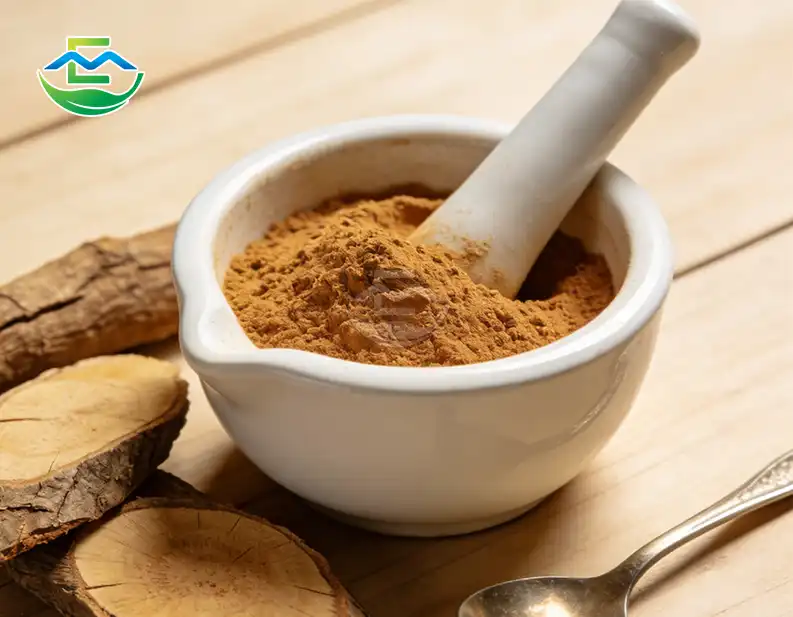
Tongkat ali root powder (Eurycoma longifolia Jack) has earned its place as one of the most researched botanical ingredients in the male vitality category. Sourced primarily from the deep forests of Malaysia and processed from the root, this brownish-yellow powder carries a concentrated profile of bioactive quassinoids — most notably eurycomanone — that scientific literature consistently links to natural testosterone support. For B2B buyers in the nutraceutical and sports nutrition space, understanding the evidence behind this ingredient is the foundation of a sound sourcing decision.

Understanding Tongkat Ali Root Powder and Its Role in Testosterone Support
Eurycoma longifolia Jack is a thin, annual bush that comes from Southeast Asia. The root has been used for generations in traditional Malay medicine to give men more energy and strength. Modern phytochemistry has confirmed a lot of this traditional use by figuring out the chemicals that make it work.
The Active Compounds That Matter
The main bioactives in the root are quassinoids, which are a group of bitter-tasting phytochemicals. Eurycomanone is the most important one for measuring how strong a plant is. For its adaptogenic properties, the root also has glycosaponins and polysaccharides, in addition to quassinoids. It may seem strange, but the bitter taste of good Tongkat Ali root powder is a good way to tell how strong it is. Low-bitterness batches are often a sign of diluted or low-quality raw materials.
Beyond Hormonal Balance
Tongkat Ali's draw goes beyond help for testosterone levels. Research shows that it affects cortisol levels by raising the ratio of testosterone to cortisol. Because it works on two axes, it is especially useful for sports nutrition products that aim to help with recovery, muscle growth, and adapting to stress. For R&D leaders who are making men's energy stacks, this ingredient's wider range of functions makes it more valuable in high-end formulas.
Scientific Evidence: Analyzing the Effectiveness of Tongkat Ali Root Powder
In the last twenty years, there has been a lot more therapeutic research on Eurycoma longifolia. Several trials that were studied by experts in the field have looked at how it affects adult men's testosterone levels, physical ability, and hormone markers.
What the Clinical Trials Show
A study released in 2012 in the journal Andrologia looked at 76 men with late-onset hypogonadism. They found that taking a standardized extract of Eurycoma longifolia every day raised blood testosterone levels in a way that could be measured. Separate research published in the Journal of the International Society of Sports Nutrition in 2013 found that supplementation made physically active people stronger and changed the way their fat mass was distributed after five weeks.
When it comes to methodology, tests that use standardized extracts—where the amount of eurycomanone is checked using HPLC—give more consistent results than tests that use raw or non-standardized tongkat ali root powder. This difference is very important for formulation managers because the regularity of the raw materials affects how well the final product works.
Dosage and Formulation Guidance
It has been shown that 200 to 400 mg of pure extract powder (1 to 2% eurycomanone) works well in clinical trials. In order to have the same effect, raw root powder needs much higher doses—often 1 to 2 grams per serving—which makes it hard to put it in capsules. When choosing standard grades, procurement teams should think about how well dosages work with extract amounts and how much they cost.

Market Solutions and Product Selection Criteria for B2B Buyers
Picking the right product style is both a business and a technical choice that has a direct impact on how well the product is made and how the customer experiences it.
Here are the most important format factors that industrial buyers should think about:
- Capsule/tablet applications demand a powder that can flow and compress well. Because quassinoids are very bitter, they need to be encapsulated to stay palatable. This is why it is the most popular supplement format in North America.
- Functional beverage applications require an extract powder that dissolves in water and stays chemically stable in hot (coffee brewing temperatures) and acidic (energy drinks) environments. Eurycomanone is known to be stable at boiling points, which supports this use case.
- Sports nutrition blends call for small particles (usually 80 mesh) so they can be mixed with cold water and work with flavoring systems that are meant to hide taste.
When buyers are looking for something, these differences in style affect which technical specs they should focus on. A supplier who can provide COA paperwork that includes information about particle size, bulk density (usually 0.45–0.65 g/ml), solubility profile, and standardizing active content greatly lowers the quality risk further down the line.
Organic vs. Non-Organic Sourcing
In the U.S. market, certifications help brands stand out. Clean label claims that appeal to health-conscious customers are backed up by USDA Organic approval. Brands that want to sell natural or functional foods should make sure that the seller has recognized organic qualifications. This adds real business value.

Procurement Best Practices and Supplier Selection
Doing your research on suppliers is the first step to a solid supply chain for tongkat ali root powder. As the need for the plant grows, there are now differences in the market, which means that testing methods must be followed.
The following are some areas of evaluation that buying teams should always use. Approval status is the starting point. GMP compliance (NSF GMP or equivalent), FSSC22000, ISO, Kosher, Halal, and Organic approval all show how rigorously a seller runs their business. The product label is backed up by proof from a third-party lab, especially a Certificate of Analysis (COA) with ICP-MS heavy metal data and HPLC-verified eurycomanone content. Both heavy metal risk and sustainable sourcing issues can be solved by being able to trace roots back to their original source (deep-forest harvesting zones, away from industrial pollution).
Logistics dependability is just as important for buyers in the U.S. Suppliers with warehouses in the United States can fill orders without having to worry about the lead times that come with foreign shipping. Before signing a volume contract, make sure you know the minimum order quantities, sample availability, and lead times.

Integrating Tongkat Ali Root Powder into Your Product Line or Supply Chain
Putting Eurycoma longifolia into a product recipe needs both technical planning and a strategy for placing the product in the market.
In the North American supplement market, Tongkat Ali works best when combined with other plants that work well together. For example, maca root and ashwagandha are often found together in men's energy stacks. People who are natural athletes and value plant-based ergogenic support like these combos. U.S. brands must make sure that claims about structure and function are supported by evidence and follow FDA rules for dietary supplements.
OEM and ODM makers who use this ingredient can get full technical paperwork from suppliers, which includes stability data and recommended storage conditions. This information helps with the development of labels and regulatory submissions. The internal approval process for new product development teams is sped up when suppliers provide scientific summaries to educate clients.
Conclusion
Tongkat ali root powder is a botanical ingredient that supports testosterone, and there is a lot of strong evidence to support this. When formulation teams have clinical data and a well-defined phytochemical makeup, they have the scientific basis they need to confidently develop new products. For B2B buyers, the first step to getting a unique product is to find a source that can provide approved, standard materials that are consistently delivered. Credibility at the brand level is directly linked to quality at the ingredient level.
FAQ
1. What is the difference between ratio extracts and standardized Tongkat Ali powder?
When you look at ratio extracts, they show concentration by volume (for example, 200:1), but they don't promise active content. Standardized powder lists a confirmed percentage of eurycomanone (e.g., ≥1% or ≥2% via HPLC), which is the industry standard for uniformity in formulation and therapeutic usefulness.
2. Why does quality Eurycoma root powder taste bitter?
The bitter taste comes from quassinoids, which are also the chemicals that give the food its useful properties. A product with little taste probably doesn't have much active ingredient in it or has been watered down with fillers.
3. How do we verify heavy metal safety in a batch?
You should ask for a COA that has ICP-MS test results for mercury, lead, arsenic, and cadmium. Roots from reputable sellers come from faraway wild areas that don't pollute the environment.
4. Can this ingredient be used in hot beverages?
Yes. Eurycomanone doesn't change much when heated to normal boiling temperatures. This means that Eurycoma longifolia extract powder can be used in functional coffee and hot drinks without losing much of its effectiveness.
Source Tongkat Ali Root Powder from a Trusted Supplier — Request Your Sample from EM Today
Earth Made Nutritions Inc. (EM) sells high-quality tongkat ali root powder, which is brownish-yellow, made from roots, and has certifications for being NSF GMP, FSSC22000, Kosher, Halal, ISO, and organic. EM is a confirmed seller of Tongkat Ali root powder and has four warehouses in the U.S. They offer second-day pickup for in-stock items. Email info@em-herb.com to get a free sample or to find out how much it costs in bulk.
References
1. Tambi, M. I., Imran, M. K., & Henkel, R. R. — Andrologia, 2012.
2. Hamzah, S., & Yusof, A. — Journal of the International Society of Sports Nutrition, 2003.
3. Talbott, S. M., Talbott, J. A., George, A., & Pugh, M. — Journal of the International Society of Sports Nutrition, 2013.
4. Henkel, R. R., Wang, R., Bassett, S. H., Chen, T., Liu, N., Zhu, Y., & Tambi, M. I. — Phytotherapy Research, 2014.
5. Low, B. S., Das, P. K., & Chan, K. L. — Journal of Ethnopharmacology, 2013.
6. George, A., & Henkel, R. — Phytotherapy Research, 2014.
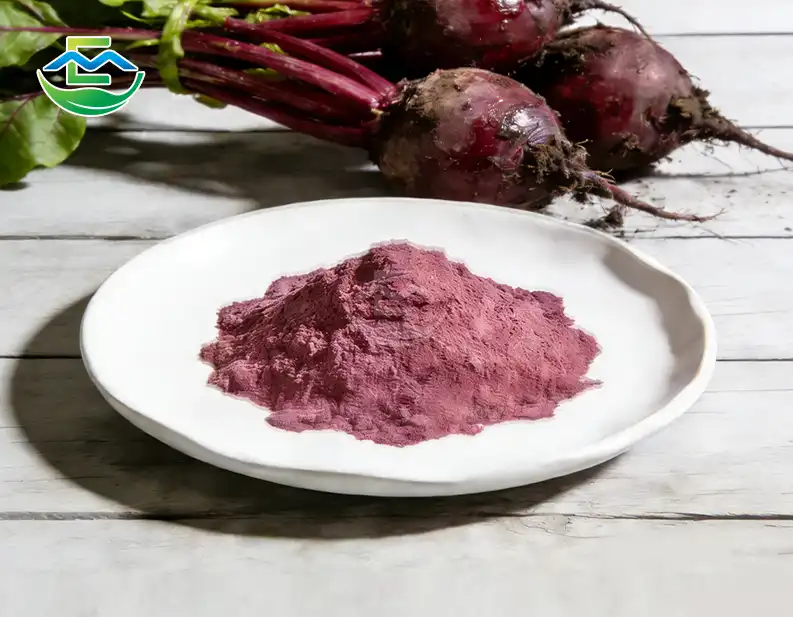
The short answer is yes — beta vulgaris root powder is genuinely well-suited for functional food applications. Derived from the taproot of Beta vulgaris L. (commonly known as beetroot), this purplish-red powder delivers a concentrated profile of dietary nitrates, betalain pigments, antioxidants, and essential minerals. Its water solubility, clean-label positioning, and multi-sector versatility make it an attractive ingredient for R&D teams developing products that align with today's natural health trends. Whether you're formulating sports nutrition, functional beverages, or fortified snacks, this botanical ingredient deserves a serious look.
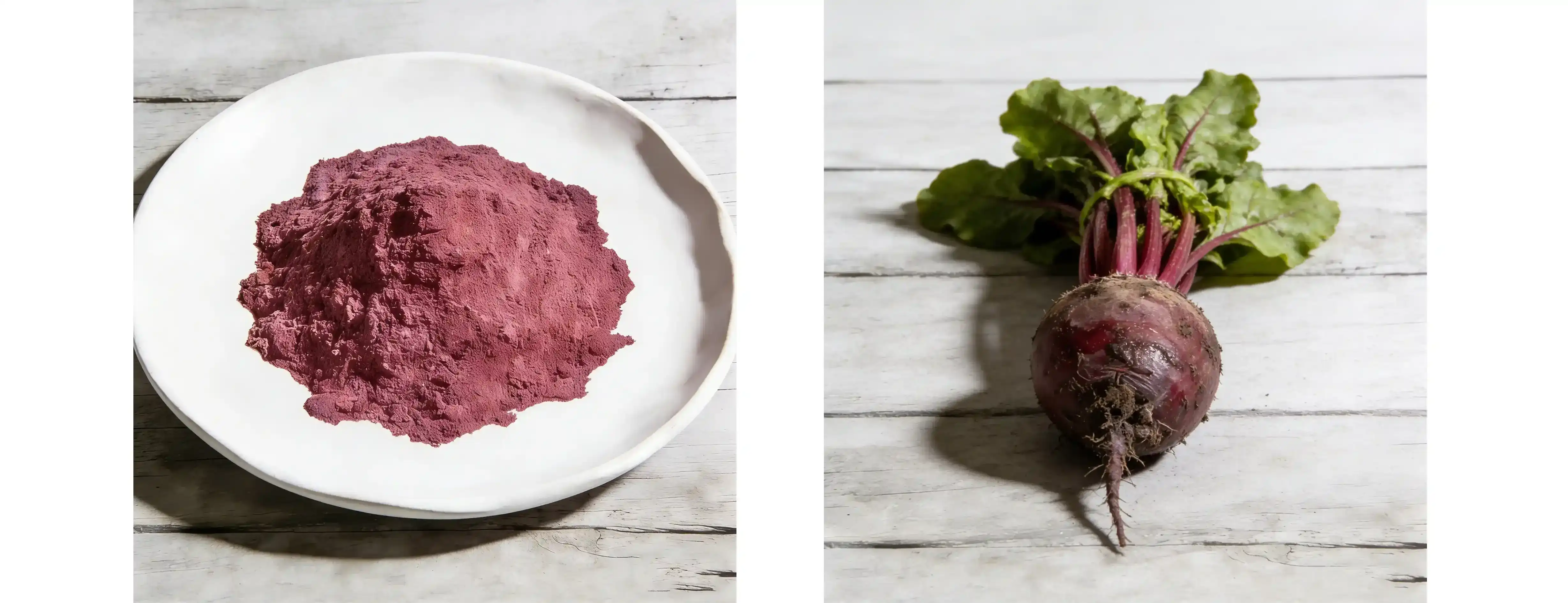
Understanding Beta Vulgaris Root Powder and Its Functional Food Potential
Before it became more than just a vegetable, Beta vulgaris root powder has come a long way. To make professional-grade Beta vulgaris root powder, you can spray-dry, freeze-dry, or drum-dry the roots. This method saves bioactive substances like inorganic nitrates (about 1.5% to 3.0% of the powder) and betalains (betacyanins and betaxanthins) that normal veggie powders can't.
A group of chemicals called betalains give beets their deep purple-red color. Besides being pretty, they also have strong defensive qualities. A study in the Journal of Agricultural and Food Chemistry says that betalains get rid of reactive oxygen species better than a lot of other popular plant colors. Food nitrates, on the other hand, change into nitric oxide through a route in the mouth and throat. Because of this, Beta vulgaris root powder is often found in stamina and pre-workout goods.
Instead of Beta vulgaris root juice or whole capsules, the powder form stays stable longer and works better with different mixes. It dissolves easily in liquids thanks to its 95% pass-through at 80 mesh, and its bulk density values of 0.45–0.65 g/ml help it cap well. It's a good technology choice for people who make things and need something stable and easy to use for these reasons.
Key Criteria in Evaluating Beet Root Powder for Functional Food Applications
When it comes to tough recipes, not all Beta vulgaris root powder works the same way. There are a lot of things you need to look at besides nutritional claims to pick the right item.
Quality Certification and Safety Standards
There is no way to change the fact that they must start with farms that are certified organic and follow GMP guidelines. Getting certifications like NSF GMP, Kosher, Halal, ISO, FSSC22000, and Organic makes sure the product is clean, can be tracked, and was made in an honest way. Because roots keep things from the earth, heavy metal limits are very important for them. More than 3.0 parts per million (ppm) of lead, 1 part per million (ppm) of cadmium, or 1 part per million (ppm) of arsenic should not be present. To be used for food, the microbial guidelines say that the total plate count must be less than 10,000 CFU/g and there must be no Salmonella or E. coli.
Thermal Stability and pH Compatibility
Betalains are heat-sensitive. Above 70°C, thermal breakdown speeds up, so the pigment needs to be processed at low temperatures to keep it intact and useful. When the pH is between 4.0 and 6.0, the betalain colors stay stable the best. Because of this, the powder can be used in sour drinks, sweets, and chews. So that the bright purple-red color doesn't fade to brown over time, citric acid might be needed if the method doesn't work in this range.
Before adding an ingredient to the raw materials, formulation teams can make sure it keeps its biological value. This is true until the ingredient is used in the end product.

Market Solutions and Supplier Landscape for Beta Vulgaris Root Powder
There are now a lot more people in the world who can get this chemical. People in the US can now find places to buy organic beta vulgaris root powder that is safe for food. These places offer full paperwork packages, can do OEM/private label, and let people know where the powder comes from.
When people have bought things before, these are the main things they think about:
- Certification depth: More and more, big stores and brand owners, especially in North America and Europe, want products to be certified as organic, NSF GMP, halal, or kosher.
- Batch-to-batch consistency: There are different amounts of nitrate in raw roots based on how much nitrogen is in the soil and how much sunlight it gets. Reliable sellers do this by putting different kinds of raw materials together and using HPLC or Ion Chromatography (IC) to make sure they are all the same before they are packed up.
- Logistical readiness: For buyers in the U.S., the risk of production goes down when things are in stock and wait times are short. It's easier to buy things when local stores are supported because they cut down on customs delays even more.
- Customization options: Many buyers need specific particle sizes, carrier combinations (like Maltodextrin for hygroscopic control), or standard nitrate amounts in order for the product to live up to what it says on the label.
All of these things change the math for value as a whole, not just price per unit. Sometimes, a provider with good paperwork, regular assay results, and quick logistics will give you a better return on investment (ROI) over time than one that only competes on price.
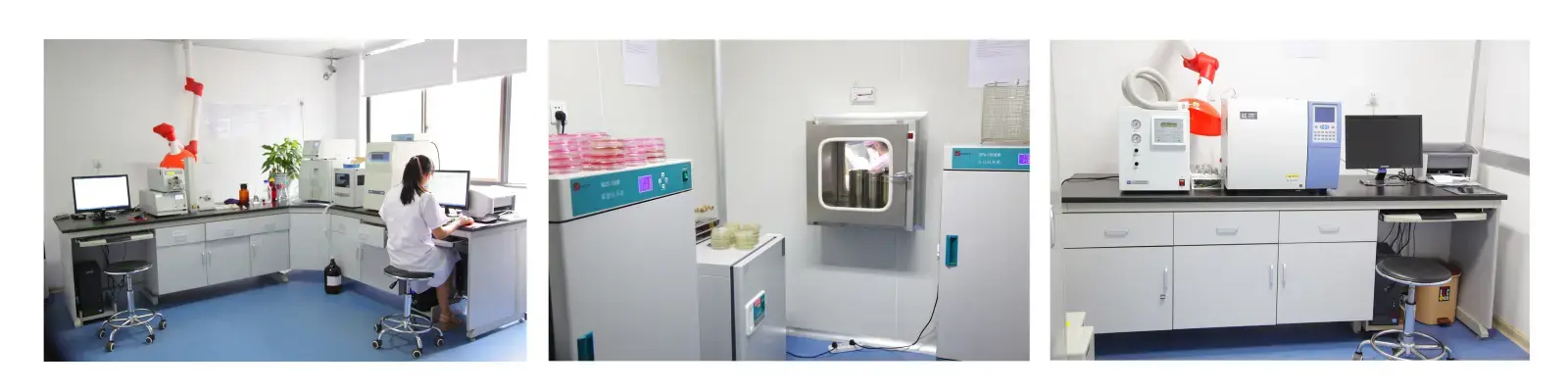
Case Studies and Practical Applications in Functional Foods
Beta vulgaris root powder has been used in a number of different ways in the business-to-business market. A lot of sports nutrition companies put it in pre-workout mixes to help the blood flow. Citrulline is often added to it to make the circulation support even better. The powder cooks down to a brown color, making it look like animal protein that has been cooked. It works like myoglobin when used to make plant-based meat substitutes. You need to use the right amount of powder so that the earthy taste doesn't come through too much.
Functional Confectionery and Beverage Applications
When the mixture reaches a boil, there is a sudden rise in the temperature of the mixture. When it comes to chews and sweets that include pectin, the powdered form of Beta vulgaris root has to be able to tolerate this while still preserving its colour. Vitamins and pH stabilisers are often used into the formulation process by formulators in order to ensure that the product's colour is preserved throughout the manufacturing process. Because of the powder's purity and the simplicity with which it can be mixed with water, it may be used in drinks as an alternative to artificial red dyes such as FD&C Red No. 40. This is done because the powder can be easily combined with water. This is because a rising number of people are interested in learning about the components that are included in food. This is the reason why this is the case.
In the form of disguising the underlying earthy taste, which is often referred to as geosmin, there is a persistent problem that may be managed. The use of cold-process extraction helps to limit the amount of flavour transfer that takes place, and mixing it with other types of berries, such as acai, raspberry, or blackcurrant, improves the overall experience without affecting the product's distinctive personality.
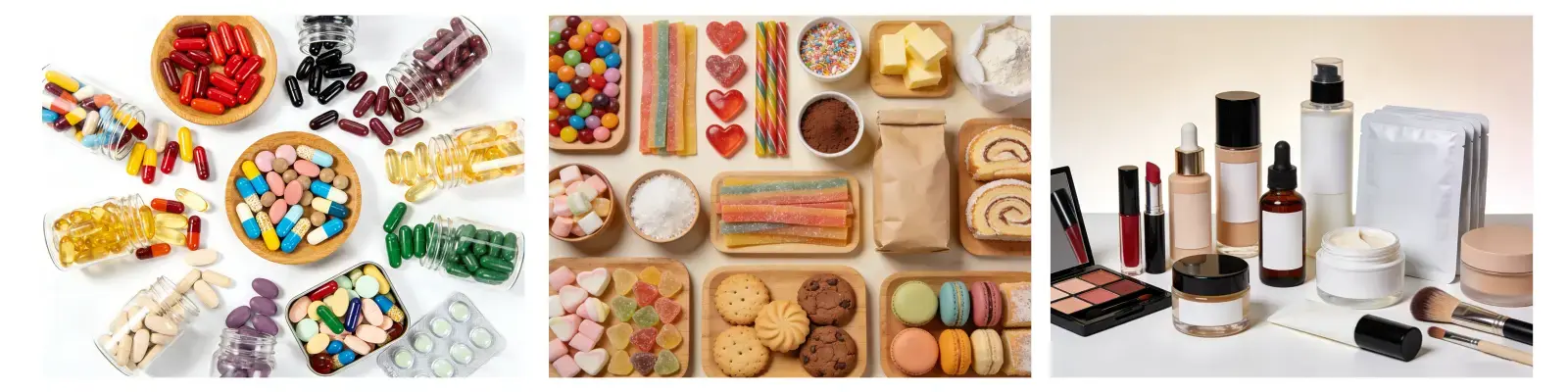
Buying Guide: How to Select the Best Beta Vulgaris Root Powder Supplier
The comparison of pricing is simply one of the many aspects that are included in the procurement options that are included in this area. There are a number of things that the perfect Beta vulgaris root powder source should provide, including scalable supply guarantees, verifiable certifications, tough third-party testing, and timely technical help.
Before approaching prospective suppliers, it is essential to first ensure that quality measures have been defined. Heavy metals, pesticide residues, and microbiological features should all be taken into consideration during the process of contaminant profiling. This is an essential step that must not be overlooked. In addition to ensuring that the validity dates of the certificates are verified, you should also request certificates of analysis (COA) that are specific to the batch. If the product's label indicates that it includes nitrate, you should insist on knowing the results of tests that have been validated by the IC.
Considerations such as minimum order quantities, lead times, and the ability to customise products are taken into account when deciding whether or not a certain supplier is a suitable fit for the requirements of the business. When it comes to clients who are increasing their output, suppliers that have local warehouse infrastructure in the United States may be able to drastically reduce the amount of time it takes to finish the procurement cycle. Compound pricing may sometimes mask this practical advantage, but it is always worth considering.
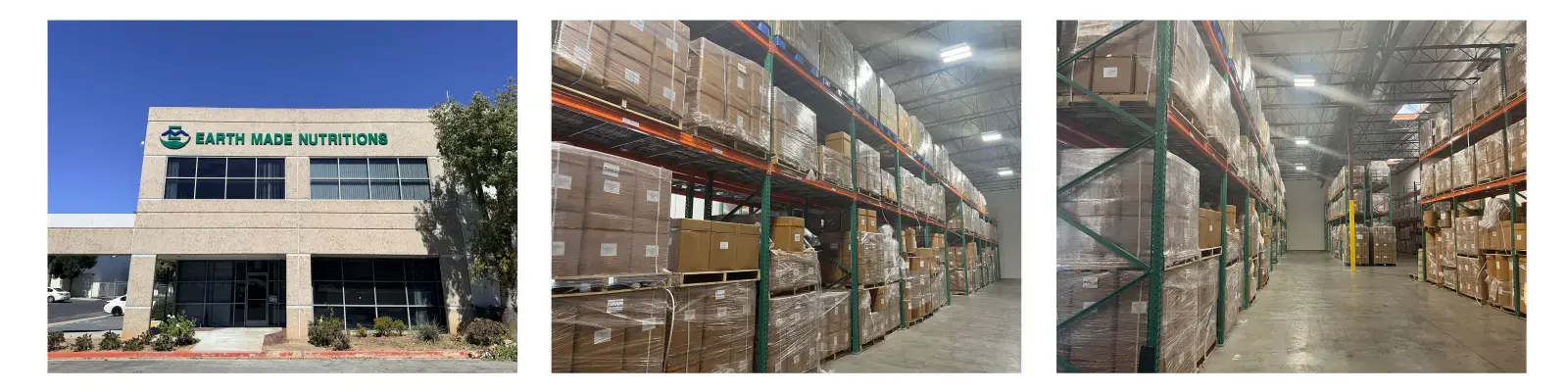
Conclusion
Beta vulgaris root powder stands as a credible, technically validated ingredient for functional food development. Because it changes color naturally, has nutritional nitrates, can be placed on clean labels, and can be used in any way brands want, it's a great tool for standing out. The key to unlocking its full potential lies in sourcing from suppliers who can deliver consistent quality, documented compliance, and reliable logistical support.
FAQ
1. What is the minimum order quantity for beta vulgaris root powder?
25 kgs per drum is the minimum amount that can be ordered. Free samples are available for qualified buyers who want to evaluate the material before committing to a full order.
2. How is the nitrate content kept consistent across batches?
Nitrate levels in raw tubers change on their own. When reliable providers do this, they mix different kinds of raw materials after they are harvested and use HPLC or Ion Chromatography to make sure the end mixture is equal before packing it.
3. Can this powder be used in baked applications?
Betalains break down when they are heated above 100°C for a long time. That being said, it performs best in frostings, sauces, cold-pressed bars, and dressings that don't need to be cooked up, not in baked goods that do.
4. What certifications should I require from a supplier?
When you want to buy food-grade things, NSF GMP, Kosher, Halal, ISO, FSSC22000, and Organic are the most important certificates. These are very important for meeting the needs of the U.S. and EU markets.
Source Your Beta Vulgaris Root Powder Supplier Through EM Today
Beginning in 2018, a US company called Earth Made Nutritions Inc. (EM) has been sending top-notch plant-based ingredients. We have NSF GMP, Kosher, Halal, ISO, FSSC22000, and Organic certifications that show we are a trustworthy company that sells beta vulgaris root powder. You can pick up your order the next business day at any of our four U.S. warehouses. Each batch has its own set of COA paperwork, test data that has been checked, and expert help that is only for that batch. Contact us at info@em-herb.com to get a free trial or to talk about how much it costs to buy in bulk.
References
1. Clifford, T., et al. — Nutrients, 2015. "The Potential Benefits of Red Beetroot Supplementation in Health and Disease."
2. Lundberg, J.O., Weitzberg, E., & Gladwin, M.T. — Nature Reviews Drug Discovery, 2008. "The Nitrate–Nitrite–Nitric Oxide Pathway in Physiology and Therapeutics."
3. Stintzing, F.C., & Carle, R. — Trends in Food Science & Technology, 2004. "Functional Properties of Anthocyanins and Betalains in Plants, Food, and Human Nutrition."
4. Wruss, J., et al. — Journal of Agricultural and Food Chemistry, 2015. "Compositional Characteristics of Commercial Beetroot Products and Beetroot Juice Prepared from Seven Beetroot Varieties."
5. Jones, A.M. — Applied Physiology, Nutrition, and Metabolism, 2014. "Dietary Nitrate Supplementation and Exercise Performance."
6. Chhikara, N., et al. — Journal of Food Science and Technology, 2019. "Bioactive Compounds of Beetroot and Utilization in Food Processing Industry."
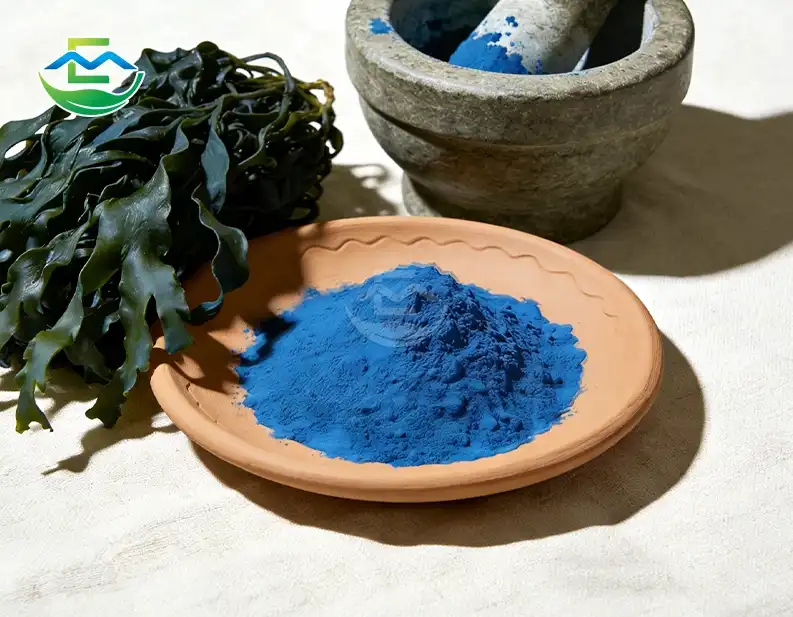
In the process of searching for blue spirulina phycocyanin for use in beverage applications, the most essential aspects to take into consideration are the purity grade, the stability of the formulation, the certification credentials, and the reliability of the possible source. This naturally occurring pigment-protein complex, which is extracted from Arthrospira platensis (Spirulina Platensis Whole Cell) by the use of water-based processing, not only offers a striking dark blue hue but also delivers necessary nutrients that are abundant in antioxidants by virtue of its composition. It is essential for research and development directors, formulation managers, and procurement teams to have a thorough understanding of the qualities that distinguish a premium phycocyanin from a poor one before making a commitment to a bulk purchase or a long-term supply agreement.
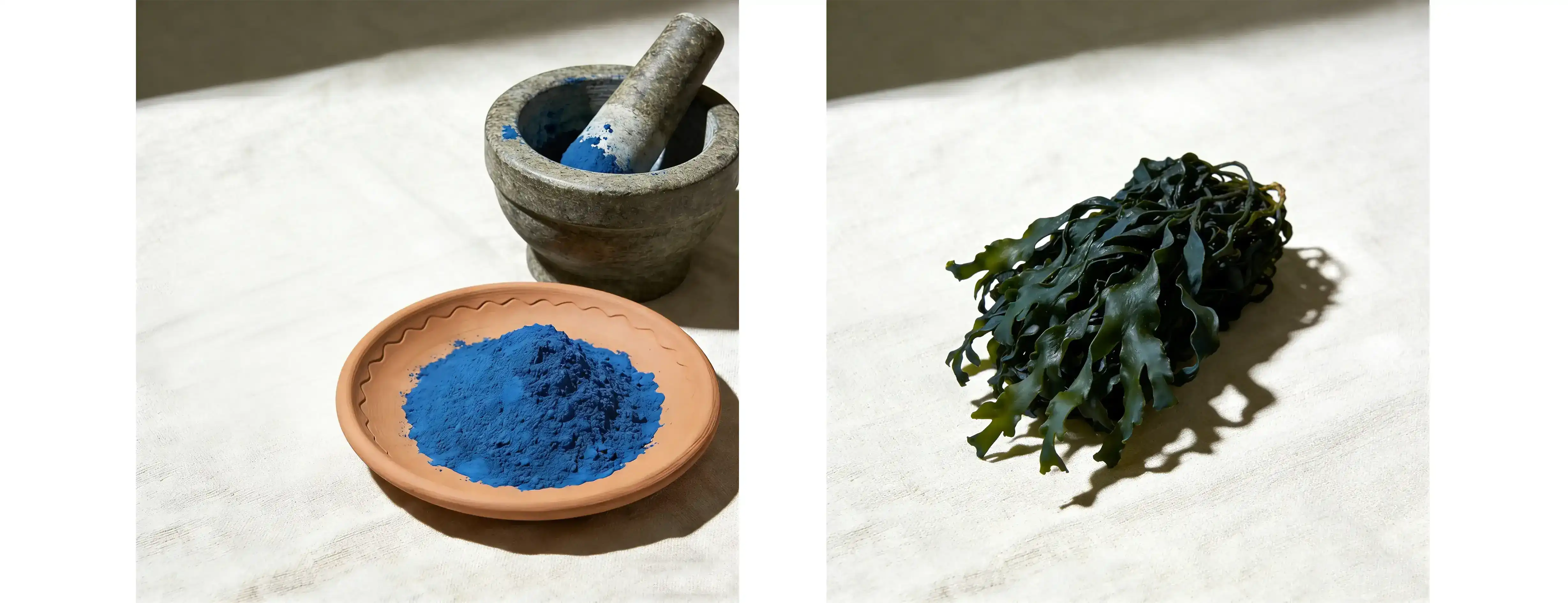
Understanding Blue Spirulina Phycocyanin in Beverages
What Makes Phycocyanin Unique as a Beverage Ingredient?
In the Spirulina Platensis Whole Cell sample, the principal colour that is effective is the pigment known as phycocyanin. This material is generated from plants and entirely dissolves in water, in contrast to Brilliant Blue FCF, which is made in a laboratory. Brilliant Blue FCF is a commercially available product. since of this, it is a natural choice for the manufacture of drinks that need unambiguous labelling since it is quite straightforward. Because of its attractive blue hue and mild taste, it is an ideal ingredient for improving the flavour of enhanced waters, health shots, and functional drinks. There is the possibility that the component with antioxidant qualities will be exposed to examination. Due to the presence of these characteristics, the chemical has the potential to be advantageous in a wide range of various settings.
Key Formulation Behaviors Beverage Developers Should Know
The degradation of phycocyanin starts to occur as the temperature starts to climb over around 60 degrees Celsius. As a consequence of this, it executes its activities most efficiently in drinks that have not been heated up to a significant degree or that are sitting at room temperature. In order to make drinks that are acidic, you will need a kind of phycocyanin that does not precipitate at a pH level lower than 4.0. In addition to that, you will have to make adjustments to the pH level of the beverage. At higher grades, such as Spirulina Platensis Whole Cell, water extraction is used in order to preserve the proteins' natural condition and prevent any possibility of adulteration. Consequently, this is advantageous for the process of organic certification as well as the placement of clean labels.
Core Criteria for Selecting High-Quality Phycocyanin
Pure and color value are the two most important things to look for in drinks with blue spirulina phycocyanin. It's easy to see how much pigment is there because the color value is given as E1% at 618nm. When used for food, E18 (E1% ≥ 180 at 618nm) is the standard. Better E25, on the other hand, costs more and has darker colors. You can save time and money on concentration by making sure you get the right grade for your application.
Teams in charge of getting things should look at these basic quality factors before giving a seller the green light:
- Microcystin content: Must test below 1 ppm via ELISA or HPLC. This is the most critical safety checkpoint for any algae-derived ingredient and is non-negotiable for market access.
- Color value consistency: Spectrophotometry at 618nm confirms batch-to-batch uniformity, protecting your product's visual consistency across production runs.
- Heavy metal limits: Lead and arsenic must each fall below 1 ppm, verified by ICP-MS analysis, particularly relevant for material sourced from controlled cultivation systems.
- Microbiology: Total plate count should remain below 10,000 CFU/g, with confirmed absence of Salmonella, E. coli, and S. aureus.
- Protein content: Authentic phycocyanin carries a protein content above 30–45%, which guards against adulteration with inexpensive fillers such as maltodextrin.
If you want to do a quality assurance check, these things must be true. It's riskier to prepare, grade, and follow the rules if you skip even one.
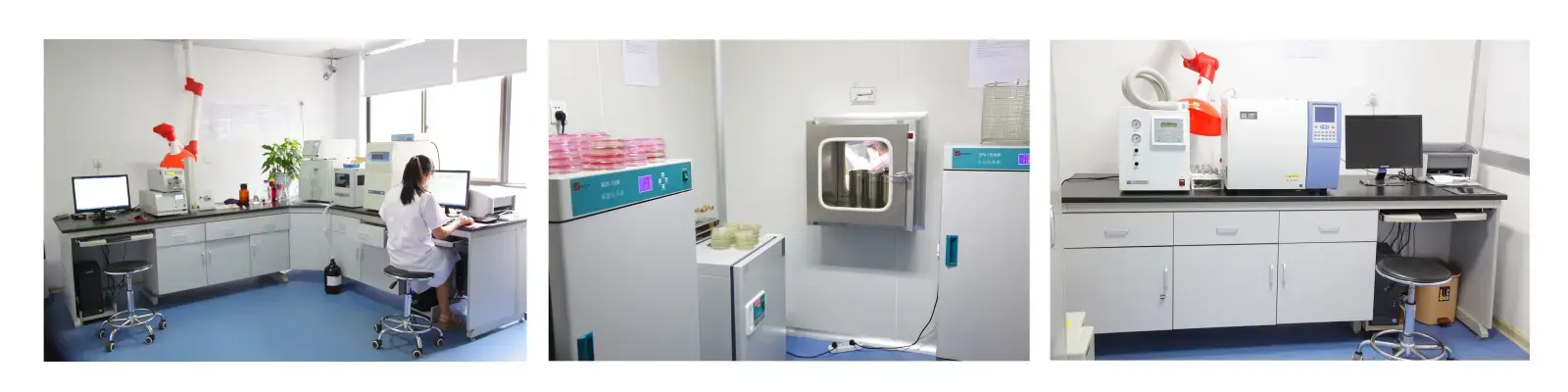
Comparing Phycocyanin Against Alternative Colorants
Natural vs. Synthetic: Why the Gap Is Widening
Because of changes in how people feel, the U.S. market has clearly moved toward natural colorants. In 2023, the Clean Label Project polled people and found that more than 68% of Americans read ingredient labels to see if products contain any fake chemicals. According to this need, phycocyanin offers a stable blue color drawn from plants that does not need the extra care that is being given to manufactured dyes.
Spirulina-Derived vs. Chlorella-Derived Phycocyanin
When it comes to color content and solubility, phycocyanin from spirulina always beats phycocyanin from chlorella. For beverage integration, this means less of a dose is needed, the color will be more consistent, and the label text will be easier to understand. Powder is still the best way for most drink companies to send their products because it mixes better with water and makes it easier to measure out the right amount.
Practical Considerations When Buying in Bulk
When you buy blue spirulina phycocyanin in bulk, you add factors that can't be fully shown by a single-batch sample. The best way to store something is away from light, moisture, and changes in temperature. This will help it last longer. To keep pigments in good shape over time, it is common practice to store them in buildings that control the temperature and put them in sealed drums that can hold 25 kg each.
When teams that buy things look at the total cost of ownership, having goods in the US helps. You can get it much faster if you buy from a company in the U.S. with four stores close by. For example, Earth Made Nutritions Inc. has goods in stock that can be picked up the next business day. This makes it easier to plan production and cuts down on the cost of extra stock.
It's also important to plan the amount. Phycocyanin gives color at low levels, so using too much of it makes it more expensive without making it look better. Before you start to make more, it's helpful to work with your suppliers' expert teams to figure out the best dose amounts for your specific drink mix.
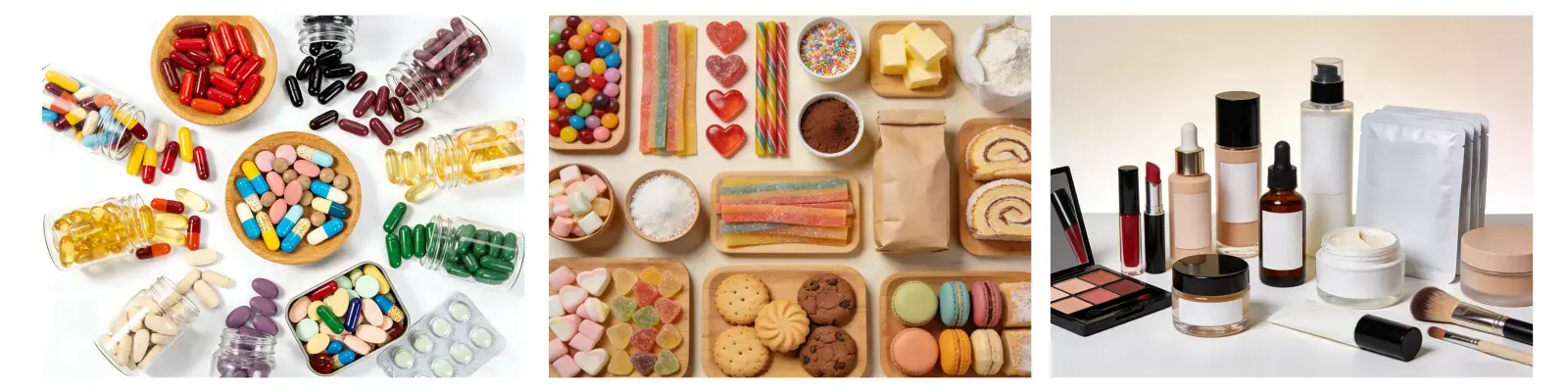
How to Verify and Choose the Right Supplier
Certifications That Carry Weight in the U.S. Market
Not every person who says they are certified is the same. NSF GMP, ISO, and FSSC22000 are the very least reliable approvals for phycocyanin that is used in drinks. More people can buy from you if you have Kosher and Halal certificates. Organic certification, which can only be earned by extracting verified organic material using water and no chemical solvents, helps products stand out as more expensive and makes people pay more for them.
The Spirulina Platensis Whole Cell phycocyanin from Earth Made Nutritions Inc. is certified as organic, Kosher, halal, NSF GMP, and ISO. In other words, it meets the requirements of big U.S. stores, contract makers, and international markets all at the same time.
What to Request Before Finalizing a Supplier
Apart from certification papers, you should also ask for microcystin, heavy metal, microbiology, and color value results from the most recent production runs that were done by a third-party lab. Before you make an order, ask Earth Made Nutritions Inc. for a free taste and mix it with your drink base to see how well it works. That a supplier is ready to help with formulation issues and provide expert support is a strong indication that they care about your product's long-term success.

Conclusion
It's not enough to just buy the right blue spirulina phycocyanin for use in drinks; you also have to make sure the recipe is correct and protect the brand's image. Your final product's level of purity, the number of certifications it has, its stability data, and the provider's infrastructure can all be used to check if it meets laws and customer expectations. Companies that make drinks in the U.S. and around the world use Spirulina Platensis Whole Cell phycocyanin, a dark blue powder that is made by removing it with water. It is a clean, safe, and effective choice.
FAQ
1. Can phycocyanin be used in carbonated beverages?
The pH can be above 4.0, so it can be used in sparkling water and drinks with a little pop. When the pH level is low, standard phycocyanin likes to settle down, which can cloud the solution or make it darken. If you use acid-stable grades or change the recipe, this will be fixed.
2. What is the shelf life of bulk phycocyanin powder?
For 24 months, phycocyanin powder should be kept in sealed 25 kg drums that are kept out of the sun, water, and heat.
3. Is this ingredient vegan and allergen-free?
No, Whole Cell Phycocyanin from Spirulina Platensis does not come from animals. It only comes from plants. The label doesn't name any known allergens because that's against U.S. FDA rules.
4. Does this product carry organic certification?
Organic marks are on the phycocyanin that Earth Made Nutritions Inc. makes. The organic claim and the clean label placement are both supported by the fact that certified organic spirulina biomass is extracted with water. This is because there are no chemical solvents left over.
Source Premium Blue Spirulina Phycocyanin from Earth Made Nutritions Inc.
Earth Made Nutritions Inc. is allowed to sell blue spirulina phycocyanin to US companies that make beauty products, healthy drinks, and nutrition supplements. We make it easy to buy things by having four warehouses in the US, letting you pick up in-stock items the next day, and having a full record of certifications. Email info@em-herb.com right now to get a free sample or price quote.
References
1. Boussiba, S., & Richmond, A. E. (1979). Isolation and characterization of phycocyanins from the blue-green alga Spirulina platensis. Archives of Microbiology, 120(2), 155–159.
2. Eriksen, N. T. (2008). Production of phycocyanin — a pigment with applications in biology, biotechnology, foods and medicine. Applied Microbiology and Biotechnology, 80(1), 1–14.
3. Kamble, S. P., Garg, S., & Singhal, R. S. (2013). Chemical modification of phycocyanin from Spirulina platensis and its colorimetric assessment. Food Chemistry, 139(1–4), 1093–1099.
4. Martínez, J. M., Luengo, E., Saldaña, G., & Raso, J. (2017). C-phycocyanin extraction of Spirulina platensis by pulsed electric field technology. Bioresource Technology, 237, 202–208.
5. Food and Drug Administration (FDA). (2013). Agency Response Letter: GRAS Notice No. GRN 000398 — Phycocyanin from Spirulina platensis. U.S. Department of Health and Human Services.
6. Herrero, M., Ibáñez, E., Cifuentes, A., & Reglero, G. (2005). Antioxidant activity of phycocyanin from Spirulina platensis using different in vitro bioassays. Journal of Chromatography A, 1054(1–2), 315–322.
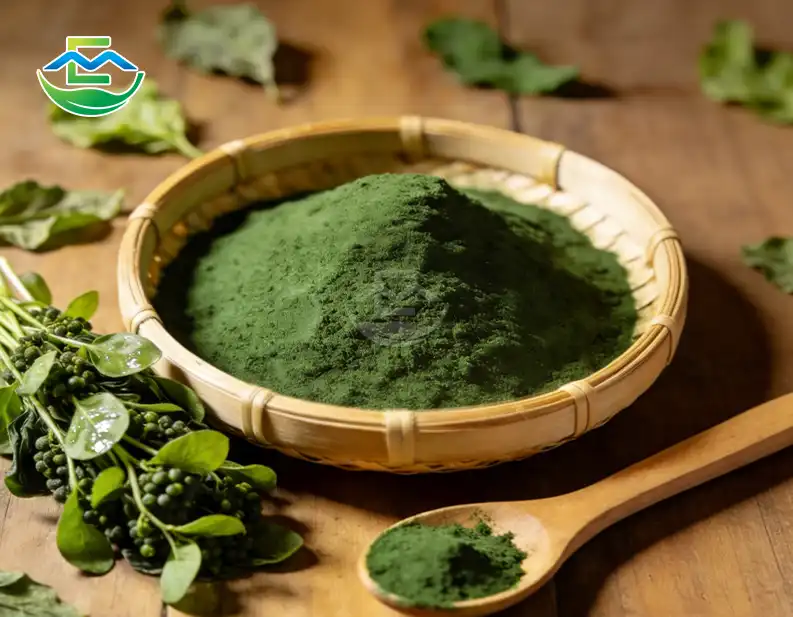
The first step in selecting the appropriate chlorella component is to have a grasp of the characteristics that differentiate a functional-grade product from a commodity powder. The concentrated nutritional profile that pure chlorella powder, which is generated from Chlorella pyrenoidosa, which is the whole-plant biomass that is processed without the use of solvents, provides is something that research and development teams and formulation managers really depend on. With a chlorophyll content that is more than 2,000 mg/100g, a protein density that ranges from 55–65% dry weight, and a cell wall breakdown rate that is greater than 95%, this component provides a bioavailability that can be measured effectively. If you want to make an informed choice, you should first determine the legitimacy of the species, the processing processes, the certificates, and the trustworthiness of the supplier before committing to large purchases.
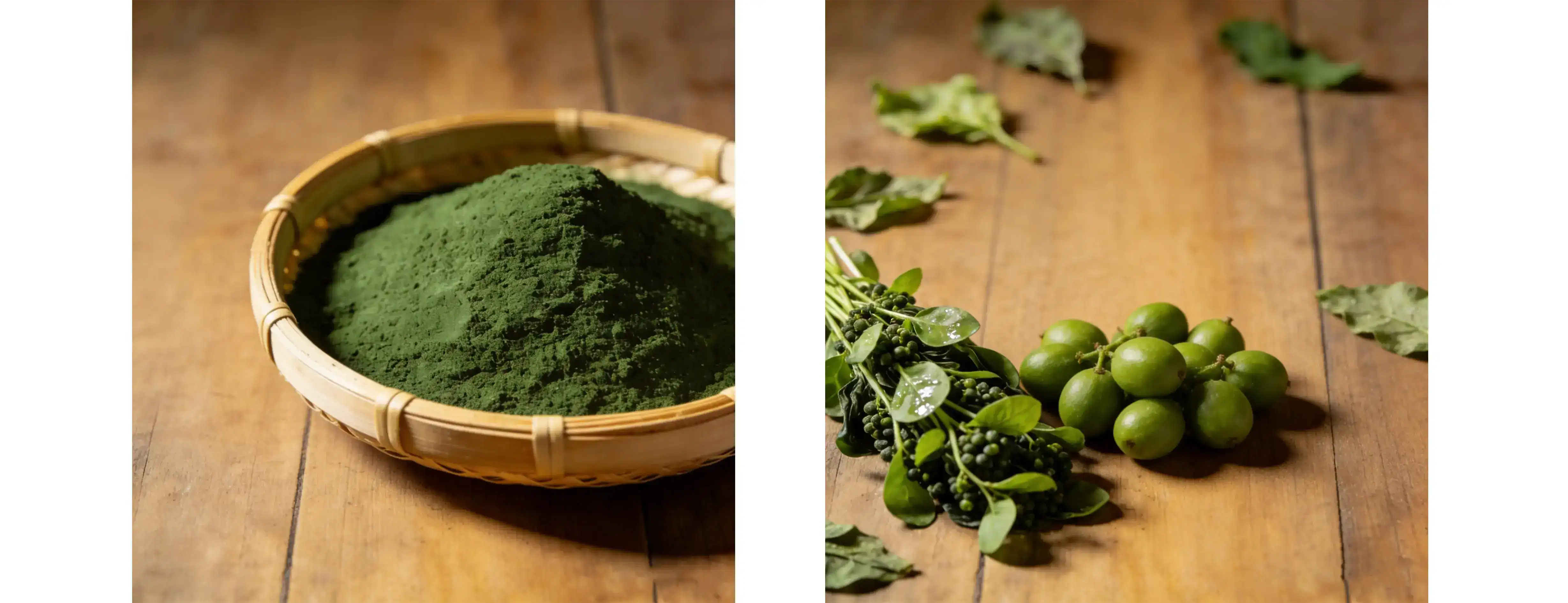
What Pure Chlorella Powder Actually Is — and Why It Matters
Chlorella pyrenoidosa is a kind of green microalgae that consists of a single cell. It is distinct from spirulina and blue-green algae due to the presence of a unique protein known as Chlorella Growth Factor (CGF), which accounts for around 3–5% of its biomass. This particular category is the only one in which CGF can be found, making it a very useful component in formulations that are designed to strengthen the immune system and enhance performance.
The Cell Wall Problem Most Buyers Overlook
Since the cell wall of raw chlorella is composed of stiff cellulose, which is not digestible, the chlorella in its natural condition is almost entirely indigestible. For humans, fewer than forty percent of the food they consume can be digested if there is no mechanical interruption. In order to achieve a cell wall cracking rate of greater than 95%, a decent chlorella powder will employ either the Dyno-Mill or low-temperature pressure expansion processing method. As a result, the powder is more than 80 percent digestible, while maintaining heat-sensitive molecules such as chlorophyll porphyrins and chlorophyll fluorescent protein. In the process of testing a chlorella component, the cell wall breakage rate is not a characteristic that is only desirable but rather a criterion that must meet technical requirements.
Nutritional Profile Worth Knowing
In addition to being a source of protein, the material contains all eight essential amino acids, a much higher concentration of chlorophyll compared to spirulina, omega-3 fatty acids, beta-glucans, and B vitamins. It should have a moisture content of less than seven percent and an ash content of less than eight percent. Common methods for determining how well something was processed and how stable it was stored are the standards that are being discussed here.
Core Criteria for Selecting a Chlorella Powder Supplier
Different procurement professionals in the nutraceutical, cosmetic, and functional food industries choose suppliers in different ways, but there are some evaluation criteria that are always used. A trustworthy pure chlorella powder provider should be able to show that their products are traceable from the time they are grown to the time they are packed, have widely recognized certifications, and offer quick technical support.
Here are the main things that set a reliable provider apart from a common one:
- Certification depth: Look for NSF GMP, FSSC 22000, Kosher, Halal, ISO, and Organic certifications collectively. Each certification addresses a different compliance dimension — manufacturing hygiene, food safety management, religious market access, and organic integrity. A supplier carrying all five signals genuine institutional investment in quality infrastructure.
- Processing transparency: Confirm that no solvents are used in production and that the final appearance is a fine green powder consistent across batches. Batch-to-batch color and mesh consistency (typically 120–200 mesh) reflects cultivation and drying process control.
- Heavy metal and microbiological testing: Because chlorella is a powerful chelator, it readily absorbs Lead, Mercury, Cadmium, and Arsenic from its cultivation environment. Qualified suppliers conduct ICP-MS screening and maintain Pb and As levels below 1.0 ppm. Total Plate Count should remain below 50,000 cfu/g. These are standard B2B quality gates, not optional add-ons.
- Sample availability and lead time: A supplier confident in their product offers free samples without friction. In-stock inventory with a next-business-day pickup option is a meaningful logistical advantage for formulation teams working against product launch timelines.
Together, these factors lower the risk of buying and protect the quality of the products that come after. If you skip any of them, especially heavy metal verification, you could be breaking the law in regulated markets like the EU and the US.

Comparing Chlorella Powder With Other Algae Ingredients
When supplement makers make a detox, greens, or performance stack, they often compare chlorella to spirulina or wheatgrass. Each element has its own unique qualities. Because it grows faster and has more phycocyanin, spirulina is a cheaper option for general nutrition. Chlorella, on the other hand, has more chlorophyll and the unique compound CGF, which is not found in spirulina at all.
Powder vs. Other Formats
For business-to-business manufacturing, powder format gives you the most formulation options. It can be used for everything from making tablets and capsules to healthy drink mixes and cosmetics. Because the ingredient naturally sticks together when pressed, it can be used as a partial binder in clean-label pill formulas, which means magnesium stearate is not needed. Powder can also be used to add green color to food and drinks because it has a pH range of 4 to 9 and can withstand short-term temperatures up to 120°C, which is higher than spinach and matcha in processing environments.
Organic vs. Standard Grade
Organic-certified pure chlorella powder costs more, but it can be used in clean-label products and in lines that are USDA Organic. Irradiated chlorella, which is sometimes used to kill microbes, doesn't follow EU and USDA Organic standards and breaks down some phytonutrients. Make sure that the ways of cleaning are clear. The standard for organic compliance is either steam cleaning or HACCP-controlled closed-system farming.
How to Procure Chlorella Powder Effectively at B2B Scale
When compared to multi-tier distributor channels, direct manufacturer sourcing usually gives you more control over the supply chain and clearer pricing. For US-based supplement brands, how close the warehouse inventory is has a big impact on when production starts and ends. For goods going to the EU, make sure you get all the paperwork up front, including the certificate of analysis (COA), heavy metal reports, cell wall broken rate proof, and PAH4 screening results.
Talk about the total landing value instead of just the unit price when you negotiate. Think about the packing requirements (25 kg/drum), the minimum order quantity (25 kg), and the dependability of the wait time. Sample tests before committing to a large batch protect the investment in the formulation and show performance data that can't be fully shown on spec sheets in the real world.
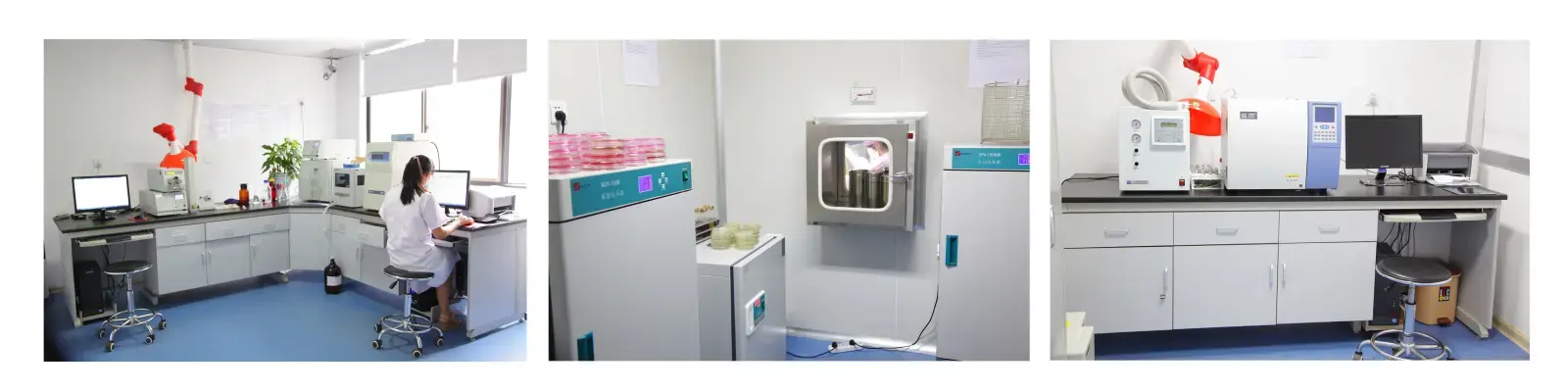
Industry Best Practices: What Successful Procurement Teams Do Differently
Purchasing teams that consistently find high-quality chlorella ingredients use the same method: they check technical claims against results from a third-party lab instead of just relying on paperwork from the supplier. They also keep the option to use two sources so that there aren't any problems with supply during times of high demand. By adding a test for pheophorbide to new quality control methods, you can be sure that enzymatic chlorophyll degradation did not happen during drying. This stops phototoxic risks in finished goods and builds trust with retail partners in the formulation.
Conclusion
To choose a high-quality pure chlorella powder, you need to look at the supplier's infrastructure, certification range, heavy metal safety data, and cell wall disruption technology all at the same time. Chlorella pyrenoidosa whole-plant powder that has been processed without solvents and checked against strict B2B quality standards gives cosmetic and nutraceutical brands a useful, clean-label ingredient that has real market differentiation potential. In the end, the procurement decision determines how well the product works, how it is regulated, and how trustworthy the brand is in the competitive US and global supplement markets.
FAQ
1. Is chlorella powder safe for sensitive consumer populations?
Before adding an ingredient to products for sensitive groups, procurement teams should check seller COAs for TPC, E. coli, and Salmonella results.
2. What certifications matter most for US supplement market entry?
The most important building blocks for US compliance are NSF GMP and FSSC 22000. Organic certification adds a clean name, and Kosher and Halal certifications increase the number of people who can buy the product. All five certifications show that a supplier is fully committed to quality.
3. How do I verify cell wall breakage rate?
The usual ways to check are through microscopic inspection and centrifugal separation. For nutritional effectiveness claims to be accepted in B2B, this data point must be clearly stated in the supplier's paperwork. A rate above 95% is the acceptable level.
4. Does powder format affect shelf life?
When vacuum-sealed with nitrogen, cleaning, or oxygen scavengers, chlorella powder that has been properly handled can be kept for two to three years. Lipids can be oxidized when cell walls are broken, so the way the food is packaged is just as important as the way it is processed.
Source Your Chlorella Powder Supplier With Confidence — Contact EM Today
Earth Made Nutritions Inc. (EM) has four warehouses in the US. This lets supplement makers all over the country be sure of fast shipping and a steady supply of goods. Our chlorella pyrenoidosa powder is certified by NSF GMP, FSSC 22000, Kosher, Halal, ISO, and Organic. You can get free samples, and we have stock that can be picked up the next business day. Get in touch with our purchasing team at info@em-herb.com to get a sample and learn more about the pure chlorella powder we sell.
References
1. Merchant, R. E., & Andre, C. A. (2001). A review of recent clinical trials of the nutritional supplement Chlorella pyrenoidosa in the treatment of fibromyalgia, hypertension, and ulcerative colitis. Alternative Therapies in Health and Medicine, 7(3), 79–91.
2. Panahi, Y., Darvishi, B., Jowzi, N., Beiraghdar, F., & Sahebkar, A. (2016). Chlorella vulgaris: A multifunctional dietary supplement with diverse medicinal properties. Current Pharmaceutical Design, 22(2), 164–173.
3. Safi, C., Zebib, B., Merah, O., Pontalier, P. Y., & Vaca-Garcia, C. (2014). Morphology, composition, production, processing, and applications of Chlorella vulgaris. Renewable and Sustainable Energy Reviews, 35, 265–278.
4. Bito, T., Okumura, E., Fujishima, M., & Watanabe, F. (2020). Potential of Chlorella as a dietary supplement to promote human health. Nutrients, 12(9), 2524.
5. Arakawa, K., Imai, S., Takenaka, S., & Watanabe, F. (2009). Suppression of oxidative stress markers in rats supplemented with Chlorella powder. Journal of Nutritional Science and Vitaminology, 55(2), 204–208.
6. U.S. Food & Drug Administration. (2023). Dietary Supplement Ingredient Advisory List and GMP Compliance Guidance. FDA Guidance for Industry, U.S. Department of Health and Human Services.
When sourcing botanical ingredients at scale, a label carries far more weight than most buyers initially realize. Standardized tongkat ali root powder — derived from Eurycoma longifolia Jack — is one of the most sought-after functional ingredients in today's nutraceutical, sports nutrition, and functional food markets. But not every label tells the same story. Understanding what each term, percentage, and certification mark actually signals is the difference between a procurement win and a costly mismatch. This guide breaks it all down plainly.
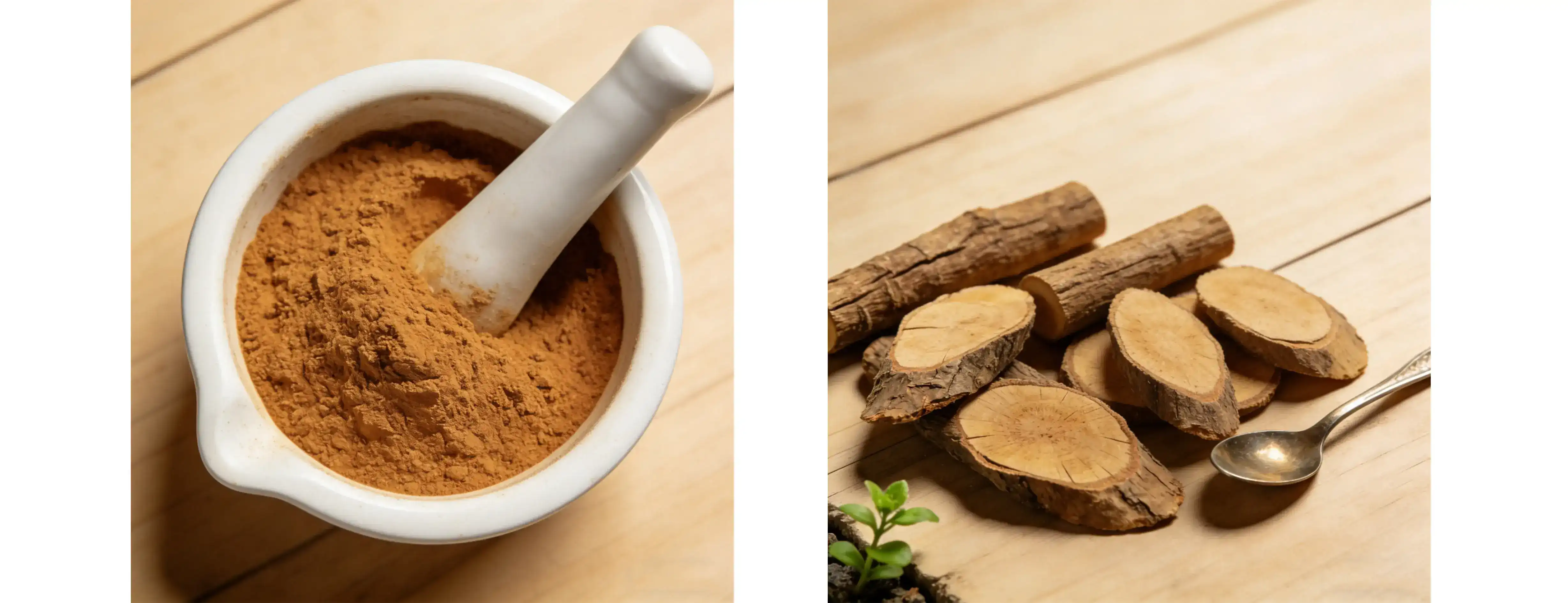
Understanding Standardized Tongkat Ali Root Powder Labels
The word "standardized" is not there for looks. It comes with a clear technical promise: the finished powder has a known, steady amount of a certain bioactive compound. The standard compound for Eurycoma longifolia extract is eurycomanone, a quassinoid that is known as the best way to show how strong something is.
What "Standardized" Actually Guarantees
A sticker that says ">1% Eurycomanone" or ">2% Eurycomanone" lets a formulation manager know that every batch has the same amount of active ingredient, which has been proven by HPLC analysis. This can't be said about raw root powder that hasn't been standardized. Variability from batch to batch is a problem for formulations, especially for companies that make capsules and tablets and need to make sure that doses are always the same.
Decoding Extract Ratios and Origin Claims
When you write "100:1" next to an extract ratio, it means that 100 kg of root material makes 1 kg of extract. These numbers show how hard it is to concentrate, not how powerful something is. A 200:1 number doesn't mean anything in the real world unless it is paired with a standard busy percentage. Labeling of origin is just as important. Many people think that Eurycoma longifolia root from Malaysia is the best because it grows naturally there, and trustworthy sellers put the location of their farms right on their paperwork.
Certifications That Carry Real Weight
This is what you should look for: ISO, NSF GMP, FSSC 22000, Kosher, Halal, and Organic certifications. These aren't just fancy marketing tricks; they're audited quality system validations that make it easier to get goods through customs and get them approved by regulators in the US, EU, and Asian markets.

Key Factors Behind Label Variations and Their Implications
Label differences between suppliers of tongkat ali root powder are often signs of bigger differences in how they source materials, how they process them, and how they handle quality. Understanding these signs keeps buying teams from making mistakes that cost a lot of money.
These are the main factors that cause label differences that matter:
- Active compound percentage: A label specifying ">0.8% Quassinoids" is a verifiable quality claim. Generic labels listing only "Tongkat Ali Extract" with no active percentage offer no procurement-grade transparency. Always prioritize labeled standardization over vague descriptor claims.
- Root powder versus extract powder: Pure root powder is cellulose-heavy with lower active density, requiring gram-level dosing for effect. Extract powder concentrates the bioactives, allowing effective clinical dosages between 200 mg and 400 mg — a critical distinction for capsule manufacturers working with strict fill weight tolerances.
- "Organic" and "wildcrafted" claims: Organic certification requires documented soil and farming compliance. "Wildcrafted" indicates forest-harvested material — valuable for natural positioning, but only credible when paired with traceability documentation and a COA.
All of these label signs show how seriously a seller takes quality control. A cheap choice with unclear labels usually means that the extraction infrastructure isn't well developed, the raw materials aren't always coming from the same place, or there isn't any third-party proof. All of these things put downstream makers at risk when it comes to formulation.
How to Use Label Information to Choose the Right Product
To match label data to your real buying needs, you need to make sure that the right standard is used for the right application. The brownish-yellow color of good Eurycoma longifolia root powder is a sign that it was processed correctly; powder that is too light or too dark is generally a sign of contamination or bad drying.
Matching Specification to Application
For sports nutrition pre-workout blends to mix well in cold water, the particles need to be small (usually 80 mesh). For beverage uses, you need extracts that dissolve in water and are proven to be stable at high temperatures. Quassinoids stay active at normal heating temperatures, which makes them a good choice for functional coffee formats. To make sure their capsules work with automatic encapsulation lines, capsule makers need to know the bulk mass of the material, which is usually between 0.45 and 0.65 g/ml.
Organic vs. Non-Organic: What Labels Signal for Compliance
For US brands that want to position themselves as having clean labels, having an Organic certification on the label directly backs up marketing claims and makes it easier to show compliance. Non-organic sourcing isn't necessarily worse, but it needs more COA inspection to make sure there aren't any pesticide residues, especially when sending food to Europe and Japan, which have strict rules about what can be sold there.
It's important that label claims for tongkat ali root powder are backed up by science. A published study on Eurycoma longifolia shows that eurycomanone and glycosaponins help support the testosterone-to-cortisol ratio. This is a two-way benefit that works for both men's health supplements and sports performance recovery stacks.
Purchasing Standardized Tongkat Ali Root Powder: What Labels Tell You About Logistics and Supplier Services
Not only does a label show bioactive content, but it also shows operational reliability. That a seller has a recorded production and quality control chain, not just a spot-purchase model, can be seen by batch numbers, drum weight statements, and traceability codes.
Reading Packaging Details as a Procurement Signal
As long as the business packaging is 25 kg per drum, it meets industry minimum order quantities and helps with correct customs valuation. Labels with lot numbers, production and expiration dates, and storage conditions show that the seller can support a full recall or traceability check, which is something that all FDA-regulated makers in the US have to do.
Long wait times aren't a problem when you work with suppliers whose warehouses are in the US. Earth Made Nutritions Inc. has four major local stores across the US. This means that in-stock items can be picked up the next business day, which is a practical benefit that directly cuts down on the time it takes for US-based buyers to make a purchase.
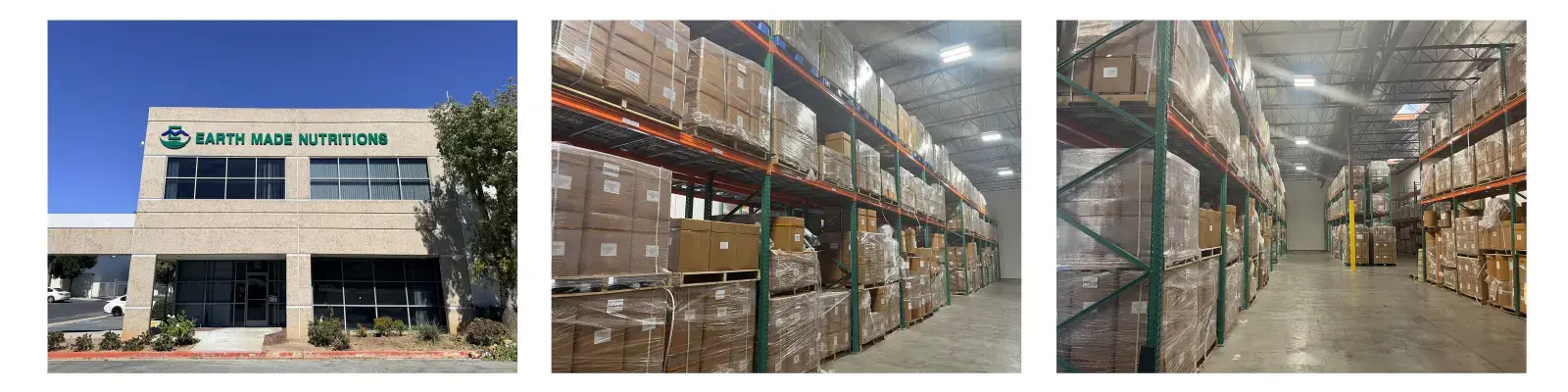
Maximizing Product Confidence: Safety Information on Labels
For responsible business-to-business purchasing, all product paperwork must clearly show information about safety and how to handle the product. Labels should say how to store the food (usually cool, dry, and out of direct light), how to handle it so it doesn't get wet, and how long it will last.
To follow the rules for importing, a full label package should have a COA with heavy metal panels (using ICP-MS), microbial testing results, and data on pesticide residues. When suppliers offer these documents along with standard labeling, it shows that their quality culture is mature. For entering the US market, a COA that doesn't include ICP-MS heavy metal data isn't complete. This is especially true for products that come from roots, which can pick up environmental pollutants as they are absorbed by the soil.
Correct and full labeling also speeds up the paperwork needed to enter the US and lowers the risk of FDA Import Alerts, which protects both the seller and the buyer's product launch schedule.
Conclusion
Reading the label on standardized tongkat ali root powder is a technical skill that has direct business effects. Active compound percentages, certification marks, origin claims, and package tracking codes all send a different message about how trustworthy the seller and the product are. When procurement teams learn how to read labels well, they can avoid expensive ingredient mismatches and build supply chains that can stand up to regulatory scrutiny. Being careful doesn't end with the label; it always starts with it.
FAQ
1. How do I verify that a label's active percentage claim is accurate?
Ask for a third-party COA that includes an HPLC study that proves the presence of eurycomanone. Suppliers with a good reputation include this paperwork with every batch. If you ask a seller for HPLC-verified batch data, they should give it to you.
2. What is the practical difference between root powder and extract powder?
Root powder keeps the whole plant structure, including cellulose, so bigger doses are needed to get the same effect. Extract powder takes out the plant parts that aren't needed and concentrates the bioactives. This lets smaller, more exact amounts be used, which is great for making capsules and drinks.
3. Is organic certification globally recognized for import purposes?
Many people in the US market know that you need to be certified as organic by the USDA. For products from the EU or Japan, there may be extra organic guidelines that are specific to those countries. Always check with your supplier about the scope of the certification before signing off on the final paperwork for the purchase.
4. Why does quality Tongkat Ali extract taste bitter?
The bitter taste comes from quassinoids, which are also the chemicals that give the ingredient its useful qualities. A sample that has been dissolved in water and tastes bitter is actually a good sign of quality. If there is no bitterness, it's likely because the active ingredient is low or fillers were added.
Source Your Tongkat Ali Root Powder Supplier With Confidence — Contact EM Today
Certified and standardized tongkat ali root powder (Eurycoma longifolia Jack) is sold by Earth Made Nutritions Inc. (EM) to functional food companies, sports nutrition companies, and nutraceutical brands all over the United States. EM has four warehouses in the US and has been certified by NSF GMP, FSSC 22000, ISO, Kosher, Halal, and Organic. They also have infrastructure that has been checked for quality. You can get free samples, but you have to order at least 25 kg/drum. You can email our team at info@em-herb.com to get price lists and detail sheets.
References
1. Tambi, M. I. B. M., Imran, M. K., & Henkel, R. R. — Asian Journal of Andrology, 2012.
2. Talbott, S. M., Talbott, J. A., George, A., & Pugh, M. — Journal of the International Society of Sports Nutrition, 2013.
3. Hamzah, S., & Yusof, A. — British Journal of Sports Medicine, 2003.
4. George, A., & Henkel, R. — Phytotherapy Research, 2014.
5. Low, B. S., Das, P. K., & Chan, K. L. — Journal of Ethnopharmacology, 2013.
6. Rehman, S. U., Choe, K., & Yoo, H. H. — Molecules, 2016.
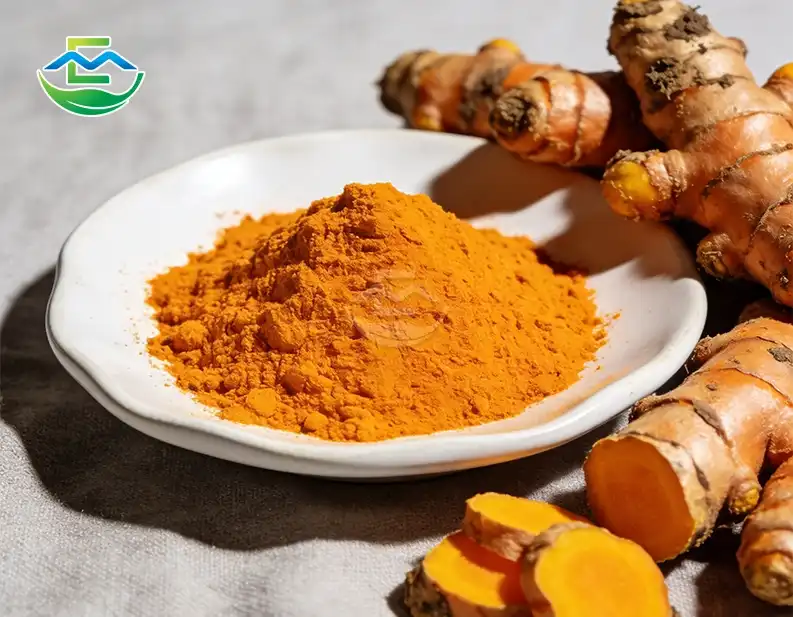
Pure turmeric root powder is the finely milled, dried rhizome of Curcuma longa L., a flowering plant native to South Asia. Unlike concentrated curcumin extracts, this whole-root ingredient retains its naturally occurring phytochemical matrix — including curcuminoids (typically 2–6%), essential oils such as turmerone and zingiberene, dietary fiber, and trace minerals. For B2B formulators across nutraceuticals, functional food, and cosmetics, understanding what pure turmeric root powder actually contains — and how it differs from other turmeric forms — is the foundation of smarter ingredient sourcing.
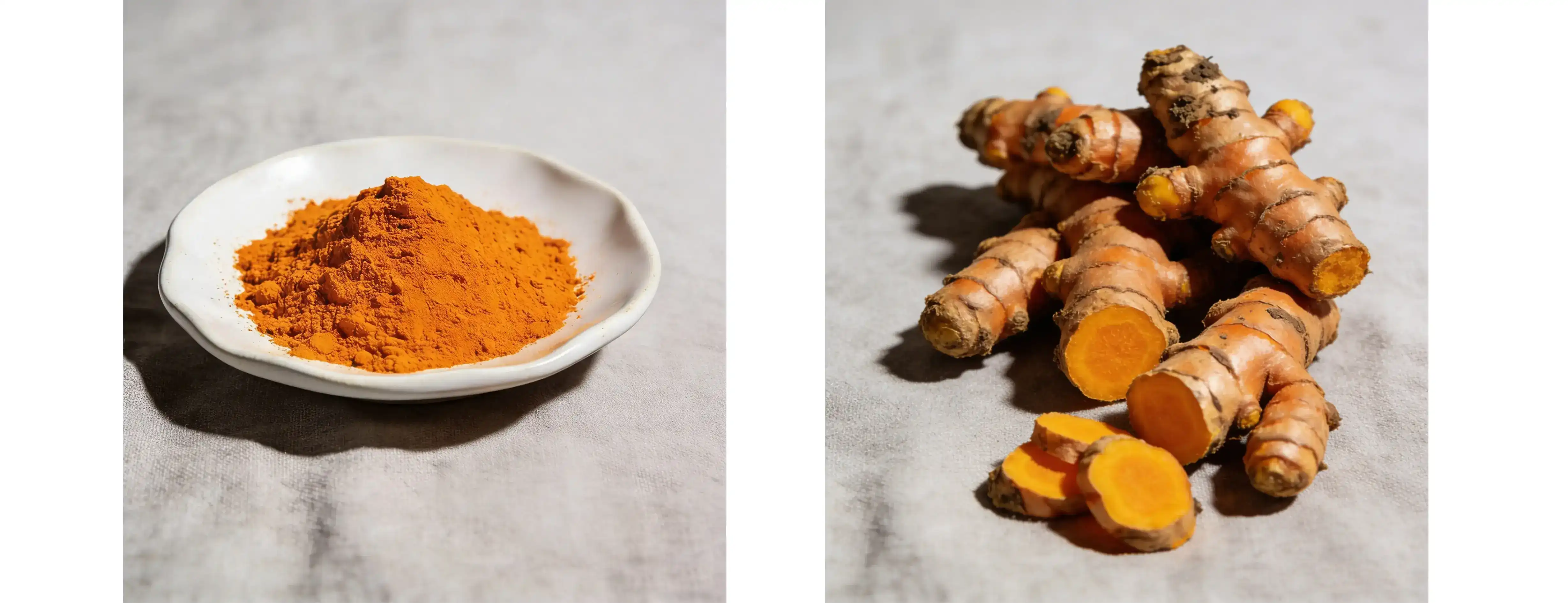
What Is Pure Turmeric Root Powder, Exactly?
The Whole-Root Difference
As far as purchasers are concerned, the two most common varieties of turmeric that can be found on the market are powdered turmeric root powder and standardised curcumin extract. Curcuminoids are separated from the extract by the use of liquid processing, which typically results in a purity level of 95%. Curcuma longa L. root powder, on the other hand, maintains the whole plant profile of the plant. Because of this, it is considered a "whole food" ingredient, which is much appreciated by clean-label and organic formulation programs.
Several technical aspects that are indicative of high-quality material are as follows:
- Validation of the curcumin content is performed using high-performance liquid chromatography (HPLC), as opposed to ultraviolet spectroscopy (UV spectroscopy), which may be influenced by adulterants.
- The moisture level should be less than 10% in order to prevent the development of microorganisms.
- Total Ash levels below 7%, which is a good predictor of the levels of soil pollution
- Typically milled to a particle size of 60–80 mesh for the purpose of achieving uniform dispersion in dry mixes
It is the volatile oil fraction, which ranges from 3–7% volume/weight, that is responsible for the earthy, musky, and somewhat pungent odour. Standardised extracts are responsible for removing the majority. Persons who manufacture functional foods and employ flavours place a high level of importance on the sensory authenticity of their products.
Why Adulteration Is a Real Procurement Risk
There are known problems with adulteration in the global supply chain for turmeric. Adding fillers like maize or rice starch, manufactured dyes like Metanil Yellow or Sudan Red, and, most importantly, lead chromate to make colors brighter are all done for economic reasons. Suppliers you can trust should give you Certificates of Analysis (COAs) that show they tested for heavy metals using ICP-MS (lead levels should be less than 1 ppm) and cancer-causing Sudan dyes using LC-MS/MS. The only safe way to be sure is to buy from approved, trackable makers.
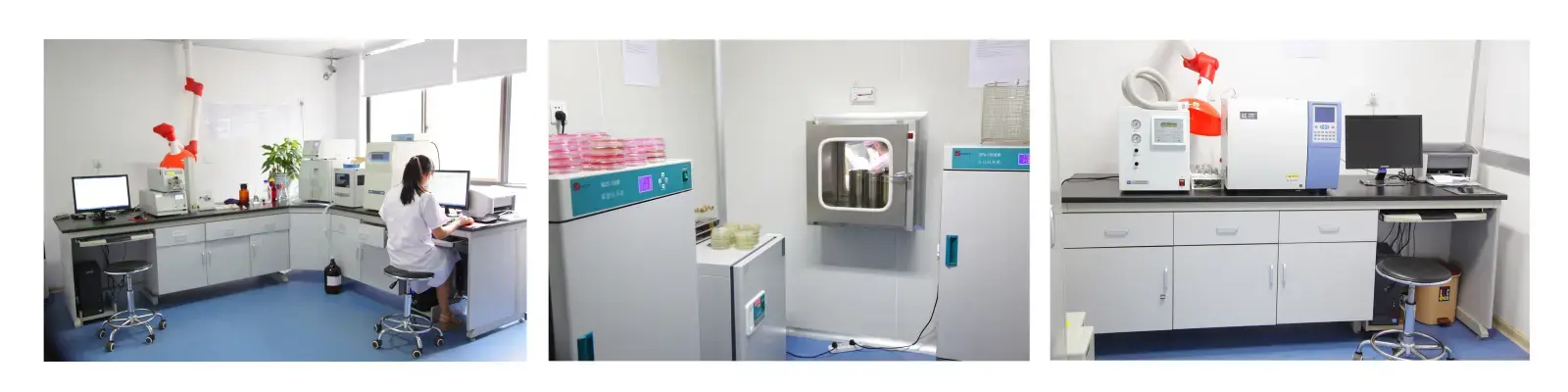
Key Benefits and Applications Across Industries
Bioactive curcuminoids found in turmeric are some of the most studied phytochemicals in the field of natural product science. Pure turmeric root powder is useful in many areas because it provides antioxidant protection and helps keep the body's inflammatory response pathways working normally. In addition to being useful, its warm golden color and unique smell give finished goods a natural look.
Here's how this ingredient is used in top B2B sectors:
- Nutraceutical whole-food blends: Whole-herb capsules and joint-support formulas commonly use turmeric root powder as both an active ingredient and a natural excipient. Pairing with black pepper extract (piperine) addresses the inherent low oral bioavailability of raw curcuminoids.
- Functional food and beverage manufacturing: Golden milk dry mixes, plant-based protein blends, and fortified snack products all leverage turmeric's color, flavor, and functional claims. Micronized grades or lipid co-carriers such as coconut milk powder help overcome sedimentation in liquid formats.
- Natural colorant and preservative systems: Turmeric serves as a clean-label replacement for synthetic Tartrazine (Yellow 5) in sauces, mustards, and spice blends. Its antimicrobial properties can also extend shelf stability in wet sauce systems.
- Cosmetic and personal care formulations: Turmeric root powder is valued in skincare as a botanical active supporting a natural, radiant complexion and antioxidant defense — a credible claim for brands positioning toward clean beauty.
These uses show how a single high-quality ingredient can open up business opportunities in different fields for both product makers and buying teams.
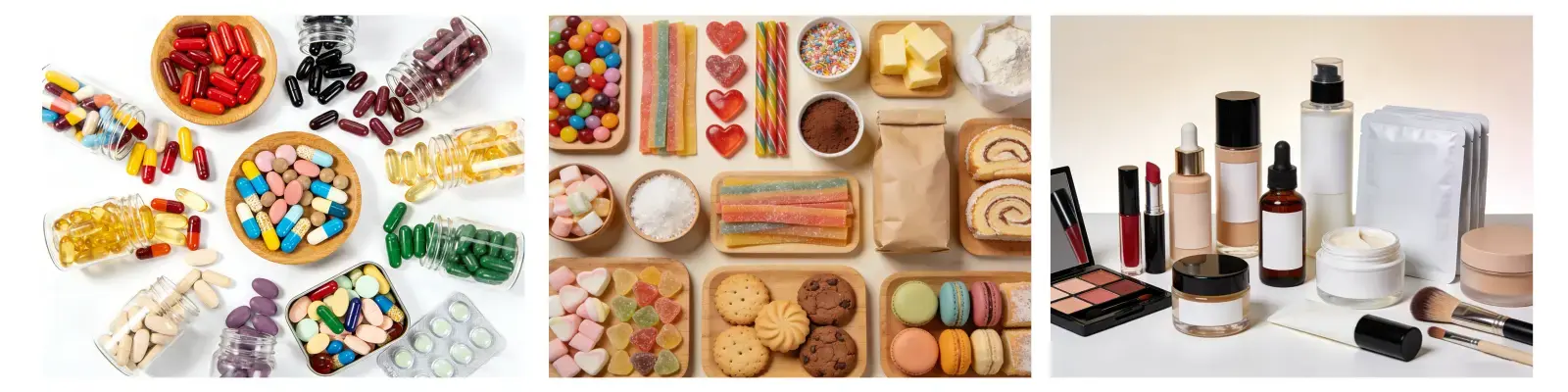
Comparing Turmeric Root Powder with Other Forms
Root Powder vs. 95% Curcumin Extract
The whole food is the root powder. The 95% extract is a separate drug substance. Root powder can be used for "whole herb" label claims, broad-spectrum synergy formulas, and food-grade uses that need the full botanical character. When a certain amount of curcumin is needed in each serving, high-potency curcumin extract is a good choice for targeted-dose supplements. They work well together and can't be switched out.
Organic vs. Conventional Grades
The price of organic turmeric root powder is usually 15–30% higher than regular grades, but it comes with a clean label, proof that it doesn't leave any waste, and the ability to make USDA Organic finished product claims. Steam cleaning is the best way to make sure that organic standards are met. It lowers the Total Plate Count to less than 3,000 CFU/g without using chemical gas methods that aren't accepted by the EU and top US markets.
When looking at providers, it's better to focus on those with multiple recognized certifications, clear batch tracking, and HPLC-backed COAs instead of just looking at price as a sign of quality.
Procuring Turmeric Root Powder: What B2B Buyers Should Verify
The supply chain is significantly impacted when you make purchases in large quantities. Not only are the quality of the documentation, the methods of sterilisation, and the logistics system not insignificant concerns, but they are also the most significant ones.
The year 2018 saw the beginning of Earth Made Nutritions Inc., which is headquartered in the state of California. It is a provider of pure turmeric root powder that is vertically integrated, and it has four large warehouses in the United States to assist the fulfilment of orders placed within the country. You will be able to pick up the stock the next business day, and the minimum order quantity begins at 25 kilograms per drum. This is an excellent level for both test production and manufacturing on a big scale. R&D and recipe teams that meet the requirements may get free samples.
The company has earned a wide variety of certifications, such as NSF GMP, FSSC22000, Kosher, Halal, ISO, and Organic certifications. All of these are up to FDA and international quality requirements. The requirements for compliance that are directly addressed by this collection of papers include those of purchasers of pharmaceutical-grade products, manufacturers of cosmetics that are required to adhere to standards, and wholesalers with an emphasis on exporting that operate in several markets.

How This Ingredient Strengthens Your Product Portfolio
An increasing number of people are seeking products that are not only beneficial but also traceable and unadulterated. Twenty-two years from now, the global market for turmeric was estimated to be worth around 58 billion United States dollars. Due to the growing popularity of clean-label food trends and dietary supplements, it is projected that it will continue to increase at a stable pace until the year 2030. This is the case. Formulators are able to gain a competitive edge over competitors who still need to deal with a range of ingredients when they are able to offer a supply chain for turmeric root powder that is both certified and consistent. This allows the formulators' brands to acquire a competitive advantage.
An environment that is conducive to the development of novel ideas is fostered by Earth Made Nutritions Inc. by virtue of the fact that it possesses both an in-house research and development staff as well as high-tech processing machines that are able to handle a wide variety of demands. These demands include conventional 60-mesh root powder as well as micronised grades for blending in beverages. Purchasing principles are growing around being responsible with the earth and procuring raw materials in a responsible manner, and the way that the business is thinking about sustainable sourcing indicates how these ideas are emerging.
Conclusion
Pure turmeric root powder, which comes from the plant Curcuma longa L., is a commercially useful and phytochemically rich ingredient that can be used in food, medicine, cosmetics, and supplements. Because it comes from whole foods, can be tracked, and meets multiple certification requirements, it is a better choice than synthetic or poorly documented alternatives. Purchasing teams that put heavy metal testing, screening for adulteration, verifying cleaning, and HPLC-backed curcumin tests at the top of their list of priorities will always be able to get materials that work reliably in both formulation and regulatory settings.
FAQ
1. What is the difference between turmeric root powder and curcumin extract?
The whole, ground rhizome of Curcuma longa L. is used to make turmeric root powder. It has 2–6% curcuminoids, as well as essential oils, fiber, and other phytochemicals. Solvent processing is used to separate the curcuminoid part, which is usually 95% pure. Root powder works well with "whole food" and "clean label" claims, while extract works well with tailored, high-potency formulas.
2. How do I verify that a supplier's turmeric powder is not adulterated?
Ask for COAs that show ICP-MS testing for heavy metals (lead <1 ppm), LC-MS/MS screening for Sudan dyes and Metanil Yellow, and starch identification by microscope. The accurate bioactive test reference is curcumin content confirmed by HPLC, not UV.
3. Why does batch color vary in natural turmeric powder?
The different colors show where the plant came from in terms of farming. The natural curcuminoid content is affected by harvest time, soil type, and variety (for example, Alleppey vs. Madras). Small differences between batches are a sign of real plant origin, not a quality problem.
4. Is steam sterilization important for supplement-grade turmeric?
Yes, turmeric comes from the ground and has microbes that come from the dirt. Steam sterilization lowers the Total Plate Count to less than 3,000 CFU/g and is still the legal way to do things for organic and clean-label uses.
Partner with EM for Premium Turmeric Root Powder Supply
Earth Made Nutritions Inc. (EM) sends certified turmeric root powder from a warehouse in the U.S. to makers who need uniform quality and fast delivery. It has certifications from NSF GMP, FSSC22000, Kosher, Halal, ISO, and Organic, so you can trust EM as a pure turmeric root powder manufacturer built for B2B. The MOQ is 25 kgs, trials are free, and our team is ready to help you reach your recipe goals. To get your sample today, email us at info@em-herb.com.
References
1. Hewlings, S. J., & Kalman, D. S. (2017). Curcumin: A Review of Its Effects on Human Health. Foods, 6(10), 92.
2. Nelson, K. M., et al. (2017). The Essential Medicinal Chemistry of Curcumin. Journal of Medicinal Chemistry, 60(5), 1620–1637.
3. Tayyem, R. F., et al. (2006). Curcumin Content of Turmeric and Curry Powders. Nutrition and Cancer, 55(2), 126–131.
4. Prasad, S., & Aggarwal, B. B. (2011). Turmeric, the Golden Spice: From Traditional Medicine to Modern Medicine. In Herbal Medicine: Biomolecular and Clinical Aspects (2nd ed.). CRC Press.
5. Shishodia, S., Sethi, G., & Aggarwal, B. B. (2005). Curcumin: Getting Back to the Roots. Annals of the New York Academy of Sciences, 1056(1), 206–217.
6. U.S. Food & Drug Administration. (2020). Guidance for Industry: Botanical Drug Development. FDA.
Organic milk thistle seed powder, derived from Silybum marianum seeds, has become one of the most sought-after botanical ingredients in the supplement and functional food industry. Standardized for its silymarin complex — a group of bioactive flavonolignans including Silybin A and B, Silychristin, and Silydianin — this fine yellow powder delivers consistent potency and broad formulation versatility. Whether you are developing liver-support capsules, functional beverages, or clean-label health products, this ingredient offers a reliable foundation backed by decades of research and growing consumer demand.
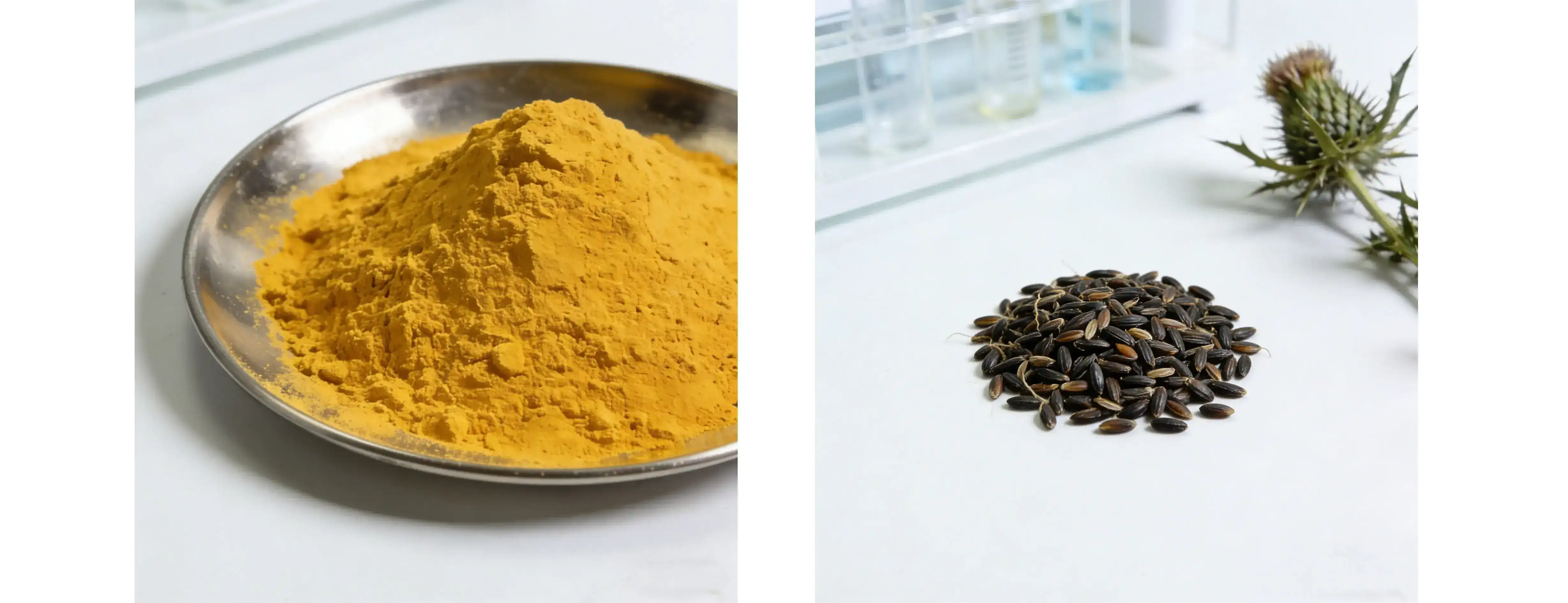
Understanding Organic Milk Thistle Seed Powder
What Makes the Silymarin Complex Valuable to Formulators
Silymarin, which is a group of lipophilic flavonolignans, is the component of Silybum marianum seed powder that is responsible for the majority of the beneficial effects. The fact that these compounds can defend cells and prevent the membranes of cells from deteriorating is something that is already common knowledge. Studies that were published in the American Journal of Gastroenterology demonstrate that silymarin has the ability to alter the levels of ALT and AST that are present in the liver. As a result of this, it becomes an essential component of items that are beneficial to the liver.
Silymarin is a trace amount of an antioxidant that is beneficial to the liver. Because of this, it is tempting for businesses that manufacture products that preserve cells and stimulate healthy ageing by offering them. Through the use of purchasing teams, it is possible to acquire a valuable ingredient that is compatible with several product lines at the same time. This is due to the fact that it may be used in supplements as well as meals.
How Organic Certification Elevates Ingredient Integrity
More than simply a marketing badge, it is required in order to meet the requirements for organic clearance. It has been assured by the administration that this would take place. In order to purchase organic Silybum marianum seed powder, it must conform to the National Organic Program (NOP) of the United States of America or other rules of a similar kind. The implementation of these regulations ensures that there are no artificial fertilisers, pesticides, or process aids that are prohibited at any point along the supply chain.
If a company distributes its products to clients in the European Union and North America, being organic makes it simple to comply with the law, to give the product a clean brand, and to stay up with the latest trends in consumer behaviour. SPINS conducted research in 2023 that indicated that sales of organic herbal supplements in the United States increased at a rate that was 14% higher than sales of ordinary herbal supplements. It is beneficial for a company to purchase organic items that have been given the green light.
Comparing Milk Thistle Seed Powder with Alternative Forms and Ingredients
When looking at your sourcing options, it's important to know the real differences between the formats that are available. This way, you can make more accurate formulas and save money.
The following list makes it easy to compare the powder form to other well-known kinds:
80% silymarin UV standardized extract versus milk thistle seed powder: It is naturally present in 1.5% to 3% of raw seed powder. With the UV method, this is increased to 80%, and with the HPLC method, it's raised to 50–60%. The best form for low-cost products with a low active content is fine powder. Standardized extracts, on the other hand, are best for liver-supporting products that work well. When it comes to purity, the 80% that was tested with UV and the 80% that was tested with HPLC are not at all the same. HPLC is more accurate.
- Milk thistle seed powder vs. standardized extract (80% silymarin UV): Raw seed powder typically contains 1.5–3% silymarin naturally. Standardized extracts concentrate this to 80% (UV method) or 50–60% (HPLC method). Powder form suits cost-sensitive formulations where lower active concentration is acceptable, while standardized extracts are preferred for high-potency liver-support products. Note that UV-tested 80% and HPLC-tested 80% differ substantially in actual purity — HPLC is more specific.
- Milk thistle seed powder vs. capsules/tablets (consumer-ready): Bulk powder offers formulation flexibility and lower per-unit cost, enabling manufacturers to adjust dosage and combine synergistic botanicals. Consumer-ready capsules sacrifice customization for convenience.
- Milk thistle seed powder vs. herbal teas: Teas deliver low silymarin bioavailability due to the compound's poor water solubility. Powder-based formulations using phospholipid complexing or micro-encapsulation significantly outperform tea formats in active delivery.
Herbal teas vs. milk thistle seed powder: Teas don't give the body much silymarin because it doesn't mix well with water. Tea-based forms don't work as well for active delivery as powder-based forms that use phospholipid complexing or microencapsulation.
The person in charge of formulating has to make sure that the form of an ingredient fits the product claim, the way it will be delivered, and the person who will buy it.
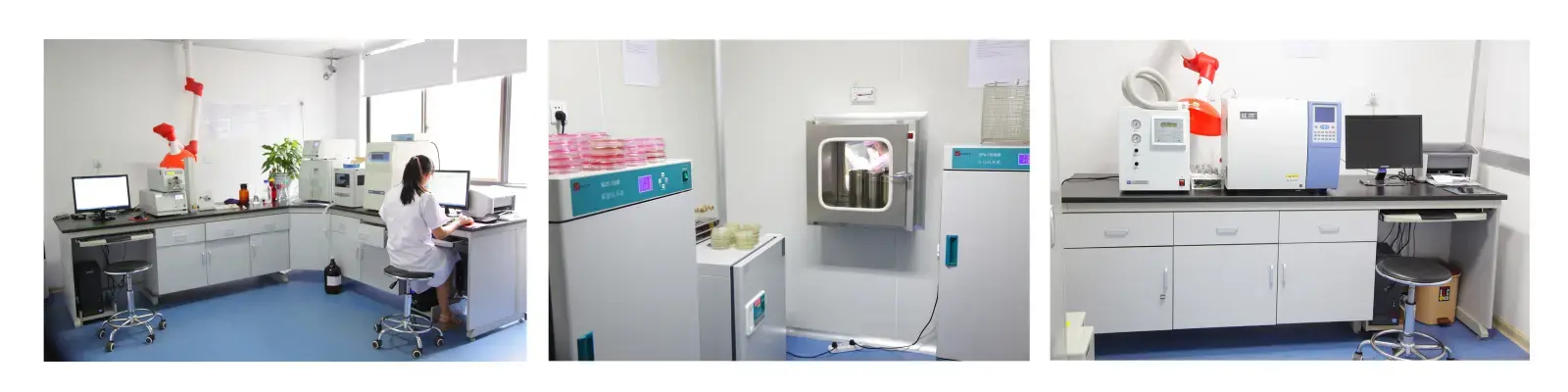
Procurement Guide for Organic Milk Thistle Seed Powder
To find organic milk thistle seed powder in bulk, there are a few things you should think about. These things affect each other. Any of these things could go wrong if buying teams don't pay attention to them: supply issues, inconsistent quality, or gaps in compliance.
When you judge providers, you should look at the following things:
- Certifications: Require documentation for NSF GMP, ISO, FSSC22000, Kosher, Halal, and Organic certification. These collectively confirm manufacturing hygiene, process control, and sourcing integrity.
- Quality testing: Demand Certificates of Analysis that specify assay method (UV vs. HPLC), microbial limits (TPC <10,000 cfu/g, absence of Salmonella and E. coli), mycotoxin screening (Aflatoxins B1, B2, G1, G2), and residual solvent compliance per ICH Q3C guidelines.
- MOQ and lead time: Confirm minimum order quantities and in-stock availability upfront to protect your production schedule.
- Packaging: Verify drum specifications and moisture barrier protection to prevent caking during transit and storage.
You need to show proof that your product is NSF GMP, ISO, FSSC22000, Kosher, Halal, or organic. All of these things show that the materials used are honest, the process is clean, and the tools are well-run.

Practical Usage and Formulation Tips for Supplement and Food Developers
Adding organic milk thistle seed powder to finished goods needs to be carefully planned from a technical point of view. There are some problems with the ingredient because it tastes bitter and makes fat stick to it, but they can be fixed the right way.
If you want to use this plant stuff to make vitamins, here are some ways to do it:
- Softgel and oil-matrix encapsulation: Suspending the powder in a soybean oil or lecithin matrix enhances Silybin bioavailability by leveraging the lipophilic nature of the flavonolignan complex. Controlled particle size (95% passing 80 mesh) prevents sedimentation during fill.
- Phosphatidylcholine complexing (phytosome technology): Complexing silymarin with phospholipids increases intestinal absorption. This approach is increasingly used in premium liver-support products targeting bioavailability-conscious consumers.
- Functional beverage integration: For water-based formats, micro-encapsulation or water-soluble derivatives are required to overcome the hydrophobic character of native silymarin. pH stability testing across the beverage's processing range is recommended.
- Taste masking in food formats: Cyclodextrin complexation or flavor co-processing can reduce the bitter astringency characteristic of the seed's native extract, improving palatability in food-forward applications.
After these steps for preparation are finished, the next step will be to make sure that the markings are correct. Here are the rules you need to follow to make a health claim about silymarin helping the liver: 21 CFR Part 101. You also need to show enough proof to back up your claim.
Future Trends and Opportunities in Milk Thistle Seed Powder Market
Things change quickly in the market for organic plant-based ingredients over time. Clean-label product development, being open about the environment, and the creation of new foods that are useful are all changing how buyers and brands look for plants.
People in the U.S. are becoming more aware of metabolic health, which has caused a huge rise in the demand for liver-supporting and detox goods in supplement shops. Functional drinks, like ready-to-drink detox shots and herbal tonics, are also a way to get medicines to people that is growing quickly and looking for standardized plant sources with reliable supply chains.
These days, being environmentally friendly isn't just a brand value; it's also a way to buy things. A lot of big U.S. supplement companies and store-brand programs now ask suppliers for sustainability profiles that include traceability paperwork, ethical source statements, and reports on the environmental impact. In rounds of open bidding, suppliers who can give this information on their own are given the title of chosen vendor.
Conclusion
The organic milk thistle seed powder from Silybum marianum has a strong biological effect, can be used in many ways, and has been approved by the government. This plant-based ingredient keeps making its way into high-performance items, like functional drinks and pills that help the liver. To stay competitive in the market and get regular production results, it's best to choose a provider with clear quality papers, domestic inventory, and certificates that can be shown.
FAQ
1. Is organic milk thistle seed powder safe for general supplement use?
Organic Silybum marianum seed powder is widely recognized as safe for use in dietary supplements when formulated within standard guidelines. It carries GRAS-adjacent status in many jurisdictions and has been studied extensively in adult populations. Always confirm supplier documentation for purity, microbial testing, and mycotoxin compliance before commercialization.
2. What is the difference between UV-tested and HPLC-tested silymarin content?
UV spectrometry measures total phenolic absorbance and typically reports higher values (around 80%). HPLC separates individual flavonolignans and provides a more precise reading (typically 50–60%). For high-potency claims, HPLC methodology offers stronger scientific substantiation. Agree on the testing method with your supplier before procurement.
3. Which certifications should a reliable supplier hold?
At minimum, look for NSF GMP, ISO, FSSC22000, Kosher, Halal, and Organic certification. These credentials confirm manufacturing quality standards, food safety management, and ingredient integrity across both U.S. and international markets.
4. Can this ingredient be used in functional food products?
Yes. With appropriate micro-encapsulation or phospholipid complexing to address solubility, organic Silybum marianum seed powder integrates well into functional food and beverage matrices, including detox drinks, health bars, and meal replacement powders.
Partner with EM for Premium Milk Thistle Seed Powder Supply
Businesses all over the United States trust Earth Made Nutritions Inc. to make and sell their goods. They sell milk thistle seed powder that is certified organic. There are four warehouses in the U.S. where our goods are stored. You can pick them up the next business day. You can get free trials, and the least you can buy is 25 kg. Always follow the rules for NSF GMP, ISO, FSSC22000, Kosher, Halal, and Organic. Email us at info@em-herb.com to get a sample or talk about bulk prices.
References
1. Abenavoli, L., et al. "Milk Thistle (Silybum marianum): A Concise Overview on Its Chemistry, Pharmacology, and Nutraceutical Uses in Liver Diseases." Phytotherapy Research, 2018.
2. Hacke, A. C. M., et al. "Phytosomes as Drug Delivery Systems for Silymarin: A Review." Journal of Drug Delivery Science and Technology, 2019.
3. Saller, R., et al. "The Use of Silymarin in the Treatment of Liver Diseases." Drugs, 2001.
4. SPINS. "U.S. Herbal Supplement Market Trends and Organic Category Growth Report." SPINS Market Intelligence, 2023.
5. Jacobs, B. P., et al. "Milk Thistle for the Treatment of Liver Disease." American Journal of Gastroenterology, 2002.
6. European Medicines Agency (EMA). "Assessment Report on Silybum marianum (L.) Gaertn., Fructus." EMA Committee on Herbal Medicinal Products, 2018.