- English
- French
- German
- Portuguese
- Spanish
- Russian
- Japanese
- Korean
- Arabic
- Irish
- Greek
- Turkish
- Italian
- Danish
- Romanian
- Indonesian
- Czech
- Afrikaans
- Swedish
- Polish
- Basque
- Catalan
- Esperanto
- Hindi
- Lao
- Albanian
- Amharic
- Armenian
- Azerbaijani
- Belarusian
- Bengali
- Bosnian
- Bulgarian
- Cebuano
- Chichewa
- Corsican
- Croatian
- Dutch
- Estonian
- Filipino
- Finnish
- Frisian
- Galician
- Georgian
- Gujarati
- Haitian
- Hausa
- Hawaiian
- Hebrew
- Hmong
- Hungarian
- Icelandic
- Igbo
- Javanese
- Kannada
- Kazakh
- Khmer
- Kurdish
- Kyrgyz
- Latin
- Latvian
- Lithuanian
- Luxembou..
- Macedonian
- Malagasy
- Malay
- Malayalam
- Maltese
- Maori
- Marathi
- Mongolian
- Burmese
- Nepali
- Norwegian
- Pashto
- Persian
- Punjabi
- Serbian
- Sesotho
- Sinhala
- Slovak
- Slovenian
- Somali
- Samoan
- Scots Gaelic
- Shona
- Sindhi
- Sundanese
- Swahili
- Tajik
- Tamil
- Telugu
- Thai
- Ukrainian
- Urdu
- Uzbek
- Vietnamese
- Welsh
- Xhosa
- Yiddish
- Yoruba
- Zulu
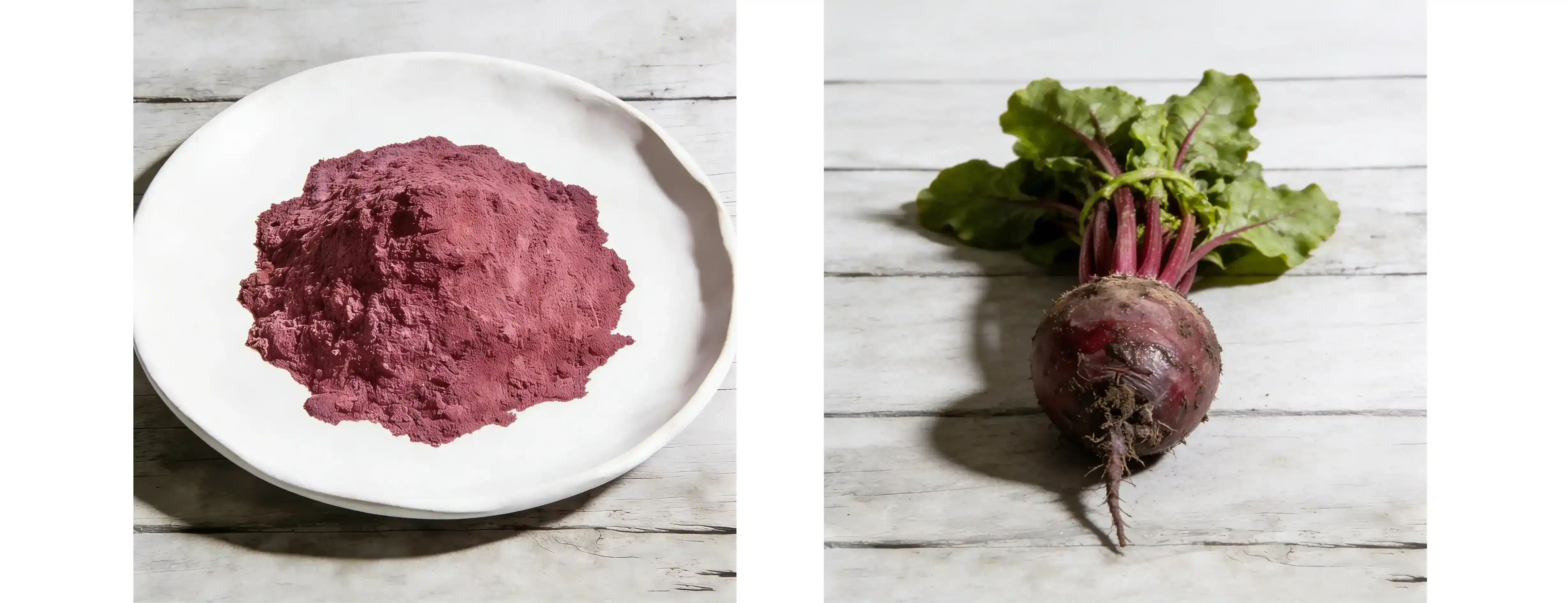
The short answer is yes — beta vulgaris root powder is genuinely well-suited for functional food applications. Derived from the taproot of Beta vulgaris L. (commonly known as beetroot), this purplish-red powder delivers a concentrated profile of dietary nitrates, betalain pigments, antioxidants, and essential minerals. Its water solubility, clean-label positioning, and multi-sector versatility make it an attractive ingredient for R&D teams developing products that align with today's natural health trends. Whether you're formulating sports nutrition, functional beverages, or fortified snacks, this botanical ingredient deserves a serious look.
Understanding Beta Vulgaris Root Powder and Its Functional Food Potential
Before it became more than just a vegetable, Beta vulgaris root powder has come a long way. To make professional-grade Beta vulgaris root powder, you can spray-dry, freeze-dry, or drum-dry the roots. This method saves bioactive substances like inorganic nitrates (about 1.5% to 3.0% of the powder) and betalains (betacyanins and betaxanthins) that normal veggie powders can't.
A group of chemicals called betalains give beets their deep purple-red color. Besides being pretty, they also have strong defensive qualities. A study in the Journal of Agricultural and Food Chemistry says that betalains get rid of reactive oxygen species better than a lot of other popular plant colors. Food nitrates, on the other hand, change into nitric oxide through a route in the mouth and throat. Because of this, Beta vulgaris root powder is often found in stamina and pre-workout goods.
Instead of Beta vulgaris root juice or whole capsules, the powder form stays stable longer and works better with different mixes. It dissolves easily in liquids thanks to its 95% pass-through at 80 mesh, and its bulk density values of 0.45–0.65 g/ml help it cap well. It's a good technology choice for people who make things and need something stable and easy to use for these reasons.
Key Criteria in Evaluating Beet Root Powder for Functional Food Applications
When it comes to tough recipes, not all Beta vulgaris root powder works the same way. There are a lot of things you need to look at besides nutritional claims to pick the right item.
Quality Certification and Safety Standards
There is no way to change the fact that they must start with farms that are certified organic and follow GMP guidelines. Getting certifications like NSF GMP, Kosher, Halal, ISO, FSSC22000, and Organic makes sure the product is clean, can be tracked, and was made in an honest way. Because roots keep things from the earth, heavy metal limits are very important for them. More than 3.0 parts per million (ppm) of lead, 1 part per million (ppm) of cadmium, or 1 part per million (ppm) of arsenic should not be present. To be used for food, the microbial guidelines say that the total plate count must be less than 10,000 CFU/g and there must be no Salmonella or E. coli.
Thermal Stability and pH Compatibility
Betalains are heat-sensitive. Above 70°C, thermal breakdown speeds up, so the pigment needs to be processed at low temperatures to keep it intact and useful. When the pH is between 4.0 and 6.0, the betalain colors stay stable the best. Because of this, the powder can be used in sour drinks, sweets, and chews. So that the bright purple-red color doesn't fade to brown over time, citric acid might be needed if the method doesn't work in this range.
Before adding an ingredient to the raw materials, formulation teams can make sure it keeps its biological value. This is true until the ingredient is used in the end product.

Market Solutions and Supplier Landscape for Beta Vulgaris Root Powder
There are now a lot more people in the world who can get this chemical. People in the US can now find places to buy organic beta vulgaris root powder that is safe for food. These places offer full paperwork packages, can do OEM/private label, and let people know where the powder comes from.
When people have bought things before, these are the main things they think about:
- Certification depth: More and more, big stores and brand owners, especially in North America and Europe, want products to be certified as organic, NSF GMP, halal, or kosher.
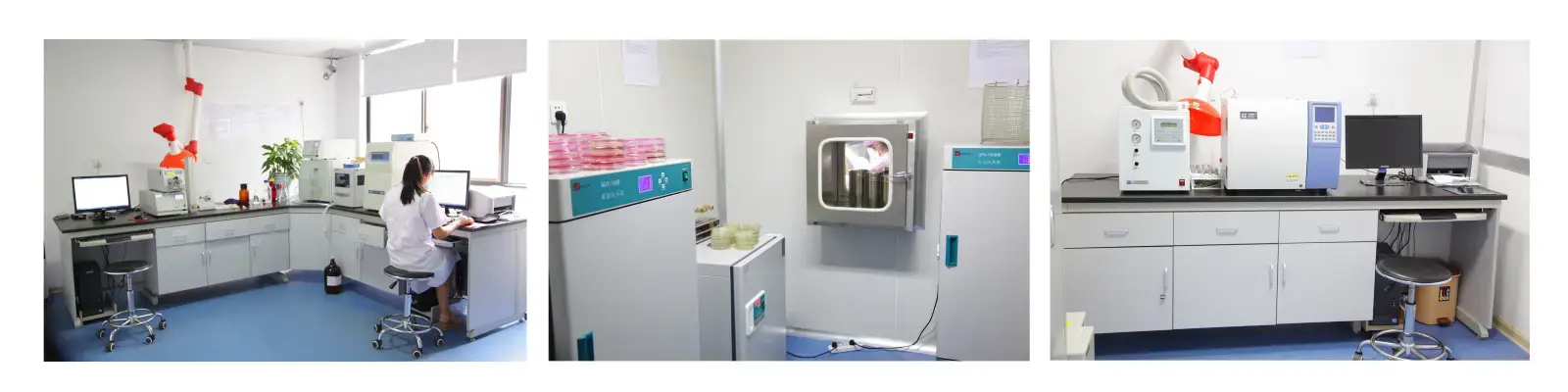
- Batch-to-batch consistency: There are different amounts of nitrate in raw roots based on how much nitrogen is in the soil and how much sunlight it gets. Reliable sellers do this by putting different kinds of raw materials together and using HPLC or Ion Chromatography (IC) to make sure they are all the same before they are packed up.
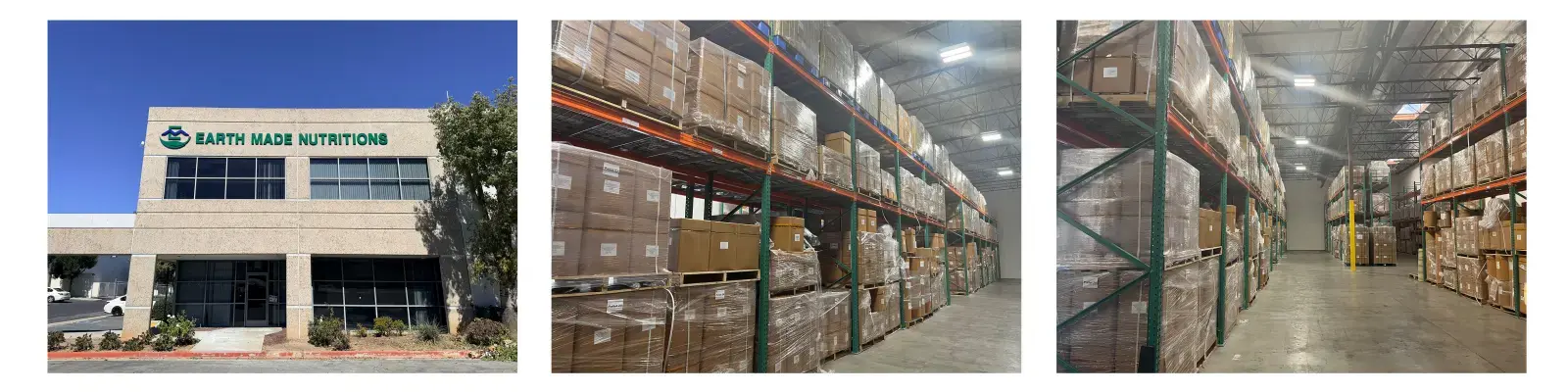
- Logistical readiness: For buyers in the U.S., the risk of production goes down when things are in stock and wait times are short. It's easier to buy things when local stores are supported because they cut down on customs delays even more.
- Customization options: Many buyers need specific particle sizes, carrier combinations (like Maltodextrin for hygroscopic control), or standard nitrate amounts in order for the product to live up to what it says on the label.
All of these things change the math for value as a whole, not just price per unit. Sometimes, a provider with good paperwork, regular assay results, and quick logistics will give you a better return on investment (ROI) over time than one that only competes on price.
Case Studies and Practical Applications in Functional Foods
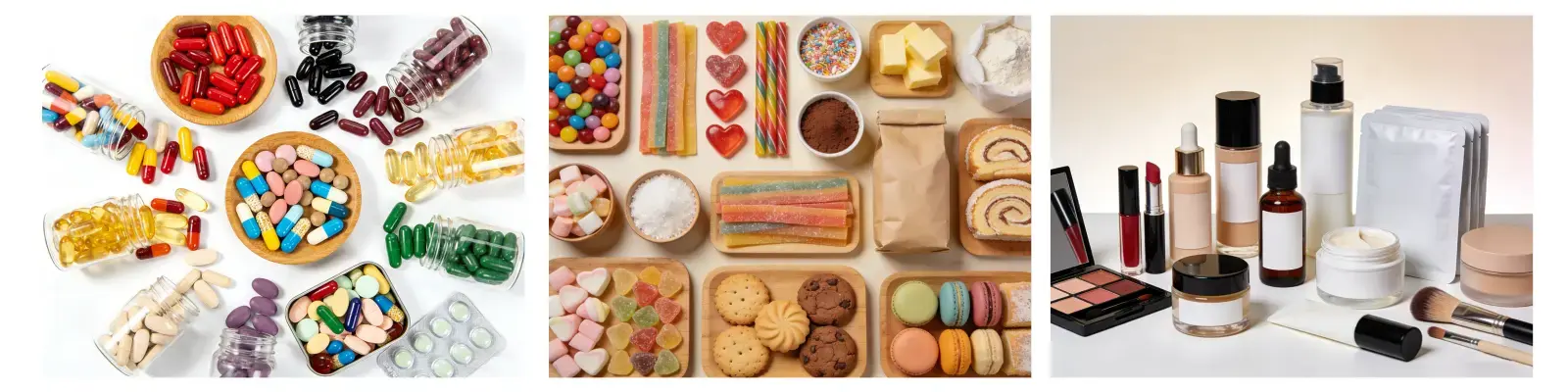
Beta vulgaris root powder has been used in a number of different ways in the business-to-business market. A lot of sports nutrition companies put it in pre-workout mixes to help the blood flow. Citrulline is often added to it to make the circulation support even better. The powder cooks down to a brown color, making it look like animal protein that has been cooked. It works like myoglobin when used to make plant-based meat substitutes. You need to use the right amount of powder so that the earthy taste doesn't come through too much.
Functional Confectionery and Beverage Applications
When the mixture reaches a boil, there is a sudden rise in the temperature of the mixture. When it comes to chews and sweets that include pectin, the powdered form of Beta vulgaris root has to be able to tolerate this while still preserving its colour. Vitamins and pH stabilisers are often used into the formulation process by formulators in order to ensure that the product's colour is preserved throughout the manufacturing process. Because of the powder's purity and the simplicity with which it can be mixed with water, it may be used in drinks as an alternative to artificial red dyes such as FD&C Red No. 40. This is done because the powder can be easily combined with water. This is because a rising number of people are interested in learning about the components that are included in food. This is the reason why this is the case.
In the form of disguising the underlying earthy taste, which is often referred to as geosmin, there is a persistent problem that may be managed. The use of cold-process extraction helps to limit the amount of flavour transfer that takes place, and mixing it with other types of berries, such as acai, raspberry, or blackcurrant, improves the overall experience without affecting the product's distinctive personality.
Buying Guide: How to Select the Best Beta Vulgaris Root Powder Supplier
The comparison of pricing is simply one of the many aspects that are included in the procurement options that are included in this area. There are a number of things that the perfect Beta vulgaris root powder source should provide, including scalable supply guarantees, verifiable certifications, tough third-party testing, and timely technical help.
Before approaching prospective suppliers, it is essential to first ensure that quality measures have been defined. Heavy metals, pesticide residues, and microbiological features should all be taken into consideration during the process of contaminant profiling. This is an essential step that must not be overlooked. In addition to ensuring that the validity dates of the certificates are verified, you should also request certificates of analysis (COA) that are specific to the batch. If the product's label indicates that it includes nitrate, you should insist on knowing the results of tests that have been validated by the IC.
Considerations such as minimum order quantities, lead times, and the ability to customise products are taken into account when deciding whether or not a certain supplier is a suitable fit for the requirements of the business. When it comes to clients who are increasing their output, suppliers that have local warehouse infrastructure in the United States may be able to drastically reduce the amount of time it takes to finish the procurement cycle. Compound pricing may sometimes mask this practical advantage, but it is always worth considering.
Conclusion
Beta vulgaris root powder stands as a credible, technically validated ingredient for functional food development. Because it changes color naturally, has nutritional nitrates, can be placed on clean labels, and can be used in any way brands want, it's a great tool for standing out. The key to unlocking its full potential lies in sourcing from suppliers who can deliver consistent quality, documented compliance, and reliable logistical support.
FAQ
1. What is the minimum order quantity for beta vulgaris root powder?
25 kgs per drum is the minimum amount that can be ordered. Free samples are available for qualified buyers who want to evaluate the material before committing to a full order.
2. How is the nitrate content kept consistent across batches?
Nitrate levels in raw tubers change on their own. When reliable providers do this, they mix different kinds of raw materials after they are harvested and use HPLC or Ion Chromatography to make sure the end mixture is equal before packing it.
3. Can this powder be used in baked applications?
Betalains break down when they are heated above 100°C for a long time. That being said, it performs best in frostings, sauces, cold-pressed bars, and dressings that don't need to be cooked up, not in baked goods that do.
4. What certifications should I require from a supplier?
When you want to buy food-grade things, NSF GMP, Kosher, Halal, ISO, FSSC22000, and Organic are the most important certificates. These are very important for meeting the needs of the U.S. and EU markets.
Source Your Beta Vulgaris Root Powder Supplier Through EM Today
Beginning in 2018, a US company called Earth Made Nutritions Inc. (EM) has been sending top-notch plant-based ingredients. We have NSF GMP, Kosher, Halal, ISO, FSSC22000, and Organic certifications that show we are a trustworthy company that sells beta vulgaris root powder. You can pick up your order the next business day at any of our four U.S. warehouses. Each batch has its own set of COA paperwork, test data that has been checked, and expert help that is only for that batch. Contact us at info@em-herb.com to get a free trial or to talk about how much it costs to buy in bulk.
References
1. Clifford, T., et al. — Nutrients, 2015. "The Potential Benefits of Red Beetroot Supplementation in Health and Disease."
2. Lundberg, J.O., Weitzberg, E., & Gladwin, M.T. — Nature Reviews Drug Discovery, 2008. "The Nitrate–Nitrite–Nitric Oxide Pathway in Physiology and Therapeutics."
3. Stintzing, F.C., & Carle, R. — Trends in Food Science & Technology, 2004. "Functional Properties of Anthocyanins and Betalains in Plants, Food, and Human Nutrition."
4. Wruss, J., et al. — Journal of Agricultural and Food Chemistry, 2015. "Compositional Characteristics of Commercial Beetroot Products and Beetroot Juice Prepared from Seven Beetroot Varieties."
5. Jones, A.M. — Applied Physiology, Nutrition, and Metabolism, 2014. "Dietary Nitrate Supplementation and Exercise Performance."
6. Chhikara, N., et al. — Journal of Food Science and Technology, 2019. "Bioactive Compounds of Beetroot and Utilization in Food Processing Industry."