- English
- French
- German
- Portuguese
- Spanish
- Russian
- Japanese
- Korean
- Arabic
- Irish
- Greek
- Turkish
- Italian
- Danish
- Romanian
- Indonesian
- Czech
- Afrikaans
- Swedish
- Polish
- Basque
- Catalan
- Esperanto
- Hindi
- Lao
- Albanian
- Amharic
- Armenian
- Azerbaijani
- Belarusian
- Bengali
- Bosnian
- Bulgarian
- Cebuano
- Chichewa
- Corsican
- Croatian
- Dutch
- Estonian
- Filipino
- Finnish
- Frisian
- Galician
- Georgian
- Gujarati
- Haitian
- Hausa
- Hawaiian
- Hebrew
- Hmong
- Hungarian
- Icelandic
- Igbo
- Javanese
- Kannada
- Kazakh
- Khmer
- Kurdish
- Kyrgyz
- Latin
- Latvian
- Lithuanian
- Luxembou..
- Macedonian
- Malagasy
- Malay
- Malayalam
- Maltese
- Maori
- Marathi
- Mongolian
- Burmese
- Nepali
- Norwegian
- Pashto
- Persian
- Punjabi
- Serbian
- Sesotho
- Sinhala
- Slovak
- Slovenian
- Somali
- Samoan
- Scots Gaelic
- Shona
- Sindhi
- Sundanese
- Swahili
- Tajik
- Tamil
- Telugu
- Thai
- Ukrainian
- Urdu
- Uzbek
- Vietnamese
- Welsh
- Xhosa
- Yiddish
- Yoruba
- Zulu
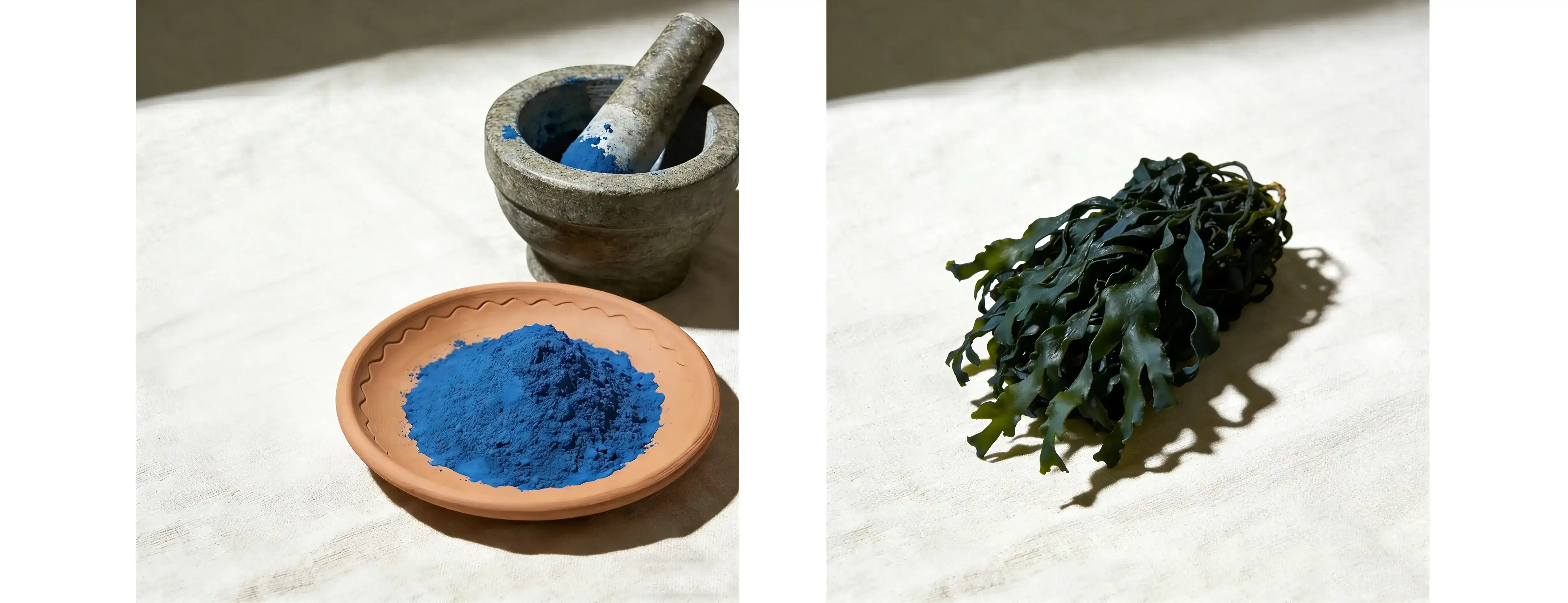
In the process of searching for blue spirulina phycocyanin for use in beverage applications, the most essential aspects to take into consideration are the purity grade, the stability of the formulation, the certification credentials, and the reliability of the possible source. This naturally occurring pigment-protein complex, which is extracted from Arthrospira platensis (Spirulina Platensis Whole Cell) by the use of water-based processing, not only offers a striking dark blue hue but also delivers necessary nutrients that are abundant in antioxidants by virtue of its composition. It is essential for research and development directors, formulation managers, and procurement teams to have a thorough understanding of the qualities that distinguish a premium phycocyanin from a poor one before making a commitment to a bulk purchase or a long-term supply agreement.
Understanding Blue Spirulina Phycocyanin in Beverages
What Makes Phycocyanin Unique as a Beverage Ingredient?
In the Spirulina Platensis Whole Cell sample, the principal colour that is effective is the pigment known as phycocyanin. This material is generated from plants and entirely dissolves in water, in contrast to Brilliant Blue FCF, which is made in a laboratory. Brilliant Blue FCF is a commercially available product. since of this, it is a natural choice for the manufacture of drinks that need unambiguous labelling since it is quite straightforward. Because of its attractive blue hue and mild taste, it is an ideal ingredient for improving the flavour of enhanced waters, health shots, and functional drinks. There is the possibility that the component with antioxidant qualities will be exposed to examination. Due to the presence of these characteristics, the chemical has the potential to be advantageous in a wide range of various settings.
Key Formulation Behaviors Beverage Developers Should Know
The degradation of phycocyanin starts to occur as the temperature starts to climb over around 60 degrees Celsius. As a consequence of this, it executes its activities most efficiently in drinks that have not been heated up to a significant degree or that are sitting at room temperature. In order to make drinks that are acidic, you will need a kind of phycocyanin that does not precipitate at a pH level lower than 4.0. In addition to that, you will have to make adjustments to the pH level of the beverage. At higher grades, such as Spirulina Platensis Whole Cell, water extraction is used in order to preserve the proteins' natural condition and prevent any possibility of adulteration. Consequently, this is advantageous for the process of organic certification as well as the placement of clean labels.
Core Criteria for Selecting High-Quality Phycocyanin
Pure and color value are the two most important things to look for in drinks with blue spirulina phycocyanin. It's easy to see how much pigment is there because the color value is given as E1% at 618nm. When used for food, E18 (E1% ≥ 180 at 618nm) is the standard. Better E25, on the other hand, costs more and has darker colors. You can save time and money on concentration by making sure you get the right grade for your application.
Teams in charge of getting things should look at these basic quality factors before giving a seller the green light:
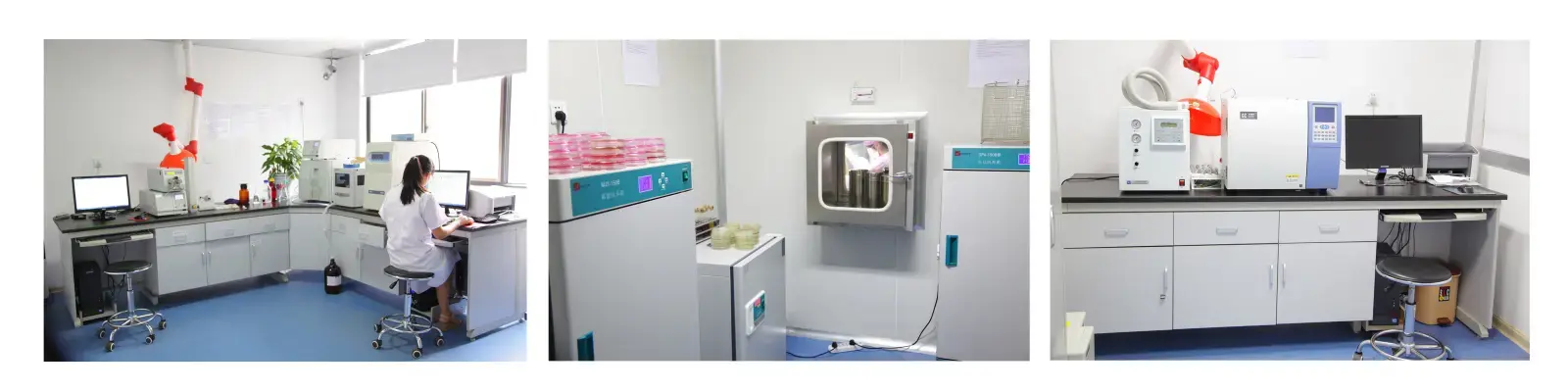
- Microcystin content: Must test below 1 ppm via ELISA or HPLC. This is the most critical safety checkpoint for any algae-derived ingredient and is non-negotiable for market access.
- Color value consistency: Spectrophotometry at 618nm confirms batch-to-batch uniformity, protecting your product's visual consistency across production runs.
- Heavy metal limits: Lead and arsenic must each fall below 1 ppm, verified by ICP-MS analysis, particularly relevant for material sourced from controlled cultivation systems.
- Microbiology: Total plate count should remain below 10,000 CFU/g, with confirmed absence of Salmonella, E. coli, and S. aureus.
- Protein content: Authentic phycocyanin carries a protein content above 30–45%, which guards against adulteration with inexpensive fillers such as maltodextrin.
If you want to do a quality assurance check, these things must be true. It's riskier to prepare, grade, and follow the rules if you skip even one.
Comparing Phycocyanin Against Alternative Colorants
Natural vs. Synthetic: Why the Gap Is Widening
Because of changes in how people feel, the U.S. market has clearly moved toward natural colorants. In 2023, the Clean Label Project polled people and found that more than 68% of Americans read ingredient labels to see if products contain any fake chemicals. According to this need, phycocyanin offers a stable blue color drawn from plants that does not need the extra care that is being given to manufactured dyes.
Spirulina-Derived vs. Chlorella-Derived Phycocyanin
When it comes to color content and solubility, phycocyanin from spirulina always beats phycocyanin from chlorella. For beverage integration, this means less of a dose is needed, the color will be more consistent, and the label text will be easier to understand. Powder is still the best way for most drink companies to send their products because it mixes better with water and makes it easier to measure out the right amount.
Practical Considerations When Buying in Bulk
When you buy blue spirulina phycocyanin in bulk, you add factors that can't be fully shown by a single-batch sample. The best way to store something is away from light, moisture, and changes in temperature. This will help it last longer. To keep pigments in good shape over time, it is common practice to store them in buildings that control the temperature and put them in sealed drums that can hold 25 kg each.
When teams that buy things look at the total cost of ownership, having goods in the US helps. You can get it much faster if you buy from a company in the U.S. with four stores close by. For example, Earth Made Nutritions Inc. has goods in stock that can be picked up the next business day. This makes it easier to plan production and cuts down on the cost of extra stock.
It's also important to plan the amount. Phycocyanin gives color at low levels, so using too much of it makes it more expensive without making it look better. Before you start to make more, it's helpful to work with your suppliers' expert teams to figure out the best dose amounts for your specific drink mix.
How to Verify and Choose the Right Supplier
Certifications That Carry Weight in the U.S. Market
Not every person who says they are certified is the same. NSF GMP, ISO, and FSSC22000 are the very least reliable approvals for phycocyanin that is used in drinks. More people can buy from you if you have Kosher and Halal certificates. Organic certification, which can only be earned by extracting verified organic material using water and no chemical solvents, helps products stand out as more expensive and makes people pay more for them.
The Spirulina Platensis Whole Cell phycocyanin from Earth Made Nutritions Inc. is certified as organic, Kosher, halal, NSF GMP, and ISO. In other words, it meets the requirements of big U.S. stores, contract makers, and international markets all at the same time.
What to Request Before Finalizing a Supplier
Apart from certification papers, you should also ask for microcystin, heavy metal, microbiology, and color value results from the most recent production runs that were done by a third-party lab. Before you make an order, ask Earth Made Nutritions Inc. for a free taste and mix it with your drink base to see how well it works. That a supplier is ready to help with formulation issues and provide expert support is a strong indication that they care about your product's long-term success.

Conclusion
It's not enough to just buy the right blue spirulina phycocyanin for use in drinks; you also have to make sure the recipe is correct and protect the brand's image. Your final product's level of purity, the number of certifications it has, its stability data, and the provider's infrastructure can all be used to check if it meets laws and customer expectations. Companies that make drinks in the U.S. and around the world use Spirulina Platensis Whole Cell phycocyanin, a dark blue powder that is made by removing it with water. It is a clean, safe, and effective choice.
FAQ
1. Can phycocyanin be used in carbonated beverages?
The pH can be above 4.0, so it can be used in sparkling water and drinks with a little pop. When the pH level is low, standard phycocyanin likes to settle down, which can cloud the solution or make it darken. If you use acid-stable grades or change the recipe, this will be fixed.
2. What is the shelf life of bulk phycocyanin powder?
For 24 months, phycocyanin powder should be kept in sealed 25 kg drums that are kept out of the sun, water, and heat.
3. Is this ingredient vegan and allergen-free?
No, Whole Cell Phycocyanin from Spirulina Platensis does not come from animals. It only comes from plants. The label doesn't name any known allergens because that's against U.S. FDA rules.
4. Does this product carry organic certification?
Organic marks are on the phycocyanin that Earth Made Nutritions Inc. makes. The organic claim and the clean label placement are both supported by the fact that certified organic spirulina biomass is extracted with water. This is because there are no chemical solvents left over.
Source Premium Blue Spirulina Phycocyanin from Earth Made Nutritions Inc.
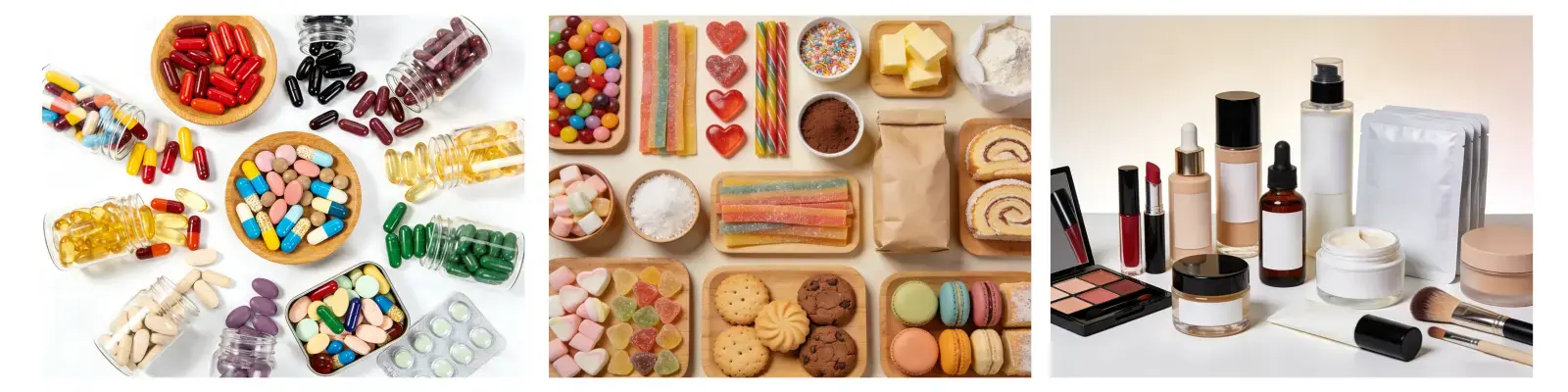
Earth Made Nutritions Inc. is allowed to sell blue spirulina phycocyanin to US companies that make beauty products, healthy drinks, and nutrition supplements. We make it easy to buy things by having four warehouses in the US, letting you pick up in-stock items the next day, and having a full record of certifications. Email info@em-herb.com right now to get a free sample or price quote.
References
1. Boussiba, S., & Richmond, A. E. (1979). Isolation and characterization of phycocyanins from the blue-green alga Spirulina platensis. Archives of Microbiology, 120(2), 155–159.
2. Eriksen, N. T. (2008). Production of phycocyanin — a pigment with applications in biology, biotechnology, foods and medicine. Applied Microbiology and Biotechnology, 80(1), 1–14.
3. Kamble, S. P., Garg, S., & Singhal, R. S. (2013). Chemical modification of phycocyanin from Spirulina platensis and its colorimetric assessment. Food Chemistry, 139(1–4), 1093–1099.
4. Martínez, J. M., Luengo, E., Saldaña, G., & Raso, J. (2017). C-phycocyanin extraction of Spirulina platensis by pulsed electric field technology. Bioresource Technology, 237, 202–208.
5. Food and Drug Administration (FDA). (2013). Agency Response Letter: GRAS Notice No. GRN 000398 — Phycocyanin from Spirulina platensis. U.S. Department of Health and Human Services.
6. Herrero, M., Ibáñez, E., Cifuentes, A., & Reglero, G. (2005). Antioxidant activity of phycocyanin from Spirulina platensis using different in vitro bioassays. Journal of Chromatography A, 1054(1–2), 315–322.