- English
- French
- German
- Portuguese
- Spanish
- Russian
- Japanese
- Korean
- Arabic
- Irish
- Greek
- Turkish
- Italian
- Danish
- Romanian
- Indonesian
- Czech
- Afrikaans
- Swedish
- Polish
- Basque
- Catalan
- Esperanto
- Hindi
- Lao
- Albanian
- Amharic
- Armenian
- Azerbaijani
- Belarusian
- Bengali
- Bosnian
- Bulgarian
- Cebuano
- Chichewa
- Corsican
- Croatian
- Dutch
- Estonian
- Filipino
- Finnish
- Frisian
- Galician
- Georgian
- Gujarati
- Haitian
- Hausa
- Hawaiian
- Hebrew
- Hmong
- Hungarian
- Icelandic
- Igbo
- Javanese
- Kannada
- Kazakh
- Khmer
- Kurdish
- Kyrgyz
- Latin
- Latvian
- Lithuanian
- Luxembou..
- Macedonian
- Malagasy
- Malay
- Malayalam
- Maltese
- Maori
- Marathi
- Mongolian
- Burmese
- Nepali
- Norwegian
- Pashto
- Persian
- Punjabi
- Serbian
- Sesotho
- Sinhala
- Slovak
- Slovenian
- Somali
- Samoan
- Scots Gaelic
- Shona
- Sindhi
- Sundanese
- Swahili
- Tajik
- Tamil
- Telugu
- Thai
- Ukrainian
- Urdu
- Uzbek
- Vietnamese
- Welsh
- Xhosa
- Yiddish
- Yoruba
- Zulu
The first step in selecting the appropriate chlorella component is to have a grasp of the characteristics that differentiate a functional-grade product from a commodity powder. The concentrated nutritional profile that pure chlorella powder, which is generated from Chlorella pyrenoidosa, which is the whole-plant biomass that is processed without the use of solvents, provides is something that research and development teams and formulation managers really depend on. With a chlorophyll content that is more than 2,000 mg/100g, a protein density that ranges from 55–65% dry weight, and a cell wall breakdown rate that is greater than 95%, this component provides a bioavailability that can be measured effectively. If you want to make an informed choice, you should first determine the legitimacy of the species, the processing processes, the certificates, and the trustworthiness of the supplier before committing to large purchases.
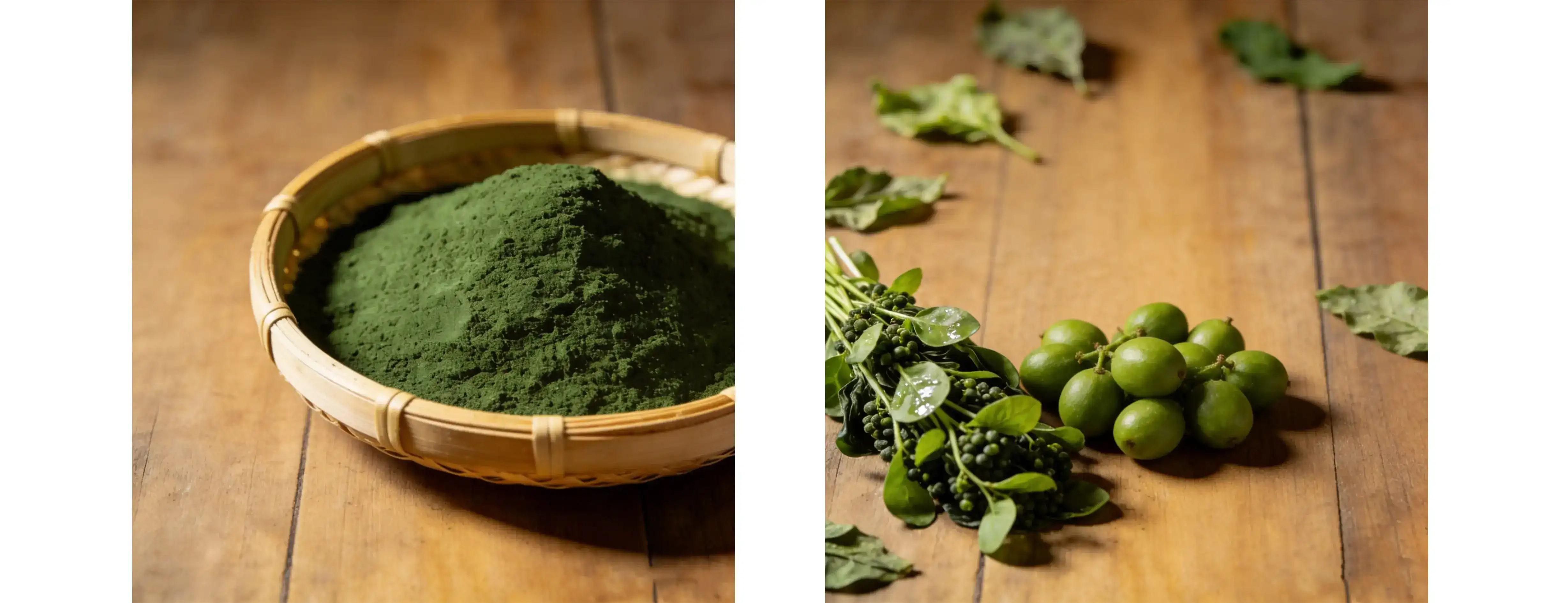
What Pure Chlorella Powder Actually Is — and Why It Matters
Chlorella pyrenoidosa is a kind of green microalgae that consists of a single cell. It is distinct from spirulina and blue-green algae due to the presence of a unique protein known as Chlorella Growth Factor (CGF), which accounts for around 3–5% of its biomass. This particular category is the only one in which CGF can be found, making it a very useful component in formulations that are designed to strengthen the immune system and enhance performance.
The Cell Wall Problem Most Buyers Overlook
Since the cell wall of raw chlorella is composed of stiff cellulose, which is not digestible, the chlorella in its natural condition is almost entirely indigestible. For humans, fewer than forty percent of the food they consume can be digested if there is no mechanical interruption. In order to achieve a cell wall cracking rate of greater than 95%, a decent chlorella powder will employ either the Dyno-Mill or low-temperature pressure expansion processing method. As a result, the powder is more than 80 percent digestible, while maintaining heat-sensitive molecules such as chlorophyll porphyrins and chlorophyll fluorescent protein. In the process of testing a chlorella component, the cell wall breakage rate is not a characteristic that is only desirable but rather a criterion that must meet technical requirements.
Nutritional Profile Worth Knowing
In addition to being a source of protein, the material contains all eight essential amino acids, a much higher concentration of chlorophyll compared to spirulina, omega-3 fatty acids, beta-glucans, and B vitamins. It should have a moisture content of less than seven percent and an ash content of less than eight percent. Common methods for determining how well something was processed and how stable it was stored are the standards that are being discussed here.
Core Criteria for Selecting a Chlorella Powder Supplier
Different procurement professionals in the nutraceutical, cosmetic, and functional food industries choose suppliers in different ways, but there are some evaluation criteria that are always used. A trustworthy pure chlorella powder provider should be able to show that their products are traceable from the time they are grown to the time they are packed, have widely recognized certifications, and offer quick technical support.
Here are the main things that set a reliable provider apart from a common one:
- Certification depth: Look for NSF GMP, FSSC 22000, Kosher, Halal, ISO, and Organic certifications collectively. Each certification addresses a different compliance dimension — manufacturing hygiene, food safety management, religious market access, and organic integrity. A supplier carrying all five signals genuine institutional investment in quality infrastructure.
- Processing transparency: Confirm that no solvents are used in production and that the final appearance is a fine green powder consistent across batches. Batch-to-batch color and mesh consistency (typically 120–200 mesh) reflects cultivation and drying process control.
- Heavy metal and microbiological testing: Because chlorella is a powerful chelator, it readily absorbs Lead, Mercury, Cadmium, and Arsenic from its cultivation environment. Qualified suppliers conduct ICP-MS screening and maintain Pb and As levels below 1.0 ppm. Total Plate Count should remain below 50,000 cfu/g. These are standard B2B quality gates, not optional add-ons.
- Sample availability and lead time: A supplier confident in their product offers free samples without friction. In-stock inventory with a next-business-day pickup option is a meaningful logistical advantage for formulation teams working against product launch timelines.
Together, these factors lower the risk of buying and protect the quality of the products that come after. If you skip any of them, especially heavy metal verification, you could be breaking the law in regulated markets like the EU and the US.

Comparing Chlorella Powder With Other Algae Ingredients
When supplement makers make a detox, greens, or performance stack, they often compare chlorella to spirulina or wheatgrass. Each element has its own unique qualities. Because it grows faster and has more phycocyanin, spirulina is a cheaper option for general nutrition. Chlorella, on the other hand, has more chlorophyll and the unique compound CGF, which is not found in spirulina at all.
Powder vs. Other Formats
For business-to-business manufacturing, powder format gives you the most formulation options. It can be used for everything from making tablets and capsules to healthy drink mixes and cosmetics. Because the ingredient naturally sticks together when pressed, it can be used as a partial binder in clean-label pill formulas, which means magnesium stearate is not needed. Powder can also be used to add green color to food and drinks because it has a pH range of 4 to 9 and can withstand short-term temperatures up to 120°C, which is higher than spinach and matcha in processing environments.
Organic vs. Standard Grade
Organic-certified pure chlorella powder costs more, but it can be used in clean-label products and in lines that are USDA Organic. Irradiated chlorella, which is sometimes used to kill microbes, doesn't follow EU and USDA Organic standards and breaks down some phytonutrients. Make sure that the ways of cleaning are clear. The standard for organic compliance is either steam cleaning or HACCP-controlled closed-system farming.
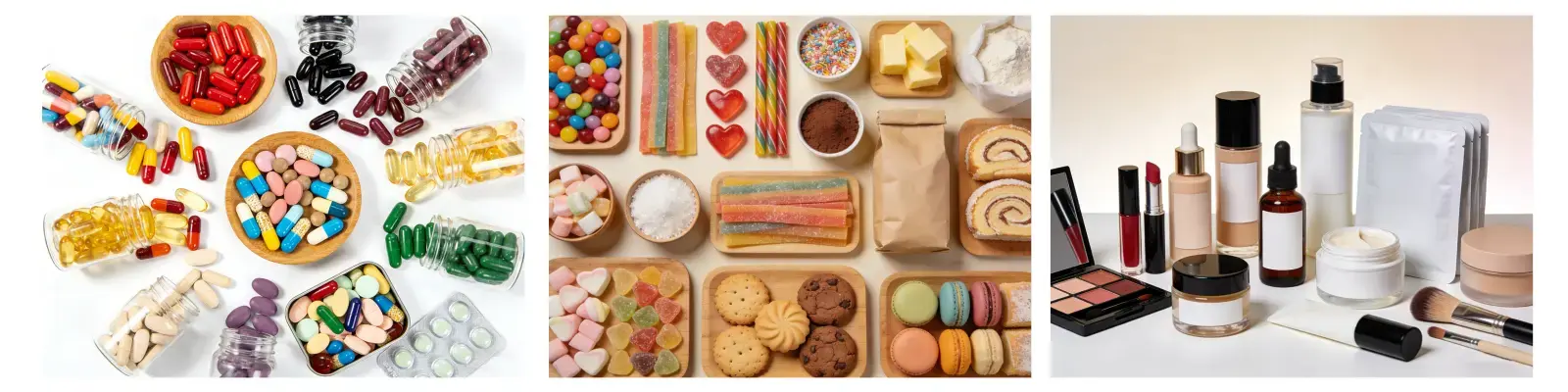
How to Procure Chlorella Powder Effectively at B2B Scale
When compared to multi-tier distributor channels, direct manufacturer sourcing usually gives you more control over the supply chain and clearer pricing. For US-based supplement brands, how close the warehouse inventory is has a big impact on when production starts and ends. For goods going to the EU, make sure you get all the paperwork up front, including the certificate of analysis (COA), heavy metal reports, cell wall broken rate proof, and PAH4 screening results.
Talk about the total landing value instead of just the unit price when you negotiate. Think about the packing requirements (25 kg/drum), the minimum order quantity (25 kg), and the dependability of the wait time. Sample tests before committing to a large batch protect the investment in the formulation and show performance data that can't be fully shown on spec sheets in the real world.
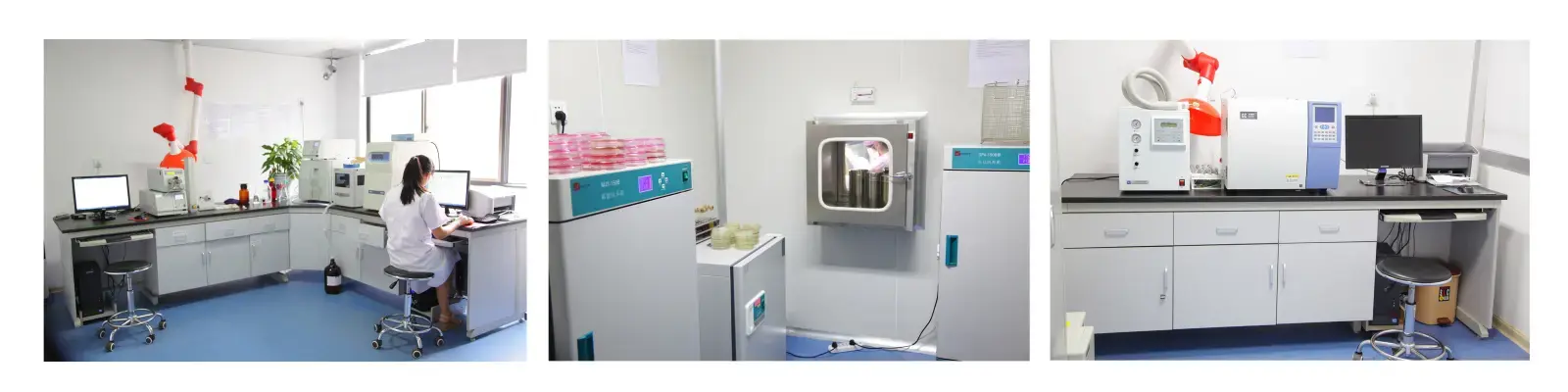
Industry Best Practices: What Successful Procurement Teams Do Differently
Purchasing teams that consistently find high-quality chlorella ingredients use the same method: they check technical claims against results from a third-party lab instead of just relying on paperwork from the supplier. They also keep the option to use two sources so that there aren't any problems with supply during times of high demand. By adding a test for pheophorbide to new quality control methods, you can be sure that enzymatic chlorophyll degradation did not happen during drying. This stops phototoxic risks in finished goods and builds trust with retail partners in the formulation.
Conclusion
To choose a high-quality pure chlorella powder, you need to look at the supplier's infrastructure, certification range, heavy metal safety data, and cell wall disruption technology all at the same time. Chlorella pyrenoidosa whole-plant powder that has been processed without solvents and checked against strict B2B quality standards gives cosmetic and nutraceutical brands a useful, clean-label ingredient that has real market differentiation potential. In the end, the procurement decision determines how well the product works, how it is regulated, and how trustworthy the brand is in the competitive US and global supplement markets.
FAQ
1. Is chlorella powder safe for sensitive consumer populations?
Before adding an ingredient to products for sensitive groups, procurement teams should check seller COAs for TPC, E. coli, and Salmonella results.
2. What certifications matter most for US supplement market entry?
The most important building blocks for US compliance are NSF GMP and FSSC 22000. Organic certification adds a clean name, and Kosher and Halal certifications increase the number of people who can buy the product. All five certifications show that a supplier is fully committed to quality.
3. How do I verify cell wall breakage rate?
The usual ways to check are through microscopic inspection and centrifugal separation. For nutritional effectiveness claims to be accepted in B2B, this data point must be clearly stated in the supplier's paperwork. A rate above 95% is the acceptable level.
4. Does powder format affect shelf life?
When vacuum-sealed with nitrogen, cleaning, or oxygen scavengers, chlorella powder that has been properly handled can be kept for two to three years. Lipids can be oxidized when cell walls are broken, so the way the food is packaged is just as important as the way it is processed.
Source Your Chlorella Powder Supplier With Confidence — Contact EM Today
Earth Made Nutritions Inc. (EM) has four warehouses in the US. This lets supplement makers all over the country be sure of fast shipping and a steady supply of goods. Our chlorella pyrenoidosa powder is certified by NSF GMP, FSSC 22000, Kosher, Halal, ISO, and Organic. You can get free samples, and we have stock that can be picked up the next business day. Get in touch with our purchasing team at info@em-herb.com to get a sample and learn more about the pure chlorella powder we sell.
References
1. Merchant, R. E., & Andre, C. A. (2001). A review of recent clinical trials of the nutritional supplement Chlorella pyrenoidosa in the treatment of fibromyalgia, hypertension, and ulcerative colitis. Alternative Therapies in Health and Medicine, 7(3), 79–91.
2. Panahi, Y., Darvishi, B., Jowzi, N., Beiraghdar, F., & Sahebkar, A. (2016). Chlorella vulgaris: A multifunctional dietary supplement with diverse medicinal properties. Current Pharmaceutical Design, 22(2), 164–173.
3. Safi, C., Zebib, B., Merah, O., Pontalier, P. Y., & Vaca-Garcia, C. (2014). Morphology, composition, production, processing, and applications of Chlorella vulgaris. Renewable and Sustainable Energy Reviews, 35, 265–278.
4. Bito, T., Okumura, E., Fujishima, M., & Watanabe, F. (2020). Potential of Chlorella as a dietary supplement to promote human health. Nutrients, 12(9), 2524.
5. Arakawa, K., Imai, S., Takenaka, S., & Watanabe, F. (2009). Suppression of oxidative stress markers in rats supplemented with Chlorella powder. Journal of Nutritional Science and Vitaminology, 55(2), 204–208.
6. U.S. Food & Drug Administration. (2023). Dietary Supplement Ingredient Advisory List and GMP Compliance Guidance. FDA Guidance for Industry, U.S. Department of Health and Human Services.