- English
- French
- German
- Portuguese
- Spanish
- Russian
- Japanese
- Korean
- Arabic
- Irish
- Greek
- Turkish
- Italian
- Danish
- Romanian
- Indonesian
- Czech
- Afrikaans
- Swedish
- Polish
- Basque
- Catalan
- Esperanto
- Hindi
- Lao
- Albanian
- Amharic
- Armenian
- Azerbaijani
- Belarusian
- Bengali
- Bosnian
- Bulgarian
- Cebuano
- Chichewa
- Corsican
- Croatian
- Dutch
- Estonian
- Filipino
- Finnish
- Frisian
- Galician
- Georgian
- Gujarati
- Haitian
- Hausa
- Hawaiian
- Hebrew
- Hmong
- Hungarian
- Icelandic
- Igbo
- Javanese
- Kannada
- Kazakh
- Khmer
- Kurdish
- Kyrgyz
- Latin
- Latvian
- Lithuanian
- Luxembou..
- Macedonian
- Malagasy
- Malay
- Malayalam
- Maltese
- Maori
- Marathi
- Mongolian
- Burmese
- Nepali
- Norwegian
- Pashto
- Persian
- Punjabi
- Serbian
- Sesotho
- Sinhala
- Slovak
- Slovenian
- Somali
- Samoan
- Scots Gaelic
- Shona
- Sindhi
- Sundanese
- Swahili
- Tajik
- Tamil
- Telugu
- Thai
- Ukrainian
- Urdu
- Uzbek
- Vietnamese
- Welsh
- Xhosa
- Yiddish
- Yoruba
- Zulu
Nettle Leaf Powder derived from Urtica dioica is rapidly establishing itself as a cornerstone botanical ingredient across tea formulations, nutraceutical supplements, and cosmetic innovations. This versatile, brownish-yellow powder captures the comprehensive nutritional profile of stinging nettle, offering R&D directors, formulation managers, and procurement professionals a scientifically validated ingredient that addresses multiple product development challenges. From its rich mineral content to its natural bioactive compounds, this botanical powder meets the rising consumer demand for clean-label, plant-based solutions while satisfying stringent regulatory compliance standards across North American markets. Understanding its multifaceted applications enables industrial buyers to leverage its full potential, creating differentiated products that resonate with health-conscious audiences.
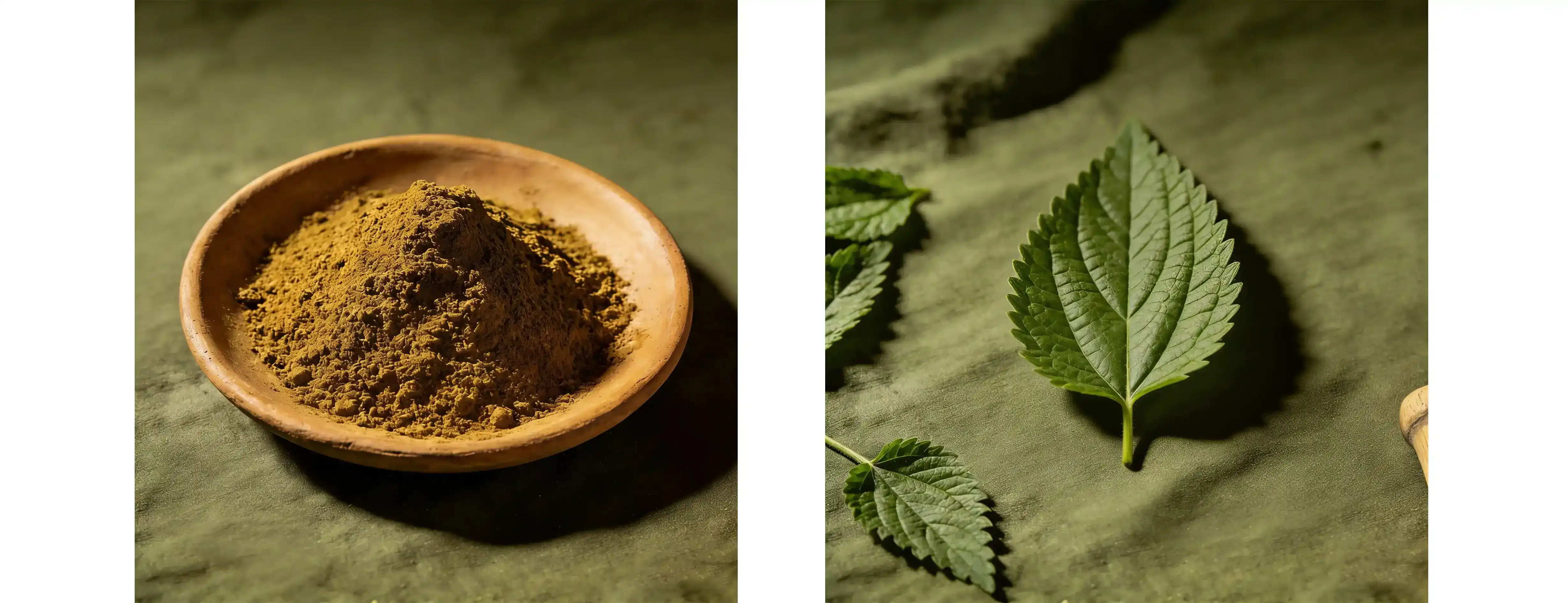
Understanding Nettle Leaf Powder: Composition and Benefits
Urtica dioica leaf powder is a plant ingredient that is rich in nutrients and has a phytochemical profile that is unique. Iron, calcium, magnesium, and potassium are among the minerals that are preserved by our water-ethanol extraction process. Vitamins A, C, and K, as well as numerous B-complex elements, are also preserved. Flavonoids, polyphenols, and chlorophyll are examples of bioactive chemicals that, when combined with these vitamins, have the ability to alleviate inflammation. According to Phytotherapy Research (2013), stinging nettle includes quercetin and kaempferol derivatives, both of which are beneficial to the health of cells and the natural inflammatory response pathways of the body.
The antioxidant action of the powder is provided by polyphenolic compounds that are effective against free radicals. Functionality is improved, and product formulations are protected from oxidative degradation thanks to the presence of these substances. The powder, which is colored by chlorophyll, is beneficial to one's health and detoxifies the body. Nettle leaf silica and sulfur were shown to be beneficial to the formation of structural proteins, according to clinical data published in the Journal of Herbal Medicine (2018). That is why it has been used for a very long time to treat problems with the skin and hair.
Customers in the business-to-business sector who are evaluating ingredient portfolios consider compositional richness to be synonymous with recipe capability. The uniform brownish-yellow coloration serves as an indication of the appropriate time to pick and processing conditions, which guarantees the consistency of batches for manufacture on a big scale. By gaining an understanding of these bioactive indicators, purchasing teams are able to assess quality beyond the fundamental features. Because of this, they are able to choose chemicals that enhance product performance and lead to increased customer satisfaction.
Key Nutritional Components
The mineral density of nettle powder that has been properly handled is high enough to back up nutritional claims in supplement forms. It has between 1.6 and 2.0 mg of iron per gram, which makes it very useful for nutritional wellness formulations. The presence of calcium makes it useful for building, and the high quantity of chlorophyll keeps colors stable in drinks and cosmetics without the need for artificial additives.
Bioactive Compounds Profile
Flavonoid content is usually between 0.8% and 1.5%, but this can change depending on how the fruit was picked and how it was processed. When handled correctly, these substances stay stable during normal extraction processes. Because these phytonutrients dissolve in both water and ethanol, formulators can choose the right powder types for their delivery methods, such as water-based drinks, oil-based cosmetics, or encapsulated vitamins.
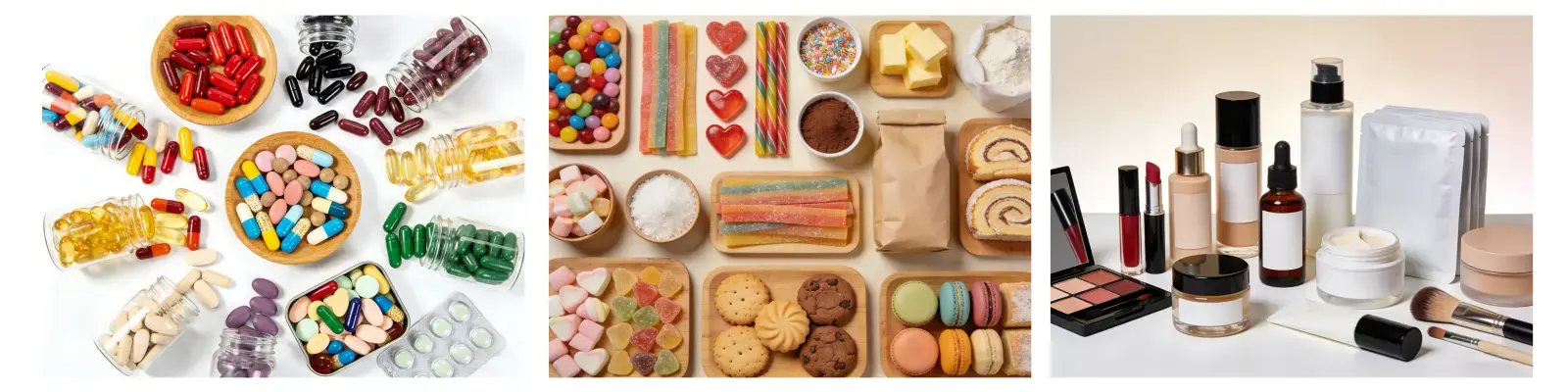
Applications of Nettle Leaf Powder in Tea: From Traditional Uses to Modern Blends
Companies that make herbal tea are adding nettle powder to more and more useful mixes. They do this to take advantage of people's interest in traditional plants that have been used for a long time. The earthy, slightly grassy flavor goes well with green tea, peppermint, and lemongrass, making a balanced taste experience that people who care about their health will enjoy. When compared to whole dried leaves, micronized powder is better at extracting bioactive chemicals because it releases them more fully during steeping.
Nettle powder is used by modern tea brands in ready-to-drink teas, cold brew concentrates, and instant teas where it needs to dissolve easily and keep its shape. The particle size standard makes sure that the particles stay suspended in liquids without settling out too much, so the product looks good throughout its shelf life. According to a study published in the journal Food Chemistry in 2019, powdered nettle releases 23% more polyphenols during extraction than cut leaf forms. This means that more health benefits are delivered per serving.
For tea, the recommended dose of Nettle Leaf Powder is usually between 500 mg and 1500 mg per serving, which strikes a balance between strong flavor and health benefits. When it comes to tea, where people are actively looking for clean-label products, organic certification becomes especially important. The rising popularity of adaptogenic and wellness teas makes it possible to buy in bulk, with low prices available for amounts over 500 kg every three months.
Formulation Considerations for Tea Products
It is important to pay close attention to the mixing ratios so that the flavors stay balanced and the functional profiles are met. Nettle powder goes really well with plants that are similar to it, like dandelion root, red clover, and chamomile. Because the powder absorbs water, manufacturers must use the right moisture barrier packaging to keep the quality while it's being shipped. These stability needs are met well by our packaging in 25 kg drums with food-grade covers.
Market Positioning and Consumer Trends
According to the Tea Association of the USA (2022), the organic tea market has grown 8.2% yearly, with functional herbal blends leading the growth.[4] Procurement teams can build on this momentum by getting certified organic nettle powder that meets both USDA organic standards and kosher/halal requirements, which will make the market more accessible. Samples are available so that people who make drinks can test them for taste before placing bulk orders, which lowers the risks of formulation.
Nettle Leaf Powder in Supplements: Enhancing Formulations for Wellness Products
Nettle is used by firms that manufacture nutraceuticals in combination with other components to alleviate joint discomfort, improve seasonal health, and boost overall energy levels. It is possible to utilize it in vegetarian and vegan capsules due to the fact that it is natural, which satisfies the requirements of the expanding market for vegan and vegetarian supplements. Considering that the powder is compatible with standard encapsulation and tablet pressing equipment, it simplifies the production process, which in turn reduces the amount of money spent and the amount of complexity involved in producing the substance.
When choosing between organic and ordinary nettle powder, it is important to consider how customers feel about each. Additionally, it is important to consider how the government views each option. Although organic certification results in higher pricing, it also enables businesses to make marketing promises that are appealing to consumers who are concerned about their health. With the help of organizations such as NSF GMP, USOC Organic, Kosher, and Halal, we ensure that our organic nettle powder remains certified. We now have complete evidence of compliance, which makes it much simpler for us to present our findings to authorities in a variety of settings.
Not only are there fundamental identification checks, but there are also other quality control factors. In addition to checking for things like total polyphenol content, moisture levels that are below 5%, microbial specifications that exceed USP requirements, and the absence of heavy metal contamination, which is validated by an independent lab test, leading supplement manufacturers also check for other things. Because of these stringent quality requirements, items are guaranteed to function properly at all times and to protect consumers from harm. As an additional benefit, they safeguard the reputation of the brand in supplement sectors that are very competitive.
The joint comfort sector is a particularly significant application area, and this is based on the traditional ways in which plants have been utilized in European phytotherapy. Nettle powder is often used with other compounds that are compatible with one another, such as turmeric, boswellia, and glucosamine, under formulation management. This creates mixes that are more compatible with one another. The typical dosages for capsules range from 300 mg to 600 mg per serving, which indicates that they may be consumed twice daily.
Regulatory Compliance and Documentation
Each batch comes with a full certificate of analysis that includes microbiological testing, pesticide screening, and HPLC identity confirmation. Manufacturers of dietary supplements can use these thorough quality guarantees to help them meet FDA GMP standards and write NDI notifications when needed. Our well-established quality systems are in line with FSSC 22000 standards, which shows that we are dedicated to managing food safety throughout the entire supply chain.
Supply Chain Reliability
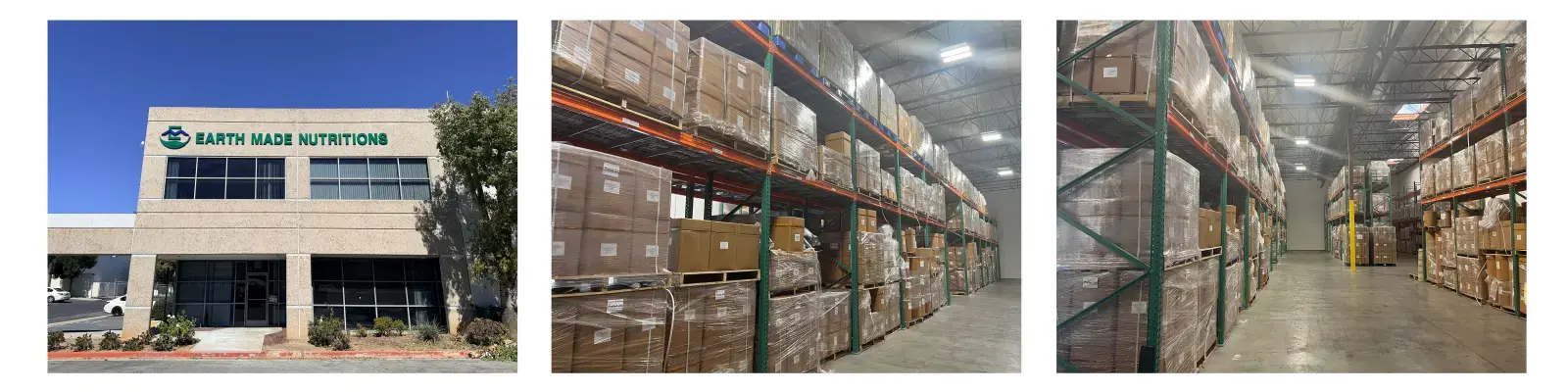
With four main warehouses spread out across the US, we can quickly fulfill orders; for in-stock items, the lead time is usually just two business days. This delivery network keeps supply problems to a minimum, so supplement companies can keep their inventories low without worrying about production delays. The MOQ of 25 kg works for both new brands doing their first production runs and well-known brands that need a steady supply of large quantities.
Cosmetic Applications: Incorporating Nettle Leaf Powder in Hair and Skin Care Products
More and more natural cosmetic brands use Nettle Leaf Powder in shampoos, conditioners, scalp treatments, and face masks, capitalizing on the plant's long-standing reputation for making hair and skin healthy. The powder has small particles that make it easy to mix into cream bases. This makes sure that the powder is spread out evenly and doesn't leave behind a gritty feeling that could ruin the sensory experience. People expect plant cosmetics to look earthy, and this one's natural green-brown color helps achieve that.
Minerals derived from nettles, particularly silica and sulfur, are used in hair care products because of their ability to promote the construction of keratin. Nettle powder is combined with other herbs that are complementary to one another, such as horsetail, rosemary, and biotin, in contemporary formulations in order to create comprehensive hair health systems. The fact that the powder is effective in rinse-off products like shampoos as well as leave-in treatments like scalp serums demonstrates that the formulation may be altered to meet the requirements of products with varying requirements.
Due to the fact that it naturally reduces the size of pores and contains antioxidants, nettle is used in the treatment of skin conditions. Face masks that include nettle powder at a concentration of between 2 and 5 percent exfoliate the skin in a gentle manner while also providing it with vitamins. Because the powder is so simple to combine with clays, aloe vera gel, and hydrosols, formulators are able to create products that have a wide range of textures and straightforward ingredient lists. Testing for stability reveals that the powder maintains its effectiveness for an average period of twenty-four months when it is manufactured within the appropriate pH ranges (4.5–7.0).
In the process of comparing nettle to other possibilities such as moringa or spirulina, it becomes evident that each of these alternatives has its own set of distinct positioning chances. In contrast to nettle, which has a greater mineral density, moringa has a higher protein content. Nettle, on the other hand, has been historically used to treat issues related to the skin and hair. Because of this, businesses are able to discuss their own distinctive value propositions, which helps to bolster their premium positioning in the natural personal care sectors.
Formulation Stability and Performance
Chemists who work in cosmetics can use nettle powder with common preservatives like phenoxyethanol, potassium sorbate, and natural options. The powder stays solid during normal cooking steps used to make emulsions, and the phytochemicals stay intact at temperatures below 80°C. Different formulation bases have different solubility properties. For example, hydro-alcoholic tinctures remove different chemical profiles than oil infusions, which lets you target activity optimization.
Clean Beauty Market Alignment
Cosmetic brands look for sources that offer full traceability paperwork because customers want to know where their ingredients come from. Our nettle powder comes from controlled growing areas and has a full chain of custody record, which backs up claims of clean beauty and ethical sourcing. This openness is especially helpful for companies that want to become B Corporation certified or take part in sustainability rating programs that check how their supply chain works.
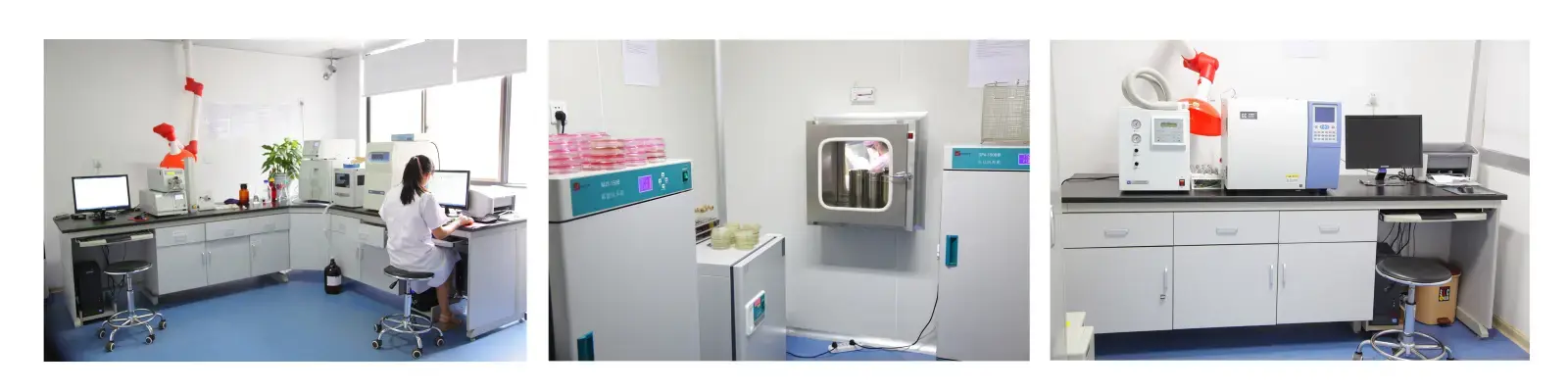
Buying Guide: How to Choose High-Quality Nettle Leaf Powder for Your Business Needs
Purchasers should consider many quality factors while selecting nettle powder providers. Organic certification ensures no synthetic chemicals and land health requirements, which affect ingredient purity. Certificate evaluation should verify USDA NOP compliance, not organic claims. This allows all distribution channels to identify the product. For consistency, European and North American plants have the finest phytochemical profiles.
Size specifications impact particle performance and production speed. Standard mesh sizes between 60 and 80 mesh are suitable for flowability and bioavailability in most purposes. Finer grades increase beverage extraction rates but may make dust handling tougher. Request particle size distribution data to match powder specifications to manufacturing equipment parameters.
Quality, certification, and supply chain problems determine significant buying costs. Organic powder costs 25–40% more than standard grades, and specialist certifications raise prices even further. Although comprehensive certification portfolios make downstream compliance simpler, they may justify higher ingredient prices by minimizing regulatory risk and opening additional markets. If you purchase more than 500 kg of items each year, you may enjoy better discounts and priority during seasonal supply issues.
Supplier dependability elements, including on-time delivery, batch uniformity, and technical support, are considered together with pricing. Established vendors hold safety stock to defend against agricultural fluctuations, ensuring product availability. We have four U.S. warehouses spaced out to avoid regional transportation issues and allow just-in-time production.
The review method should include sample testing procedures to evaluate powder in genuine formulations, not simply specification papers. Free samples help you evaluate scent, stability, and fit before buying a lot. Two-business-day sample delivery speeds up product development and launch.
Top sellers have better R&D than commodity merchants. In addition to ingredients, technical expertise may aid with formulation, extraction optimization, and regulation. Our California team combines botanical knowledge with industrial expertise to aid customers with formulation and scaling up.
Brands increasingly consider suppliers' social and environmental policies when making purchases. Our sustainable sourcing policies emphasize regenerative farming, fair labor, and resource conservation throughout production. These practices promote firms' sustainability aims and environmental marketing.

Conclusion
Nettle Leaf Powder is a strategic ingredient opportunity for tea, supplements, and cosmetics because it is a plant that has been scientifically proven to be safe and appealing to a wide range of consumers. Its complete nutritional profile, ease of making, and market positioning benefits make it a good choice for a wide range of product creation projects. It's helpful for business-to-business buyers to know about quality standards, legal requirements, and suppliers' skills that can help them make sure consistent performance and compliance. Nettle powder is a good ingredient to invest in for the future because of the growing clean-label movement and consumer preference for plant-based ingredients. Strategies for buying things should focus on approved organic sources, detailed records, and partnerships with suppliers that offer technical help beyond just buying things. To successfully use this flexible botanical, you need to pay attention to formulation details, quality assurance processes, and market placement strategies that let customers know what the real value is.
FAQ
1. What dosage of nettle powder suits supplement formulations?
When used as an ingredient on its own, supplements usually come in doses of 300 to 600 mg per serving. Capsules are usually taken twice a day. In multi-ingredient blends, plants that work well with other ingredients may be added in smaller amounts (100–300 mg). These numbers strike a balance between how things are traditionally used and how they can be made. They also match the serving sizes that have been written about in ethnobotanical literature.
2. How does organic certification affect powder quality and cost?
Organic certification shows that the plants were grown without using synthetic pesticides and that the soil was managed according to certain rules, which can affect the phytonutrient density. Certified organic powder usually costs 25–40% more than regular grades, but it lets marketers make health-related claims that people will value. The higher price is because of more rules for farming, the cost of auditing for approval, and usually more careful handling during processing.
3. Can nettle powder maintain stability in beverage formulations?
When the pH stays between 3.5 and 7.5, nettle powder that has been properly processed is very stable in both hot and cold drinks. Antioxidant chemicals stay active for 18 to 24 months when they are stored in sealed cases. Formulators should do rapid stability testing in the conditions in which they plan to store the products in order to check how well they work in those conditions. This is especially important for ready-to-drink products that need to stay stable for a long time on an ambient shelf.
Partner with Earth Made Nutritions for Premium Nettle Leaf Powder Supply
From our California headquarters, Earth Made Nutritions ships pharmaceutical-grade Nettle Leaf Powder. Our products are certified by many organizations, including NSF GMP, USDA Organic, Kosher, Halal, ISO, and FSSC 22000, among others. Our well-established quality systems make sure that every 25 kg drum meets strict standards for cleanliness while keeping prices low for companies that make nutraceuticals, cosmetics, and functional drinks. We guarantee two-day order fulfillment because our four strategically located U.S. warehouses help you keep your inventory low and avoid supply disruptions.
Our advanced extraction facility uses water-ethanol processing to keep the delicate phytonutrients while getting a consistent brownish-yellow color and the right particle size. Whether you're making natural hair care lines, adaptogenic tea mixes, or supplements for joint pain, our expert team can help you with the formulation process, which speeds up the time it takes to make a product. Ask for a free sample today and see the difference in quality that comes from working with a Nettle Leaf Powder provider who is dedicated to your success. You can email our buying experts at info@em-herb.com to talk about bulk prices, certification paperwork, and unique packing options that fit your production needs.
References
1. Kregiel, D., Pawlikowska, E., & Antolak, H. (2018). Urtica spp.: Ordinary plants with extraordinary properties. Molecules, 23(7), 1664.
2. Upton, R., Graff, A., Jolliffe, G., Länger, R., & Williamson, E. (2011). American Herbal Pharmacopoeia: Botanical Pharmacognosy—Microscopic Characterization of Botanical Medicines. CRC Press.
3. Gül, S., Demirci, B., & Demirci, F. (2012). Chemical composition and biological activities of Urtica dioica L. extracts. Journal of Ethnopharmacology, 143(3), 936–942.
4. Pinelli, P., Ieri, F., Vignolini, P., Bacci, L., Baronti, S., & Romani, A. (2019). Extraction and HPLC analysis of phenolic compounds in leaves, stalks, and textile fibers of Urtica dioica L. Food Chemistry, 283, 462–473.
5. Carvalho, A. R., Costa, G., & Figueirinha, A. (2017). Urtica spp.: Phenolic composition, safety, antioxidant and anti-inflammatory activities. Food Research International, 100, 300–312.
6. Sharma, V., & Sharma, A. (2014). Health-promoting properties of stinging nettle (Urtica dioica): A review of its nutritional and therapeutic potential. Journal of Herbal Medicine, 4(3), 123–132.