- English
- French
- German
- Portuguese
- Spanish
- Russian
- Japanese
- Korean
- Arabic
- Irish
- Greek
- Turkish
- Italian
- Danish
- Romanian
- Indonesian
- Czech
- Afrikaans
- Swedish
- Polish
- Basque
- Catalan
- Esperanto
- Hindi
- Lao
- Albanian
- Amharic
- Armenian
- Azerbaijani
- Belarusian
- Bengali
- Bosnian
- Bulgarian
- Cebuano
- Chichewa
- Corsican
- Croatian
- Dutch
- Estonian
- Filipino
- Finnish
- Frisian
- Galician
- Georgian
- Gujarati
- Haitian
- Hausa
- Hawaiian
- Hebrew
- Hmong
- Hungarian
- Icelandic
- Igbo
- Javanese
- Kannada
- Kazakh
- Khmer
- Kurdish
- Kyrgyz
- Latin
- Latvian
- Lithuanian
- Luxembou..
- Macedonian
- Malagasy
- Malay
- Malayalam
- Maltese
- Maori
- Marathi
- Mongolian
- Burmese
- Nepali
- Norwegian
- Pashto
- Persian
- Punjabi
- Serbian
- Sesotho
- Sinhala
- Slovak
- Slovenian
- Somali
- Samoan
- Scots Gaelic
- Shona
- Sindhi
- Sundanese
- Swahili
- Tajik
- Tamil
- Telugu
- Thai
- Ukrainian
- Urdu
- Uzbek
- Vietnamese
- Welsh
- Xhosa
- Yiddish
- Yoruba
- Zulu
Organic milk thistle seed powder, derived from Silybum marianum seeds, has become one of the most sought-after botanical ingredients in the supplement and functional food industry. Standardized for its silymarin complex — a group of bioactive flavonolignans including Silybin A and B, Silychristin, and Silydianin — this fine yellow powder delivers consistent potency and broad formulation versatility. Whether you are developing liver-support capsules, functional beverages, or clean-label health products, this ingredient offers a reliable foundation backed by decades of research and growing consumer demand.
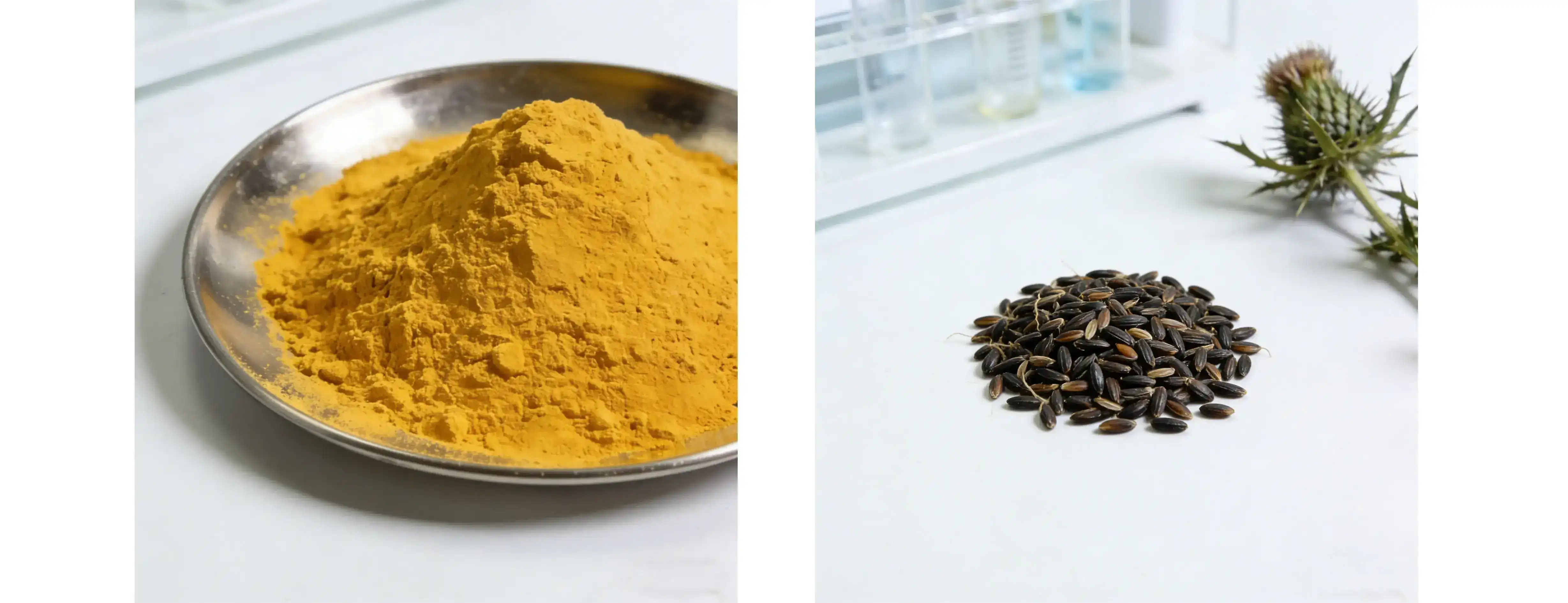
Understanding Organic Milk Thistle Seed Powder
What Makes the Silymarin Complex Valuable to Formulators
Silymarin, which is a group of lipophilic flavonolignans, is the component of Silybum marianum seed powder that is responsible for the majority of the beneficial effects. The fact that these compounds can defend cells and prevent the membranes of cells from deteriorating is something that is already common knowledge. Studies that were published in the American Journal of Gastroenterology demonstrate that silymarin has the ability to alter the levels of ALT and AST that are present in the liver. As a result of this, it becomes an essential component of items that are beneficial to the liver.
Silymarin is a trace amount of an antioxidant that is beneficial to the liver. Because of this, it is tempting for businesses that manufacture products that preserve cells and stimulate healthy ageing by offering them. Through the use of purchasing teams, it is possible to acquire a valuable ingredient that is compatible with several product lines at the same time. This is due to the fact that it may be used in supplements as well as meals.
How Organic Certification Elevates Ingredient Integrity
More than simply a marketing badge, it is required in order to meet the requirements for organic clearance. It has been assured by the administration that this would take place. In order to purchase organic Silybum marianum seed powder, it must conform to the National Organic Program (NOP) of the United States of America or other rules of a similar kind. The implementation of these regulations ensures that there are no artificial fertilisers, pesticides, or process aids that are prohibited at any point along the supply chain.
If a company distributes its products to clients in the European Union and North America, being organic makes it simple to comply with the law, to give the product a clean brand, and to stay up with the latest trends in consumer behaviour. SPINS conducted research in 2023 that indicated that sales of organic herbal supplements in the United States increased at a rate that was 14% higher than sales of ordinary herbal supplements. It is beneficial for a company to purchase organic items that have been given the green light.
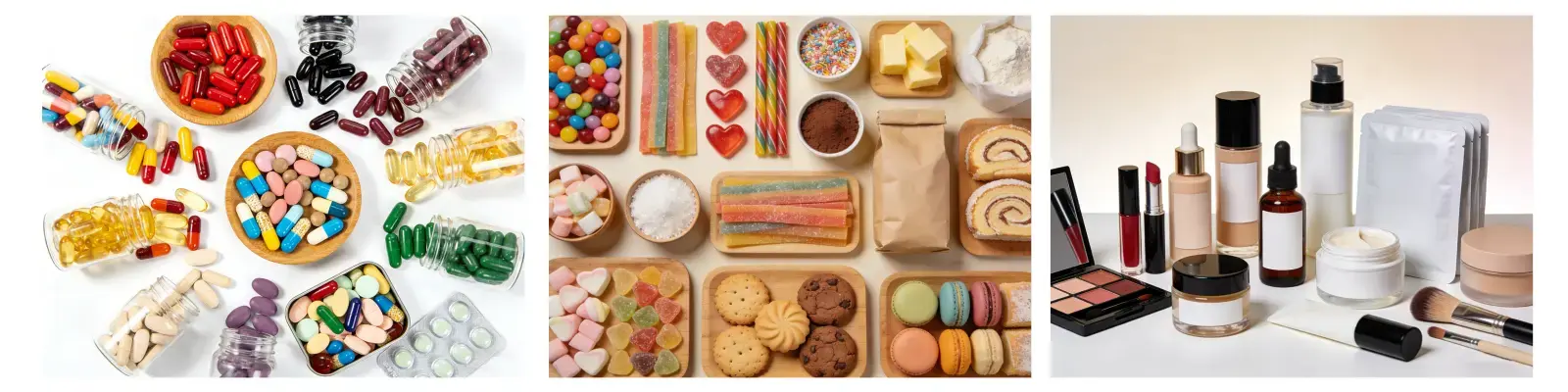
Comparing Milk Thistle Seed Powder with Alternative Forms and Ingredients
When looking at your sourcing options, it's important to know the real differences between the formats that are available. This way, you can make more accurate formulas and save money.
The following list makes it easy to compare the powder form to other well-known kinds:
80% silymarin UV standardized extract versus milk thistle seed powder: It is naturally present in 1.5% to 3% of raw seed powder. With the UV method, this is increased to 80%, and with the HPLC method, it's raised to 50–60%. The best form for low-cost products with a low active content is fine powder. Standardized extracts, on the other hand, are best for liver-supporting products that work well. When it comes to purity, the 80% that was tested with UV and the 80% that was tested with HPLC are not at all the same. HPLC is more accurate.
- Milk thistle seed powder vs. standardized extract (80% silymarin UV): Raw seed powder typically contains 1.5–3% silymarin naturally. Standardized extracts concentrate this to 80% (UV method) or 50–60% (HPLC method). Powder form suits cost-sensitive formulations where lower active concentration is acceptable, while standardized extracts are preferred for high-potency liver-support products. Note that UV-tested 80% and HPLC-tested 80% differ substantially in actual purity — HPLC is more specific.
- Milk thistle seed powder vs. capsules/tablets (consumer-ready): Bulk powder offers formulation flexibility and lower per-unit cost, enabling manufacturers to adjust dosage and combine synergistic botanicals. Consumer-ready capsules sacrifice customization for convenience.
- Milk thistle seed powder vs. herbal teas: Teas deliver low silymarin bioavailability due to the compound's poor water solubility. Powder-based formulations using phospholipid complexing or micro-encapsulation significantly outperform tea formats in active delivery.
Herbal teas vs. milk thistle seed powder: Teas don't give the body much silymarin because it doesn't mix well with water. Tea-based forms don't work as well for active delivery as powder-based forms that use phospholipid complexing or microencapsulation.
The person in charge of formulating has to make sure that the form of an ingredient fits the product claim, the way it will be delivered, and the person who will buy it.
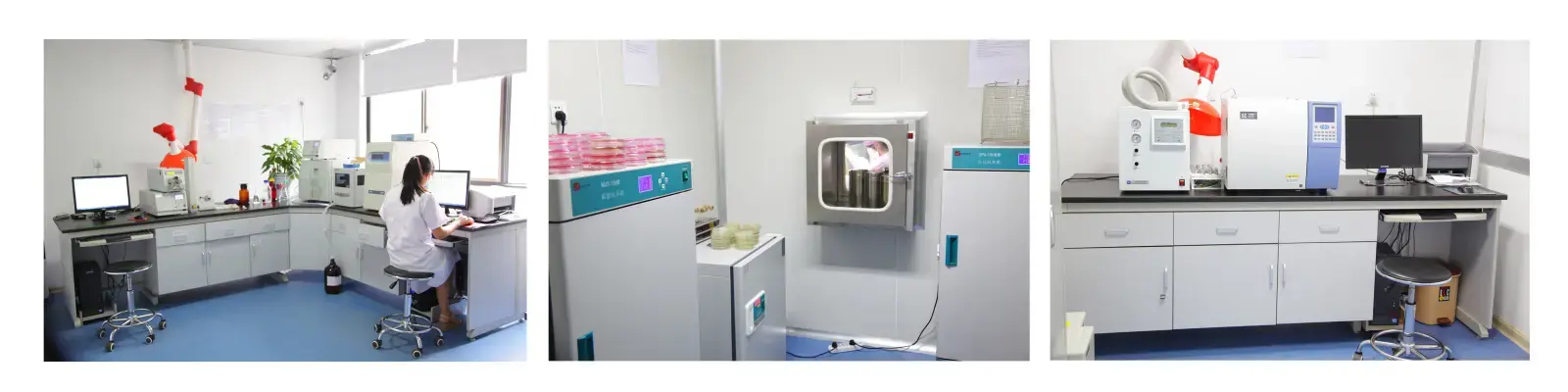
Procurement Guide for Organic Milk Thistle Seed Powder
To find organic milk thistle seed powder in bulk, there are a few things you should think about. These things affect each other. Any of these things could go wrong if buying teams don't pay attention to them: supply issues, inconsistent quality, or gaps in compliance.
When you judge providers, you should look at the following things:
- Certifications: Require documentation for NSF GMP, ISO, FSSC22000, Kosher, Halal, and Organic certification. These collectively confirm manufacturing hygiene, process control, and sourcing integrity.
- Quality testing: Demand Certificates of Analysis that specify assay method (UV vs. HPLC), microbial limits (TPC <10,000 cfu/g, absence of Salmonella and E. coli), mycotoxin screening (Aflatoxins B1, B2, G1, G2), and residual solvent compliance per ICH Q3C guidelines.
- MOQ and lead time: Confirm minimum order quantities and in-stock availability upfront to protect your production schedule.
- Packaging: Verify drum specifications and moisture barrier protection to prevent caking during transit and storage.
You need to show proof that your product is NSF GMP, ISO, FSSC22000, Kosher, Halal, or organic. All of these things show that the materials used are honest, the process is clean, and the tools are well-run.

Practical Usage and Formulation Tips for Supplement and Food Developers
Adding organic milk thistle seed powder to finished goods needs to be carefully planned from a technical point of view. There are some problems with the ingredient because it tastes bitter and makes fat stick to it, but they can be fixed the right way.
If you want to use this plant stuff to make vitamins, here are some ways to do it:
- Softgel and oil-matrix encapsulation: Suspending the powder in a soybean oil or lecithin matrix enhances Silybin bioavailability by leveraging the lipophilic nature of the flavonolignan complex. Controlled particle size (95% passing 80 mesh) prevents sedimentation during fill.
- Phosphatidylcholine complexing (phytosome technology): Complexing silymarin with phospholipids increases intestinal absorption. This approach is increasingly used in premium liver-support products targeting bioavailability-conscious consumers.
- Functional beverage integration: For water-based formats, micro-encapsulation or water-soluble derivatives are required to overcome the hydrophobic character of native silymarin. pH stability testing across the beverage's processing range is recommended.
- Taste masking in food formats: Cyclodextrin complexation or flavor co-processing can reduce the bitter astringency characteristic of the seed's native extract, improving palatability in food-forward applications.
After these steps for preparation are finished, the next step will be to make sure that the markings are correct. Here are the rules you need to follow to make a health claim about silymarin helping the liver: 21 CFR Part 101. You also need to show enough proof to back up your claim.
Future Trends and Opportunities in Milk Thistle Seed Powder Market
Things change quickly in the market for organic plant-based ingredients over time. Clean-label product development, being open about the environment, and the creation of new foods that are useful are all changing how buyers and brands look for plants.
People in the U.S. are becoming more aware of metabolic health, which has caused a huge rise in the demand for liver-supporting and detox goods in supplement shops. Functional drinks, like ready-to-drink detox shots and herbal tonics, are also a way to get medicines to people that is growing quickly and looking for standardized plant sources with reliable supply chains.
These days, being environmentally friendly isn't just a brand value; it's also a way to buy things. A lot of big U.S. supplement companies and store-brand programs now ask suppliers for sustainability profiles that include traceability paperwork, ethical source statements, and reports on the environmental impact. In rounds of open bidding, suppliers who can give this information on their own are given the title of chosen vendor.
Conclusion
The organic milk thistle seed powder from Silybum marianum has a strong biological effect, can be used in many ways, and has been approved by the government. This plant-based ingredient keeps making its way into high-performance items, like functional drinks and pills that help the liver. To stay competitive in the market and get regular production results, it's best to choose a provider with clear quality papers, domestic inventory, and certificates that can be shown.
FAQ
1. Is organic milk thistle seed powder safe for general supplement use?
Organic Silybum marianum seed powder is widely recognized as safe for use in dietary supplements when formulated within standard guidelines. It carries GRAS-adjacent status in many jurisdictions and has been studied extensively in adult populations. Always confirm supplier documentation for purity, microbial testing, and mycotoxin compliance before commercialization.
2. What is the difference between UV-tested and HPLC-tested silymarin content?
UV spectrometry measures total phenolic absorbance and typically reports higher values (around 80%). HPLC separates individual flavonolignans and provides a more precise reading (typically 50–60%). For high-potency claims, HPLC methodology offers stronger scientific substantiation. Agree on the testing method with your supplier before procurement.
3. Which certifications should a reliable supplier hold?
At minimum, look for NSF GMP, ISO, FSSC22000, Kosher, Halal, and Organic certification. These credentials confirm manufacturing quality standards, food safety management, and ingredient integrity across both U.S. and international markets.
4. Can this ingredient be used in functional food products?
Yes. With appropriate micro-encapsulation or phospholipid complexing to address solubility, organic Silybum marianum seed powder integrates well into functional food and beverage matrices, including detox drinks, health bars, and meal replacement powders.
Partner with EM for Premium Milk Thistle Seed Powder Supply
Businesses all over the United States trust Earth Made Nutritions Inc. to make and sell their goods. They sell milk thistle seed powder that is certified organic. There are four warehouses in the U.S. where our goods are stored. You can pick them up the next business day. You can get free trials, and the least you can buy is 25 kg. Always follow the rules for NSF GMP, ISO, FSSC22000, Kosher, Halal, and Organic. Email us at info@em-herb.com to get a sample or talk about bulk prices.
References
1. Abenavoli, L., et al. "Milk Thistle (Silybum marianum): A Concise Overview on Its Chemistry, Pharmacology, and Nutraceutical Uses in Liver Diseases." Phytotherapy Research, 2018.
2. Hacke, A. C. M., et al. "Phytosomes as Drug Delivery Systems for Silymarin: A Review." Journal of Drug Delivery Science and Technology, 2019.
3. Saller, R., et al. "The Use of Silymarin in the Treatment of Liver Diseases." Drugs, 2001.
4. SPINS. "U.S. Herbal Supplement Market Trends and Organic Category Growth Report." SPINS Market Intelligence, 2023.
5. Jacobs, B. P., et al. "Milk Thistle for the Treatment of Liver Disease." American Journal of Gastroenterology, 2002.
6. European Medicines Agency (EMA). "Assessment Report on Silybum marianum (L.) Gaertn., Fructus." EMA Committee on Herbal Medicinal Products, 2018.