- English
- French
- German
- Portuguese
- Spanish
- Russian
- Japanese
- Korean
- Arabic
- Irish
- Greek
- Turkish
- Italian
- Danish
- Romanian
- Indonesian
- Czech
- Afrikaans
- Swedish
- Polish
- Basque
- Catalan
- Esperanto
- Hindi
- Lao
- Albanian
- Amharic
- Armenian
- Azerbaijani
- Belarusian
- Bengali
- Bosnian
- Bulgarian
- Cebuano
- Chichewa
- Corsican
- Croatian
- Dutch
- Estonian
- Filipino
- Finnish
- Frisian
- Galician
- Georgian
- Gujarati
- Haitian
- Hausa
- Hawaiian
- Hebrew
- Hmong
- Hungarian
- Icelandic
- Igbo
- Javanese
- Kannada
- Kazakh
- Khmer
- Kurdish
- Kyrgyz
- Latin
- Latvian
- Lithuanian
- Luxembou..
- Macedonian
- Malagasy
- Malay
- Malayalam
- Maltese
- Maori
- Marathi
- Mongolian
- Burmese
- Nepali
- Norwegian
- Pashto
- Persian
- Punjabi
- Serbian
- Sesotho
- Sinhala
- Slovak
- Slovenian
- Somali
- Samoan
- Scots Gaelic
- Shona
- Sindhi
- Sundanese
- Swahili
- Tajik
- Tamil
- Telugu
- Thai
- Ukrainian
- Urdu
- Uzbek
- Vietnamese
- Welsh
- Xhosa
- Yiddish
- Yoruba
- Zulu
A company that wants to buy beta vulgaris root powder needs to think about four things: the type of powder (whole-root powder, juice powder, or extract); the paperwork for each batch; application testing; and how the powder will be sent. Earth Made Nutritions Inc. made this guide. (EM) to help people who buy supplements, drugs, food, drinks, cosmetics, or supplements compare terms, definitions, specs, quality tests, sellers, and ways to buy. We also tell you about our own products, such as the 25 kg drums, free samples, Organic and NSF GMP certificates, and stock in our U.S. warehouse, so that your team can make smart decisions.
Understanding Beta Vulgaris Root Powder
What Beta Vulgaris Root Powder Is
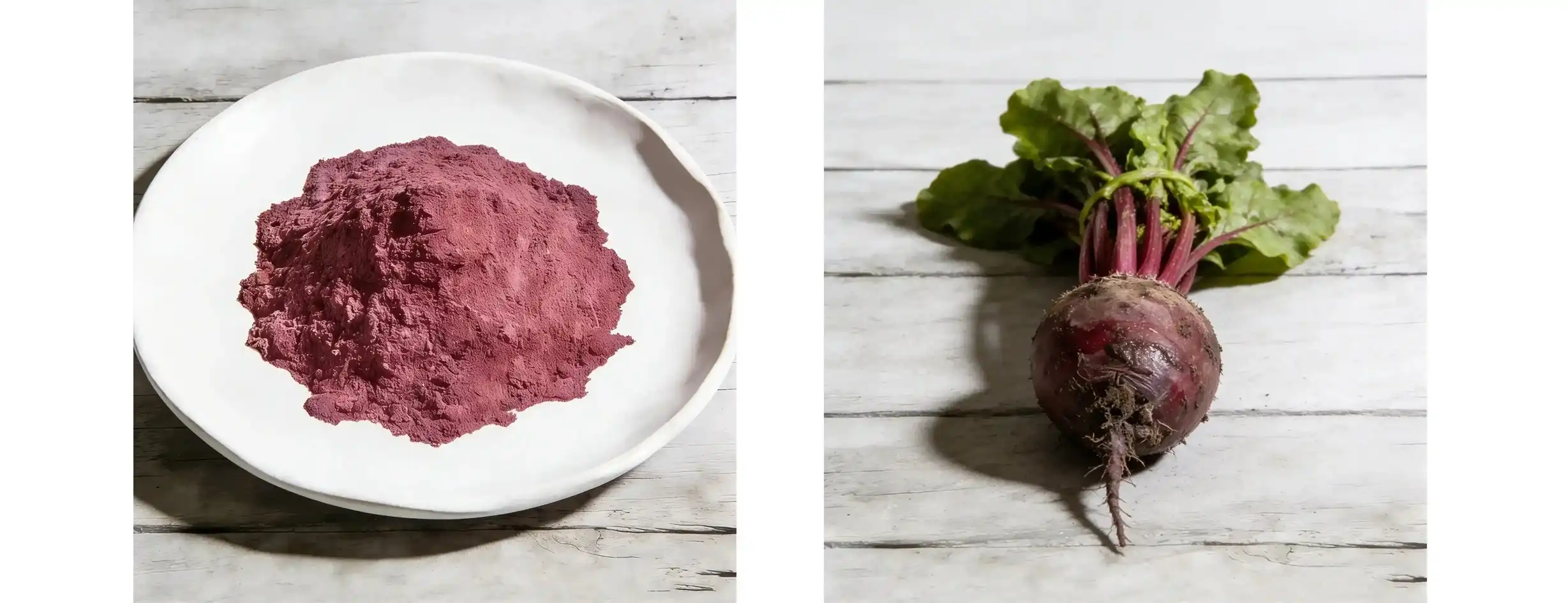
It is often referred to as "beetroot" by the majority of people; however, the powder that is produced by drying and crushing beetroot is referred to as beta vulgaris root powder. It is also known as red beetroot powder or beetroot powder in certain quarters. Both of these names relate to the same thing. Having a hue that is purple-red, the taste is sweet and earthy, and the colour is purple-red. The majority of the time, the combination contains minerals, betalain pigments, carbs, and fibre. Additionally, the mixture contains fibre. I was wondering if you could tell me what kind it is, where it originated, how it was dried, and how much of it is there now. On the other hand, those who are interested in acquiring anything should not rely on descriptions that are not sufficiently detailed; rather, they should look at written specifications and certificates of analysis (COAs) that are generated for each batch separately. The root of the plant, which is also known by its Latin name, Beta vulgaris, was used in this research project.
Whole-Root Powder, Juice Powder, and Extract
At first glance, formats are similar; nonetheless, they serve quite different purposes. There are certain components of the plant that are left behind after the process of drying out and grinding up the roots of the plant. One of these components is fibre. Each and every one of these components makes up whole-root powder. The technique of making beetroot juice powder involves pressing the juice and then spraying it to dry it out. This is the first step in the manufacturing process. Furthermore, it is often added with various aids, which, in addition to changing the flavour, also change the way that it spreads. In order to get the desired effect of elevating the concentration of certain compounds in beetroot extract, a specific process is used. As a consequence of this, it is conceivable that the colour will become more intense or the texture will become more uniform. It is strongly recommended that you make a note of the code that you will be required to input when you send your inquiry by email. The project will not receive any bids or samples that are not suitable for it while it is being evaluated. Furthermore, your formulation team will not be required to do any testing on them once they have been created.
Where Buyers Use It
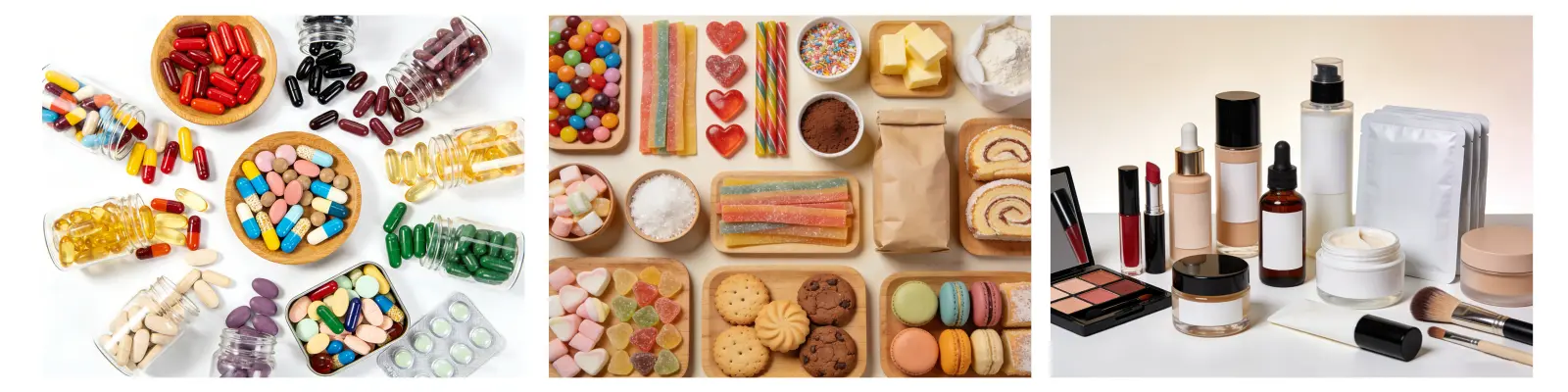
The powder that is produced from the root of Beta vulgaris may be used for a broad range of applications. It is possible to find it in the vegetable blends, capsules, pills, and sports nutrition powders that are produced by companies that specialise in supplement manufacturing. It is used in the beverage and confectionery divisions for the purpose of creating natural colour schemes, as well as drinks and confections. According to 21 CFR 73.40, the Food and Drug Administration (FDA) specifies that beet powder, which is a kind of colour additive that is created from dried beets, does not need specific permission in order to be used in food. Beet powder is a type of colour additive. When it is employed by cosmetologists and chemists, the addition of colour and filler may be beneficial to a variety of products, including but not limited to masks, washes, soaps, and creams. One way to look at it is as a resource that is obtained from plants, and it is something that teams who are working on medical nutrition and drugs need to find and ensure they are monitoring. In light of the fact that your chosen profession will need a wide range of paperwork, you should get a head start on making your decision.
Benefits and Application Potential
Betalains and Antioxidant Positioning
Chemicals in beets make them a reddish-violet color. Betanin is the most well-known of these chemicals. In 2015, Molecular Nutrition & Food Research published a review paper that talked about betanin as an antioxidant that can also be used to color food. We didn't want to say anything too health-related because we had only learned something useful. Labels and ads for brands should be well-written and follow the people who will see them. For example, the FDA has rules about what you can say about healthy supplements. Beta vulgaris root powder works best when what you say it does matches what the finished product does and what your regulatory team has authorized.
Supplements and Functional Foods
Beta vulgaris root powder is useful for making pills, tablets, stick packs, and health blends. People can easily understand its clean label story because the color comes from plants. This plant powder is often mixed with other plant powders by people who make sports nutrition. Food techs add it to drinks, bars, and foods to make them healthier. Two things need to be tested on a bench. First, make sure your base is spread out well because fully ground root powders don't always mix in all the way. Second, fruit flavors can improve the earthy taste of beets. Before you raise the dose, you should try the one you want to use.
Cosmetics and Personal Care Uses
Scrubs, soaps, lotions, serums, hair masks, and treatments for the scalp are all examples of items that beauty chemists combine with beetroot powder. When evaluating the effectiveness of these sets, it is important to examine the particle size, colour intensity, microbiological quality, and the degree to which they properly combine with the base. The optimal pH range for talin colour is between 4 and 6. This was discovered in research that investigated the degree to which it is stable. It is highly recommended that you test your most recent recipe within this range. Because heat and light might cause the colour to fade, you should also enquire with the vendor about how to preserve and ship it. You should request a sample to ensure that it functions properly before you decide when to launch it.
Production and Specifications
How the Powder Is Made
The process of making anything often involves gathering the raw materials, sorting them, washing them, trimming them, slicing them, drying them, milling them, and sieving them. These are the steps that are typically done. By observing the manner in which the beets were grown, the time at which they were harvested, the origin of the powder, and the storage conditions, it is possible to determine the kind of beet that was used in the powder. It is also crucial to consider how you dry items. It is more expensive to dry goods at a lower temperature, but the consistency of the colour is more stable. Drying with hot air is more expensive, but the colour and scent are not affected in any way. Oak trees are susceptible to damage from heat, light, and oxygen; thus, it is important to exercise caution while shading them. Requesting that each of your suppliers assist you in processing each batch by providing you with a list of the controllers, parameters, carriers, and other tools that they use is something you should do. If you provide a detailed explanation of the stages, your quality assurance team will be able to ensure that everything is prepared before the first order is received.
Specifications Buyers Should Evaluate
Just before you start developing the application, you should give some thought to what it requires, who it will be for, and how it will seem after it is finished. Following that, take a look at the form and determine how well those requirements align with it. Check the name of the plant and find out where it originated to ensure that it is a genuine specimen. In addition to this, you should examine the colour, smell, taste, wetness, mesh size, particle distribution, capacity to dissolve, and ability to spread. There is a possibility that different classes of skin care products, dietary supplements, and food will need different forms and methods of testing. The difference between suspension and complete dissolution may be attributed to the way in which juice powder and whole-root powder respond when these powders are dissolved in water. Microbiology, heavy metals, pesticides, allergens, marker chemicals, and any solvents that were left behind from the extraction stage should all be included on a certificate of analysis (COA) that is specific to each batch. Each and every claim that you want to make on a label needs to be backed up by evidence.
EM Product Snapshot
Quickly compare our offer to other offers by using the list that is provided below. It is the name given to it in Latin. One may benefit from the root of a plant. In addition to being a purple-red colour, each drum has 25 kg of it. You are able to get at least 25 kg. It is available to you at no cost. Due to the fact that the item is still available, you will be able to pick it up on the second day. All of these certifications—NSF GMP, ISO, FSSC22000, Kosher, and Halal—are readily apparent.
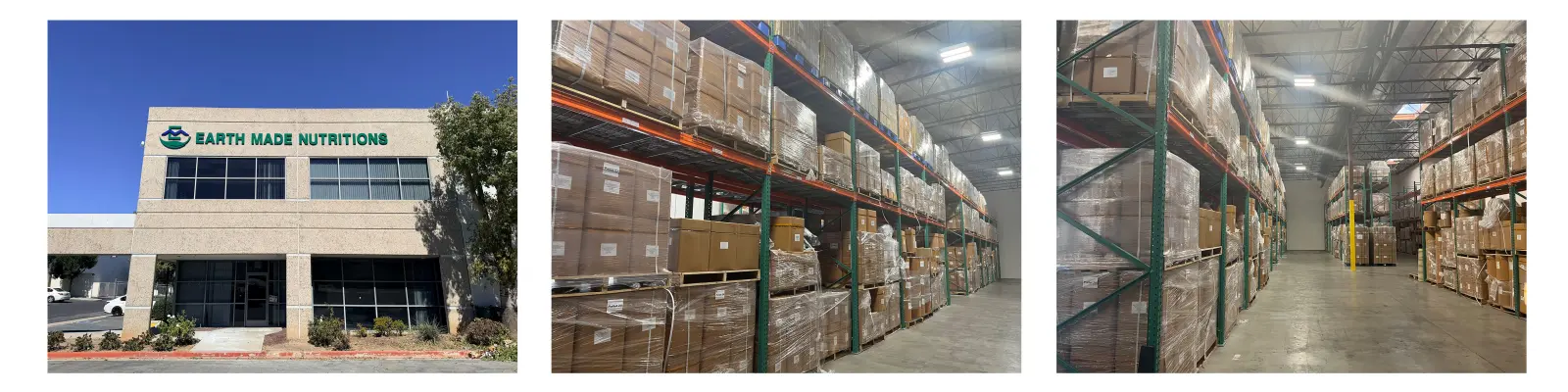
California is the location of our firm, which was established in the year 2018. Our own manufacturing and four warehouses are located in the United States of America. The Good Manufacturing Practices (GMP) and the Food and Drug Administration (FDA) of the United States require that our products adhere to stringent regulations. The R&D team and the extraction tools are both helpful in the process of technical conversations. We advocate for sustainable development, which entails being mindful of the planet and considerate of the well-being of other individuals. Make sure you ask for the most current COA and specification sheet so that you can receive accurate figures.

Quality, Safety, and Format Comparisons
Testing Quality and Safety
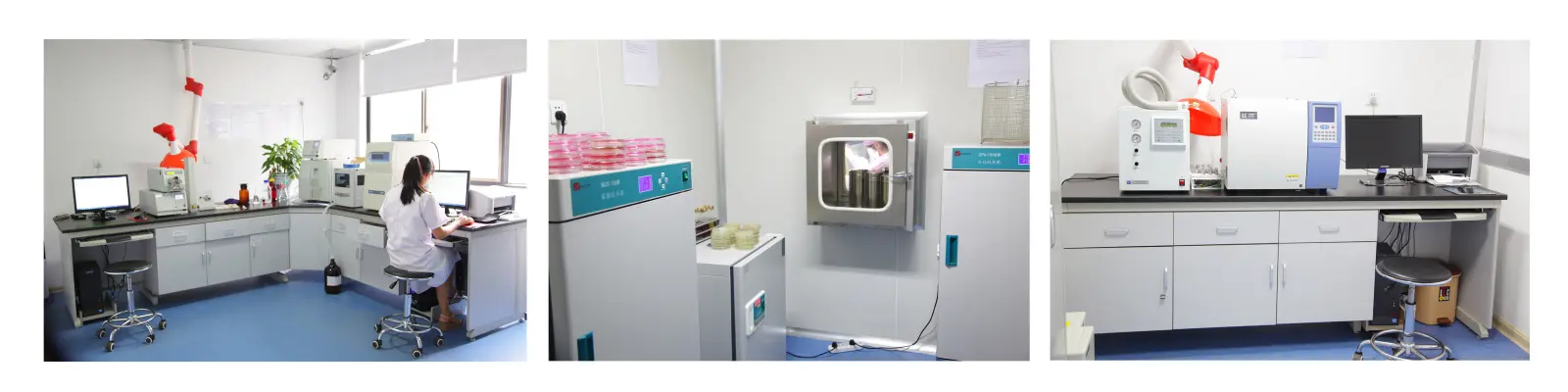
A thorough evaluation of beta vulgaris root powder should include laboratory testing, sample assessments, supplier documentation, and trials in the intended product formulation. Quality checks should cover relevant pathogens, heavy metals, pesticide residues, aflatoxins, yeast, mould, and other contaminants specified by the target market's regulatory requirements. Because beets grow in soil, particular attention should be paid to potential contamination from heavy metals and other environmental substances. USP General Chapter <2232> provides guidance on elemental contaminants in dietary supplements and can serve as a useful reference when assessing ingredient safety. Buyers should also confirm the supplier's testing frequency and whether results are independently verified by a third-party laboratory. In the United States, 21 CFR Part 111 establishes current Good Manufacturing Practice (cGMP) requirements for dietary supplements, making relevant GMP documentation an important part of supplier qualification and audit records.
Shelf Life, Storage, and Dosage
It is possible for items to remain on the shelf for a certain period of time so long as they are protected from oxygen, light, heat, and warmth. The colour and flow of the beetroot powder will be protected as a result of this. The location where it is kept needs to be one that is cold, dry, dark, and has enough ventilation. Because it contains natural sugars, beetroot powder has a tendency to cling to water particles. You should make sure that you have a complete understanding of the lot code, the safety of the packaging, and the re-test policy before you make your purchase. On account of the fact that meals, supplements, beverages, and cosmetics are all distinct from one another, there is no one dosage that is effective for all of them. Almost immediately after the recipe was tested and the government provided its approval, the appropriate quality level was determined for each item. It would be beneficial for you to jot down the findings of the test so that you can easily locate them in the event that a client requests them.
Comparing Beet Formats and Color Options
You should investigate the degree to which it is stable, the colour it is, the flavour it has, the price it costs, and the way it is labelled. Yet, whole-root powder may be more easily incorporated into beverages; it may also include transporters that preserve a greater proportion of the plant's matrix. Some beverages may be made more potent by adding beetroot extract to them. It is not possible to get the same sorts in the same quantities, at the same costs, or with the same certificates to the same degree. Tannins, anthocyanins, paprika, and man-made dyes are some of the common ingredients that are used in the production of many types of red dyes. On the pH scale, beta-carotenes maintain their strength between pH 4 and 6. The heat and prolonged exposure to light, however, cause them to degrade. Anthocyanins, on the other hand, undergo a colour shift as the pH level rises or falls. It is essential that the samples you want are located in your base, next to one another. When applied to a bar or gummy, a colour that is successful in water may not be enough.
Supplier Selection and Procurement
Choosing a Supplier
There should be a notation of the grade, the purpose, the origin, the certificates, the particle size, the volume, the packaging, and the destination. The next step is to evaluate each supplier based on how effectively they monitor plants, create things, test things, communicate with you, assist you with technical challenges, accomplish a lot, have quality procedures, and export. Products that are regulated in a variety of ways are manufactured, sold, traded, and exported by a large number of companies. Find out who is responsible for making and testing each batch. It is essential to take into consideration the delivery time, certificates of origin, certifications, samples, minimum order quantity, and the kind of request processing. This enables you to make purchases in the United States more quickly. Additionally, it is important for international distributors to study Incoterms, customs paperwork, and labeling regulations.
Bulk Pricing and Private-Label Procurement
The price of beta vulgaris root powder varies depending on the raw material, the organic condition of the product, the processing technique, the specifications, the testing, the packaging, the amount that is necessary, or the destination. Consider looking beyond the price per kilogram if you are interested in determining the total cost of the cargo after it arrives at the port location. Occasionally, things may not go as planned. This is the reason for it. When purchasing anything, begin with little samples in the beginning and work your way up to drums and pallets. There is a possibility that the minimum order quantities (MOQs) for standard and customised items would be different. The minimum order is 25 kilograms of barrels that weigh 25 kilograms each. This is more than enough for the test batches. Please get in touch with us as soon as possible if your project requires individualised packaging, product mixtures, or component amounts. Your needs will be met by us in every way.
Practical Buyer Checklist
Having a concise list allows for everything to be organised. The grade, the market, the yearly volume, the certificates, the packaging, the delivery terms, and the product configuration should all be completely familiar to you. You are then able to acquire quotations. Examine the certificates of origin, certifications, samples, capacity, minimum order quantity, lead time, and landing cost of vendors. It is necessary to establish precise criteria for testing, packaging, storing, delivering, rejecting, and tracking revisions prior to the transmission of a purchase order. There is also a need for written prohibitions. Examine the seals, lot numbers, appearance, and shipping conditions once the delivery has been completed. Utilising the sample, make a record of the provider's performance. The reordering process is sped up by this approach, which also produces a file that can be verified.
Conclusion
After being dried out and ground up, beet roots are used in supplements, foods, drinks, and beauty products. How valuable beta vulgaris root powder is depends on how well it does its job. Why does that happen? All three types of powder—juice, extract, and whole-root—have different amounts of fiber, carriers, and how they're distributed. You need to test betalain to find the best way to handle, store, and use it because its color changes with heat, light, oxygen, and pH. Checking the GMP status, looking at batch COAs, testing for contaminants, and finding the source are all good ways to keep an eye on quality. You also need to follow the rules of the market you want to reach when it comes to dosage and claims. Then, pick based on the supplier you want to work with, the lead time, and the minimum order quantity. Do this for each item. Before they place an order, people who want to buy something first describe what they want and then look at samples and paperwork. This makes the supply file more stable.
FAQ
1. Is beta vulgaris root powder the same as beetroot powder?
It's the same thing as ground, dried beet root. This is because extract and juice powder are not the same thing. Check the grade, the botanical name, the part of the plant that was used, and the name of any extra ingredients.
2. Does whole-root powder dissolve completely?
Not all the time. Check it out in your real base to see if it disappears all the way or just spreads out.
3. Which documents should I request?
You should ask for a batch COA, a technical data sheet, a safety data sheet, an allergen statement, proof of where the product came from, and the product itself. Put the powder somewhere cool, dry, dark, and out of the way.
4. What are the MOQ and sample terms at EM?
25 kg is the least you can order, and it comes in 25 kg drums. We also give away free samples. You can pick up the item on the second day since it is still in stock.
Contact EM for Beta Vulgaris Root Powder Samples and Quotes
Are you ready to see one more? Beta vulgaris root powder is sold by the company Earth Made Nutrition Inc. (EM). Also, you can get free samples from them. They are certified by NSF GMP, Kosher, Halal, ISO, FSSC22000, and Organic. They also have four warehouses in the United States. Email info@em-herb.com with what herbs you want, how much you want, and where you want them sent. We'll then send you a project quote, a sheet of specs, and a certificate of approval.
References
1. U.S. Food and Drug Administration, 21 CFR 73.40 Dehydrated Beets (Beet Powder), 2024
2. Molecular Nutrition & Food Research, "Betanin—A Food Colorant with Biological Activity," 2015
3. Nutrients, "The Potential Benefits of Red Beetroot Supplementation in Health and Disease," 2015
4. Journal of Food Science, "Betalain Stability and Degradation—Structural and Chromatic Aspects," 2006
5. U.S. Food and Drug Administration, 21 CFR Part 111 Current Good Manufacturing Practice for Dietary Supplements, 2007
6. Trends in Food Science & Technology, "Functional Properties of Anthocyanins and Betalains in Plants, Food, and in Human Nutrition," 2004