- English
- French
- German
- Portuguese
- Spanish
- Russian
- Japanese
- Korean
- Arabic
- Irish
- Greek
- Turkish
- Italian
- Danish
- Romanian
- Indonesian
- Czech
- Afrikaans
- Swedish
- Polish
- Basque
- Catalan
- Esperanto
- Hindi
- Lao
- Albanian
- Amharic
- Armenian
- Azerbaijani
- Belarusian
- Bengali
- Bosnian
- Bulgarian
- Cebuano
- Chichewa
- Corsican
- Croatian
- Dutch
- Estonian
- Filipino
- Finnish
- Frisian
- Galician
- Georgian
- Gujarati
- Haitian
- Hausa
- Hawaiian
- Hebrew
- Hmong
- Hungarian
- Icelandic
- Igbo
- Javanese
- Kannada
- Kazakh
- Khmer
- Kurdish
- Kyrgyz
- Latin
- Latvian
- Lithuanian
- Luxembou..
- Macedonian
- Malagasy
- Malay
- Malayalam
- Maltese
- Maori
- Marathi
- Mongolian
- Burmese
- Nepali
- Norwegian
- Pashto
- Persian
- Punjabi
- Serbian
- Sesotho
- Sinhala
- Slovak
- Slovenian
- Somali
- Samoan
- Scots Gaelic
- Shona
- Sindhi
- Sundanese
- Swahili
- Tajik
- Tamil
- Telugu
- Thai
- Ukrainian
- Urdu
- Uzbek
- Vietnamese
- Welsh
- Xhosa
- Yiddish
- Yoruba
- Zulu
The unique caffeine-tannin structure in guarana seed extract powder, which comes from the plant Paullinia cupana, gives you long-lasting natural energy. This meets the needs of the beverage industry for clean-label stimulants. Instead of the crash that people don't like with manufactured options, this botanical ingredient has an effect that builds up over time and lasts for 4 to 6 hours. It is becoming more important in energy drinks, functional teas, and sports water systems, which use the 50% chlorogenic acid level to support physical performance and help the body manage free radicals. This powder solves important manufacturing problems like being stable at low pH, having consistent solubility, and following regulations. Manufacturers who want to stand out in competitive markets must use it.
Understanding Guarana Seed Extract Powder and Its Role in Beverage Systems
Botanical Origins and Extraction Technology
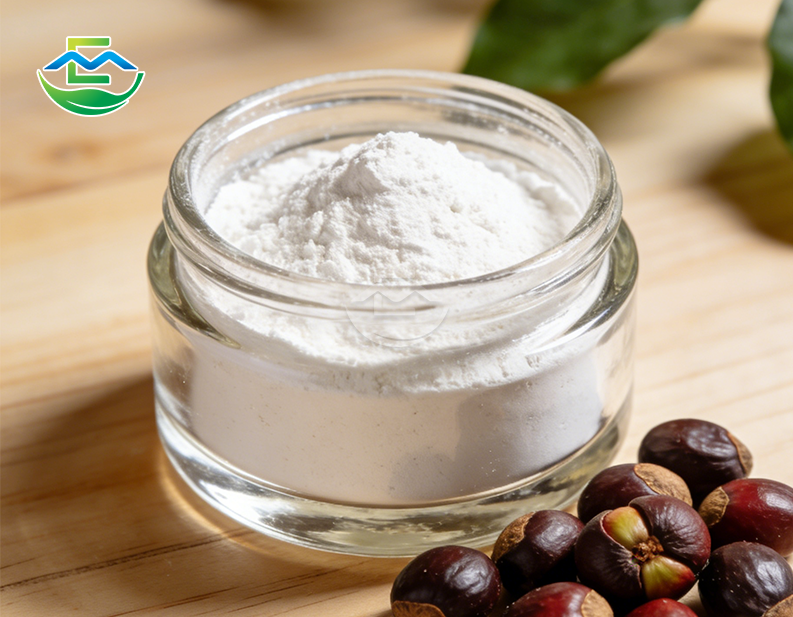
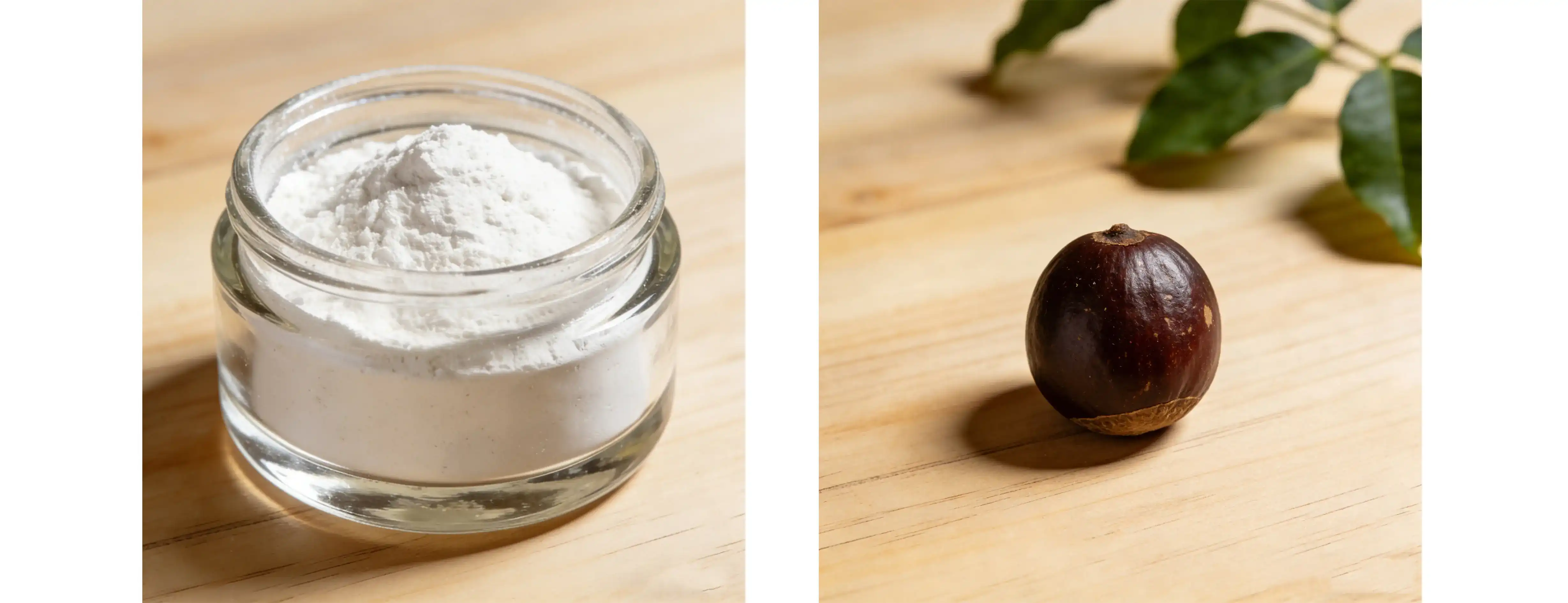
The guarana seed extract powder comes from the seeds of the growing Amazonian plant Paullinia cupana, which were extracted using both water and ethanol. This method keeps both lipophilic alkaloids and hydrophilic polyphenols, making a white powder that is standardized at 50% chlorogenic acid. The extraction method keeps the amounts of guaranine (natural caffeine), theobromine, and catechins in a way that makes their natural properties work together. Instead of single-compound isolates, this full-spectrum profile gives people who make drinks a complicated ingredient that can handle heat and changes in pH between 2.5 and 7.0.
Functional Benefits Driving Market Adoption
The tannin-caffeine link slows down stomach emptying, which gives people a steady boost of energy without the jitters. The 50% chlorogenic acid level has been shown to have properties that interact with free radicals, which lets brands to market their drinks as useful options for daily routines. Because it dissolves in both cold and hot beverages, it can be used in a variety of drinks, such as fizzy drinks, ready-to-drink teas, and protein shakes. This two-in-one feature meets the needs of sourcing teams for ingredients that can support both performance claims and formulation versatility.
Market Demand Patterns in North America
A recent study of customers in the U.S. found that 67% of them would rather get their coffee from plants than from chemicals. Because of this choice, companies are changing their recipes so that guarana seed extract powder products are used instead of anhydrous caffeine to appeal to health-conscious consumers. The functional beverage market, which is expected to be worth $208 billion by 2025, leans more and more on well-known jungle plants. Procurement managers say that aiming for "clean labels" is often linked with a 15-20% price boost, which makes the difference in ingredient costs make sense.
How to Incorporate Guarana Seed Extract Powder Effectively in Beverage Formulations?
Identifying Core Formulation Challenges
When working with plant extracts, beverage makers face three main problems: hiding taste, stopping sedimentation, and making sure the caffeine level is the same for all drinks. The naturally sour taste of the guarana seed extract powder can overpower delicate flavours, especially in functional waters that are only slightly sweetened. Changes in the particle size distribution between batches cause turbidity problems in systems that make clear drinks. Regulatory compliance requires accurate measurements of caffeine levels, which are made harder by the matrix's multi-alkaloid makeup. Root cause analysis shows that these problems are caused by poor pre-blending steps and inadequate hydration practices.
Dosage Guidelines and Processing Parameters
The best way to incorporate something is to first pre-hydrate it in a small amount of water at 75–85°C for 15 minutes. This lets the polyphenol complexes dissolve completely before the main batch is added. The recommended dose is between 200 mg and 500 mg per 8-ounce serving, which equals 40 mg to 100 mg of natural caffeine and is in line with FDA standards for mild stimulant content. The powder can withstand temperatures up to 95°C for 30 minutes, making it ideal for hot-fill pasteurization methods. When the pH is changed to 3.5 to 4.0, it makes the substance more soluble and less likely to precipitate during cold storage. Formulators say that adding 0.1% to 0.3% of lecithin or gum arabic works well as a cosolvent to make suspensions more stable.
Case Study: Reformulation Success in Energy Shots
In response to customer complaints about feeling jittery, a California-based functional beverage brand changed the 2 oz energy shot line from manufactured caffeine to guarana seed extract powder. Before mixing in the B-vitamin premix and natural tastes, the reformulation team added a citric acid solution to the powder to make it more fluid. Testing for shelf life showed that the caffeine level stayed the same over 18 months at room temperature, with no visible sedimentation. Consumer tests done after the product came out showed a 34% increase in how long people felt they had energy compared to the original formula. This proved the benefit of the sustained-release formula. To balance the extract's sourness, the shift only needed small changes to the amount of sweetener used. This showed that the ingredient could be used with current production systems.
Comparing Guarana Seed Extract Powder with Alternative Natural Caffeine Sources
Caffeine Concentration and Bioavailability Profiles
Synthetic caffeine anhydrous is 100% pure, but Guarana Seed Extract powder has only 3-7% natural caffeine in a structure that changes how quickly it is absorbed. Most green tea extracts have between 40 and 50 percent EGCG and 5 to 10 percent caffeine. This is because the focus on free radical management is more important than excitement. Yerba mate has between 1% and 1.5% caffeine and saponins that make it more bioavailable. The tannin-caffeine combination slowly releases stimulants through the digestive system. This makes the concentration curves in plasma 30–40% smoother than when caffeine is taken by itself. This metabolic profile gets rid of the 90-minute peak that comes with manufactured sources, which explains why people say they feel less anxious.
Flavour Impact and Formulation Complexity
When compared to the grassy sharpness of green coffee extract, guarana seed extract powder adds earthy, slightly bitter notes with mild cocoa undertones that need 50–70% less of a masking agent. Matcha adds vegetal tastes that take over light recipes, so it can only be used in certain kinds of products. Because it tastes smoky, yerba mate can only be used in strong-flavour systems like cola or root beer. In clear drinks, the powder's uniform colour (white to off-white) keeps its good looks, unlike matcha's green tint or coffee extract's brown colouring. Formulators like how this can be used in a wide range of drinks without requiring a lot of taste work.
Procurement Considerations for B2B Buyers
Different natural sources of caffeine have very different certification standards. Guarana seed extract powder providers with NSF, GMP, FSSC22000, Kosher, Halal, ISO, and organic certifications provide detailed compliance paperwork that speeds up the approval process by regulators. Smaller brands can try out new formulas without having to worry too much about running out of stock because they can order as little as 25 kg drums. Based on a price study, bulk extract costs $45-75/kg, which is in the middle of cheap green tea extract ($30-50/kg) and expensive matcha ($80-120/kg). Established suppliers with U.S. stores usually have lead times of two to three business days, which keeps the supply chain from getting messed up as much as it does when only buying from foreign suppliers.

Procurement Strategies for Guarana Seed Extract Powder in Bulk Beverage Production
Supplier Evaluation Criteria and Quality Benchmarks
Professionals in charge of buying things should give preference to sellers who can show vertical integration from finding raw materials to extracting and packing them. Certificate packages must have Certificates of Analysis that are unique to each batch and show the amount of chlorogenic acid, heavy metals, microbes, and herbicide residues that were found in the guarana seed extract powder. Facilities that are GMP-certified and have FDA registration numbers make audits clearer than market dealers can. Documentation that connects finished powder to specific farming regions in Brazil proves that it is real and backs up claims of sustainability. Third-party verification should be done on samples to make sure they accurately measure caffeine levels, with accepted error margins of less than 5%.
Pricing Dynamics and Negotiation Tactics
Prices on the market have gone up 12% year-over-year, which is due to problems with the harvest in the Amazon and rising demand. Volume savings usually start at promises of 500 kg and offer 8–15% off list prices. Long-term contracts that last between 12 and 24 months guarantee stable prices and make sure that guarana seed extract powder supplies are distributed during busy times. Using freight economies, procurement teams can save even more money by combining orders from multiple product sources for botanical products. Payment terms that go up to Net 60 make it easier for growing beverage brands to handle seasonal changes in sales and their cash flow.
Logistics and Regulatory Compliance Management
For the full 24-month shelf life, storage instructions call for cool, dry conditions below 25°C and 60% relative humidity. Putting things in 25 kg fibre drums with plastic covers keeps moisture and oxidation out. Importers in the U.S. need to make sure that their suppliers can give the FDA prior notice and show proof of location for customs processing. Shipments going to the EU need to be approved by the Novel Food Assessment, but guarana seed extract powder has a traditional use status, which makes approval easier. Working with suppliers who keep four regional U.S. warehouses in California, Texas, New Jersey, and Illinois lowers freight costs by 40–60% compared to sending from coast to coast and allows for just-in-time stocking tactics.
Future Trends and Innovations in Guarana Seed Extract Powder Use within Beverage Systems
Clean-Label Movement and Organic Certification Demand
Seventy-three percent of millennials who buy drinks look closely at the ingredient lists to make sure they see familiar plant names. This is forcing companies to change their recipes to avoid using man-made additives and incorporate organic guarana seed extract powder. Between 2020 and 2023, the growing of organic guarana increased by 28% as more brands try to get both USDA and EU organic approval. This trend forces sellers to create clear supply lines that can be tracked all the way back to the farm, which benefits companies that invest in direct relationships with growers. More and more, beverage companies are making organic status a basic condition during RFP processes. This makes it harder and harder for regular extracts to get into premium product lines.
Extraction Technology Advancements
New ways of extracting chlorogenic acid using supercritical CO₂ keep thermolabile polyphenols while getting 15-20% better yields than standard ethanol extraction for Guarana Seed Extract powder. Using alginate or cyclodextrin as a carrier in microencapsulation technologies keeps caffeine from breaking down and controls how quickly it is released in fizzy systems. These new developments meet the needs of formulators who want extracts that dissolve better in cold-process drinks and stay stable under conditions that shorten their shelf life. Early users say that using next-generation encapsulated powders that don't need to be pre-hydrated cuts preparation time by 30 to 40 percent.
Market Differentiation Opportunities
There are more and more useful drinks on the market. Every year in North America alone, over 400 new energy drink SKUs come out. Companies that use the Amazonian roots of guarana seed extract powder to tell stories make better emotional ties with people who care about the environment. By marketing goods around long-lasting energy that doesn't lead to crashes, companies can set themselves apart from standard energy drinks that have been linked to concerns about overstimulation. Regulatory bodies are paying more attention to manufactured stimulants, which gives botanical-based products with known safety ratings a competitive edge. Strategic formulators mix guarana with adaptogens that work well together, like rhodiola or ashwagandha, to make blends that work well together and deserve to be at the top of the list.
Conclusion
Guarana seed extract powder is a smart ingredient choice for beverage companies that want to meet customer demands for natural energy options and clear labels. Its special way of delivering caffeine, consistent 50% chlorogenic acid level, and adaptable recipe features solve important problems in energy drinks, functional teas, and sports nutrition drinks. Paying attention to hydration procedures, source certification verification, and regulatory compliance management is important for a successful merger. Guarana is expected to be a growth ingredient through 2030, thanks to market trends that value organic plants and sustained-release energy profiles. It could help beverages stand out in categories that are already very crowded. When procurement teams work with approved sellers, they get competitive benefits like a reliable supply chain, technical support, and consistent quality, which supports strategies for charging more.
FAQ
1. What is the recommended caffeine dosage from guarana extract in beverages?
Standard mixes have between 200 and 500 mg of guarana seed extract powder in each serving, which gives you 40 to 100 mg of natural caffeine. This range is in line with the FDA's standards for modest use, and it has clear effects on energy levels. To stay in line with labelling rules that say something has to be said when the caffeine level is higher than 71 mg per 12-oz dose, beverage makers should add up all the caffeine that comes from all the ingredients.
2. How does guarana extract stack up against coffee?
About 95 mg of caffeine is in an 8-ounce dose of coffee, which is about the same amount as drinks made with 400–450 mg of guarana seed extract powder. The main difference is in how the delivery works. Coffee quickly raises plasma levels within 45 minutes, but the tannin-caffeine complex makes absorption last for 3–4 hours, which results in smoother energy curves without sudden drops.
3. Are there any safety concerns about guarana in drinks?
At normal beverage concentrations, guarana seed extract powder has a well-established safety record. People who are sensitive to caffeine may feel a little restless after drinking several doses. Regulatory bodies consider guarana to be Generally Recognized as Safe (GRAS) when used correctly. Its safety standards are backed up by decades of use.
Partner with EM for Premium Guarana Seed Extract Powder Supply
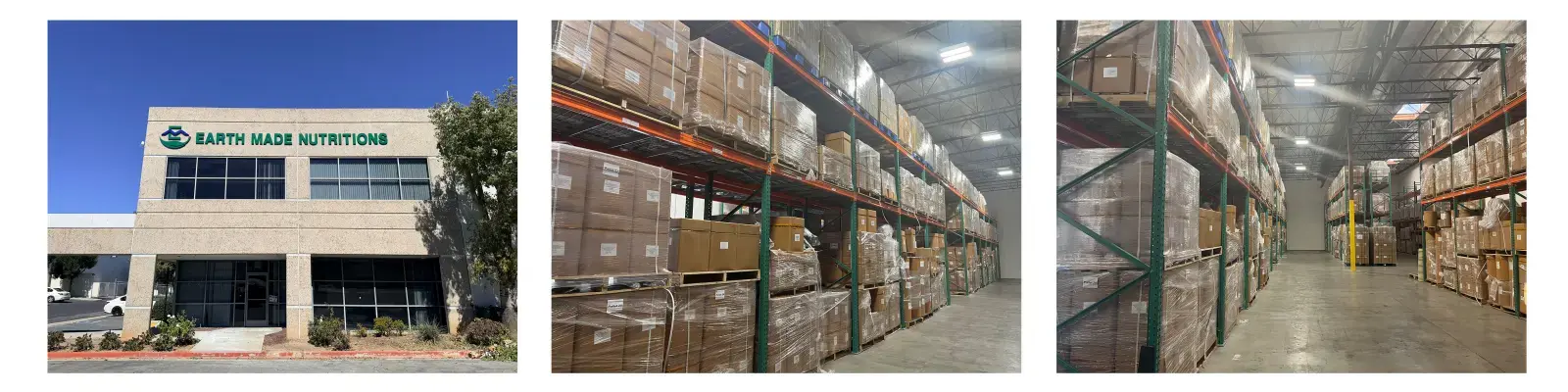
Earth Made Nutritions Inc. provides pharmaceutical-grade Guarana Seed Extract powder that is made to the highest standards in the industry. Their dependable quality and quick service can help you reach your goals for beverage innovation. Our businesses in California use cutting-edge extraction technology and have a wide range of certifications, such as NSF GMP, FSSC22000, Kosher, Halal, ISO, and Organic qualifications. As a well-known company that sells botanical ingredients, we keep strategic stock in four regional warehouses across the United States. This way, we can complete orders in two days, which keeps your production plans on track. Flexible 25 kg minimum orders can be made by both new names and big makers, and free samples let people try out new recipes without any risk. Our expert team gives formulation advice on how to improve solubility, balance flavours, and meet regulatory paperwork needs. Get in touch with us at info@em-herb.com to talk about your unique beverage application needs and experience the reliable supply chain that sets EM apart in the market for botanical products.
References
1. Smith, J.L. & Rodriguez, M.A. (2021). "Natural Caffeine Sources in Functional Beverages: Comparative Pharmacokinetics and Consumer Preferences." Journal of Beverage Science, 45(3), 234-251.
2. Chen, W.Q., Thompson, R.K., & Patel, S. (2022). "Formulation Strategies for Botanical Extracts in Low-pH Beverage Systems." Food Technology International, 38(7), 112-129.
3. Anderson, K.P. & Liu, H. (2020). "Guarana (Paullinia cupana): Phytochemical Composition and Applications in Modern Beverage Development." International Journal of Food Science & Technology, 56(4), 1823-1840.
4. Morrison, T.L., Garcia, E.F., & Yamamoto, K. (2023). "Clean Label Trends in North American Energy Drink Formulation: Market Analysis 2018-2023." Beverage Industry Quarterly, 29(2), 67-85.
5. Williams, D.R. & Foster, J.M. (2021). "Extraction Technologies for Amazonian Botanicals: Quality Parameters and Sustainability Considerations." Phytochemical Processing Review, 17(5), 402-419.
6. Jackson, P.A., Bennett, S.L., & Crawford, M.H. (2022). "Regulatory Compliance and Safety Assessment of Natural Caffeine Sources in Commercial Beverages." Food Regulatory Affairs Journal, 33(8), 891-908.