- English
- French
- German
- Portuguese
- Spanish
- Russian
- Japanese
- Korean
- Arabic
- Irish
- Greek
- Turkish
- Italian
- Danish
- Romanian
- Indonesian
- Czech
- Afrikaans
- Swedish
- Polish
- Basque
- Catalan
- Esperanto
- Hindi
- Lao
- Albanian
- Amharic
- Armenian
- Azerbaijani
- Belarusian
- Bengali
- Bosnian
- Bulgarian
- Cebuano
- Chichewa
- Corsican
- Croatian
- Dutch
- Estonian
- Filipino
- Finnish
- Frisian
- Galician
- Georgian
- Gujarati
- Haitian
- Hausa
- Hawaiian
- Hebrew
- Hmong
- Hungarian
- Icelandic
- Igbo
- Javanese
- Kannada
- Kazakh
- Khmer
- Kurdish
- Kyrgyz
- Latin
- Latvian
- Lithuanian
- Luxembou..
- Macedonian
- Malagasy
- Malay
- Malayalam
- Maltese
- Maori
- Marathi
- Mongolian
- Burmese
- Nepali
- Norwegian
- Pashto
- Persian
- Punjabi
- Serbian
- Sesotho
- Sinhala
- Slovak
- Slovenian
- Somali
- Samoan
- Scots Gaelic
- Shona
- Sindhi
- Sundanese
- Swahili
- Tajik
- Tamil
- Telugu
- Thai
- Ukrainian
- Urdu
- Uzbek
- Vietnamese
- Welsh
- Xhosa
- Yiddish
- Yoruba
- Zulu
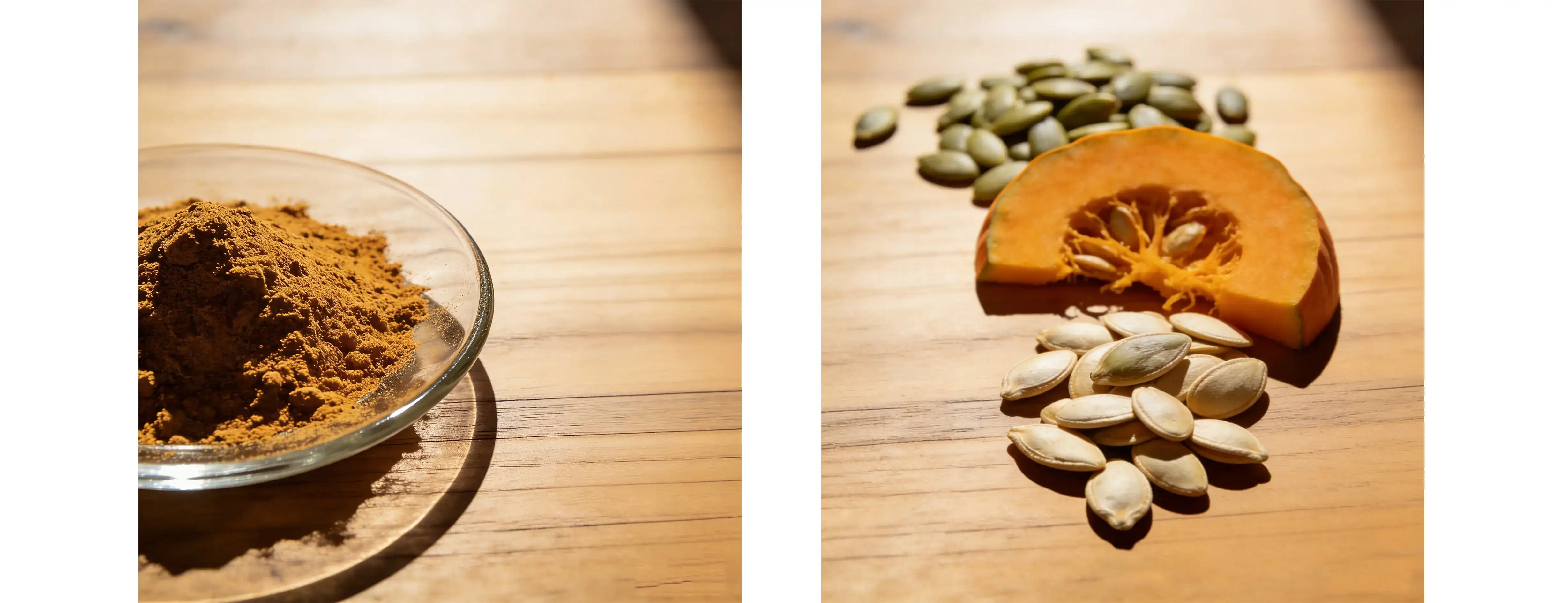
Finding plants that are both clinically relevant and stable in formulations is always a struggle when making cosmetics or functional foods. This problem can be fixed by high-potency pumpkin seed extract, which comes from the plant Cucurbita moschata and has a concentrated 10:1 ratio of bioactive substances like phytosterols, important fatty acids, and trace minerals. This water-extracted ingredient is different from regular ground seed powders because it gives R&D teams a fine, brownish-yellow powder that is always the same quality. This lets them do exact dosing in pills, tablets, and beverage systems while also meeting clean-label requirements in the cosmetics and nutritional supplement industries.
Introduction
Pumpkin seed extract has become an important addition for companies that want to make their products stand out by using plants that have been proven to work. As markets get more competitive, procurement managers and formulation scientists need high-potency types to keep up. This is part of an overall trend in the industry towards concentrated actives that make the most of dosage forms with limited space while still providing measurable outcomes. This guide looks at the technical properties, formulation considerations, supplier evaluation frameworks, and procurement logistics of pharmaceutical-grade pumpkin seed extract to meet the needs of companies that make nutraceuticals, cosmetics, and functional drinks and sell them internationally.
Our main goal is to give decision-makers useful information by helping them understand what makes a 10:1 water-extracted powder different from other, lower-quality options; find formulation synergies that make product claims stronger; check supplier certifications to make sure of compliance in global markets; and put in place buying strategies that balance low costs with reliable supply chains. The goal is still clear: to give R&D directors, buying teams, and brand owners the information they need to find ingredients that improve a product's place in the market while still meeting strict quality standards.
Understanding High-Potency Pumpkin Seed Extract: Benefits and Mechanisms
The Science Behind Concentration Ratios
Concentration ratios are very important for figuring out how strong and useful an extract is. A 10:1 standard means that 10 kg of raw fruiting bodies make 1 kg of finished powder. This means that the finished powder has more bioactive substances than whole seed powders. Using water as the only fluid in this concentration process protects nutrients that are sensitive to heat while getting rid of fibre and inactive parts that weaken the effect. According to studies published in phytochemistry journals, concentrated extracts have higher antioxidant capacity as measured by ORAC values. This means that finished products can better get rid of free radicals.
The way the extract is made affects both absorption and shelf stability. Water-based extraction specifically gets minerals and water-soluble antioxidants that are hydrophilic. This makes a powder matrix that mixes easily in water-based systems. Because it's easier to dissolve, this property is especially useful for people who are making drinks and need to add oil-based seed powders to clear or see-through liquids. Stability testing shows that high-potency pumpkin seed extract that is properly packaged stays effective for 24 months under controlled conditions. This answers buyers' worries about ingredients going bad during long supply chains.
Core Bioactive Constituents
The properties of pumpkin seed extract come from many different types of compounds working together. Phytosterols, especially beta-sitosterol, have structures that are similar to cholesterol. This means that they can bind to receptors competitively, which helps the urinary system work. Essential fatty acids, mostly linoleic and oleic acid, help reduce inflammation in skin studies. This means that the extract can be used for both internal supplements and cosmetics that are put on the skin. There are bioavailable types of trace minerals like magnesium and zinc that fill in micronutrient gaps in sports nutrition and functional products.
Tocopherols and carotenoids are examples of antioxidant substances that protect cells from oxidative stress. This supports claims about cell function and age. Statistically significant changes were seen in prostate-related markers and overactive bladder symptom scores in studies that looked at standardised pumpkin seed preparations. This supports the ingredient's use in condition-specific recipes. Formulators can make promises about their products that are backed up by science if they understand how these processes work, and procurement teams can set extraction parameters that make sure that all production batches have the same bioactive profiles.
Dosage Considerations for Formulation Development
Dosing amounts that work depend on the intended use and how it is delivered. Urinary support supplements usually have between 500 mg and 1000 mg of concentrated extract per dose. This means that formulators have to find a balance between effective levels and pill size limits. In sports nutrition products that want to address inflammation, 300–500 mg may be used along with other plants. In cosmetics, 1% to 3% concentrations in topical matrices are used to give active lipids to the skin.
The safety profiles are still good across all dose ranges that have been studied. Studies on human tolerance have shown that at approved amounts, high-potency pumpkin seed extract doesn’t have many bad effects. Pumpkin seed extract is Generally Recognised As Safe (GRAS) for use in food in most major countries, such as the US and the EU. This shortens the time it takes to create new products. When figuring out cost-per-serving measures and making bulk buy deals with suppliers, procurement specs should take these dosage needs into account.
Formulation Insights: Integrating High-Potency Pumpkin Seed Extract into Products
Quality Parameters and Organic Certification
When choosing between organic and standard sources, you have to look at both market positioning and cost models. Organic certification by the USDA or the EU comes with a higher price tag, but it's in line with customer tastes for clean labels, which is driving growth in natural goods categories. Our NSF, GMP and organic-certified service gives brands documented tracking from growing the seeds to the end packaging, which meets the sustainable paperwork needs of retailers.
Aside from licensing, other quality standards include tests for heavy metals, microbial limits, and pesticide residues. Pharmaceutical-grade standards require lead levels to be less than 0.5 ppm, total plate counts to be less than 10,000 cfu/g, and the absence of aflatoxins. These are the standards that set premium ingredients apart from cheaper options. For each production lot, procurement teams should ask for Certificates of Analysis (CoA) that list these parameters for high-potency pumpkin seed extract. This sets quality standards that protect the brand's image and make sure that regulations are followed during checks.
Delivery Format Optimisation
Powder is flexible enough to be delivered in a number of different ways, depending on the target audience and the situation. Putting chemicals that are sensitive to light inside veggie capsules makes them easier to swallow and protects them from breaking down. Because the extract is hygroscopic, it's important to choose the right excipients for tablet compression. Microcrystalline cellulose and silicon dioxide give the tablets the flow qualities they need for high-speed production runs.
The extract dissolves easily in water, which is good for beverage uses. However, formulators need to think about how the colour will affect the drink and whether it will settle in low-pH settings. When you mix the extract with natural flavourings and binding gums, you get organoleptic profiles that taste panels like. Ready-to-mix powders for the sports nutrition market contain the extract along with protein bases and active compounds. These powders need to be homogenised in a certain way to make sure that the extract is evenly distributed throughout the bulk mixes.
Synergistic Botanical Combinations
Pairing tactics for ingredients increases the functional benefits while giving the product a unique place in the market. When you mix pumpkin seed extract with saw palmetto berry, the two plants work together to support prostate function because they affect 5-alpha-reductase action in different but related ways. Adding zinc in chelated forms raises the mineral density of the extract, which backs up claims that it helps the immune system in functional goods.
Combining the high-potency pumpkin seed extract with biotin and horsetail extract makes hair products more effective by targeting multiple processes involved in making keratin and improving blood flow to the head. Combinations of flaxseed oil use omega-3 and omega-6 fatty acid ratios to back up claims about cardiovascular function, putting goods in a crowded heart health category. These synergies need careful attention to dosing levels and possible interactions. This is why working with experienced ingredient sources during the product creation stages is helpful.
Stability practices must be put in place in manufacturing facilities to deal with moisture sensitivity and rust potential. Our brownish-yellow powder has a controlled grain size distribution that makes it easy to mix, and it comes in 25 kg drums with desiccant inserts to keep it safe from humidity while it's being stored. Temperature-controlled storage keeps the quality of the ingredients, which is especially important for customers who use just-in-time stocking systems and need to turn their stock over quickly.
Market Comparison: Selecting the Best High-Potency Pumpkin Seed Extract Supplier
Certification Standards and Manufacturing Capabilities
Checking third-party licences that show quality management systems is the first step in evaluating a supplier's credentials. The NSF GMP certification shows that factories follow current good manufacturing practices, which are set by FDA rules and cover everything from getting raw materials to releasing produced goods. FSSC22000 certification combines ISO 22000 standards for food safety management with hazard analysis and key control points that are necessary for ingredients that are safe for food.
Religious and food certifications, like Kosher and Halal, help brands reach more customers in certain groups. ISO certifications, on the other hand, show a commitment to quality, stability and ongoing improvement. It's easier for procurement teams to handle multi-regional product registrations when suppliers offer a wide range of certifications. This is because documentation packages meet a variety of legal standards without needing multiple ingredient sources.
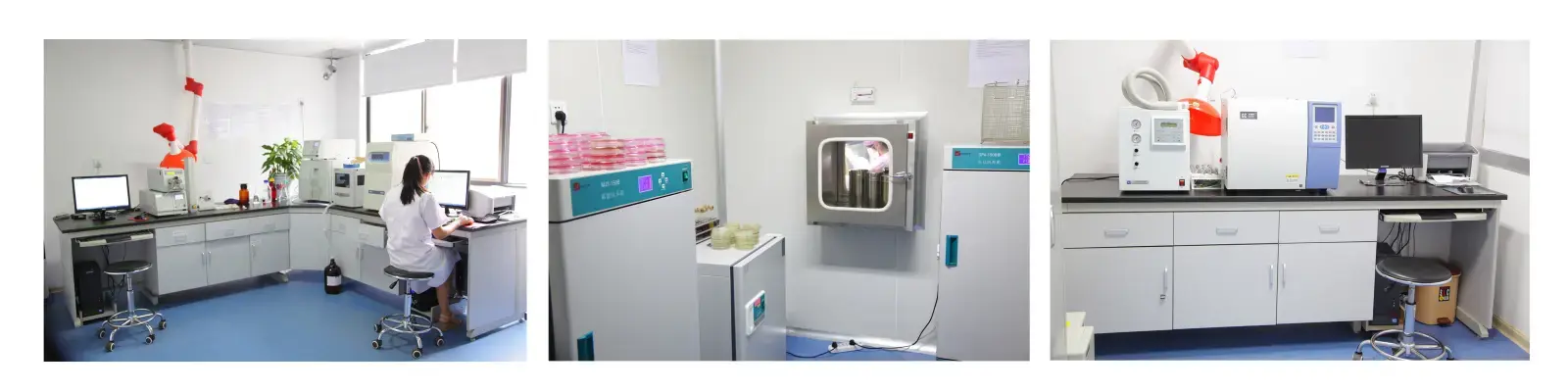
The manufacturing skills should be able to meet both the needs for mass output and customisation. Advanced extraction equipment in facilities ensures uniform concentration ratios and particle specs, and in-house testing in analytical labs speeds up the quality verification process. Private label features, such as custom blending and custom packing, let brands come up with their own formulas while using the technical and legal knowledge of their suppliers.
Supply Chain Reliability and Logistics
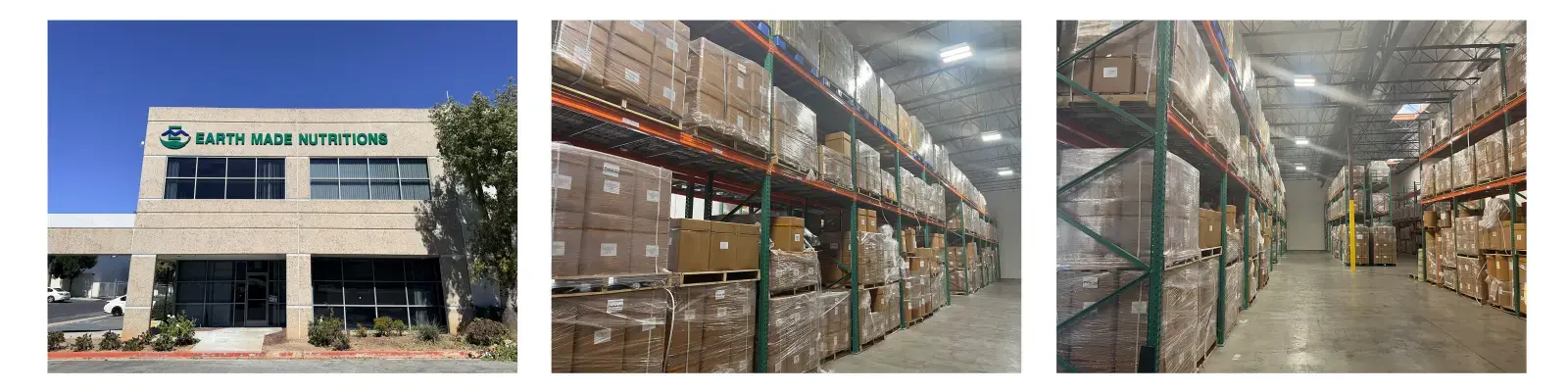
Lead times and freight prices are directly affected by where warehouses are located. Our four carefully placed US warehouses allow customers in major cities to pick up their orders in two days. This lowers the cost of keeping goods on hand and supports quick product development processes. During busy times, when delays in international shipping can throw off production plans, this domestic infrastructure is especially useful.
Minimum order amounts are a good way for both suppliers and customers to save time and money. Our 25kg MOQ works for both new brands that want to see how the market reacts and established brands that need container-load amounts. Using fibre drums with polythene covers for packaging keeps the ingredients stable while they're being shipped and makes them easier to handle in receiving centres. Formulators can try for compatibility before committing to large-scale production through free sample programmes. This lowers the technical risk of launching a new product.
Pricing Structures and Value Optimisation
Understanding the parts of prices helps you negotiate and make budgets. The prices of raw materials change based on harvest yields and the markets for agricultural commodities. For big buyers, however, long-term supply deals can keep prices stable for high-potency pumpkin seed extract. Processing costs depend on how complicated the extraction is. Water-based methods usually have better economics than solvent-based ones while still meeting the needs of clean-label advocates.
Certification fees depend on the standard. For example, organic certification for high-potency pumpkin seed extract usually adds 15 to 30 per cent to the base price because of the higher costs of following the rules and lower yields that come with organic farming. Customers who buy in bulk often get savings, which are usually set up in levels that lower the cost per kilogram as the number of annual promises rises. Instead of just looking at the individual prices of ingredients, procurement teams should model the total cost of ownership, which should include freight, storage, and quality testing.

Conclusion
To find high-potency pumpkin seed extract, you have to carefully look at technical specs, seller records, and the logistics of the supply chain. This is to make sure that formulations meet both performance standards and legal requirements. The 10:1 water-extracted powder from Cucurbita moschata gives formulators a stable, concentrated ingredient that can be used in skincare and functional foods to support prostate and bladder function as well as comfort. A good procurement strategy takes into account both quality factors, like organic certification and thorough testing methods, and practical issues, like minimum order numbers, wait times, and pricing structures. As new technologies keep improving delivery methods and adding more uses, brands can gain a competitive edge in the natural products market by working with suppliers who show they have technical know-how, high-quality manufacturing, and a commitment to sustainability.
FAQ
1. What concentration ratio defines high-potency pumpkin seed extract?
For high-potency standards, concentration ratios are usually between 10:1 and 20:1. This means that 10 to 20 kg of raw material are needed to make 1 kg of finished extract. Our 10:1 water-extracted powder from Cucurbita moschata contains effective amounts of phytosterols and important fatty acids that are suitable for various uses but still affordable for industrial formulations.
2. How does water extraction differ from oil-based seed preparations?
Water extraction specifically catches hydrophilic compounds, such as minerals and antioxidants that dissolve in water. This makes powders that mix easily in water-based mixtures. Oil-based products need different ways to be made because they mostly contain lipophilic nutrients. Powders that are removed with water are better for use in drinks and veggie capsules, where separating the oil is technically hard.
3. What shelf life should procurement teams expect?
If you keep concentrated extract in sealed cases at controlled temperatures and humidity levels, it will stay effective for 24 months. Our fibre drum packaging with polythene liners and desiccant inserts keeps things from getting wet, and our temperature control in the building keeps things from breaking down because of heat. Certificates of Analysis show when products were made, which lets you use first-in, first-out inventory movement.
Partner with EM for Premium Pumpkin Seed Extract Supply
Earth Made Nutritions Inc. sells pharmaceutical-grade pumpkin seed extract that is certified as NSF GMP, FSSC22000, Kosher, Halal, ISO, and organic, meeting the strictest buying needs. Our operations in California use cutting-edge extraction technology and key US warehouse locations to make fast delivery possible. In-stock items can be picked up in two days, which lowers the risk in your supply chain. As a seller of High-Potency Pumpkin Seed Extract with a lot of experience, we know the formulation problems that nutraceutical and beauty companies face. To help you with your product creation, we offer free samples and expert advice. Our 25 kg minimum order size works for both new brands and well-known makers, and our reasonable prices on bulk orders make the most of your ingredient investment. Send an email to info@em-herb.com to get full specs, up-to-date prices, and Certificates of Analysis that show our unwavering dedication to quality and stability that your formulations deserve.
References
1. Fruhwirth GO, Hermetter A. "Seeds and oil of the Styrian oil pumpkin: Components and biological activities." European Journal of Lipid Science and Technology, 2007, 109(11): 1128-1140.
2. Hong H, Kim CS, Maeng S. "Effects of pumpkin seed oil and saw palmetto oil in Korean men with symptomatic benign prostatic hyperplasia." Nutrition Research and Practice, 2009, 3(4): 323-327.
3. Vahlensieck W, Theurer C, Pfitzer E, Patz B, Banik N, Engelmann U. "Effects of pumpkin seed in men with lower urinary tract symptoms due to benign prostatic hyperplasia in the one-year, randomised, placebo-controlled GRANU study." Urologia Internationalis, 2015, 94(3): 286-295.
4. Gossell-Williams M, Davis A, O'Connor N. "Inhibition of testosterone-induced hyperplasia of the prostate of Sprague-Dawley rats by pumpkin seed oil." Journal of Medicinal Food, 2006, 9(2): 284-286.
5. Bardaa S, Turki M, Ben Khedir S, Moalla D, Sahnoun Z. "Antimicrobial, antioxidant, anti-inflammatory and analgesic activities of Cucurbita moschata Duchesne fruit extracts." African Journal of Biotechnology, 2016, 15(28): 1451-1457.
6. Rezig L, Chouaibi M, Msaada K, Hamdi S. "Chemical composition and bioactive compounds of Cucurbitaceae seeds: Potential sources for new trends of plant oils in Tunisia." Journal of Chemistry, 2012, 2012: Article ID 507419.