- English
- French
- German
- Portuguese
- Spanish
- Russian
- Japanese
- Korean
- Arabic
- Irish
- Greek
- Turkish
- Italian
- Danish
- Romanian
- Indonesian
- Czech
- Afrikaans
- Swedish
- Polish
- Basque
- Catalan
- Esperanto
- Hindi
- Lao
- Albanian
- Amharic
- Armenian
- Azerbaijani
- Belarusian
- Bengali
- Bosnian
- Bulgarian
- Cebuano
- Chichewa
- Corsican
- Croatian
- Dutch
- Estonian
- Filipino
- Finnish
- Frisian
- Galician
- Georgian
- Gujarati
- Haitian
- Hausa
- Hawaiian
- Hebrew
- Hmong
- Hungarian
- Icelandic
- Igbo
- Javanese
- Kannada
- Kazakh
- Khmer
- Kurdish
- Kyrgyz
- Latin
- Latvian
- Lithuanian
- Luxembou..
- Macedonian
- Malagasy
- Malay
- Malayalam
- Maltese
- Maori
- Marathi
- Mongolian
- Burmese
- Nepali
- Norwegian
- Pashto
- Persian
- Punjabi
- Serbian
- Sesotho
- Sinhala
- Slovak
- Slovenian
- Somali
- Samoan
- Scots Gaelic
- Shona
- Sindhi
- Sundanese
- Swahili
- Tajik
- Tamil
- Telugu
- Thai
- Ukrainian
- Urdu
- Uzbek
- Vietnamese
- Welsh
- Xhosa
- Yiddish
- Yoruba
- Zulu
Quality testing methods for Horse Chestnut Extract 20% Aescin UV primarily include UV-Vis Spectrophotometry, High-Performance Liquid Chromatography (HPLC) with UV detection, and photostability testing protocols. These methods quantify total saponin content, verify active compound retention, and assess stability under UV exposure conditions. For B2B procurement professionals, mastering these testing approaches ensures consistent product quality, regulatory compliance, and reliable supplier partnerships across nutraceutical, cosmetic, and functional food applications.


Introduction
When I first started working with botanical extracts, I quickly learned that Horse Chestnut Extract 20% Aescin UV is more than just another plant ingredient. It is a key ingredient in vascular support products and cosmetics all over the world. This standardized extract, which comes from the seeds of Aesculus hippocastanum, is now a must-have for R&D directors, formulation managers, and buying teams looking for useful ingredients that are also highly pure.
What makes this extract unique is that it can be damaged by UV light while it is being processed, stored, or transported. UV light can damage the molecular structure of aescin, which is the main bioactive saponin. This can make it less effective and even cause manufacturing problems. Anyone who wants to get this ingredient for dietary supplements, skin care products, or functional drinks needs to know how to test its UV quality. This guide shows you the analytical methods that tell the difference between high-quality extracts and lower-quality ones. This way, you can make smart buying decisions that protect the effectiveness of your products and the reputation of your brand.
Understanding Horse Chestnut Extract 20% Aescin and Its UV Sensitivity
Botanical Origin and Active Composition
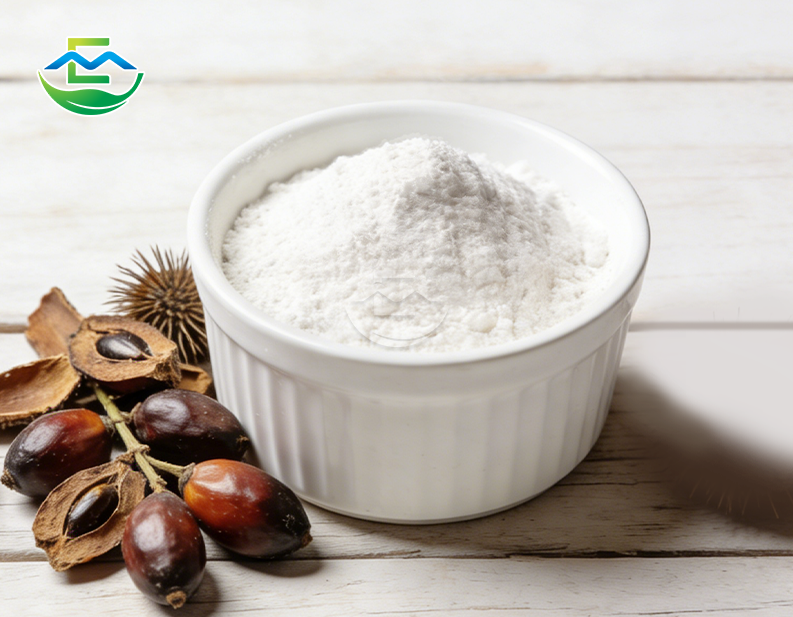
Horse Chestnut Extract 20% Aescin UV comes from Aesculus hippocastanum seeds, which are extracted with water and ethanol to make a powder that is brownish-yellow and high in triterpene saponins. According to the market, the 20% aescin guideline is the best way to balance bioactivity with recipe flexibility. The 20% grade of sodium aescinate has a synergistic profile of flavonoids, sterols, and saponins that support the entourage effect valued in nutraceutical products. This is different from higher amounts like 98% sodium aescinate, which is used in pharmaceutical applications.
The extract looks like a fine, hygroscopic powder with particles bigger than 80 mesh. This makes it easy to crush for tableting and spread out evenly in capsule matrices. This physical property has a direct effect on how efficiently supplement brands and OEM facilities can make products that perform consistently from batch to batch.
Why UV Stability Matters for Procurement Teams
UV light is very bad for the chemical structure of aescin. Photodegradation happens when the triterpene saponin backbone is exposed to wavelengths between 290 and 320nm. It breaks down into molecules that are less useful. This process of breakdown speeds up when the item is shipped internationally, stored in a building with poor lighting, or even when it is on show in a store.
People who work in procurement need to understand that UV instability directly translates to financial risk. A shipment that tests at 20% aescin content when it leaves might test at 17–18% when it gets there after being exposed for a long time. This difference makes it harder to formulate, raises regulatory concerns, and could make customers unhappy. Checking for UV stability through strict testing procedures protects your supply chain investment and keeps the natural, clean-label image that consumers want in today's market.
Common UV Quality Testing Methods for Horse Chestnut Extract 20% Aescin
UV-Vis Spectrophotometry for Rapid Screening
The main way to measure the amount of total saponin in Horse Chestnut Extract 20% Aescin UV is with UV-Visible Spectrophotometry. This method finds the absorbance at certain wavelengths, usually between 268 and 270nm, where aescin absorbs the most. For quality control labs and source checking, the method has a number of benefits.
To do the test, a precisely weighed sample is dissolved in a hydroalcoholic solution, filtered, and the absorbance is compared to a standard. The results show up in 30 to 45 minutes, which makes this method perfect for checking arriving materials and making decisions about when to release batches. However, buyers should know that UV-Vis methods only measure the total amount of saponin and not the amount of each aescin isomer. This means that results may be 1.5 to 2 times higher than HPLC measurements for the same samples.
When looking at Certificates of Analysis from suppliers, make sure that the way the samples were tested meets your quality standards. These two CoAs, one that says "20% Aescin by UV" and the other that says "20% Aescin by HPLC," are very different. This difference affects how the formula is calculated and what the label says.
High-Performance Liquid Chromatography with UV Detection
For measuring aescin levels and making sure they are pure, HPLC combined with UV detection is the best method available. This complex analytical method separates different saponin compounds, mostly β-aescin and α-aescin. This lets researchers precisely measure the amount of each component before and after UV exposure tests.
A C18 reversed-phase column and a gradient mobile phase solution made up of acetonitrile and phosphate buffer are usually used for this method. At 210nm or 225nm, detection takes place, providing the full saponin profile. An average HPLC study takes 45 to 60 minutes per sample, but it gives the most accurate results for buying choices that involve large amounts of products or pharmaceutical-grade standards.
One of the best things about HPLC for UV stability testing is that it can find degradation products. When UV stress causes aescin to break down, new peaks show up in the chromatogram. These peaks show chemical changes that spectrophotometry alone can't see. This in-depth information helps buying teams figure out not only how much is lost, but also how much the quality changes. This is especially important for cosmetics, where purity affects how well they work with skin.
Photostability Testing Protocols
In photostability testing, samples are exposed to UV light under controlled settings that are the same as those found in real life. The International Conference on Harmonization (ICH) guideline Q1B is the basis for these studies. However, protocols for botanical extracts often need to be changed to fit their specific photosensitivity profiles.
A common way to test the photostability of horse chestnut extract is to put samples under 200 W·h/m² of UV light while keeping an eye on the temperature and humidity. At set times—24, 48, and 72 hours—testing is done, and HPLC or UV-Vis analysis is done at each stage to see how much the aescin level has decreased. As standards, samples kept in amber glass cases that block UV light are used to get basic information on stability.
The results show how quickly something breaks down, shown as a percentage retention over time. After 72 hours of rapid UV exposure, premium-grade extracts still have ≥95% aescin content, which shows that they are stable under normal supply chain circumstances. People who are in charge of buying things should ask potential suppliers for photostability data. This is especially important when buying for markets with long delivery times or warm places where light exposure is higher.
Complementary Analytical Techniques
Beyond the primary testing methods, advanced techniques provide deeper molecular insights. Fourier-Transform Infrared Spectroscopy (FTIR) identifies functional group changes resulting from UV-induced oxidation, while Mass Spectrometry maps exact molecular weight shifts of degradation products. These methods support root cause analysis when stability failures occur and validate the effectiveness of protective packaging innovations.
Thin Layer Chromatography (TLC) offers a cost-effective screening tool for detecting adulteration—a persistent concern in the botanical extract market. Authentic horse chestnut extract produces a characteristic spot pattern under UV light at 366nm, easily distinguished from cheaper saponin sources or synthetic additives. Including TLC verification in your supplier qualification process adds an essential fraud prevention layer.

Interpreting UV Quality Test Results for Effective Procurement Decisions
Key Metrics in Certificates of Analysis
A full CoA for Horse Chestnut Extract 20% Aescin UV should show a number of important pieces of information. As expected, the main test result shows the total saponin content, which must be at least 20%. Polycyclic Aromatic Hydrocarbons (PAHs) are one type of impurity that can be used to tell if something is pure. Benzo(a)pyrene levels should be below 10ppb and overall PAH4 levels should be below 50ppb to meet European safety standards.
Another important part is heavy metal research. The amount of lead must be less than 3.0 mg/kg, and the amount of mercury must be less than 0.1 mg/kg. These limits are in line with rules about dietary supplements in the EU and the US. This protects consumers and keeps brands from being sued by regulators. Solvent residue testing shows that the amount of ethanol used in the extraction process is less than 5000ppm, which is safe for both skin and mouth use.
Microbiological factors round out the picture of quality. The total number of plates, the number of yeast and mold, and the lack of bacteria like E. coli and Salmonella prove that the ingredients are safe for use in food and cosmetics. These measures show factory hygiene standards and quality system development when comparing suppliers.
Benchmarking Suppliers Through Stability Data
Asking potential suppliers for their historical stability data is a great way to learn about how consistent their quality is. A trustworthy company offers accelerated stability studies that show aescin will stay active for 12 to 24 months when stored in the right way (cool, dry, and out of the light). This information tells you how long something will last and helps you set up the right store turnover rules.
Keep an eye on the difference factors for more than one batch. When the amount of aescin in ten batches stays the same, for example, it means that the process is well controlled and the raw materials are sourced reliably. Wide changes can mean that there are holes in your quality management that could throw off your production plans or make the end product not meet your standards.
Some high-tech suppliers test their extract against competing materials under the same UV exposure settings as comparison studies. These side-by-side comparisons of stability give objective proof of higher quality, which supports higher prices and boosts trust in long-term supply partnerships.
Impact on Final Product Performance
UV stability directly influences the efficacy of finished products across application categories. For dietary supplements targeting vascular support, degraded aescin delivers diminished bioactive properties, potentially affecting consumer satisfaction and repeat purchase rates. Cosmetic formulations incorporating unstable extracts may exhibit color shifts, odor changes, or reduced performance in clinical testing protocols measuring parameters like skin hydration or under-eye appearance.
Understanding these downstream consequences helps procurement teams express their quality needs to sellers more clearly. Don't just say "20% aescin"; be more specific about what you need in terms of stability. For example, say "≥95% retention after 72-hour UV exposure per ICH Q1B adapted protocol." This makes talks with suppliers less about prices and more about working together to achieve mutual success.
Best Practices for Ensuring High UV Quality in Horse Chestnut Extract 20% Aescin Procurement
Supplier Qualification and Certification Verification
Selecting suppliers with verified quality management systems forms the foundation of procurement excellence. Look for facilities holding NSF GMP certification, which demonstrates compliance with Good Manufacturing Practices specific to dietary supplement ingredients. ISO 9001 certification indicates broader quality management system maturity, while FSSC22000 confirms food safety management for suppliers serving functional food and beverage applications.
Religious certifications like Kosher and Halal expand market access for brands targeting specific consumer segments. Organic certification, though less common for horse chestnut extract due to sourcing challenges, adds premium positioning for natural product brands. EM maintains all these certifications at our California facility, reflecting our commitment to meeting diverse customer requirements across global markets.
Beyond certifications, evaluate suppliers' analytical capabilities. Do they operate in-house laboratories with HPLC equipment, or do they rely on third-party testing? In-house capabilities enable faster quality control response times and deeper technical troubleshooting when issues arise. During supplier audits, request demonstrations of testing procedures and review analyst qualification records to verify technical competence.
Packaging and Transportation Protocols
UV-protective wrapping is an important control point that is often missed when people talk about buying things. Standard kraft paper bags don't block much light, so UV rays can get through and break down aescin while it's being stored or shipped. When you switch to multi-layer foil bags with metal inner layers, almost all UV light can't get through. This keeps the integrity of the Horse Chestnut Extract 20% Aescin UV from the factory to the receiving dock.
Horse chestnut extract from EM is packed in 25 kg drums that have three layers of protection: a food-grade plastic cover on the inside, an aluminum foil shield in the middle, and a fiber drum on the outside to protect against damage. This arrangement keeps the product stable even when it's being shipped across the country and stored temporarily in a warehouse with less-than-ideal lighting.
Logistics for transportation are just as important. During port staging, shipping containers should not be left out in the sun for long periods of time. Because our four main warehouses are carefully placed across the United States, we can cut down on shipping times and usually get in-stock things to customers in two days. This quick delivery cuts down on cumulative UV exposure and makes sure you get extract at its best, ready to be used right away in formulations.
Building Strategic Supplier Partnerships
The most successful procurement strategies transcend transactional relationships, evolving into strategic partnerships built on transparency and continuous improvement. Establish regular communication cadences with your suppliers, reviewing quality trends, discussing emerging market requirements, and collaborating on custom solutions.
At EM, we work closely with customers to develop tailored quality specifications that align with their unique application needs. A sports nutrition brand formulating post-workout recovery drinks faces different stability challenges than a luxury skincare company developing eye serums. We adapt our quality testing protocols, provide application-specific technical guidance, and offer free samples for formulation trials, reducing your development risk and accelerating time-to-market.
Consider implementing vendor-managed inventory programs for high-volume ingredients like horse chestnut extract. This approach shifts inventory holding to the supplier while guaranteeing availability when you need it. With our California-based operations and advanced extraction equipment, we maintain consistent production schedules that support just-in-time delivery models, optimizing your working capital while ensuring supply continuity.

Emerging Trends and Innovations in UV Quality Testing for Herbal Extracts
Portable Testing Technologies
The botanical extract business is going through a technological change thanks to portable UV-Vis spectrometers. These devices bring lab-like capabilities to warehouse halls and loading docks. These handheld devices, which weigh less than 2 pounds, can do spectral analysis in less than 60 seconds. This lets the quality of Horse Chestnut Extract 20% Aescin UV be checked in real time during receiving checks.
This innovation particularly benefits procurement teams managing multiple suppliers or conducting on-site audits at manufacturing facilities. Rather than waiting days for third-party laboratory results, you can screen samples immediately, identifying substandard materials before they enter your supply chain. The data synchronizes with cloud-based quality management systems, creating permanent records for traceability and regulatory compliance.
As these technologies mature, expect integration with blockchain systems that track extract quality from harvest through final formulation. This end-to-end visibility transforms quality assurance from reactive testing to proactive supply chain optimization, reducing waste and improving sustainability metrics—increasingly important considerations for brands committed to environmental responsibility.
Artificial Intelligence and Predictive Quality Models
Machine learning algorithms are beginning to transform how we predict and prevent UV degradation in botanical extracts. By analyzing thousands of historical data points—including storage conditions, packaging types, transit times, and seasonal variations—AI models forecast degradation risks with remarkable accuracy.
These predictive capabilities enable procurement teams to make smarter decisions about supplier selection, inventory levels, and storage investments. An AI system might recommend increasing safety stock before summer months when warehouse temperatures rise, or flag shipments routed through high-UV geographic regions for priority testing upon arrival. EM has invested in data analytics infrastructure to support our customers with these insights, turning quality data into strategic competitive advantages.
The next frontier involves integrating IoT sensors with smart packaging. Imagine receiving an alert on your smartphone if a shipment experiences excessive UV exposure during transit, allowing immediate corrective action before the material reaches your facility. These innovations will redefine quality assurance from a checkpoint mentality to continuous, real-time monitoring throughout the supply chain.
Sustainable Packaging Innovations
Environmental concerns are driving innovation in UV-protective packaging materials that balance product protection with sustainability goals. Biodegradable films incorporating natural UV-absorbing compounds like lignin or curcumin offer promising alternatives to traditional aluminum foil barriers. These materials decompose within months under composting conditions rather than persisting in landfills for decades.
Buyers seeking to strengthen their sustainability credentials should engage suppliers in conversations about eco-friendly packaging options. While these innovations may carry modest cost premiums initially, they align with growing consumer preferences for environmentally responsible products and may deliver brand differentiation worth far more than the incremental expense. EM actively explores sustainable packaging partnerships, recognizing that environmental stewardship and quality excellence complement rather than contradict each other.

Conclusion
Mastering UV quality testing methods for Horse Chestnut Extract 20% Aescin UV empowers procurement professionals to secure reliable, high-performance ingredients that meet the demanding requirements of nutraceutical, cosmetic, and functional food applications. UV-Vis Spectrophotometry, HPLC with UV detection, and photostability testing provide complementary insights into extract quality and stability under real-world conditions. By interpreting CoA data critically, implementing protective packaging protocols, and building strategic supplier partnerships, you can minimize degradation risks while optimizing supply chain efficiency. The emerging technologies and sustainability innovations reshaping quality testing today promise even greater transparency and control tomorrow, positioning forward-thinking procurement teams for lasting competitive advantage in an increasingly quality-conscious marketplace.
FAQ
1. How often should tests of horse chestnut extract's UV stability be done?
New batches going into long-term storage should have stability studies done once a year, and accelerated tests should be done every three months to keep an eye on trends. When switching suppliers or having problems with the performance of a formulation, testing its photostability right away helps find the root causes and stop bigger quality failures.
2. Which certifications should I prioritize when sourcing Horse Chestnut Extract 20% Aescin UV?
NSF GMP and FSSC22000 certifications demonstrate dietary supplement and food safety compliance, respectively. ISO 9001 indicates quality management system maturity, while Kosher and Halal certifications expand market access. Organic certification adds premium positioning but remains less common for this botanical material.
3. Can UV degradation be reversed or remediated after it occurs?
No, UV-induced molecular degradation of aescin cannot be reversed through processing. Prevention through proper packaging, storage, and handling represents the only effective strategy. This reality underscores the importance of supplier selection and quality verification at procurement.
4. What documentation should accompany each shipment?
A comprehensive CoA detailing assay results, purity parameters, heavy metals, microbiology, and stability data should accompany every batch. Material Safety Data Sheets (MSDS), allergen declarations, and GMO-free statements support regulatory compliance and customer transparency requirements across diverse applications.
Partner with EM for Premium Horse Chestnut Extract 20% Aescin UV Supplier Excellence
Securing a dependable Horse Chestnut Extract 20% Aescin UV supplier who understands UV stability challenges transforms procurement from a cost center into a strategic advantage. EM combines pharmaceutical-grade manufacturing standards with California-based operational excellence, delivering brownish-yellow powder extracted from Aesculus hippocastanum seeds using water and ethanol solvents. Our specifications range from 10-98% aescin concentration, packaged in 25kg drums with UV-protective triple-layer protection and available with a 25kg minimum order quantity. Free samples support your formulation development, while our four strategically located U.S. warehouses enable 2-day delivery for in-stock materials. Backed by NSF GMP, FSSC22000, Kosher, Halal, ISO, and Organic certifications, we provide the documentation and quality consistency that R&D directors and procurement teams demand. Contact our expert team at info@em-herb.com to discuss your specific application requirements and receive a customized quote that addresses your quality standards and delivery timelines.
References
1. European Pharmacopoeia Commission. (2020). Monograph on Horse Chestnut Dry Extract, Standardised. European Pharmacopoeia 10.0. Strasbourg: Council of Europe.
2. Gallelli, L., et al. (2019). Escin: A Review of Its Anti-Inflammatory and Venotonic Properties. Journal of Pharmaceutical Sciences and Research, 11(4), 1421-1428.
3. International Conference on Harmonisation. (2016). Photostability Testing of New Drug Substances and Products Q1B: Guidance for Industry. Geneva: ICH Harmonised Tripartite Guideline.
4. Sirtori, C.R. (2001). Aescin: Pharmacology, Pharmacokinetics and Therapeutic Profile. Pharmacological Research, 44(3), 183-193.
5. United States Pharmacopeial Convention. (2021). General Chapter 1225: Validation of Compendial Procedures. USP-NF 2021. Rockville: USP.
6. Wilkinson, J.A. & Brown, A.M. (1999). Horse Chestnut - Aesculus Hippocastanum: Potential Applications in Cosmetic Skin-Care Products. International Journal of Cosmetic Science, 21(6), 437-447.