- English
- French
- German
- Portuguese
- Spanish
- Russian
- Japanese
- Korean
- Arabic
- Irish
- Greek
- Turkish
- Italian
- Danish
- Romanian
- Indonesian
- Czech
- Afrikaans
- Swedish
- Polish
- Basque
- Catalan
- Esperanto
- Hindi
- Lao
- Albanian
- Amharic
- Armenian
- Azerbaijani
- Belarusian
- Bengali
- Bosnian
- Bulgarian
- Cebuano
- Chichewa
- Corsican
- Croatian
- Dutch
- Estonian
- Filipino
- Finnish
- Frisian
- Galician
- Georgian
- Gujarati
- Haitian
- Hausa
- Hawaiian
- Hebrew
- Hmong
- Hungarian
- Icelandic
- Igbo
- Javanese
- Kannada
- Kazakh
- Khmer
- Kurdish
- Kyrgyz
- Latin
- Latvian
- Lithuanian
- Luxembou..
- Macedonian
- Malagasy
- Malay
- Malayalam
- Maltese
- Maori
- Marathi
- Mongolian
- Burmese
- Nepali
- Norwegian
- Pashto
- Persian
- Punjabi
- Serbian
- Sesotho
- Sinhala
- Slovak
- Slovenian
- Somali
- Samoan
- Scots Gaelic
- Shona
- Sindhi
- Sundanese
- Swahili
- Tajik
- Tamil
- Telugu
- Thai
- Ukrainian
- Urdu
- Uzbek
- Vietnamese
- Welsh
- Xhosa
- Yiddish
- Yoruba
- Zulu
To identify a reputable Tongkat Ali Root Powder supplier, seek the following quality indicators: verified HPLC analysis for eurycomanone levels (not less than 0.5%), GMP manufacturing standards, supply chain transparency with certification from Southeast Asian cultivation sources, and comprehensive regulatory certifications (NSF GMP, FSSC22000, Kosher, and Halal). “Procurement teams should require full traceability, batch consistency data, third-party lab validation, and samples before committing to bulk orders.” In competitive supplement formulation settings, suppliers with flexible minimum order quantities, U.S.-based storage, and fast fulfilment capabilities have the operational dependability needed to keep production schedules flowing without interruption.


Introduction
Tongkat Ali Root Powder is derived from Eurycoma longifolia Jack and is extensively used as a botanical raw material in a broad array of product development industries. As the market for plant-based products gets more complicated, procurement experts will need to assess vendors beyond price comparison. Supplier selection has a direct impact on product uniformity, production efficiency, and compliance management. With the growing need for standardised botanical ingredients, cosmetic materials, and plant-based formulations, enterprises should concentrate on quality assurance methods, stability of the supply chain, and technical criteria. This book tackles typical B2B buyer issues such as raw material quality, certification validation, batch differences, and the difficulty of finding real Tongkat Ali Root Powder on an international level.
Understanding the Challenges in Sourcing Tongkat Ali Root Powder
Quality Inconsistencies Across Global Markets
Southeast Asia is a source for botanical substances, but it is important to evaluate the sources carefully since the growing conditions may be quite different in different places. Tongkat Ali Root Powder is derived from Malaysia, Indonesia, Vietnam, and surrounding places. The natural composition of the roots may vary from batch to batch due to factors such as soil conditions, growing environment, and harvesting times. Procurement teams should check important quality indicators such as eurycomanone content, extraction procedures, moisture levels, particle size distribution, and microbiological standards since growing practices and processing processes may differ across suppliers. Without standardised production techniques, batch differences might compromise manufacturing consistency and formulation processes.
Adulteration Risks and Authentication Hurdles
Quality control is a major problem for the sector of botanical ingredients. Some sellers may also use cheaper ingredients such as maltodextrin, rice flour, or other plant elements that are not relevant to Tongkat Ali Root Powder to save expenses. Eurycoma longifolia also accumulates minerals from the soil when growing organically, which may potentially be a compliance issue for the buildup of heavy metals, including lead, mercury, and arsenic. Procurement teams need to create stringent verification methods, including identity testing, DNA authentication, and HPLC fingerprint analysis, to guarantee the authenticity of raw materials and maintain consistent quality standards.
Certification Gaps and Regulatory Complexity
International supply standards typically require providers to have a variety of systems of certification and documentation. For food-grade uses, firms may need certifications such as FSSC22000, and manufacturing partners may demand GMP-related paperwork and quality management records. Cosmetic producers may also have to provide other paperwork on ingredients, including INCI registration information and product specifications. International commerce might be impeded by suppliers whose paperwork is incomplete or out of date. Buyers should check the legitimacy of the certification, manufacturing capabilities, and compliance records before entering the partnership.

Core Criteria for Evaluating Tongkat Ali Root Powder Suppliers
Quality Assurance Standards and Laboratory Verification
Good suppliers have extensive quality control systems and precise test methods. GMP-certified facilities have standard operating procedures for the inspection of raw materials, manufacturing processes, environmental controls, and completed product assessment. The chemical composition of Tongkat Ali Root Powder has to be confirmed by accredited third-party labs. Verified HPLC procedures may be used to verify eurycomanone parameters. Suppliers should provide for each manufacturing batch the Certificates of Analysis including the following key quality information:
- Phytochemical profile Data on eurycomanone concentration, glycosaponins, and carbohydrate composition for ingredient identification and quality assessment.
- Physical Parameters: Moisture level (if specified), particle size, and bulk density.
- Purity Testing: Results of heavy metals, pesticide residues testing according to the relevant requirements, and microbiological inspection.
- Identity Verification: FTIR spectroscopy or DNA-based identification techniques to validate that the sample comes from Eurycoma longifolia.
- Consistency from batch to batch is one of the fundamental issues for producers. These technical requirements guarantee that the raw material parameters are consistent over several production cycles.
Supplier Reputation and Operational Transparency
Choosing a supplier is not only a matter of reading product descriptions and pricing quotes. Buyers should check the supplier’s history, client input, and the availability of facility audits and documentation processes. We collaborate with transparent suppliers that provide information on sourcing networks, collaborations in farming, and processing techniques. Traceability systems are particularly critical when acquiring botanical substances. Companies should verify if suppliers can track the batches of finished Tongkat Ali Root Powder to particular growing locations, harvesting dates, and manufacturing records. Suppliers having existing links with agricultural partners in Malaysia or Indonesia may have more insight into their supply chains. Asking for past customer references from sectors such as food ingredients, cosmetics, or plant-based product production may also be helpful to assess the trustworthiness of the provider. Proactive suppliers’ communication on the conditions of cultivation, manufacturing schedules, availability of raw materials, and updates on regulatory documents is key to strengthening long-term partnership.
Product Format Flexibility and Bulk Capabilities
Ingredients are required in varied forms and for different applications. Dispersion qualities of powders are often desired in beverage production, whereas cosmetic formulators want finely processed ingredients with regulated particle distribution for compatibility during manufacture. Flexibility is key, and suppliers may provide solutions such as conventional Tongkat Ali Root Powder, concentrated botanical extracts with varying eurycomanone parameters, or customised ingredient forms for manufacturing needs. Bulk purchase choices must take into account minimum order quantities, packaging, storage, and transportation considerations. For example, 25 kg packing forms are often used for the industrial handling of ingredients, and suppliers who have regional warehouses may reduce lead times and increase the efficiency of the supply chain. Consistent availability of ingredients is a big plus for firms that need dependable inventory and logistical assistance.

Comparative Analysis: Tongkat Ali Root Powder vs Extract and Other Forms
Root Powder Versus Concentrated Extracts
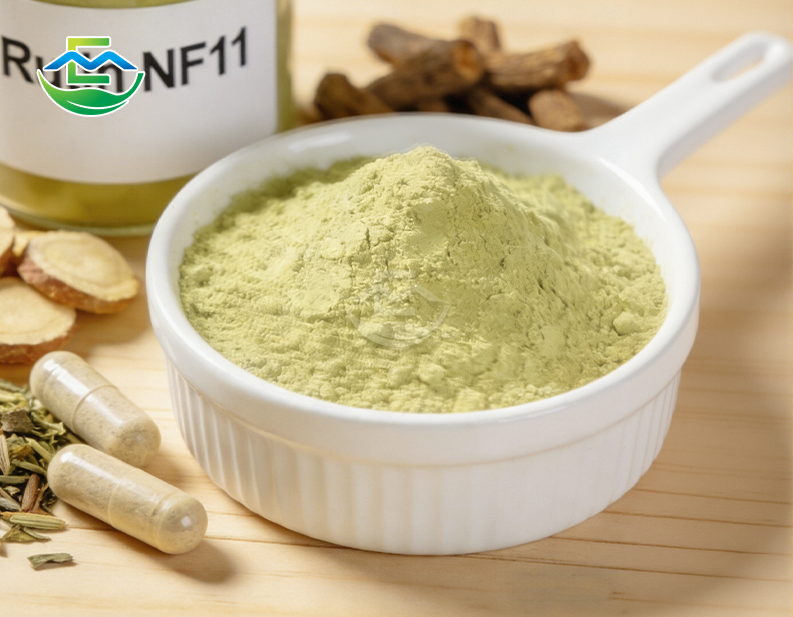
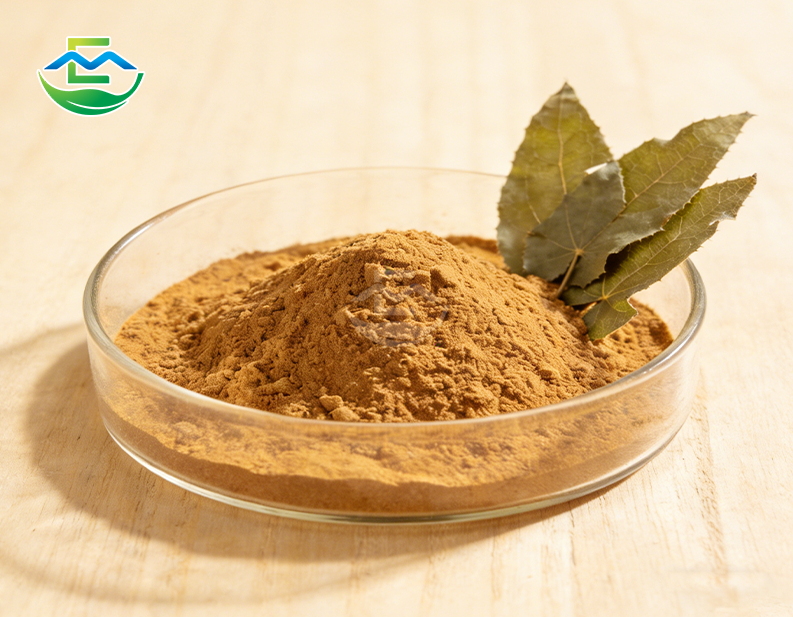
Knowing the various ingredient forms helps procurement teams choose the right supplies for industrial needs. The natural colour of raw Tongkat Ali Root Powder is brownish yellow with naturally existing plant components such as fibre, starches, and botanical chemicals. This less-processed variety is commonly utilised for situations where the profile of the original plant material is sought. Concentrated extracts are the result of extraction operations such as water or ethanol extraction followed by drying processes. These procedures raise the concentration of chosen botanical components while decreasing some of the plant elements. The 100:1 extract ratio means a certain quantity of raw root material is converted into a reduced quantity of concentrated powder. Suppliers should offer analytical testing data to validate extract specifications rather than relying on ratio statements alone. Extract formats often have different manufacturing costs, processing needs, and handling characteristics than ordinary powder. Procurement choices should be based on the intended use, specifications needed, compatibility with the method to be used for manufacturing, and total needs for supply.
Organic Versus Conventional Cultivation
Organic certification is an indication of how the crop was grown and how the farm was operated. Organic certification for Tongkat Ali Root Powder means that the raw materials are grown according to particular agricultural standards without the use of certain synthetic agricultural inputs. It may also help businesses with unique sourcing criteria and clean-label positioning. Compared to conventional agriculture, organic cultivation is generally associated with alternative ways of farming, longer production times, and more paperwork. Conventional agricultural practices may provide the benefits of production efficiency, availability of supply, and control of cost. The quality variations between organic and conventional Tongkat Ali Root Powder are based on crop management, harvesting procedures, processing controls, and supplier quality standards, and not on certification status alone. Wild harvesting was formerly prevalent in certain areas, but responsible sourcing techniques are increasingly turning toward cultivated materials from controlled farms in an effort to maintain a stable supply and the long-term management of the resource.
Comparative Positioning Against Alternative Botanical Ingredients
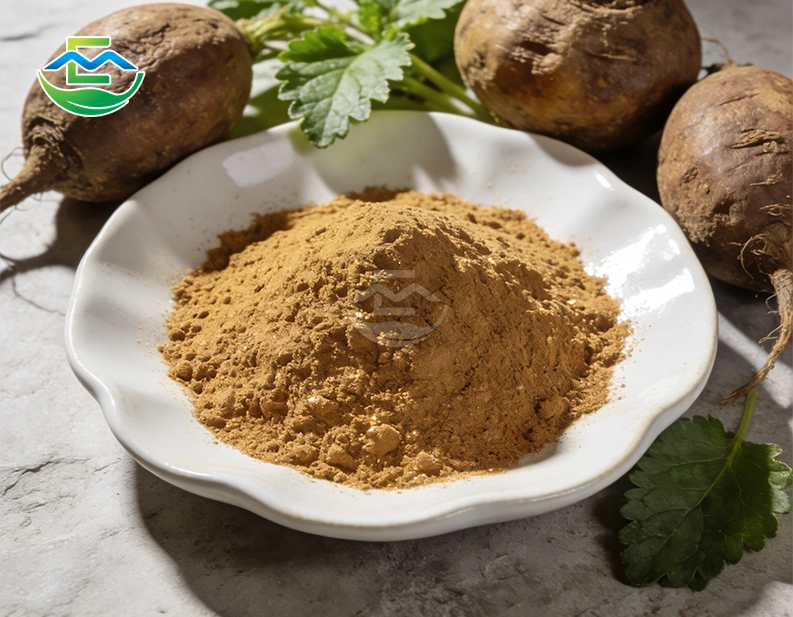
Tongkat Ali Root Powder is one of the plant-based ingredient options in the huge plant-based ingredient industry. It is distinguished from other botanical materials by including naturally occurring quassinoid chemicals with various chemical signatures. Natural constituents of maca root (Lepidium meyenii), such as macamides and glucosinolates, as well as distinctive botanical components of Ashwagandha (Withania somnifera), such as withanolides. Each plant material has its own features of composition, needs of growing, and concerns of processing. Procurement teams also evaluate a range of raw materials and choose viable solutions based on formulation needs, sourcing strategies, regulatory concerns, and market positioning as they build their botanical ingredient portfolios. These variances aid businesses in developing a range of ingredients and in creating product categories with different features.
Navigating Procurement Transactions: Best Practices for Bulk Buying
Strategic Pricing and Contract Negotiation
The pricing of botanical ingredients changes according to harvest conditions, currency fluctuations, production capacity, and market demand. Effective procurement strategies focus on balancing purchase volume, supplier reliability, and long-term cooperation. When negotiating with suppliers, buyers should consider tiered pricing structures that reflect different order quantities. For example, larger purchasing volumes may provide improved pricing conditions compared with smaller orders. Framework agreements that include estimated annual requirements and scheduled supply plans can help companies manage inventory planning and purchasing costs. Payment terms also influence procurement efficiency. Businesses may negotiate suitable payment arrangements instead of relying only on advance payment models. Contracts should include clear quality specifications, acceptable variation ranges, inspection procedures, and solutions for materials that do not meet agreed requirements. For international transactions, companies should also consider currency management strategies when purchasing from Southeast Asian suppliers, where exchange rate changes may influence final costs.
Direct Manufacturer Relationships Versus Distribution Channels
Choosing a procurement channel requires evaluating cost, convenience, production communication, and quality management advantages. Purchasing directly from manufacturers may provide benefits such as clearer production information, customization opportunities, and direct technical communication. However, direct purchasing often requires higher minimum order quantities and greater involvement in international logistics management. Established distributors can provide consolidated shipping services, smaller order flexibility, and simplified import procedures through existing supply networks. Distributors with regional warehouses can support faster order fulfillment and improve inventory accessibility. A combined sourcing strategy is often practical: manufacturers can support large-volume ingredient supply, while distributors can provide flexibility for specialized requirements or short-term demand changes.
Logistics Optimization and Regulatory Compliance
International sourcing of botanical ingredients requires careful management of transportation procedures, documentation requirements, and import regulations. Suppliers should provide complete commercial documents, including invoices, packing lists, Certificates of Analysis, phytosanitary certificates, and other required import records according to destination market regulations. Customs delays may occur when documentation is incomplete or inconsistent with regulatory requirements. When selecting transportation methods, companies should consider delivery timelines, shipment volume, storage requirements, and overall logistics costs. Air freight can reduce transportation time for urgent orders, while ocean freight is often selected for larger shipments due to cost efficiency. Certain botanical materials may require specific storage conditions during transportation to maintain product specifications. Suppliers with established regional distribution networks can simplify logistics management by providing local inventory availability and more predictable delivery schedules. Companies should also consider transportation insurance options to reduce risks associated with shipment damage, contamination concerns, or unexpected losses. Working with experienced customs service providers familiar with botanical ingredient imports can help companies improve documentation accuracy and maintain smoother international supply operations.

Case Studies and Practical Tips from Industry Leaders
Successful Supplier Partnership Models
Leading ingredient firms frequently build formal assessment techniques prior to establishing long-term supplier partnerships. For example, a sports nutrition firm that shifted to a supplier with better quality documentation and precise analytical results gained better consistency in receiving raw materials. The buying team evaluated the facilities, assessed the environmental management processes, investigated staff training records, and checked the equipment maintenance systems. Another beverage maker collaborated with its supplier’s technical team to increase compatibility in manufacturing and optimise powder processing parameters to enhance uniformity in production. Supplier knowledge, open communication, technological collaboration, and ongoing improvements in our manufacturing processes have led to successful relationships.
Implementing Effective Quality Verification Systems
Procurement management that works doesn't only look at supplier paperwork. Companies should start working with certified third-party labs to conduct identity verification, contaminant analysis, and quality testing of Tongkat Ali Root Powder. Testing may involve HPLC analysis, FTIR identification, DNA authentication, heavy metals screening, pesticide residues testing, and microbiological examination. Sampling plans may be established depending on production volume and history of the provider. After confirming the dependability of the supplier, the companies might change the frequency of inspection according to internal quality control standards. Companies may monitor the performance of suppliers over time by maintaining reference samples and documenting analytical data in a centralised quality management system. Using data to evaluate suppliers can help procurement teams notice shifts in quality and make better choices when selecting suppliers.
Building Scalable Long-Term Relationships
Building sustainable supplier connections is more than just short-term purchase transactions. Stable production planning, reliable availability of raw materials, and clear communication throughout the relationship may be backed by reliable suppliers for the firms. Suppliers that understand client needs may better coordinate planning of crops, manufacturing schedules, and inventory management based on expected demand. Long-term collaborations may also foster collaboration on things like better extraction technology, ways to standardise ingredients, packaging options, and tailor-made specs. Regular communication includes planned business reviews and quality conversations that allow both parties to find opportunities to improve efficiency and reduce supply risks. Suppliers could also be able to help companies more with solid buying ties via better coordination of service, production planning, and technical communication.
Conclusion
Tongkat Ali Root Powder providers should be examined on many parameters such as lab-tested specs, thorough paperwork, transparency in sourcing, production capabilities, and supply chain dependability. Successful procurement selections are based on trade-offs between technological needs and supplier collaboration skills such as communication efficiency, manufacturing flexibility, scalability, and continual quality improvement. As the botanical ingredient industry continues to evolve, organisations that have established supplier assessment practices may enjoy improved raw material management, more stable supply chains, and compliance with relevant standards. Well-structured supplier evaluation procedures allow organisations to uphold uniform ingredient criteria, decrease quality-related risks, and develop solid B2B collaborations in competitive environments.
FAQ
1. How can I verify a supplier's certification authenticity?
Get copies of the certificates directly from the suppliers and check them with the organizations that issued them. At nsf.org, you can search NSF International's online listing of certified sites. You can check the current state of a certificate by calling the certifying body directly and giving them the certificate number. Certificates expire and need to be renewed every year. Legitimate suppliers welcome requests for verification and give free access to certification documents.
2. What eurycomanone percentage should I specify for supplement formulations?
Levels of standardization rely on the dosage and placement of the product. Premium pills usually list eurycomanone values between 1% and 2%, which means that 200 mg to 400 mg per day is a useful dose. Less standardization (0.5%) means that more needs to be used per serve, while 3% extracts let pill fill weights be as low as possible. Align your product's specs with what you want it to do and how you want to place it in the market.
3. How do I assess heavy metal contamination risks?
Check for heavy metals that meet USP <2232> standards and are within the allowed limits of lead < 3.0 ppm, arsenic < 1.5 ppm, cadmium < 0.5 ppm, and mercury < 1.5 ppm. Suppliers who grow crops in controlled environments with soil testing programs have lower risks of contamination. Instead of just one positive report, ask for multi-batch testing data that shows consistent results.
Partner with EM for Premium Tongkat Ali Root Powder Supply
Earth Made Nutritions Inc. (EM) sells Tongkat Ali Root Powder that is safe for use in medicine and has been certified by NSF GMP, FSSC22000, Kosher, Halal, ISO, and Organic bodies. Our operations in California run four strategically placed U.S. warehouses that allow nationwide 2-day order fulfillment, cutting out the hassles and delays of international shipping and customs. We have variable MOQs starting at 25 kg drums and offer free samples for trying formulations. Each production batch goes through a thorough contaminant screening and intensive HPLC verification to prove the presence of eurycomanone. Our advanced research and development (R&D) skills allow us to support customizable standardization levels that are made to fit the needs of your unique application. Get in touch with our technical team at info@em-herb.com or visit usa-herb.com to get full product details, ask for samples, and learn how our knowledge as a Tongkat Ali Root Powder provider can improve the quality of your formulations while making it easier to get botanicals.
References
1. Bhat, R., & Karim, A. A. (2010). Tongkat Ali (Eurycoma longifolia Jack): A review on its ethnobotany and pharmacological importance. Fitoterapia, 81(7), 669-679.
2. Talbott, S. M., Talbott, J. A., George, A., & Pugh, M. (2013). Effect of Tongkat Ali on stress hormones and psychological mood state in moderately stressed subjects. Journal of the International Society of Sports Nutrition, 10(1), 28.
3. Henkel, R. R., Wang, R., Bassett, S. H., Chen, T., Liu, N., Zhu, Y., & Tambi, M. I. (2014). Tongkat Ali as a potential herbal supplement for physically active male and female seniors—a pilot study. Phytotherapy Research, 28(4), 544-550.
4. Rehman, S. U., Choe, K., & Yoo, H. H. (2016). Review on a traditional herbal medicine, Eurycoma longifolia Jack (Tongkat Ali): its traditional uses, chemistry, evidence-based pharmacology, and toxicology. Molecules, 21(3), 331.
5. Low, B. S., Das, P. K., & Chan, K. L. (2013). Standardized quassinoid-rich Eurycoma longifolia extract improved spermatogenesis and fertility in male rats. Journal of Ethnopharmacology, 145(3), 706-714.
6. Leisegang, K., Henkel, R., & Agarwal, A. (2022). Efficacy of Eurycoma longifolia (Jack) supplementation in male reproductive health: A systematic review and meta-analysis. Frontiers in Pharmacology, 13, 869778.