- English
- French
- German
- Portuguese
- Spanish
- Russian
- Japanese
- Korean
- Arabic
- Irish
- Greek
- Turkish
- Italian
- Danish
- Romanian
- Indonesian
- Czech
- Afrikaans
- Swedish
- Polish
- Basque
- Catalan
- Esperanto
- Hindi
- Lao
- Albanian
- Amharic
- Armenian
- Azerbaijani
- Belarusian
- Bengali
- Bosnian
- Bulgarian
- Cebuano
- Chichewa
- Corsican
- Croatian
- Dutch
- Estonian
- Filipino
- Finnish
- Frisian
- Galician
- Georgian
- Gujarati
- Haitian
- Hausa
- Hawaiian
- Hebrew
- Hmong
- Hungarian
- Icelandic
- Igbo
- Javanese
- Kannada
- Kazakh
- Khmer
- Kurdish
- Kyrgyz
- Latin
- Latvian
- Lithuanian
- Luxembou..
- Macedonian
- Malagasy
- Malay
- Malayalam
- Maltese
- Maori
- Marathi
- Mongolian
- Burmese
- Nepali
- Norwegian
- Pashto
- Persian
- Punjabi
- Serbian
- Sesotho
- Sinhala
- Slovak
- Slovenian
- Somali
- Samoan
- Scots Gaelic
- Shona
- Sindhi
- Sundanese
- Swahili
- Tajik
- Tamil
- Telugu
- Thai
- Ukrainian
- Urdu
- Uzbek
- Vietnamese
- Welsh
- Xhosa
- Yiddish
- Yoruba
- Zulu
Selecting high-quality beetroot powder requires evaluating purity, supplier certifications, and product consistency to ensure optimal formulation performance. When sourcing Beta Vulgaris Root Powder for supplements, B2B buyers must assess betalain content, production methods, and compliance standards to meet both regulatory requirements and consumer expectations. This guide provides procurement professionals with a strategic framework to identify reliable suppliers, compare product specifications, and secure ingredients that enhance product differentiation in competitive nutraceutical markets.
Understanding Beta Vulgaris Root Powder and Its Benefits
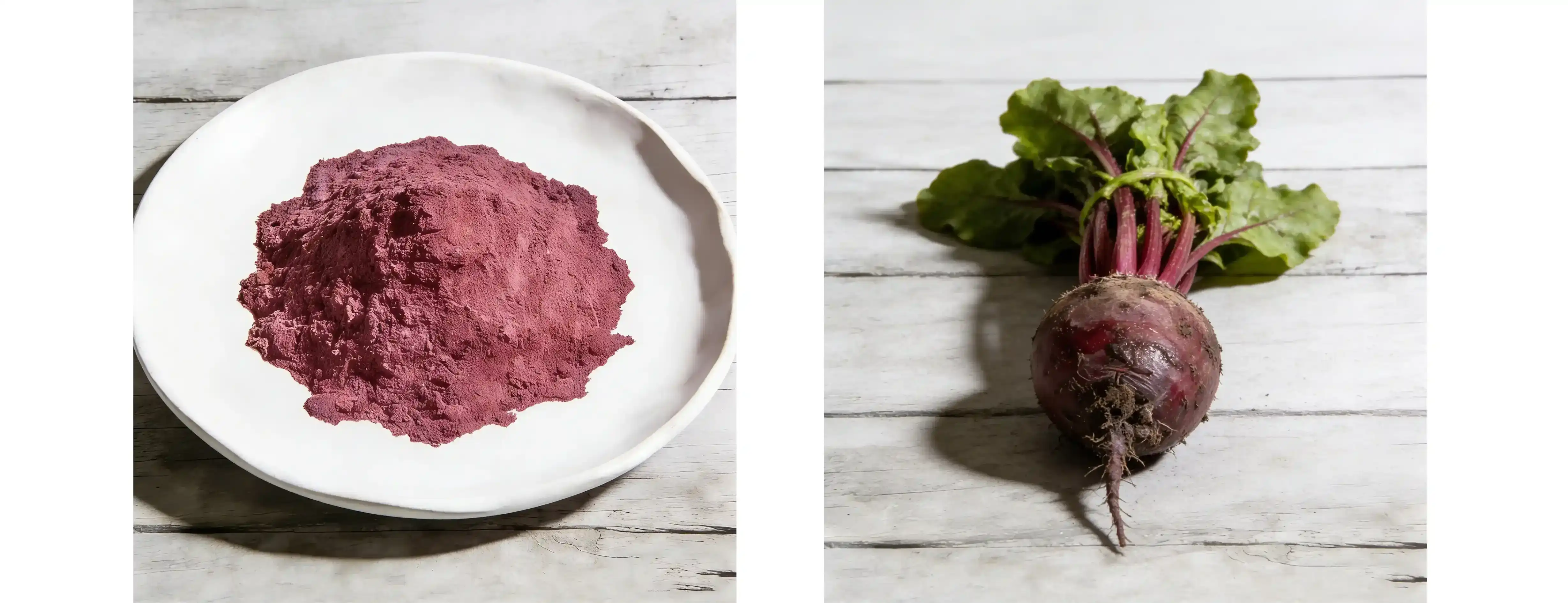
Beta Vulgaris, more frequently referred to as beet, has a nutritional profile that is highly concentrated, which assists supplement product manufacturers in accomplishing a variety of formulation objectives. The sole source of this powder, which has a purple-red color, is the plant's roots. Careful processing ensures that the natural betalain hues, dietary nitrates, iron, and B-vitamins that are present in the product are preserved.
Nutritional Components Driving Market Demand
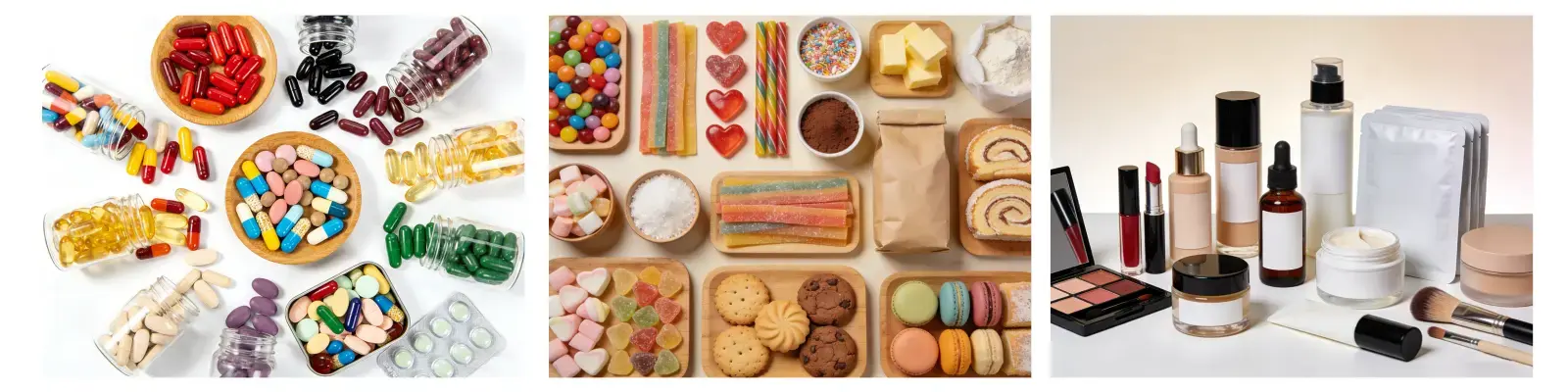
In sports nutrition, detoxifying recipes, and supplements that give you more energy, beet powder may be used as an ingredient since it contains bioactive components. Beets are particularly useful for these applications. Betalains, which are composed of betacyanins and betaxanthins, are potent antioxidants that contribute to the allure of goods that have a clean label (Clifford et al., 2015). The powder is made up of dietary nitrates, which are converted into nitric oxide by the body of the individual. This is beneficial to both the cardiovascular system and muscular endurance, which is why sports nutrition firms are so enthusiastic about it. Because it contains iron, it may be used for the purpose of filling nutritional deficiencies, and because of its natural hue, it eliminates the need for the use of synthetic colors in pill and tablet forms.
Comparing Beetroot Powder Forms
Many various kinds of beets are used in the production of dietary supplements, and each of these varieties has its own set of advantages for formulation. The powdered form of the root has all of the phytonutrients and fiber that are found in the root itself. Shakes and functional meals may benefit from its ability to provide bulk and texture to the mixture. Certain chemicals, such as betalains, are made more consistent by the use of concentrated extracts; nevertheless, it is possible that these extracts lose some of the advantages that result from the full food complex functioning together. Juice powders dissolve easily when used for drinking purposes; however, they often cost more than liquid juices. When formulators are looking for a way to keep costs down while still obtaining a significant number of health advantages, whole root powder is the ideal solution.
When purchasing teams are aware of these distinctions, they are better able to ensure that the ingredients they choose are in accordance with the positioning of the product. Powders made from whole roots are more often found in clean-label brands that place an emphasis on minimum processing, although concentrated versions may be more prevalent in performance supplements that are geared toward achieving certain outcomes. A good powder will have a hue that is somewhere between purple and red, which indicates that the betalain has been preserved. It is possible to use this hue as a first visual quality marker prior to verification in the laboratory.
Key Criteria for Selecting Beta Vulgaris Root Powder Suppliers
To build trusting relationships with suppliers, you should first carefully look at their quality standards, compliance records, and operational abilities. The F-1 criteria screening technique, which focuses on Form, Function, and Foundation, gives you an organized way to check out prospective partners.
Purity and Active Compound Verification
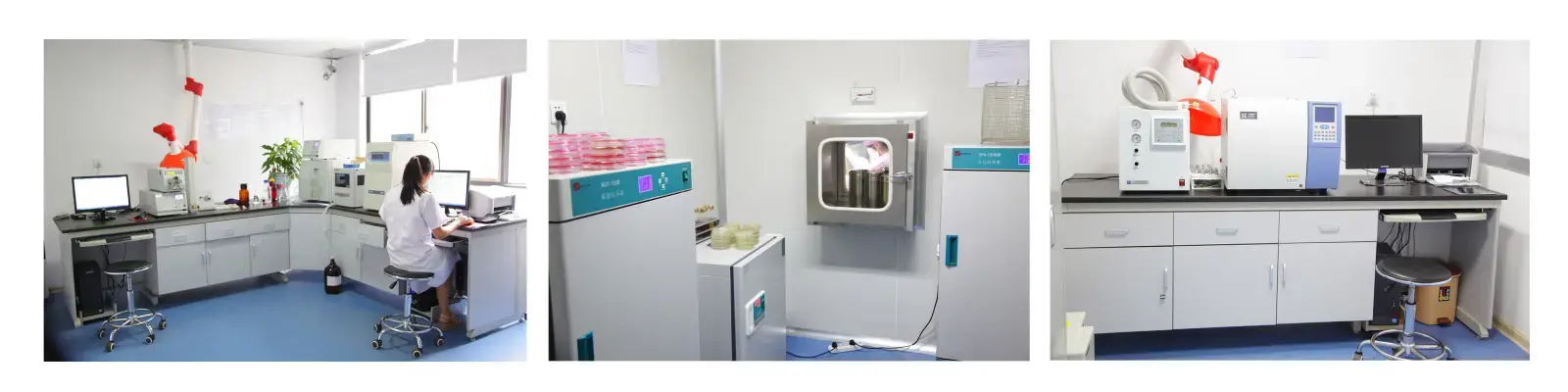
Buyers need to ask for Certificates of Analysis (COA) that show how much betalain is in the product. This is usually done using HPLC or UV-VIS spectrophotometry. Good suppliers give information about each batch that confirms the stability and concentration of the compound. Heavy metals (lead, arsenic, mercury, cadmium), chemical residues, and microbial loads should all be tested for according to USP or EP guidelines. The required level of residual moisture, which is usually kept below 5%, affects the stability of the shelf and keeps the product from clumping during storage (Ninfali & Angelino, 2013).
Organic certification should be carefully thought out based on what the target market wants. Premium customers want USDA Organic or EU Organic certifications, but they cost more. Conventional powders that pass strict testing standards often offer the same level of purity at lower prices, which helps brands match quality needs with profit goals.
Supplier Credentials and Manufacturing Standards
Manufacturers with NSF GMP, ISO 22000, FSSC 22000, and facility-specific standards handle quality in a planned way. These qualifications show that the company has put money into process controls, training for employees, and traceability tools that keep batch-to-batch differences to a minimum. For brands that want to reach a wide range of customers, Kosher and Halal certifications make more markets available without affecting the quality of the ingredients.
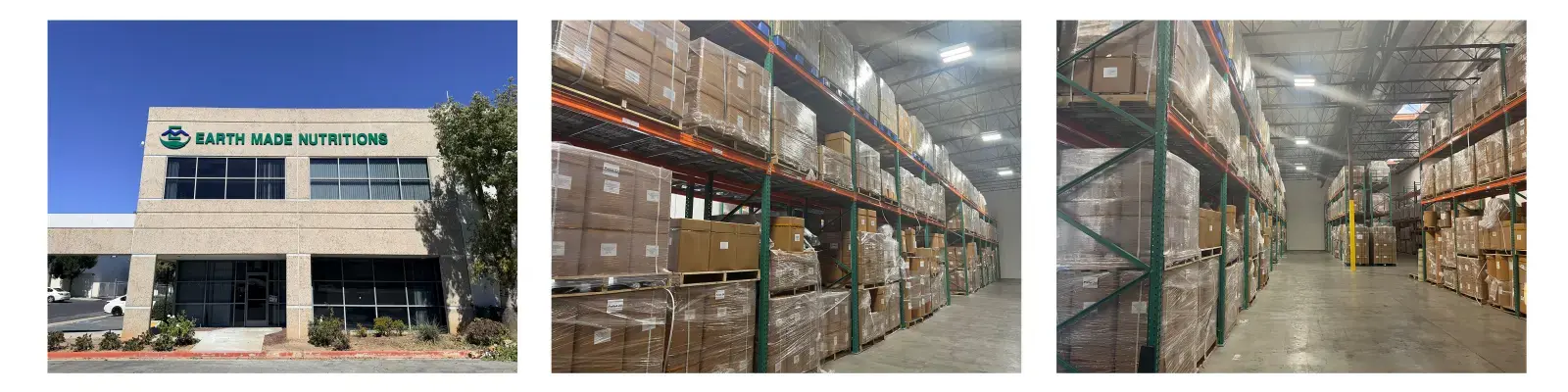
Being open about how you source materials builds the credibility of the suppliers. Reliable manufacturers tell you where the plants are grown, when they are harvested, and how they are processed so that the bioactive compounds are kept. When suppliers run their own factories instead of just hiring others to do the work, they can usually keep an eye on quality and provide faster expert help. Businesses like Earth Made Nutritions Inc. that have multiple warehouses across the United States offer logistical benefits by cutting down on lead times and allowing for flexible order fulfillment, which supports just-in-time inventory strategies.
Traceability and Documentation
Brands are protected from supply chain problems and quality problems when they can track powder from the field to the finished product. Ask for proof of the type of seed, how it was grown, when it was harvested, when it was processed, and how it was stored. When suppliers keep detailed records of each batch, they can quickly answer questions about quality and make sure they're following the rules during audits. This paperwork is especially helpful when production needs to be scaled up or when going into internationally regulated markets.

Comparing Beta Vulgaris Root Powder Products in the Market
When you compare Beta Vulgaris Root Powder products, you have to look at a lot of different factors, such as their physical shape, processing technology, price point, and how well they work for your needs. By understanding these factors, you can make smart choices about where to get ingredients that meet the needs of a certain formulation.
Product Forms and Formulation Compatibility
Different types of powder are used for different types of industrial tasks:
Standard Root Powder has particles that are usually between 60 and 80 mesh and a middling level of solubility, making it good for packaging and pill compression. This form is perfect for multivitamins and other health goods because it is cost-effective and provides a wide range of nutritional benefits.
Micronized powder has particles smaller than 200 mesh, which makes it easier for liquid vitamins and healthy drinks to dissolve and be bioavailable. Even though the bigger surface area makes mixing better, it may cost 15–25% more than normal grades.
Spray-Dried Powder: This method turns juice concentrate into a powder that is easy to work with and has the right amount of wetness and stiffness. This technology makes sure that particles are spread out evenly, which makes automatic packaging equipment easier to use. This cuts down on waste and boosts production efficiency.
Different types of powders have different shelf lives. Spray-dried powders stay stable for 24 to 36 months when kept below 25°C in packaging that keeps moisture out. Under the same settings, standard powders usually last 18 to 24 months. Ordering cycles must take these factors into account by procurement teams that are in charge of managing inventory turnover.
Organic Versus Conventional: Value Analysis
When deciding between organic and conventional, you have to weigh market positioning against cost structures. Organic beet powder usually costs 30–50% more than regular beet powder. This is because it has to be certified, farmers get less produce, and there aren't as many suppliers. Consumer research shows that people who care about their health actively look for organic claims, which could support higher prices (Aschemann-Witzel & Zielke, 2017).
Conventional powders that follow strict testing protocols have similar purity levels because modern farming methods and strict supplier testing reduce the chances of contamination. If a brand is trying to reach a large audience or people who care a lot about price, using approved conventional products may help them make more money. Quality indicators that are based on testing requirements rather than certification status are often more reliable.
Price Benchmarks and Volume Considerations
Standard beet root powder is sold in bulk at prices ranging from $8 to $15 per kilogram for regular grades and $12 to 22 per kilogram for organic grades. Orders of more than 500 kilograms are eligible for big savings. The minimum order quantity (MOQ) is usually 25 kilograms, and the goods are packed in fiber drums with aluminum liners inside to keep them fresh. Suppliers with flexible packing options can work with both new brands trying new formulas and established brands that need to ship large amounts of goods.
Instead of just looking at per-unit prices, procurement pros should look at the total landed costs, which include freight, customs fees, and storage costs. Domestic sellers who already have stock in the U.S. get rid of the delays and hassles of foreign shipping and minimum order requirements, making it easier for growing brands to handle their cash flow. The ability to pick up orders the next day from carefully placed stores makes the supply chain even more responsive.
Procurement Tips for Buying Beta Vulgaris Root Powder in Bulk
Effective strategies for buying in bulk keep quality standards high and supplies safe while minimizing costs. These practical solutions help supplement makers with common problems they have getting supplies.
Sourcing Channels and Supplier Engagement
Direct relationships with manufacturers of Beta Vulgaris Root Powder usually have better terms than networks of distributors. Clear expectations are set when you engage suppliers through detailed RFQ (Request for Quotation) processes that spell out quality standards, order volumes, delivery schedules, and payment terms. Asking for samples before placing a large order lets lab tests and recipe trials make sure that the new product will work with the way things are already made.
Vetted B2B platforms make it easier to find suppliers, but you need to do your research on the qualifications of the vendors. Before you start doing business with someone, check their business licenses, manufacturing registrations, and customer references. Video tours of facilities can tell you a lot about their production capabilities, cleanliness standards, and high-tech equipment that written descriptions alone can't.
Negotiation and Contract Considerations
With volume agreements, you can access price levels that have a big effect on your product margins. Setting up yearly supply agreements with delivery schedules every three months balances the costs of keeping inventory with the benefits of volume discounts. Putting quality standards, testing procedures, and acceptance criteria right into purchase agreements protects against sending low-quality goods and makes it clear how to settle disagreements.
Payment terms depend on how risky the seller is seen to be. For established relationships, Net 30 or Net 60 terms are common after showing that payments can be trusted. Most of the time, new buyers have to pay before the goods are shipped or make plans for a letter of credit. By consistently ordering and paying on time, you can build long-term partnerships that can lead to better business terms over time.
Quality Control Upon Receipt
Systematic receiving procedures protect against quality drift and mistakes in documentation. When the package arrives, make sure it is complete, check the batch numbers against the purchase orders, and make sure the COA matches up. Random samples from each package should be tested in-house or by a third party to make sure that seller claims are true. This is especially true for important factors like moisture content, betalain levels, and microbial loads.
When stored properly, ingredients stay stable for as long as they are on the shelf. Keep drums away from direct sunlight and in climate-controlled spaces where the temperature stays below 25°C and the relative humidity stays below 60%. Use first-in, first-out (FIFO) product movement to keep damage from getting worse over time to a minimum. Keep records of how things are stored and test their stability on a regular basis to find problems early on before they affect the quality of the production.
Practical Usage and Formulation Guidance for Beta Vulgaris Root Powder
To successfully add beet powder, you need to know the best ways to dose, apply, and formulate it so that it keeps its nutritional integrity while meeting factory standards.
Dosage Recommendations and Application Methods
Depending on how the product is marketed and how it is served, most supplement formulas have between 500 mg and 3000 mg of beet root powder per serving. Higher doses (2,000–3,000 mg) are often used in sports nutrition products that are meant to improve performance, while 500–1,000 mg may be used in general wellness products as part of larger antioxidant complexes. When figuring out how much to give, you should take into account how concentrated the powder is compared to fresh roots. Standard powders have concentration ratios of about 10:1.
The powder's natural ability to flow helps capsule formulations, but adding small amounts of anti-caking agents (usually 1% to 2% silicon dioxide) improves the performance of automated encapsulation equipment. In order to make tablets, the powder's compressibility must be studied, and binders like microcrystalline cellulose may need to be added to meet the goal toughness requirements. Spray-dried or micronized types that don't get gritty or settle to the bottom are needed for beverage uses.
Stability and Preservation Strategies
Betalain colors are sensitive to pH and are most stable when the pH level is normal to slightly acidic (pH 5-7). When beet powder is mixed with highly acidic ingredients like ascorbic acid, the color may fade over time, so protective encapsulation or buffer systems may be needed. Heat should stay below 60°C during production processes so that sensitive chemicals don't break down (Chandrasekhar et al., 2012).
Because light speeds up the breakdown of betalain, finished products must be packed in opaque materials. Clear cases don't protect things as well as blister packs, amber glass bottles, or metal bags. Putting desiccant packets in bottle packaging limits the amount of moisture that can get into the bottles and cause them to clump or grow microbes.
Real-World Formulation Success
Leading sports nutrition companies have successfully added beet powder to pre-workout mixes, mixing it with citrulline malate and beta-alanine to make performance stacks that work better together. Manufacturers of clean-label multivitamins use organic beet powder as a natural colorant and source of nutrients. It replaces manufactured iron sources and improves the stories behind the products. Spray-dried versions are added to ready-to-mix stick packs by functional beverage makers, who use the naturally sweet and unique color of the ingredient to make products that look good.
When OEM clients work with skilled ingredient providers, they can get help with formulation, which cuts down on the time it takes to make a new product. Technical teams can suggest the right grades, suggest items that go well with them, and give stable data that helps predict the shelf life. This collaborative approach lowers the cost of reformulating and speeds up the time it takes for new products to hit the market.
Conclusion
To find good Beta Vulgaris Root Powder, you need to carefully check the qualifications of the seller, the product details, and how well the powder works with other ingredients. Prioritizing producers with full licenses, clear paperwork, and the ability to store goods in the United States lowers buying risks and increases the efficiency of the supply chain. By knowing the differences between powder grades, organic and standard choices, and the needs of each application, you can make smart decisions that balance quality, cost, and market positioning. By following strict quality control procedures and keeping good relationships with suppliers, you can build a foundation for consistent product performance and brand reputation. Beet powder is a useful ingredient in many supplement mixes because more and more people want natural, functional ingredients. Procurement teams that carefully screen suppliers and form strategic partnerships with them will be rewarded for their efforts.
FAQ
1. What differentiates beetroot root powder from juice concentrate in supplement applications?
Root powder has all the fiber and phytonutrients from the whole vegetable. It gives food bulk, texture, and a steady release of nutrients. Some water-soluble substances, like dietary nitrates, are more concentrated in juice concentrates, but they lose some solid fiber and some bound nutrients. Powder forms are usually more cost-effective and last longer on the shelf, which makes them better for pill and tablet forms. On the other hand, juice blends work best for liquid supplement forms that need to dissolve quickly.
2. How can procurement teams verify authentic product quality?
Ask for Certificates of Analysis that are unique to each batch and show the amount of betalain found through HPLC testing, heavy metal screening, microbe testing, and pesticide residue analysis. Verification by an independent third-party laboratory gives you neutral proof of quality. Check the supplier's paperwork, like records of where the goods came from, how they were processed, and building certifications like NSF GMP and ISO 22000. Before committing to a large batch, doing small-scale formulation trials lets you test the useful properties of powders like how well they dissolve, how consistent their color is, and how well they work with other materials.
3. What storage conditions maintain optimal powder stability?
Keep things in their original, sealed boxes or containers with moisture barriers at temperatures below 25°C and out of direct sunlight and sources of humidity. Aluminum-lined fiber drums are a great way to keep things safe while they are being stored in bulk. The relative humidity should stay below 60% to keep things from absorbing water, which can lead to clumping and the growth of microbes. Use first-in, first-out (FIFO) inventory rotation and check items visually on a regular basis for color changes or strange smells that could mean they are breaking down. Powder usually stays good for 18 to 24 months after it was made as long as it is kept properly.
Partner with EM for Premium Beetroot Root Powder Supply
Earth Made Nutritions Inc. provides certified, high-purity Beta Vulgaris Root Powder with a full quality guarantee and quick transportation support. Our purple-red beet root powder comes only from Beta Vulgaris roots and meets strict standards as certified by NSF GMP, Kosher, Halal, ISO, FSSC 22000, and Organic. We can work with both new brands and established companies that need large amounts because the minimum order size is only 25 kilograms packed in safe fiber drums.
We guarantee second-day pickup for in-stock orders because we have four strategically placed warehouses across the United States. This cuts down on long wait times that mess up production plans. Our center in California has cutting-edge extraction tools and a specialized research and development team that can help you come up with the best formulas for your needs. We use environmentally friendly and sustainable methods of sourcing all along our supply chain, which is in line with current customer values and allows us to offer competitive prices.
You can try our beet root powder for free to see how good it is before committing to large orders. You can email our sourcing experts at info@em-herb.com to get samples, talk about technical details, or find out how our beet root powder supplier services can help you expand your product line and make more money faster.
References
1. Clifford, T., Howatson, G., West, D. J., & Stevenson, E. J. (2015). The potential benefits of red beetroot supplementation in health and disease. Nutrients, 7(4), 2801-2822. https://www.mdpi.com/2072-6643/7/4/2801
2. Ninfali, P., & Angelino, D. (2013). Nutritional and functional potential of Beta vulgaris cicla and rubra. Fitoterapia, 89, 188-199. https://www.sciencedirect.com/science/article/abs/pii/S0367326X13001524
3. Aschemann-Witzel, J., & Zielke, S. (2017). Can't buy me green? A review of consumer perceptions of and behavior toward the price of organic food. Journal of Consumer Affairs, 51(1), 211-251. https://onlinelibrary.wiley.com/doi/abs/10.1111/joca.12092
4. Chandrasekhar, J., Madhusudhan, M. C., & Raghavarao, K. S. M. S. (2012). Extraction of anthocyanins from red cabbage and purification using adsorption. Food and Bioproducts Processing, 90(4), 615-623. https://www.sciencedirect.com/science/article/abs/pii/S0960308512000193
5. Georgiev, V. G., Weber, J., Kneschke, E. M., Denev, P. N., Bley, T., & Pavlov, A. I. (2010). Antioxidant activity and phenolic content of betalain extracts from intact plants and hairy root cultures of the red beetroot Beta vulgaris cv. Detroit dark red. Plant Foods for Human Nutrition, 65(2), 105-111. https://link.springer.com/article/10.1007/s11130-010-0156-6
6. Chhikara, N., Kushwaha, K., Sharma, P., Gat, Y., & Panghal, A. (2019). Bioactive compounds of beetroot and utilization in food processing industry: A critical review. Food Chemistry, 272, 192-200. https://www.sciencedirect.com/science/article/abs/pii/S0308814618315875