- English
- French
- German
- Portuguese
- Spanish
- Russian
- Japanese
- Korean
- Arabic
- Irish
- Greek
- Turkish
- Italian
- Danish
- Romanian
- Indonesian
- Czech
- Afrikaans
- Swedish
- Polish
- Basque
- Catalan
- Esperanto
- Hindi
- Lao
- Albanian
- Amharic
- Armenian
- Azerbaijani
- Belarusian
- Bengali
- Bosnian
- Bulgarian
- Cebuano
- Chichewa
- Corsican
- Croatian
- Dutch
- Estonian
- Filipino
- Finnish
- Frisian
- Galician
- Georgian
- Gujarati
- Haitian
- Hausa
- Hawaiian
- Hebrew
- Hmong
- Hungarian
- Icelandic
- Igbo
- Javanese
- Kannada
- Kazakh
- Khmer
- Kurdish
- Kyrgyz
- Latin
- Latvian
- Lithuanian
- Luxembou..
- Macedonian
- Malagasy
- Malay
- Malayalam
- Maltese
- Maori
- Marathi
- Mongolian
- Burmese
- Nepali
- Norwegian
- Pashto
- Persian
- Punjabi
- Serbian
- Sesotho
- Sinhala
- Slovak
- Slovenian
- Somali
- Samoan
- Scots Gaelic
- Shona
- Sindhi
- Sundanese
- Swahili
- Tajik
- Tamil
- Telugu
- Thai
- Ukrainian
- Urdu
- Uzbek
- Vietnamese
- Welsh
- Xhosa
- Yiddish
- Yoruba
- Zulu
Choosing the right type of Milk Thistle seed Powder has a direct effect on the safety of the formulation, the bioactive strength, and the performance of the finished product in cosmetics and functional foods. To make the choice, you need to look at the quantity of silymarin, the methods used for extraction, the spread of particle sizes, and the supplier's certifications to make sure they meet your quality standards. High-purity forms made from Silybum marianum seeds have antioxidant properties and other useful qualities that make them essential for liver support pills, detox drinks, and skin care ingredients. By knowing these differences, R&D directors and procurement teams can find the best mix between effectiveness, cost-effectiveness, and legal compliance, all while meeting the needs of today's picky customers for clean labels.
Understanding the Importance of Milk Thistle Seed Powder in Formulations
Due to its high flavonolignan content, especially silymarin, which is the main bioactive compound, Milk Thistle seed Powder has gained respect as a crucial factor in many businesses. This plant material, which comes from the dried seeds of Silybum marianum, helps make medicines that work better with antioxidants and protect cells. In the food supplement industry, this ingredient is used to make mixes for pills, tablets, and powders that are meant to support metabolic health and the detoxification process.
Aside from beauty, scientists are adding different kinds of Milk Thistle seed Powder to anti-aging serums and repair creams more and more. Because silymarin is lipophilic, it can be easily mixed into oil-based products, where it helps strengthen the skin barrier and lower oxidative stress. Functional food companies also like how versatile it is. They use standardized extracts to make protein bars, enriched drinks, and meal replacements that appeal to people who are health-conscious.
Picking the right version is more than just how well it works right away. In a time when natural ingredients and transparency are valued, the choice you make affects how the business is positioned, how long it takes for governmental approval, and how customers feel about it. The effectiveness of a product depends on having consistent concentrations of active ingredients, and the dependability of production depends on being able to repeat batches. By understanding how these factors affect each other, decision-makers can come up with recipes that meet the needs of the market while still being technically sound during production processes.
Defining Decision Criteria for Selecting Milk Thistle Seed Powder Variants
Evaluating Purity and Standardization Levels
When judging different types of Milk Thistle seed Powder, purity standards are the most important thing to look at. The naturally found silymarin in raw seed powder is usually between 1.5% and 3%. Standardized extracts, on the other hand, concentrate this flavonolignan complex to 50–80%, based on the method used for analysis. Most of the time, UV spectrophotometry gives bigger percentages because it finds more phenolic compounds. On the other hand, HPLC gives exact amounts of silybin A and B, silychristin, and silydianin. In order to avoid analytical differences that could hurt formulation estimates and label claims, procurement teams must include testing procedures in deals with suppliers.
Certification and Sourcing Transparency
Organic approval is very important for brands that want to sell to high-end customers and businesses that want to export. Certifications like USDA Organic, Kosher, and Halal not only meet government rules, but they also show buyers who care about quality that the supply chain is honest. Traceability paperwork that shows where the Milk Thistle seed Powder came from, how they were grown, and how they were handled after harvest is very important for cosmetic and medicinal uses, where controlling contaminants has a direct effect on the safety of the products.
Processing Methods and Solvent Considerations
The extraction method has a big impact on the chemical fingerprint and regulatory approval of the end powder. Ethanol extraction is most common in clean-label products because it is GRAS and is well known by consumers. On the other hand, acetone or ethyl acetate methods may produce higher silymarin concentrations but need strict residual solvent testing in line with USP standards. Water-based extraction makes products with lower strength that can be used as whole-food supplements, but they don't have the bioactive density that is needed for medicinal dose ranges.

Comparing Popular Milk Thistle Seed Powder Variants in the Market
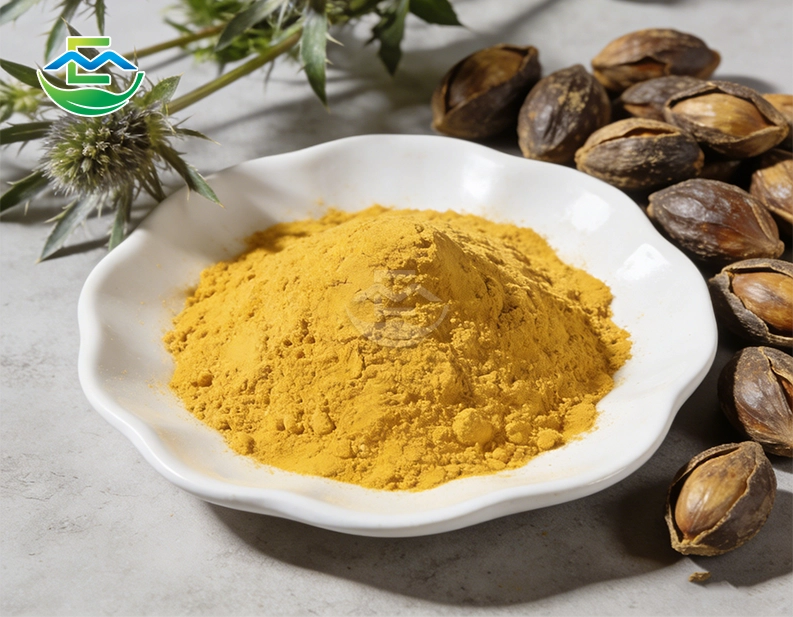
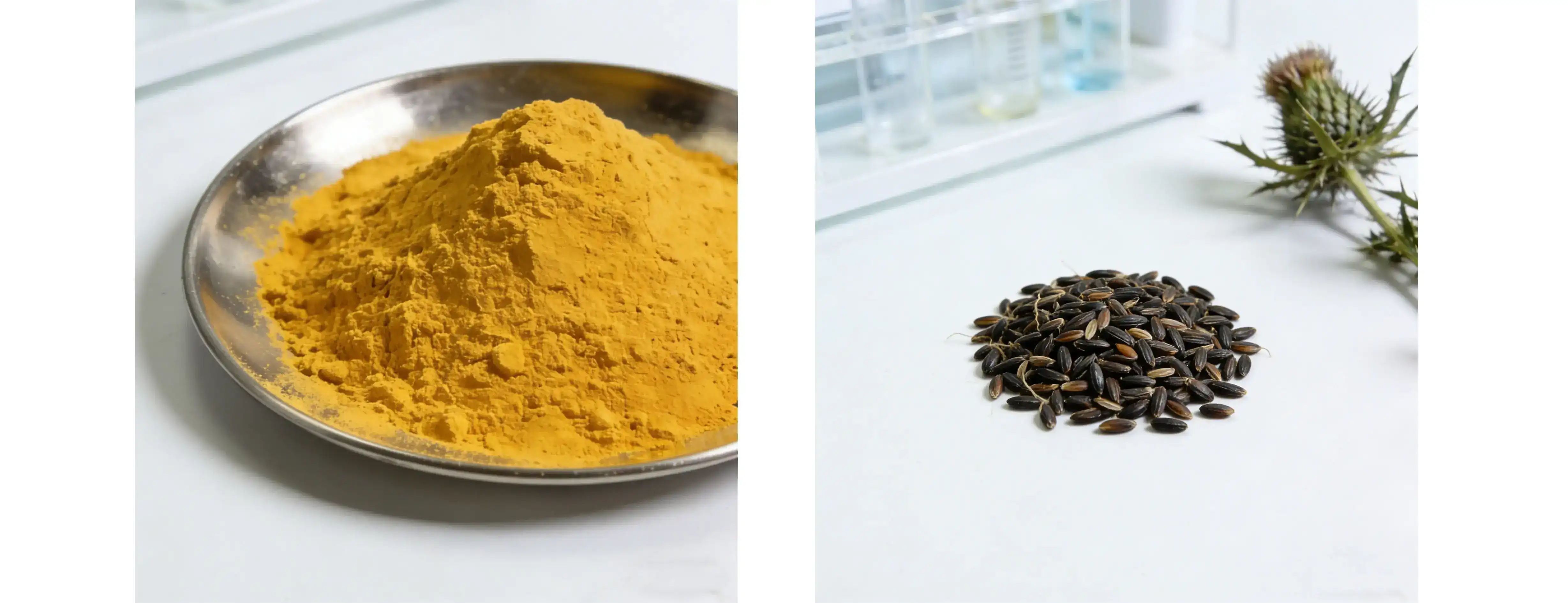
There are three main types of popular Milk Thistle seed Powder variants on the market, and each one meets different design needs and cost concerns. Whole seed powder is the least processed choice because it still has some of the natural lipid profiles and fiber content, as well as low amounts of silymarin. Formulators who are making whole-food supplements or pet food items that value label simplicity over maximum bioactive concentration will like this version. It is a fine yellow powder that usually passes through 80-mesh screens. It mixes easily into capsule mixtures but needs higher inclusion rates to provide effective active doses.
Standardized extracts are in the middle to high-end range; they have silymarin amounts of 50 to 80%, which can be proven by HPLC measurement. These extracts fix problems with bioavailability that come with raw powders and make it possible for finished goods to have smaller serving amounts. During the concentration process, extra fiber and oils are taken out. This makes the ingredient more uniform, which makes quality control easier when the production is scaled up. Bulk density between 0.4 and 0.60 g/ml affects how well sealing works. Particle size distribution is an important standard for pressing tablets and filling capsules.
Molecular bonding with lecithin derivatives makes phosphatidylcholine-complexed versions the cutting edge of innovation. They solve the problem of silymarin not dissolving well in water. Pharmacokinetic studies have shown that these specialized forms have higher absorption rates, but they cost more. Functional beverage makers really like these water-dispersible powders because they don't settle to the bottom like other extracts do in liquids. Combining plants that work well together, like turmeric or dandelion root, can help make a product stand out even more and may even increase its antioxidant power through additive processes.
The choice between organic and standard buying adds another level of complexity to the decision process and affects both cost structures and market positioning. Organic versions usually cost 20 to 35 percent more, but they give you access to natural goods outlets and health-focused store agreements where certification is a must. Non-organic choices work well for uses that need to save money or for large-scale production where cost savings are more important than marketing benefits, as long as strict testing for pesticide residues makes sure that all target markets are in line with the law.
How to Match Milk Thistle Seed Powder Variants to Your Specific Formulation Needs
Aligning Variants with Industry-Specific Applications
Dietary supplement companies focus on using standardized extracts of Milk Thistle seed Powder that give 200–400 mg of silymarin per dose. This is in line with research-backed dosing guidelines and keeps capsule counts reasonable. Oil-soluble forms that suspend evenly in vegetable oil carriers are good for softgel uses because they keep the ingredients from separating during storage. Lower-concentration versions can be used in powder mixes and stick packs when mixed with liver-supporting ingredients that work well together. This spreads the bioactive release across more than one part.
Cosmetic formulators need very pure grades that meet cosmetic-grade standards. They pay extra attention to heavy metal and microbe limits that are tighter than food-grade limits. When used as a leave-on, the characteristic, slightly unpleasant smell and bitter taste need careful thought. However, these sensory qualities are not as important in rinse-off products or capsule delivery methods. For emulsion stability and sensory beauty in creams and serums, particle size consistency is very important.
When functional food designers try to add Milk Thistle seed Powder to drinks, bars, or baked goods, they run into unique solubility problems. Heat stability during processing, pH tolerance across product matrices, and taste hiding strategies all affect the choice of variants, which tend to be more specialized or have lower inclusion rates that are matched with flavoring systems that work well together. Minimum order amounts that start at 25 kg are usually enough for test production runs while still making it cost-effective to move to commercial-scale production.
Supply Chain and Procurement Logistics
Lead time dependability is what sets capable sellers apart from commodity traders. Well-known companies keep enough stock in their warehouses to meet standard specs in two days. This is very important when they have to respond to sudden production needs or changes in regular volume. Packaging choices include 25 kg fiber drums and large totes, so businesses from small names to contract makers with many clients can use them. With free sampling tools, you can test the formulation and make sure the analysis is correct before committing to large production numbers. This lowers the uncertainty in the buying process.
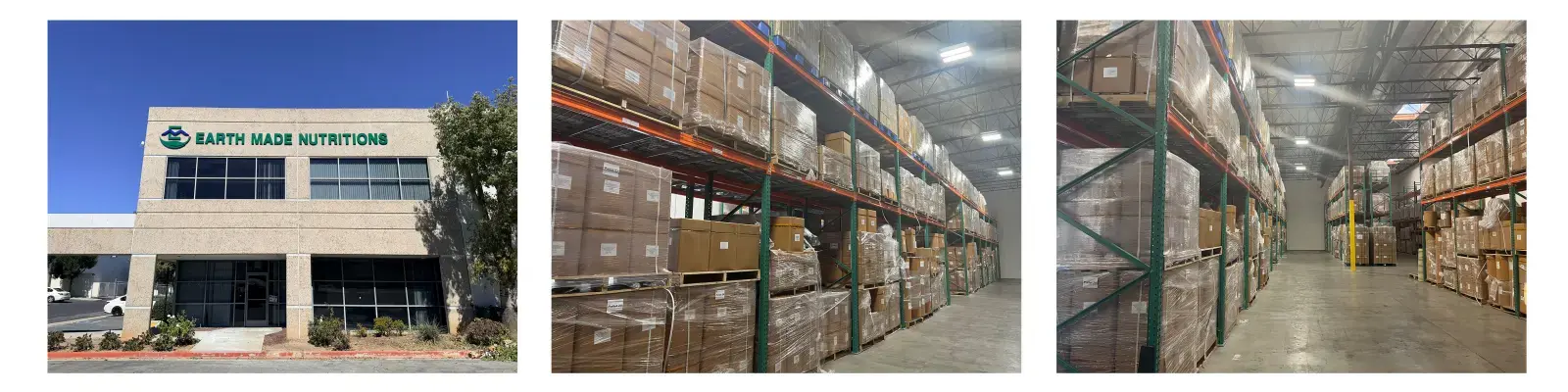
International sourcing becomes useful logistics when it's close by, thanks to local warehousing. Four big U.S. warehouse locations run by suppliers cut down on long ocean freight times and make it easier to follow import rules. This is especially helpful when handling just-in-time inventory strategies or dealing with supply chain problems. This edge in infrastructure is especially important for new brands that don't have the cash flow to pay for large amounts of inventory or long wait times.
Best Practices for Vetting and Procuring Milk Thistle Seed Powder for B2B Clients
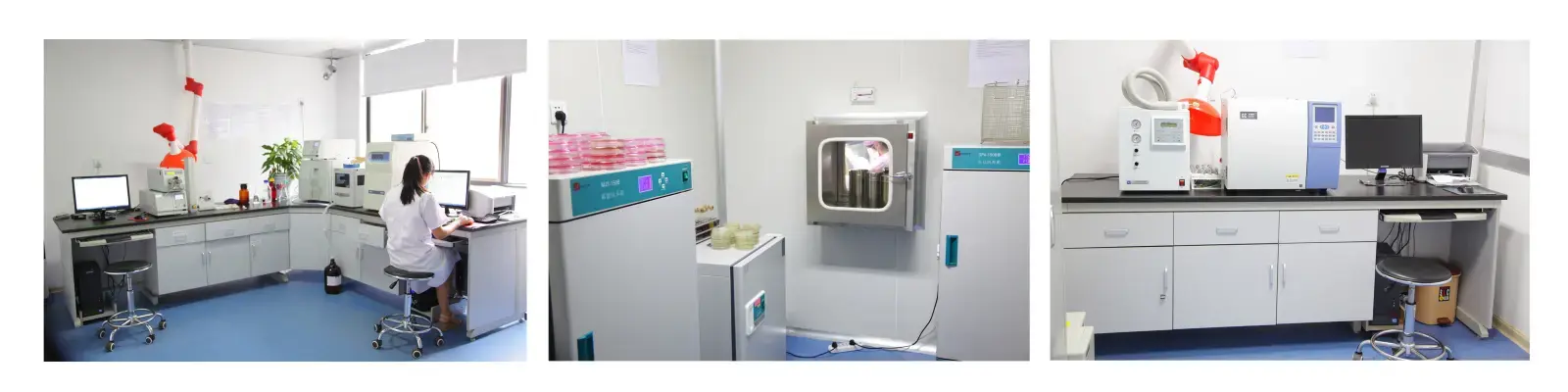
Throughout the lifecycle of a product, strict guidelines for evaluating suppliers protect the purity of the formulation and the company's legal standing. Certificate verification of Milk Thistle seed Powder is the first step. It makes sure that the NSF GMP, ISO 22000, FSSC 22000, and other related organic certifications are real by checking them with an outside registry instead of just using the paperwork given by the seller. These qualifications show that the company has a method for managing quality and has plans in place to stop contamination, control allergens, and make sure the process works.
Laboratory testing needs more than just normal Certificates of Analysis; they also need to do full screening for contaminants. When buying from rural areas with heavy farming methods, pesticide screens should look at more than 200 compounds. Mycotoxin research focusing on aflatoxins becomes necessary because seeds can become infected with fungi while they are being stored. Heavy metal testing for arsenic, cadmium, lead, and mercury makes sure that the limits set by California Prop 65 and the EU's highest residue amounts are met. This protects market access across regulatory countries.
Analytical method confirmation tells the difference between providers who are trustworthy and those who don't do enough quality checks. HPLC chromatograms that show each silymarin isomer provide clarity that UV-only testing can't match, and proof from a third-party lab in a separate facility avoids any possible conflicts of interest. Shelf-life estimates and retest date procedures are based on stability data that shows the product's effectiveness over 24-36 months when stored in a certain way.
Traceability paperwork that links finished powder to source farms lets people act quickly during quality investigations or government checks. Recording harvest dates, processing batches, and delivery chains for each lot creates a system of responsibility that stops problems like mixing or falsely claiming origin. Suppliers with sustainable buying practices and environmental responsibility are in line with corporate responsibility efforts that retailers and environmentally aware customers are looking more closely at.
The best ties are more than just business deals; they also include technical help that everyone works on together. Expert sellers offer formulation advice to help find the best inclusion rates, compatibility tests with other ingredients, and solving for stable issues during the development stages. This knowledge cuts down on expensive reformulation processes and speeds up time-to-market. This is especially helpful for companies that don't have a lot of experience with botanical ingredients. Private labeling makes things even easier for brands that want complete solutions that include everything from recipe development to delivery of the finished product.
Conclusion
To pick the best Milk Thistle seed Powder, you need to carefully look at the silymarin standardization, processing methods, certification portfolios, and provider skills that are in line with your formulation goals. When making hepatoprotective supplements, antioxidant-rich cosmetics, or functional foods, the choice of variation affects how well the product works, how consistently it is made, and how well it meets legal requirements in all global markets. Analytical verification, contaminant screening, and supply chain openness are just a few of the strict processes that are used to lower procurement risks and build relationships that support long-term product innovation. The best version strikes a mix between bioactive potency, cost-effectiveness, processing compatibility, and a "clean label" stance that appeals to today's smart consumers who want clear information and proven quality.
Frequently Asked Questions
1. What silymarin concentration should I target for effective formulations?
Concentration needs are very different depending on the application and where the desired strength is placed. Typical dietary supplements use 50–80% standardized extracts of Milk Thistle seed Powder to give 200–400 mg of silymarin per dose, which is in line with normal study methods. Lower concentrations (20–40%) are often used in cosmetics because of concerns about how the product will feel and the limits of the delivery method. Functional foods balance how well they work with how they taste by often using 10 to 20 percent uniform materials in complex matrices. The analysis method is very important; ask for HPLC measurement for accurate isomer profiling instead of UV-only testing, which gives a false impression of the real bioactive content.
2. How do organic and conventional variants differ beyond certification?
In addition to being legal, organic varieties of Milk Thistle seed Powder have lower levels of pesticide residue and are popular in natural goods outlets where certification is needed to enter the market. Conventional choices work well in low-cost situations where strict testing for contaminants proves safety compliance. Organic materials usually cost 20–35% more than other materials, but they can help you get premium positioning options and store partnerships that prioritize clean sources. Both types need the same microbial and heavy metal tests, but organic approval means tighter cultivation control, which might lower the chance of contamination.
3. What particle size specification optimizes encapsulation efficiency?
Standardized powders that pass through 80-mesh screens (95% to 180 microns) have the best flow properties for automatic capsule filling tools and make sure that the powders dissolve evenly. Finer particles help blend mixtures with more than one ingredient more evenly, but they may make more dust when handled. The bulk density, which ranges from 0.4 to 0.60 g/ml, affects how much of a capsule to fill and how the machine is set up. Talk to your contract manufacturer about the particle distribution specs so that the properties of your ingredients are in line with their tools and process parameters.
Partner with EM – Your Trusted Milk Thistle Seed Powder Supplier
EM sells Milk Thistle seed Powder that is safe for use in medicine. Their products are certified by a number of organizations, such as NSF GMP, Kosher, Halal, ISO, FSSC 22000, and Organic. These certifications meet the strictest buying needs. Our yellow powder made from Silybum marianum seeds ships from four carefully placed U.S. warehouses, so orders are filled in two days, which keeps your production plans on track. We help with formulation development from the idea stage all the way through industrial production, with a realistic 25 kg minimum order amount and free sampling programs. Our cutting-edge research and development (R&D) and extraction technologies make sure that the silymarin profiles we provide always meet your exact needs. We also use sustainable sourcing methods that are in line with our corporate responsibility goals. Get in touch with our technical team at info@em-herb.com to talk about your formulation needs and find out why top makers choose EM as their chosen supplier for quality and quick service.
References
1. Abenavoli, L., Capasso, R., Milic, N., & Capasso, F. (2010). Milk thistle in liver diseases: past, present, future. Phytotherapy Research, 24(10), 1423-1432.
2. Bijak, M. (2017). Silybin, a major bioactive component of milk thistle (Silybum marianum L. Gaertn.)—chemistry, bioavailability, and metabolism. Molecules, 22(11), 1942.
3. Federico, A., Dallio, M., & Loguercio, C. (2017). Silymarin/silybin and chronic liver disease: a marriage of many years. Molecules, 22(2), 191.
4. Karimi, G., Vahabzadeh, M., Lari, P., Rashedinia, M., & Moshiri, M. (2011). Silymarin is a promising pharmacological agent for the treatment of diseases. Iranian Journal of Basic Medical Sciences, 14(4), 308-317.
5. Kren, V., & Walterova, D. (2005). Silybin and silymarin—new effects and applications. Biomedical Papers, 149(1), 29-41.
6. Polyak, S. J., Morishima, C., Lohmann, V., Pal, S., Lee, D. Y., Liu, Y., ... & Ferenci, P. (2010). Identification of hepatoprotective flavonolignans from silymarin. Proceedings of the National Academy of Sciences, 107(13), 5995-5999.