- English
- French
- German
- Portuguese
- Spanish
- Russian
- Japanese
- Korean
- Arabic
- Irish
- Greek
- Turkish
- Italian
- Danish
- Romanian
- Indonesian
- Czech
- Afrikaans
- Swedish
- Polish
- Basque
- Catalan
- Esperanto
- Hindi
- Lao
- Albanian
- Amharic
- Armenian
- Azerbaijani
- Belarusian
- Bengali
- Bosnian
- Bulgarian
- Cebuano
- Chichewa
- Corsican
- Croatian
- Dutch
- Estonian
- Filipino
- Finnish
- Frisian
- Galician
- Georgian
- Gujarati
- Haitian
- Hausa
- Hawaiian
- Hebrew
- Hmong
- Hungarian
- Icelandic
- Igbo
- Javanese
- Kannada
- Kazakh
- Khmer
- Kurdish
- Kyrgyz
- Latin
- Latvian
- Lithuanian
- Luxembou..
- Macedonian
- Malagasy
- Malay
- Malayalam
- Maltese
- Maori
- Marathi
- Mongolian
- Burmese
- Nepali
- Norwegian
- Pashto
- Persian
- Punjabi
- Serbian
- Sesotho
- Sinhala
- Slovak
- Slovenian
- Somali
- Samoan
- Scots Gaelic
- Shona
- Sindhi
- Sundanese
- Swahili
- Tajik
- Tamil
- Telugu
- Thai
- Ukrainian
- Urdu
- Uzbek
- Vietnamese
- Welsh
- Xhosa
- Yiddish
- Yoruba
- Zulu
Choosing high-purity Guarana Seed Extract powder is a strategic choice based on scientific knowledge, quality evaluation, and transparency of the vendor. The right extract for procurement managers and R&D professionals should meet the criteria, deliver consistent quality, support regulatory standards, and help organisations develop competitive items. Guarana Seed Extract powder is made from Paullinia cupana seeds and is a natural source of caffeine and polyphenols, often used as an ingredient in functional beverages, food supplements, and cosmetic formulations. Identification of high-quality extracts via evaluation of extraction techniques, standardisation processes, certification paperwork, and supplier skills. This guide outlines key evaluation criteria to help purchasing teams make informed sourcing decisions.


Understanding Guarana Seed Extract Powder and Its Purity
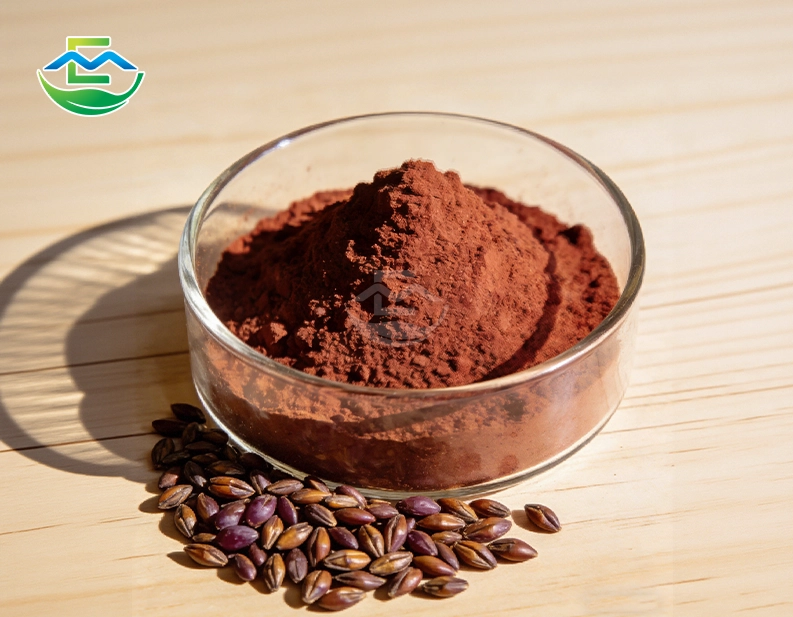
Guarana Seed Extract powder comes from the seeds of the Paullinia cupana plant, a vine native to the Amazon basin. Although traditionally known for its caffeine concentration, it is now employed globally in functional drinks, nutritional formulas, and cosmetic uses. Its natural constituents include caffeine, catechins, epicatechins, and other polyphenols that provide the unique chemical profile.
Why Purity Matters in B2B Procurement
The quality, consistency, stability, and suitability for formulation of a product are directly affected by its purity. Good extracts are concentrated, natural, and include very little undesired residue, additives, or fillers. Different purity form preparations may result in unequal specifications, reduced stability, and difficulty in quality assessments. Companies with clean-label positioning believe that transparency and consistency are important factors.
Common Impurities and Contaminants
Lower-grade extracts may contain artificial caffeine, excessive fillers such as maltodextrin, or unwanted residues from cultivation and processing. These issues can affect product consistency and create challenges during third-party quality reviews. Avoiding these contaminants is an important part of reliable ingredient sourcing.
Standardization and Active Compound Profiles
High-grade guarana products are standardised to defined caffeine levels, usually from 10% to 50%, by HPLC analysis. Advanced extraction techniques using water and ethanol solvents assist in concentrating the naturally existing chemicals while keeping the original plant profile. This standardisation is useful to assure batch-to-batch uniformity, vital for professional formulation projects.

Core Criteria to Evaluate When Selecting High-Purity Guarana Seed Extract Powder
Choosing the right Guarana Seed Extract powder requires a detailed assessment of quality specifications, documentation, and supplier capabilities.
Purity Level and Analytical Verification
Refer to the specification document for standardised chemical content determined by HPLC or UV spectroscopy. Quality extracts should be clearly stated in terms of caffeine, chlorogenic acid, and associated chemical profiles. For example, EM’s extract is standardised to 50% chlorogenic acids, ensuring a consistent constituent profile for functional product development. These analytical findings must be recorded in the Certificate of Analysis (COA) to verify that the product specifications meet the purchasing criteria.
Origin and Raw Material Quality
The quality of raw seed materials directly influences the final extract. Sourcing seeds from controlled cultivation environments improves traceability and supports consistent processing standards. Buyers should review seed origin, cultivation methods, and harvesting practices when evaluating suppliers.
Manufacturing Standards and Certifications
Reliable suppliers operate facilities that follow standards such as NSF GMP, ISO, FSSC22000, and organic certification requirements. These certifications demonstrate established quality management systems and controlled production processes. Compliance with FDA, Halal, and Kosher requirements can also help expand market opportunities and provide additional confidence for buyers.
Certificate of Analysis and Batch Documentation
Every procurement decision should be supported by clear documentation. A complete COA includes testing results for microbial analysis, heavy metal screening, residual solvent evaluation, and allergen statements. These documents allow buyers to verify product specifications and maintain traceability throughout the supply chain.
Physical Attributes: Appearance, Solubility, and Stability
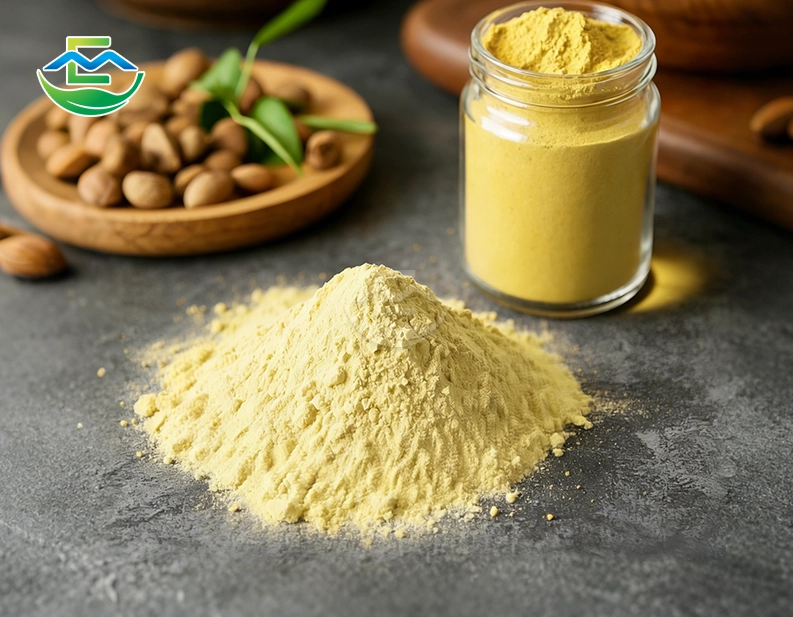
High-quality extracts should be a fine, free-flowing powder of uniform colour and texture. The EM extract is a white powder, the particle size of which is suited for consistent mixing. Solubility in water and ethanol is vital for beverage and supplement applications because stability throughout processing determines the final quality of the product. These physical parameters are useful to evaluate during sampling to establish formulation compatibility.
Packaging and MOQ Considerations
Bulk orders require packaging solutions that protect products from moisture, light, and oxygen exposure, commonly using 25 kg drums. A 25 kg MOQ provides flexibility for both trial formulations and larger production requirements. Suppliers offering flexible packaging options and efficient delivery services can improve procurement efficiency.

Comparison of Guarana Seed Extract Powder with Similar Market Alternatives
Guarana Seed Extract powder is one of the popular botanical ingredients. However, it would be better to compare it with other plant-based extracts to find the most suitable one to meet various formulation needs.
Guarana vs. Green Tea Extract
Green tea extract is rich in EGCG and contains modest amounts of caffeine, generally between 2% and 8%. Guarana has greater caffeine content and a distinct polyphenol profile compared to the latter. “Guarana makes sense for formulations where you need a concentrated source of caffeine, whereas green tea extract provides a different botanical profile for product development.
Guarana vs. Coffee Extract
Coffee extract contains caffeine, although the chemical makeup differs from that of guarana. Guarana’s distinctive ingredient composition comes from a mix of caffeine and naturally occurring polyphenols. This distinction enables formulators to choose between coffee extract and guarana, depending on flavour, formulation needs, and the product’s positioning.
Guarana vs. Yerba Mate
Yerba mate has a diverse botanical makeup, including caffeine, theobromine, and theophylline. Guarana has a greater caffeine content and a neutral flavour profile, which makes it simpler to include in other formulas. Buyers of ingredients for beverage and supplement applications might evaluate these discrepancies with their product aims.
Organic vs. Non-Organic Extracts
However, organic certification may lead to higher procurement prices, but it may be crucial for businesses establishing themselves on natural ingredients and markets linked to sustainability. Organic guarana extracts are produced in accordance with organic agricultural norms and need further certification verification. Non-organic extracts, when properly tested and documented, may be a more economical choice that still meets quality standards.
Practical Guidance for B2B Buyers: Sourcing and Procurement Tips
The quality systems, paperwork, and manufacturing capabilities need to be assessed when choosing Guarana Seed Extract powder from credible vendors.
Identifying Reputable Suppliers
Suppliers should be evaluated on the basis of operating experience, certificates, manufacturing facilities, and quality management systems. Suppliers with in-house R&D and sophisticated extraction equipment are better able to provide technical help for ingredient development. Factory-controlled manufacturing methods also help ensure uniformity from the handling of raw materials to final packaging.
Evaluating Price and Value
While considering price, you should consider purity levels, certifications, testing paperwork, and logistical support. Cheaper extracts might be variations in source material quality, processing standards, or availability of documentation. Buyers may improve their sourcing selections by considering the entire procurement value, including quality validation and supply consistency. Some suppliers give samples so organisations may try products before placing major orders.
Regulatory Compliance and Import Considerations
Botanical extracts must comply with the appropriate rules for the various markets. For importation from outside, there might be more paperwork, like customs papers and product certifications. For organic claims, there is a need for proper certification documentation. Working with vendors who are aware of export rules may help to streamline purchases and avoid unwanted delays.
OEM and Private Label Capabilities
Suppliers who provide OEM and private-label services give firms that produce bespoke items even more freedom. This option enables organisations to develop their own formulas, package designs, and ingredient combinations depending on market demands. Working with suppliers that may change specifications can assist in increasing product development efficiency.
Case Study: Successful Procurement of High-Purity Guarana Seed Extract Powder
A functional beverage company was looking for a high-purity Guarana Seed Extract powder to increase ingredient uniformity and reinforce its product positioning. The corporation had problems with caffeine levels and insufficient supplier paperwork.
Initial Challenges
To achieve internal quality criteria, the brand required a standardised extract with dependable analytical backing. Concerns included heavy metal testing, ingredient validity, and batch-to-batch uniformity.
Supplier Evaluation Process
The organization picked EM after analysing many suppliers, citing EM’s certification methods, comprehensive COA documentation, and quality control procedures. EM supplied samples for testing so the brand could assess solubility, stability, and compatibility under its own manufacturing settings.
Successful Outcome
The redesigned product also has enhanced ingredient uniformity and a clean-label stance. The brand was able to optimise inventory planning and eliminate procurement problems through effective supply chain management and local warehouse assistance. Stable quality standards and manufacturing efficiency via long-term supplier connections.

Conclusion
If you want to buy a high-purity Guarana Seed Extract powder, you need to examine technical parameters, supplier credentials, and buying tactics. By looking at standardised compound levels, checking certificates, and looking at supplier transparency, buyers can make sure they are getting ingredients that help keep product development and brand positioning constant.
EM’s commitment to quality control, ethical sourcing, and support of the supply chain makes it a perfect partner for businesses looking for dependable guarana extract solutions. Whether you’re formulating a new product or upgrading an old one, using the proper Guarana Seed Extract powder allows firms to manufacture competitive goods with dependable quality and transparent ingredient information.
FAQ
1. What is the recommended caffeine concentration range in guarana extract for supplement formulations?
High-quality guarana extracts typically contain 10% to 50% caffeine by weight, verified through HPLC analysis. Supplement brands often select 20% to 30% concentrations to balance potency with formulation flexibility, ensuring consistent dosing without overstimulation.
2. How can buyers authenticate the purity of guarana seed extract powder?
Request Certificates of Analysis (COA) that document HPLC testing for active compounds, microbial limits, heavy metal screening, and residual solvent analysis. Third-party lab verification adds an extra layer of assurance, confirming specifications match actual product composition.
3. What are the benefits of choosing organic guarana extract over non-organic variants?
Organic extracts eliminate synthetic pesticide residues, meet USDA NOP standards, and appeal to consumers prioritizing clean-label transparency. While organic certification increases costs, it enhances brand positioning in health-conscious markets and reduces contamination risks.
Partner with EM for Premium Guarana Seed Extract Powder
EM delivers high-purity Guarana Seed Extract powder sourced from Paullinia cupana seeds, standardized to 50% chlorogenic acids and backed by NSF GMP, FSSC22000, Kosher, Halal, ISO, and organic certifications. As an established Guarana Seed Extract powder supplier, we operate four major U.S. warehouses, ensuring prompt delivery and seamless logistics. Our advanced R&D team and state-of-the-art extraction facilities guarantee batch-to-batch consistency and regulatory compliance. With a minimum order quantity of 25 kg, free samples, and two-day lead times, EM supports procurement teams seeking reliable, cost-effective ingredient solutions. Reach out to our team at info@em-herb.com to discuss your specific requirements and discover how our expertise can elevate your product formulations.
References
1. Smith, N., & Johnson, L. (2021). Phytochemical Analysis of Paullinia cupana: Active Compounds and Extraction Methods. Journal of Botanical Research, 45(3), 112-128.
2. Brown, T. (2020). Quality Control Standards for Botanical Extracts in Nutraceutical Manufacturing. International Journal of Food Science and Technology, 38(2), 97-110.
3. Davis, R., & Martinez, E. (2022). Comparative Study of Natural Caffeine Sources: Guarana, Green Tea, and Coffee Extracts. Food Chemistry Advances, 12(1), 55-68.
4. Anderson, K. (2019). Regulatory Compliance for Dietary Supplements: A Procurement Guide. American Journal of Regulatory Affairs, 29(4), 203-219.
5. Wilson, P., & Chen, Y. (2021). Sustainable Sourcing Practices in the Global Botanical Ingredient Market. Supply Chain Management Review, 17(6), 142-157.
6. Thompson, J. (2020). HPLC and UV Spectrometry in Botanical Extract Standardization. Analytical Methods in Phytochemistry, 33(5), 88-102.