- English
- French
- German
- Portuguese
- Spanish
- Russian
- Japanese
- Korean
- Arabic
- Irish
- Greek
- Turkish
- Italian
- Danish
- Romanian
- Indonesian
- Czech
- Afrikaans
- Swedish
- Polish
- Basque
- Catalan
- Esperanto
- Hindi
- Lao
- Albanian
- Amharic
- Armenian
- Azerbaijani
- Belarusian
- Bengali
- Bosnian
- Bulgarian
- Cebuano
- Chichewa
- Corsican
- Croatian
- Dutch
- Estonian
- Filipino
- Finnish
- Frisian
- Galician
- Georgian
- Gujarati
- Haitian
- Hausa
- Hawaiian
- Hebrew
- Hmong
- Hungarian
- Icelandic
- Igbo
- Javanese
- Kannada
- Kazakh
- Khmer
- Kurdish
- Kyrgyz
- Latin
- Latvian
- Lithuanian
- Luxembou..
- Macedonian
- Malagasy
- Malay
- Malayalam
- Maltese
- Maori
- Marathi
- Mongolian
- Burmese
- Nepali
- Norwegian
- Pashto
- Persian
- Punjabi
- Serbian
- Sesotho
- Sinhala
- Slovak
- Slovenian
- Somali
- Samoan
- Scots Gaelic
- Shona
- Sindhi
- Sundanese
- Swahili
- Tajik
- Tamil
- Telugu
- Thai
- Ukrainian
- Urdu
- Uzbek
- Vietnamese
- Welsh
- Xhosa
- Yiddish
- Yoruba
- Zulu
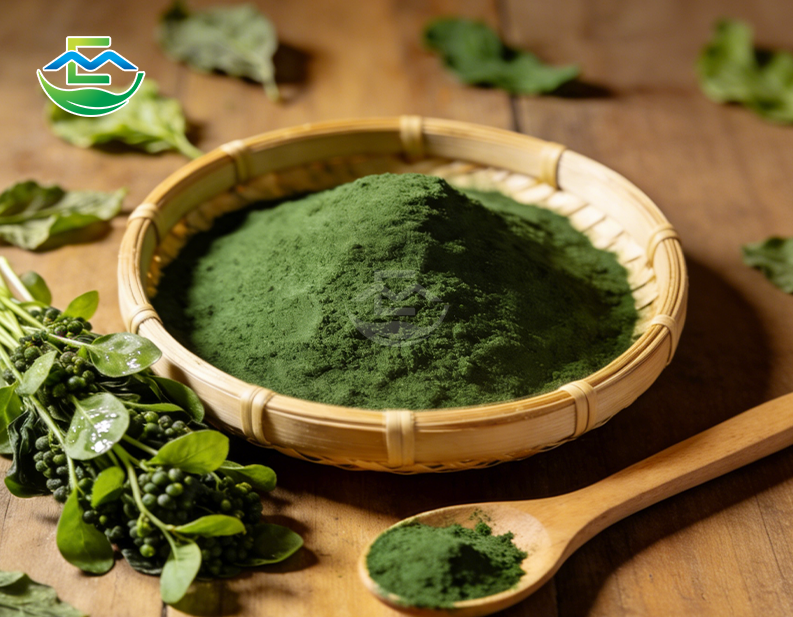
When evaluating, pure Chlorella Powder consistently surfaces as a trending ingredient. Derived from the single-celled green algae Chlorella pyrenoidosa, this fine green powder has captured attention across and cosmeceutical sectors. However, distinguishing genuine biochemical capabilities from marketing narratives remains essential. With high protein density (55-65% dry weight), complete amino acid profiles, and distinctive Chlorella Growth Factor (CGF) compounds, this ingredient offers measurable advantages—yet not all claims withstand scrutiny. This analysis separates validated mechanisms from exaggerated promises, equipping procurement professionals with clarity for sourcing decisions.


Understanding Pure Chlorella Powder and Its Detox Claims
What Defines Authentic Chlorella Powder Quality
High-quality chlorella powder comes from growing Chlorella pyrenoidosa under controlled conditions in freshwater, then spray-drying it and breaking down its cell walls in a very important way. The natural cellulose cell wall is hard for the body to absorb. If it isn't mechanically broken down with >95% crackage rates using Dyno-Mill or low-temperature pressure expansion technology, it stays below 40% digestible. Premium formulas get around this problem, increasing vitamin intake by more than 80% while keeping heat-sensitive molecules like CGF and chlorophyll porphyrins. Mesh sizes between 120 and 200 make sure that the mixture is suspensible in liquids, which is a common problem in production.
Pure Chlorella Powder versions are different from weakened ones because they don't have any excipients, fillers, or maltodextrin. The lab should confirm that the chlorophyll concentration is more than 2,000 mg/100g, the moisture content is less than 7%, and the ash content is less than 8%. These levels are much higher than the standards for spirulina. To avoid sensitivity reactions, phenolphthalein levels must stay below 60%, which is a detail that is often missed in cheaper products.
Biochemical Mechanisms Behind Heavy Metal Binding
Chlorella's reputation for detoxification comes from its ability to bind heavy metals through polysaccharides and peptide complexes in its cell wall. Studies in the lab show that cadmium, lead, and mercury ions can be chelated in controlled settings. The sporopollenin part inside broken cell walls binds to these metals, which makes it easier for them to pass through gut systems without being reabsorbed.
The amount of chlorophyll and carotenoids in plants determines their antioxidant activity. These chemicals fight oxidative stress markers in cell tests. The CGF nucleotide-peptide complex, which makes up 3–5% of biomass, helps cells grow again. Even tho these compounds have real effects, they are hard to measure because they depend on how they are processed and how concentrated they are in the final product.
Separating Evidence from Marketing Exaggeration
A lot of the time, marketing stories exaggerate promises of miracle cleansing or quick detoxification. Real biochemical processes work slowly, so you need to keep taking them for weeks instead of days. The high protein and micronutrient content of algae helps improve nutrition, which in turn benefits metabolic processes. This is very different from active pharmaceutical involvement.
There is no direct way for chlorella to "extract" toxins from deep tissue stores or "cleanse" systems. Instead, it gives the body nutrients and binding agents that help the natural processes of elimination that are already going on in healthy systems. Instead of taking broad promises of cleansing that aren't backed up by research, procurement teams should compare what suppliers say to published study parameters.

Evaluating the Health Benefits and Possible Side Effects
Validated Nutritional and Functional Advantages
Chlorella pyrenoidosa powder is useful for sports nutrition and meal replacements because it contains protein, which gives you all the essential amino acids. Bioavailability of vitamin B12 is a topic of discussion, but plant-based product makers are interested in its presence. Micronutrient fortification strategies are supported by high levels of iron, magnesium, and zinc.
Show that is changed, which may be connected to beta-glucan polysaccharides and CGF compounds that boost. Fiber levels and prebiotic benefits are linked, but everyone reacts differently. In cosmeceuticals for the skin, chlorophyll and antioxidant qualities are used to make products that target oxidative stress markers. For dermal compatibility, the particles need to be very small (<5 microns).
Dosage Considerations for Product Development
Powder forms are useful for making liquid suspensions, capsules, and tablets that are compressed. Most people take between 2 and 5 grams of the drug every day, but B2B formulas change concentrations based on delivery methods and target groups. Tablet applications benefit from chlorella's ability to stick together after it has been disrupted, which reduces the need for excipients and saves money on manufacturing costs.
Because of their thixotropic properties, liquid matrices make it hard to make suspensions that stay stable. Getting rid of the characteristic "fishy" taste of algae in consumer goods usually means using flavor systems or blend formulations with botanicals that go well with the algae. When proteins are thermally stable, they keep their shape during cold-pressing or extrusion processes. This means that they can be used in more energy bars and snacks with added nutrients.
Responsible Usage Guidelines for B2B Applications
Good pure Chlorella Powder doesn't absorb water easily, which helps keep products stable during production and gives them a longer shelf life when kept properly. Controlling cultivation and standardizing processes are two of the most important things that determine the consistency of one batch to the next during provider checks. Traceability documentation should show where the raw materials came from all the way to the final packaging. This is what North American and European regulators expect.
Some groups need different formulas or extra care when using them, especially those who are sensitive to algae or can't get certain minerals. When working with powder, people who move large amounts of it should take the right steps to keep the dust under control, since tiny bits can make it hard to breathe in factories. In production sites, risk estimates and handling practices are affected by these practical factors.

Market Comparison: Pure Chlorella Powder vs Other Green Superfoods
Nutritional Differentiation Across Green Ingredients
Spirulina has about the same amount of protein as chlorella, but it doesn't have the unique CGF chemicals that chlorella does. The bioavailability problem is solved by spirulina's softer cell wall, but the unique polysaccharide structures that help with binding are lost. Wheatgrass has a lot of chlorophyll and enzymes, but not a lot of protein, which makes it a different choice for preparation techniques.
Matcha has catechin antioxidants and caffeine, which makes it useful for making, in addition to adding nutrients to chlorella. When compared to chlorella's full protein makeup, the amino acid L-theanine in matcha creates a different market positioning. Because of what the companies that make the products say about them and what customers want, each pure Chlorella Powder fits into a certain category.
Organic Certification and Cultivation Standards
Organic chlorella farming doesn't use synthetic pesticides and focuses on environmentally friendly ways to grow the algae, which leads to higher prices when buying it. Certification standards, like USDA Organic, EU Organic, and JAS, check how crops are grown and how they are processed. This affects the trustworthiness of suppliers and their ability to get into markets. Non-organic alternatives may be cheaper in situations where organic certification doesn't affect the decision to buy.
The environments where plants are grown have a big effect on the profiles of contaminants. Closed photobioreactor systems are easier to manage than open pond farming, which lowers the risk of polluting the environment. The purity of the final product is affected by the quality of the water source, the nutrients added, and the timing of harvesting. These are the factors that set trustworthy manufacturers apart from dishonest suppliers. These things explain price differences and help decide which purchases to make first.
Sourcing Pure Chlorella Powder for B2B Procurement
Critical Supplier Evaluation Criteria
Not only do organic brands have their own certifications, but so do NSF GMP, FSSC22000, Kosher, Halal, and ISO standards. Each of these meets the needs of a different market and quality system. Heavy metal screening, microbial analysis, and nutrient verification against stated specifications should all be part of batch-level testing protocols. Suppliers who give Certificate of Analysis paperwork that has been validated by a third-party lab show that they care about quality.
Cell wall disruption proof is a technical requirement that is often left out of quick source evaluations. The stated cracking rates are confirmed by microscopic analysis or digestibility tests, which have a direct effect on the bioavailability of the end goods. Traceability systems that keep track of batches of plants from cultivation to processing help with recalls and following the rules, tho the capabilities of these systems vary a lot between suppliers of pure Chlorella Powder.
Logistics and Commercial Considerations
The smallest amount you can buy is usually 25 kg, which is packed in drums made for handling ingredients. Prices based on volume are based on economies of scale, with big cost cuts happening when multiple tons are ordered. Lead times depend on where the inventory is located. For example, sellers who keep stock in regional stores can fulfill orders quickly, while production-to-order models need more time.
Total landed costs are affected by shipping logistics, especially when buying things from other countries. When suppliers run warehouses in the U.S., they avoid delays caused by imports and make it easier for goods to get to factories in the U.S. Four regional warehouse networks across the US are a strategic advantage because they make supply lines more flexible and able to respond to changes in demand and shorter production cycles.
Strategic Partnership Opportunities
OEM and bulk order capabilities show that the supplier is ready to work with you on custom formulations and private label projects. Value-added partners are different from transactional sellers because they offer technical support services like formulation advice, help with stability testing, and regulatory guidelines. Suppliers with in-house research and development teams and high-tech extraction tools show they can come up with new ways to do things for specific applications.
Samples being available shortens the time it takes to evaluate, so formulas can be tested before big orders are made. Free sampling policies make it easier for procurement teams to try out new ingredients. Second-day pickup from stocked inventory shows business efficiency and customer-focused operations. This is especially helpful for product launches or inventory replenishment situations that need to happen quickly.

Making an Informed Decision: Debunking Myths and Choosing the Right Product
Common Misconceptions Undermining Procurement Quality
If you think that all pure Chlorella Powder has the same nutritional value, you're not taking into account important handling factors. Nutrient retention and solubility are greatly affected by how fast the cell wall is broken down, how hot it is dried, and how it is stored. If you only look at price per kilogram without also looking at how complex the processing is, you might end up with formulations that don't work as well and users who are disappointed.
When you mix up chlorella species, especially Chlorella vulgaris and Chlorella pyrenoidosa, you get differences in makeup that affect how well the algae work. Both are healthy, but small differences in the amounts of protein and growth factors may affect how the formulation turns out. To make sure that all supply batches are the same, specification sheets should clearly list species and handling methods.
Practical Quality Assessment Framework
Claims in marketing that stress "miracle detox" abilities without providing a mechanism for action should be taken with a grain of salt. Instead of making hazy claims about purification, honest providers back up their claims with study references and biochemical explanations. This openness sets science-based suppliers apart from those who put more emphasis on marketing stories than on real product knowledge.
Nutrient density verification through independent lab research backs up the protein rates, chlorophyll amounts, and micronutrient profiles that were reported. Screening for heavy metals, pesticide residues, and microbial loads protects the integrity of the formulation and makes sure that it meets regulatory requirements. Tolerances for specifications should set acceptable ranges instead of single-point targets. This way, natural variations in biological materials can be taken into account while quality standards are still met.
Aligning Chlorella Powder with Market Demands
Supplier checks that look at growing facilities, processing equipment, and quality control systems show more about how things work than just reading the paperwork. When it's not possible to go to a place in person, virtual tours or audit reports from a third party can be used instead. These tests find risks related to cross-contamination, sanitation rules, and batch separation, all of which have a direct effect on how consistent the product is.
Clean-label products with recognizable ingredients and little processing are becoming more and more popular with consumers. These standards are met by chlorella's use of the whole plant and lack of solvent extraction, which puts it in a good place in natural product categories. The fine green powder's plant origin story fits with the need for openness in food and markets. Regulatory settings in different areas have different rules about new chemicals and health claims. Time-to-market for new products with this ingredient is sped up by suppliers who keep complete regulatory paperwork and claims justification files.
Conclusion
Pure Chlorella Powder from Chlorella pyrenoidosa has been shown to improve nutrition and has useful traits when it is found with care for processing quality and seller trustworthiness. Heavy metal binding, antioxidant activity, and metabolic support are some of the biochemical mechanisms that help with detoxification. These mechanisms work within certain limits that responsible marketing should accurately show. To be successful in procurement, you can't just believe what a seller says; you need to look at how often their cell walls are broken, their certifications, how they stop contamination, and their specialized skills. As clean-label trends and a preference for natural ingredients continue to shape formulation strategies, chlorella powder offers strategic opportunities in food and cosmetics applications when combined with realistic performance expectations and strict quality standards.
FAQ
1. What distinguishes high-quality chlorella powder in B2B procurement?
Cell wall breakdown rates of premium pure Chlorella Powder are higher than 95%, which can be proven by microscopic analysis or digestibility tests. Quality systems and growing methods are checked by certifications like NSF GMP, FSSC22000, and organic qualifications. Specifications should list the amount of protein (55–65%), chlorophyll (>2,000 mg/100g), and contaminants that are allowed. These should be backed up by Certificates of Analysis from accredited laboratories that are specific to each batch. Traceability documentation and technical support from suppliers show that they are reliable enough to be used for procurement.
2. How does organic certification impact chlorella powder applications?
Organic approval proves that crops were grown without using synthetic pesticides and that sustainable production methods were followed. This allows natural product lines to get into more markets and earn higher prices. USDA Organic and EU Organic are two certification groups that have different rules about how product claims and label statements should be written. For situations where certification doesn't affect buying decisions, non-organic alternatives may be sufficient. They are cheaper and still have the same nutritional value when they come from environments that keep contaminants at bay.
3. What processing factors affect chlorella bioavailability?
The natural cellulose cell wall stops nutrients from being absorbed below 40% without breaking down the cell. Using techniques like Dyno-Mill processing or low-temperature pressure expansion breaks more than 95% of the cell walls, making the food more digestible more than 80% of the time while keeping heat-sensitive compounds. Spray drying temperatures and storage conditions also have an effect on how nutrients are kept, which is why the processing technique is an important specification in procurement reviews that go beyond basic compositional analysis.
Partner with EM for Premium Chlorella Powder Supply
EM's wide range of services meets the strict quality standards needed by procurement teams looking for trusted pure Chlorella Powder providers. As a well-known manufacturer that has been based in California since 2018, EM has four strategic U.S. warehouses that allow for same-day order fulfillment. This is a logistical advantage that keeps domestic formulation facilities from having to wait for imported goods. The Chlorella pyrenoidosa powder that is sent meets strict requirements: it is a fine green powder that comes from processing the whole plant and is packed in 25 kg drums, with a 25 kg minimum order. Full certification portfolios include NSF GMP, FSSC22000, Kosher, Halal, ISO, and Organic credentials, meeting a wide range of regulatory needs in food applications. Free samples make it easier to try formulations before committing to large quantities, and having inventory on hand helps supply lines be flexible. EM is a scientific partner that goes beyond just supplying ingredients because it has advanced R&D facilities and extraction technologies. Email the team at info@em-herb.com to talk about your needs for bulk chlorella powder and find out how EM's quality systems and delivery network can help your manufacturing strategies.
References
1. Merchant, R.E., Andre, C.A., and Sica, D.A. "Nutritional Supplementation with Chlorella pyrenoidosa for Patients with Fibromyalgia Syndrome: A Pilot Study." Phytotherapy Research, 2001, 15(2), 91-94.
2. Nakano, S., Takekoshi, H., and Nakano, M. "Chlorella pyrenoidosa Supplementation Reduces Dioxin and Increases Immunoglobulin A Concentrations in Breast Milk." Journal of Medicinal Food, 2007, 10(1), 134-142.
3. Panahi, Y., Darvishi, B., Jowzi, N., et al. "Chlorella vulgaris: A Multifunctional Dietary Supplement with Diverse Medicinal Properties." Current Pharmaceutical Design, 2016, 22(2), 164-173.
4. Ryu, N.H., Lim, Y., Park, J.E., et al. "Impact of Daily Chlorella Consumption on Serum Lipid and Carotenoid Profiles in Mildly Hypercholesterolemic Adults." Nutrition Research and Practice, 2014, 8(2), 186-191.
5. Shibata, S., Natori, Y., Nishihara, T., et al. "Antioxidant and Anti-cataract Effects of Chlorella on Rats with Streptozotocin-Induced Diabetes." Journal of Nutritional Science and Vitaminology, 2003, 49(5), 334-339.
6. Vijayavel, K., Anbuselvam, C., and Balasubramanian, M.P. "Antioxidant Effect of the Marine Algae Chlorella vulgaris Against Naphthalene-Induced Oxidative Stress in Albino Rats." Molecular and Cellular Biochemistry, 2007, 303(1-2), 39-44.