- English
- French
- German
- Portuguese
- Spanish
- Russian
- Japanese
- Korean
- Arabic
- Irish
- Greek
- Turkish
- Italian
- Danish
- Romanian
- Indonesian
- Czech
- Afrikaans
- Swedish
- Polish
- Basque
- Catalan
- Esperanto
- Hindi
- Lao
- Albanian
- Amharic
- Armenian
- Azerbaijani
- Belarusian
- Bengali
- Bosnian
- Bulgarian
- Cebuano
- Chichewa
- Corsican
- Croatian
- Dutch
- Estonian
- Filipino
- Finnish
- Frisian
- Galician
- Georgian
- Gujarati
- Haitian
- Hausa
- Hawaiian
- Hebrew
- Hmong
- Hungarian
- Icelandic
- Igbo
- Javanese
- Kannada
- Kazakh
- Khmer
- Kurdish
- Kyrgyz
- Latin
- Latvian
- Lithuanian
- Luxembou..
- Macedonian
- Malagasy
- Malay
- Malayalam
- Maltese
- Maori
- Marathi
- Mongolian
- Burmese
- Nepali
- Norwegian
- Pashto
- Persian
- Punjabi
- Serbian
- Sesotho
- Sinhala
- Slovak
- Slovenian
- Somali
- Samoan
- Scots Gaelic
- Shona
- Sindhi
- Sundanese
- Swahili
- Tajik
- Tamil
- Telugu
- Thai
- Ukrainian
- Urdu
- Uzbek
- Vietnamese
- Welsh
- Xhosa
- Yiddish
- Yoruba
- Zulu
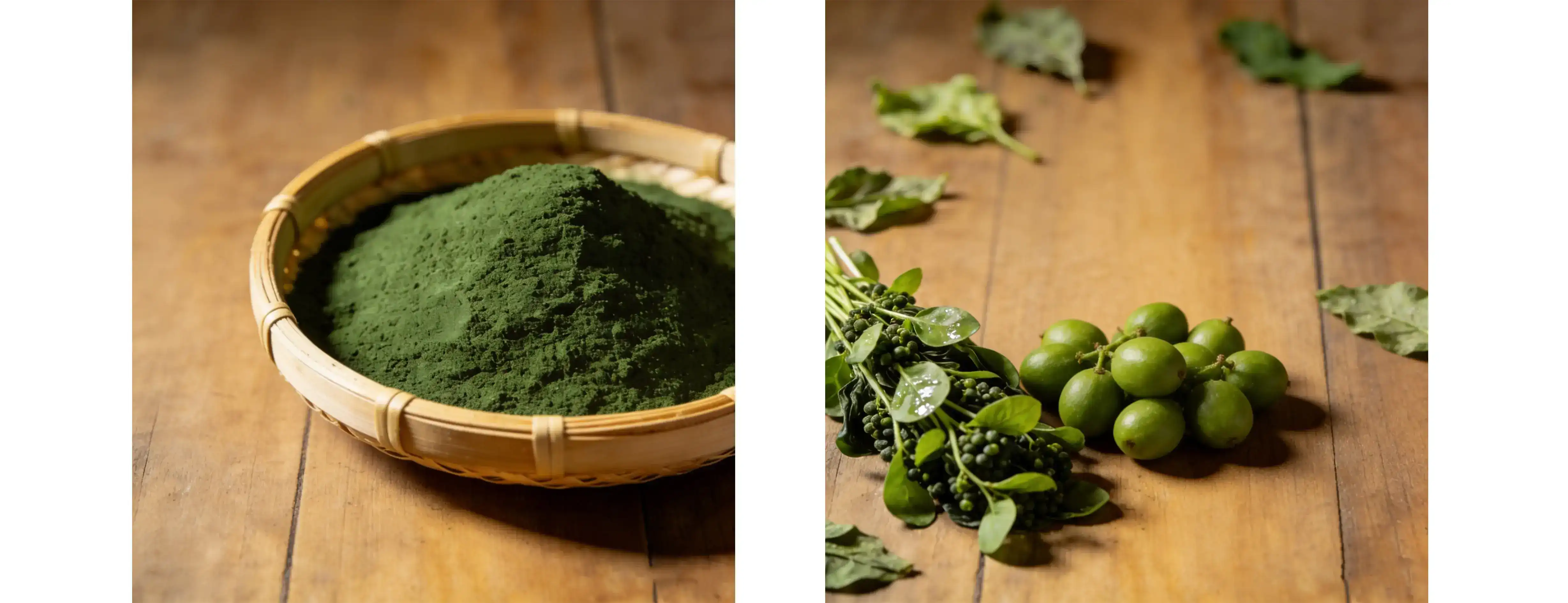
When looking for plant-based products with the highest quality and nutritional value, pure Chlorella Powder stands out as a green superfood that comes from the tiny freshwater algae Chlorella pyrenoidosa. This single-celled organism is grown in controlled conditions and has high protein levels (55–65% dry weight) and all the necessary amino acids. This makes it an important material for functional foods, and cosmetic uses. Working with B2B procurement teams has shown us that companies consistently pick this emerald-green powder because it meets important industry needs, such as consistent quality from batch to batch, proven bioavailability through advanced cell wall disruption technology, and full international certifications. As clean-label and plant-based trends change what consumers want across North American markets, adding this nutrient-dense algae to your product line gives you a real edge over the competition.
Introduction
Pure Chlorella Powder is a smart ingredient choice that blends old knowledge about nutrition with cutting-edge processing skills. This fine green powder comes only from Chlorella pyrenoidosa grown in clean watery settings. The cell walls are broken mechanically, achieving> 95% breakage rates. This turns an algae that can't be digested into a highly bioavailable superfood ingredient. Working with R&D directors, formulation managers, and procurement teams for years, we've seen how this ingredient solves problems that keep coming up with regard to ingredient stability, compliance, and meeting customer demands for clear, natural formulas. The powder is very stable at different pH levels (4–9) and can handle short periods of heat processing up to 120°C. This makes it easy to incorporate into a wide range of products, from pills and capsules to functional drinks and skin care formulas. Premium-grade chlorella is different because it has a higher percentage of Chlorella Growth Factor (CGF), a nucleotide-peptide complex that makes up 3–5% of the biomass and stays whole when processed properly.
Understanding Pure Chlorella Powder: Nutritional Powerhouse and Health Benefits
Botanical Origin and Processing Excellence
In regulated agricultural systems that meticulously manage water quality, light, and nutrients, Chlorella pyrenoidosa thrives. When cell nutrients are at their maximum, harvesting occurs at the peak of growth. There are various crucial phases from live algae to final powder that impact quality. After collection, biomass is centrifuged to separate cells. Spraying at regulated temperatures dries it to protect heat-sensitive compounds. The most crucial stage in processing is using Dyno-Mill technology to generate precise pressure differentials to break down thick cellulose cell walls without destroying essential phytonutrients. This mechanical approach preserves vitamins, CGF, and chlorophyll porphyrins and achieves digestion rates of 80%, outperforming chemical hydrolysis and heat.
Comprehensive Nutritional Profile
Pure chlorella powder should be considered a food ingredient rather than a plant extract due to its nutritional profile. Dry-weight protein is 55–65% and includes all nine essential amino acids in quantities that enable the body to function. Chlorophyll content in 100g exceeds 2,000mg, making it a greater green superfood than spirulina. Micronutrient analysis showed significant quantities of vitamin C; iron; trace minerals, including zinc and selenium; and B-complex vitamins, such as naturally occurring B12, that may be utilized in vegan formulations. The lipid portion contains omega-3 fatty acids, mostly ALA, which preserve the substance. Special carbs alter the immune system. This makes the powder beneficial for more than dietary supplements.
Functional Applications Across Industries
Chlorella's nutritional profile helps various manufacturers achieve their aims. Nutraceuticals employ the powder in detoxification recipes because it binds to environmental toxins and provides full nutrition while cleansing. Sports nutrition manufacturers like complete amino acid profiles and natural growth factors for clean-label physical performance products. The antioxidants and algae in chlorella are used to manufacture anti-aging serums, face masks, and natural colorant systems that can replace synthetic colors. Functional food producers employ the powder's pH stability and high-temperature stability to create green smoothie bases, fortified plant-based yogurt, and nutrient-dense snacks that remain brilliantly colored.

How to Use Pure Chlorella Powder Effectively in Your Business and Products
Formulation Considerations for Maximum Efficacy
Successfully integrating goods requires understanding the physicochemical features of pure Chlorella Powder that impact production procedures. Compressed powder stays together. It may be used as a tablet binding agent without magnesium stearate or silicon dioxide, helping clean-label production. Fine mesh (120–200 mesh) ensures capsules flow readily through automated encapsulation equipment and are always the right quantity. Specifications for moisture content below 7% prevent clumping during storage and processing; however, formulators should regulate humidity in manufacturing circumstances. When used with drinks, the powder responds differently in water-based solutions and must be blended properly. Slowly adding water while mixing at high shear levels prevents powder from adhering and generates stable, long-lasting mixes.
Dosage Guidelines and Usage Protocols
Appropriate usage balances nutritional value, cost, and flavor and fragrance. Maintenance health supplements typically include 1–3 grams per serving. Intense nutritional support items include 5–10 grams. Functional foods typically include 0.5–2% pure chlorella powder by weight. Incorporates nutrients without dominating base flavors. Beauty products usually include 1% to 3% natural botanicals, and the green color indicates this. Product designers should evaluate a product's stability throughout its shelf life. In customer-like settings, they should monitor color retention (to prevent pheophytin production), microbiological stability, and active component degradation.
Storage and Handling Best Practices
To preserve chlorella's sensitive chemicals from warehouse to completed product, strict storage standards must be observed. Aluminised bags vacuum-sealed in 25-kilogram drums contain the powder. These bags keep powder from air, light, and dampness, which break it down. Warehouses should maintain temperatures at 25°C and relative humidity below 60%. Use climate-controlled settings in adverse conditions. To remove oxygen, containers should be resealed immediately using induction sealing or nitrogen cleaning. Inventory management should follow FIFO (first-in, first-out), although properly stored chlorella will last 18–24 months. To prevent cross-contamination and reactive breakdown from air-exposed residual powder, processing equipment should be cleaned between batches.
Choosing the Right Pure Chlorella Powder: A Definitive Procurement Guide
Quality Indicators and Certification Requirements
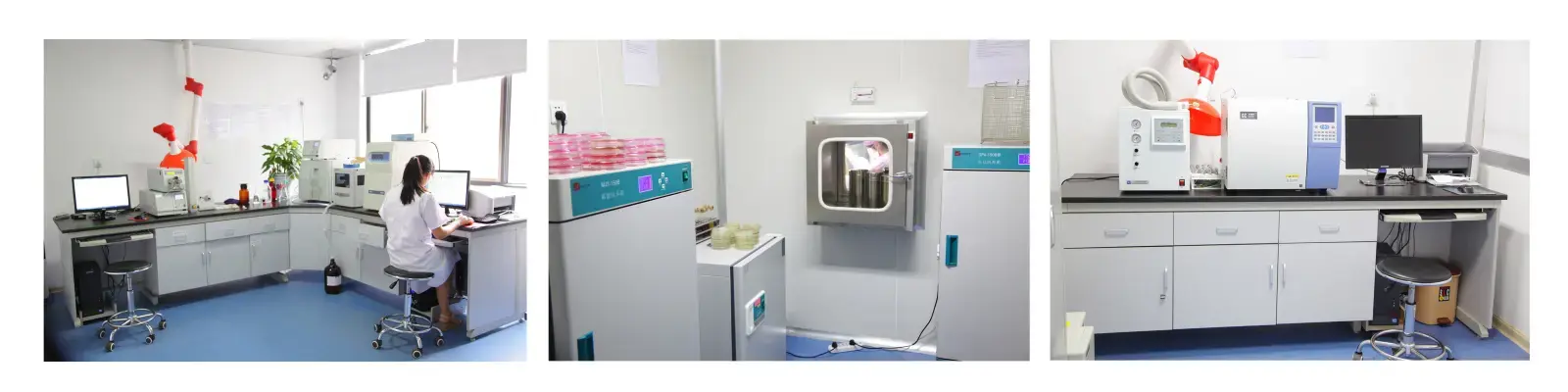
You can differentiate high-quality pure Chlorella Powder from cheap chlorella by looking at quality parameters that determine product performance and compliance with laws. The finest grades have ash content below 8%. High ash levels indicate that the food was contaminated by the culture medium or wasn't rinsed adequately before harvest, reducing protein and chlorophyll. Another indicator is cell wall breakdown rate. Good processors shatter cell walls over 95% of the time, as observed under a microscope. Buyers should check each batch's Certificates of Analysis (COA) for protein, chlorophyll, moisture, and heavy metals to ensure they meet FDA and EU standards.
Leading vendors hold entire certification packages for many markets. Our pure Chlorella powder is certified by NSF GMP, FSSC22000, and organic (USDA Organic, EU Organic) standards, meaning it was grown without manmade fertilizers or pesticides. Brands targeting these populations may enter new markets with Kosher and Halal permits. These certificates demonstrate that the supplier has invested much in quality infrastructure and is committed to excellence beyond product standards.
Comparative Analysis: Chlorella versus Alternative Algae Powders
Knowing how pure Chlorella Powder differs from spirulina and other algae helps you pick ingredients for your product. Both chlorella and spirulina contain a lot of protein, but chlorella's cell wall structure is more complete (even when torn), giving it a fibrous component. This impacts algae digestion and solids formation. Chlorella contains more chlorophyll than spirulina, making it preferable for marketing claims or functional purposes that need green pigments. CGF is unique to chlorella but not spirulina. This allows businesses with cellular healing stories to position themselves differently. Spirulina has a smoother flavour and is simpler to digest without processing its cell walls, making it superior for various purposes. Since they function with separate product lines, procurement strategies may incorporate both forms of algae instead of replacing them.
Supplier Evaluation and Risk Mitigation
Research beyond pricing and sample comparisons is necessary to develop reliable supplier chains. Qualified vendors monitor the algae from growth to packing with transparent tracking mechanisms. These systems test the water supply, record batch processing, and have a third-party lab verify the data. Site audits, performed by the firm or a third party, verify that the supplier's claims concerning tools, quality methods, and capacity match reality. Current clients in similar sectors may recommend a supplier based on their reliability during high demand, quality response time, and flexibility with unique specifications and packaging.
Recent global challenges that have made materials tougher to procure have made supply chain robustness more vital. Qualified vendors retain adequate raw materials and finished items in stock, provide alternative processes, and are financially secure enough to survive market volatility. Suppliers with US operations provide quicker lead times, cheaper shipping costs, simpler regulatory compliance, and improved communication across time zones and languages.

Procurement Strategies: Where and How to Buy Pure Chlorella Powder in Bulk
Sourcing Channels and Supplier Types
When businesses buy pure Chlorella Powder, they usually do so through a few different routes, and each one has its own benefits that depend on the needs of the business and the amount being bought. When you work directly with a manufacturer, you have the most control over the specs, can get low prices at scale, and can make changes to how the product is processed or packaged. This method works well for well-known brands that need to keep their volume requirements steady and have the technical tools to handle their relationships with suppliers. Ingredient wholesalers bring together goods from many different makers, lowering the minimum order quantity and making logistics easier by combining shipments. This makes them appealing to new brands or companies trying out new product ideas before committing to big inventory positions. Online business-to-business (B2B) platforms connect buyers with suppliers around the world. They make it easier to find prices and compare suppliers, but they need to be carefully screened to make sure they meet quality standards and legal requirements.
Pricing Dynamics and Cost Management
The price of pure chlorella powder depends on a lot of different factors that purchasing professionals need to know about in order to negotiate well and make accurate cost estimates. Base prices are directly linked to quality standards. For example, organic certification, high cell wall disruption rates, and thorough testing methods command higher prices, which are supported by better product performance and lower regulatory risk. Order volume has a big effect on unit costs. At 500 kg, 1000 kg, and multi-ton commitment levels, prices usually drop by a lot as providers spread out setup costs and make the best use of production schedules. Price changes are caused by things in the market, like the supply of algae biomass, the cost of energy for processing, and changes in world demand. To control cost exposure, you need to use strategies like forward contracts or a variety of supplier relationships.
Transportation is a big part of the cost of buying bulk powder, especially when you're buying from another country. The real picture of the economy can be seen by looking at the total landed cost instead of the FOB price. This includes the costs of freight, customs taxes, storage, and handling. Buying from sellers in the United States can often save you money in the long run, even if the individual prices are higher. This is because you don't have to pay for foreign shipping, wait times are cut, and managing your inventory is made easier.
Supply Chain Optimisation for B2B Operations
Establishing effective supply chain operations changes chlorella buying from a one-time purchase to a strategic skill that helps the business grow. Demand planning using sales forecasts, seasonal patterns, and new product launches lets you make the best buying plans that balance the costs of keeping inventory with the risks of running out and the costs of rush orders. When you figure out your safety stock, you should take into account how long it takes for suppliers to deliver, how volatile demand is, and how important chlorella is to your product formulations—whether it's a main ingredient that needs to be available all the time or a secondary ingredient that can be used in place of chlorella when it's not available.
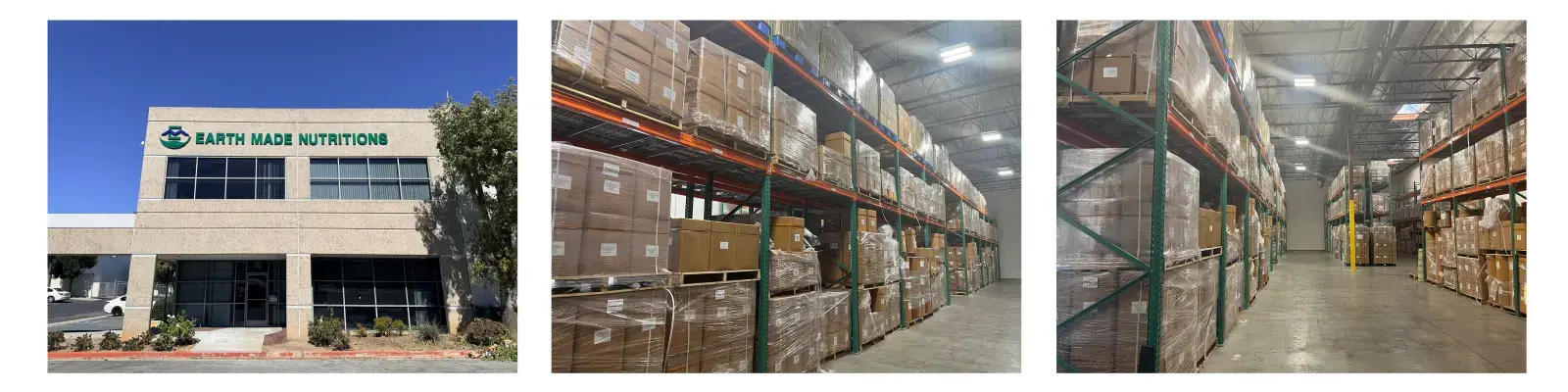
Strategies for storing things have a big effect on the quality of the ingredients and how well the business runs. Companies that use a lot of chlorella need specialized climate-controlled storage to keep the right temperature and humidity levels. Companies that don't have a lot of storage space or have more than one site can benefit from sellers with warehouses in the USA that offer just-in-time delivery, consignment inventory arrangements, or drop-shipping straight to contract makers. Our company has four strategically placed warehouses across the United States. This allows for two-day shipping to most places and allows for flexible buying plans that work with your production schedules without forcing you to commit to large amounts of inventory that tie up your working capital.
Future Trends and Innovations in Pure Chlorella Powder for B2B Industries
Emerging Applications and Market Evolution
Pure Chlorella Powder's uses keep growing as scientists find out more about its useful properties and formulators come up with new ways to give ingredients that take advantage of the ingredient's special properties. Chemicals from chlorella are being looked at more and more as natural starting places for drug discovery in the pharmaceutical industry. These chemicals are mostly focused on metabolic health and cellular health pathways. Specialist cosmetics use chlorella in high-end anti-aging systems, pollution-fighting products, and natural color cosmetics instead of manufactured pigments because chlorophyll-based hues are more stable. New uses for food include plant-based protein isolates with chlorella added, fermented drinks with live algae cultures, and sustainable aquaculture feed formulas that use less wild-caught fishmeal.
As consumer tastes change toward sustainable agriculture, carbon-negative ingredients, and circular economy principles, chlorella is positioned to benefit because of how it can be grown. When compared to traditional crops, algae farming needs much less land. It also produces biomass quickly, with multiple harvests each year, and actually absorbs carbon dioxide during growth. These are all qualities that consumers who care about the environment value, and they also match up with corporate sustainability commitments that are becoming more important in procurement decisions.
Processing Technology Advancements
Algae processing is always getting better, which improves product quality and lowers the cost of production. This helps both sellers and their B2B customers by giving them better supplies at lower prices. When compared to traditional outdoor pond systems that can get contaminated and change with the seasons, advanced farming systems that use LED lights improve photosynthesis efficiency and nutrient density while using less energy. Better disruption technologies break down cell walls more often and with less mechanical stress, which protects delicate phytonutrients and raises absorption without lowering nutritional integrity.
Different extraction methods separate different parts of chlorella for specific uses. For example, pure CGF extracts are used in high-end health products, purified chlorophyll is used as a natural colorant, and protein isolates compete with soy and pea alternatives in the plant-based nutrition market. These unique ingredients cost a lot, but they allow brands that want to appeal to more educated customers to make accurate claims about their products.
Strategic Positioning for Competitive Advantage
These trends should be taken into account when making decisions about where to buy things and how to work with suppliers. This way, companies can be ahead of changes in the market instead of just responding to them. Using suppliers with strong research and development (R&D) skills who are ready to work with you on custom requirements or new uses gives you a competitive edge that brands that rely on generic ingredients don't have. Getting organic certification and environmental credentials ahead of rivals gives you a market edge as these things move from being niche tastes to being expected by everyone.
Creating long-term, open, and mutually beneficial relationships with strategic suppliers turns procurement from a cost center into a value-creating function that supports innovation, quality leadership, and reliable operations that allow for confident market growth.
Conclusion
Finding high-quality pure chlorella powder means balancing a lot of different factors, such as product quality, source trustworthiness, legal compliance, and total cost of ownership. The ingredient is a great addition to nutraceutical, functional food, and cosmetic recipes because it has a great nutritional profile, can be used in a wide range of ways, and fits with customer trends toward clean-label, plant-based goods. To be successful, you need to work with providers who can show consistent quality through thorough certifications, clear tracking, and technical help for your formulation goals. When companies use smart purchasing practices and see chlorella's potential, they can take advantage of growing market opportunities among health-conscious customers who want brands that are real, effective, and sustainable.
FAQ
1. What is the typical shelf life of bulk chlorella powder under proper storage conditions?
Premium pure Chlorella powder stays at its best for 18 to 24 months if it is kept in the right way, in sealed, light-protected containers at temperatures below 25°C and humidity below 60%. When quality goes down, color fades because chlorophyll turns into pheophytin, and omega-3 fatty acids can go bad if they come into contact with air. Aluminized bags that are vacuum-sealed offer better safety than regular packing.
2. How can buyers successfully check the authenticity of a seller and the quality of a product?
Ask for Certificates of Analysis from third-party labs that are recognized by the government that prove the protein content, chlorophyll concentration, heavy metal screening, and microbial testing for each batch. Instead of depending only on the certificates that are given, check the supplier's certifications through the records of the organizations that issued them. Samples should always be a fine green color without turning brown, have a light algae smell without any other smells, and have the right mesh size, which can be proven through sieve analysis. References from past customers can help you figure out how reliable and consistent a business will be in the long run.
3. Does chlorella powder work effectively in acidic beverage formulations?
High-quality chlorella stays stable at pH levels between 4 and 9. This means it can be used in a wide range of drinks, from slightly acidic functional drinks to green smoothies. Using the right preparation methods, such as high-shear mixing and slow hydration, keeps the mixtures from clumping and makes them solid. Some colour intensity may fade in very acidic (pH below 4) settings, but this depends on the ingredients in the recipe and how it is processed, so each product needs to be tested for stability.
Partner with Earth Made Nutritions Inc for Premium Chlorella Powder Supply
Earth Made Nutritions Inc. sells high-quality pure chlorella powder that comes from Chlorella pyrenoidosa and is made in a state-of-the-art plant in California to pharmaceutical-grade standards. Our products must have a protein content of 55 to 65%, chlorophyll levels above 2,000 mg/100g, moisture levels below 7%, and cell wall breakdown rates above 95% to make sure they are as bioavailable as possible. We are committed to quality that meets the highest world standards, as shown by our NSF GMP, FSSC22000, Kosher, Halal, ISO, and USDA Organic certificates. We keep four key warehouses across the United States so that we can deliver within two days to meet your business needs without having to keep too much inventory on hand.
The flexible minimum order quantity of only 25 kg, the free samples for formulation testing, and the quick technical help from our experienced R&D team with cutting-edge extraction tools are all things that procurement teams like. Our pure Chlorella Powder source can help you meet your goals for product creation and brand differentiation, whether you're making dietary supplements, functional foods, cosmetics, or other unique uses for pure Chlorella Powder. You can talk to our team at info@em-herb.com about your specific needs, ask for samples, and look into bulk pricing structures.
References
1. Nakano S, Takekoshi H, Nakano M. "Chlorella pyrenoidosa supplementation reduces the risk of anemia, proteinuria and edema in pregnant women." Plant Foods for Human Nutrition, vol. 65, no. 1, 2010, pp. 25-30.
2. Panahi Y, Darvishi B, Jowzi N, Beiraghdar F, Sahebkar A. "Chlorella vulgaris: A Multifunctional Dietary Supplement with Diverse Medicinal Properties." Current Pharmaceutical Design, vol. 22, no. 2, 2016, pp. 164-173.
3. Merchant RE, Andre CA. "A review of recent clinical trials of the nutritional supplement Chlorella pyrenoidosa in the treatment of fibromyalgia, hypertension, and ulcerative colitis." Alternative Therapies in Health and Medicine, vol. 7, no. 3, 2001, pp. 79-91.
4. Ryu NH, Lim Y, Park JE, Kim J, Kim JY, Kwon SW, Kwon O. "Impact of daily Chlorella consumption on serum lipid and carotenoid profiles in mildly hypercholesterolemic adults: a double-blinded, randomized, placebo-controlled study." Nutrition Journal, vol. 13, 2014, article 57.
5. Hidaka S, Okamoto Y, Arita M. "A phytochemical in the edible Chlorella pyrenoidosa scavenges peroxynitrite." Journal of Agricultural and Food Chemistry, vol. 52, no. 21, 2004, pp. 6303-6307.
6. Morris HJ, Almarales A, Carrillo O, Bermúdez RC. "Utilisation of Chlorella vulgaris cell biomass for the production of enzymatic protein hydrolysates." Bioresource Technology, vol. 99, no. 16, 2008, pp. 7723-7729.