- English
- French
- German
- Portuguese
- Spanish
- Russian
- Japanese
- Korean
- Arabic
- Irish
- Greek
- Turkish
- Italian
- Danish
- Romanian
- Indonesian
- Czech
- Afrikaans
- Swedish
- Polish
- Basque
- Catalan
- Esperanto
- Hindi
- Lao
- Albanian
- Amharic
- Armenian
- Azerbaijani
- Belarusian
- Bengali
- Bosnian
- Bulgarian
- Cebuano
- Chichewa
- Corsican
- Croatian
- Dutch
- Estonian
- Filipino
- Finnish
- Frisian
- Galician
- Georgian
- Gujarati
- Haitian
- Hausa
- Hawaiian
- Hebrew
- Hmong
- Hungarian
- Icelandic
- Igbo
- Javanese
- Kannada
- Kazakh
- Khmer
- Kurdish
- Kyrgyz
- Latin
- Latvian
- Lithuanian
- Luxembou..
- Macedonian
- Malagasy
- Malay
- Malayalam
- Maltese
- Maori
- Marathi
- Mongolian
- Burmese
- Nepali
- Norwegian
- Pashto
- Persian
- Punjabi
- Serbian
- Sesotho
- Sinhala
- Slovak
- Slovenian
- Somali
- Samoan
- Scots Gaelic
- Shona
- Sindhi
- Sundanese
- Swahili
- Tajik
- Tamil
- Telugu
- Thai
- Ukrainian
- Urdu
- Uzbek
- Vietnamese
- Welsh
- Xhosa
- Yiddish
- Yoruba
- Zulu
Pure Turmeric Root Powder is a whole-plant herbal product produced from Curcuma longa L. that provides concentrated bioactive ingredients, including curcuminoids, essential oils, and polysaccharides, to enhance joint comfort via anti-inflammatory and antioxidant pathways. This natural root powder preserves the original phytochemical matrix and is thus a favoured alternative for formulation specialists seeking clean-label, evidence-backed compounds not available in synthetic or separated supplements. As customer demand for plant-based wellness solutions increases, comprehending their dosage parameters and research basis is key for manufacturers, R&D teams, and procurement managers generating competitive joint health goods.


Understanding Pure Turmeric Root Powder and Its Role in Product Development
What Makes Pure Turmeric Root Powder Unique?
Pure Turmeric Root Powder is not a standardised curcumin isolate or processed rhizome extract, but keeps the whole botanical content of Curcuma longa. The root material is dried and then ground into a fine yellow powder. The powder is typically manufactured to a particle size of 60-80 mesh. This format enables producers to use the powder in a range of product categories such as capsules, tablets, beverage mixes, and other designed goods. Its unique colour, fragrance, and composition profile are due to the presence of naturally occurring curcuminoids, essential oils, and plant-based substances. Whole-root powder has a wider variety of naturally existing components from the original plant material than separated ingredients and is appropriate for firms that need botanical raw materials with little processing.
Botanical Composition and Ingredient Characteristics
Pure Turmeric Root Powder includes curcuminoids, such as curcumin, demethoxycurcumin, and bisdemethoxycurcumin, plus essential oils and polysaccharide components. These naturally occurring components help to make up the overall chemical profile of the ingredient and are key quality indicators for producers assessing botanical raw materials. HPLC testing as an analytical approach may be used to determine the amount of curcuminoids and verify that the product meets criteria. Whole-root powder has a far broader spectrum of botanical constituents than concentrated extracts. Compositional variations between whole powder and extracted substances should be addressed in formulation design, ingredient selection, and product development.
Research Background and Ingredient Evaluation
Several technical investigations have been conducted on the chemical composition and processing features of turmeric-derived compounds. This information may be used as a reference for manufacturers and R&D teams for the evaluation of raw material parameters, manufacturing compatibility, and formulation design. For the B2B purchasers, the value of Pure Turmeric Root Powder is related to quantifiable aspects such as curcuminoid content, raw material origin, processing techniques, stability properties, and supplier quality management systems. Consistency across multiple manufacturing batches is a crucial element of botanical ingredient selection. When producing in large quantities, firms depend on standardised testing techniques so as to have predictable requirements.

Recommended Specifications and Quality Guidelines for Pure Turmeric Root Powder
Evidence-Based Specification Ranges
When making Pure Turmeric Root Powder, producers usually think about a few technical aspects. These include particle size, moisture content, curcuminoid proportion, microbiological restrictions, and storage needs. Supplier paperwork should clearly state product requirements and testing methodologies. Analytical reports may assist in determining if the manufacturing batch satisfies the stipulated requirements. For example, standardised curcuminoid concentration in powder provides a quantitative quality reference for producers when comparing ingredient forms and suppliers.
Ingredient Comparison and Formulation Considerations
Formulation specialists should be aware of distinctions between whole powder and concentrated extracts when choosing additives. Different composition features are present for a powder with about 3% curcuminoids vs a concentrated extract with a substantially greater proportion of separated chemicals. These variations have consequences for ingredient handling, manufacturing processes, cost structure, and ultimate product positioning. Whole powder formulations may provide benefits for organisations looking for botanical ingredients with a wider plant content. When producers want greater levels of concentration or unique component profiles, they use extract forms. The right decision relies on product needs, production processes, target specifications, and marketing strategy.
Formulation Considerations for Product Development
Final product manufacturers using Pure Turmeric Root Powder should consider its physical properties, processing compatibility, and storage demands. The powder's constitution makes it water-insoluble and may form suspensions. It comes in capsules, tablets, oil-based formulations, and dry powders. Product stability and dispersion may improve with beverage processing. Powder stability experiments showed that appropriate storage retained powder quality. The material may be stored in 25-kg fibre barrels with moisture-resistant liners for commercial use. Producers should verify pure Turmeric Root Powder's compatibility with other products with different moisture, acidity, or processing demands. Accelerated stability testing may improve formulations before commercial manufacturing. Another important processing component is temperature control. Although turmeric powder may withstand high processing temperatures, prolonged heat exposure may change its volatile components. The substance's physical and chemical properties should affect manufacturing.
Best Practices for Usage Recommendations
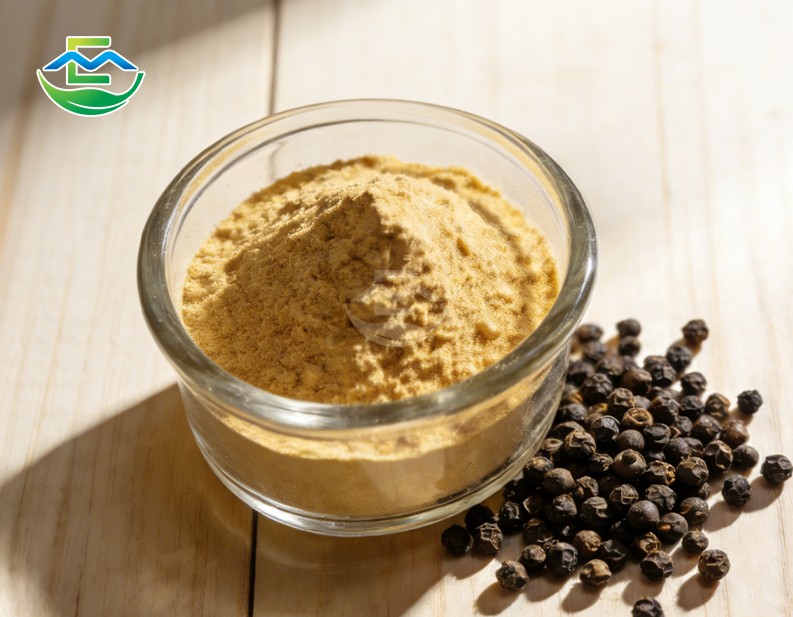
When producing goods with Pure Turmeric Root Powder, manufacturers often think about ingredient combinations. Black pepper extract containing piperine is occasionally considered a complementary botanical ingredient during formulation development. It is advisable for product developers to consider constituent ratios, processing compatibility, flavour attributes, and end product criteria while formulating. The quantity of each ingredient should be decided on the basis of product needs, regulatory standards, and production goals. Consistency in the quality of raw materials is more significant than consistency in the time of use. Brands may achieve more precise product standards and better production consistency by working with suppliers that give thorough specifications, analytical results, and technical documentation.

Comparing Pure Turmeric Root Powder with Alternative Botanical Ingredients
Whole Root Powder vs. Isolated Curcumin Extracts
The key difference is the degree of processing and the composition profile of whole-root powder as compared to separate extracts. Isolated curcumin extracts are sometimes standardised to greater levels of curcuminoids, whereas Pure Turmeric Root Powder contains naturally occurring plant components such as essential oils, fibre, and other botanical ingredients. From a procurement viewpoint, whole-root powder may have benefits in terms of easier processing, natural ingredient positioning, and costs. Extracts might be used if producers demand greater concentration requirements or a certain standardised profile of ingredients. The decision between powder and extract is influenced by product design, formulation needs, manufacturing processes, target specifications, and commercial positioning.
Advantages Over Other Botanical Alternatives
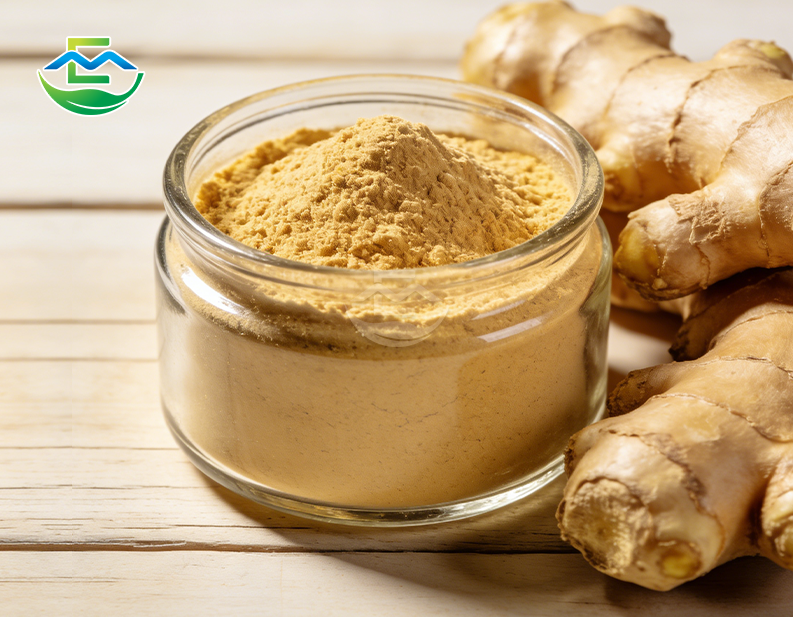
Pure Turmeric Root Powder has a unique botanical composition compared with other plant-based ingredients, including ginger root powder (Zingiber officinale) and other herbal raw materials.
Different botanical ingredients contain different naturally occurring compounds, production requirements, and quality parameters. When selecting ingredients, manufacturers should compare factors such as:
- Botanical origin;
- Chemical composition;
- Processing methods;
- Supplier documentation;
- Quality testing standards;
- Cost structure.
For large-scale production, dried powder formats provide advantages in storage, transportation, and batch standardization compared with fresh botanical materials. Fresh turmeric roots contain high moisture levels and require additional handling conditions, while dried powder allows manufacturers to maintain more consistent specifications during production.
Organic Certification and Quality Differentiation
Pure Turmeric Root Powder with organic certification can provide additional information about cultivation and processing practices. Certifications such as USDA Organic, EU Organic, and other recognized standards require compliance with specific agricultural and production requirements. Organic-certified materials may involve different cultivation methods, documentation procedures, and supply chain management compared with conventional materials. Certification status is one factor manufacturers can consider when evaluating suppliers. However, overall ingredient quality also depends on cultivation practices, processing controls, laboratory testing, traceability systems, and supplier management capabilities.
Strategic Procurement Considerations for Pure Turmeric Root Powder
Selecting Certified, Reliable Suppliers
Supplier qualification is the first step in establishing a stable procurement process for Pure Turmeric Root Powder. Reliable suppliers should provide complete documentation, consistent product specifications, and transparent manufacturing information. Important supplier evaluation factors include quality certifications, production capabilities, testing procedures, and traceability systems. Certifications such as NSF GMP, Kosher, Halal, ISO, FSSC22000, and Organic certifications can provide additional references when assessing supplier management systems.
Suppliers should provide Certificates of Analysis (CoA) for each production batch. These documents should include key quality information such as:
- Microbial testing results;
- Heavy metal analysis, including lead, arsenic, cadmium, and mercury;
- Pesticide residue testing;
- Curcuminoid content verification;
- Physical property specifications.
Batch traceability is also an important requirement for botanical ingredient procurement. Suppliers should be able to provide information regarding raw material origins, cultivation regions, processing records, and production details. Potential concerns during supplier evaluation may include incomplete documentation, unclear specifications, inconsistent product appearance, or significant variations between shipments. Reliable suppliers maintain standardized production procedures and provide stable supply support for long-term cooperation.
Understanding Pricing Dynamics and Negotiation Factors
The price of Pure Turmeric Root Powder is influenced by multiple factors, including raw material origin, cultivation methods, processing techniques, certification requirements, and order volume. Origin plays an important role in ingredient pricing because turmeric from different regions may vary in cultivation conditions, supply availability, and composition characteristics. Organic-certified materials may involve additional production management requirements and documentation processes, which can influence overall costs. Processing standards also affect pricing. Low-temperature milling methods may require specialized equipment and additional production controls compared with conventional processing methods. Particle size requirements, such as 60-mesh or 80-mesh specifications, may also influence processing complexity.
Bulk purchasing generally provides opportunities for improved pricing conditions. Larger production orders may allow buyers and suppliers to establish more favorable commercial agreements. Final pricing decisions should consider factors such as:
- Order quantity;
- Payment terms;
- Packaging requirements;
- Transportation methods;
- Certification requirements;
- Quality specifications.
A comprehensive procurement strategy should balance cost control with supplier reliability and product consistency.
Logistics, Packaging, and Supply Chain Efficiency
Proper packaging plays an important role in maintaining the quality specifications of Pure Turmeric Root Powder during storage and transportation. Common industrial packaging formats include 25 kg fiber drums with protective inner liners designed to reduce exposure to moisture and external environmental factors. Buyers should confirm that suppliers follow appropriate storage and handling procedures, including dry storage conditions and inventory management systems. Regional warehousing can improve supply chain efficiency by reducing delivery time and simplifying inventory planning. Suppliers with established warehouse networks may provide faster order fulfillment compared with direct international shipments.
International procurement also requires attention to export documentation and customs procedures. Reliable suppliers should support necessary documents, including:
- Certificates of Analysis;
- Certificates of Origin;
- Phytosanitary certificates;
- Shipping documentation;
- Import-related records.
Working with experienced suppliers and logistics partners helps companies reduce delays, improve purchasing efficiency, and maintain stable raw material availability.

How to Maximize Product Value Through Product Selection and Supplier Evaluation
Evaluating Supplier Reputation and Quality Indicators
Supplier reputation is an important consideration for companies purchasing Pure Turmeric Root Powder for private label, OEM, or ingredient manufacturing projects.
Suppliers with established operating histories, complete quality documentation, and transparent production systems demonstrate stronger reliability. Companies should evaluate supplier capabilities through factors such as:
- Manufacturing experience;
- Quality management systems;
- Laboratory testing procedures;
- Customer support capabilities;
- Documentation completeness.
Quality certifications provide objective references for supplier evaluation. For example, GMP-related systems focus on production controls, facility management, equipment maintenance, personnel procedures, and record management. Food safety certifications such as FSSC22000 demonstrate structured approaches to managing manufacturing processes. Beyond certifications, suppliers that provide technical communication, formulation support, customized specifications, and production guidance can offer additional value during product development.
Integration Strategies for Product Lines
Pure Turmeric Root Powder may be used in several product categories based on manufacture, formulation, and market positioning. Mixing Pure Turmeric Root Powder with other botanicals involves consideration of ingredient compatibility, processing, flavour profile, and product requirements. Botanical blend makers may combine turmeric powder with other plant-based goods to produce unique components. Product designers may use turmeric powder's colour and scent. To improve flavour, beverage makers may adjust taste systems and processes. Solid dosage form manufacturing efficiency relies on particle size, powder flow, and ingredient consistency. Powder colour, dispersibility, and compatibility with topical and personal care products should be checked by manufacturers. Only well-tested ingredients fulfil product technical requirements.Successful product integration needs careful raw material selection, quality benchmark consistency, and production target formulas.
Commercial Success Factors and Market Positioning
The market for Pure Turmeric Root Powder is competitive. The success criteria of a Pure Turmeric Root Powder include dependable sourcing, clear quality information, consistent specs, and successful product positioning. Clear technical documentation helps organisations to correctly describe the ingredients’ properties. Manufacturers may use information on botanical origin, processing techniques, analytical testing, and certification status to differentiate their products. The market positioning should be in line with the chosen ingredient grade and quality standards. For firms that want quality botanical components that are organically certified, have third-party testing reports, verifiable source details, and consistent manufacturing standards may offer value. Different client groups may need different packing types, order amounts, paperwork, and supply support. Companies need to choose suppliers who can provide the right solutions to their business models, whether it is private label manufacturing, OEM projects, or big-volume production.

Conclusion
Pure Turmeric Root Powder is a natural botanical ingredient, known for its natural character, flexibility of manufacturing, and wide applicability in diverse product sectors. B2B purchasers need to think about a variety of elements for effective procurement, such as ingredient standards, supplier qualifications, testing methods, certification documents, and supply chain dependability. A clear supplier assessment procedure helps organisations choose reliable partners, ensure constant raw material quality, and increase production efficiency. Businesses may build solid relationships and create competitive botanical ingredient goods for worldwide markets by choosing suppliers with clear sourcing procedures, robust quality control systems, and dependable production capabilities.
FAQ
1. What is the optimal daily amount for joint comfort formulations?
Clinical studies show that using 1,500 to 2,000 mg of pure Turmeric Root Powder every day, which contains about 3 to 5 percent curcuminoids, can help with joint pain. Multiple studies have shown that this dosage range gives meaningful amounts of bioactive compounds while still working with standard capsule sizes. To keep compound levels stable, products made for therapeutic positioning usually split this amount into two daily servings.
2. How does whole root powder differ from curcumin extracts?
Whole pure Turmeric Root Powder keeps the whole plant's makeup, including curcuminoids, essential oils, fiber, and other phytochemicals; standardized extracts, on the other hand, separate curcumin to amounts of 95% or higher. The powder has a clean name, is cheaper, and the ingredients naturally work together, while the extracts come in smaller capsules with a higher dose. Which one to use depends on whether your brand values traditional botanical health or maximum bioactive delivery.
3. Can this ingredient be used in beverage applications?
Because it is lipophilic, pure Turmeric Root Powder doesn't really dissolve in water. Instead, it forms suspensions. This means that it can be used in drinks as long as the right steps are taken to make them. To make drinks that work well, people usually add emulsifiers, mix the powder with fats or oils, or use high-shear mixing to keep the particles spread out. It tastes good with tropical fruit flavors, ginger, and lemon notes that balance out its earthy taste and help it fit into useful beverage categories.
Securing Quality Turmeric Root Powder Supply for Your Product Line
At EM, we know that the success of a formulation depends on how reliable the ingredients are. Our pure Turmeric Root Powder (Curcuma longa L.) always has the same yellow color, powder consistency, and root-sourced purity. It has a lot of certifications, such as NSF GMP, FSSC22000, Kosher, Halal, ISO, and Organic qualifications. As a supplier of only pure Turmeric Root Powder with four strategically located US warehouses, we can fulfill orders in two days for orders of at least 25 kg, which gets rid of the long lead times that make planning production harder.
The quality assurance and technical support that come with our service are what make it stand out. Each batch goes through strict tests to make sure it meets the standards for heavy metals, bacterial safety, and curcuminoid content. We are happy to share this information with our customers. Our research and development team can help you with recipe questions and find the best way to incorporate pure Turmeric Root Powder into your unique product. With free samples and materials that are already in stock, you can test how well they work before committing to large quantities.
EM's pure Turmeric Root Powder is the basis for competitive, evidence-based formulations that can be used in sports nutrition supplements, functional beverages, or topical wellness products. Visit usa-herb.com or email us at info@em-herb.com to get your free sample and talk about how our environmentally friendly sources and California-based operations can help you reach your product development goals.
References
1. Kuptniratsaikul V, et al. Efficacy and Safety of Curcuma domestica Extracts Compared with Ibuprofen in Patients with Knee Osteoarthritis: A Multicenter Study. Clinical Interventions in Aging, 2014.
2. Henrotin Y, et al. Curcumin: A New Paradigm and Therapeutic Opportunity for Musculoskeletal Disorders. Journal of Medicinal Food, 2016.
3. McFarlin BK, et al. Reduced Inflammatory and Muscle Damage Biomarkers Following Oral Supplementation with Bioavailable Curcumin. Journal of the International Society of Sports Nutrition, 2016.
4. Hewlings SJ, Kalman DS. Curcumin: A Review of Its Effects on Human Health. Foods, 2017.
5. Aggarwal BB, Harikumar KB. Potential Therapeutic Effects of Curcumin, the Anti-inflammatory Agent, Against Neurodegenerative, Cardiovascular, Pulmonary, Metabolic, Autoimmune, and Neoplastic Diseases. The International Journal of Biochemistry & Cell Biology, 2009.
6. Prasad S, Aggarwal BB. Turmeric, the Golden Spice: From Traditional Medicine to Modern Medicine. Herbal Medicine: Biomolecular and Clinical Aspects, 2nd edition, CRC Press, 2011.