- English
- French
- German
- Portuguese
- Spanish
- Russian
- Japanese
- Korean
- Arabic
- Irish
- Greek
- Turkish
- Italian
- Danish
- Romanian
- Indonesian
- Czech
- Afrikaans
- Swedish
- Polish
- Basque
- Catalan
- Esperanto
- Hindi
- Lao
- Albanian
- Amharic
- Armenian
- Azerbaijani
- Belarusian
- Bengali
- Bosnian
- Bulgarian
- Cebuano
- Chichewa
- Corsican
- Croatian
- Dutch
- Estonian
- Filipino
- Finnish
- Frisian
- Galician
- Georgian
- Gujarati
- Haitian
- Hausa
- Hawaiian
- Hebrew
- Hmong
- Hungarian
- Icelandic
- Igbo
- Javanese
- Kannada
- Kazakh
- Khmer
- Kurdish
- Kyrgyz
- Latin
- Latvian
- Lithuanian
- Luxembou..
- Macedonian
- Malagasy
- Malay
- Malayalam
- Maltese
- Maori
- Marathi
- Mongolian
- Burmese
- Nepali
- Norwegian
- Pashto
- Persian
- Punjabi
- Serbian
- Sesotho
- Sinhala
- Slovak
- Slovenian
- Somali
- Samoan
- Scots Gaelic
- Shona
- Sindhi
- Sundanese
- Swahili
- Tajik
- Tamil
- Telugu
- Thai
- Ukrainian
- Urdu
- Uzbek
- Vietnamese
- Welsh
- Xhosa
- Yiddish
- Yoruba
- Zulu
Most of the time, a standardized extract is stronger by weight because it has more of certain compounds in a smaller amount. The tongkat ali root powder keeps the whole root matrix. It's good for making cheap teas, smoothies, and blends. Strength is based on facts about eurycomanone, not just the amount of extract or the size of the serving. Extracts that have been properly standardized work well in capsules and tablets. Root powder, on the other hand, works well in recipes that need the whole root. In this guide, I show you how to read a certificate of analysis and contrast it with a report. I also make it easy for you to choose the right form for your item.
Why Form Matters When Buying Tongkat Ali
Potency Is More Than Price per Kilogram
There are times when a quotation that states that the price is low per kilogram may seem to be accurate, but it does not always provide the whole picture. Each serving of root material and concentrated preparations contains a wide variety of varying quantities of active chemicals depending on the kind of preparation. It would seem that you have to take into consideration the cost per effective serving, the standardisation of the dose, the dosage control, the concentration of the active ingredient, and the quantity of the portion. Another item that needs to be included on that list is compatibility with final items. When a powder has a lower cost per kilogram, it may be necessary to pack it in a greater number of capsules, which will result in the powder having a greater delivery weight. It is possible that all three will decrease if the extract is priced more per kilogram. For the purpose of gaining a more accurate understanding of value, it is preferable for formulators and procurement teams to look at the total cost per serving.
Who Benefits From This Comparison
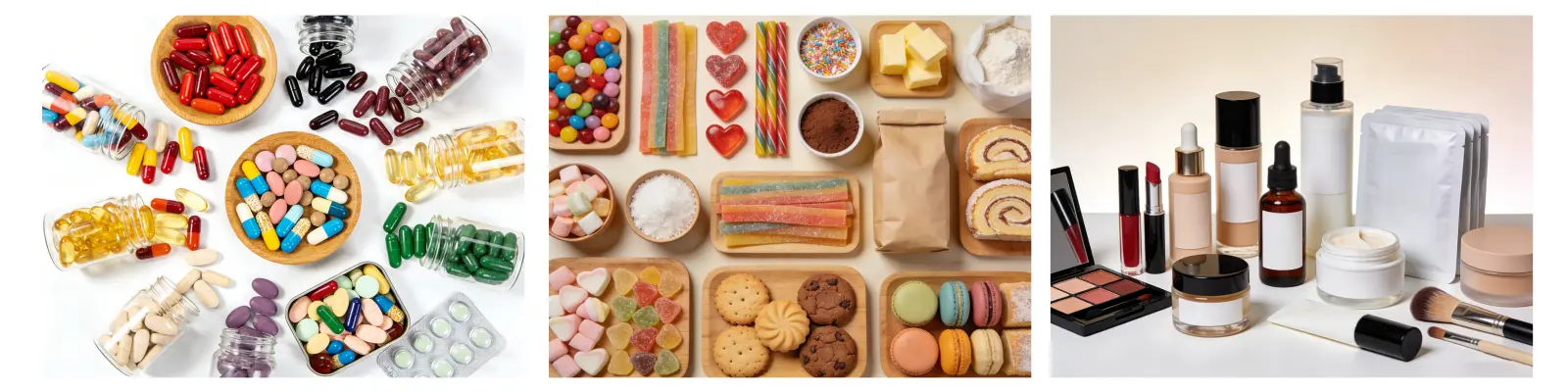
This option is available to a wide variety of purchasing groups. Some firms that manufacture supplements need a form that is capable of holding powder mixtures, capsules, or tablets. Those who are responsible for the production of functional beverages and meals are curious about how things appear, taste, and get distributed. Clear documentation is essential for distributors, in addition to a consistent supply. The procurement teams want specifications that they may use to evaluate and contrast the various providers. The Eurycoma longifolia plant, which is often referred to as "Malaysian ginseng," is mostly found in Southeast Asia; thus, it is imperative that you ascertain the origin of the plant as soon as possible. There is not always a single response that is considered to be the "best" answer since every group weighs the same two forms in their own unique manner. The proper decision is influenced by a number of factors, including the completed product, the individual who will purchase it, and the place where it will be marketed.
Supplier Criteria to Check First
Before I compared the forms, I did some research about the firm. I am interested in learning the botanical name, the origin of the plant, the method of extraction (if it is necessary), the minimum order quantity (MOQ), the packaging method, the shelf life of the product, and whether or not I am permitted to use my own label. If the provider is able to provide answers to these questions in a style that is easy to understand, it will save your team weeks of back-and-forth. The majority of the time, controls are absent when there are no responses because of this. By doing so, you will be able to compare the two. Ensure that you request a sample lot in addition to the documentation that is associated with it. When orders reach maximum production levels, this is something that excellent suppliers are pleased to do since it prevents everyone from being surprised by the situation.
Tongkat Ali Root Powder vs Extract: What Is the Difference?
Defining Root Powder and Extract
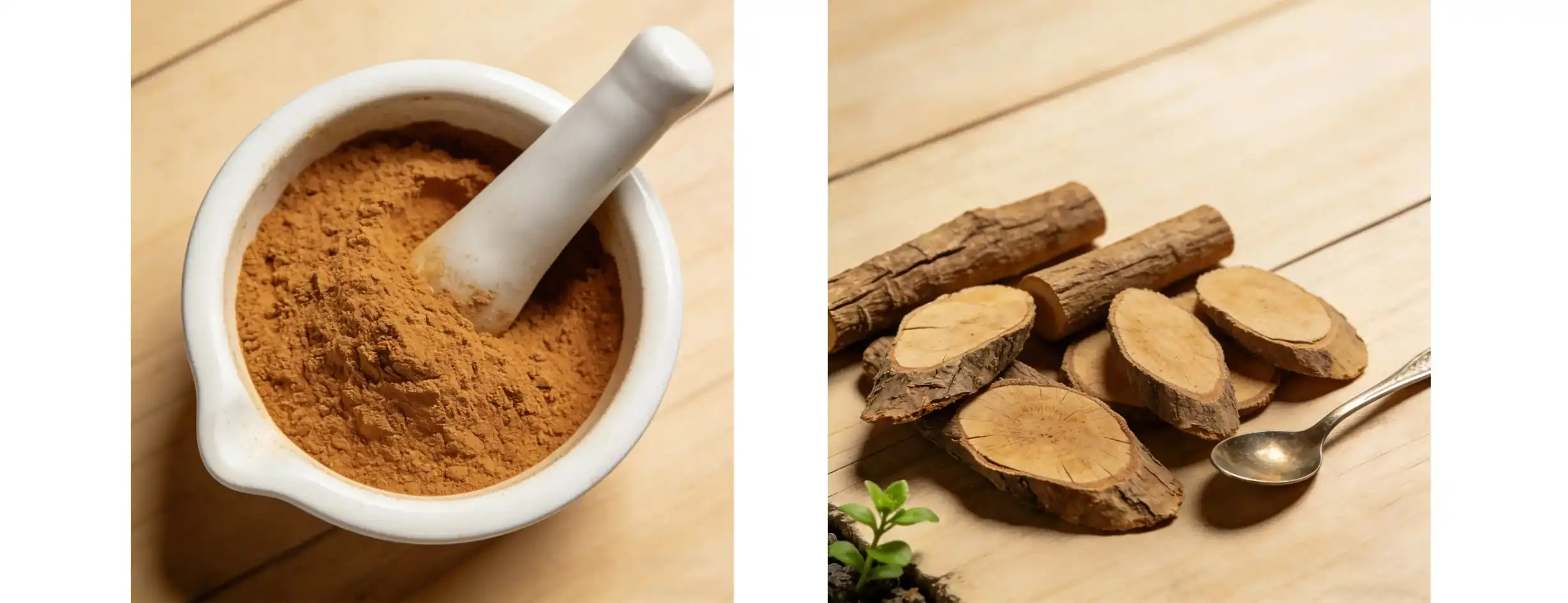
For the production of tongkat Ali root powder, the roots of Eurycoma longifolia Jack are pulverised and dried before further processing. It maintains a large natural matrix that contains plant fibre as well as a great deal of other little things. An extract begins with the same root, but some components are removed and then strengthened with the addition of water, ethanol, or another solvent depending on the situation. It is common practice to include powder in beverages, teas, functional meals, and plant-based mixtures. The extract is often formulated as capsules, tablets, and small pills the majority of the time. In most cases, if you wish to switch between the two versions of the medicine, you will need to manufacture it once again and then test it once more.
Extract Ratio Versus Standardized Content
Approximately ten to twenty times as much raw root was used to produce one portion of the final extract. This is shown by the ratio of the extract. The only thing that is discussed is the components that are used in the process; it does not specify the amount of an active ingredient that is present in the end product. Standardisation is not the same thing as standardization. In a laboratory, the quantity of eurycomanone that is present in a standard extract is measured and quantified. On the other hand, the marker content of two extracts that have the same ratio might vary significantly from one another. There are a number of factors that might contribute to this, including the quality of the raw materials, the extraction process, and the drying process. It is for this reason that I warn prospective purchasers that ratio, on its own, does not demonstrate how powerful something is. Instead of asking for qualitative information, you should request quantitative data, such as the result of an HPLC analysis performed on the marker that is printed on a certificate for a particular batch.
How the Two Forms Work Differently in Formulas
Tongkat ali contains various bioactive compounds, including quassinoids such as eurycomanone, as well as alkaloids and phenolic compounds. Their concentrations can vary depending on root age, harvesting conditions, drying methods, extraction processes, and storage conditions. Compared with concentrated extracts, tongkat ali root powder generally contains lower concentrations of selected bioactive compounds and may require larger serving quantities to achieve comparable levels of those compounds. While suitable for natural botanical formulations, the powder can introduce challenges related to bitterness, colour changes, and sedimentation in beverages. Standardized extracts, on the other hand, can provide more consistent concentrations of specified compounds across batches, making them easier to incorporate into certain formulations. Extracts are commonly considered for capsules, performance-oriented supplements, and men's wellness products, while root powder may be used in teas, smoothies, and botanical blends.
Which Form Is More Potent? A Practical Potency Comparison
Reading Active-Compound Data
Most of the time, an extract gives you more concentrated plant matter per gram. But potency is not a label; it's a number that can be found. On a certificate of analysis, look for the declared marker, such as eurycomanone, the method of analysis, the limit of specification, and the actual result for your lot. The total quassinoids can give more information when it's needed. The drum's lot number should match the number on the piece of paper. Because the target range is written into the specification, customized extracts can be used over and over again for OEM and private label goods. Get some powder from the last few batches if the powder is different from one lot to the next.
Advantages and Limitations of Root Powder
When you buy root powder, you get whole roots. It has fewer ingredients and usually costs less to make. You can put it in smoothies, teas, functional foods, and powdered blends. The trade-offs make sense. It might taste or look different from one batch to the next, which can make it hard to follow a recipe. To get the same amount of medicine every day, most of the time the capsule fill weight is the limit. People who make drinks and foods need particles that are small and easy to spread out. Check the price per serving instead of the weight, and think about how natural the positioning is compared to how simple it is to make.
Advantages and Limitations of Extract
It is usually more concentrated, comes in smaller doses, works better in capsules and tablets, and has stricter rules. High-end and performance goods should have these traits. It's also clear what it can't do. Different types of extracts cost more per kilogram; some of them contain filler substances, processes that use solvents need to check for leftover solvents, and accurate dosage control is needed because the material is concentrated. There are different potencies that can be bought, and buyers should ask the seller what solvent they used and if there are any carriers. Then they can choose if having more control is worth the extra money their product costs.
How to Choose and Verify the Right Tongkat Ali Form
Match the Form to Your Finished Product
Start with the last set of rules. You can use root powder in herbal blends, teas, smoothies, functional foods, and traditional botanical products that need to use the whole root but want to keep costs low. It works well with performance formulas that need standard doses and small amounts, as well as capsules, tablets, liquid shots, and all of these. Most of the time, documentation and making sure there is a steady supply are the most important things to distributors. OEM clients, on the other hand, might need help with dosage, packaging, and formulation that are unique to their needs. Before you ask for quotes, write down the serving size and taste limits. This will make sure that all of the quotes you get are based on the same goal. Not only should you look at the price per kilogram, but you should also look at the total cost, which includes testing, packing, shipping, and storage.
Verify Quality With Batch Documentation
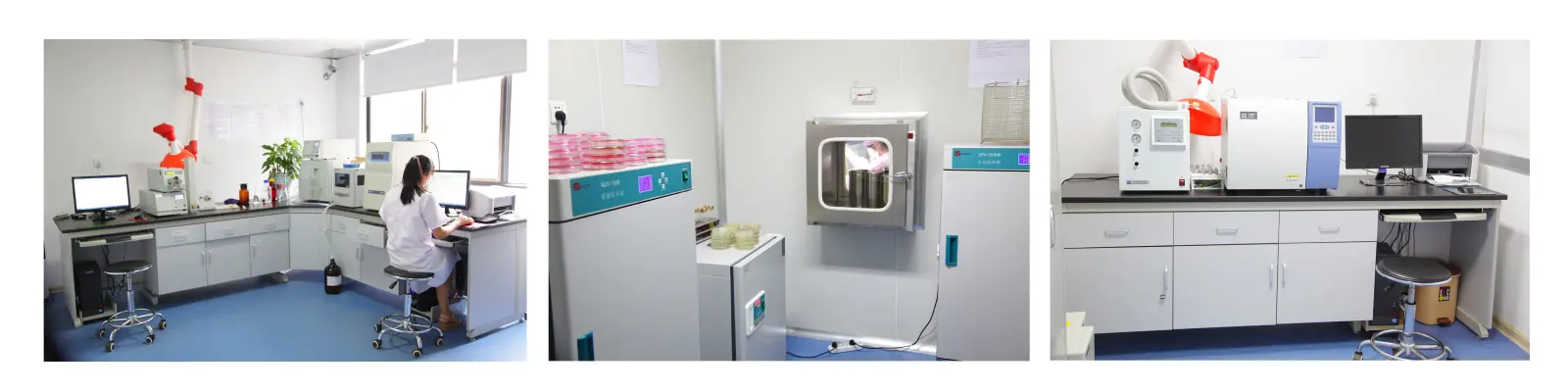
To verify someone, you must first prove who you are. This includes the plant's scientific name, part number, where it came from, the lot number, information about the harvest, and records that can be used to track it. Then ask for a certificate of analysis that is up to date and only for that batch. As well as physical information, it should have tests for heavy metals, pesticides, active compounds (if needed), microbial limits, and any solvents that are left over from extracts. Depending on the market, you might also want to ask about checking for fakes and compounds that aren't listed. For programs that make a lot of copies, send samples to a different lab and compare several production batches. As per the ICH Q2(R1) guideline, methods for analysis are checked to make sure they work. You should ask suppliers if the steps they use for assaying are checked.
Storage, Packaging, and Shelf Life
If you put plant powders in water, heat, or light, they can change over time. Tongkat ali should be kept in sealed containers that keep out water in a cool, dry, dark place. Ask the supplier how the shelf life was checked, not just the date on the label. The packaging also changes how it is handled. EM sells tongkat ali root powder in 25 kg drums, which is a good size for making a lot of it and storing it. Open a drum, close it tightly, and write down the date you opened it before you use it. These simple habits will protect the things you looked at.
Safety, Dosage, and Procurement Considerations
Dosage and Formulation Decisions
The weights of the powder and the extract do not provide any assistance in determining the appropriate quantity to serve. The amount is determined by a number of factors, including how often it is served, the shape it comes in, the degree of purity it has, and the length of time it is intended to be used. Before deciding on a serving size, formulators should take into consideration the requirements of the supplier as well as the analytical data. Moreover, they have to adhere to the regulations that govern the industry that they are entering. It is possible to conduct test batches in order to ensure that the flavour, flow, and distribution are satisfactory. Those who manufacture tablets and capsules have to examine the degree to which their goods adhere to one another and flow smoothly. Those who prepare beverages have to examine to determine whether the components they use are able to dissolve and maintain their stability in their own varying temperatures and pH levels.
Claims and Regulatory Awareness
One must exercise caution while marketing a product or service, paying attention to both the formula and the words that are used. Dietary supplement labelling in the United States is required to comply with FDA regulations, and the supplements themselves must be manufactured in accordance with the current good manufacturing practice outlined in 21 CFR Part 111. Structure and function statements are required to adhere to certain guidelines, and they are not allowed to include phrases that have the connotation of being used to cure illnesses. It's possible that the European Union (EU) and other regions have various regulations regarding the manner in which claims may be made about things like hormone support or weariness. When it comes to brand teams, I always recommend that they have a regulatory expert review the wording before a launch. You should put your faith in the documentation provided by the supplier to list and test the components, and you should make sure to preserve a duplicate of it for each batch.
Procurement Questions for Bulk Buyers
When it comes to powder, it is important to learn the minimum order quantity (MOQ), the lead time, the capacity, the botanical identification, the origin, the active compound testing, the certification status, and the many ways that it may be packaged. It is recommended that you provide the following information on the list of extracts: the extraction ratio, the solvent, the standardisation, the carriers, the testing for residual solvents, the different kinds of potency, and the samples that are available. Additionally, it is important to investigate the following systems: GMP, HACCP, ISO, or something like; batch tracking; third-party testing; expertise with exporting; environmentally friendly procedures; and the capability to manufacture OEM or ODM goods. A reliable manufacturer will be able to assist you in examining samples, developing individualised requirements, maintaining records, and formulating strategies for long-term supply. When you do this, you will be able to compare wholesale prices immediately and will be better prepared to explain your decision to other individuals within your organization.
A Five-Step Decision Path
In this manner, I interact with purchasers. Initially, it is necessary to determine the maximum serving size and flavour limitations for the final format. In the second step, you will need to determine the desired potency, the active chemical that should be used, and the threshold for acceptable batch variation. The third step is to be familiar with the regulations, certificates, packaging, and examinations that the customers you want to sell to need. The fourth step is to examine the samples to determine their identity, taste, colour, capacity to spread, assay, impurities, and the degree to which the final product will be stable. In the fifth place, before selecting a provider, you should take into consideration the pricing, quality, service, delivery, technical support, and the capacity to make adjustments. It's possible that another form will work if neither of the other two forms is successful. It is expected that the research and development team of the provider will be prepared to discuss it.

Conclusion
An extract that has been made correctly and tested is usually stronger by weight because it packs more of some compounds into a smaller amount. I think that works well for capsules, tablets, and standard premium formulas. The whole root matrix is kept in tongkat ali root powder, which can be used in teas, smoothies, functional foods, and blends that need to be cheap. The amount of extracts doesn't show how strong they are by itself. Certain markers, such as eurycomanone, the way the samples were analyzed, and certificates that are unique to each batch do. When it comes to serving size, taste, cost per kilogram, carriers, and solvent testing, each form has its pros and cons. It's important to know about dosage and market rules, as well as to check for identity, contamination, and storage. The data shows that the best form is the one that fits the product format, the target potency, and the target market.
FAQ
1. Is extract always more potent than tongkat ali root powder?
A standardized extract is usually more concentrated by weight. Still, use assay data for your specific lot to make sure it's true, since the result can be different depending on the quality of the raw materials and how they were processed.
2. Does a 10:1 ratio guarantee active-compound strength?
That's not right. The ratio talks about the amount of raw materials that were used, not the number of finished markers. Ask for a quantitative result, such as eurycomanone by HPLC, on a certificate of analysis that is unique to the batch.
3. Does organic certification prove potency?
Not really. Organic certification is mostly about how things are grown and made. The marker compounds that were declared still need to be tested in a lab to find out how strong they are.
4. How should I store tongkat ali material, and what should I test?
Keep it cool, dry, dark, and away from water. Check for things like identity, microbes, heavy metals, pesticides, heavy metals, heavy metals, residual solvents for extracts, and tampering.
Request Tongkat Ali Root Powder Samples From EM
Tongkat ali root powder is sold by EM, a company in California. They offer free samples and are certified by NSF GMP, FSSC22000, Kosher, Halal, ISO, and organic bodies. They also have four warehouses in the U.S. You can pick up a 25 kg drum from us the next business day. Send an email to info@em-herb.com with your target format, market, and packaging needs. A quote and sheet of specs will be sent back to you by our team.
References
1. Fitoterapia (2010). Tongkat Ali (Eurycoma longifolia Jack): A Review on Its Ethnobotany and Pharmacological Importance.
2. Chinese Journal of Natural Medicines (2017). Eurycoma longifolia as a Potential Adaptogen of Male Sexual Health: A Systematic Review on Clinical Studies.
3. Bioorganic & Medicinal Chemistry (2004). Cytotoxic and Antimalarial Constituents from the Roots of Eurycoma longifolia.
4. U.S. Food and Drug Administration, Federal Register (2007). Current Good Manufacturing Practice in Manufacturing, Packaging, Labeling, or Holding Operations for Dietary Supplements (21 CFR Part 111).
5. U.S. Food and Drug Administration (2005). Dietary Supplement Labeling Guide.
6. International Council for Harmonisation (2005). ICH Q2(R1): Validation of Analytical Procedures: Text and Methodology.