- English
- French
- German
- Portuguese
- Spanish
- Russian
- Japanese
- Korean
- Arabic
- Irish
- Greek
- Turkish
- Italian
- Danish
- Romanian
- Indonesian
- Czech
- Afrikaans
- Swedish
- Polish
- Basque
- Catalan
- Esperanto
- Hindi
- Lao
- Albanian
- Amharic
- Armenian
- Azerbaijani
- Belarusian
- Bengali
- Bosnian
- Bulgarian
- Cebuano
- Chichewa
- Corsican
- Croatian
- Dutch
- Estonian
- Filipino
- Finnish
- Frisian
- Galician
- Georgian
- Gujarati
- Haitian
- Hausa
- Hawaiian
- Hebrew
- Hmong
- Hungarian
- Icelandic
- Igbo
- Javanese
- Kannada
- Kazakh
- Khmer
- Kurdish
- Kyrgyz
- Latin
- Latvian
- Lithuanian
- Luxembou..
- Macedonian
- Malagasy
- Malay
- Malayalam
- Maltese
- Maori
- Marathi
- Mongolian
- Burmese
- Nepali
- Norwegian
- Pashto
- Persian
- Punjabi
- Serbian
- Sesotho
- Sinhala
- Slovak
- Slovenian
- Somali
- Samoan
- Scots Gaelic
- Shona
- Sindhi
- Sundanese
- Swahili
- Tajik
- Tamil
- Telugu
- Thai
- Ukrainian
- Urdu
- Uzbek
- Vietnamese
- Welsh
- Xhosa
- Yiddish
- Yoruba
- Zulu
People who want to buy something should find out exactly what it is, how much silymarin it has, how the supplier measures it, and what certificates and test reports come with each batch. They should also ask about the size of the particles, how they will be stored, and what the supplier can deliver on time. These questions can tell you the difference between a good source of milk thistle seed powder and a bad one. This guide was made for procurement teams, R&D directors, and formulation managers who need to compare offers that are all the same. I'll talk about identity, quality, specifications, the supplier's ability to do the job, and business terms below, along with product details from EM. A clear list cuts down on time and makes sure that comparisons are fair. These parts are put together in the way that most teams do it when they look at a new ingredient.
What Exactly Is Milk Thistle Seed Powder and What Does It Contain?
Botanical Identity and Plant Part
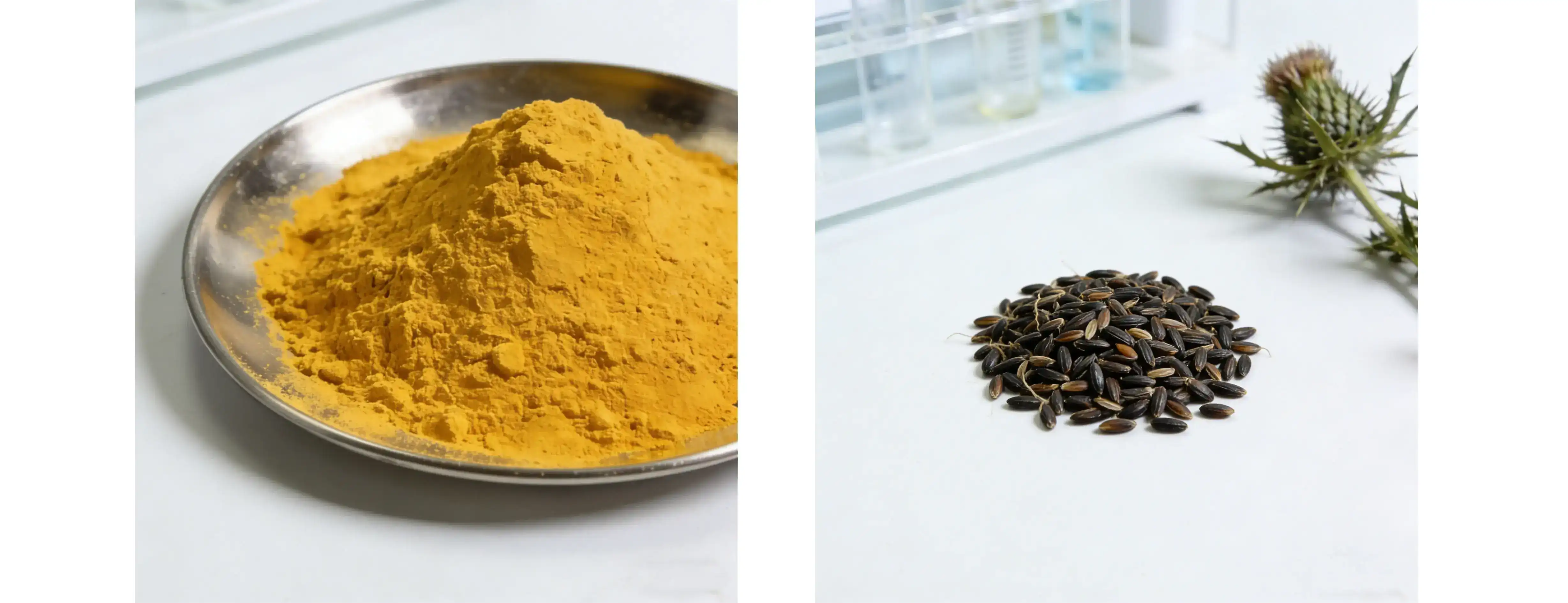
The dried seeds of the plant Silybum marianum (L.) Gaertn., which is in the family Asteraceae, are used to make milk thistle seed powder. Some documents use the word "fruit" even though the "seeds" are actually aches. That difference in wording can lead to confusion. I tell people who want to buy something to ask for a specification sheet that lists the Latin name, plant part, place of origin, and harvest year. With these details, you can rule out botanical powders made from leaves, whole plants, or blends of plants. EM says that the product it sells is Silybum marianum seed, which comes in the form of a yellow powder. Before you approve a sample, ask any supplier, including us, to prove who they are in writing.
Silymarin and Other Constituents
Silymarin is the most important signal for purchasers. It is composed of flavonolignans, mainly silybin A and B, isosilybin A and B, silychristin, and silydianin. Published chemical studies indicate that it is lipophilic and has low water solubility, which is significant in developing powder and beverage mixes. According to the commercial sector, the level of silymarin in ground raw seed is normally between 1.5% and 3%. Standardised extracts, in contrast, are much more concentrated. The test procedure is responsible for a lot of what number comes out. HPLC and UV tests may give you different findings for the same batch. So ask the supplier what technique they use and what the number on the certificate of analysis signifies. The seed also contains oil, protein, and fibre, which alters the way it is labelled and combined.
How Does Seed Powder Compare with Extract and Other Formats?
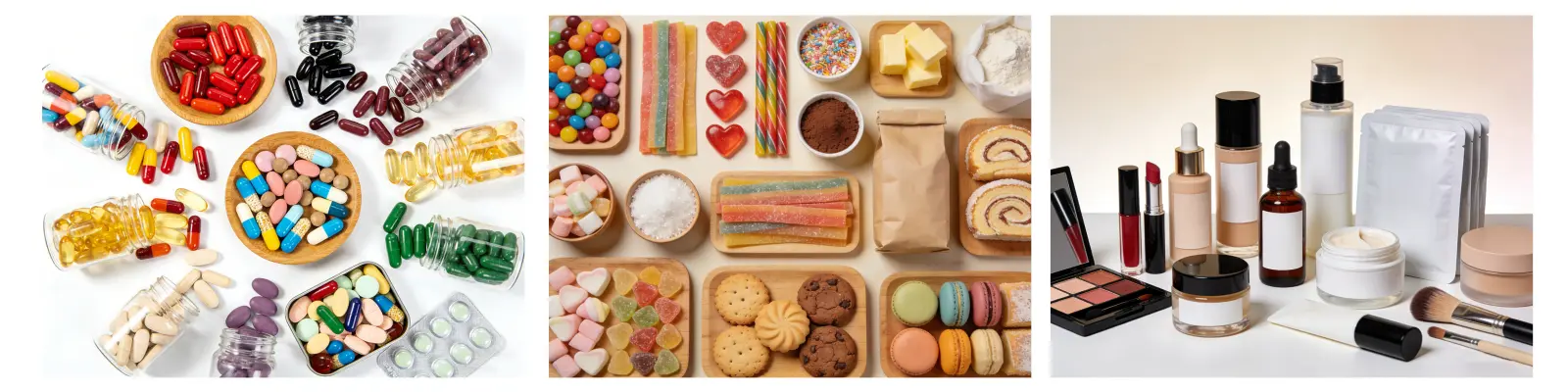
You should choose a format for milk thistle seed powder that reflects the concept of your product. Ground plain seed may be sold as whole food or as lightly processed, but the quantity of silymarin it contains varies with the kind of seed, its provenance, and how it was processed. A standardised extract is good for recipes that demand a specific quantity of active ingredient in a reduced serving size. If you are making capsules and tablets, you need raw ingredients like powder, but bulk powder makes more sense whether you create them yourself or via a partner. The pricing and labelling of organic products is also different from conventional materials. To make an organic claim, you need a valid certificate covering the market, the facility, and the product. Ask for the assay value and test technique for each format you are considering so you can compare apples to apples.
What Quality and Safety Questions Should Buyers Ask?
Which Tests Should Appear on the Certificate of Analysis?
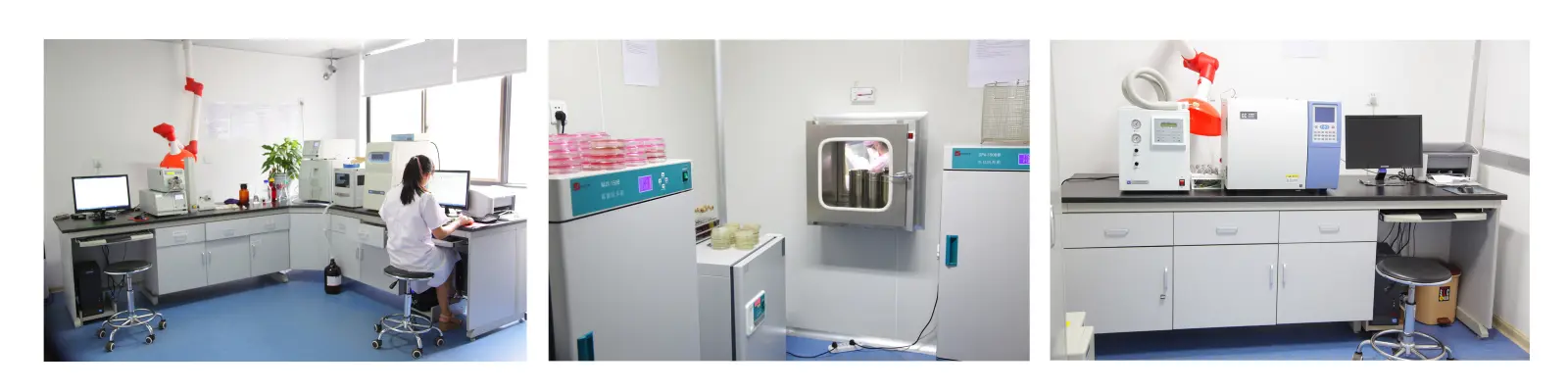
Instead of a generic template, ask for a certificate of analysis that is specific to the batch. The report should include the substance's name, picture, particle size, moisture, microbiology, heavy metals, pesticides, mycotoxins, and the silymarin or marker result. If you used solvents to extract the material, add residual solvents to the list. Limits for ethanol are set by USP General Chapter <467> and ICH Q3C. The limit for ethanol is 5,000 parts per million (ppm). In the US, 21 CFR Part 111 of the FDA's dietary supplement rule says that companies must make sure that each ingredient they use is real. The test data your supplier gives you should make that job easier.
Which Certifications Should You Request?
Certificates show that the systems of a supplier have been checked by people outside the company. EM holds relevant third-party certifications, including NSF GMP, Kosher, Halal, ISO, FSSC 22000, and Organic certifications, subject to the scope of each certificate. For products intended for the U.S. dietary supplement market, buyers should review applicable FDA requirements, including 21 CFR Part 111 where relevant, together with product specifications, batch-specific Certificates of Analysis, and manufacturing documentation. No matter which supplier you pick, make sure you get copies of their most recent certificates and look at the scope, site name, and expiration date. Check to see if an organic certificate covers the right product and facility. Kosher and Halal certificates are also important for people who buy food and drinks and have label requirements. Ask for other documents, like Non-GMO or allergen statements, early on instead of after final approval if your brand needs them.
How Does the Supplier Control Traceability and Contamination?
Good paperwork doesn't mean much if you can't keep track of it every day. As the supplier, find out how it assigns lot numbers, how far back records go to the raw seed, and if it keeps samples that are kept. Ask about how to handle foreign objects, how to keep allergens under control, and how to avoid cross-contamination on shared lines. Also, ask for a written process for making complaints and recalls. If a supplier can answer these questions quickly and fully, it's likely that their quality system is well-developed. Even though FSSC22000 and GMP certification point in that direction, I still tell buyers to ask for audit summaries or set up a site visit to make sure they are correct.

How Should Buyers Evaluate Product Specifications?
Particle Size, Flowability, and Blending
Which powder works depends on your gear. Find out the mesh size, particle size distribution, bulk density, and flow behavior. These things affect how capsules are filled, how tablets are compressed, and how evenly the blend is mixed. Fine powders can stick together in hoppers or turn into dust, and coarse powders can separate from other ingredients in a blend. Because silymarin doesn't dissolve well in water, people who make drinks should also check how it mixes and feels in the mouth. Write down the mesh range you want and test the powder on your own line. A result from a lab-scale test doesn't always show how a 25 kg drum will fit into a production blender.
Moisture, Storage, and Shelf Life
Humidity, oxygen, light, and heat can change milk thistle seed powder. Find out how much moisture is allowed, how to store it, how long it will last, and how long you have to do another test. Too much water can cause caking and the growth of microbes, so the packaging is just as important as the powder itself. This stuff is packed by EM in 25 kg drums. It is best to keep drums closed, out of the light, and in a cool, dry place. After each use, seal the liners again. You should also ask the supplier how they label each lot so that you can match the drum to its analysis certificate when you get it.
Sample Approval and Pilot Testing
Datasheets don't tell you everything you need to know. You can get a free sample from EM to check out the color, smell, taste, and flow before you buy. Do your real process with the sample: blend it, put it in capsules or tablets, and test it in your base formula. Write down the results and then save a portion to use as a guide for future lots. If the first commercial lot doesn't look or act the same, you can check it against that reference and the analysis certificate. Pilot batches also show effects on taste and color in food and drink recipes that aren't usually shown on spec sheets.
How Can Buyers Select the Right Milk Thistle Seed Powder Supplier?
Is the Supplier a Manufacturer or a Trading Company?
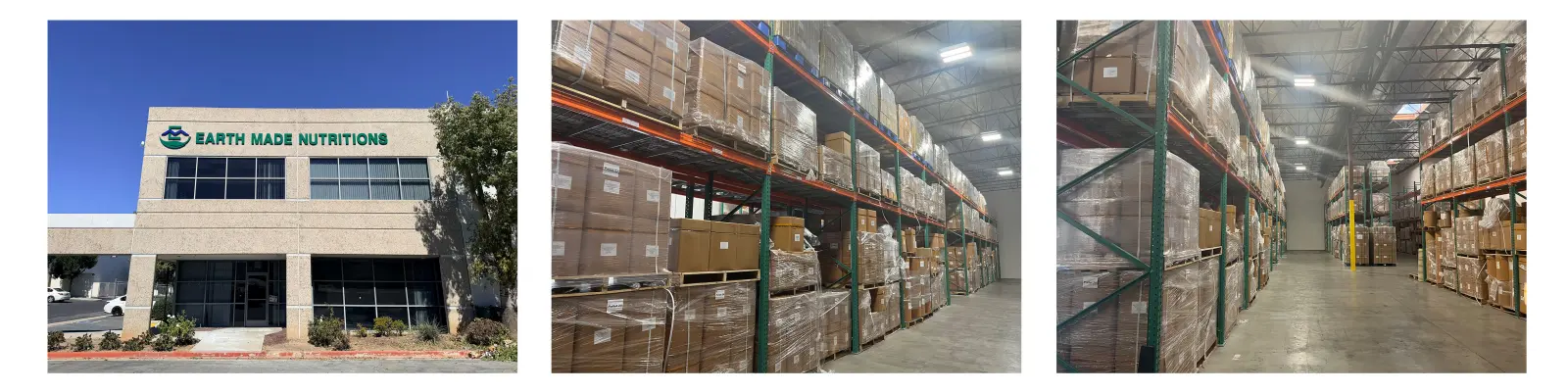
Ask bluntly, “Who makes the product?” Botanical powders are offered by producers, processors, exporters, and merchants. Varying types of sellers provide you with varying levels of control. Find out who owns the plant, where the job is done, and how the supplier maintains track of the raw supplies. Earth Made Nutritions Inc. (EM) is situated in California and was established in 2018. The company has a sophisticated facility equipped with high-tech machines that process raw materials and produce completed goods. When you directly manage manufacturing, it is easy to answer technical queries and track down a lot of things. Ask anybody you are considering to do a plant walk-through, pictures, or video audit.
Capacity, Inventory, and Lead Time
Milk thistle is cultivated as a crop; therefore, the availability may vary depending on when it is harvested. Ask the supplier about their annual capacity, present stock, other suppliers they use, and how they will manage future forecasted requests. Also, how does it notify folks when a lot is late? EM has inventory in 4 big local warehouses in the US and shows this item in stock to be picked up the following business day. For a US customer, local stock reduces time for ocean freight and import approval. The 25-kilogram MOQ also allows R&D teams to test a recipe before deciding to produce more of it.
R&D Support and Sustainability Practices
When a formula doesn’t perform what you want it to do, technical help is crucial. EM has a skilled R&D team and high-tech extraction techniques, so formulators may consult technical specialists regarding concerns about solubility, particle size, and format. Ask each provider how fast they can answer those questions. Also, a question of sustainability should be posed. Sustainable growth is a core belief at EM, and we recognise the need to safeguard the environment and act in a socially responsible way. If your brand claims to use clean labelling or responsible sourcing, ask for formal sourcing and environmental policies for your brand. This will provide your marketing staff evidence to back up their claims.
What Commercial Questions and Common Mistakes Should Buyers Know?
Pricing, MOQ, and Delivery Terms
Look at the overall landed cost of each offer, not simply the unit price. Request various costs for samples, trial orders, big quantities and orders that are placed more than once. There is a clear quotation for milk thistle seed powder with the grade, whether it is organic, the particle size, the quantity of silymarin required, the container, the Incoterms, and the payment conditions. The EM listing is a 25-kilogram MOQ in 25 kg drums, which is fine for test runs. Get to know what reserved inventory, urgent orders, and backorders are. These will set how your production schedule is going to be at a busy time of year. The supply agreement should include the price, delivery schedule, quality criteria, procedures for notifying parties of changes, and guidelines for handling non-conforming quantities for continued demand.
Which Buying Mistakes Cost the Most?
Most problems happen when you try to compare offers that aren't the same. People who choose the lowest price without checking the testing, certificates, processing, or assay method often have to do more work later. Others use seed powder and extract interchangeably, even though the amounts of silymarin in them and the prices are very different. Problems happen when destination-market rules aren't followed or when certificates of analysis are out of date or too general. Skipping pilot tests can also cause surprises in the way the blend tastes, flows, or is mixed. It's easy to fix: give all suppliers the same information, make sure they have the same paperwork, and make sure you approve a sample before you place a large order.
A Practical Buyer's Checklist
You can copy and paste this short list into your review of the supplier. This way, your team can score offers next to each other as they are grouped together.
- Identity and format: Confirm the Latin name Silybum marianum, seed as the plant part, origin, processing method, format (powder or extract), appearance, particle size, and organic requirements. Ask for the assay value with its test method, because HPLC and UV results are not interchangeable. Record every answer in one comparison sheet.
- Quality documents: Collect a batch-specific certificate of analysis covering microbiology, heavy metals, pesticides, mycotoxins, and identity. Add current NSF GMP, ISO, FSSC22000, Kosher, Halal, and organic certificates if your market needs them. Check scope, site, and expiry date on every certificate before you approve a supplier.
- Commercial terms: Compare MOQ, tiered pricing, packaging, lead time, payment terms, Incoterms, warehouse location, and sample policy. Add communication speed and technical support to your scoring. Then calculate total landed cost for each offer, so the final comparison reflects real expense rather than quoted price alone.
Buying, Quality Assurance, and Research and Development may swiftly agree on a supplier using a grading sheet comprising of the three organisations. It also keeps a record of any changes you make to your order.
Conclusion
If you are seeking milk thistle seed powder, you need to know what it is, where it originates from, and how it is packaged. Standardised extract: The quantity of silymarin and the technique used to determine it are different from those for plain seed powder; thus, purchasers should only compare like with like. Where the supplier is responsible for quality, batch-wise certificates of analysis, residual solvents (if any), current certifications, and traceability should be maintained. The effect of the substance in capsules, tablets, and liquids relies on particle size, quantity of moisture, packaging, and sample testing. The stability of supply will rely on the provider type, its capacity, its stock, its technical support and the stated conditions of its company. If you miss those procedures, you’re more likely to make blunders like purchasing based just on price or utilising outdated documentation. An organised checklist makes them a repeatable purchase procedure.
FAQ
Q1: Is milk thistle seed powder the same as milk thistle extract?
No, seed powder is made from ground seeds that naturally contain silymarin in small amounts, usually less than ten percent. The extract is standardized and concentrated to a certain level. Find out which one the quote covers and ask for the method of analysis.
Q2: How should I store milk thistle seed powder?
Keep it in a cool, dry place sealed in packaging that won't let light through. Keep the drums sealed after each use and test them again during the time period listed on the certificate. Humidity can lead to caking and the growth of microbes.
Q3: What certificates should come with an order?
Ask for an analysis certificate that is specific to the batch. Ask for up-to-date certificates like NSF GMP, ISO, FSSC22000, Kosher, Halal, and Organic, and make sure you know what they cover and when they expire.
Q4: Does EM offer samples and small orders?
Yes. EM gives away a free sample, has a minimum order quantity of 25 kg, and packs its goods in 25 kg drums. The item is in stock and can be picked up the next business day from US warehouses.
Request a Milk Thistle Seed Powder Specification and Quote from EM
Want to buy milk thistle seed powder from a company that ships from the US? EM sells silybum marianum seed powder in 25 kg drums, with a minimum order quantity of 25 kg. They also offer free samples and offer in-stock pickup the next day. The item has certificates for NSF GMP, Kosher, Halal, ISO, FSSC22000, and Organic. Email info@em-herb.com with your request, the amount you need, and when you'd like it delivered.
References
1. Phytotherapy Research, 2018. "Milk Thistle (Silybum marianum): A Concise Overview on Its Chemistry, Pharmacological, and Nutraceutical Uses in Liver Diseases."
2. Natural Product Reports, 2014. "Chemistry of Silybin."
3. Alternative Medicine Review, 2011. "Reassessing Bioavailability of Silymarin."
4. U.S. Food and Drug Administration, 2007. "Current Good Manufacturing Practice in Manufacturing, Packaging, Labeling, or Holding Operations for Dietary Supplements (21 CFR Part 111)."
5. United States Pharmacopeia and National Formulary (USP–NF), 2024. "General Chapter <467> Residual Solvents."
6. International Council for Harmonisation, 2021. "ICH Q3C(R8) Guideline for Residual Solvents."