- English
- French
- German
- Portuguese
- Spanish
- Russian
- Japanese
- Korean
- Arabic
- Irish
- Greek
- Turkish
- Italian
- Danish
- Romanian
- Indonesian
- Czech
- Afrikaans
- Swedish
- Polish
- Basque
- Catalan
- Esperanto
- Hindi
- Lao
- Albanian
- Amharic
- Armenian
- Azerbaijani
- Belarusian
- Bengali
- Bosnian
- Bulgarian
- Cebuano
- Chichewa
- Corsican
- Croatian
- Dutch
- Estonian
- Filipino
- Finnish
- Frisian
- Galician
- Georgian
- Gujarati
- Haitian
- Hausa
- Hawaiian
- Hebrew
- Hmong
- Hungarian
- Icelandic
- Igbo
- Javanese
- Kannada
- Kazakh
- Khmer
- Kurdish
- Kyrgyz
- Latin
- Latvian
- Lithuanian
- Luxembou..
- Macedonian
- Malagasy
- Malay
- Malayalam
- Maltese
- Maori
- Marathi
- Mongolian
- Burmese
- Nepali
- Norwegian
- Pashto
- Persian
- Punjabi
- Serbian
- Sesotho
- Sinhala
- Slovak
- Slovenian
- Somali
- Samoan
- Scots Gaelic
- Shona
- Sindhi
- Sundanese
- Swahili
- Tajik
- Tamil
- Telugu
- Thai
- Ukrainian
- Urdu
- Uzbek
- Vietnamese
- Welsh
- Xhosa
- Yiddish
- Yoruba
- Zulu
When sourcing Morus alba leaf extract for commercial formulations, one of the most common questions I hear from R&D directors and procurement teams is straightforward: powder or liquid? White mulberry extract — standardized for its active iminosugar alkaloid 1-Deoxynojirimycin (DNJ) — is available in both formats, and each carries meaningful advantages depending on your production line. This article breaks down the core differences, helping you align your sourcing decision with your formulation goals, manufacturing scale, and compliance requirements.
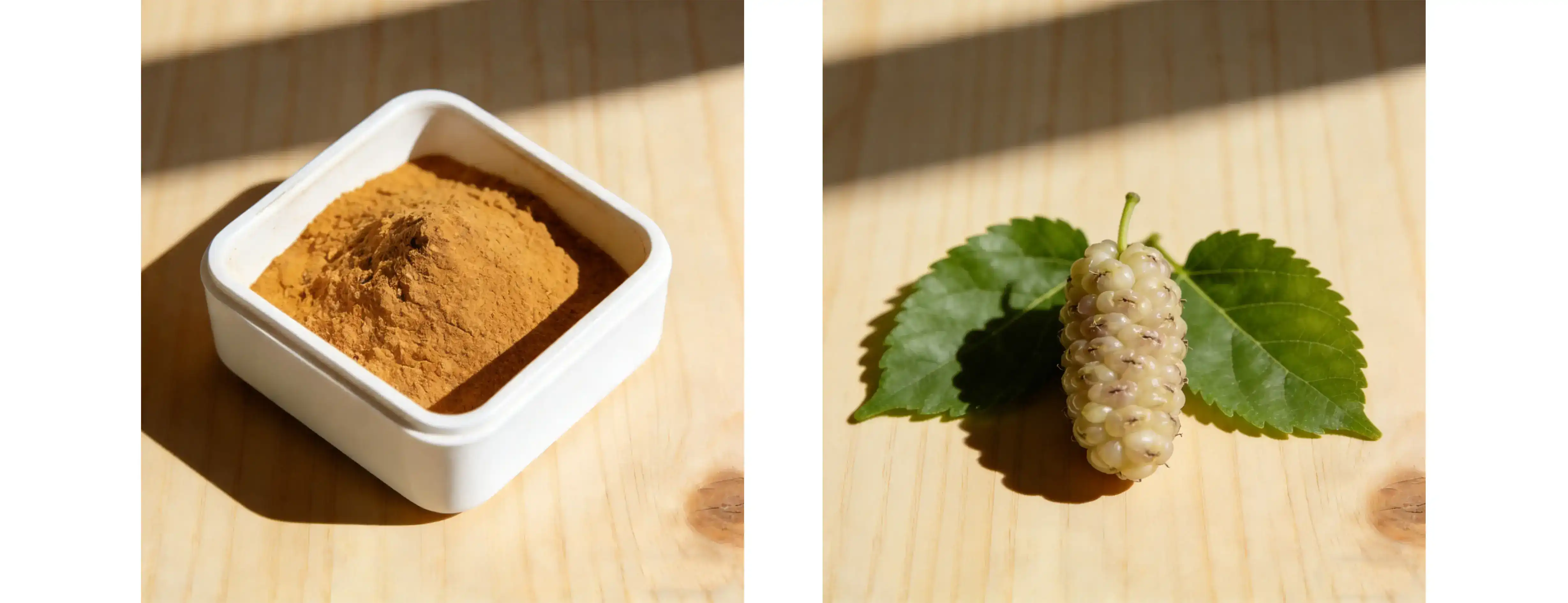
Understanding White Mulberry Extract: Powder vs. Liquid Forms
After being extracted with water or alcohol, the morus alba leaf extract is turned into a powder that can be sprayed or frozen. This makes a brownish-yellow powder that is free-flowing and has a controlled moisture content below 5%. Liquid extracts, on the other hand, don't dry out at all because they keep their liquid base, which is usually water or glycerin. The change in handling is not just for looks. It changes the reactive content, how it needs to be handled, and how long it will stay stable on the shelf.
From an industrial point of view, powder extracts are very precisely standardized. Professional-grade Morus alba leaf powder that has been tested and found to contain 1% DNJ gives a consistent and measurable active dose. It may be faster for liquid forms to dissolve in water, but the DNJ concentration changes more between batches, which makes it harder to make controlled product categories.
Nutraceuticals, functional food and beverage systems, and cosmetic formulas can all use both types. The real decision-making starts when you know which format is best for your needs.
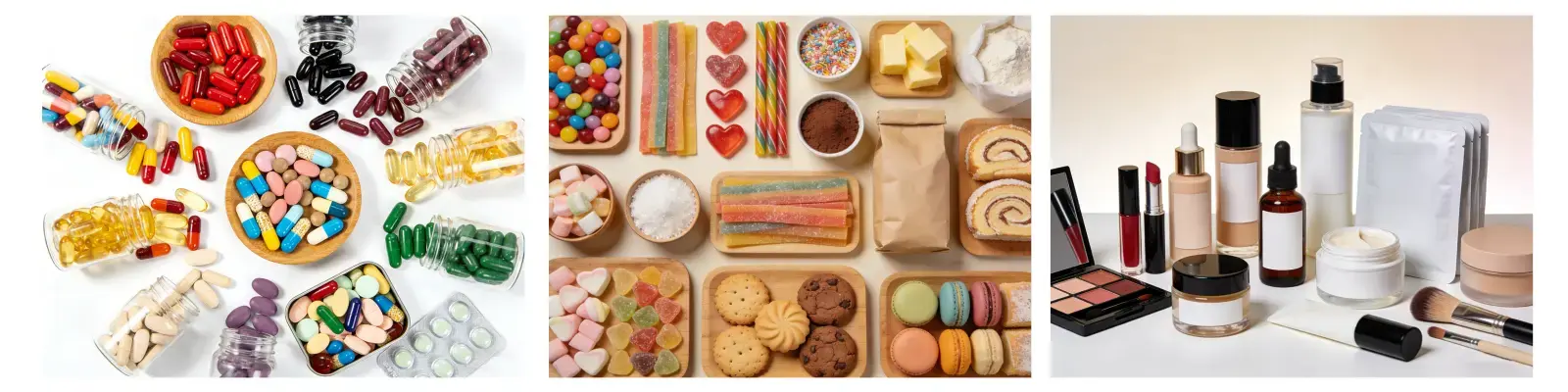
Key Considerations When Choosing Between Powder and Liquid Forms
Stability and Shelf Life
Formulation managers always tell me that stability is their biggest worry. It is clear that powder products are better in this case. Standardized Morus alba powder stays active for 24 months when stored properly in sealed, double-lined polyethylene bags with desiccant packets. The bulk density should be between 0.45 and 0.65 g/ml, and the moisture content should be kept below 5%. There is a higher chance that microbes will multiply in liquid extracts, especially water-based medicines. To keep their integrity over longer periods of time, they usually need cold-chain operations or preservative systems.
Dosage Accuracy and Bioavailability
According to clinical data, eating between 6 and 12 mg of active DNJ per meal is linked to significant alpha-glucosidase inhibitory activity in white mulberry extract. This means that a 1% DNJ standardized powder has a dose range of 600–1,200 mg, which is a good amount to put into size 00 capsules without adding too many fillers. Liquid extracts do dissolve quickly in water-based drinks, which can be helpful for making healthy drinks, but their bioavailability profile changes more when the pH level changes. Powders are stable at pH levels between 3.5 and 6.0, which means they can be mixed with acidic drinks without precipitating or breaking down.
Before deciding on either format, procurement teams should look at these important selection factors:
- Powder form: Longer shelf life (up to 24 months), easier to transport at ambient temperature, precise dosage control, compatible with capsule, tablet, and dry beverage applications, passes 80-mesh sieve at 95% rate for uniform blending.
- Liquid form: Faster solubilization in water-based systems, potentially beneficial for topical cosmeceutical applications, but requires refrigerated storage, tighter handling protocols, and often has a shorter usable life after opening.
These differences in functionality have a direct effect on your purchasing costs and the efficiency of your production processes later on. It is important to make sure that the format is right for the application type before making large orders.
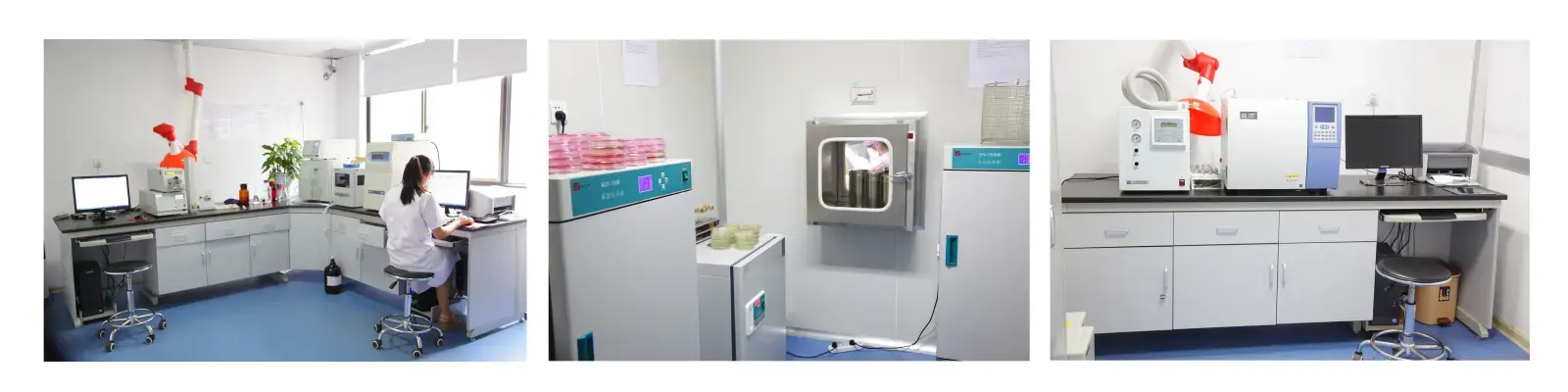
Comparative Analysis: Morus Alba Extract Powder vs. Liquid for Blood Sugar and Weight Management
Mechanism of Action and Efficacy Evidence
The main chemical in mulberry leaf extract is DNJ, which blocks intestinal alpha-glucosidase enzymes from working. This slows down the breakdown of polysaccharides and disaccharides in the small intestine. This lowers the rise in blood sugar after a meal without having the stomach problems that come with manmade medication inhibitors. A 2017 study in the Journal of Functional Foods confirmed that standardized DNJ-containing mulberry leaf extract greatly lowered blood sugar levels after a meal in humans at doses that are similar to those found in widely available standardized powders.
Powder-based versions are the most popular type of blood sugar control supplement because they are easy to standardize. Liquid extracts can work, but different runs of production can have different amounts of DNJ, which makes it harder to back up label claims under FDA dietary supplement rules. This is a big problem for brands sold in the U.S.
Morus alba leaf powder in white mulberry extract can help with weight loss because it changes how carbohydrates are absorbed, which means it can be used in goods that help you plan your meals, pre-meal capsule mixes, and low-GI functional foods. Most of the time, liquid extracts are used in cosmeceutical serums. In these, the focus is on Mulberroside A (from root bark extracts) to stop tyrosinase activity instead of DNJ-based metabolic activity.
Procurement and Supply Chain Factors for B2B Buyers
For U.S. B2B buyers, buying choices are about more than just how well something works. Total purchase cost is affected by how reliable the supply chain is, how accurate the paperwork is, and how long the wait times are. Earth Made Nutritions Inc. was started in 2018 and has its headquarters in California. It has four major local stores across the United States that make it possible to pick up in-stock items the next business day after an order is confirmed.
Standardized Morus alba leaf powder (1% DNJ, brownish-yellow color, 25 kg/drum) has a minimum order quantity of 25 kg and can be used for both small-scale pilot projects and large-scale commercial operations. You can get free samples for research and development, which I think is important before buying large quantities of ingredients.
The following certifications does Earth Made Nutritions Inc. have: NSF GMP, FSSC 22000, Kosher, Halal, ISO, and Organic. These credentials are required for brands that want to sell their products in the U.S. market and get into retail channels, especially those that want to position themselves as natural or clean.
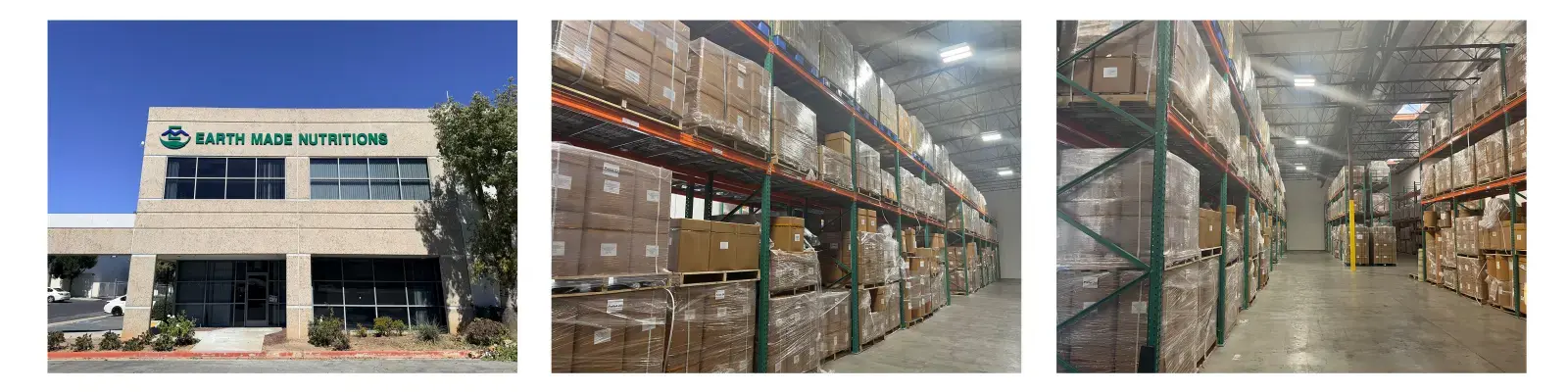
Making the Right Choice: Which Format Best Meets Your Business Needs?
After looking at stability, dosage accuracy, clinical support, and logistics, it's clear that powder form is the most flexible, cost-effective, and compliant way to make nutraceutical pills, functional food matrices, and dry beverage mixes for most business-to-business uses. There is a small market for liquid extracts in cosmetic topicals and some drinking systems where quick dissolving is more important than standardization.
New trends in the U.S. supplement market make powder-based plant products even more popular. The need for clean labels, the need for organic certification, and the rise of personalized nutrition goods are all things that support the tracking and accuracy that standardized dry extracts offer. OEM and private-label options make powder sourcing even more valuable by letting brands create their own formulas without having to build their own extraction infrastructure.
Conclusion
Choosing between powder and liquid white mulberry extract Morus alba leaf extract comes down to your formulation requirements, compliance obligations, and supply chain priorities. Standardized powder — particularly at 1% DNJ specification — consistently outperforms liquid forms in stability, dosage precision, and regulatory alignment for the U.S. nutraceutical and functional food markets. Liquid extracts retain utility in specific cosmeceutical and rapid-dissolution applications. Aligning your sourcing decision with credible, certified suppliers who maintain domestic inventory and full documentation is the most dependable path to formulation success.
Frequently Asked Questions
1. Is powder or liquid mulberry extract more potent?
Potency depends on standardization, not format. A 1% DNJ powder delivers a verified, repeatable active concentration that liquid extracts often cannot match batch-to-batch. For regulated supplements and functional foods, standardized powder is generally more reliable.
2. What are the optimal storage conditions for liquid mulberry extract?
Liquid extracts typically require refrigeration at 2–8°C and should be used within 12 months of opening. Exposure to light and heat accelerates degradation of active phenolic compounds.
3. Can mulberry leaf extract be combined with other botanical ingredients?
Yes. Morus alba leaf powder is commonly paired with berberine, chromium picolinate, and bitter melon extract in blood sugar support formulations. Always conduct compatibility testing within your specific matrix before finalizing a multi-ingredient blend.
4. Why is HPLC-ELSD the preferred testing method for DNJ?
DNJ lacks a UV chromophore, so UV spectrophotometry cannot accurately measure its concentration. HPLC-ELSD provides specific, quantifiable separation of DNJ, ensuring label claim accuracy.
Request a Sample from EM — Your Trusted White Mulberry Extract Supplier
Earth Made Nutritions Inc. (EM) sells approved, standardized white mulberry extract powder at low minimum order quantities (MOQs) and with clear prices and free samples. We have four warehouses in the U.S. and are certified by NSF GMP, FSSC 22000, Kosher, Halal, ISO, and Organic. This lets us serve quickly and reliably. To get your sample today, email us at info@em-herb.com.
References
1. Kimura, T. et al. "Mulberry leaf extract inhibits postprandial hyperglycemia with fewer gastrointestinal side effects." Journal of Traditional and Complementary Medicine, 2011.
2. Oku, T., et al. "Inhibitory effects of 1-deoxynojirimycin on disaccharidase activity in rats." Journal of Nutritional Science and Vitaminology, 2006.
3. Liu, L. K., et al. "Mulberry anthocyanins and DNJ: a review of health functions and food applications." Journal of Functional Foods, 2017.
4. Yang, X. B., et al. "Bioactive components and health benefits of white mulberry leaf extract." Food Chemistry, 2020.
5. Yimam, M., et al. "Botanical composition and standardization strategies for mulberry leaf dietary supplements." Natural Product Communications, 2019.
6. Vichayanrat, A., et al. "Efficacy of Morus alba leaf standardized extract on postprandial blood glucose in healthy adults: a randomized crossover trial." Phytotherapy Research, 2015.