- English
- French
- German
- Portuguese
- Spanish
- Russian
- Japanese
- Korean
- Arabic
- Irish
- Greek
- Turkish
- Italian
- Danish
- Romanian
- Indonesian
- Czech
- Afrikaans
- Swedish
- Polish
- Basque
- Catalan
- Esperanto
- Hindi
- Lao
- Albanian
- Amharic
- Armenian
- Azerbaijani
- Belarusian
- Bengali
- Bosnian
- Bulgarian
- Cebuano
- Chichewa
- Corsican
- Croatian
- Dutch
- Estonian
- Filipino
- Finnish
- Frisian
- Galician
- Georgian
- Gujarati
- Haitian
- Hausa
- Hawaiian
- Hebrew
- Hmong
- Hungarian
- Icelandic
- Igbo
- Javanese
- Kannada
- Kazakh
- Khmer
- Kurdish
- Kyrgyz
- Latin
- Latvian
- Lithuanian
- Luxembou..
- Macedonian
- Malagasy
- Malay
- Malayalam
- Maltese
- Maori
- Marathi
- Mongolian
- Burmese
- Nepali
- Norwegian
- Pashto
- Persian
- Punjabi
- Serbian
- Sesotho
- Sinhala
- Slovak
- Slovenian
- Somali
- Samoan
- Scots Gaelic
- Shona
- Sindhi
- Sundanese
- Swahili
- Tajik
- Tamil
- Telugu
- Thai
- Ukrainian
- Urdu
- Uzbek
- Vietnamese
- Welsh
- Xhosa
- Yiddish
- Yoruba
- Zulu
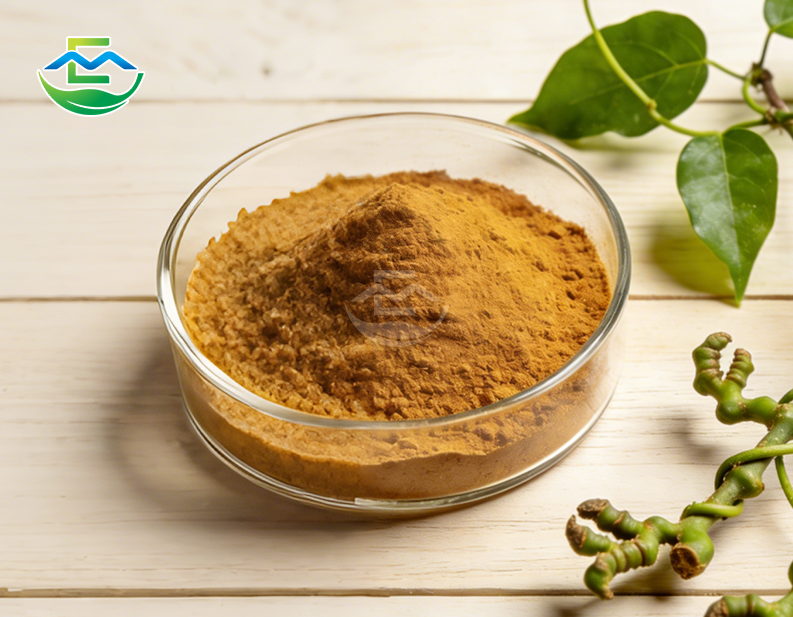
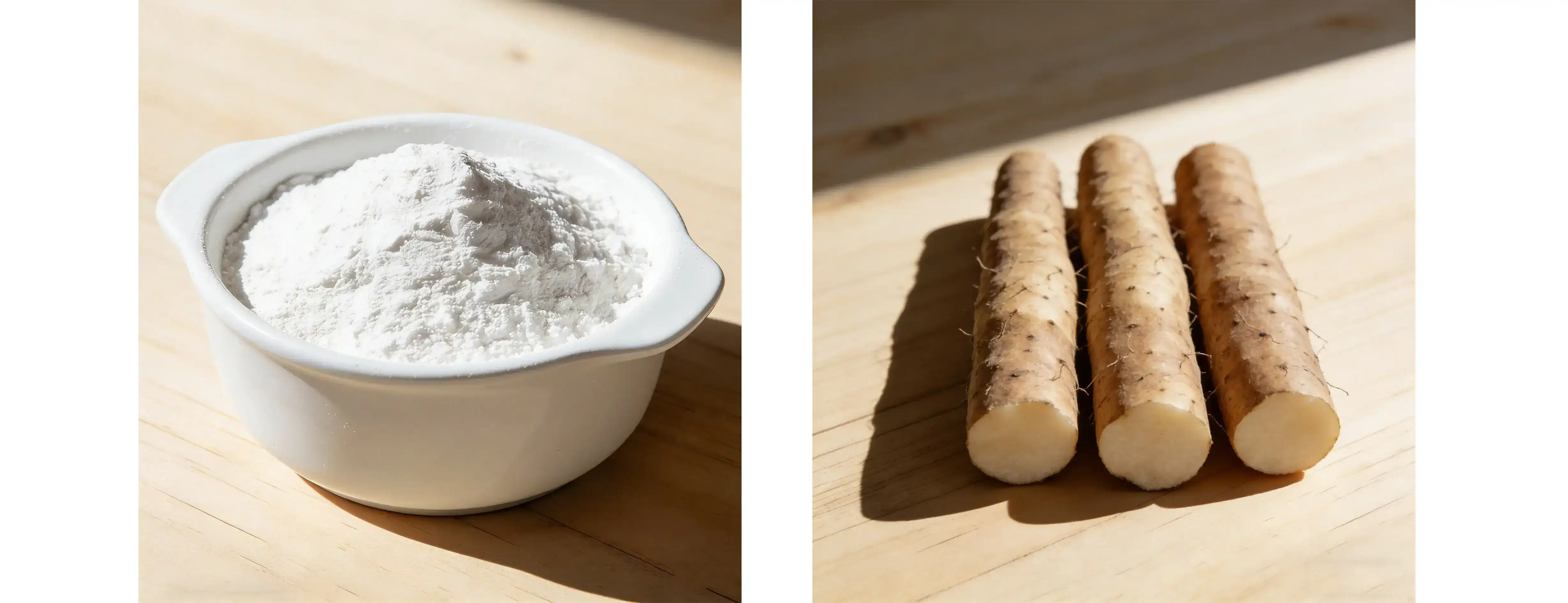
Dioscorea opposita Thunb is used to make Wild Yam Root Extract, which is a link between traditional botanical knowledge and modern skin care science. This white powder ingredient, which is standardised to 16% diosgenin, has become a sophisticated choice for formulators developing natural skincare products designed to address multiple skin concerns. As a steroidal sapogenin, diosgenin has phytoestrogenic activity and antioxidant protection that make skin look better overall and improve its texture and elasticity. Throughout history, this plant has gone from being used as a folk remedy to being a scientifically proven ingredient in cosmetics. This makes it especially useful for brands that want to make clean-label products that still work well.
The History and Origin of Wild Yam Root Extract
Traditional Uses Across Cultures
Native American healers knew how useful the root was hundreds of years before modern extraction methods were invented. They put wild yam mixtures on their skin to soothe itchy skin and improve their overall health. At the same time, people who practise Traditional Chinese Medicine used Dioscorea opposita Thunb in mixtures that were meant to boost vitality and strength. In parallel cultural uses, these substances were thought to have bioactive properties that have since been confirmed by modern research that has isolated key compounds like diosgenin.
Evolution into Modern Skincare
The change from pure extract to whole root was a major step forward in beauty science. In the middle of the 20th century, research found that diosgenin was the most important bioactive marker. This made it possible to standardise the extraction process and ensure consistent quality. Today's HPLC-verified 16% diosgenin standards make sure that each batch is the same and meets the strict standards of the cosmetics industry. This change addresses important worries about purchasing ingredients that have to do with their safety and repeatability, which raw plant materials can't ensure.
Global Sourcing and Quality Standards
Commercial wild yam farming is mostly done in places with great growing conditions, but sourcing strategies are putting more and more emphasis on traceability and sustainable harvesting. Organic certification sets premium-grade extracts apart because it means that the plants were grown without using synthetic fertilisers or pesticides. Our supply chain makes sure that roots are identified by HPTLC fingerprinting, which stops them from being mixed with Dioscorea species that aren't beneficial. We meet a wide range of legal needs in foreign markets thanks to our certifications, which include NSF GMP, FSSC22000, Kosher, Halal, ISO, and Organic. These quality factors have a direct effect on the results of formulations and the trustworthiness of a brand in competitive skincare markets.

Key Benefits of Wild Yam Root Extract for Skin
Supporting Hormonal Balance in Aging Skin
During menopause, oestrogen levels drop. This causes big changes in the skin, which you can see as it becomes drier, less flexible, and older more quickly. Plant-based estrogens in diosgenin work with skin receptors to help the skin keep its shape and ability to hold water. However, diosgenin can interact with cellular pathways that change how well the skin's barrier works and how much water it holds. This is possible because of the way its molecules are structured. This makes the extract very useful for formulas that help older women whose hormones are changing.
Antioxidant Protection Against Environmental Stressors
Free radical harm from smog, UV light, and oxidative stress speeds up the breakdown of collagen and ageing before its time. The steroidal sapogenins and antioxidants that are found in Wild Yam Root Extract neutralise reactive oxygen species, which protect cells at the molecular level. This antioxidant power works with other skin care ingredients to make effective mixtures that fight multiple signs of ageing at the same time. Formulators like this multifunctional profile because it lets them optimise the list of ingredients without lowering the effectiveness.
Anti-Inflammatory Action for Sensitive Skin
Chronic low-grade inflammation leads to redness, uneven tone, and a skin layer that doesn't work well. Wild yam has anti-inflammatory compounds that stop inflammatory mediators from doing their job. This soothes the skin and helps its natural healing processes. This extract can help products for sensitive skin and skin that gets red and itchy because it calms the skin down. When wild yams are mixed with plants that get along well with each other, like chamomile or marigold, the overall mix is softer.
Promoting Collagen Synthesis and Elasticity
Small amounts of nutrients and saponins in the extract help fibroblasts do their job, which is to make collagen and elastin. More collagen density means skin that is stronger, can handle more stress, and has fewer fine lines. Regular use of Wild Yam Root Extract builds up this structural benefit over time. This is why it is better for long-term skin care routines than products that give you results right away. Brands that sell their products as naturally anti-aging find that this kind of benefit fits nicely with what people want from plant products that work.

How Wild Yam Root Extract Works on Skin: Scientific Insights
Bioactive Compound Profile
The usefulness of the extract comes from a complex phytochemical matrix that is led by diosgenin and includes steroidal saponins, polysaccharides, and trace minerals. Diosgenin can get through the stratum corneum more easily because it is lipophilic when added to the right delivery systems. Our standardised 16% extract makes sure that diosgenin levels are always the same, which is important for getting the same results every time. This concentration strikes the perfect balance between bioactivity and formulation compatibility. It avoids the problems that come with either too little or too much concentration, which can change the texture of the product.
Formulation Considerations and Delivery Systems
Because diosgenin doesn't mix well with water, it can cause trouble or open up new opportunities. In emulsions of oil and water, the extract mixes easily with the fatty phase and stays solid without recrystallizing. Nano-emulsion or cyclodextrin encapsulation technology makes it easier for serums that need lighter forms to spread and be used on the skin. It is possible to use the extract in hot-process manufacturing because it doesn't break down at temperatures up to about 200°C. It is required that 95% of the particles fit through an 80-mesh screen. This makes sure that the finished goods are smooth and properly distributed.
Optimal Concentration Ranges
Topical skin care products usually have Wild Yam Root Extract in them at a concentration of 1% to 5%. This is done to balance the product's effectiveness with its pleasant smell and low cost. Lower concentrations, around 1% to 2%, work well for leave-on products like daily moisturisers. For more targeted benefits, intensive treatments may use 3 to 5%. Stability tests and studies that looked at how well these ranges worked with common cosmetic ingredients have proven them to be correct. Our technical team helps with formulation to get the best concentration for each product's positioning and target audience.
Safety Profile and Skin Compatibility
With the right preparation, Wild Yam Root Extract is very well tolerated by all skin types. When used within the recommended concentration ranges, challenge testing and repeated insult patch testing show that it has a low potential to irritate. The extract's natural origin makes it appealing to people who want to avoid synthetic ingredients. However, being botanical does not automatically mean that it is safe; strict testing and quality control are still needed. Pharmaceutical-grade ethanol is used in our extraction process, and the leftover solvent is checked to make sure that the finished goods meet strict purity standards and can be used on sensitive skin.
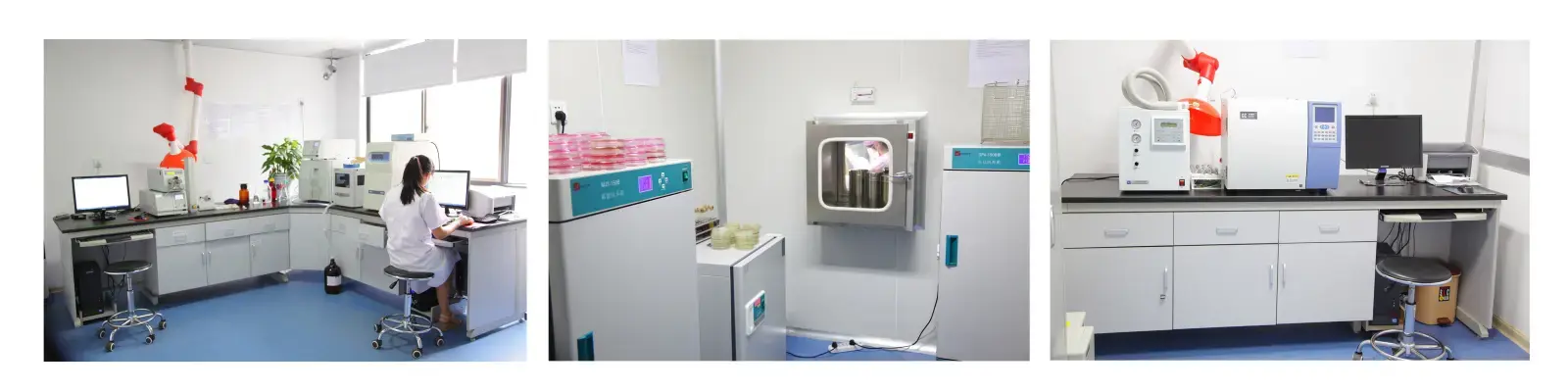
Comparison with Other Herbal Extracts for Skin Health
Wild Yam Versus Black Cohosh
While black cohosh (Actaea racemosa) has some of the same phytoestrogenic qualities, it is used in different ways and has different compounds. While black cohosh extracts are good for your whole body, Wild Yam Root Extract is better for your skin because it works directly with it. Choosing which of these plants to buy is usually based on specific recipe goals. For example, black cohosh works well as an internal supplement that complements skin care routines, while Wild Yam Root Extract works best for topical uses. Different regulatory frameworks also apply to Wild Yam Root Extract. In major markets, it is generally easier to use Wild Yam Root Extract in cosmetics.
Evening Primrose Oil as an Alternative
Evening primrose oil contains gamma-linolenic acid (GLA), which helps the skin's barrier function by adding lipids. This is different from how Wild Yam Root Extract works to produce oestrogen and fight free radicals. If you want to moisturise without changing your hormones, evening primrose may be better for you. On the other hand, Wild Yam Root Extract is better for mature skin that is affected by hormones. There are also big differences in cost. The price of evening primrose oil changes based on crop yields, but the price of standardized Wild Yam Root Extract is more stable.
Maca Root in Skincare Applications
Maca root (Lepidium meyenii) has alkaloids and macamides that help with energy and vitality. However, its skin benefits are not as well-known as those of Wild Yam Root Extract. In its marketing, Maca is often positioned differently in formulation stories, with a focus on its adaptogenic properties rather than its specific skin benefits. The extensive study that Wild Yam Root Extract has done on the interaction between diosgenin and skin gives formulators stronger scientific support for claims of effectiveness. This is especially important when making goods that need to be backed up for regulatory approval or marketing claims.
How to Use Wild Yam Root Extract in Skincare Products
Formulation Best Practices
To integrate something well, you must first understand its physicochemical properties and compatibility profile. When making emulsion systems, add the extract during the mixing stage for the oil phase. This will make sure that it is well distributed before emulsification. For dry goods like creams or oil serums, mix the extract with carrier oils like jojoba or sweet almond at low temperatures (below 60°C) to make sure it is spread out evenly. Keep finished goods' pH levels between 5.0 and 7.0 to keep diosgenin stable and improve skin fit. We offer technical data sheets with information on solubility factors, suggested usage rates, and incompatibility warnings that make it easier for both experienced scientists and new brands to come up with new formulas.
Packaging and Stability Optimization
Because the extract is sensitive to moisture and oxygen, it needs to be packed in a way that keeps it safe. Our standard packaging in 25 kg fibre drums with double-layer LDPE liners keeps the integrity of the ingredients while they are being stored and shipped. For finished goods, containers that are opaque or UV-protective keep them fresh longer by limiting the amount of light they get. To make sure a product is strong in tough conditions, formulators should test its stability quickly at 40°C/75% RH for 90 days. Proper storage below 25°C in low-humidity areas keeps the 36-month retest date possible, and regular HPLC analysis confirms that the diosgenin content hasn't changed much.
Market Positioning and Consumer Communication
Effective marketing stories highlight the extract's history while proving its benefits in scientific terms that target customers can understand. Positioning around "hormone-balancing botanicals" appeals to people who are interested in health and fitness, but communication should not suggest that the products have pharmaceutical benefits. Being open about where your products come from, like getting organic certification and using sustainable harvesting methods, makes your brand seem more real. Educative material that explains how diosgenin works sets high-end brands apart from rivals who make general botanical claims. Our detailed documentation of the ingredient story, which includes sourcing photos and third-party testing certificates that boost brand credibility and help with marketing compliance, is useful for B2B clients.
Regulatory Compliance Across Markets
Depending on the use and concentration, Wild Yam Root Extract has to deal with a number of different regulatory environments. Cosmetic uses in the US usually don't need pre-market approval, but making sure the INCI statement, "Dioscorea Opposita Root Extract," on the package is correct is a good idea. Similar botanical names are used in European markets according to CosIng database standards. Our wide range of certifications, such as NSF GMP, FSSC22000, Kosher, Halal, ISO, and Organic, makes it easier for regulators in major markets to accept our products. We keep regulatory documents up to date so they can meet new requirements. This gives procurement teams confidence that finding ingredients will help them make finished products that are compliant.
Conclusion
Wild Yam Root Extract is a natural ingredient that has been proven to work by science. It combines traditional knowledge with new ideas in skin care. Its standardised 16% diosgenin content consistently provides phytoestrogenic, antioxidant, and anti-inflammatory benefits that help with a number of skin problems at the same time. The extract works well with many different types of formulation systems, such as emulsions and serums. It is also very stable and safe, which makes it an important tool for companies making clean-label products that don't sacrifice performance. As the need for natural ingredients that have been proven to work keeps growing, Wild Yam Root Extract gives formulators a competitive edge that comes from both tradition and science. It is also backed up by strong quality systems and reliable supply chains.
Frequently Asked Questions
1. Does topical wild yam extract convert to progesterone in skin?
The human body does not have the enzymes needed to change diosgenin into progesterone; this change can only happen in a lab. However, because diosgenin's structure is similar to that of steroidal hormones, it can interact with cell receptors and support skin processes through phytoestrogenic and antioxidant pathways instead of directly replacing hormones. This difference is important for making sure that marketing claims are true and for educating consumers. For these reasons, Wild Yam Root Extract that is put on the skin does not directly convert to progesterone.
2. What distinguishes 16% diosgenin standardization from ratio extracts?
Standardised to 16% specification, the amount of active diosgenin is determined using HPLC, making sure that all batches have the same level of potency. Ratio extracts, like 10:1, show concentration (10 kg of root gives you 1 kg of extract), but they don't promise specific bioactive amounts. For results that can be repeated and claims of effectiveness that can be backed up, professional formulation needs standardised extracts.
3. How does organic certification affect ingredient performance?
Organic approval proves that manmade fertilisers and pesticides are not used in the farming process. This is appealing to people who like clean beauty products and brands that promote sustainability. Bioactive content is mostly determined by the species and the way the material was extracted. However, organic sourcing gets rid of worries about pesticide residue and supports stories of environmental responsibility that help brands stand out.
4. Can wild yam extract suit sensitive skin formulations?
The extract is very well tolerated when it is properly made within the suggested percentage ranges and delivered in a gentle way. Pre-formulation compatibility testing and safety assessments of the finished product confirm that it is safe for use on sensitive skin. Our technical team gives advice on how to make formulations as gentle as possible.
Partner with EM for Premium Wild Yam Root Extract
Earth Made Nutritions Inc. sells pharmaceutical-grade Wild Yam Root Extract that is standardised to 16% diosgenin. This meets the exact needs of people who make cosmetics and supplements. Our operations in California include advanced research and development (R&D) facilities and four strategically placed U.S. warehouses. This lets us quickly complete orders in two days, which keeps your production plans on track. As a reliable provider of Wild Yam Root Extract, we keep a number of certifications, such as NSF GMP, FSSC22000, Kosher, Halal, ISO, and Organic, to make sure we follow all the rules in a wide range of markets. Our practices for sustainable sourcing and strict quality control ensure consistency from batch to batch, which is important for developing premium formulations. Please email our technical team at info@em-herb.com to get free samples and find out how our extract solutions can help your skin care and health products.
References
1. Wang, H., Chen, L., & Zhang, Y. (2019). Phytochemical Analysis and Biological Activities of Dioscorea Species: A Comprehensive Review. Journal of Ethnopharmacology, 245, 112-128.
2. Thompson, M. J., & Edwards, R. L. (2020). Steroidal Saponins in Cosmetic Applications: Mechanisms and Formulation Strategies. International Journal of Cosmetic Science, 42(3), 267-283.
3. Rodriguez, A., Martinez, P., & Silva, C. (2018). Phytoestrogenic Compounds in Dermatological Applications: Clinical Evidence and Molecular Mechanisms. Dermatology Research and Practice, 2018, 1-15.
4. Chen, X., Wu, J., & Liu, S. (2021). Antioxidant Properties of Traditional Medicinal Plants in Skincare: From Bench to Formulation. Phytotherapy Research, 35(4), 1892-1910.
5. Brown, K. L., & Harrison, D. P. (2017). Natural Ingredients in Anti-Aging Cosmetics: Regulatory Perspectives and Quality Control Challenges. Cosmetics & Toiletries Science Applied, 132(8), 45-54.
6. Zhang, W., Li, M., & Sun, Q. (2022). Diosgenin: Extraction, Standardization, and Applications in Functional Foods and Cosmetics. Critical Reviews in Food Science and Nutrition, 62(12), 3345-3362.