- English
- French
- German
- Portuguese
- Spanish
- Russian
- Japanese
- Korean
- Arabic
- Irish
- Greek
- Turkish
- Italian
- Danish
- Romanian
- Indonesian
- Czech
- Afrikaans
- Swedish
- Polish
- Basque
- Catalan
- Esperanto
- Hindi
- Lao
- Albanian
- Amharic
- Armenian
- Azerbaijani
- Belarusian
- Bengali
- Bosnian
- Bulgarian
- Cebuano
- Chichewa
- Corsican
- Croatian
- Dutch
- Estonian
- Filipino
- Finnish
- Frisian
- Galician
- Georgian
- Gujarati
- Haitian
- Hausa
- Hawaiian
- Hebrew
- Hmong
- Hungarian
- Icelandic
- Igbo
- Javanese
- Kannada
- Kazakh
- Khmer
- Kurdish
- Kyrgyz
- Latin
- Latvian
- Lithuanian
- Luxembou..
- Macedonian
- Malagasy
- Malay
- Malayalam
- Maltese
- Maori
- Marathi
- Mongolian
- Burmese
- Nepali
- Norwegian
- Pashto
- Persian
- Punjabi
- Serbian
- Sesotho
- Sinhala
- Slovak
- Slovenian
- Somali
- Samoan
- Scots Gaelic
- Shona
- Sindhi
- Sundanese
- Swahili
- Tajik
- Tamil
- Telugu
- Thai
- Ukrainian
- Urdu
- Uzbek
- Vietnamese
- Welsh
- Xhosa
- Yiddish
- Yoruba
- Zulu
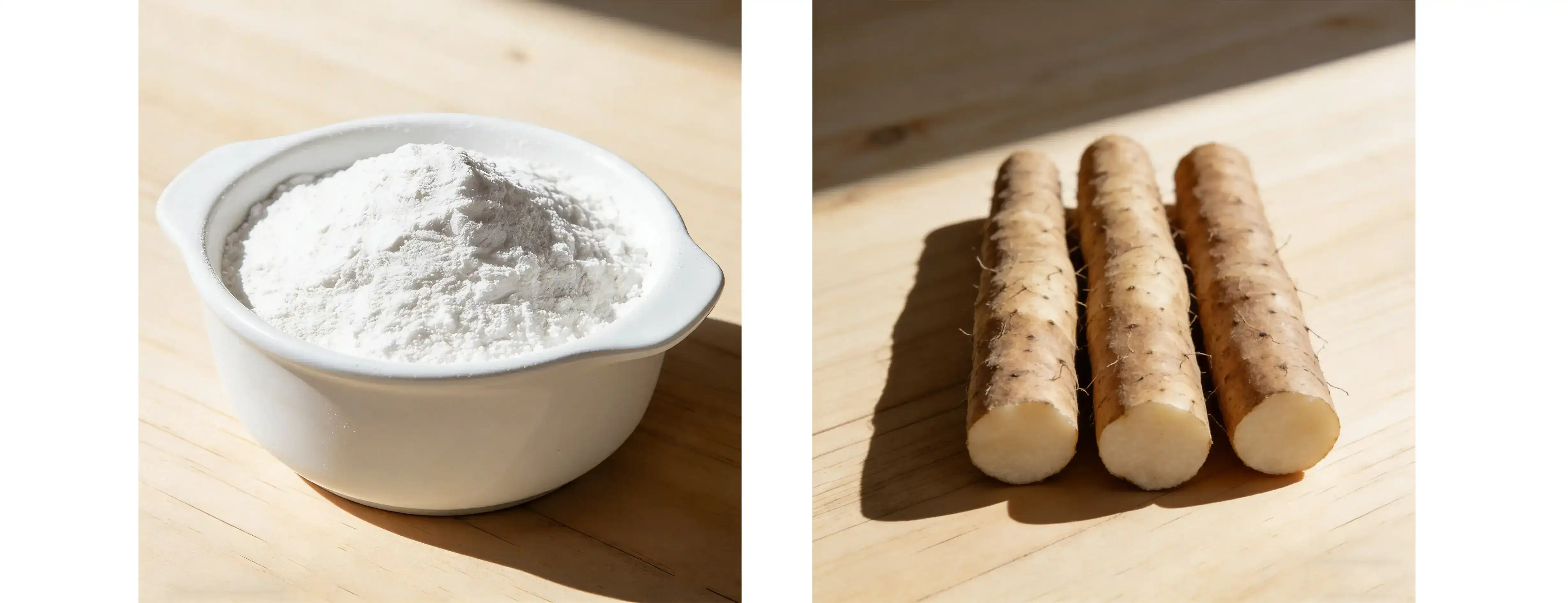
Wild yam root extract is a botanical ingredient made from Dioscorea roots, and sourcing it well comes down to five checks. Confirm the Latin name and plant part, define the diosgenin specification, review batch documents, test samples in your own format, and compare total landed cost. Brands that follow these steps avoid reformulation and keep labels accurate. At Earth Made Nutritions Inc. (EM), we supply a white, 16% diosgenin root extract from Dioscorea oppositae Thunb., packed in 25 kg drums. This guide shows how we evaluate the ingredient with our customers.
What Is Wild Yam Root Extract?
Botanical Identity and Traceability
There are a few types of Wild Yam that grow in different places. Most plants sold in stores are from the genus Dioscorea, which has over 300 different types. This means that the plant's common name doesn't tell buyers much about it. Make sure you know the Latin name, the part of the plant being sold, the country it comes from, how it is grown, when it is harvested, and how to get back to the lot before you compare quotes. We use the root of Dioscorea oppositae in our piece. It looks like white powder. Once you know for sure that a species is what it is, you can change the marker profile and the story you tell customers. We write what kind of plant it is on the first line of every standard sheet we make.
Raw Powder, Dry Extract, and Finished Formats
There are many parts to Wild Yam that all do different jobs. To make raw root powder, roots are ground up. The amount used changes with each harvest. The parts are put together to make a dry extract that can meet a certain standard. It changes the weight and shelf life of the product when liquid extracts are added because they take away water. These things are already made, so the person who makes them does all the work. But things that you put on your skin need a base that can hold oil. In terms of MOQ, strength, stability, and absorption, each format is different. There are also different packs for them. With a Wild Yam Root Extract powder, formulators have the most freedom because they can pick the amount, the fillers, and the best way to put the extract into pills, tablets, or sticks.
Diosgenin and Other Marker Compounds
Most people who sell Wild Yam use diosgenin, a steroidal sapogenin, to check its quality. As a saponin like dioscin, it is naturally found in the root and is often linked to sugars. For a certain amount of time, the extract makes it stronger. 16 percent diosgenin is what we need. Naturally occurring parts, standardized compounds, added ingredients, and claims should all be kept in their own sections on your papers. Diosgenin is used as a building block to make steroids in labs. One thing that should never be written on a pill is that the body does not change it into progesterone. The sign, the test method, and any shippers should all have clear names in a clean standard.
Wild Yam Root Extract Benefits and Uses: What Supplement Brands Should Understand
Common Commercial Applications
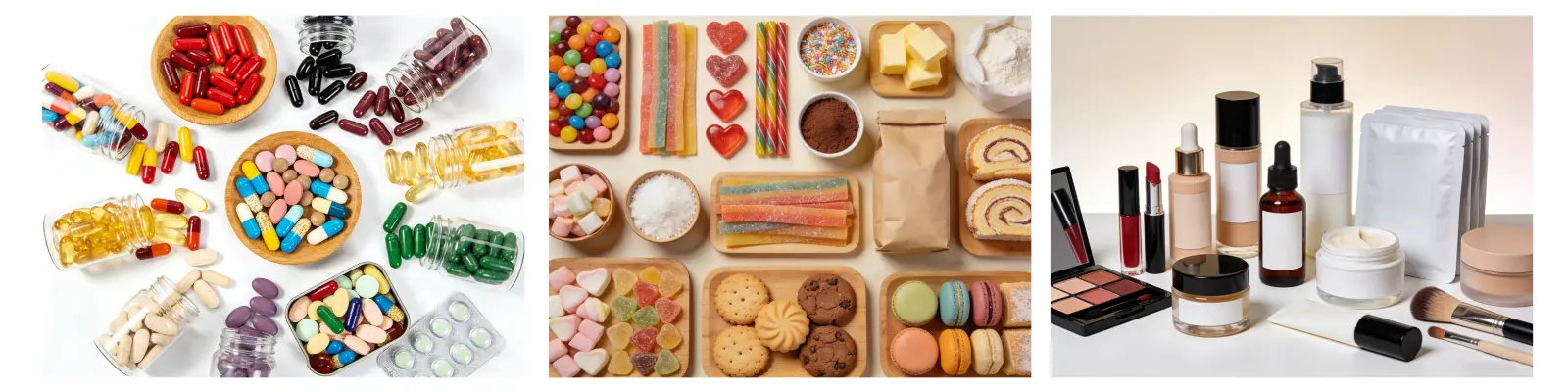
Wild yam root extract is used by brands in skin care products for women, functional powders, capsules, tablets, and herbal blends. This part has been used in traditional plant medicine for a long time. It's often in meals for women. Dry forms work well because they don't need any extra work and mix well with other plant powders. Since diosgenin likes fat, it needs to be tested to see what happens when it comes in contact with oil. First, make sure you know what shape you need. After that, ask the seller how the powder works in that form.
Claims Language and Regulatory Status
People in the US must follow the rules set by the Dietary Supplement Health and Education Act of 1994. Every time a company wants to make a structure/function claim, they have to follow the FDA's rules and let them know within 30 days of the first time they sell the claim. There are three types of claims: claims that are used in everyday life, claims that are used in patients, and claims that are used in structures or functions. Each type needs a different kind of help. Brands shouldn't use phrases like "natural progesterone," "hormone balance," and "menopause treatment" unless they can prove that they are true. Make sure that each claim fits the style, dose, and rules of the audience.
Evidence-Based Communication
The facts show that the responsible statement is based on them. Climate looked at a study in 2001 that looked at a Wild Yam cream and healthy women who were going through menopause. Hormone levels and symptoms did not change much when a real cream was used instead of a fake one. For brands to be honest about what ingredients they use, they should say how they were removed and how it was regulated. They shouldn't use other brands' achievements as their own. There are different ways to set up a study and change what it can say about the end result. This will give the person reviewing your business all the information they need. Our group can talk about specs and important notes.
How to Select the Right Specification and Compare Options?
Build the Technical Brief First
Make a plan before you ask for prices. You need to choose when to launch, what kind of regulations to follow, how to package the product, who you want to sell it to, and what format it will be in. Now, write down all the scientific information you can think of, such as the botanical name, the part of the plant that was used, the extraction ratio, the solvent, the marker content, the carriers, the look, the moisture level, the particle size, the solubility, the microbiology, heavy metals, pesticides, leftover solvents, aflatoxins, the shelf life, and how to store it.
They can quote on the same things when you give them a full plan, so the prices you get are pretty close to each other. It also lets you know right away if a supplier can provide the paperwork you need. The main grade we use is a white powder that has 16% diosgenin in it. This is how we know if it works for you.
Standardized Extract, Whole-Root Extract, and Isolated Diosgenin
Most extracts say they have a certain amount of diosgenin, like 16%, and the seller checks them to make sure they're real. A 10:1 ratio is often used to sell a mix that hasn't been named. This number tells you how much raw root was used to make the extract. But it doesn't say how much marker it has. Because separated diosgenin is a pure substance, it can be found and managed in a different way than a product from the whole root. It doesn't have any of the other root parts either. Supplement makers can get a stable plant-based ingredient from a standardized wild yam root extract that doesn't go too far into the world of pure chemicals as long as they know what they want.
Organic Sourcing and Delivery Formats
It's good to be organic, but you have to follow some rules. Like, you have to use approved raw materials, keep track of where they came from, and plan your supply chain very carefully. What does the certificate say, who gave it, and what does it cover? The following groups have given us their seals of approval: ISO, Kosher, Halal, NSF GMP, and Organic. You should also think about different ways to send it. The amount of water in fluid extracts needs to be able to be changed, and creams need a base that can mix with oils. There needs to be a written recipe for black cohosh mix and tests to make sure it works with all the other plants in it because each one changes how it moves and tastes. You shouldn't mix a progesterone cream with a plant product that you take by mouth because they are different.

Supplier Qualification, Quality Control, and Documentation
Know Who You Are Buying From
Every kind of business needs a different kind of business plan. They trade, make extracts, sell raw materials, work as contract manufacturers, and sell their own brand of goods. Different are the prices, the help you get, the fitting, the wait times, and the people who are in charge of quality. Find out about the business and the location, as well as the steps, batch COAs, certifications, origin papers, stability data, samples, MOQ, wait time, packing options, and export references. EM began in 2018 and is based in California. It has its own building with an R&D team and high-tech tools for extraction. It also has four warehouses all over the United States. That way, we can quickly answer technical questions and ship from our office stock.
Reading Certifications Correctly
Not much is gained from having a logo on a website. Go through each ticket and check the dates it's good for, the items it covers, the person who gave it to you, and the place where they gave it to you. Saying something is organic, Halal, Kosher, non-GMO, ISO 22000, FSSC 22000, or GMP is not the same thing. In this case, FSSC 22000 is a plan for food safety that is approved by the Global Food Safety Initiative. NSF GMP is a set of rules for how to make supplements. NSF GMP, FSSC 22000, Kosher, Halal, ISO, and Organic have all given their seals of approval to our products. We also follow GMP and FDA rules here in the US. We'll send you files that go with the site and the product if you ask. Your quality team can use them.
Batch COAs and Testing
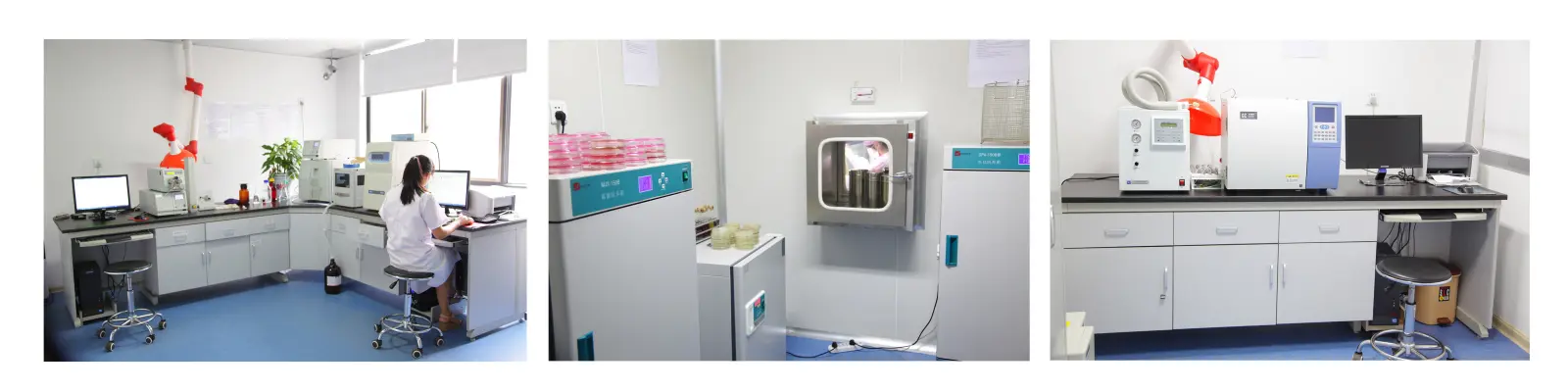
Each batch of wild yam root extract has a different COA that you can trust. The lot number, the date it was made, the date it goes bad or needs to be tested again, the real results, the test methods, and lab approval are all written on it. Check the test results to see what they show and how many microbes, heavy metals, pesticides, residual solvents, mycotoxins, and adulterants there are.
FTIR, DNA tests, HPTLC, microscope, and HPLC are all tools that can be used to find out who someone is. It depends on the thing and the need which one to use. To find out how much diosgenin there is, people often use HPLC. USP General Chapter 561 talks about things that come from plants. If there are any toxins in the product, make sure your regulatory team knows about them. They should also know how much to take each day and any local rules that apply before you go live.
Formulation, Procurement, and Choosing the Best Supplier
Dosage and Formulation Planning
You can't just switch between extract and raw powder to change the dose. The dose is based on the marker concentration, the extraction ratio, the product format, the intended use, the regulatory limits, and the available safety data. Watch how the medicine moves, how it reacts to heat and water, how it tastes and smells, how well it dissolves, how it mixes with other substances, how it is packed, and how tightly the tablets are packed. Because diosgenin doesn't mix well with water, drinks need to figure it out and test it. Make a test batch first. Next, figure out how to store, package, and protect the food from light and water. You can make powder sticks, capsules, and tablets in these 25 kg drums.
Price, MOQ, and Contract Terms
Prices depend on where the plant comes from, how much extract is used, the standards, whether it is organic, the testing, the packaging, the customization, the order quantity, the certification, and the needs of the market. Look at more than just the kilo price. Check out how much it costs to land all together, which includes freight, taxes, tests, and storage. If you want to make sure the product works well, read the labels, ask for a sample, try out the name and recipe, place a pilot order, and then move on to bulk sales. If you order something that is already in stock, you can pick it up the next day for free. The least amount that can be ordered is 25 kg. The deal for a private label or custom project should say who owns the formula, the artwork, the specs, the reports, the tools, and the regulation files.
Supplier Checklist and Scorecard
It will help to write down the things you need to do. The Latin name, plant part, origin, extraction method, standardization, batch COA, identity testing, contaminant controls, shelf life, storage, and sample performance are some of the technical checks that are made. There is an MOQ, a list of the assumptions that went into the quote, a lead time, capacity, payment terms, experience with exporting, and technical support. Check the factory, the certificates, and the suppliers who can back you up. Also, agree on how to handle recalls, changes, and complaints. Also, make sure everyone agrees to keep things secret and do a great job. For small businesses, low MOQ and samples are very important. For big companies, batch accuracy and volume are more important. With a weighted review, your goal is the same: to compare all sources.
Conclusion
Wild yam root extract Source works best when used over and over. The Latin word, plant part, place of origin, and ability to be tracked should be given the most weight since that name is used for more than one type of plant. It is better to trust a stable extract that says "16% diosgenin" on the label than an extract that only shows the ratio or a raw powder extract. There is no reason why diosgenin should ever be called progesterone. The claims must match the proof, the way the product is packed, and US law. The supplier is then qualified if their certificates have been checked, their COAs are unique for each batch, they have passed tests for identity and contamination, and it is clear what needs to be done. Brands can make a choice that they will remember and use again and again when they use a weighted evaluation, formulation trials, staged buying, and total landing cost.
FAQ
Q1: Is wild yam extract the same as progesterone?
A: It's not in Wild Yam Root Extract because the body doesn't change it into progesterone. Labels and ads should always say the same thing.
Q2: Which documents should I request?
A: Ask for the specification, a batch-specific COA, a list of the plants that the oil came from, details on how the oil was extracted, particle test results, certificates, stability data, and papers that prove where the oil came from. They let the people on your quality team look over the whole job.
Q3: Should I choose raw powder or standardized extract?
A: A controlled extract like 16% diosgenin is a good choice when you need a clear marker. Because every harvest is different, you can't use the same amount of raw powder instead of something that has been measured out.
Q4: Can I get a sample before a first order?
A: We offer free samples, and the smallest amount you need to order is 25 kg. The total price is based on the number of things bought, their specifics, certifications, and how they are packed.
Request a Wild Yam Root Extract Specification and Quote
Wild yam root extract providers should be judged by their work, not what they say. Are you all set? From EM, you can get white root extract with 16% diosgenin in 25 kg drums. You can try it for free. You can also pick up your order the next business day from one of four warehouses in the U.S. To find out more, email info@em-herb.com with your start date, dosage form, and target market. Our team will talk about the details, papers, and planning for materials before you place a big order.
References
1. U.S. Congress, Dietary Supplement Health and Education Act, 1994
2. U.S. Food and Drug Administration, 21 CFR Part 111: Current Good Manufacturing Practice for Dietary Supplements, 2007
3. U.S. Food and Drug Administration, Small Entity Compliance Guide: Structure/Function Claims, 2002
4. Komesaroff et al., Climacteric, 2001
5. Jesus et al., Journal of Analytical Methods in Chemistry, 2016
6. United States Pharmacopeia–National Formulary, General Chapter 561: Articles of Botanical Origin, 2023