- English
- French
- German
- Portuguese
- Spanish
- Russian
- Japanese
- Korean
- Arabic
- Irish
- Greek
- Turkish
- Italian
- Danish
- Romanian
- Indonesian
- Czech
- Afrikaans
- Swedish
- Polish
- Basque
- Catalan
- Esperanto
- Hindi
- Lao
- Albanian
- Amharic
- Armenian
- Azerbaijani
- Belarusian
- Bengali
- Bosnian
- Bulgarian
- Cebuano
- Chichewa
- Corsican
- Croatian
- Dutch
- Estonian
- Filipino
- Finnish
- Frisian
- Galician
- Georgian
- Gujarati
- Haitian
- Hausa
- Hawaiian
- Hebrew
- Hmong
- Hungarian
- Icelandic
- Igbo
- Javanese
- Kannada
- Kazakh
- Khmer
- Kurdish
- Kyrgyz
- Latin
- Latvian
- Lithuanian
- Luxembou..
- Macedonian
- Malagasy
- Malay
- Malayalam
- Maltese
- Maori
- Marathi
- Mongolian
- Burmese
- Nepali
- Norwegian
- Pashto
- Persian
- Punjabi
- Serbian
- Sesotho
- Sinhala
- Slovak
- Slovenian
- Somali
- Samoan
- Scots Gaelic
- Shona
- Sindhi
- Sundanese
- Swahili
- Tajik
- Tamil
- Telugu
- Thai
- Ukrainian
- Urdu
- Uzbek
- Vietnamese
- Welsh
- Xhosa
- Yiddish
- Yoruba
- Zulu
It's not true that a 200:1 label is twice as strong as a 100:1 label. The first number tells you how much raw root was used to make the extract. The second number tells you how much active compound is in the finished powder. The main differences in tongkat ali root powder are the way it was extracted, the amount of markers it contains, how well it dissolves, and how consistent each batch is. A 100:1 extract works well for formulas that need to be both cheap and flexible. A 200:1 extract, on the other hand, may work better for small servings when lab data supports it. This guide was written so that buyers and R&D teams can use facts to compare the two formats and pick the one that works best for their items.
What the 100:1 and 200:1 Ratios Actually Mean
How the Extraction Ratio Is Calculated
The weight of dried raw root is compared to the weight of the extract that was made from it. In this case, 100 kg of root gives rise to 1 kg of extract, and 200 kg of root gives rise to 200 kg of extract. The word "roughly" is important. What changes the real number? The amount of water in the root, the solvent, the yield of each run, and the way it is dried. Different manufacturers figure out the number in different ways, so two suppliers can print the same ratio on a specification sheet but send very different goods. Before comparing prices, I tell buyers to ask the seller how they came up with the ratio.
Ratio Is Not the Same as Standardization
The ratio only talks about the input, while standardization sets a minimum amount of a marker compound. Malaysian ginseng, Eurycoma longifolia Jack, has quassinoids in it, and eurycomanone is the marker that most suppliers report, usually by HPLC. A standard product lists a minimum amount of eurycomanone and backs it up with a batch test. That's not what a ratio-only product says it will do. A formulator can't learn much from a 200:1 extract that doesn't have any marker data. On the other hand, a 100:1 extract with a verified marker range makes it easy to set clear writing goals. This is the reason why I think of the marker assay as the better quality signal.
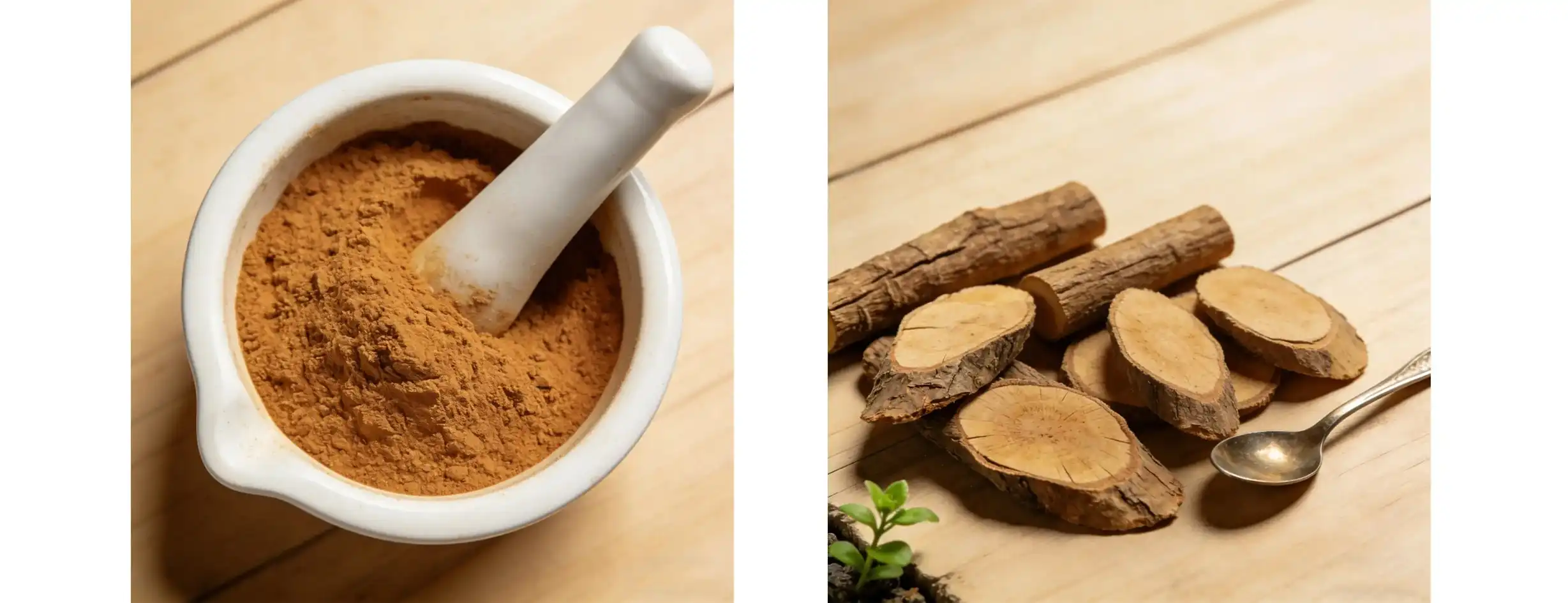
Extract Powder vs Whole-Root Powder
For tongkat ali root powder, dried and ground root is what whole-root powder is made of. Because it keeps the plant fiber, it has fewer active ingredients per gram and doesn't dissolve in water. Extract powder is made by extracting something with water or ethanol and then drying it, which makes the soluble part more concentrated. Never put the two next to each other gram for gram. Anyone who changes one for the other without changing the serving size changes the product. When I talk to new buyers, the first thing I ask is what form their formula needs. This is because the answer determines the dosage form, the strength, and the price.
100:1 vs 200:1 Tongkat Ali Root Powder: Key Differences in Practice
Concentration and Serving Size
The most obvious difference is concentration. If you make a good 200:1 extract, it has more root equivalent per gram, which means that less powder may be needed to reach your goal. That helps with small capsules, tablets, and stick packs that don't take up much room. The same amount of root needs more powder in a 100:1 extract, but there is often more room for mixing, flow, and cost control. The dose is not set by either number alone. That's done by the finished product's validated specification, and your regulatory team should confirm the serving size for the market it's going to.
Does 200:1 Mean Twice the Potency?
No. The ratio tells you how much raw material was utilised, but the potency relies on the plant source, the solvent used, the temperature, the technique of analysis, and the quantity of extract that was created. Two 200:1 powders may contain varying quantities of eurycomanone, and a 100:1 powder can have the same or more marker content than a 200:1 powder. You need to run an identification, acquire a chromatographic profile, figure out what markers you'll use, and execute an assay on the precise lot you will receive to make a fair comparison. Be sure the test procedure is appropriate for the chemical you are measuring. What matters more than having a greater number on the label is having more consistent ingredients between batches in commercial manufacturing.
Cost per Validated Serving
The price per kg might be deceiving. It could be more expensive per kg for a 200:1 powder, but if it delivers the same quantity of marker in a smaller portion, then the cost per serving might be the same or lower. It may go the other way, too. The cost of testing, freight, packaging, yield on the formulation, and any adjustments incurred during processing must be calculated to make the comparisons fair. Add the cost of the carriers or flow agents if needed for the powder. This figure is two quotations with distinct ratios that the finance and R&D teams may both look at.
Choosing the Right Format for Your Product
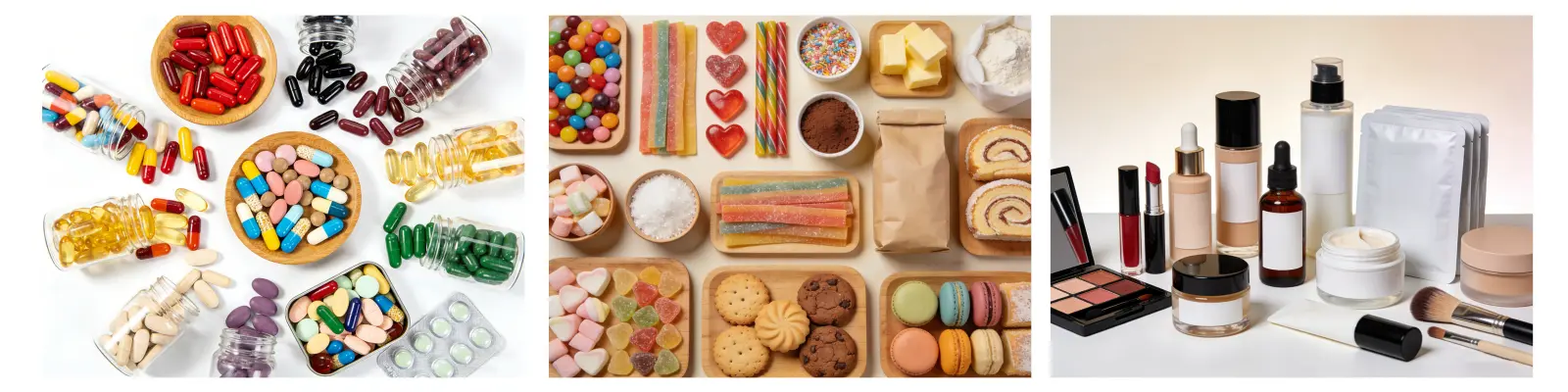
Capsules and Tablets
The most popular form of tongkat ali root powder is still in capsules and tablets. This is where extract powder fits in because the serving size is small, which makes the capsule size easy to handle. For automatic lines, find out about the flowability, particle size, and bulk density. These things affect the fill weight and compression. A 100:1 extract is good when cost and the ability to mix well are important. A 200:1 extract might work well in a capsule with many ingredients, where every milligram of space is important. Run a pilot batch before full production in both cases so your team can make sure the fill is consistent and doesn't break apart.
Functional Beverages and Foods
Mixers need a powder that doesn't fall apart and stays put while it's being processed. Most of the time, water-extracted powder dissolves better than whole-root powder. However, the color, bitterness, and ability to dissolve vary from one extract to the next. Because acidic energy drinks and hot coffee both put stress on ingredients in different ways, test each candidate in your own base to see how well it handles pH, heat, and sediment. You can use whole-root powder in teas and other traditional recipes, and it still leaves fiber in the cup. Plan ahead for flavor masking, since quassinoids have a bitter taste. Before bench tests, food technologists should ask for a food-grade specification and an allergen statement.
Sports Nutrition and Private Label
Powders are often mixed into shakers or stick packs by sports nutrition brands, so how they mix in cold water and how they taste are just as important as the ratio. Brands that have private-label programs need a steady supply, different types of packaging, and help with the labels. Match the extract ratio to the form: a small serving may need 200:1, while a mixed powder with extra space may only need 100:1. Follow the FDA's rules for dietary supplement marketing claims, and have your regulatory team look over the label copy. Before you set a launch date, you should find out about the minimum order quantity and lead time.
How to Compare Quality Beyond the Ratio
Documents to Request Before You Buy
A good supplier shares paperwork right away. These are the first three groups of documents I need.
- Identity and marker testing: Request a batch-specific certificate of analysis that lists the Latin name, plant part, ratio, and eurycomanone result, along with the test method. The lot number and production date must match your shipment, because an old or generic report cannot describe the powder you will actually receive.
- Contaminant testing: Ask for heavy metal results, often measured by ICP-MS, plus microbial counts and, where they apply, pesticide and residual solvent data. These reports show whether the material meets the limits of your target market, and they belong in your supplier approval file for future audits and reorders.
- Quality system records: Collect current certificates such as GMP, ISO, FSSC 22000, Kosher, Halal, and Organic, together with the specification sheet and traceability details. Check the scope and expiry date of each certificate, and confirm that it covers the production site and the product you intend to buy.
These papers back up a sales claim with proof and make it easy for your QA team to check what they said.
Common Buying Mistakes
There are three mistakes that keep happening. First, people only look at the ratio or price per kilogram. Second, they'll take a COA that doesn't match the brand name, lot number, or production date. Third, they don't ask about origin or how things can be tracked. Tongkat ali comes from Southeast Asia, mostly Malaysia, Indonesia, and Vietnam. Ask the supplier where the root came from and how they keep track of it. A supplier who can clearly explain where the goods came from, how they were tested, and how they make sure that repeat orders are always the same has probably done the work that goes into the paperwork.
Dosage and Label Compliance
Not just the ratio, but also the finished product's tested specifications should be used to decide how much to serve. It depends on the type of extract, how it is standardized, how it is dosed, and the rules of the destination market. Do not try to make a universal serving out of a 100:1 or 200:1 ratio. There are rules that dietary supplement labels in the US have to follow. These include good manufacturing practice under 21 CFR Part 111 and the limits on structure and function statements. After you're done making the formula, test it for stability and compatibility, and have a regulatory expert look over every claim before it goes on sale.

Why Buyers Choose EM for Tongkat Ali Root Powder
Product Specifications
EM sells tongkat ali root powder, Eurycoma longifolia Jack root powder, which looks brownish-yellow. The standard package is a 25 kg drum, and the lowest amount that can be ordered is also 25 kg. This means that R&D teams can do small-scale tests without making a big commitment. Samples are free, so you can test how they flow, look, taste, and dissolve in your own formula. Before you place an order, please ask our team for the most up-to-date specification sheet and batch COA that matches the ratio and marker range your project needs. We will then confirm the details with you.
Certifications and Quality Control
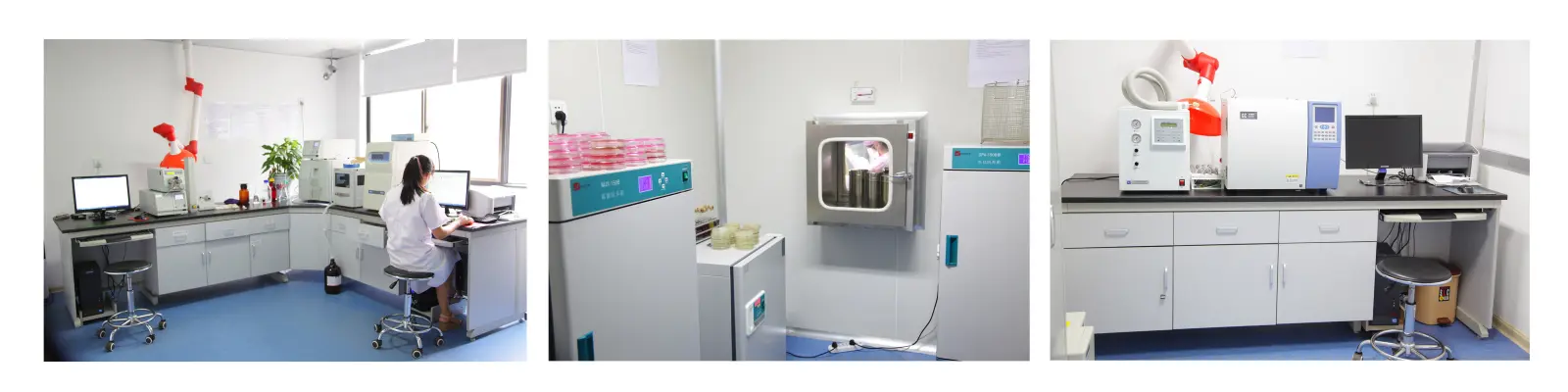
We begin with the standards we follow to ensure quality control. We are certified to NSF GMP, FSSC 22000, Kosher, Halal, ISO, and Organic standards. Our R&D team has extraction tools that are high-tech. They can have technical debates about the best technique to extract and what the specs should be. We also have our own contemporary plant for processing raw materials and finished goods. This ensures that all processes in manufacturing are the same. Let us know your compliance needs in advance, and we will provide you with the correct paperwork.
Local Warehouses and Lead Time
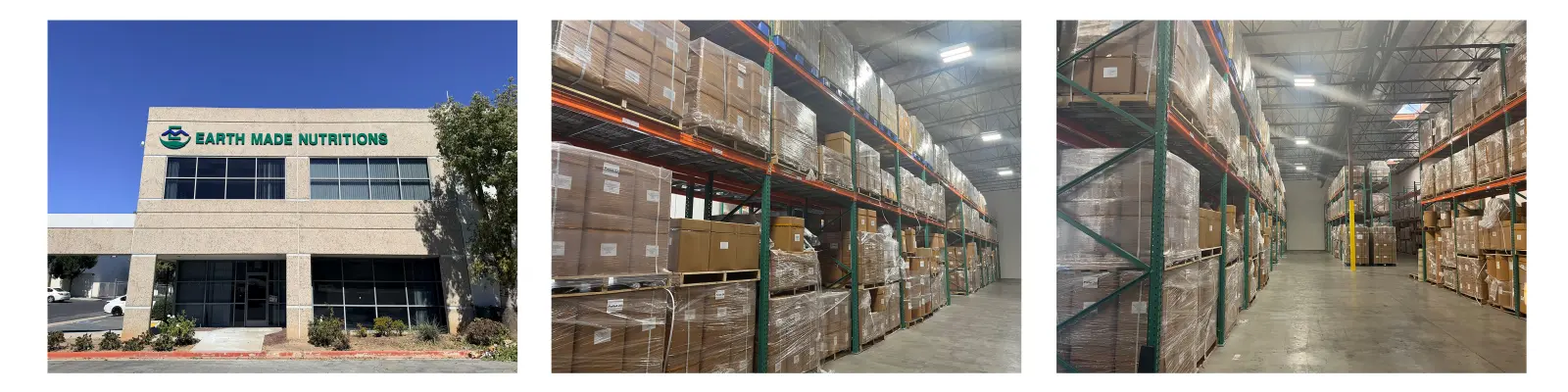
The timing of supplies coming in impacts every launch timetable. EM has four huge warehouses in the United States. The products are available in stock; you may pick them up tomorrow. This will reduce waiting time and make it simpler for importers, distributors, and brand owners to prepare. We are a California-based company that began in 2018. Also, we believe in sustainability. That is taking care of the environment and being socially responsible. Most buying teams worry about delivery schedules and paperwork, but these qualities solve those problems.
Conclusion
For tongkat ali root powder, the 100:1 and 200:1 markings are only a guide to how much raw root was used to generate an extract. They do not reflect the strength, marker content, or quality of it. That implies there is no single best powder. A 100:1 powder may be less expensive and provide greater flexibility in how you mix it, but a 200:1 powder may allow you to produce a smaller portion. But the ratio or price per kilogram is not a fair comparison, and it is fairer to test markers like eurycomanone by HPLC, lot-matching COAs, contaminant findings, and cost per validated serving. The application also has an impact on solubility, flow, and flavour since capsules, drinks, and sports mixes have various requirements. The judgement is then made based on FDA guidelines and verification of ownership. Considering these, the customer may decide which format would work best for the goods.
FAQ
Q1: Is 200:1 tongkat ali extract twice as strong as 100:1?
Not at all. The ratio tells you how much root was used to make the extract. When you compare eurycomanone results on lot-specific COAs, you can see how strong they are based on marker content, extraction method, and batch testing.
Q2: Is extract powder the same as root powder?
No, whole-root powder is made from milled root that still has its fibers. Extract powder, on the other hand, is made by extracting the root with water or ethanol. Because of this, you shouldn't compare them by weight, but by how much they dissolve.
Q3: What are the order terms for EM's tongkat ali root powder?
We ship our Eurycoma longifolia Jack root powder in drums that hold 25 kg, and the minimum order quantity is also 25 kg. You can get free samples, and the item is in stock and ready to be picked up the next day.
Q4: Which certificates does EM hold?
We have NSF GMP, FSSC 22000, Kosher, Halal, ISO, and Organic certificates. Get up-to-date copies and ask what they cover.
Request Tongkat Ali Root Powder Samples From EM
Looking for a company that ships tongkat ali root powder from the United States? You can get free samples, a 25 kg minimum order quantity, 25 kg drums, and in-stock material from EM that you can pick up the next day. They also have NSF GMP, FSSC 22000, and ISO certificates to back them up. Send an email to info@em-herb.com with your target ratio, application, and annual volume. Someone from our team will get back to you with details and documents.
References
1. Bhat R, Karim AA. Tongkat Ali (Eurycoma longifolia Jack): A Review on Its Ethnobotany and Pharmacological Importance. Fitoterapia, 2010.
2. Rehman SU, et al. Review on a Traditional Herbal Medicine, Eurycoma longifolia Jack (Tongkat Ali): Its Traditional Uses, Chemistry, Evidence-Based Pharmacology and Toxicology. Molecules, 2016.
3. Low BS, Ng BH, Choy WP, Chan KL. Bioavailability and Pharmacokinetic Studies of Eurycomanone from Eurycoma longifolia. Planta Medica, 2005.
4. U.S. Food and Drug Administration. Current Good Manufacturing Practice in Manufacturing, Packaging, Labeling, or Holding Operations for Dietary Supplements (21 CFR Part 111). Federal Register, 2007.
5. U.S. Food and Drug Administration. Structure/Function Claims Small Entity Compliance Guide. FDA, 2002.
6. Heinrich M, et al. Best Practice in the Chemical Characterisation of Extracts Used in Pharmacological and Toxicological Research: The ConPhyMP Guidelines. Frontiers in Pharmacology, 2022.