- English
- French
- German
- Portuguese
- Spanish
- Russian
- Japanese
- Korean
- Arabic
- Irish
- Greek
- Turkish
- Italian
- Danish
- Romanian
- Indonesian
- Czech
- Afrikaans
- Swedish
- Polish
- Basque
- Catalan
- Esperanto
- Hindi
- Lao
- Albanian
- Amharic
- Armenian
- Azerbaijani
- Belarusian
- Bengali
- Bosnian
- Bulgarian
- Cebuano
- Chichewa
- Corsican
- Croatian
- Dutch
- Estonian
- Filipino
- Finnish
- Frisian
- Galician
- Georgian
- Gujarati
- Haitian
- Hausa
- Hawaiian
- Hebrew
- Hmong
- Hungarian
- Icelandic
- Igbo
- Javanese
- Kannada
- Kazakh
- Khmer
- Kurdish
- Kyrgyz
- Latin
- Latvian
- Lithuanian
- Luxembou..
- Macedonian
- Malagasy
- Malay
- Malayalam
- Maltese
- Maori
- Marathi
- Mongolian
- Burmese
- Nepali
- Norwegian
- Pashto
- Persian
- Punjabi
- Serbian
- Sesotho
- Sinhala
- Slovak
- Slovenian
- Somali
- Samoan
- Scots Gaelic
- Shona
- Sindhi
- Sundanese
- Swahili
- Tajik
- Tamil
- Telugu
- Thai
- Ukrainian
- Urdu
- Uzbek
- Vietnamese
- Welsh
- Xhosa
- Yiddish
- Yoruba
- Zulu
Apple cider vinegar fruit powder represents a transformative ingredient in modern functional food development. Derived from dehydrated apple cider vinegar (Pyrus malus) through advanced spray-drying technology, this free-flowing powder delivers concentrated bioactive compounds—including acetic acid and polyphenols—in a shelf-stable format. Unlike liquid vinegar, which poses formulation challenges through corrosivity and volatile pungency, this powder enables precise dosing and seamless integration into beverages, supplements, and fortified snacks. For procurement professionals seeking clean-label solutions that align with consumer wellness trends, ACV powder offers a compelling combination of functionality, stability, and scalability.
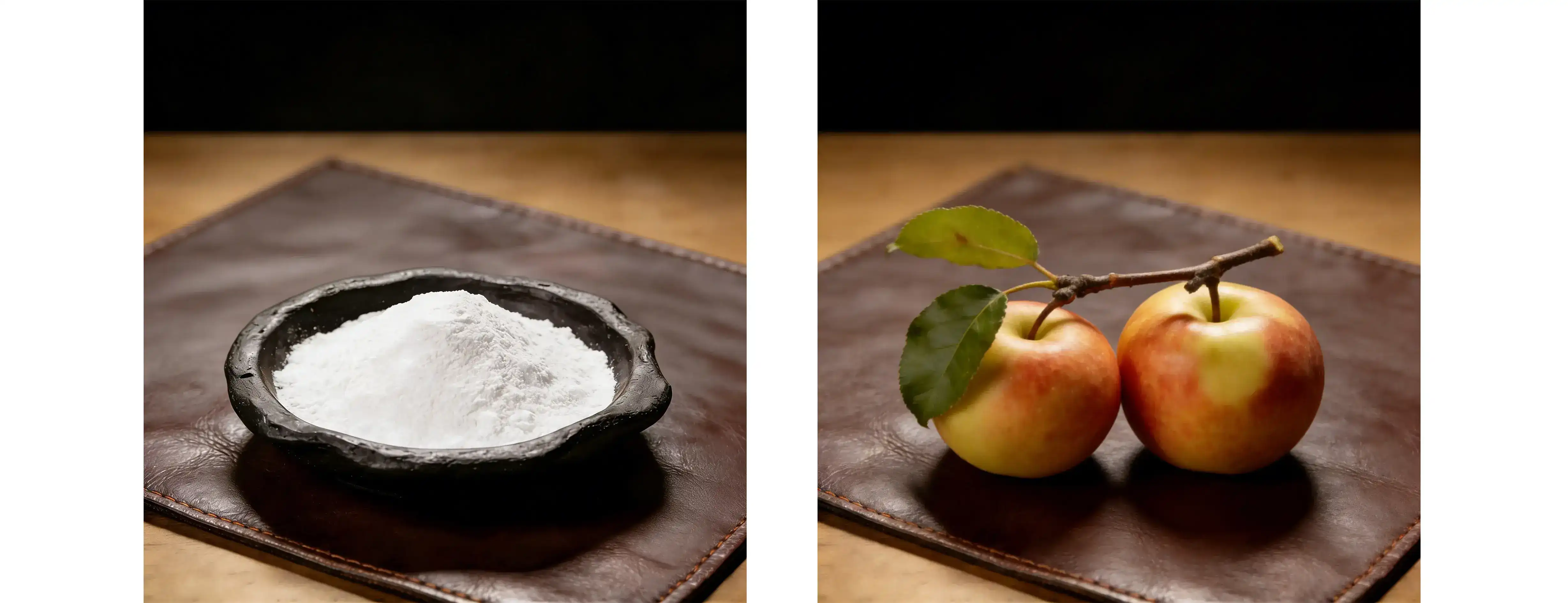
Understanding Apple Cider Vinegar Fruit Powder and Its Technical Properties
We know that formulators need ingredients that work the same way in every batch of production. By turning the 95% water content of liquid vinegar into a concentrated, hygroscopic powder standardized to certain acidity levels, Apple Cider Vinegar Fruit Powder addresses important production issues.
What Makes ACV Powder Different from Liquid Vinegar
The spray-drying method keeps the molecular integrity of fermented apple extract while getting rid of the need to move watery solutions. Our Apple Cider Vinegar fruit Powder comes from Pyrus malus fruit and stays a brownish-yellow color. It dissolves in water thanks to careful carrier choice. This change solves three problems: stopping equipment corrosion in stainless steel tanks; stopping capsule damage from acidic liquids; and lowering shipping costs by getting rid of extra water weight.
Titration shows that the powder form keeps acetic acid concentrations between 5% and 10% of the total acids. Because of this, formulators can figure out exact doses: a 500mg helping of powder with 10% acidity gives you exactly 50mg of acetic acid, while different batches of liquid give you different amounts. Loss-on-drying methods keep the moisture level below 5%, which means the product will last longer when kept in places with controlled humidity.
Functional Benefits for Product Development
People are interested in ACV-based products because they contain acetic acid, which is a bioactive compound. In 2016, a study in the Journal of Agricultural and Food Chemistry showed that acetic acid helps with biological processes that deal with energy balance. This scientific support helps brands back up their "clean label" claims and meet consumer expectations for natural ingredients.
ORAC (Oxygen Radical Absorbance Capacity) tests show that polyphenolic chemicals taken from apple fruit have extra antioxidant qualities. When these chemicals are added to functional drinks or nutrition bars, they help them stand out in crowded market areas. The pH range of the powder in a 10% solution is 3.0 to 4.0, which lets you control the acidity without overpowering the flavors.
Application Versatility Across Formulation Types
Manufacturers of drinks like Apple Cider Vinegar fruit powder mix evenly in both hot and cold liquids, unlike oil-based products that often separate. This item fits in well with:
Dry Beverage Mixes: Wellness drinks in single-serve packets stay effective for as long as they are stored. The powder has a bulk density of 0.40-0.60 g/ml, which means it flows smoothly through automated packaging equipment.
Encapsulated Supplements: Liquid acids break down gelatin, but tablets and capsules don't do that. The small particles in our powder make it easier to mix with other ingredients, such as microcrystalline cellulose, so that the compression is constant.
Functional Gummies: Formulations based on pectin need to be carefully pH-balanced, which powdered ACV can do by doing exact acid contribution calculations. This keeps the texture from falling apart when liquid vinegar mixes with gelling matrices.
Fortified Snacks: Because ACV powder stays stable when baked, nutrition bars and protein clusters are better for you. When working times are less than 15 minutes, heating up to 180°C doesn't change the amount of acetic acid present very much.
We suggest starting with 2-5% inclusion rates based on the total weight of the formula when making new products. This range has clear functional benefits while still tasting good, which is an important balance for consumer acceptance.

Comparing Apple Cider Vinegar Fruit Powder Options for B2B Procurement
When procurement teams look for apple cider vinegar fruit powder, they have a lot of options. The performance of these powders varies greatly depending on the processing methods, carrier types, and quality standards.
Evaluating Quality Markers That Impact Formulation Success
A key difference is the presence of "mother" components, which are proteins, enzymes, and good bacteria from fermentation. These heat-sensitive parts are kept safe by advanced low-temperature drying, but many commodity powders lose mother material to make processes go faster and cheaper. Brands that want to reach high-end wellness markets often choose mother-inclusive powders to meet the needs of customers who want "raw" and "unfiltered" products.
Choice of carrier has a direct effect on how well something dissolves and works with other ingredients. Maltodextrin carriers are great at spreading, but they raise blood sugar levels. Resistant dextrin, on the other hand, provides prebiotic fiber benefits with little effect on blood sugar. Our formula only uses water as a solvent for extraction, so there are no chemical residues that make it harder to get organic certification.
Organic Certification and Clean-Label Compliance
According to the National Organic Program guidelines, there must be proof of where the apples came from, from the orchards all the way through to the end of powder production. Our NSF GMP, Kosher, Halal, ISO, and FSSC22000 certificates show that we follow quality standards around the world. When making goods for export markets with different rules, like the strict Novel Food rules in the European Union and Canada's Natural Health Product guidelines, these qualifications are important.
Testing procedures that are clearly set reliable sellers apart from shady brokers. Heavy metal screening (for example, lead, cadmium, mercury, and arsenic) should be included in the Certificate of Analysis. So should microbial testing (for example, total plate count, yeast/mold, and pathogens), and pesticide residue panels. Our batch testing follows FDA rules, and you can see the results before we confirm the shipment.
Cost Analysis for Scalable Manufacturing
Prices are different depending on the size of the order, the type of proof needed, and the packing needs. The minimum order quantity (MOQ) for the business is 25 kg drums. Prices per kilogram go down at 100 kg, 500 kg, and 1000 kg+ levels. When buying managers figure out the total landing costs, they should take into account:
- Freight differentials: powdered vinegar is 60% to 70% lighter than liquid vinegar, which saves 60 to 70% on shipping costs for the same amount of acetic acid.
- Storage requirements: Powders can be stored at room temperature, while some liquid concentrates need to be kept cold.
- Yield efficiency: Powders with a higher content (10% vs. 5% acidity) lower the rate of inclusion, which means that ingredient budgets can be used for more finished units.
Our four warehouses in the U.S. are carefully placed to handle orders quickly, and goods that are in stock can be picked up in two days. With this transportation network, production delays that happen when goods are only bought from abroad are eliminated.
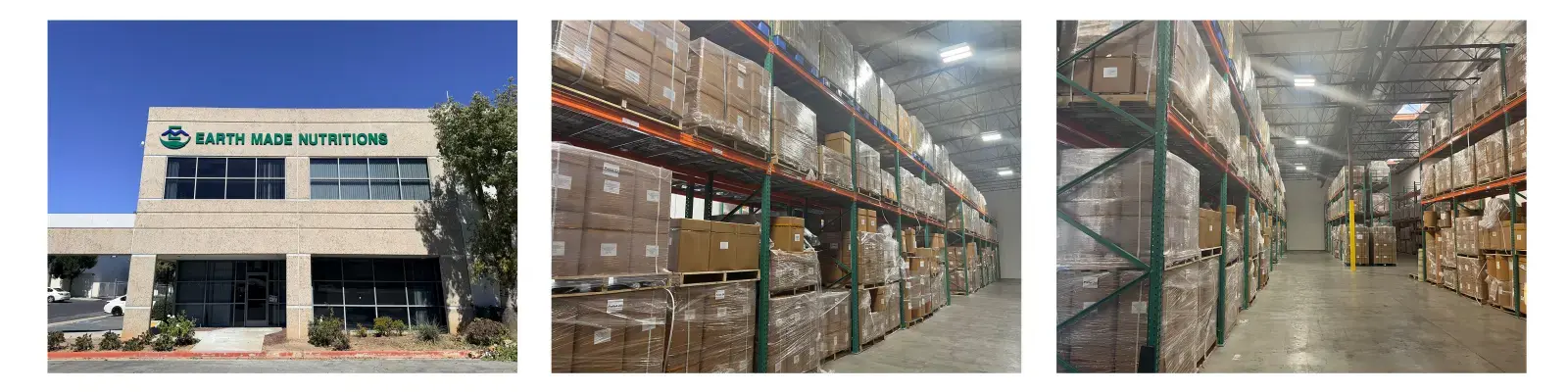
Selecting the Right Apple Cider Vinegar Fruit Powder Supplier Partnership
The connection with the supplier goes beyond just buying things. It also includes professional help, regulatory advice, and working together to make new products.
Certification Infrastructure and Regulatory Compliance
Third-party checks should be used to keep manufacturing sites' Good Manufacturing Practices certifications up to date. Our operations in California use cutting-edge extraction tools and quality control methods that keep track of raw materials from our crop partners all the way through to final packing. When customers ask for lot-specific paperwork for regulatory reports or store compliance programs, this ability to track becomes very important.
Being certified as Halal or Kosher lets you sell your products to certain groups of people and shows that you follow strict rules for keeping your processing clean. These religious certifications need separate production runs that are overseen by rabbis or Islamic authorities. This adds extra work that not all manufacturers can do.
Technical Support for Formulation Optimization
We give formulation scientists and research and development teams data from stability tests that show how apple cider vinegar fruit powder works in different storage conditions. Accelerated aging studies at 40°C/75% RH show how products break down over the course of their expected shelf life. This helps makers set the right expiration dates. This technical cooperation keeps expensive changes from having to be made after the first production runs show stable problems that were not expected.
With custom mixing services, brands can get Apple Cider Vinegar fruit Powder already mixed with other herbs, vitamins, or minerals that work well together. Companies that don't have their own R&D infrastructure can find these turnkey options easier to buy. They also guard intellectual property through confidential formulation deals.
Logistics Capabilities and Supply Chain Reliability
Getting ingredients in bulk means making sure they are always available during production rounds. Our inventory management keeps the right amount of stock on hand for both regular deliveries and last-minute orders. The 25 kg MOQ allows for pilot production runs, and the ability to order up to multiple tons helps with national product launches.
Different handling systems need flexible packaging. Some facilities like fiber drums with polyethylene liners, while others need food-grade plastic pails or multi-wall paper bags. We honor these requests without imposing minimum order requirements because we know that compatible packaging impacts the efficiency of the warehouse.
Free samples take the guesswork out of the first evaluation. Procurement managers get 100–200g samples with full COA paperwork, which lets them test on a small scale before making business promises. Since we started in 2018, this risk-free evaluation process has helped us form relationships with more than 200 healthy food brands.

Market Trends Driving ACV Powder Adoption in Functional Foods
Changes in consumer behavior and changes in regulations are always changing the priorities for choosing ingredients in the nutraceutical sector.
Clean-Label Movement and Natural Ingredient Preferences
According to the International Food Information Council, 73% of U.S. customers actively look for goods with ingredient lists that they can understand. Apple Cider Vinegar fruit Powder is both a traditional folk remedy and a compound that has been studied by scientists. It connects traditional health practices with modern nutritional science. This double appeal helps brands show that they are real while also proving that their products work by using written research.
When companies use Apple Cider Vinegar fruit Powder instead of synthetic acidulants, they get marketing benefits in the "free-from" category. "No artificial preservatives" labels can be put on products that use acetic acid to keep microbes from growing. This is especially true for drinks that need to be kept cold, where controlling the pH level makes the shelf life longer.
Beverage Innovation and Ready-to-Drink Formulations
Beverage Industry magazine (2023) says that the functional beverage market has grown by 12% every year, with health shots and enhanced waters leading the growth. Apple Cider Vinegar fruit Powder makes it possible for dry mixes to be stored at room temperature and then reconstituted at home. This way, customers can avoid the cold-chain transportation costs that come with ready-to-drink liquids.
Another growth opportunity is carbonated ACV drinks. The powder form avoids the foaming and dispensing problems that come with liquid vinegar in bottling lines. The managed release of acidity during drinking makes it taste better than straight liquid apple cider vinegar, which can be harsh on the throat.
Sustainable Sourcing and Environmental Responsibility
Through our relationships with farms that use integrated pest management and soil protection, Earth Made Nutritions Inc. supports the ideas of sustainable development. Using apple pomace, which is the waste product left over after pressing apple juice, is an example of upcycling that reduces agricultural waste while extracting useful phytochemicals.
As part of our pledge to the earth, we offer recyclable materials for packing and use as little single-use plastic as possible. Sustainability metrics from ingredient suppliers are becoming more and more required by corporate procurement policies. This helps customers meet their ESG (Environmental, Social, and Governance) reporting requirements.

Conclusion
For functional food manufacturers who prioritize formulation stability, dosage accuracy, and clean label positioning, apple cider vinegar fruit powder offers a technically superior alternative to liquid vinegar. The concentrated bioactive makeup of the ingredient—standardized to 5–10% total acids from Pyrus malus fruit—allows it to be used in many ways in drinks, supplements, and foods that have been supplemented. Long-term formulation success depends on carefully choosing suppliers based on their level of certification, expert support, and transportation infrastructure. Natural wellness ingredients are becoming more and more popular among consumers. Apple Cider Vinegar fruit Powder is a scientifically backed and commercially viable way for brands to stand out in crowded market segments.
Frequently Asked Questions About ACV Powder in Functional Food Development
1. What dosage levels work best for functional food applications?
Most good formulas have between 2 and 5 percent Apple Cider Vinegar fruit Powder by weight, which is equal to about 100 to 500 mg per supplement dose. For beverage uses, smaller concentrations (0.5 to 2%) are usually used to find a good mix between usefulness and taste. On the other hand, higher doses can be used in encapsulated products because the taste is hidden by the capsule shell.
2. How does ACV powder enhance product claims?
The normal amount of acetic acid backs up structure-function claims about metabolic processes as long as they are supported by the right disclaimer wording. Through ORAC tests, the antioxidant qualities of polyphenolic compounds can be measured, giving marketers useful data that they can use. Clean-label marketing is helped by the fact that it only has one ingredient and a name that people know.
3. Which certifications matter most for supplier evaluation?
Organic certification proves that the food was grown without using pesticides, and NSF GMP and FSSC22000 show that the manufacturing quality systems are in place. Kosher and Halal approvals help businesses reach more customers, and ISO standards show that processes are always the same. We keep up with all of the major certifications so that we can meet the needs of a wide range of customers in both local and foreign markets.
Partner with a Trusted Apple Cider Vinegar Fruit Powder Manufacturer
Earth Made Nutritions Inc. can help you reach your goals for functional food innovation by combining technical know-how with a reliable supply chain. Our businesses in California make high-quality apple cider vinegar fruit powder that meets the standards of NSF GMP, Organic, Kosher, Halal, ISO, and FSSC22000. We are a quick-responding Apple Cider Vinegar fruit Powder supplier for nutraceutical brands across the country. Our four U.S. warehouses allow for quick shipping, and our 25 kg minimum order quantity allows for both pilot production and commercial scaling.
Contact our formulation support team at info@em-herb.com right now to get your free sample and technical data kit. If you're making your next line of health drinks or improving a supplement line you already have, our team has the high-quality ingredients and teamwork skills that will help you succeed in the market.
References
1. Journal of Agricultural and Food Chemistry (2016). "Acetic Acid and Metabolic Regulation in Human Health."
2. Beverage Industry (2023). "Functional Beverage Market Trends and Growth Projections."
3. International Food Information Council (2022). "Consumer Survey on Food Ingredients and Clean Label Preferences."
4. National Organic Program Standards (2024). "Certification Requirements for Processed Foods."
5. Nutrients Journal (2018). "Apple Polyphenols: Extraction, Bioactivity, and Health Benefits."
6. Food Safety Magazine (2023). "Quality Control Protocols for Botanical Ingredient Manufacturing."