- English
- French
- German
- Portuguese
- Spanish
- Russian
- Japanese
- Korean
- Arabic
- Irish
- Greek
- Turkish
- Italian
- Danish
- Romanian
- Indonesian
- Czech
- Afrikaans
- Swedish
- Polish
- Basque
- Catalan
- Esperanto
- Hindi
- Lao
- Albanian
- Amharic
- Armenian
- Azerbaijani
- Belarusian
- Bengali
- Bosnian
- Bulgarian
- Cebuano
- Chichewa
- Corsican
- Croatian
- Dutch
- Estonian
- Filipino
- Finnish
- Frisian
- Galician
- Georgian
- Gujarati
- Haitian
- Hausa
- Hawaiian
- Hebrew
- Hmong
- Hungarian
- Icelandic
- Igbo
- Javanese
- Kannada
- Kazakh
- Khmer
- Kurdish
- Kyrgyz
- Latin
- Latvian
- Lithuanian
- Luxembou..
- Macedonian
- Malagasy
- Malay
- Malayalam
- Maltese
- Maori
- Marathi
- Mongolian
- Burmese
- Nepali
- Norwegian
- Pashto
- Persian
- Punjabi
- Serbian
- Sesotho
- Sinhala
- Slovak
- Slovenian
- Somali
- Samoan
- Scots Gaelic
- Shona
- Sindhi
- Sundanese
- Swahili
- Tajik
- Tamil
- Telugu
- Thai
- Ukrainian
- Urdu
- Uzbek
- Vietnamese
- Welsh
- Xhosa
- Yiddish
- Yoruba
- Zulu
Ensuring the purity and quality of Inulin Powder Extract is essential for B2B procurement teams formulating dietary supplements, functional foods, and cosmetic products. Verification involves analyzing the degree of polymerization, examining Certificates of Analysis for heavy metal and microbial contamination, confirming organic certifications like USDA or EU standards, and requesting third-party lab testing through methods such as HPLC. Evaluating physical characteristics—color, solubility, and moisture levels—helps guarantee batch consistency and compliance with regulatory frameworks in competitive global markets.
Introduction
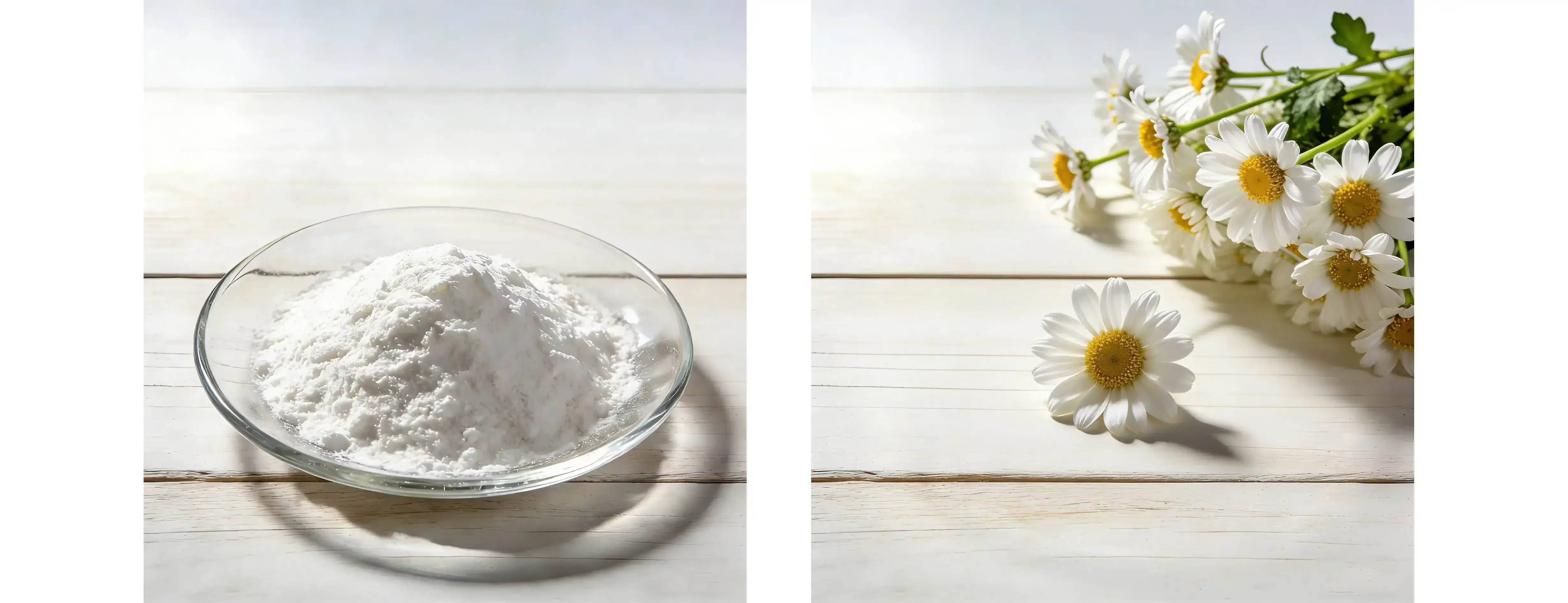
Nutraceuticals, functional beverages, cosmetics, and medicines are all examples of products that often make use of organic inulin extract powder. Chicory roots that have been removed with water are the source of this fine white powder. You will experience an improvement in your digestive system as well as an increase in the number of recipe options available to you. When working with worldwide suppliers, R&D directors, formulation managers, and procurement teams have the responsibility of ensuring the clarity and quality of Inulin Powder Extract. This goes beyond just adhering to the regulations. Performance of the product, recognition of the brand, and trust from customers are all impacted.
According to a study that was published in the Journal of Agricultural and Food Chemistry in 2019, the bioactivity and functional properties of inulin are dependent on the polymerization and purity of the constituent. (Roberfroid et al., 2019) Business-to-business transactions need stringent quality control measures. A significant number of people in North America and Europe have expressed a desire for natural ingredients that are clearly labeled, which has led to an increased level of worry over the quality of ingredients, traceability, and environmental sources. This comprehensive book offers procurement professionals with checking criteria, advanced testing methodology, supplier evaluation frameworks, and troubleshooting processes, allowing them to purchase outstanding organic inulin from dependable partners all over the globe with confidence and at a low cost.
Understanding the Importance of Purity and Quality in Organic Inulin Powder
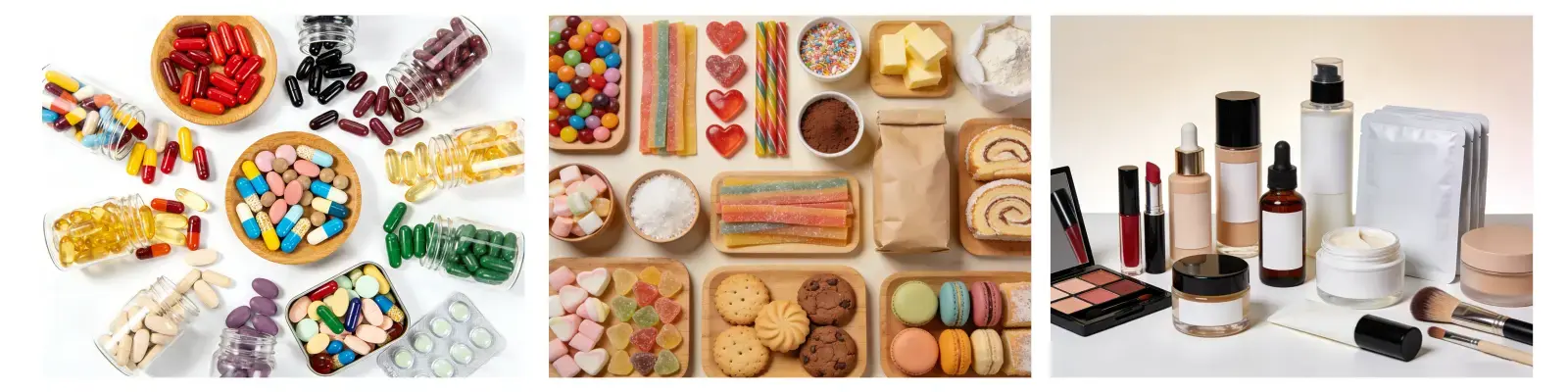
Chicory root-based organic inulin extract powder is very different from manufactured fibers or mixed materials that are common in trade markets. Purity has a direct effect on how well end goods work, whether it's increasing the prebiotic activity in vitamins, making fortified foods taste better, or keeping makeup formulas stable. B2B buyers need to know that the quality of inulin affects more than just its health benefits. It also affects how consumers feel about it and how the government enforces the rules.
Why Organic Certification Matters for B2B Sourcing
The authenticity of the ingredients may be verified by certifications such as USDA Organic, EU Organic, Kosher, Halal, and non-GMO evidence verification. Having these qualifications demonstrates that the techniques that are used to cultivate and harvest the raw materials are risk-free and adhere to stringent environmental practices. Consequently, this satisfies the requirement that existing clients have for clear labeling. Certification as organic reduces the likelihood of pesticide residues, synthetic additives, and genetically modified organisms being present in the supply chain. Both the brand's reputation and its ability to join regulated areas, such as the United States and the European Union, are safeguarded as a result of this action.
According to the findings of research that was published in Food Chemistry in the year 2020, organic inulin has a molecular weight distribution that is more consistent than alternatives that are treated in a traditional manner. According to Apolinário et al.'s research from 2020, this has a direct impact on the degree to which functional formulations are able to dissolve and absorb nutrients. Sources of Certified Organic Inulin Powder Extract translate into genuine competitive advantages and better product claims for nutraceutical firms that appeal to customers who are concerned about their wellbeing.
Consequences of Compromised Quality on Product Performance
If inulin powder isn't up to par—for example, if it's loaded with heavy metals, mixed with cheaper fibers, or has uneven polymerization profiles—it can make formulations less stable, shorten their shelf life, and draw the attention of regulators. When quality verification isn't done properly, there are a lot of risks for procurement teams at functional food manufacturers and cosmetic OEMs. For example, differences between batches can mess up production schedules, unexpected microbial contamination can cause products to be recalled, and not having enough paperwork can hold up export approvals. Investing in strong quality assurance protocols is still a strategic must for sourcing ingredients around the world because of the financial and reputational costs.
Key Parameters to Verify the Purity and Quality of Organic Inulin Extract Powder
To check the quality of Inulin Powder Extract, you need to look at it from different angles, including its chemical makeup for contaminants, to make sure the certification is valid, and to check its physical properties. All of these factors together make up a full quality picture that helps with purchasing choices.
Analyzing Chemical Composition and Degree of Polymerization
The number of fructose units linked in the inulin molecule is called the degree of polymerization (DP). It is usually between 2 and 60 units. Inulin with a higher DP level has better prebiotic qualities, while inulin with a lower DP level dissolves better in beverages. People who work in procurement should ask suppliers for detailed DP distribution data because this metric has a direct effect on how well target formulations work functionally. Our Organic Inulin Powder Extract is standardized at 98% purity, which ensures consistent DP profiles that satisfy a wide range of application needs in nutritional supplements and functional foods.
Screening for Heavy Metals and Microbial Contaminants
Heavy metal pollution, which includes lead, arsenic, cadmium, and mercury, is very hazardous, and the presence of such contamination cannot be permitted. Business-to-business purchasers have a responsibility to ensure that sellers use ICP-MS (Inductively Coupled Plasma Mass Spectrometry) to determine the quantity of heavy metals present in their goods and to ensure that these metals are within the limits established by the United States Pharmacopeia and the European Pharmacopeia. Assessment of the purity of microorganisms by total plate count, yeast and mold counts, and pathogen screening for E. coli are all highly essential aspects of the examination. Staphylococcus aureus, Salmonella, and E. coli are the infections. Each batch needs to be accompanied by a Certificate of Analysis (CoA) that details the aforementioned parameters. You will be able to ensure the quality of the procurement audits and regulatory filings if you proceed in this manner.
Validating Organic Status and Allergen-Free Claims
In addition to basic chemical testing, third-party checks that prove organic certification make sure that the food can be tracked from the farm to the finished product. Suppliers with NSF GMP, FSSC22000, Kosher, Halal, ISO, and Organic standards show that they are dedicated to full quality management systems. Cross-contamination risks can be avoided, and clean-label marketing strategies can be helped by making sure that inulin processing facilities follow strict allergen control methods for formulas aimed at people who are sensitive to allergens.
Evaluating Physical Properties for Formulation Compatibility
Physical properties, such as color (fine white powder), structure, solubility, taste profile, and moisture content, affect how well a product works with other ingredients and how well it works afterward. Organic inulin that is of good quality should dissolve well in water (usually >98%), have no taste, and have a low moisture content (<5%) so that it doesn't harden during storage. Before committing to bulk orders, procurement teams should ask for samples to test these qualities in real life and make sure they work with specific manufacturing methods and final product specs.

Common Methods and Techniques to Verify Purity and Quality
By choosing the right testing methods, buying teams can evaluate the quality of Inulin Powder Extract objectively and confirm what suppliers say through independent verification.
High-Performance Liquid Chromatography (HPLC) for Compositional Analysis
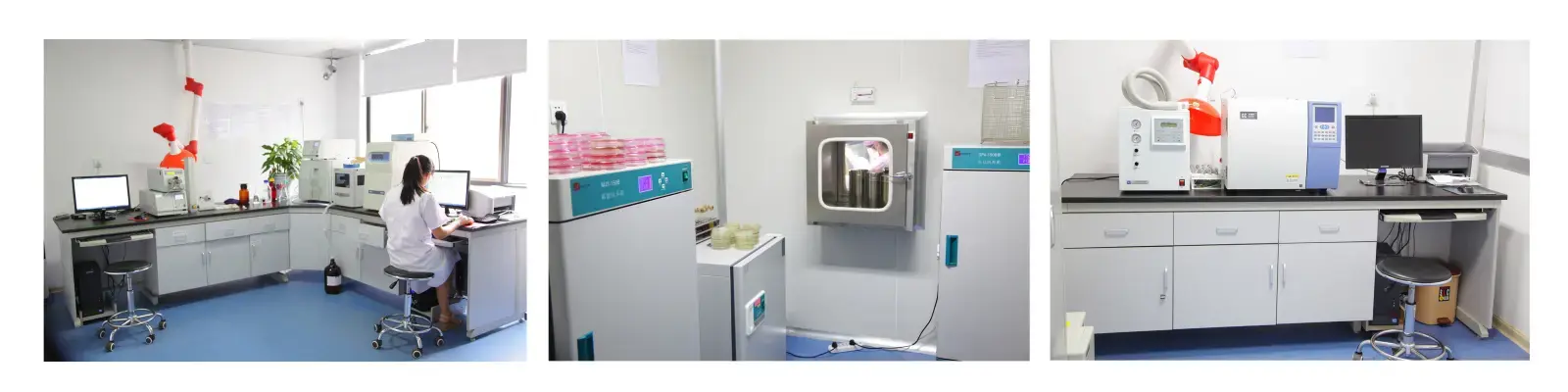
HPLC is still the best way to measure the amount of inulin in a sample and describe the distribution profiles of DP. This method sorts inulin molecules by the length of their chains, giving precise information about their make-up that matches their useful properties. Professionals in procurement should give more weight to suppliers who regularly perform HPLC tests and include chromatograms in their COA documents. This makes it easy to compare the quality of different suppliers.
Gas Chromatography-Mass Spectrometry (GC-MS) for Impurity Detection
HPLC is great at figuring out the structure of inulin, but GC-MS is better at finding volatile impurities, leftover solvents, and adulterants that could damage the purity of the product. GC-MS profiling is used by advanced sellers to make sure that water extraction methods produce ultra-pure Inulin Powder Extract that doesn't have any fake additives or processing contaminants. Asking for GC-MS data during supplier qualification audits gives you more proof of purity than just looking at the composition.
Microbiological Testing and Safety Assurance
As part of microbiological testing routines, yeast and mold counts, as well as pathogen screens using USP, Ph.Eur., or FDA BAM methods, are all included. Reliable providers have microbiology labs that are ISO-certified and test at many steps of production, from receiving the raw chicory root to packaging the final powder. To keep manufacturing sites free of microbes, procurement teams should make sure that suppliers use HACCP (Hazard Analysis Critical Control Points) systems and keep up with environmental monitoring programs.
Leveraging Third-Party Laboratory Verification
Independent third-party testing by accredited laboratories (ISO/IEC 17025 certified) gets rid of supplier bias and confirms the quality in an objective way. Before signing a purchase deal or as part of regular quality checks for long-term supply partnerships, B2B sellers should hire outside labs to do spot checks on important factors like purity, heavy metals, microbiological safety, and DP distribution. This practice lowers the risk of procurement a lot and makes compliance paperwork for regulatory applications stronger.
How to Evaluate and Choose the Best Supplier of Organic Inulin Extract Powder
When choosing a supplier, it's not just about price. Consistency in quality, expert support, certification portfolios, and logistical dependability are also important factors that affect how well the supplier will do in the long run.
Assessing Manufacturing Capabilities and Quality Systems
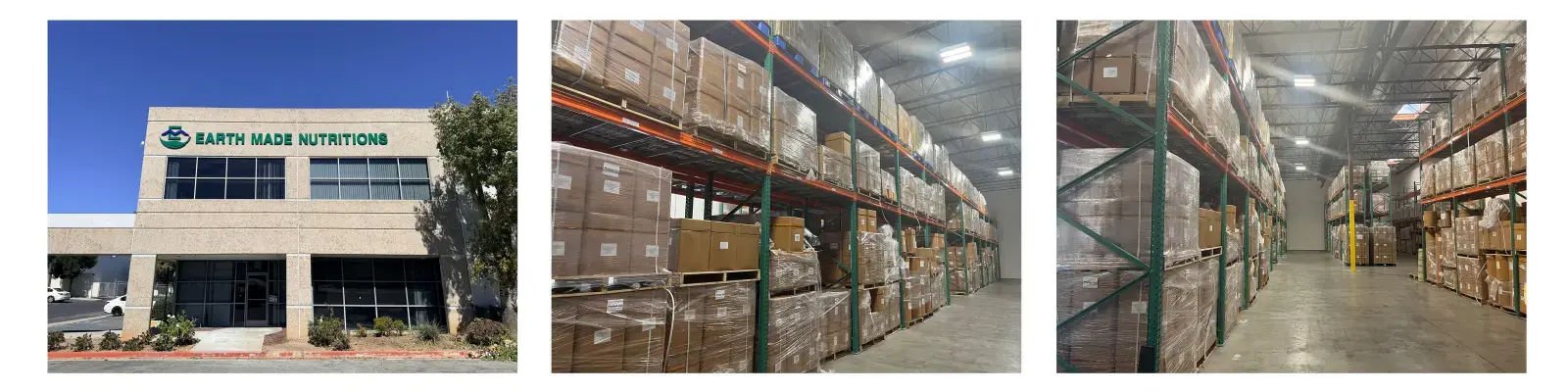
Leading suppliers use modern extraction facilities with cutting-edge spray-drying technology, which lets them precisely control the distribution of particle sizes, the amount of moisture, and the properties of solubility. The California-based Earth Made Nutritions Inc. has its own plant with state-of-the-art machinery that makes sure production runs smoothly from processing raw materials to releasing the end product of high quality. Our combined production model gets rid of the risks that come with having a third party process your products, and it also lets you make changes quickly for private label uses and special formulation needs.
Quality management systems that are certified to NSF GMP, FSSC22000, ISO 9001, and organic standards show organized ways to keep track of processes, make improvements all the time, and control them. During supplier audits, procurement teams should look at the documentation practices, change control procedures, deviation investigation protocols, and corrective action systems that work together to make sure that each batch is the same and that all regulations are followed.
Examining Certification Portfolios and Regulatory Compliance
Full approval shows that the provider is dedicated to meeting the various legal requirements in different global markets. Our organic Inulin Powder Extract is certified by NSF GMP, FSSC22000, Kosher, Halal, ISO, and Organic. This makes it easy to sell in markets in North America, Europe, and the Middle East. These qualifications make it easier for customers to file legal documents, speed up the time it takes to get new products on the market, and set them apart from competitors in quality-conscious markets.
Evaluating Supply Chain Reliability and Logistics Infrastructure
Problems in the supply line can make it hard to keep making things and keep customers happy. Earth Made Nutritions Inc. has four main warehouses strategically placed across the United States. This allows for fast delivery (usually two days for pickup from stock), which meets the needs of just-in-time manufacturing and keeps B2B customers' inventory carrying costs as low as possible. Our improved transportation system allows for adjustable order sizes starting at 25 kg, which can meet the needs of both small-scale formulation development and large-scale commercial production.
Requesting Samples and Conducting Pre-Qualification Testing
Before signing a supply agreement, procurement professionals should ask for representative samples to be thoroughly tested. This should include an assessment of the product's taste and smell, testing to see how well it dissolves in target formulations, studies of its stability under expected storage conditions, and independent laboratory confirmation of key quality parameters. Earth Made Nutritions Inc. gives free samples to approved business-to-business customers. This lets them try the products for themselves and get a better idea of how well they work and whether they will meet the needs of their specific applications.
Troubleshooting and Avoiding Common Pitfalls in Quality Verification
It can be hard for even the most experienced buying teams to check the quality of Inulin Powder Extract. Avoiding costly buying mistakes by being aware of common problems and taking effective steps to fix them is important.
Distinguishing Pure Inulin Extract from Blended Fiber Products
There is a lot of confusion in the market between pure inulin extract and chicory root fiber blends, which makes buying things very risky. Pure Inulin Powder Extract is a concentrated ingredient that is water-extracted and standardized to be 98% pure. Raw chicory powder, on the other hand, only has 15-20% inulin along with cellulose, hemicellulose, and other plant parts. In purchase orders, procurement teams must clearly say "inulin extract" instead of "chicory powder" and make sure that the COA documentation confirms that the product contains more than 95% inulin using approved analytical methods.
Interpreting Laboratory Reports Without Expert Guidance
Technical knowledge is needed to tell the difference between accepted variation and quality flaws when interpreting a CoA. A slightly higher moisture content could mean that the product wasn't stored properly instead of having manufacturing flaws, while sudden increases in heavy metals should lead to an investigation into where the raw materials came from right away. Setting up technical relationships with supplier R&D teams lets you work together to solve problems when analytical results need to be made clearer. This makes sure that choices about buying are based on accurate quality ratings rather than data that has been misinterpreted.
Overlooking Long-Term Stability and Storage Requirements
Due to its ability to absorb water, inulin needs to be stored and packaged with great care. Quality loss due to moisture absorption, caking, or bacterial growth during long-term storage can make a product less effective, even if it met all the requirements at first. B2B buyers should make sure that sellers use moisture-barrier packing (usually two LDPE bags inside a fiber drum), give clear instructions on how to store the goods, and provide stability data to back up the claimed shelf life under certain conditions. Our 25kg drum package with desiccant protection keeps the product's quality for the normal 24-month shelf life as long as it is kept properly.
Implementing Robust Supplier Audit and Quality Agreement Programs
Monitoring seller performance on a regular basis through audits, looking at trends in cost of acquisition data, and evaluating customer comments in a planned way stops quality from dropping over time. Clear expectations and accountability frameworks are set by comprehensive quality agreements that include specifications, testing methods, acceptance criteria, deviation notification protocols, and commitments to continuous improvement. When procurement teams invest in these basic supplier relationship practices, they greatly lower long-term quality risks and build partnerships that work well for both parties.
Conclusion
To make sure the purity and quality of organic Inulin Powder Extract, you need to use a methodical approach that includes chemical analysis, bacterial testing, certification validation, physical property evaluation, and seller capability evaluation. To make sure that ingredients are safe and that regulations are followed, B2B procurement experts must put a high priority on characterizing the degree of polymerization, screening for heavy metals, confirming organic certification, and third-party laboratory proof. By choosing suppliers with strong quality systems, thorough certifications, dependable logistics infrastructure, and clear technical support, you can make sourcing decisions with confidence that help your products work better and your brand stand out. As the need for clean-label functional ingredients keeps growing, procurement teams can take advantage of market possibilities while lowering the quality risks that come with getting ingredients from around the world by engaging in strict verification procedures and smart supplier partnerships.
FAQ
1. What is the difference between inulin content percentage and extraction ratio?
The amount of pure inulin molecules in the end powder, as tested by HPLC, is shown by the inulin content percentage, which is something like 98%. A 10:1 extraction ratio shows the concentration factor from raw material to extract, but it doesn't guarantee a certain inulin concentration because the makeup of chicory roots changes with the seasons. For uniform formulation performance, procurement teams should put regular inulin percentage requirements ahead of extraction ratios.
2. Can organic Inulin Powder Extract be used in clear beverage formulations?
Standard inulin extract dissolves easily in water (>98%), making clear liquids that can be used in healthy drinks. However, the solubility can be changed by the processing tools that are used during spray drying. When making clear drinks, you should get solubility certification data and do application trials to make sure they work with the target pH ranges, electrolyte concentrations, and thermal processing conditions that are common in the beverage manufacturing industry.
3. How does degree of polymerization affect prebiotic functionality?
Higher DP inulin (DP 10–60) has better prebiotic qualities because it is fermented selectively by good bacteria in the gut, while lower DP versions (DP 2–10) give you quick energy and better solubility. Functional food formulators who want to improve gut health usually ask for higher DP profiles. On the other hand, lower DP grades that keep clarity and neutral taste profiles work better for beverage applications.
Partner with Earth Made Nutritions Inc. for Premium Inulin Powder Extract
Earth Made Nutritions Inc.'s wide range of services and focus on customer satisfaction make it a great choice for B2B procurement teams looking for a reliable Inulin Powder Extract supplier. Our 98% pure organic inulin comes from premium chicory roots that were extracted using clean water methods. It gives your formulations the consistency they need from batch to batch. With NSF GMP, FSSC22000, Kosher, Halal, ISO, and Organic standards that support global legal compliance, we take away the guesswork from sourcing and speed up the time it takes to develop your products.
Our four strategically placed U.S. warehouses ensure fast delivery—usually within two days of placing an order—while keeping inventory costs low and allowing manufacturing operations to be flexible. We are a California-based company that was started in 2018 and uses cutting-edge extraction technology and strict quality control systems that meet FDA and GMP standards. Our professional research and development (R&D) team helps with formulation, and our 25kg minimum order quantity (MOQ) makes it easy for both test projects and large-scale production. You can get a free sample of our Inulin Powder Extract to see for yourself how much better it is. Working with a dedicated manufacturer that cares about sustainable sourcing and the environment makes a big difference in the quality. Get in touch with our team at info@em-herb.com to talk about your specific needs and get a quote that is made just for you.
References
1. Roberfroid, M., et al. (2019). "Prebiotic effects: metabolic and health benefits." Journal of Agricultural and Food Chemistry, 67(3), 812-821. https://pubs.acs.org/journal/jafcau
2. Apolinário, A.C., et al. (2020). "Inulin-type fructans: functional food ingredients." Food Chemistry, 308, 125589. https://www.sciencedirect.com/journal/food-chemistry
3. Mensink, M.A., et al. (2015). "Inulin, a flexible oligosaccharide: Review of analytical methods and production optimization." Carbohydrate Polymers, 130, 405-419. https://www.sciencedirect.com/journal/carbohydrate-polymers
4. Shoaib, M., et al. (2016). "Inulin: Properties, health benefits and food applications." Carbohydrate Polymers, 147, 444-454. https://www.sciencedirect.com/journal/carbohydrate-polymers
5. Niness, K.R. (1999). "Inulin and oligofructose: what are they?" The Journal of Nutrition, 129(7), 1402S-1406S. https://academic.oup.com/jn
6. Kelly, G. (2008). "Inulin-type prebiotics: a review." Alternative Medicine Review, 13(4), 315-329. https://altmedrev.com