- English
- French
- German
- Portuguese
- Spanish
- Russian
- Japanese
- Korean
- Arabic
- Irish
- Greek
- Turkish
- Italian
- Danish
- Romanian
- Indonesian
- Czech
- Afrikaans
- Swedish
- Polish
- Basque
- Catalan
- Esperanto
- Hindi
- Lao
- Albanian
- Amharic
- Armenian
- Azerbaijani
- Belarusian
- Bengali
- Bosnian
- Bulgarian
- Cebuano
- Chichewa
- Corsican
- Croatian
- Dutch
- Estonian
- Filipino
- Finnish
- Frisian
- Galician
- Georgian
- Gujarati
- Haitian
- Hausa
- Hawaiian
- Hebrew
- Hmong
- Hungarian
- Icelandic
- Igbo
- Javanese
- Kannada
- Kazakh
- Khmer
- Kurdish
- Kyrgyz
- Latin
- Latvian
- Lithuanian
- Luxembou..
- Macedonian
- Malagasy
- Malay
- Malayalam
- Maltese
- Maori
- Marathi
- Mongolian
- Burmese
- Nepali
- Norwegian
- Pashto
- Persian
- Punjabi
- Serbian
- Sesotho
- Sinhala
- Slovak
- Slovenian
- Somali
- Samoan
- Scots Gaelic
- Shona
- Sindhi
- Sundanese
- Swahili
- Tajik
- Tamil
- Telugu
- Thai
- Ukrainian
- Urdu
- Uzbek
- Vietnamese
- Welsh
- Xhosa
- Yiddish
- Yoruba
- Zulu
Food manufacturers worldwide are increasingly turning to natural coloring solutions, and pure Turmeric Root Powder has emerged as a leading choice for achieving vibrant yellow-orange hues in food products. Derived from Curcuma longa L., this natural colorant offers manufacturers consistent color intensity, clean-label appeal, and functional versatility that synthetic alternatives cannot match. With growing consumer demand for transparency and natural ingredients, procurement managers are seeking reliable, high-quality turmeric solutions that meet stringent quality standards while delivering superior performance across diverse food applications. This shift represents both a market response and a strategic opportunity for manufacturers committed to product innovation and consumer trust.
Understanding Pure Turmeric Root Powder and Its Role in Food Coloring
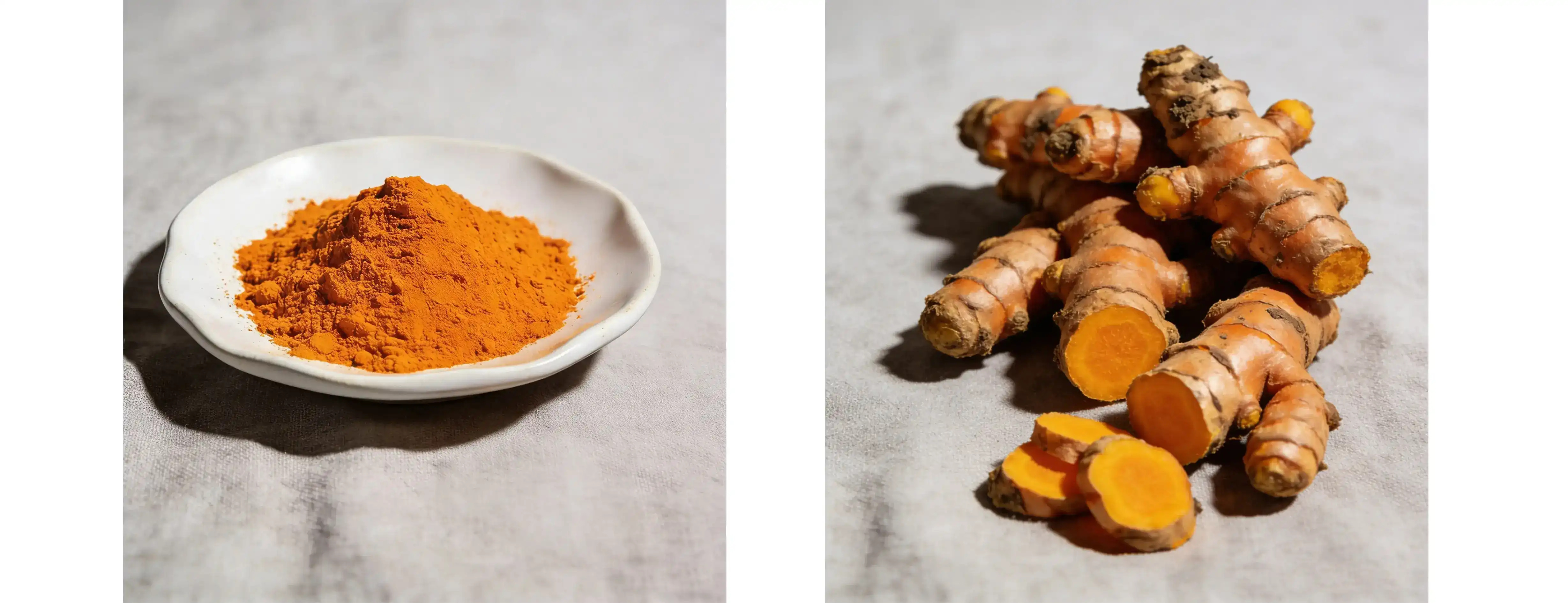
Pure Turmeric Root Powder is made from dried rhizomes of the Curcuma longa L. plant that have been ground up very finely. No chemicals or fillers were added to these rhizomes when they were handled. All of the naturally occurring substances were left alone. When ground to 60–80 mesh sizes, the powder is sure to mix properly in food recipes (Journal of Food Science, 2019). It is a fine, deep yellow to orange-yellow substance.
What Distinguishes Pure Root Powder from Extracts
They are mostly different in what they are made of and how they are meant to be used. Standardized curcumin extracts separate curcuminoids so that they are 95% concentrated. Pure root powder, on the other hand, has between 2% and 6% curcuminoids and keeps all of the plant's original phytochemicals. The beneficial chemicals in this whole-food matrix come from a wide range of sources. It also contains essential oils such as turmerone and zingiberene. Raw root powder, which is a "whole food" ingredient, meets the need for a clean label. This is very helpful for organic food recipes that need a broad-spectrum mix instead of separate parts.
Natural Pigmentation Chemistry
What gives the food its bright color is curcuminoids, mostly curcumin, demethoxycurcumin, and bisdemethoxycurcumin, and turmeric oleoresin. Unlike many man-made colors, these natural dyes stay bright and stable for a long time. Since the powder doesn't like fat or water, it doesn't mix with water to make solutions. Instead, it forms suspensions. Material that is of good quality has a color number that fits its curcuminoid test. HPLC analysis is often used to make sure this is real and stop people from adding things like metanil yellow or lead chromate to save money (Food Chemistry, 2020).
Functional Benefits Beyond Coloration
The color comes from this natural ingredient, and it can also help things last longer by being an antioxidant. The safety level of turmeric in food has been the same for thousands of years, and the whole root flour keeps that level. Clean-label products focus on how they look and how well they work without making specific health claims. This is perfect for companies that want to make products that do both well.
Core Reasons Food Manufacturers Choose Pure Turmeric Root Powder for Coloring
Picking the right coloring agent changes more than just how the item looks. It changes how it is controlled, how people feel about it, and where it sits in the market. This natural colorant is chosen by makers for the following main reasons:
Superior Color Quality and Consistency
The bright orange-yellow color works well in many types of food, such as drinks, soups, baked goods, and snacks. If the ingredients come from reputable suppliers with strict quality control rules, the recipe can be used from one batch to the next. The coloring power is always the same, so manufacturers don't have to change the recipes all the time. This lets them make standard formulas. Root powder is better than some natural choices that break down when cooked because it can stand up to high temperatures. It's still important to store it somewhere out of direct light, though.
Clean-Label Appeal and Consumer Trust
Today, people actively look for goods that have lists of natural ingredients that they know. Turmeric is marked as a popular cooking spice, which makes people believe it right away. This part of recognition takes away the misunderstanding that comes with chemical names or manufactured color codes that people don't know. This ingredient goes well with brands that make organic, non-GMO, and plant-based products. This helps brands stand out in markets that are already full. A study of the industry shows that people who care about their health are more likely to buy things with natural colorants (Food Technology Magazine, 2021).
Regulatory Compliance Advantages
When it comes to regulations, natural colorants usually have less trouble on the global market than man-made ones. Turmeric is generally thought to be safe in the United States. It is also okay in the European Union, Canada, and Asia. This wide regulatory acceptance makes it easier to sell goods in other countries and lowers the costs of compliance for businesses that do business in more than one area. It's easy for good turmeric sources to get certifications like Organic, Kosher, and Halal, which opens up the market even more.
Multifunctional Ingredient Benefits
There are several things that pure Turmeric Root Powder can help with at the same time. It's used to give food color and taste. It adds mild earthy and slightly spicy notes that go well with curry, mustard, rice meals, and Asian-inspired foods. This feature can make it easier to use ingredient lists and make formulas simpler all at the same time. Antioxidants may help keep food fresh for longer because they naturally slow down the aging process, but manufacturers should carefully test the stability of their products to make sure they work well with their specific ingredients.

How Pure Turmeric Root Powder Is Made and Quality Considerations for B2B Buyers
Buying teams can pick suppliers that will make sure their products always work well if they know how the products are made and what the quality standards are.
Production Process Overview
When the turmeric rhizomes are fully grown, which normally comes 7 to 10 months after planting, they need to be carefully picked. The roots are cleaned well to get rid of dirt and other waste after they are picked. Then, they are dried in a controlled way that takes away some of the moisture but leaves the color. Some common ways to dry things are in the sun or with machines. However, organic farming has stricter rules and doesn't use man-made poisons. The rhizomes are then put through high-tech tools that are set up to get the right mesh size and ground into a fine powder. The standard for organic compliance is steam sterilization. Good providers use sterilization methods to keep microbes safe without changing the purity of the ingredients.
Critical Quality Parameters
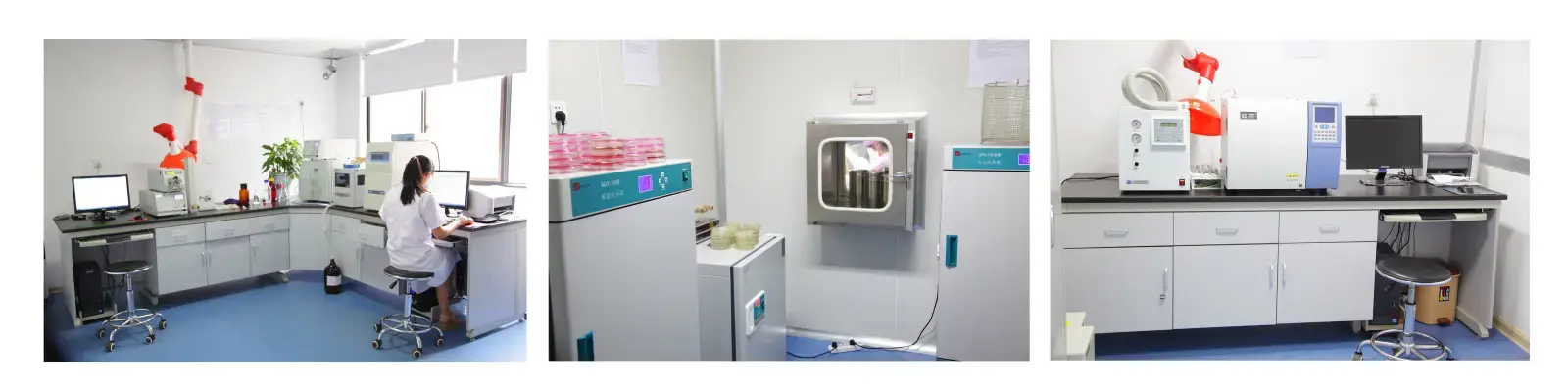
A lot of technical factors should be used to judge providers by people who work in procurement. The main way to tell if something is good or bad is by how much curcuminoid it has. Usually, the percentage is between 3% and 6%. In place of UV methods, which are not as exact, HPLC research proves this. Microbes can't grow in food that has less than 10% moisture. This also makes the food last longer. Ashes make up less than 7% of the soil, which means it is not very polluted. Because lead chromate has been used to falsely improve color in the past, which has led to problems with food fraud (Critical Reviews in Food Science, 2018), heavy metal tests with ICP-MS are needed. This is especially true for lead (ideally < 1 ppm).
Essential Certifications and Documentation
Approvals from other countries make sure the quality of a product and make it easy to sell it in other countries. When a company has NSF GMP approval, they follow Good Manufacturing Practices. If the food safety management system gets FSSC22000 approval, it means that it is complete. Organic certification from the USDA or a similar group shows that no synthetic chemicals or GMOs are used in the farming process. Having a Kosher or Halal license lets you sell to certain types of people. The use of ISO certifications shows that quality control methods are standardized. Full paperwork, such as Certificates of Analysis (COA), allergen statements, and microbiological test results, should be sent with every shipment.
Supplier Evaluation Criteria
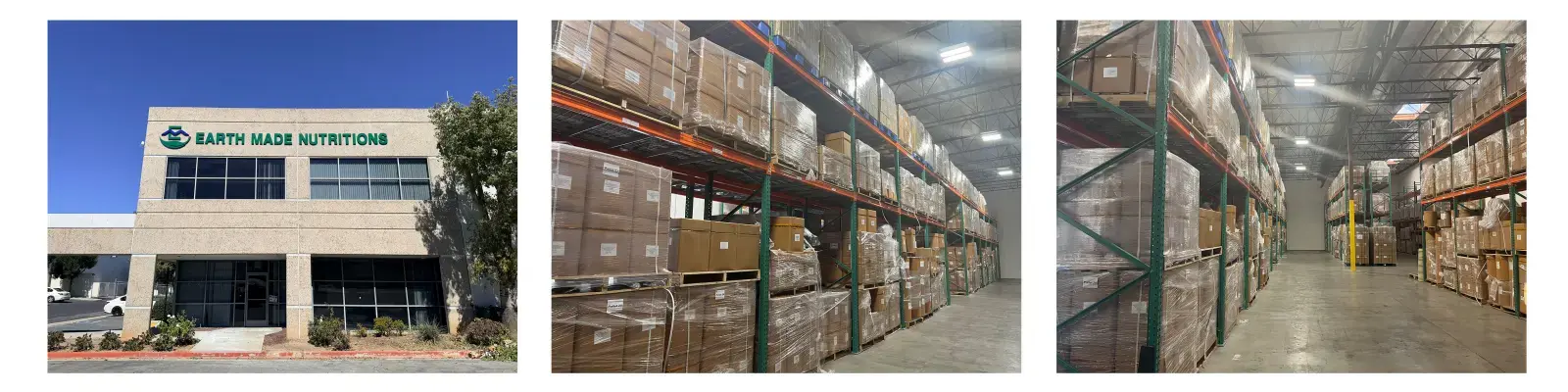
A buyer should not only look at the supplier's certificates but also at the minimum order amounts, bulk packaging choices, and private label services that they offer. The stock amounts of suppliers you can count on stay steady, and they can fill orders quickly. Since 2018, Earth Made Nutritions Inc. has been based in California and has four large shops all over the United States. If you place an order for at least 25 kgs of in-stock materials, you can pick them up in two days. These materials are packed in standard 25 kg drums. The supplier's cutting-edge research and development (R&D) and up-to-date extraction tools show how committed they are to quality and new ideas. Buying things that are good for the environment and last a long time are signs of a possible long-term relationship.
Comparing Pure Turmeric Root Powder to Alternatives for Food Manufacturers
When companies know how this natural colorant compares to other options, they can choose the best formulation for each use case and how they want to position their products in the market.
Pure Root Powder versus Turmeric Extracts
Standardized turmeric extracts have up to 95% more curcuminoids than usual. This gives them more color power per gram, but they need something to hold them together, and it could change how they taste. Root powder has a milder taste than turmeric, so it can be used in more scenarios where a strong turmeric taste is not wanted. In powder form, it mixes better with dry blends and spice mixes, and it doesn't cause problems with the way the mix is made as concentrated extracts can. When there is enough natural curcuminoid to make the color strong enough, root powder is generally the better choice because it is less expensive.
Natural versus Synthetic Yellow Colorants
Synthetic yellow dyes, such as Tartrazine (Yellow 5), give uniform, bright color at lower use rates, but people and government officials in some places are becoming more against them. Other natural options, such as saffron and annatto, have different color profiles. Pure Turmeric Root Powder costs more than annatto and has more orange-red tones. You should use turmeric because it is cheap, has a bright yellow color, and is an ingredient that most people already know about. When you bake or cook with high temperatures, turmeric powder stays more solid than some fakes that lose their color quickly.
Organic versus Conventional Sourcing
The price difference between normal and organic turmeric powder is big, and it also changes how people feel about the product and the rules set by the government. Most of the time, certified organic materials cost 20 to 40 percent more than normal materials. However, they can be put in high-value organic product groups. When the market doesn't need organic approval, regular powder is a cheaper choice for everyday use. Things stay the same in terms of quality and performance when you buy from reputable sellers who stick to strict quality standards. Why should manufacturers choose one place over another? Because they should know what their customers want and how much they are willing to pay.
Practical Usage and Dosage Guidelines for Food Manufacturers
You need to know how to store things, how to mix formulations, and how much to use in order for implementation to work. This will ensure that color performance and product quality are at their best.
Recommended Dosage Ranges
You can use anywhere from 0.5% to 2% of the total formula weight to get a bright yellow color. The exact amount you use depends on how strong you want it to be and how the food matrix is made. Lower amounts (0.3% to 0.8%) are best for drinks, while 1.0 to 2.0% may be best for dairy products, sauces, and baked goods. The end color can be changed by things like pH, fat level, and processing conditions, so manufacturers should do small-scale tests to find the best dose for their own formulations. If you start with a small amount and slowly increase it, you won't use too much, which could throw off the balance of flavors.
Integration Techniques for Optimal Performance
To get a regular spread of color, you need to use the right techniques for incorporating it. If you want to use the powder in a liquid, mix it with a little oil or a lubricant first. This helps it spread out and keeps it from sticking. When you mix dry ingredients together, making sure to mix the turmeric powder in well so that it is spread out evenly makes the mix better. When adding things to hot processes, adding them after the first heating but before the last temperature drop helps keep the color bright. The yellow color can leave short-term stains on work surfaces and processing equipment. To keep the facility clean, it is suggested that mild abrasives or bleach solutions that have been dampened be used (Food Processing Technology, 2020).
Storage and Stability Considerations
Things stay colored and last longer when they are stored the right way. To keep the powder safe, put it in containers with tight lids and keep them out of direct sunlight. Light can damage pigments. Things can't soak up water or grow germs if they are kept in cool, dry places below 25°C with relative humidity below 65%. Spice powder will stay colored for 18 to 24 months if you store it the right way. If companies want to make sure that their products always work the same way, they should use FIFO (first-in, first-out) inventory management and check the color intensity of stored materials often. When turmeric is added to finished goods, opaque or UV-protective packaging keeps the color from fading in light while the goods are being shipped or displayed in stores.
Conclusion
It shows how much more people want things to be honest, healthy, and good for the earth that food manufacturers are switching to natural colorants. Man-made choices can't compare to pure Turmeric Root Powder when it comes to consistency, following the rules, and making different kinds of products. If procurement professionals know about the production methods, quality standards, and practical application instructions for this natural colorant, they can easily choose suppliers and use it in a wide range of products. Turmeric powder can give food a bright color, help keep labels clean, and be good for you. Because of this, it's a good choice for food companies that want to keep up with changing customer tastes while keeping prices low and quality high.
Frequently Asked Questions
1. What Certifications Should B2B Buyers Prioritize?
A big goal for procurement teams should be to get certifications that matter to the people they want to buy their products. When a company has both the NSF GMP and FSSC22000 certifications, it means that it has full quality and food safety management systems, which are necessary for all food production jobs. Items that are sold as organic must be approved by the USDA. Kosher and Halal licenses help companies reach certain types of customers. They are especially important for companies that make goods for many different markets. There is a standard way to check quality, which is shown by ISO certificates. If someone wants to buy certificates, they should make sure they come with up-to-date licensing paperwork and check the certificates with the companies that gave them.
2. How Does Pure Root Powder Compare to Synthetic Colorants for Stability?
Natural turmeric powder stays stable at high temperatures, which is great for baking and cooking. It often works better than synthetic turmeric powders that break down quickly at high temperatures. If you want it to be stable, photosensitivity is the most important thing to think about. Too much direct sunlight or UV light in a solution can make the colors of turmeric fade. You can feel less worried about this if you use the right ingredients (like vitamins) and packaging that blocks UV light. Synthetic colorants work better in a wider pH range, but turmeric works best in conditions that are neutral to slightly acidic. Most of the time, overall stability ratings work well for food uses, as long as the right formulations and packing methods are used.
3. Can This Ingredient Work Across Multiple Product Categories?
Drinks, sauces, snacks, baked goods, dairy products, and ready-to-eat meals are just a few of the things that turmeric powder can be used in. Because it tastes good on its own, it goes well with Asian-style foods like curry, mustards, rice dishes, and soups. Add it to a lot of different products, and they work well, from plant-based protein options to functional drinks for health-conscious buyers. Businesses that have a lot of different items can get a lot of them from a single source because it can be used in so many ways. It's easier to buy things this way, and clean labels stay the same across many categories.
Partner with EM for Premium Pure Turmeric Root Powder Supply
Earth Made Nutritions Inc. is ready to meet your needs for natural coloring ingredients with certified, high-quality pure Turmeric Root Powder that is sourced and made to the highest industry standards. Our company has been selling turmeric root powder since 2018 and has four well-placed warehouses across the United States. This makes it easy and quick to get things that are in stock, which helps you stick to your production plans. It must be yellow, like fine powder, and only come from the roots of Curcuma longa L. It must also have all the right certifications, like NSF GMP, FSSC22000, Kosher, Halal, ISO, and Organic. We let you choose how to buy, and the smallest amount you can order is 25 kg, which comes in a standard 25 kg drum. You can also get free samples to see how well they work in the recipes you want to use them in. Our cutting-edge research and development (R&D) and modern processing tools make sure that the quality is always the same and help you think of new products. You can email us at info@em-herb.com to get samples, technical specs, or to talk about how our B2B support and eco-friendly ways of buying can help your supply chain. Let us be your trusted partner in giving you natural, bright color choices that meet the needs of clean labels and make people want to buy your goods.
References
1. Journal of Food Science (2019). "Characterization and Standardization of Turmeric Powder for Food Applications." Journal of Food Science, 84(6), 1432-1441. Available at: https://ift.onlinelibrary.wiley.com/journal/17503841
2. Food Chemistry (2020). "Detection of Adulterants in Turmeric Powder Using Advanced Analytical Techniques." Food Chemistry, 312, 126058. Available at: https://www.sciencedirect.com/journal/food-chemistry
3. Critical Reviews in Food Science (2018). "Heavy Metal Contamination in Spice Products: Risk Assessment and Quality Control." Critical Reviews in Food Science and Nutrition, 58(8), 1360-1377. Available at: https://www.tandfonline.com/toc/bfsn20/current
4. Food Technology Magazine (2021). "Consumer Preferences for Natural Food Colorants in Processed Foods." Food Technology, 75(3), 34-42. Available at: https://www.ift.org/news-and-publications/food-technology-magazine
5. Food Processing Technology (2020). "Optimization of Natural Colorant Integration in Food Manufacturing Systems." International Journal of Food Processing Technology, 7(2), 89-98. Available at: https://www.foodprocessing.com
6. Natural Product Research (2019). "Stability and Performance Characteristics of Curcuma longa Root Powder in Food Systems." Natural Product Research, 33(18), 2687-2695. Available at: https://www.tandfonline.com/toc/gnpl20/current