- English
- French
- German
- Portuguese
- Spanish
- Russian
- Japanese
- Korean
- Arabic
- Irish
- Greek
- Turkish
- Italian
- Danish
- Romanian
- Indonesian
- Czech
- Afrikaans
- Swedish
- Polish
- Basque
- Catalan
- Esperanto
- Hindi
- Lao
- Albanian
- Amharic
- Armenian
- Azerbaijani
- Belarusian
- Bengali
- Bosnian
- Bulgarian
- Cebuano
- Chichewa
- Corsican
- Croatian
- Dutch
- Estonian
- Filipino
- Finnish
- Frisian
- Galician
- Georgian
- Gujarati
- Haitian
- Hausa
- Hawaiian
- Hebrew
- Hmong
- Hungarian
- Icelandic
- Igbo
- Javanese
- Kannada
- Kazakh
- Khmer
- Kurdish
- Kyrgyz
- Latin
- Latvian
- Lithuanian
- Luxembou..
- Macedonian
- Malagasy
- Malay
- Malayalam
- Maltese
- Maori
- Marathi
- Mongolian
- Burmese
- Nepali
- Norwegian
- Pashto
- Persian
- Punjabi
- Serbian
- Sesotho
- Sinhala
- Slovak
- Slovenian
- Somali
- Samoan
- Scots Gaelic
- Shona
- Sindhi
- Sundanese
- Swahili
- Tajik
- Tamil
- Telugu
- Thai
- Ukrainian
- Urdu
- Uzbek
- Vietnamese
- Welsh
- Xhosa
- Yiddish
- Yoruba
- Zulu
When sourcing certified Inonotus obliquus powder for nutraceutical, cosmetic, or functional food applications, procurement professionals face a complex landscape of authenticity concerns and regulatory demands. Pure chaga mushroom powder—derived from wild-harvested fruiting bodies—requires meticulous certification protocols and multi-stage testing to ensure purity, bioactivity, and safety. Given the ingredient's premium positioning in global markets, distinguishing genuinely certified products from adulterated alternatives becomes paramount. Our comprehensive analysis demystifies certification frameworks, laboratory testing methodologies, and supplier evaluation strategies, equipping R&D directors, formulation managers, and procurement teams with actionable insights to secure high-quality botanical raw materials that meet stringent international compliance standards.
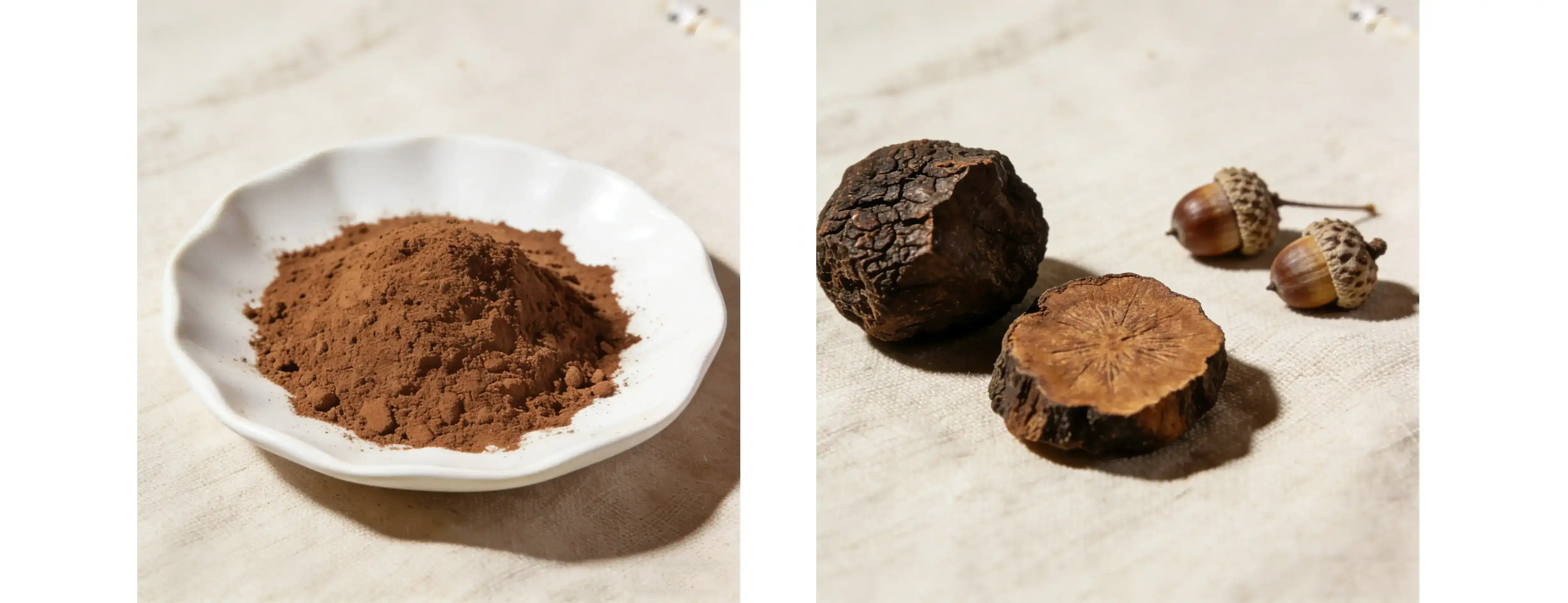
Understanding Certification Standards for Pure Chaga Mushroom Powder
When pure Chaga mushroom Powder is traded internationally, certification is the most important thing that shows that the powder is real. Frameworks that guarantee uniform quality, traceability, and legal alignment are set up by globally recognized bodies. These certifications answer basic questions about where ingredients come from, how they are processed, and how to keep contaminants out.
Why Certifications Matter in B2B Procurement
Official certifications prove vendors satisfy quality criteria. Certified plant ingredients have lower contamination rates than uncertified ones, according to a 2021 Journal of Food Protection study. Certifications simplify customs processing and regulatory approval for procurement teams managing multi-jurisdictional supply lines in North America and Europe.
Regulatory contexts vary greatly. USDA Organic certification means the pure Chaga mushroom Powder originates from environments without synthetic pesticides and is collected sustainably. The ISO 22000 accreditation confirms that food safety is maintained throughout manufacturing. GMP compliance ensures clean factories and good quality control. HACCP clearance reduces contamination hazards during labor.
Third-Party Laboratory Validation
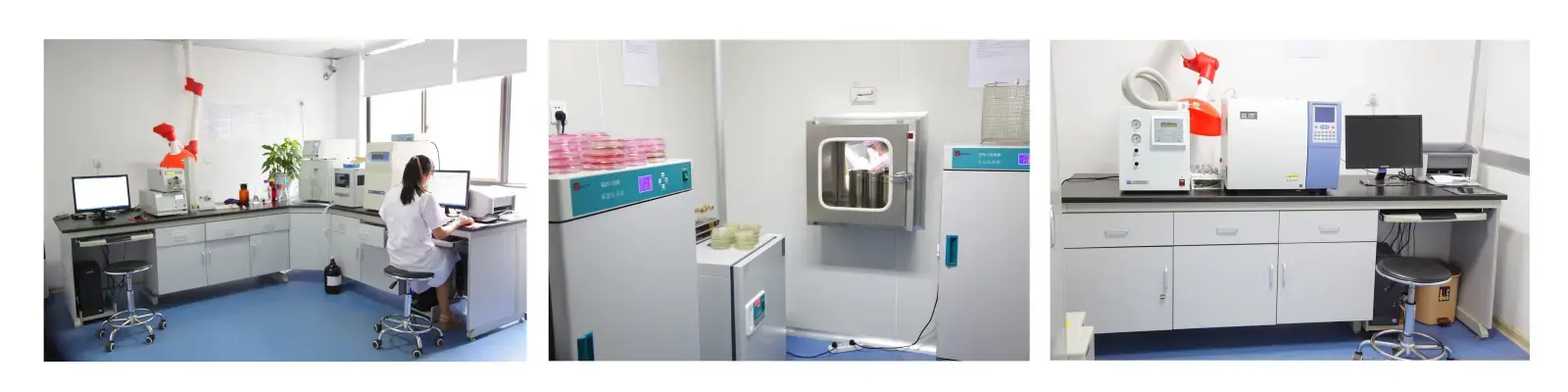
In addition to organizational credentials, third-party laboratory testing may objectively verify a product. Accredited labs utilize advanced analytical techniques to identify plants and assess bioactive chemicals. HPTLC fingerprints distinguish genuine Chaga mushroom Powder from similar species. This prevents substitute fraud in medicinal mushroom sales.
Using ICP-MS, heavy metal analysis ensures lead, arsenic, cadmium, and mercury levels remain within USP <2232> guidelines. Pesticide residue screening uses GC-MS/MS to find over 500 chemicals. This addresses environmental pollution problems. E. coli, Salmonella, and Staphylococcus aureus are absent in microbial testing, protecting future goods.
Our 100% Chaga mushroom Powder is NSF GMP, FSSC22000, Kosher, Halal, ISO, and Organic certified by Earth Made Nutritions Inc. These badges demonstrate our commitment to transparency and compliance. They provide procurement teams with documented evidence that our work satisfies several market requirements.
Certification Impact on Brand Differentiation
Certified ingredients help brands back up their "clean label" claims and meet consumer demands for natural, traceable products. Nutrition Business Journal research from 2022 shows that products with approved botanical actives sell for 18–24% more than similar goods and do better in the market. Formulation managers use these certifications to improve the positioning of their products and set them apart from other products in the functional supplement and cosmetics categories, which are very competitive.

Key Quality Checks and Testing Methods for Pure Chaga Mushroom Powder
Pure Chaga mushroom Powder is checked for its physical, chemical, and microbiological stability using thorough quality assessment procedures. These multidimensional tests make sure that accuracy from batch to batch is maintained, which is very important for formulation stability and following the rules.
Physical and Chemical Parameters
A careful examination shows that the powder is fine brownish-yellow with 80–120 mesh particles. The moisture content must remain below 5% to prevent microbial development and maintain powder flowability throughout production. Bulk density measurements provide compatibility with capsule and tablet automated filling equipment.
Chemical analysis examines bioactive substances that affect product efficacy. High-quality pure Chaga mushroom Powder contains:
Polysaccharides (>30%): HPLC/UV-checked complex carbohydrates assist the substance to work. It should include 10–20% beta-glucans, a carbohydrate having 1,3–1,6 linkage patterns. Megazyme enzymes distinguish active alpha-glucans from grains and inert beta-glucans from fungus. This prevents strength fabrication.
Triterpenes (>2%): Birch tree compounds like betulin and betulinic acid are predominantly detected in Chaga sclerotium. HPLC measures lipophilic elements, making them valuable in lipid-based products.
Chromogenic Complex (>10%): Chaga's black hue comes from melanin-rich substances with unique chemical characteristics. This proportion gives powder its particular form, according to spectrophotometric examination.
SOD activity testing determines the enzyme stability of the powder. Active SOD protects temperature-sensitive chemicals via processing under the proper conditions.
Advanced Analytical Techniques
High-Performance Liquid Chromatography (HPLC) separates and measures different chemicals in plant mixtures that are very complicated. This method gives accurate fingerprints of chemical makeup when combined with UV detection or mass spectrometry. Mass spectrometry is very good at identifying molecular structures and finding contaminants that are only present in very small amounts.
Fourier-Transform Infrared Spectroscopy (FTIR) quickly compares samples to reference standards, finding differences that point to fraud or a loss of quality. This non-destructive method lets quality be checked in real time while the product is being made.
Process-Embedded Quality Controls
Quality control starts with the gathering and goes on until the final packing. Pure chaga mushroom powder that has been collected in the wild is first sorted to get rid of any wood that might be harmful and to choose the best sclerotium tissue. Controlled drying methods keep medicinal chemicals intact while lowering the amount of water present. Temperature-controlled mills are used in grinding operations to keep heat-sensitive parts from breaking down.
During processing, our building keeps the surroundings under control. HEPA filter systems reduce the amount of pollution in the air. Stainless steel equipment keeps metals from getting dirty. Cross-contamination risks from allergenic or incompatible materials are eliminated by using separate production lines.
Full tracking is provided by batch documents. Unique identification numbers are given to each production lot. These codes connect finished goods to the sources of raw materials, processing factors, and quality test results. This openness lets quality questions be answered quickly and makes regulatory checks easier.
Differentiating Pure Chaga Mushroom Powder from Inferior or Mixed Products
Market monitoring shows that the quality of widely available pure Chaga mushroom Powder products varies a lot. Telling the difference between real wild-harvested fruiting body powder and cheaper imitations saves procurement investments and the image of the brand.
Organic Certification vs. Purity Claims
Organic certification checks the methods used for growing or harvesting, but it doesn't promise that the product is pure or effective. A product may be certified as organic even though it contains a lot of fillers or carriers that don't do anything. On the other hand, purity requirements set compositional standards, such as the lowest levels of bioactive substances and the highest levels of pollution. Both of these qualities are important for quality assurance in different ways.
The best providers offer both organic approval and specific purity requirements. Our pure Chaga mushroom Powder is made up of only fruiting bodies from wild-harvested Inonotus obliquus mushrooms. It doesn't have any grain bases, starch fillers, or flow agents. This compositional integrity ensures that performance can be predicted during formulation development.
Adulteration Risks and Detection Protocols
Economic adulteration occurs when cheaper materials are used instead of more expensive ones. Grain-based mycelial biomass, dead wood surfaces, and synthetic colorants are all common things that are mixed in with pure Chaga mushroom Powders. These changes lower the amounts of beneficial compounds while raising the unpredictability between batches.
A close look through a microscope shows the cell structures that are typical of real Chaga tissue. DNA barcoding methods find the makeup of species, identifying fungal or plant materials that haven't been named. When you use HPLC fingerprinting to do chemical profiling, you compare samples to real reference standards. This shows you any compositional differences.
Quality Benchmarks for Procurement Specifications
Setting clear quality standards makes evaluating suppliers easier and makes sure that ingredients always work well. The following are suggested basic requirements:
- Polysaccharides ≥30% by UV-spectrophotometry
- Beta-glucans ≥10% by using the Megazyme method
- Triterpenes ≥2% by HPLC
- Moisture <5% by drying out
- Heavy metals compliant with USP <2232> limits
- Pesticide residues
- Microbial counts within AHPA standards
- Particle size 80–120 mesh
These factors give you a way to compare different products and services and make sure what suppliers say is true by looking at their certificate of analysis (COA).
Selecting Reliable Suppliers: Certification and Quality in Supplier Evaluation
The choice of supplier has a huge effect on the long-term success of buying pure Chaga mushroom Powder. Partners who can deliver certified, consistent products that meet formulation requirements and regulatory obligations are found through thorough screening processes.
Certification Verification and Documentation Authentication
Ask for full certification packages that include scope papers, audit results, and contact information for the licensing body. Check the validity of the certificate directly with the organization that issued it. Fake certificates are used often enough that you should do this yourself. Check to see if the certifications cover the exact product and location that you need to buy.
Real sellers are happy to give you all the paperwork you need. Each production batch's Certificate of Analysis (COA) should include information on how the tests were done, what the acceptance standards were, and the real results. Material Safety Data Sheets (MSDS) list how to handle a substance safely and how it is classified by the government. Allergen statements show that common allergens did not cross-contaminate.
Quality Management Systems and Traceability
Strong Quality Management Systems (QMS) make sure that quality results are always the same. Getting ISO 9001 certification shows that you take a systematic approach to controlling processes, keeping records, and making improvements all the time. Standard operating procedures (SOPs) that cover accepting raw materials, controlling the process, checking the finished product, and handling deviations are kept by suppliers with mature quality management systems.
Traceability systems connect finished goods to the places where they were grown and processed. This openness lets problems with quality be looked into quickly and shows regulatory officials that proper care was taken. Harvest records with GPS tags, processing batch records, and warehouse storage logs all create full audit trails.
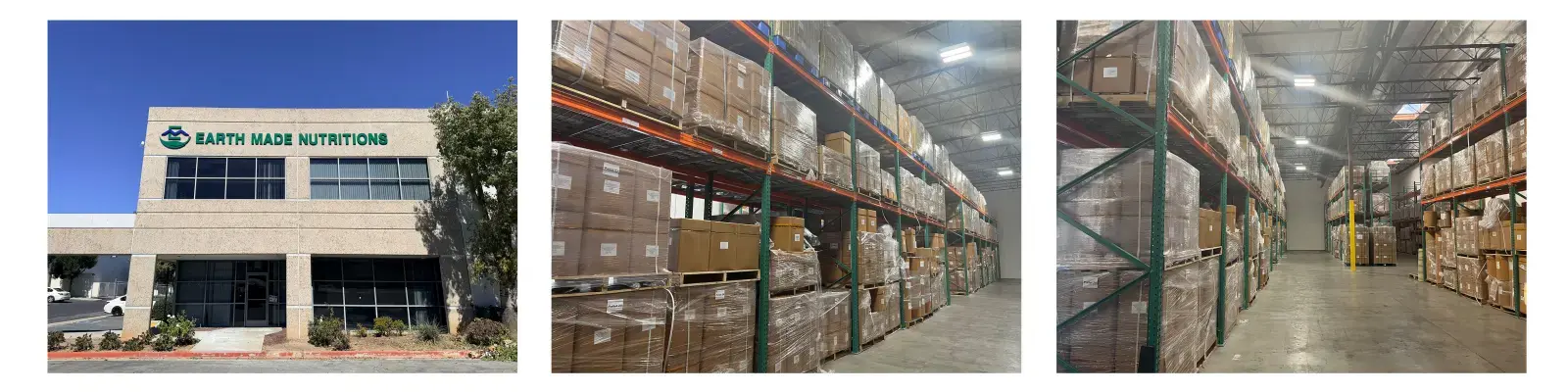
From getting the raw materials to the final packaging, our California-based business is fully vertically integrated. Four carefully placed U.S. warehouses make sure that things in stock ship within two days, ensuring fast delivery. This infrastructure gives procurement teams a reliable supply line and quick expert assistance.
Audit Capabilities and Third-Party Assessments
On-site plant checks give you a clear picture of what a supplier can do. Look at the work areas, how the equipment is maintained, how employees are trained, and how records are kept. Well-run facilities have organized operations, the right environmental controls, and workers who are motivated to do their jobs.
Third-party audit reports from companies like NSF International or SGS give unbiased opinions on how well a facility meets certification requirements. Customer references from well-known names show how reliable and successful a company has been in the past.
Best Practices for Maintaining Quality and Compliance in Bulk Procurement
Finding approved pure chaga mushroom powder is the first step in making sure the quality is good. Keeping the purity of a product while it is being stored, shipped, and mixed requires constant attention and set rules.
Regulatory Compliance Across Jurisdictions
According to U.S. FDA rules, botanical ingredients are either dietary supplements under DSHEA or cosmetic raw materials under other rules. Make sure that the supplier's paperwork talks about the exact regulatory category that applies to your application. Novel Foods rules and tighter pesticide residue limits apply to stores in Europe. The Natural Health Products laws from Health Canada have clear rules about labels and quality.
Documents for customs must accurately describe goods using the right HS codes. Importing goods is easier when you have a Certificate of Origin, a phytosanitary certificate, and a regulatory compliance statement. Working with providers who have experience with foreign trade cuts down on delays and mistakes in paperwork related to clearance.
Storage and Handling Protocols
Because pure Chaga mushroom Powder absorbs water, it needs to be stored in a controlled environment. Keep the temperature below 77°F (25°C) and the relative humidity below 60% to stop the growth of microbes and water absorption. Light-sensitive compounds will break down less quickly if you store containers in dark places.
Botanical powders absorb volatile compounds that lower the quality of the product, so store them in areas that don't have strong smells. Use first-in, first-out (FIFO) product movement to keep your stock fresh. Foods that are sealed in food-grade plastic bags and flushed with nitrogen have longer shelf lives because they break down less quickly when exposed to oxygen.
Incoming Quality Verification
Set up rules for receiving inspections, no matter what the supplier's approval status is. A visual inspection proves the integrity of the package and the product's appearance. Moisture checking with calibrated moisture testers makes sure that the right conditions are being maintained during transport. Keep samples from each lot you receive for future tests as a guide.
Periodic testing by a third-party lab makes sure that the supplier's COA is correct. Independent quality proof is given by testing random samples for key factors like beta-glucan content, heavy metals, and microbial counts. If there are differences between the supplier's COA and independent tests, the seller should be notified right away, and the source may need to be reevaluated.
Continuous Improvement Through Supplier Collaboration
Set up open lines of communication that encourage people to start good conversations on their own. Share your thoughts on the formulation regarding the functionality, solubility, and stability performance of the powder. With this knowledge, suppliers can find the best processing settings for each job.
Set up regular reviews of the business to look at quality metrics, delivery performance, and compliance with purchase specifications. Long-term results are better with collaborative relationships based on openness and shared responsibility than with transactional buying methods.
Conclusion
Getting genuine pure chaga mushroom powder from a reliable supplier requires certification and quality inspections. Due to worldwide restrictions, adulteration, and the necessity for high formulation performance, procurement managers must establish tight standards for selecting suppliers and reviewing quality regularly. Certified suppliers with clear documentation, third-party testing, and reliable monitoring mechanisms reduce supply chain risks and showcase clean-label brands. Buying teams may define criteria and verify supplier claims by understanding polysaccharide content, beta-glucan levels, triterpene concentrations, and contaminant profiles. As the market for functional ingredients grows, buying certified, thoroughly tested botanical materials gives you a competitive edge by ensuring you follow the rules, keep your products consistent, and formulate well to satisfy pickier consumers.
FAQ
1. What certifications should B2B buyers prioritize when sourcing Chaga powder?
Some of the most important certifications are USDA Organic, which verifies sustainability, NSF GMP, which checks the quality of manufacturing, FSSC22000, which checks food safety management, and ISO standards, which check quality systems. Kosher and Halal licenses are for special groups of people. All of these qualifications together guaranty high quality during all stages of production, including sourcing, processing, and marketing of pure Chaga mushroom Powder.
2. How frequently should quality testing occur for bulk Chaga powder purchases?
Perform an incoming inspection on every package that comes in, checking the accuracy of the COA through eye inspection and basic parameter testing for pure Chaga mushroom Powder. Do a full third-party lab study every three months or when you switch providers. Keep samples from each lot that have been stored so that testing can be done in the past if formulation problems arise.
3. Can certifications guarantee complete absence of contaminants?
Certifications set up regular controls that lower the risk of pollution but can't promise complete removal from pure Chaga mushroom Powder. Certified suppliers use testing, monitoring, and preventative measures that lower the chance of contamination to levels that are statistically insignificant. Instead of relying only on certification status, look at the actual test data in batch-specific COAs.
4. What distinguishes wild-harvested Chaga from cultivated alternatives?
Pure Chaga mushroom Powder that is collected from the wild grows on living birch trees for 10 to 20 years, gathering bioactive compounds like triterpenes from the host tree. Mycelial products grown on grain substrates don't have any parts that come from birch and have different polysaccharide profiles. Check the source by looking at the supplier's paperwork and doing DNA tests.
Partner with Earth Made Nutritions Inc. for Certified Chaga Mushroom Powder Supply
Earth Made Nutritions Inc. sells high-quality, approved pure chaga mushroom powder that meets the strict requirements of companies that make useful foods, cosmetics, and nutraceuticals. As a well-known supplier with advanced research and development skills and a long list of certifications, such as NSF GMP, FSSC22000, Kosher, Halal, ISO, and Organic, we give procurement professionals the quality assurance and supply chain reliability they need. Our center in California and four warehouses in the U.S. allow us to quickly fill orders, and things that are in stock ship within two days. We provide free samples to help you test your formulations, and we keep a 25 kg minimum order quantity and offer low bulk prices to keep our partnerships going. You can talk to our team at info@em-herb.com to talk about your needs, ask for batch-specific COAs, or set up facility checks. Make your ingredient supply chain stronger by working with a qualified pure Chaga mushroom Powder maker that is dedicated to openness, quality, and quick technical support.
References
1. Journal of Food Protection (2021). "Contamination Patterns in Certified vs. Non-Certified Botanical Ingredients."
2. Nutrition Business Journal (2022). "Premium Positioning Through Botanical Certification: Market Analysis and Price Dynamics."
3. USP (United States Pharmacopeia). "USP <2232> Elemental Contaminants in Dietary Supplements."
4. Applied Microbiology and Biotechnology (2020). "Analytical Methods for Beta-Glucan Quantification in Medicinal Mushrooms."
5. Food Chemistry (2021). "HPTLC Fingerprinting for Authentication of Inonotus obliquus Products."
6. International Journal of Medicinal Mushrooms (2022). "Quality Standards and Adulteration Detection in Commercial Chaga Products."