- English
- French
- German
- Portuguese
- Spanish
- Russian
- Japanese
- Korean
- Arabic
- Irish
- Greek
- Turkish
- Italian
- Danish
- Romanian
- Indonesian
- Czech
- Afrikaans
- Swedish
- Polish
- Basque
- Catalan
- Esperanto
- Hindi
- Lao
- Albanian
- Amharic
- Armenian
- Azerbaijani
- Belarusian
- Bengali
- Bosnian
- Bulgarian
- Cebuano
- Chichewa
- Corsican
- Croatian
- Dutch
- Estonian
- Filipino
- Finnish
- Frisian
- Galician
- Georgian
- Gujarati
- Haitian
- Hausa
- Hawaiian
- Hebrew
- Hmong
- Hungarian
- Icelandic
- Igbo
- Javanese
- Kannada
- Kazakh
- Khmer
- Kurdish
- Kyrgyz
- Latin
- Latvian
- Lithuanian
- Luxembou..
- Macedonian
- Malagasy
- Malay
- Malayalam
- Maltese
- Maori
- Marathi
- Mongolian
- Burmese
- Nepali
- Norwegian
- Pashto
- Persian
- Punjabi
- Serbian
- Sesotho
- Sinhala
- Slovak
- Slovenian
- Somali
- Samoan
- Scots Gaelic
- Shona
- Sindhi
- Sundanese
- Swahili
- Tajik
- Tamil
- Telugu
- Thai
- Ukrainian
- Urdu
- Uzbek
- Vietnamese
- Welsh
- Xhosa
- Yiddish
- Yoruba
- Zulu
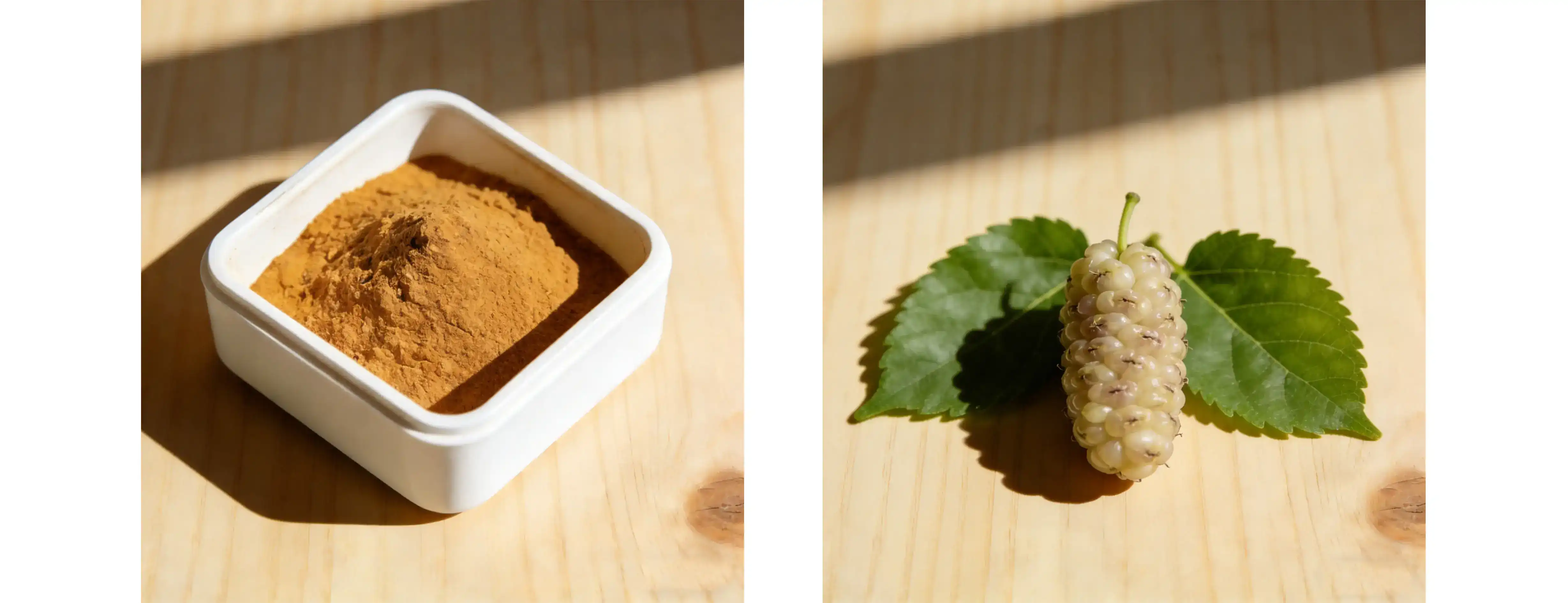
White mulberry extract, derived from the leaves of Morus alba, has emerged as a versatile botanical ingredient in modern nutraceutical formulations. Standardized for 1-deoxynojirimycin (1-DNJ), this brownish-yellow powder offers formulation managers and R&D directors a natural solution for metabolic health products, blood sugar management supplements, and antioxidant-focused blends. As clean-label trends accelerate and consumers increasingly seek plant-based alternatives, understanding the technical specifications, formulation strategies, and procurement considerations for this botanical becomes essential for brands aiming to differentiate their product portfolios while maintaining regulatory compliance and batch-to-batch consistency.
Understanding White Mulberry Extract: Composition and Functional Benefits
Botanical Origins and Chemical Profile
Morus alba, which is also known as White Mulberry Extract, is from cold Asia and has been used in traditional medicine for a very long time. There are many bioactive compounds in the leaf extract that make it work. A study that came out in 2015 in the Journal of Agricultural and Food Chemistry says that 1-deoxynojirimycin (1-DNJ) is the main active ingredient. Alpha-glucosidase is stopped, which changes the way that carbohydrates are broken down.[1] Flavonoids, polyphenols, anthocyanins, and gamma-aminobutyric acid (GABA) are some of the phytochemicals that are present. An HPLC test showed that our purified product usually has 1% 1-DNJ in it. This makes sure that every batch of goods is the same.
Key Functional Mechanisms
Botanicals found in mulberry leaf juice work in a number of different ways. Because it works with stomach enzymes, the 1-DNJ part may help the body use glucose better after a meal. At the same time, the polyphenolic compounds work as antioxidants, as shown by ORAC values that often exceed 15,000 µmol TE/100g in high-quality extracts. Because it works in two ways, this ingredient is great for formulas that want to support the health of both cells and metabolism.
Nutritional and Bioactive Composition
The main ingredient in mulberry leaf extract is 1-DNJ. It also has minerals (calcium, potassium, magnesium), B-vitamins, and dietary fiber compounds. The extract dissolves easily in water, so it can be added to many different types of food and drink mixes, including pills and tablets. The brownish-yellow powder doesn't change color when it's kept below 60% relative humidity in containers that are double-sealed for 24 months. After that time, it keeps the useful qualities it has.
Comparative Analysis for B2B Buyers: Selecting the Right Extract Form
Extract Standardization Options
There are a few different ways for buying teams to standardize the White Mulberry Extract companies they look at. A lot of specs have 1-DNJ content between 1% and 10%. UV methods, which can give wrong results for compounds that look a lot alike, are not used to measure the content. Instead, the HPLC-ELSD (Evaporative Light Scattering Detector) method is used. Our 1% uniformity is the best way to get the most out of your vitamin while also keeping costs low. For high-end formulas that need to fit into small dosage sizes, on the other hand, higher amounts work best.
Powder Versus Liquid Formats
The type that is most popular in the B2B market is powder extracts. These are more stable, last longer, and can be used with many different production methods. It is easier to keep track of inventory when it is in dry powder form, it costs less to ship, and it allows for accurate gravimetric dosing during production. For some drinking purposes, liquid extracts are needed. However, they need to be kept in the fridge and with additives, which makes the supply chain more difficult. During short-term processing, the powder is chemically stable up to 80°C. This means it can be used to crush tablets, encapsulate them, and even hot-fill drinks.
Organic Versus Conventional Sourcing
It takes longer and costs more to get organic certification, but it lets you sell to new markets that want USDA Organic or similar certifications. Since traditional extracts use the same methods for extraction and processing, they have the same amounts of 1-DNJ and work just as well. Both organic and regular production lines are kept separate on our sites by strict rules, so buyers can pick based on who they want to buy from and how much they are willing to pay. Most of the time, organic prices are 15–25% higher than normal prices. This is because licenses are more expensive, crops don't make as much money, and they need to be handled in a certain way.
Comparative Botanical Considerations
When people buy products that focus on glucose, they might compare mulberry leaf extract to other ingredients like berberine or gymnema sylvestre. Every plant works in its own way. The berberine compound starts the AMPK pathway, the gymnema compound works by connecting with taste receptors and absorbing glucose in the gut, and the 1-DNJ in mulberries goes after alpha-glucosidase enzymes in particular. More and more people are using combination methods that use these two processes that work well together. You can mix mulberry extract with things like chromium picolinate, cinnamon extract, or alpha-lipoic acid to make metabolic health mixes that work better.
Formulation Applications: Integrating Extract into Dietary Supplements
Optimal Dosage Ranges and Delivery Systems
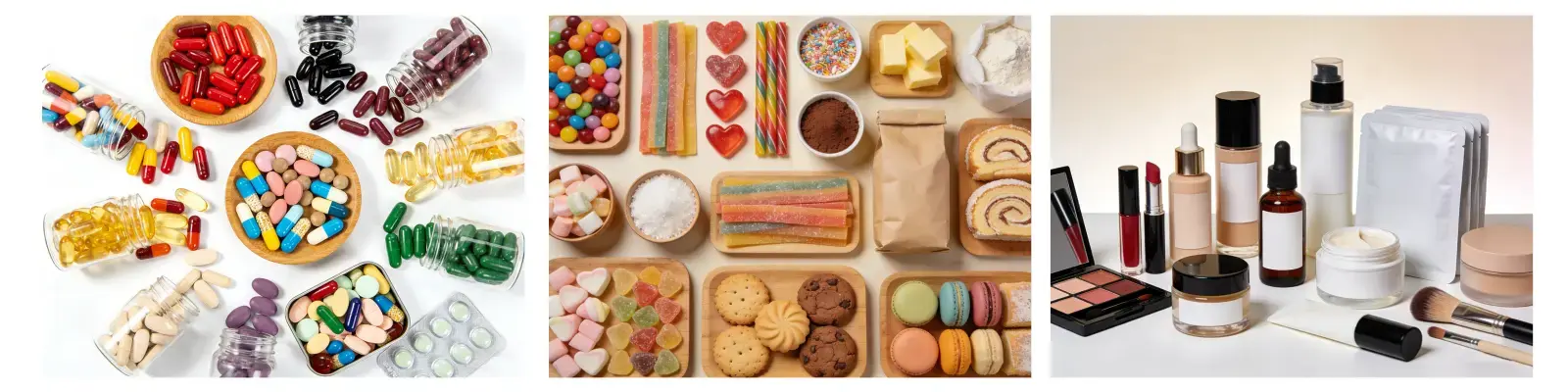
Clinical research shows that taking 100–300 mg of standardized extract (which gives you 1–3 mg of 1-DNJ) before meals is a good dose range for metabolic health. When you go to the store, most of the items are in pill form and have either gelatin or veggie cellulose shells. The powder is then put inside, along with things that help it move, like rice flour or magnesium stearate. When making pills, it's important to pick the right excipients. Microcrystalline cellulose sticks things together well, and silicon dioxide keeps the tablets from sticking together when they're squished together because they're wet.
Bioavailability Enhancement Strategies
White mulberry extract is bioavailable if you take the 1-DNJ molecule by mouth. But there are some things that can be done to improve the preparation so that it is processed better. Lipophilic flavonoid parts may get into the body better if you take flavonoids with good fats, such as medium-chain triglycerides in softgels. As the extract moves through the stomach, enteric coating technologies keep it safe. They also make sure that it is released in the small intestine, which is where alpha-glucosidase enzymes work best. Some people who make medicines add 5 mg of black pepper extract (piperine) to each dose to stop enzyme pathways and potentially make the medicine more bioavailable overall.
Synergistic Ingredient Combinations
It works well with other plants and nutrients that are like White Mulberry Extract. Here are some popular examples of beneficial combinations:
- Metabolic Health Formulas: Putting together 500 mg of chromium picolinate, 200 mg of cinnamon bark extract (20:1), and 300 mg of berberine helps the body in more than one way. The mulberry blocks enzymes, the chromium makes insulin work better, and the berberine keeps cell energy levels steady. All of these things help the body use glucose.
- Antioxidant Complexes: A wide range of antioxidants can be made by mixing 200 mg of mulberry extract with 100 mg of resveratrol, 50 mg of grape seed extract (95% OPC), and 15 mg of astaxanthin. The polyphenolic chemicals in mulberries work with the free radical-scavenging systems of other plants to back up claims that cells are healthy.
- Weight Management Blends: Most formulas that want to change the way your body looks have 300 mg of mulberry extract, 500 mg of green tea extract (50% EGCG), 250 mg of garcinia cambogia (60% HCA), and 100 mg of conjugated linoleic acid (CLA). Part of the mulberry helps the body use carbs, and other parts burn fat and keep hunger at bay.
These combinations not only make things work better, but they also help products stand out in markets where there is a lot of competition. This is to make sure that each pair of items that work well together will still work together during the planned shelf life if they are stored in a certain way.
Quality Assurance and Manufacturing Standards
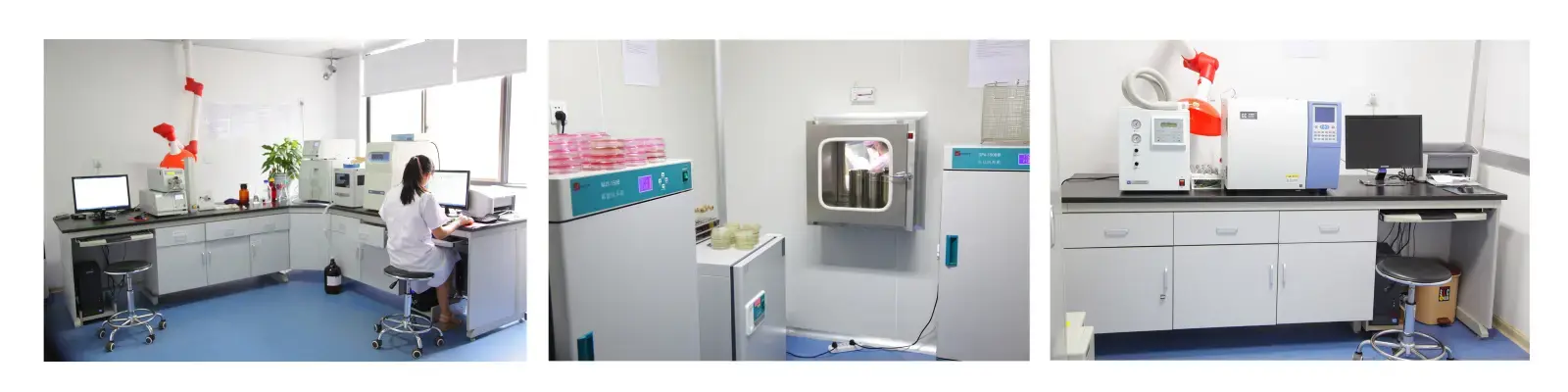
Following GMP rules is the key to making good products. Our building is NSF GMP-approved and has strict controls for the manufacturing process, such as HPLC fingerprints of raw materials to reference samples to make sure they are who they say they are. The microbe tests showed that there were fewer than 1,000 CFU/g of yeast and mold and no viruses. Heavy metal testing checks to see if there are less than 0.5ppm of mercury, arsenic, lead, and cadmium. GC-MS/MS method for multiple residues for pesticide residue analysis, and making sure the moisture level stays below 5% to stop germ growth.
Certifications from outside groups, like FSSC22000, Kosher, Halal, and ISO, give your products extra safety and make it easier to sell in many places and to many types of people. It has a Certificate of Analysis (COA) that tells you where the plants came from and how they were packed with each production batch.
Packaging and Shelf-Life Management
Most commercial packing comes in fiber drums with two layers of sealed plastic bags inside. It takes at least 25 kg to place an order, and that's the standard unit of packaging. The hygroscopic powder doesn't get wet in this setup, and it's also easy to store and move. As the production line goes on, smaller amounts are repacked into HDPE bottles or foil bags, depending on what the final product needs. Studies on stability at ICH conditions show that extracts that are properly packaged keep more than 95% of their original 1-DNJ content for 24 months when they are kept in cooler places. To get the most out of ingredients, buyers should keep their stock on a first-in, first-out (FIFO) basis and avoid damp places.
Procurement Insights: Sourcing Quality Extract for Global B2B Clients
Supplier Evaluation Criteria
You need to look at the plant ingredient seller from many points of view in order to pick the best one. You should know how to use advanced extraction equipment (usually ethanol-water or pure water extraction systems), chromatographic analysis equipment (HPLC with ELSD or UV detection), and be able to write down proof of the process. Capacity to make things is important for brands that are growing quickly. Facilities need to be able to show that they can handle regular orders without having trouble getting enough supplies. The best providers keep plant source records that link batches of finished extract to specific crop lots, documenting the chain of custody.
Certification and Compliance Framework
The U.S. market for dietary products needs very specific proof of compliance. Suppliers should give at least: recent GMP approval from a well-known company like NSF International or UL; proof that the food is safe (FSSC22000 or similar); organic certification from certifiers approved by the USDA if applicable; Halal and Kosher labels on goods; and paperwork to follow California's Proposition 65 regarding heavy metal material. Our certifications include NSF GMP, FSSC22000, Kosher, Halal, ISO, and Organic, which cut down on the time it takes to get new products on the market.
Pricing Structures and Value Considerations
Some of the things that affect the price of white mulberry extract are the 1-DNJ grade level, the number of sales, the state of the organic certification, and how the market is changing. Most of the time, FOB prices for 1% 1-DNJ standard extract are $35 to $55 per kilogram for packs of 500 kg or more. Material that is approved as organic costs 15 to 25 percent more. Greater standardizations (5–10% 1-DNJ) may cost two to three times as much as regular 1% material. Storing goods in the United States cuts landed costs and wait times. Formulators can use free sampling programs before they buy a lot of them.
Regional Supplier Considerations
Morus alba plants, which are grown in Asia, are the source of mulberry extract. However, more and more handling and quality control are being done all over the world. Chinese suppliers make most of the raw materials that are used because they know how to farm and run factories. Businesses in the U.S., like Earth Made Nutritions Inc, add value by making sure the quality is good, understanding the rules, making customer service easy to reach, and improving logistics. Working with U.S. providers offers the benefit of same-time-zone communication and American quality standards.
Value-Added Services and Technical Support
Top botanical suppliers offer technical services that speed up product development and make formulations more successful. Help with custom recipe making turns thoughts into plans that can be made. With contract production and private labeling, new names can get on the market quickly without spending a lot of money building a plant. Our professional research and development (R&D) team helps customers conduct stability studies and give advice on how to comply with regulations. The relationship between the buyer and the seller changes from a transactional one to a strategic one when this consultative method is used.

Future Trends and Market Outlook for Mulberry Extract in Supplements
Emerging Formulation Technologies
In the next few years, the market for products with White Mulberry Extract is likely to grow. New delivery tools like liposomal packaging technology, which covers extract particles with phospholipid bilayers, might help the body absorb both the parts that dissolve in water (1-DNJ) and the parts that dissolve in fat (flavonoids) better. Thanks to nano-emulsion systems, powder can be added to clear drinks. Time-release matrix pills release their chemicals slowly over a few hours, which might make them better for metabolic uses that need steady blood levels.
Consumer Preference Shifts
Clean-label trends are still changing how foods are put together. Supplement fact screens are getting more attention from customers, and real names are preferred over fake ones. Mulberry is a good choice for this style since it has been used for a long time and lab tests have shown that it works. As the need for plant-based, sustainably grown foods grows, growing more mulberries is a great way to meet that need. Mulberries can grow in many types of weather and don't need a lot of chemicals.
Regulatory Evolution
Everyplace in the world, the rules about safety statistics, good paperwork, and proof are getting tighter. The way that new products and amounts can get into the market has changed because the FDA's view on New Dietary Ingredient (NDI) reports has changed. It is easier to get around this area when you use ingredients that have been used for a long time, like mulberry leaf extract. As regulation gets stricter, brands that work with suppliers that keep detailed records of regulatory compliance will be in a better position.
Sustainability and Ethical Sourcing Initiatives
Plants that are found in a way that doesn't hurt the environment are in high demand. Growing mulberries doesn't have as much of an effect on the environment as growing many other foods. When growing in agroforestry models, the trees support wildlife, only need a small amount of water, and can grow in poor soils. They also store carbon in the air. Brands that care about the environment will buy more from sellers who can show through third-party testing programs that they buy sustainably. Our supply chain resilience is backed by our environmental responsibility commitments.
Conclusion
Scientists have shown that white mulberry extract is a good plant-based ingredient for nutraceutical brands that want to support antioxidants, keep the label clean, and support metabolic health. To fully combine formulas, you need to be aware of the technical requirements, especially those related to standards and stability for 1-DNJ. You should also have smart buying relationships that make sure the quality stays the same, rules are followed, and goods are always available. As the market moves toward science-backed formulations, procurement teams that focus on technical skills and certification portfolios will have the best chance of success.
FAQ
1. What makes 1-DNJ content verification important for quality control?
Certain chemicals in mulberry have structures that are similar to those in other chemicals, so standard UV-HPLC methods may give incorrect results. We use the HPLC-ELSD (Evaporative Light Scattering Detector) method to make sure that the 1% standard on the label accurately shows the bioactive content. This way, we can be sure that there are no false positives when measuring 1-DNJ.
2. How does mulberry extract maintain stability in various formulation environments?
The extract stays stable at temperatures up to 80°C for short periods of time. This means it can be used to make warm drinks, compress tablets, and cover them. While keeping, make sure the humidity level stays below 60% RH, and the moisture level stays below 5%. This will keep the bioactivity and stop degradation over a normal 24-month shelf life.
3. Can mulberry leaf extract be combined with other metabolic wellness ingredients?
Chromium, berberine, cinnamon, and alpha-lipoic acid are some of the ingredients that work well with the extract. Because these mixes change the way glucose is used in many different ways, they make things that are all different. Testing the product's stability over the time it's supposed to stay on the shelf makes sure that the ingredients work well with each other and that the product stays as strong as it says on the label.
Partner with a Trusted White Mulberry Extract Supplier
You can get legal white mulberry extract from Earth Made Nutritions Inc. because they have strict quality control measures in place and know where to find botanicals. With operations in California and four warehouses in the US, we can fill orders quickly—often in just two days for things that are in stock. Because we have all the necessary approvals, like NSF GMP, FSSC22000, Kosher, Halal, ISO, and Organic badges, it's easier for you to meet government rules while we keep the highest standards of quality.
You can speed up the process of making your product by getting help with the formulation, tips on how to keep it stable, and information about the market from our expert team. You can get free samples of our 1% 1-DNJ standardized extract to try it out in your own special application before you commit to making a lot of it. Prices are low; the smallest order is 25 kg, and we offer services that make your order more valuable. This makes us a great supplier for brands at any stage of growth. Contact us at info@em-herb.com to discuss your project requirements.
References
1. Kimura, T., Nakagawa, K., Kubota, H., et al. (2015). Food-grade mulberry powder enriched with 1-deoxynojirimycin suppresses the elevation of postprandial blood glucose in humans. Journal of Agricultural and Food Chemistry, 63(35), 7815-7821.
2. Wang, Y., Xiang, L., Wang, C., et al. (2013). Antidiabetic and antioxidant effects and phytochemicals of mulberry fruit (Morus alba L.) polyphenol-enhanced extract. PLOS ONE, 8(7), e71144.
3. Andallu, B., & Varadacharyulu, N. C. (2012). Antioxidant role of mulberry (Morus indica L. cv. Anantha) leaves in streptozotocin-diabetic rats. Clinica Chimica Acta, 338(1-2), 3-10.
4. Nutraceuticals World. (2020). Plant extracts market growth driven by clean label trends. Nutraceuticals World, May 2020 issue.
5. Grand View Research. (2021). Botanical supplements market size, share & trends analysis report. Market Research Reports, 2021.
6. Natural Products Insider. (2022). Metabolic health ingredients gain momentum in supplement formulations. Natural Products Insider, March 2022.