- English
- French
- German
- Portuguese
- Spanish
- Russian
- Japanese
- Korean
- Arabic
- Irish
- Greek
- Turkish
- Italian
- Danish
- Romanian
- Indonesian
- Czech
- Afrikaans
- Swedish
- Polish
- Basque
- Catalan
- Esperanto
- Hindi
- Lao
- Albanian
- Amharic
- Armenian
- Azerbaijani
- Belarusian
- Bengali
- Bosnian
- Bulgarian
- Cebuano
- Chichewa
- Corsican
- Croatian
- Dutch
- Estonian
- Filipino
- Finnish
- Frisian
- Galician
- Georgian
- Gujarati
- Haitian
- Hausa
- Hawaiian
- Hebrew
- Hmong
- Hungarian
- Icelandic
- Igbo
- Javanese
- Kannada
- Kazakh
- Khmer
- Kurdish
- Kyrgyz
- Latin
- Latvian
- Lithuanian
- Luxembou..
- Macedonian
- Malagasy
- Malay
- Malayalam
- Maltese
- Maori
- Marathi
- Mongolian
- Burmese
- Nepali
- Norwegian
- Pashto
- Persian
- Punjabi
- Serbian
- Sesotho
- Sinhala
- Slovak
- Slovenian
- Somali
- Samoan
- Scots Gaelic
- Shona
- Sindhi
- Sundanese
- Swahili
- Tajik
- Tamil
- Telugu
- Thai
- Ukrainian
- Urdu
- Uzbek
- Vietnamese
- Welsh
- Xhosa
- Yiddish
- Yoruba
- Zulu
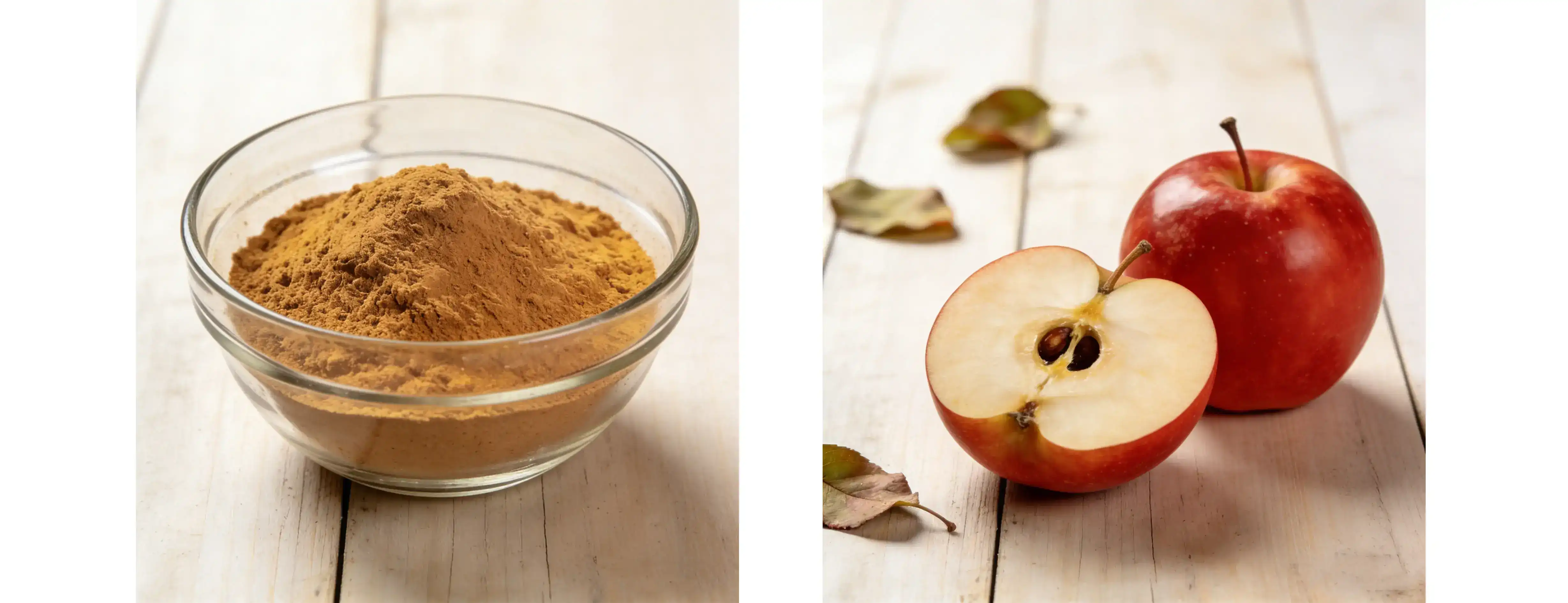
When you're sourcing apple-based ingredients for your next formulation, the choice between apple juice powder and juice concentrate shapes everything from shelf stability to label claims. Apple juice powder — derived from Pyrus Malus L. fruit and processed into a fine brownish-yellow powder — offers measurable advantages in dosage control, logistics, and clean-label positioning. Juice concentrate, on the other hand, delivers robust flavor at a lower upfront cost. Understanding where each form excels helps R&D teams, procurement managers, and product developers make smarter sourcing decisions that align with both technical specifications and market expectations.
What Are Apple Juice Powder and Juice Concentrate?
Both of these ingredients come from the same plant, but they are made in different ways and don't work the same way when mixed.
How Apple Juice Powder Is Made
Apple juice powder is created by freeze-drying or spray-drying concentrated apple juice to remove the water but preserve the natural sugars, organic acids (mostly malic acid), and polyphenolic substances. The final result is a yellow-brown powder that doesn't stick together and has less than 5% wetness and less than 0.3 water activity (Aw). Its pH range in 10% water is the same as that of fresh apples, which is 3.5 to 4.5. It is acidic in the same way that liquids are, but it is much more stable and concentrated. Because it doesn't use any solvents in the making process, it backs up claims of clean labels and natural ingredients.
How Juice Concentrate Is Made
With vacuum evaporation, fresh apple juice is boiled down to about a sixth of its original volume. This makes juice concentrate. This process saves a lot of the natural fruit sugars and smelly compounds. It's a cheap way to give drinks and baked goods more taste and sweetness. But because it is thick and liquid, germs can't grow in it, so it needs to be kept cold and treated carefully. There is a cost that can be measured over time for these logistical needs.
Essential Comparison Criteria for B2B Buyers
A lot of the time, teams that buy things don't judge items based on just one factor. The choice is based on how well the product works, how well it works with the supply chain, and how well it works with authorities.
When making decisions about large-scale buying, these are the main things that people always look at when comparing:
- Shelf Life & Storage: Apple juice powder carries a standard shelf life of 24 months when stored below 25°C in low-humidity conditions (<50% RH) with moisture-barrier packaging such as aluminum foil bags. Juice concentrate typically requires refrigeration and carries a shorter ambient shelf life, increasing cold-chain logistics expenditure.
- Solubility & Processing Compatibility: High-quality spray-dried dehydrated apple powder is fully water-soluble, dissolving rapidly in cold water without sedimentation — a critical requirement for instant beverages and powder sachets. Concentrate integrates smoothly into liquid-based systems but can complicate dry formulations.
- Nutritional Standardization: The powder format allows precise dosage control, enabling manufacturers to standardize polyphenol and Vitamin C content batch to batch — a significant advantage for nutraceutical and functional food applications. Concentrate composition can fluctuate based on seasonal fruit variation.
- Label & Certification Alignment: Earth Made Nutritions' apple fruit powder carries NSF GMP, FSSC22000, Kosher, Halal, ISO, and Organic certifications, supporting diverse market entry requirements across the US, EU, and Asia-Pacific.
Apple juice powder can be kept for 24 months if it is kept below 25°C, in a place with low humidity (<50% RH), and in containers that keep moisture out, like foil bags. Juice extract usually needs to be kept cool. If it's left out in the open, it goes bad faster, which makes cold-chain processes more expensive.
Spray-dried, dehydrated apple powder that is good for processing breaks down fully in cold water, fast, and without any lumps. For powder and instant drinks, this is very important. When concentrated, it works well with wet systems, but it can be hard to use with dry systems.
Standardization of nutrition: Because it comes in powder form, the dose can be precisely controlled, so the amount of polyphenols and vitamin C in each batch stays the same. This is a big plus for healthy foods and nutraceuticals. The things that go into concentrate can change based on the fruit and the time of year.

Procurement Considerations and Market Availability
Reliable sourcing means giving attention to more than just how well the formulation works. It also means looking at the supplier's infrastructure, the quality of the paperwork, and wait times that make sense.
Evaluating Supplier Credentials
The main ways to check the quality of dried apple extract powder are through pesticide residue analysis (GC-MS screening for compounds like Chlorpyrifos), microbiological standards (Total Plate Count <1,000 CFU/g; Yeast & Mold <100 CFU/g; absence of Salmonella and E. coli), and heavy metal compliance (Lead <3.0 ppm; Arsenic <1.0 ppm). Any reputable company should give you batch-specific Certificates of Analysis that include these things before they ship.
Practical Sourcing Details from EM
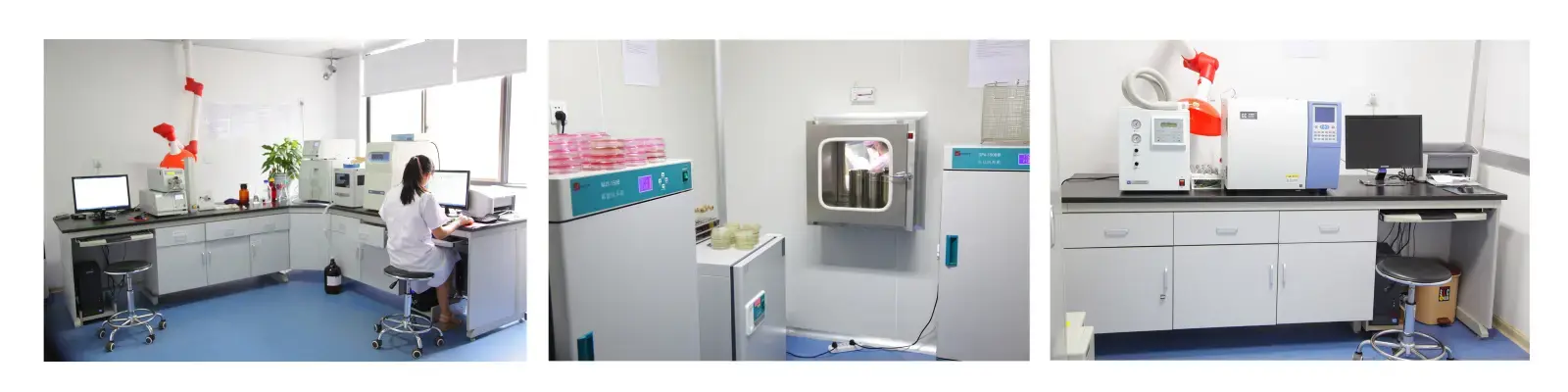
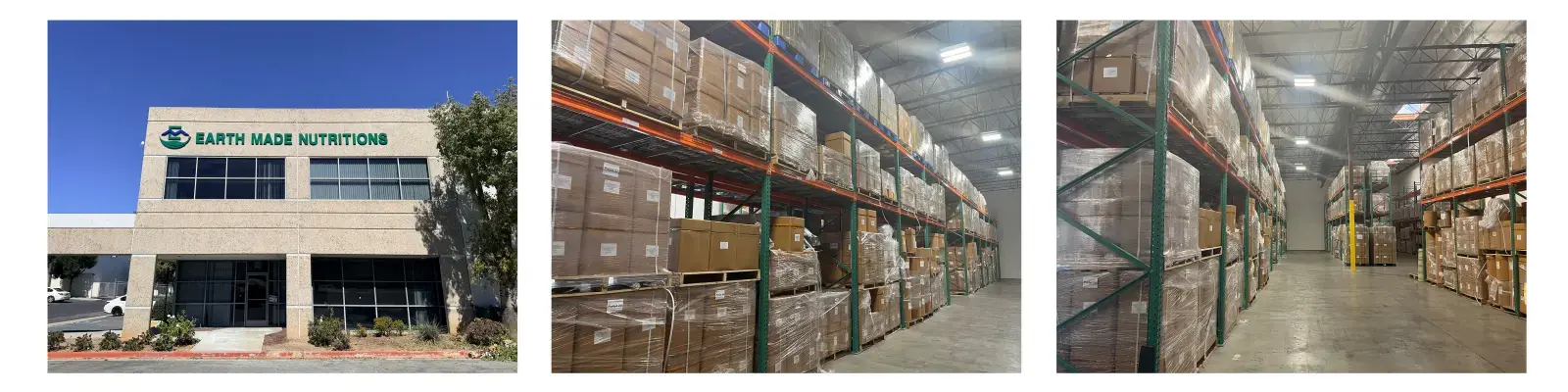
The company Earth Made Nutritions Inc. has been around since 2018 and has its main office in California. They sell Pyrus Malus L. juice powder in 25 kg drums, with a 25 kg minimum order. There are four warehouses in the US where you can pick up your order the next day. This is much faster than shipping it directly from overseas. Free samples are given for expert study. This lets the people who make the formulas test it for pH, solubility, and taste before committing to large sales.
Choosing the Right Ingredient for Your Product
To match the right parts with the right structure, you need to be honest about what each form brings to the table.
When Apple Juice Powder Wins
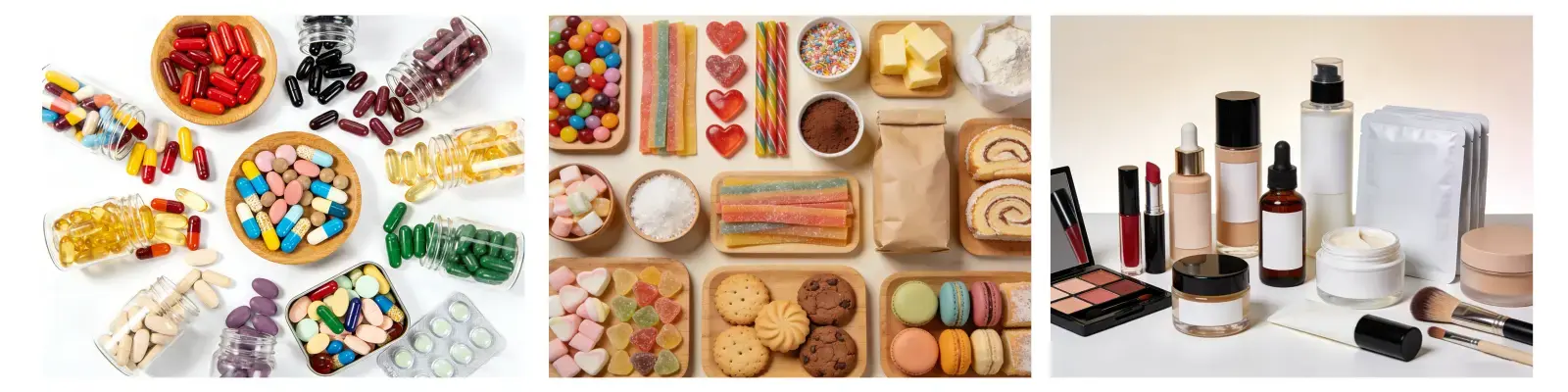
Apple juice powder that has been dried out is better if your product needs to stay at room temperature for a long time, requires exact dosing of ingredients, or works with dry-format methods. The powder can be used to make nutraceutical capsules, gummy candies, instant drink sachets, bakery glazes, and topical cosmetics because it has a controlled moisture profile and a standard bioactive content. It draws water quickly because it has naturally occurring fructose and glucose, so it needs to be packed in a way that keeps water out. But this is more of a problem with how it is handled than a problem with how it is made.
When Concentrate Holds Its Ground
It's easy to make a lot of drinks with fruit juice concentrate, and the drinks have to mix well. The price is low enough that it can be made in large quantities. It tastes like real apples and has a healthy sweetness. Concentrate is still a good choice if your recipe already includes cold-chain logistics and you care more about the authenticity of the taste than how long it will last on the shelf.
Usually, the powder form of apple fruit concentrate is better for structure than the concentrate form if your product is dry, you want to sell it with a clean label, or you need to make sure it works with more than one certification.
Future Trends Shaping Apple-Based Ingredient Sourcing
In the US market for healthy foods and supplements, people are still moving toward clear, minimally processed ingredients that are fed in a way that doesn't hurt the environment. Store sales statistics from SPINS show that in 2023, natural and organic products brought in more than $50 billion in the US. Being able to keep track of the vitamins' ingredients became one of the top three reasons people who care about their health bought them.
With new spray-drying technologies, companies can better protect polyphenols that are sensitive to heat. This makes it so that oxidation during processing does less damage. It costs more and takes longer to freeze-dry, but the color, smell, and nutritional value are better for high-end uses. In the meantime, there is a rise in the need for organic fruit products as businesses try to compete with drinks and foods that use fake flavors.
Strategies for buying that lock in approved, stable-supply partnerships can now better handle changes in the prices of ingredients caused by changes in apple crops and rules and laws.
Conclusion
It comes down to how the product is made to decide between apple juice powder and juice concentrate. Powder forms are better at staying stable on shelves, having clean labels, making sure that batches are all the same, and being able to be used in different ways. All of these things are good for the way the US market for useful ingredients is going right now. People still use concentrate when they need a lot of drink. For most modern B2B formulation needs, the powder form offers a more steady and proven ingredient base, especially in nutraceuticals, functional foods, and topical uses. If you work with a company that provides certified quality documents, stock that is based in the US, and quick technical help, the move will be easy.
FAQ
1. Is apple juice powder vegan and gluten-free?
Yes. Pyrus Malus L. juice powder comes from plants and doesn't have any grains that contain gluten. People who follow a lot of different religious and food rules can use the one made by Earth Made Nutritions because it is both Kosher and Halal certified.
2. How does shelf life compare between the two forms?
If you keep apple fruit powder at room temperature (<25°C) and low humidity, it will last for 24 months. Juice concentrate needs to be kept cool most of the time. Since it doesn't last long after being opened or handled, the cost of keeping it cool goes up.
3. Can apple juice powder substitute for concentrate in beverage formulations?
It is possible, but the way it is done needs to be changed. Since the powder can be mixed with water all the way through, the rehydration ratios need to be changed to match the concentrate's acidity and Brix level. It has a pH range of 3.5 to 4.5, which is very close to fresh juice. This means that tastes can be matched.
4. Why does the powder sometimes cake during storage?
Fruit sugars can take water from the air, which is called hygroscopicity. You can keep this from happening by packing and keeping things below 50% relative humidity in high-moisture-barrier materials.
Source Apple Juice Powder from EM — Your Trusted US-Based Supplier
EM's apple juice powder for sale has been tested to make sure it is of good quality, ships quickly from the US, and comes with all the information that serious buyers need. Tree of Heaven Pyrus Malus L. juice powder is kept in four warehouses in the United States (US). You can get free samples to try and pick up your order the next day. Our ingredient has been approved by NSF GMP, FSSC22000, Kosher, Halal, ISO, and Organic standards, so you can be sure it will work well in all of these areas. To get your sample right away, please email info@em-herb.com.
References
1. Shahidi, F., & Ambigaipalan, P. Journal of Functional Foods, 2015.
2. Schieber, A., Stintzing, F. C., & Carle, R. Trends in Food Science & Technology, 2001.
3. SPINS Natural Products Industry Report, 2023.
4. Thongsook, T., & Barrett, D. M. Journal of Agricultural and Food Chemistry, 2005.
5. Codex Alimentarius Commission. General Standard for Fruit Juices and Nectars, FAO/WHO, 2005.
6. Grand View Research. Fruit Powder Market Size & Forecast Report, 2023.