- English
- French
- German
- Portuguese
- Spanish
- Russian
- Japanese
- Korean
- Arabic
- Irish
- Greek
- Turkish
- Italian
- Danish
- Romanian
- Indonesian
- Czech
- Afrikaans
- Swedish
- Polish
- Basque
- Catalan
- Esperanto
- Hindi
- Lao
- Albanian
- Amharic
- Armenian
- Azerbaijani
- Belarusian
- Bengali
- Bosnian
- Bulgarian
- Cebuano
- Chichewa
- Corsican
- Croatian
- Dutch
- Estonian
- Filipino
- Finnish
- Frisian
- Galician
- Georgian
- Gujarati
- Haitian
- Hausa
- Hawaiian
- Hebrew
- Hmong
- Hungarian
- Icelandic
- Igbo
- Javanese
- Kannada
- Kazakh
- Khmer
- Kurdish
- Kyrgyz
- Latin
- Latvian
- Lithuanian
- Luxembou..
- Macedonian
- Malagasy
- Malay
- Malayalam
- Maltese
- Maori
- Marathi
- Mongolian
- Burmese
- Nepali
- Norwegian
- Pashto
- Persian
- Punjabi
- Serbian
- Sesotho
- Sinhala
- Slovak
- Slovenian
- Somali
- Samoan
- Scots Gaelic
- Shona
- Sindhi
- Sundanese
- Swahili
- Tajik
- Tamil
- Telugu
- Thai
- Ukrainian
- Urdu
- Uzbek
- Vietnamese
- Welsh
- Xhosa
- Yiddish
- Yoruba
- Zulu
What does bulk apple juice powder consist of? What it's made of, how it's dried, how the particles behave, what certifications it has, and how it's packed all play a role. There are also choices that change the price and the minimum order quantity (MOQ). Find out if the powder has a filler and how much water it can hold. Take a look at the papers that come with each lot as well. Our apple juice powder (Pyrus malus L. fruit) comes in 25 kg drums, and that's the least amount you can order. You could get some for free. Getting the materials, processing them, testing them, packing them, and sending them all costs a certain amount per kilogram. It is more important to look at quotes that are based on the same information. All of them are covered in this guide.
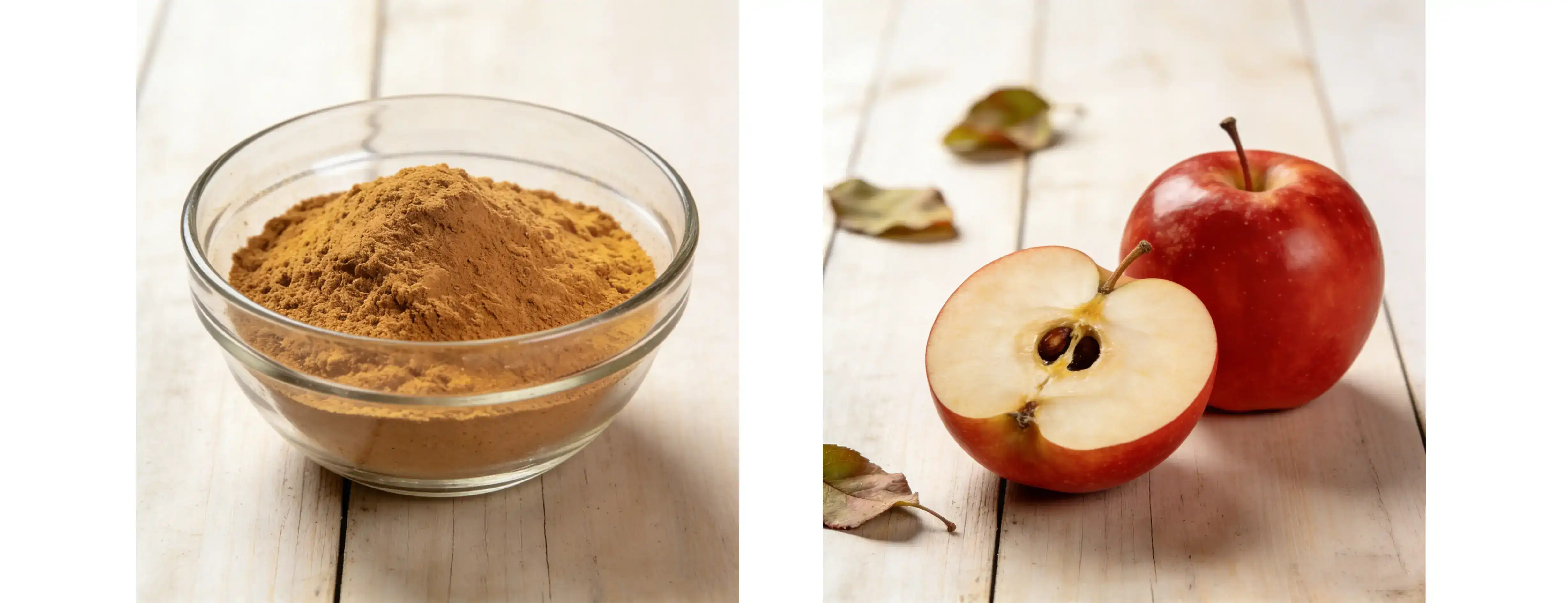
Apple Juice Powder Specifications: What Should Be Included in a B2B Product Specification Sheet?
Composition, Source, and Carrier Content
Examine the inside of the drum first. You have the option of using either juice solids or concentrate for making apple juice powder, or you may combine the two substances. Maltodextrin is another name for this substance, which helps some kinds adhere to one another. If it is allowed to dry out, apple sugar will clump together. As stated in a piece of writing from 1997, juices that include a significant amount of sugar have a low temperature at which they transform into solids. To put it another way, if you do not include a carrier, they will adhere to the walls of the dryer and bunch up. Because of the impact that the carrier ratio has on flow and caking, it is essential that it be included on the sheet. Despite the fact that many botanists now refer to this plant as Pyrus malus L., the powder that we use originates from the fruit found on this plant. The fact that this is juice powder means that it is not a solvent. You should get a carrier statement for each transaction and include it on the bill of sale for the whole lot.
Physical and Chemical Parameters to Request
The appearance of this apple juice powder reminds one of a brownish-yellow powder. Additionally, buyers are looking for objectives that can be assessed, since the appearance of something does not always indicate how effectively it functions. There are a number of factors that are taken into consideration, including pH, particle size, solubility, and moisture. The water activity of the fruit powder is less than 0.3, and the amount of water that occurs in the powder does not exceed 5%. After being combined with 10% water, they have a pH level that is identical to that of fresh apples. The stability of amorphous food powders is not always guaranteed. In the year 1993, Roos published an article in the Journal of Food Processing and Preservation that discussed the ways in which the status and activity of water might alter this. You need to hunt for clusters for this reason. It is possible to utilise them as a reference, and the COA for each lot that you purchase needs to be identical to these.
Documents and Compliance Records
One of the things that makes it handy is the piece of paper that is included with it. The Food and Drug Administration (FDA) discusses the regulations that apply to dietary supplements in 21 CFR Part 111. As per the guidelines, producers have the ability to choose which components to utilise in their products. To clarify, the material that your supplier delivers to you is immediately included in your own personal file. Be sure to get a certificate of authenticity (COA), as well as information on the origin of the food and the proper way to preserve it. As a last step, you should get a microbiological report in addition to comments about allergens and genetically modified organisms. The fact that our apple juice powder is organic, kosher, halal, NSF GMP, and FSSC22000 certified demonstrates that it is safe for consumption. Also, our goods satisfy the regulations imposed by the US FDA and GMP. It is possible for your quality assurance team to review these records and compare them to their own list of authorised products in order to ensure that everything is in order before the first purchase is placed.

Spray Dried vs. Freeze Dried Apple Juice Powder: Which Method and Which Claims Fit Your Application?
Spray Drying for Volume Production
The juice is broken up into small pieces that are then dried in hot air when you spray dry. The machine works all the time and makes powder that is easy to work with. It can be used to make many drinks, baked goods, or supplements. It's also cheap per kilogram. Being hot costs money. Fruits that lose vitamins and flavor notes when they are dried may not taste as good when they are fresh. The fruit's sticky sugars also need something to make them work well. The spray-dried powder breaks down quickly in cold water, which is good for instant drink mixes and cans. This is the first thing you should try if your formula needs low cost, steady flow, and a large batch size.
Freeze Drying for Premium Formulas
Water in something that has been frozen turns into a gas when it gets very cold. It costs more because it takes longer and uses more energy. It does, however, say to keep the color, smell, and shape of expensive foods. That could mean that apple juice powder tastes more like fresh apples and keeps more of the chemicals that get destroyed when heated, like vitamin C and polyphenols. Further, freeze-dried powder can quickly soak up water, so extra care should be taken with the barrier to keep out water and humidity. Choose it if the taste is worth the extra money. But first, put it next to spray-dried ingredients in your own recipe.
Organic, Non-GMO, and Sugar Claims
Label claims need to be made on paper. The USDA National Organic Program sets the rules in 7 CFR Part 205 for everything that says it is organic in the US. One of the certificates we have is for organic. People who want to buy something should look at the certificate to make sure it covers what they want to buy. Also, claims about sugar need to be checked out. Apples already have sugar in them, so that's not the same thing as "sugar-free," "unsweetened," or "no added sugar." It is against FDA rules to say that added sugars and total sugars are the same thing. The 2016 change to the nutrition label is part of this. Before putting any claims on a package, make sure it is gluten-free, vegan, non-GMO, and doesn't have any processing aids.
Apple Juice Powder Applications: Matching Specifications to the Final Product
Beverages, Smoothies, and Instant Mixes
It is possible to improve the flavour of a drink mix by adding apple juice powder, which is both fruity and sweet. It is essential that the combination maintains its original aroma and does not include an excessive amount of acid in order for it to dissolve rapidly in cold water. It is possible to get a pH level that is between 3.5 and 4.5 by adding 10% apple powder to water. This indicates that the other components have the potential to reduce the sweetness and sourness experienced by the apple powder. Because it contains fibres that do not dissolve, whole fruit powder has the potential to cloud a drink that is otherwise clear. In contrast, powders that are formed from juice have a tendency to dissolve more rapidly than other types of powders. It is thus recommended that you test your vitamins, proteins, or sweeteners in the actual base rather than merely water first. Tests that merely use water do not really demonstrate how the mixture will function after it has been thoroughly combined.
Bakery and Confectionery
It is important for those who bake and manufacture sweets to be careful about the amount of liquid they use since adding too much liquid might alter the texture of dough, frosting, or gummies. In the absence of all that water, apple juice powder imparts a flavour that is both acidic and sweet. It helps pectin candies and gummies maintain their fruit flavour, and powder is superior to juice when it comes to preventing moisture from moving around once it has been absorbed. Apple flavour may be added to baked goods such as cookies, cakes, and glazes, and it can also be used as a moderate humectant. A test batch should be baked before a rule is agreed upon. This will allow you to see how the heat affects the colour and flavour of the food, as well as how much water is added or removed.
Supplements and Natural Flavor Systems
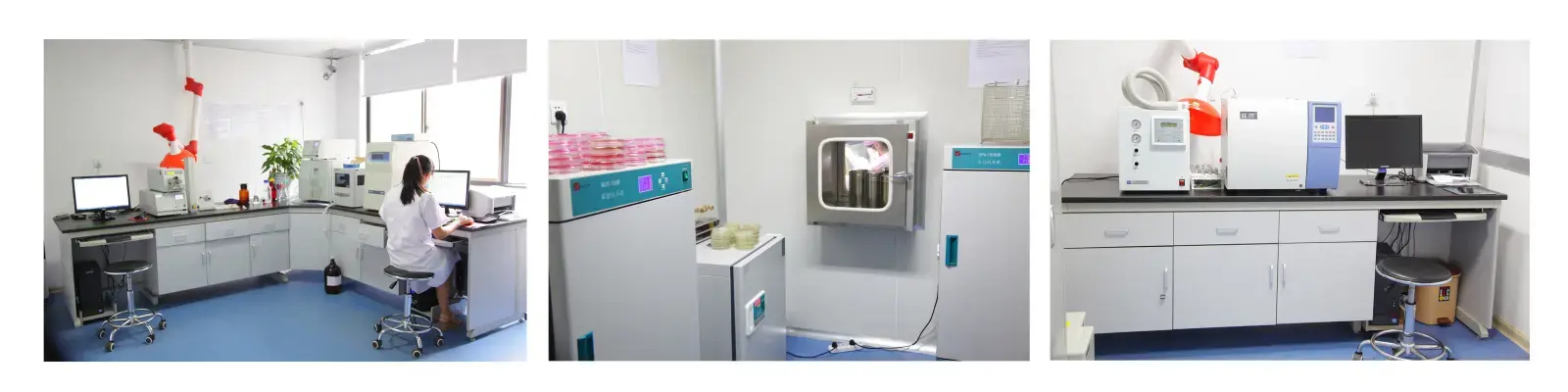
There are businesses that use apple juice powder to create pharmaceutical products such as tablets, chewables, and powdered mixtures. Their quality assurance teams often request a variety of items, including legal documentation, heavy metal testing, microbiological data, and analyses of pesticide residue. These are just some of the things that they typically request. In order to determine whether or not apples have been treated with pesticides, GC-MS is often used. It is necessary for it to be included on the list of COAs. Additionally, apple juice powder, apple flavour powder, apple extract, and whole apple powder are all simple to combine; thus, flavour manufacturers should keep them apart from one another. Each of them has a label, can be broken down, and has a delicious taste in its own unique manner. Write down the name of the specific item that you wish to purchase on the order that you are placing. It is important to ensure that your list of ingredients is accurate, since this prevents anybody from making any modifications.
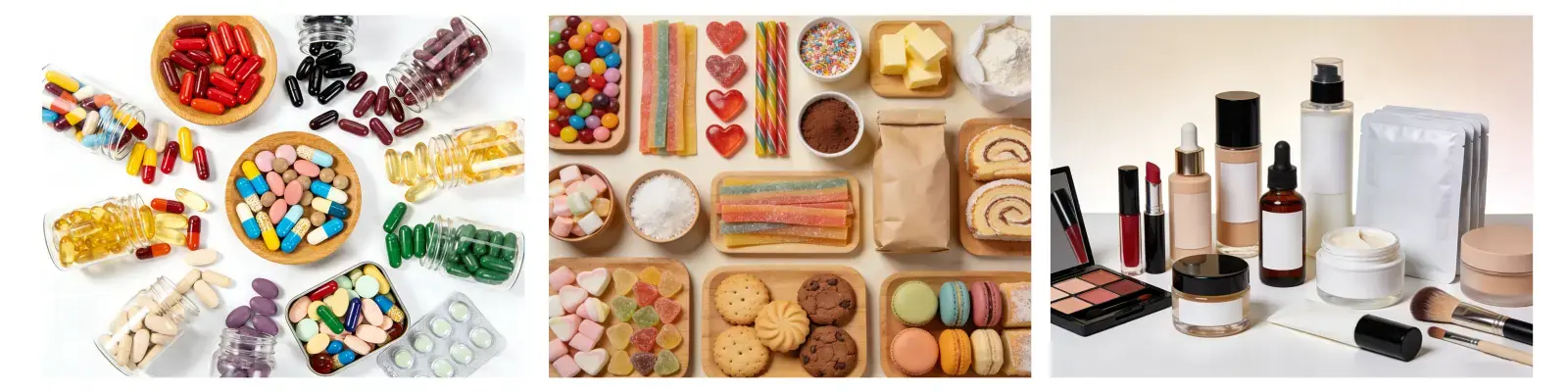
MOQ, Lead Time, and Apple Juice Powder Price Per Kilogram
Minimum Order Quantity and Private-Label Options
MOQ depends on availability, customization, certification, and packaging. Most of the time, you can order fewer standard stock items than printed private-label packs, custom particle sizes, or special carrier ratios. Since apple juice powder comes in drums of 25 kg, that's the least amount we need to ship. One drum can be the first order. The lab can try them out before you buy them all if you give them free samples. If your project needs private-label packaging or custom mixing, make sure you get test batches, samples, and regular production in different amounts. This is because the costs and needs of packaging change at each stage.
Lead Time and Supply Continuity
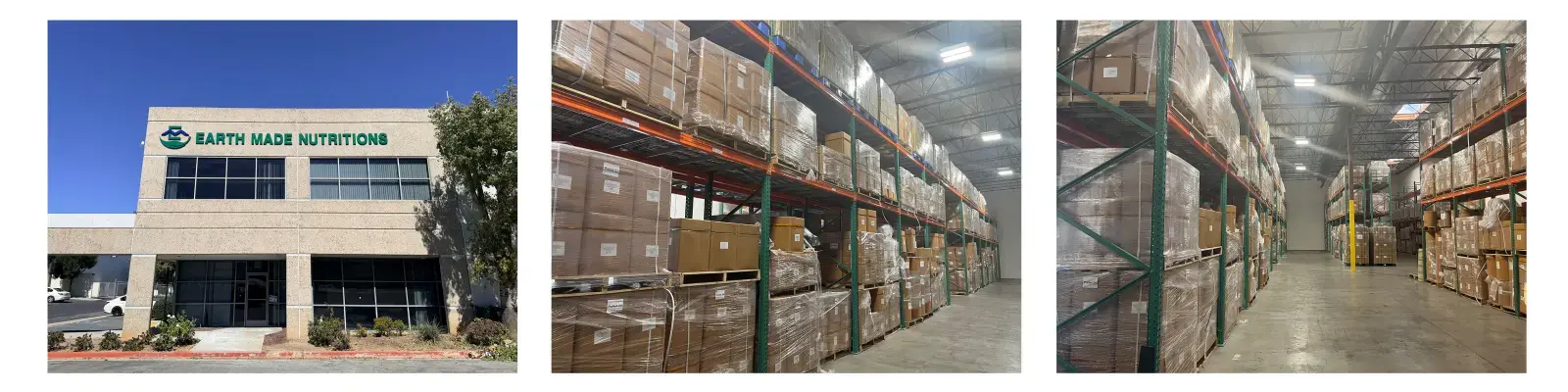
The lead time is based on how much stock is on hand, lab tests, printed packaging, inspection certifications, and export paperwork. The next business day, you can pick up our apple juice powder. It's in stock. We also have four warehouses across the country for people in those states. We can get things to you faster. If you have goods in stock in the US, you don't have to worry about ocean freight, customs, or delays at the port. There are different kinds of raw apples at different times of the year. People who buy a lot of apples every year can help each other out by telling each other what they think will happen months in advance. There won't be any gaps if there is a rolling forecast and an agreed-upon plan for reordering. It is important to find out how long it takes to get a sample and the whole order.
Main Cost Factors Behind the Price
The price per kilogram is the same for a lot of different things. What makes costs go up or down are these:
- Raw material: Apple variety, juice yield, origin, crop conditions, and organic status all influence cost, and seasonal buying can shift prices between one harvest and the next. More fruit solids and less carrier per kilogram of powder usually raise the base material cost, and organic sourcing can change pricing terms further.
- Processing and testing: Freeze drying generally costs more than spray drying because it takes longer and uses more energy. Carrier content, filtration, moisture limits, flavor-retention goals, and testing requirements such as pesticide residue and microbiology panels also add cost, since each added control step needs equipment, labor, and laboratory time.
- Packaging and delivery: Drum size, palletization, freight, insurance, and payment terms all enter the final number. For imported material, customs duties, currency swings, and Incoterms add further costs. Stock held in U.S. warehouses lets you plan around a delivered price and avoid many import variables. Ask for landed cost in writing.
This is why every quote is different. The real value may be different depending on the amount taken, how well it dissolves, and how strong the flavor is. Find the difference in how much it costs to use.
Supplier Evaluation, Shelf Life, and a Buying Checklist for Bulk Apple Juice Powder
How to Evaluate a Wholesale Apple Juice Powder Supplier or Manufacturer
It is important to make sure that they can make the product, keep track of the raw materials, test the product, and repeat the process for each batch. Most of the time, a direct manufacturer is stronger and makes changes easier. A distributor may have both large and small amounts in stock. A trading company can get the goods from more places, but they need to be sure they're dealing with the real factory. What something is is more important than where it is. How were the apples dried? Where did they come from? What is the minimum order quantity (MOQ)? Are there any certifications? How long will the apples last? How long is the lead time? EM has four warehouses in the US and a professional team of researchers and developers. The business also has its own modern factory with state-of-the-art equipment. Each candidate should bring in something that can be checked, and then you can put them next to each other to see how they stack up.
Shelf Life, Storage, and Incoming Quality Control
Temp, humidity, oxygen, moisture, and the way water moves can all change the quality of fruit powder. Keep fruit sugars below 25 °C and below 50% relative humidity, out of the sun, away from bugs, and away from strong smells. This is what many ways say to do it. This also stops oxidation and color change. Apple juice powder should be kept for about 24 months if it is kept in a barrier package that remains closed. But make sure by looking at your lot papers. Quickly close the open drums. Make sure the batch codes, dates, look, smell, clumping, flow, and COA match when you get it. Also, make sure the packaging is still whole. Having samples from each lot as a guide makes it easier to see how things have changed from one batch to the next.
A Practical Buying Checklist
It's easier to compare quotes when there is a clear process in place. First, write down what the app needs, who it's for, how much you hope to make, and what it will look like when this is done. Second, write down the specifics, such as how much fruit solids there are, how much carrier there is, how the fruit is dried, how much moisture there is, how well it dissolves, how big the particles are, what the flavor profile is, what the certifications are, and the most additives that can be used. Third, agree on business terms like the Incoterm, the size of the sample, the minimum order quantity (MOQ), the packaging, the delivery point, the payment terms, the forecast, and the Incoterm. Fourth, make some test batches of the final recipe to see how they mix, settle, stay stable while being processed, smell, look, and how long they last. Finally, agree to the paperwork, the format of the COA, how complaints will be handled, and the new order of the plans. If you do these steps in the right order, the R&D, QA, and procurement teams will all agree on what the facts are.
Conclusion
You should know what apple juice powder is made of, how much water it dissolves in, how much moisture it has, and be able to show proof of that. The fastest and cheapest way to make many things is to spray dry them. But freeze-drying is best for high-end recipes that should cost more. If someone says that an apple is organic, non-GMO, or low in sugar, they need to back up their claims with proof and clear language. For supplements, baked goods, sweets, drinks, and other foods, you need to test for things like how well they dissolve and how well they stick to heat. Because MOQ, lead time, price per kilogram, and certification can change at any time, you should only compare specs that are the same. The suppliers are checked, the goods are stored correctly, and they are inspected when they arrive. Samples are also tested in the final formula to make sure that the results are the same from batch to batch.
Frequently Asked Questions About Bulk Apple Juice Powder
1. What is the MOQ for apple juice powder at EM?
To place an order, you need at least 25 kg, which is the same as one 25 kg drum. Demos are free, and the powder is in stock and can be picked up the next business day. This way, your team can quickly test it and then place an order.
2. Is apple juice powder sugar-free?
Apples already have sugar in them, so apple juice powder doesn't always have no sugar. Make sure you know the FDA's rules about labeling before you put words like "no added sugar" or "unsweetened" on a food item.
3. Spray-dried or freeze-dried: which should I choose?
It's easy, doesn't cost much, and can be used to make many things at once. What you freeze-dry keeps more of its flavor and color, but it costs more, and you have to be very careful about how much water is left in it. Make sure that both of them are in your rule.
4. How should I store apple juice powder?
Don't let the sun hit the drums. Keep them closed. Keep them somewhere below 25 °C that is cool and dry. If you open a container of fruit sugars and quickly close it again, the sugars will start to coat the outside.
Request a Bulk Apple Juice Powder Quote and Free Sample from EM
Are you ready to look at the different items, prices, and MOQ? The American company EM sells apple juice powder. In the United States, the business has four warehouses. The next business day, you can pick up your order, and the least you can buy is 25 kg. Certifications from FSSC22000, NSF GMP, FSSC22000, and organic are all on file with us. For more information, send an email to info@em-herb.com with your order number, the reason you bought, and the address where the goods should be sent.
References
1. Drying Technology (1997). Problems Associated with Spray Drying of Sugar-Rich Foods.
2. Journal of Food Engineering (2001). Hot Air and Freeze-Drying of High-Value Foods: A Review.
3. Journal of Food Processing and Preservation (1993). Water Activity and Physical State Effects on Amorphous Food Stability.
4. U.S. Food and Drug Administration (2007). Current Good Manufacturing Practice in Manufacturing, Packaging, Labeling, or Holding Operations for Dietary Supplements, 21 CFR Part 111.
5. U.S. Food and Drug Administration (2016). Food Labeling: Revision of the Nutrition and Supplement Facts Labels.
6. U.S. Department of Agriculture, National Organic Program (2000). National Organic Program, 7 CFR Part 205.