- English
- French
- German
- Portuguese
- Spanish
- Russian
- Japanese
- Korean
- Arabic
- Irish
- Greek
- Turkish
- Italian
- Danish
- Romanian
- Indonesian
- Czech
- Afrikaans
- Swedish
- Polish
- Basque
- Catalan
- Esperanto
- Hindi
- Lao
- Albanian
- Amharic
- Armenian
- Azerbaijani
- Belarusian
- Bengali
- Bosnian
- Bulgarian
- Cebuano
- Chichewa
- Corsican
- Croatian
- Dutch
- Estonian
- Filipino
- Finnish
- Frisian
- Galician
- Georgian
- Gujarati
- Haitian
- Hausa
- Hawaiian
- Hebrew
- Hmong
- Hungarian
- Icelandic
- Igbo
- Javanese
- Kannada
- Kazakh
- Khmer
- Kurdish
- Kyrgyz
- Latin
- Latvian
- Lithuanian
- Luxembou..
- Macedonian
- Malagasy
- Malay
- Malayalam
- Maltese
- Maori
- Marathi
- Mongolian
- Burmese
- Nepali
- Norwegian
- Pashto
- Persian
- Punjabi
- Serbian
- Sesotho
- Sinhala
- Slovak
- Slovenian
- Somali
- Samoan
- Scots Gaelic
- Shona
- Sindhi
- Sundanese
- Swahili
- Tajik
- Tamil
- Telugu
- Thai
- Ukrainian
- Urdu
- Uzbek
- Vietnamese
- Welsh
- Xhosa
- Yiddish
- Yoruba
- Zulu
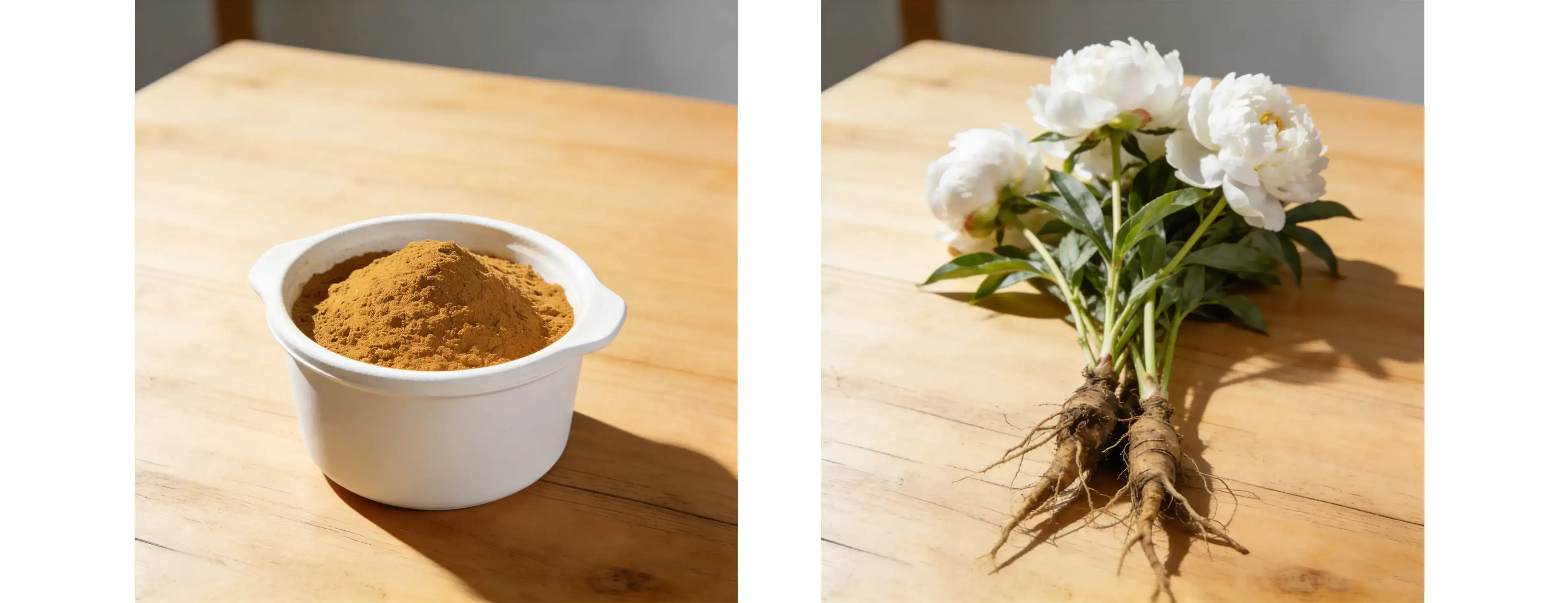
The white peony extract, which is obtained by drying the roots of Paeonia lactiflora Pall., has emerged as one of the most sought-after botanical ingredients in the nutraceutical, cosmetic, and functional food industries. This root extract has been standardised for its principal bioactive constituent, paeoniflorin, and it has been shown to have antioxidant and anti-inflammatory action, which is supported by research that has been conducted over many decades. This comprehensive handbook covers everything from the scientific underpinnings to the practical procurement approach, making it suitable for anybody from a research and development director looking for clean-label actives to a cosmetic chemist looking for a stable skin-brightening agent.
Understanding White Peony Extract: Scientific and Nutritional Insights
Botanical Origin and Extraction Process
Chinese white peony, also known as Bai Shao, is a perennial herb that is endemic to East Asia. Paeonia lactiflora Pall. is the common name for this plant. A modification of the root's phytochemical profile and a reduction in astringent chemicals are brought about by the process of peeling and boiling the root prior to extraction. As a result of the use of solvent-based processing followed by spray-drying, professional-grade extraction results in the production of a powder that is brownish-yellow in colour and devoid of superfluous fibre and lignin.
Key Bioactive Compounds
The principal active marker is a monoterpene glycoside called paeoniflorin, which can be measured by high-performance liquid chromatography (HPLC). Paeoniflorin has the chemical formula C₂₃H₂₈O₁₁. Additionally present in amounts that may be measured are the compounds albiflorin, benzoic acid, and 1,2,3,4,6-pentagalloylglucose. All of these chemicals are responsible for the antioxidant capacity of the extract, as well as the modification of the NF-κB pathway and the tyrosinase inhibitory activity that has been found in published publications.
Validated Health and Functional Benefits
Paeoniflorin has been shown to boost immunological modulation, hepatoprotection, and the lowering of oxidative stress indicators, according to research that has been published in publications that are also subject to peer review. Paeoniflorin was shown to strongly inhibit the production of pro-inflammatory cytokines in cell models, according to research that was published in Phytomedicine in the year 2020. This means that formulators may use a natural ingredient that has been shown to be effective in clinical trials for the formulation of anti-inflammatory supplement mixes and skin-repair topicals, without having to depend on synthetic actives.
White Peony Extract vs Competing Herbal Extracts: A Comparative Guide
White Peony vs Red Peony and Black Cohosh
Red peony (Paeonia lactiflora with unpeeled root, known as Chi Shao) retains higher tannin content and is associated with circulation-related applications in Traditional Chinese Medicine. White peony extract, by contrast, offers greater Paeoniflorin concentration and a milder safety profile, making it more suitable for long-term supplement formulations. Black cohosh targets hormonal pathways via triterpenoid glycosides and carries a distinct regulatory risk profile compared to white peony's well-documented tolerance record.
Powder vs Capsule Forms: B2B Considerations
When it comes to manufacturers, bulk powder forms provide the largest level of flexibility in terms of formulation alternatives. The following are the differences that should be regarded as being the most significantly important:
- It is possible to directly integrate powder into tablet, pill, and topical formulations, provided that the ratio of powder to powder is either 4:1 or 10:1. Because of the 10:1 ratio, which results in ten times the phytochemical content of raw root per gram, there is a reduction in the input weight as well as a drop in the cost per serving. Both of these outcomes occurred as a consequence of the ratio.
- In order to ensure that label claims are accurate and that regulatory requirements are met, it is necessary to guarantee that the paeoniflorin content remains consistent from batch to batch. A guarantee of this is provided by standardised HPLC-verified grades.
- In spite of the fact that the capsule/finished shape is more suited for retail brands, it limits the possibility of altering the composition.
Bulk powder continues to be the preferred procurement format for original equipment manufacturers and nutraceutical firms. This is due to the fact that bulk powder has a wide variety of ingredients and that its procurement format is more cost-effective.
Organic vs Conventional Sourcing
In spite of the fact that it satisfies the clean-label stance that is becoming more required by health firms in the United States, white peony root extract that has been certified as organic requires a price premium of fifteen to twenty-five percent. When heavy metal testing and pesticide residue screening are included in quality control procedures, traditional extracts that have been certified as meeting GMP and ISO standards have a potency that is equivalent to that of paeoniflorin. This is because these extracts have been certified as fulfilling such requirements. The choice between them is not just determined by their effectiveness in terms of functionality; rather, it is mostly determined by how they portray themselves to the target market.
Buying Guide: Sourcing Quality White Peony Extract for B2B Procurement
Certifications and Quality Standards to Require
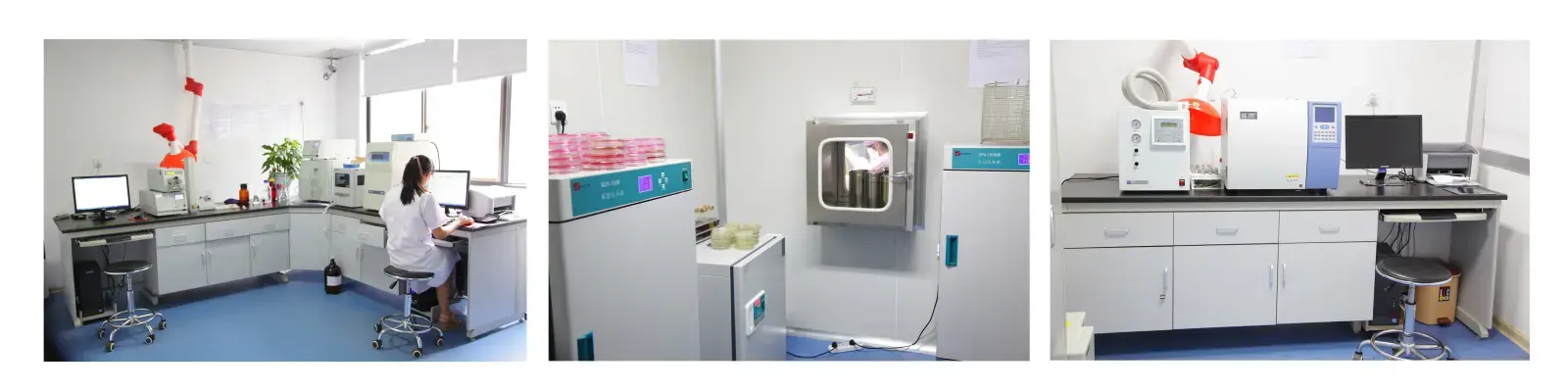
Any credible white peony extract supplier should carry a full certification stack. At minimum, procurement teams should verify NSF GMP, ISO, FSSC22000, Kosher, Halal, and Organic certifications. FDA facility registration and third-party Paeoniflorin HPLC testing reports should accompany every batch. Traceability documentation covering raw material origin, extraction batch records, and certificate of analysis is non-negotiable for pharmaceutical and nutraceutical buyers.
Pricing, Packaging, and MOQ
Standard business-to-business packaging for botanical root extracts consists of 25 kg per drum and inner liners that function as moisture barriers. The typical minimum order quantity (MOQ) begins at 25 kilograms, which simplifies the process of initial procurement assessment. It is important to always get spec sheets before comparing quotations from different vendors since the pricing for 4:1 extract is different from that of 10:1 concentrated grades. Free samples make it possible to test formulations before committing to large purchases, which is a normal expectation when assessing any provider of botanical ingredients.
Logistics and Compliance for US Buyers
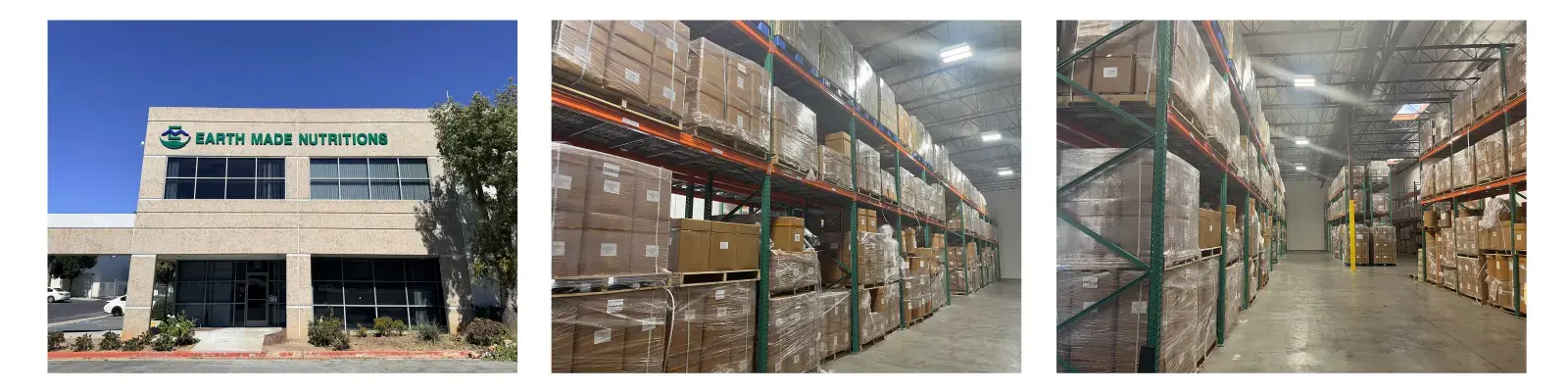
The lead-time risk that is often associated with direct foreign buying is eliminated by US-based warehousing. The ability of suppliers that operate local distribution centers to fulfill orders within two business days is a critical factor to consider when production timelines are tight. It is important for purchasers to verify that the supplier's warehouse network encompasses their area and that all items are sent with complete paperwork to ensure that they comply with FDA import regulations.
Practical Applications and Case Studies for Industrial Buyers
Nutraceutical and Supplement Formulations
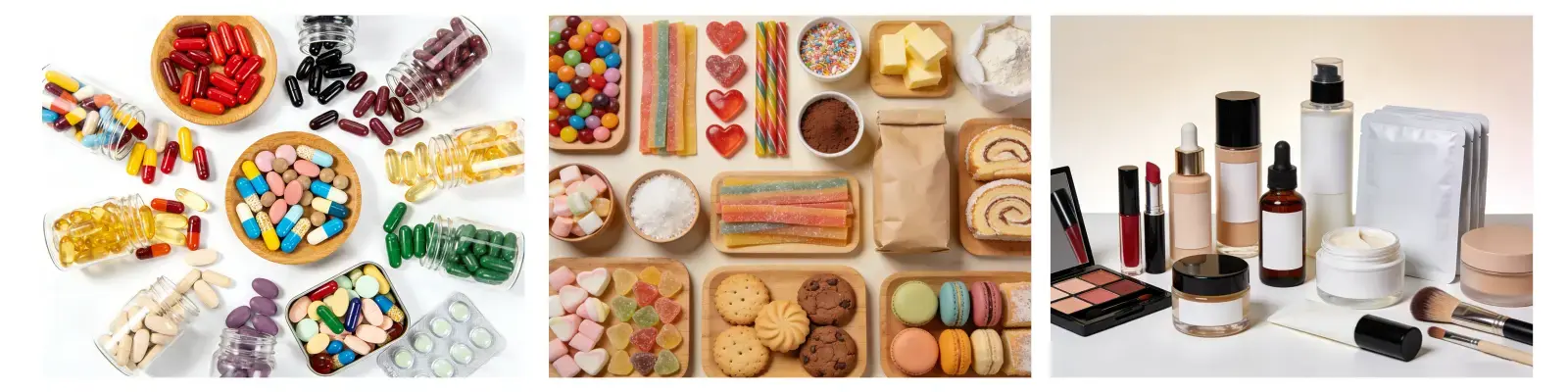
The extract of white peony root is used in dietary supplements that strengthen the liver, adaptogen mixes, and wellness formulae catering to women. One original equipment manufacturer (OEM) in the United States modified their antioxidant capsule line by eliminating a synthetic phenolic chemical and substituting it with white peony extract at a ratio of 10:1. With a statement that all of the ingredients were natural, the recipe that was developed was able to reach equivalent ORAC values, which resulted in an improvement in retail placement within the clean-label market.
Cosmetic and Skincare Applications
Paeonia lactiflora root extract is used by cosmetic chemists in brightening serums, anti-redness moisturisers, and barrier-repair creams when they are developing cosmetic products. The tyrosinase inhibitory activity of this substance helps to improve skin tone without the irritation risk that is associated with hydroquinone-based alternatives. It is easier to include the extract into a variety of topical bases due to the fact that it is compatible with both hydrophilic and lipophilic emulsion systems. This flexibility may be linked to the extract's variable HLB values.
Functional Food and Beverage Integration
In order to address immune health claims, food scientists use white peony extract in antioxidant teas, functional drinks, and fortified food items. At concentrations suitable for food, the extract satisfies the criteria for thermal stability, hence preserving the integrity of paeoniflorin with the use of conventional pasteurisation procedures. It is compatible with the majority of beverage matrices due to its neutral sensory profile at low inclusion rates, which allows it to do so without noticeably changing either the flavour or the colour.
Conclusion
The white peony extract company you pick will affect how well you do your job, how safe you are, and how good your products are. Before they place an order, these are the things that buying teams should think about the most. If the item is in stock, the minimum order quantity (MOQ) is 25 kg, and you can pick it up the next day, it's easier to buy something. This is very important when test-running a new product or making a small amount. You don't have to worry about how long it takes to get something from someone in the U.S. In the US, Earth Made Nutritions Inc. has four main stores. They can quickly fill orders because they don't have to wait for freight plans in other countries. People you can trust will give you free samples that come with full COA paperwork, safety statements, and reports on chemical residues. After reading this, you can be sure that the things you buy will do what you need them to do. When it comes to OEM and private label, we can help: If you want to make your own brands, ask the company if they offer private label packaging. With this choice, it takes less time to bring a new product to market. If you always think about these things when you buy, your supply chain will stay in good shape. On top of that, they will help you keep in touch with your suppliers.
FAQs About White Peony Extract
1. What specification should I order for supplement formulations?
The 10:1 extract provides a higher Paeoniflorin concentration per gram and is preferred for capsule and tablet applications where input weight matters. The 4:1 ratio suits products where a broader phytochemical profile is desired at a lower concentration.
2. What certifications should a reliable supplier carry?
Look for NSF GMP, FSSC22000, ISO, Kosher, Halal, and Organic certifications at minimum. FDA facility registration and third-party COA documentation for each batch are equally important for US market compliance.
3. Is free sampling available before bulk orders?
Yes. Reputable white peony extract suppliers provide free samples so formulation teams can verify solubility, color, and assay performance before placing a bulk purchase order.
4. What is the standard lead time for US delivery?
Suppliers with US-based warehouse networks can typically fulfill orders within two business days from confirmed stock, eliminating the delays associated with international air freight or ocean freight procurement.
Request a Free Sample from Earth Made Nutritions — White Peony Extract Supplier
Pyrus Apple Juice Powder Earth Made Nutritions Inc. (EM) sells Malus L. This white peony extract apple juice powder is FSSC 22000, NSF GMP, Kosher, and Halal. We keep the apple juice powder we make in four different places in the United States. You can try it for free, buy at least 25 kg, and pick it up the same day. To get price quotes and samples, email us at info@em-herb.com.
References
1. Liu, D., et al. "Pharmacological effects of Paeoniflorin in inflammatory diseases." Phytomedicine, 2020.
2. He, D., & Xu, H. "Bioactive constituents and pharmacological activities of Paeonia lactiflora Pall." Journal of Ethnopharmacology, 2019.
3. Luo, L., et al. "Tyrosinase inhibition activity of phenolic compounds from Paeonia lactiflora root." Food Chemistry, 2021.
4. Wang, X., et al. "Immunomodulatory effects of Paeoniflorin: A review." International Immunopharmacology, 2018.
5. Cheng, X., & Zhang, Y. "Hepatoprotective mechanisms of monoterpene glycosides derived from white peony root." Evidence-Based Complementary and Alternative Medicine, 2017.
6. United States Pharmacopeia. Herbal Medicines Compendium: Paeoniae Radix Alba Monograph. USP, 2022.