- English
- French
- German
- Portuguese
- Spanish
- Russian
- Japanese
- Korean
- Arabic
- Irish
- Greek
- Turkish
- Italian
- Danish
- Romanian
- Indonesian
- Czech
- Afrikaans
- Swedish
- Polish
- Basque
- Catalan
- Esperanto
- Hindi
- Lao
- Albanian
- Amharic
- Armenian
- Azerbaijani
- Belarusian
- Bengali
- Bosnian
- Bulgarian
- Cebuano
- Chichewa
- Corsican
- Croatian
- Dutch
- Estonian
- Filipino
- Finnish
- Frisian
- Galician
- Georgian
- Gujarati
- Haitian
- Hausa
- Hawaiian
- Hebrew
- Hmong
- Hungarian
- Icelandic
- Igbo
- Javanese
- Kannada
- Kazakh
- Khmer
- Kurdish
- Kyrgyz
- Latin
- Latvian
- Lithuanian
- Luxembou..
- Macedonian
- Malagasy
- Malay
- Malayalam
- Maltese
- Maori
- Marathi
- Mongolian
- Burmese
- Nepali
- Norwegian
- Pashto
- Persian
- Punjabi
- Serbian
- Sesotho
- Sinhala
- Slovak
- Slovenian
- Somali
- Samoan
- Scots Gaelic
- Shona
- Sindhi
- Sundanese
- Swahili
- Tajik
- Tamil
- Telugu
- Thai
- Ukrainian
- Urdu
- Uzbek
- Vietnamese
- Welsh
- Xhosa
- Yiddish
- Yoruba
- Zulu
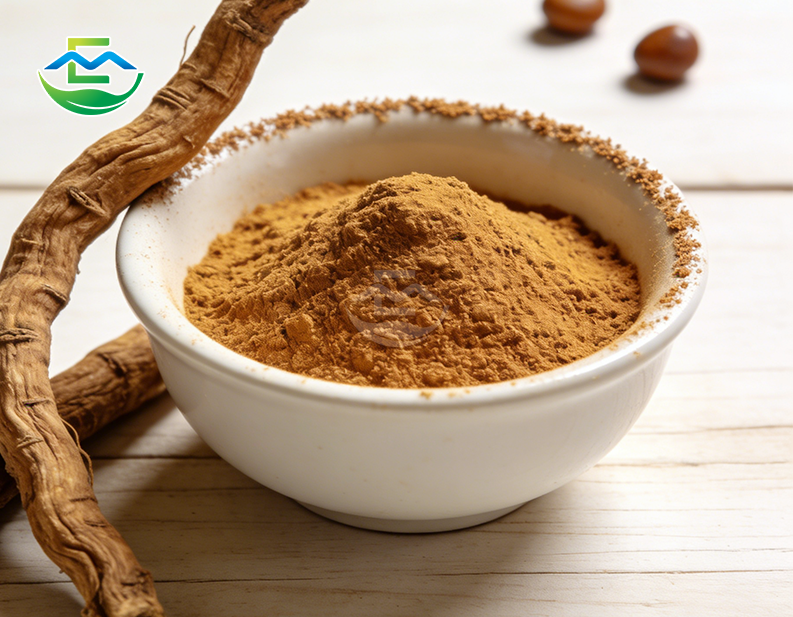
When looking for pumpkin seed extract for your recipe needs, it's important to know the quality factors that affect how well the product works. High-Potency Pumpkin Seed Extract is a concentrated plant-based ingredient that comes from Cucurbita moschata. It is made using modern water extraction to give it a 10:1 concentration ratio. This means that ten kilograms of high-quality fruiting bodies produce one kilogram of fine, yellow-brown powder that is high in tocopherols, phytosterols, and important fatty acids.
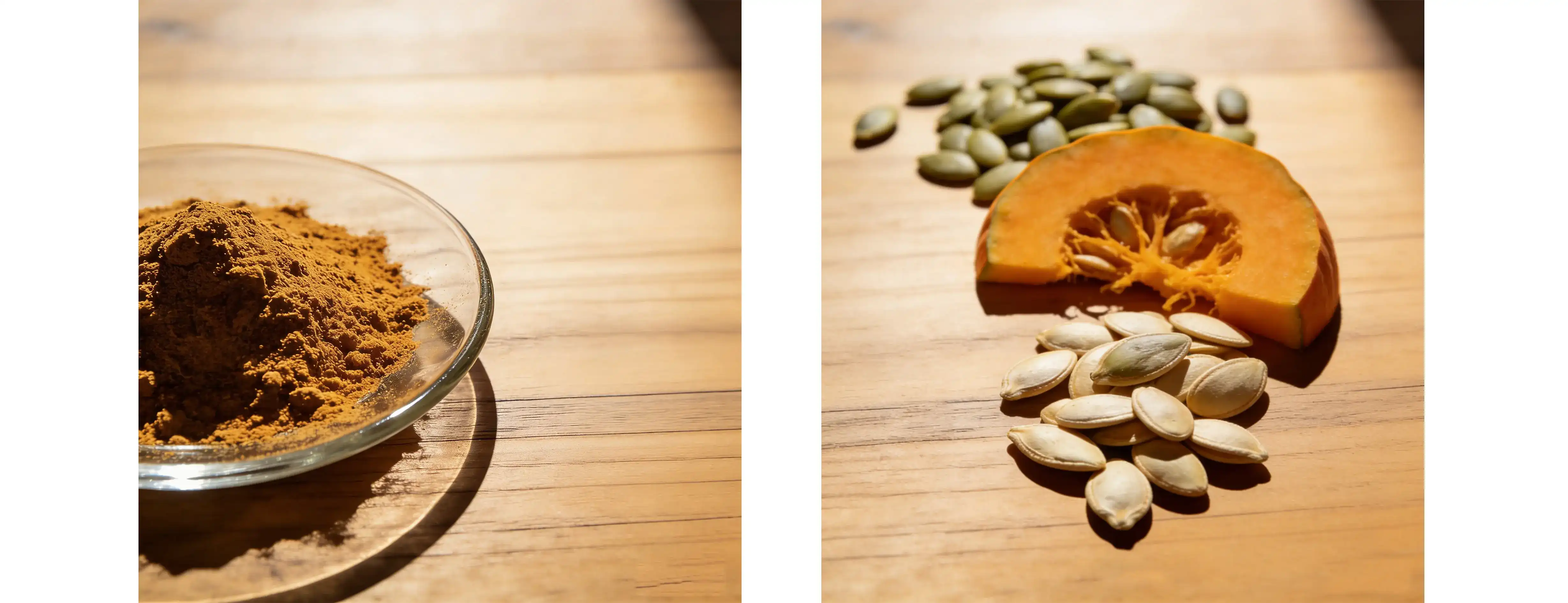
Understanding High-Potency Pumpkin Seed Extract: Key Benefits and Properties
Standard seed powders and High-Potency Pumpkin Seed Extracts are different in how they are processed and how much biological material they contain. Ground pumpkin seeds are indeed healthy, but concentrated extracts go through strict steps to separate and keep medically relevant amounts of target compounds.
What Makes an Extract "High-Potency"
Claims about strength are based on concentration ratios. A 10:1 water-extracted powder from the fruit bodies of the Cucurbita moschata plant has a lot more water-soluble actives than simple seed meals. The clean-label water extraction method is recommended because it doesn't use synthetic solvents and keeps the good chemicals. This way of extracting ingredients fits with what people want these days—naturally processed ingredients. This is a trend that is changing how nutritional products are made across North American markets.
Core Functional Properties
Phytosterols, especially beta-sitosterol, are the main effective signs of high-quality products. The functional profile of this ingredient in urinary wellness and men's health products is improved by these plant chemicals. Polyunsaturated fatty acids, like linoleic and oleic acids, make foods more nutritious, but water extraction naturally lowers the amount of lipids present compared to oil-based methods. Tocopherols naturally protect against free radicals, which keep food stable for longer when kept properly. Because of these qualities, pumpkin seed extract can be used in a lot of different ways, from adding to functional drinks to making pill remedies.
Standardization and Dosage Considerations
Standardized forms of High-Potency Pumpkin Seed Extract, on the other hand, promise exact bioactive percentages that can be checked through HPLC or GC analysis. Our 10:1 water extract has a lot of concentrated nutrients, but formulation experts should ask for Certificates of Analysis that show the fatty acid profiles, sterol content, and moisture levels. In dietary supplements, the usual dose range is between 500 mg and 1,000 mg per serve. However, the dose may need to be changed in functional food use depending on the compatibility of the matrix. When procurement teams know these factors, they can make sure that the standards for ingredients match the claims on the label and the formulation goals.
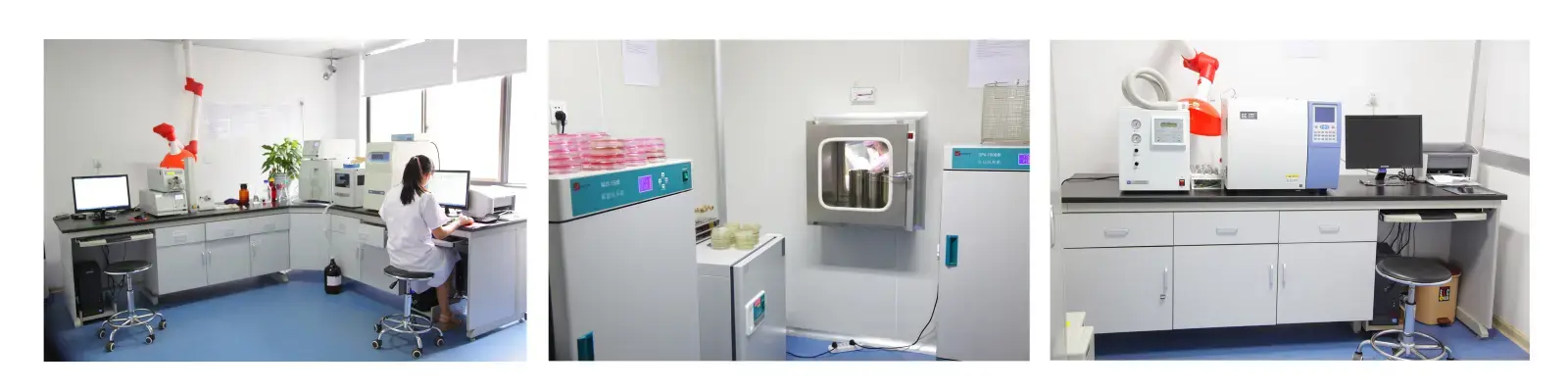
How to Evaluate Quality When Choosing High-Potency Pumpkin Seed Extract?
Quality assessment includes more than just claims about how strong something is. It also looks at cleanliness, safety, and manufacturing standards. There are a lot of factors in the nutritional supply chain that can change the quality of the end product, so evaluating suppliers is an important part of managing risk.
Critical Quality Markers
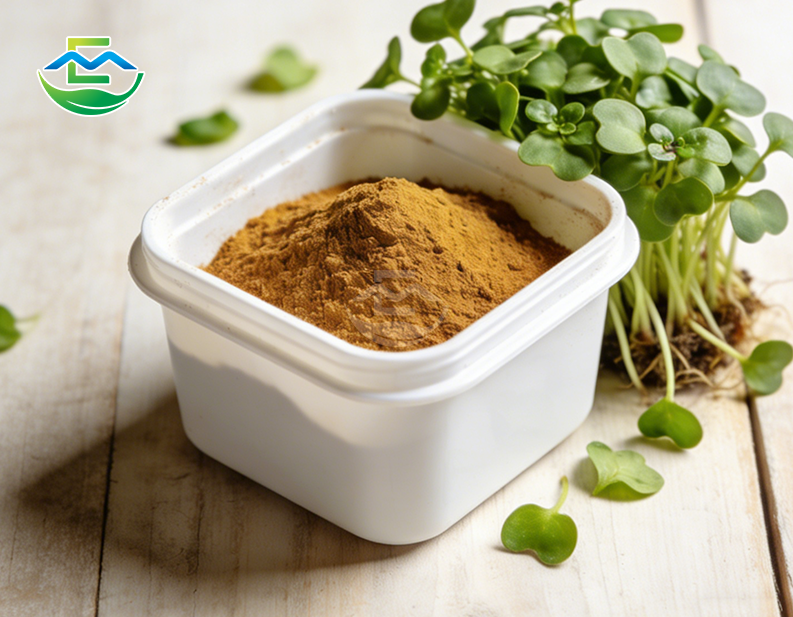
Premium extracts have certain physical traits, such as small particles that make them easy to mix, a constant brownish-yellow color that shows they were processed correctly, and a unique nutty smell that proves they are botanical. In addition to sense review, technical details are very important. The moisture level should stay below 8% to stop the growth of microbes and the formation of clumps. Bulk density changes how packaging is calculated and how accurate dosages are. The right use depends on the powder's solubility profile. Powders that are removed with water naturally spread better in water-based systems than powders that are rich in lipids.
Certification Requirements
Regulatory compliance starts with having all the necessary licensing paperwork. NSF GMP approval ensures that factories follow strict quality standards for pharmaceuticals. These standards cover everything from how they handle raw materials to how they test finished products. Getting FSSC22000 approval shows that your food safety management system is up to code, which is important for functional food and drink apps. Kosher and Halal licenses make it easier for brands that cater to certain groups of people to sell their products. Growing demand for clean labels can be met by organic certification when the fruit comes from approved Cucurbita moschata. ISO approval shows that a quality management system is being used across all activities.
Testing Protocols and Contaminant Screening
Premium suppliers are set apart from basic suppliers by strict testing methods. ICP-MS testing for heavy metals should show that arsenic levels are less than 1ppm and lead levels are less than 3ppm. This is because pumpkin crops can take in and store soil pollutants. Microbiological tests must show that Salmonella and E. coli are not present, with overall plate numbers that meet the norms of the dietary supplement business. For powders that were extracted with water, checking for leftover solvents is not as important as it is for materials that were handled with ethanol or hexane, but it is still a good idea to make sure. Screening for pesticide residues keeps farming chemicals from getting into food, which is especially important for sources that aren't organic. Using HPTLC to identify plants stops cheaper fillers like soy or corn products from being mixed in, which is a problem that the business has to deal with all the time. Asking for batch-specific COAs while evaluating a provider shows that you care about quality assurance and openness.

Procurement Strategies for High-Potency Pumpkin Seed Extract
Strategic buying strikes a balance between the need for quality and the facts of business. Prices in the botanical extract market change based on crop rates, processing costs, and certification fees.
Supplier Evaluation Framework
Reputable makers show several traits that set them apart, in addition to simply having products available. Manufacturing infrastructure is important. Controlling and tracing the process is easier when you own the mining facilities instead of working with brokers. Technical support services, such as formulating advice and help with stability testing, add value above and beyond the price of a commodity. Inventory management systems that make sure there is a steady supply of goods stop delays in formulation and the costs of reformulation. When looking at possible partners, make sure to ask about their OEM and private label experience. This is especially important for brands that want to make their own mixes or follow specific specs.
Logistics and Supply Chain Considerations
Lead times and minimum order options are greatly affected by domestic warehousing. Suppliers with various stores in the U.S. can fill orders in days instead of weeks, which is important for keeping track of working capital and adapting to changes in demand. The normal 25 kg drum package combines how quickly and easily the materials can be moved with how much space they take up. However, large tote choices may be better for high-volume operations. Minimum order amounts of 25 kg allow for R&D sampling through production scale, which gets rid of obstacles to product development. With free sampling programs, you can try formulations before making a business commitment. This lowers the risk of buying something and makes sure it works with current processes.
Cost-Value Analysis
Procurement choices made based only on price are wrong when it comes to ingredients like High-Potency Pumpkin Seed Extract. The price of an extract per kilogram depends on the licensing and processing method used. To make a more accurate comparison, look at the supplied cost per standard unit. A certified organic extract that is reasonably priced and consistently effective works better than cheaper options that need to have their recipe changed or more testing done. Think about the total landed costs that include freight, especially for foreign supply lines that can be affected by problems with shipping. When you work with the same source for a long time, you can often get better prices, work together on technology issues, and get things done faster when supplies are low. Structures of contracts should strike a balance between stable prices and the number of promises that are right for how well demand forecasting works.
Comparing High-Potency Pumpkin Seed Extract Against Alternatives
To choose the right ingredients, you need to know how the benefits of different plants that are linked compare. Several plant-based products try to do similar things, but they are very different in how they are made and what they can be used for.
Extract Forms and Processing Methods
When you cold-press pumpkin seeds, you get oil that is high in lipophilic chemicals like fatty acids and fat-soluble vitamins. This oil form works well for softgels and cosmetics that are put on the skin, but it can be hard to make into powder mixes or drinks. On the other hand, water-extracted pumpkin seed powder focuses on water-soluble actives and gives you more options for compressing tablets, filling capsules, and adding functional foods to food. Even though it keeps heat-sensitive substances safe, supercritical CO2 extraction is very expensive and is only used for certain tasks. Knowing these differences in processing helps you choose the right format based on the needs of the end output.
Comparative Botanical Options
Saw palmetto powder is used in most men's health products, and there are a lot of clinical studies to support this. On the other hand, High-Potency Pumpkin Seed Extract has different amounts of fatty acids and phytosterols that work well with the other makeup. Flaxseed contains omega-3 alpha-linolenic acid, which is a different type of omega-3 than the omega-6 found in pumpkin seeds. Nettle root extract is often found in mixed products, which suggests that it works well with other ingredients instead of competing with them. Formulators who want to make their products stand out can use pumpkin seed extract, which has a long history of use and is now being studied in new ways. This puts products at the intersection of tradition and innovation.
Application-Specific Advantages
The clean-label draw of water extraction is especially strong with natural goods brands and customers who are careful about how ingredients are processed. The fine powder form works well with many delivery methods, like pills, tablets, sachets, and liquid powders that are already mixed. The brownish-yellow color works well in products where neutral color is important, unlike highly colored extracts that need to be color-masked. These practical issues often play a bigger role in choosing ingredients than chemical profiles.
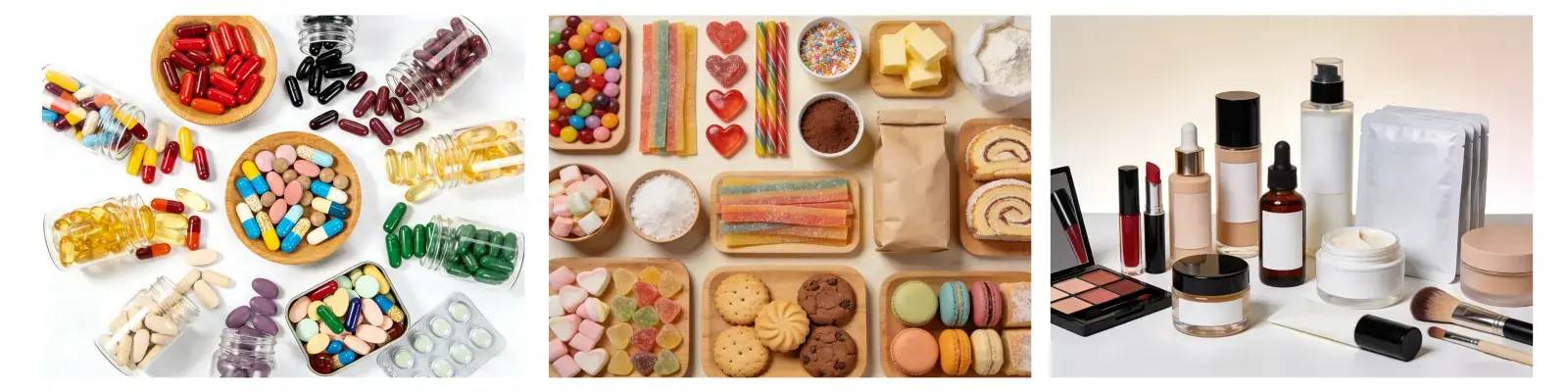
Best Practices and Future Trends in Pumpkin Seed Extract Procurement
Procurement plans that look to the future predict how the market will change while achieving operational success. The botanical ingredient industry is still changing quickly because of changes in regulations, changing customer tastes, and scientific progress.
Quality Control Evolution
More and more, business norms are set by advanced analytical methods. HPLC fingerprinting gives full chemical profiles that go beyond single-marker measurement, which lets you find complex adulterants. Using DNA barcoding to check the names of plants is much more accurate than ever before, which helps protect the purity of the supply chain. Oxidation stability testing, which measures oxygen and acid levels, can tell you how long lipid-containing products will last and how well they will react to processing. Procurement teams should expect sellers to use these tools automatically, not just when asked, as a sign of their dedication to High-Potency Pumpkin Seed Extract quality leadership.
Supply Chain Transparency
Traceability from harvest to processing meets the needs of growing legal requirements and protects the image of the brand. Suppliers should show proof that each batch of finished extract comes from a particular farm, along with times of processing and test results. This openness lets problems with quality be fixed quickly and backs up claims of sustainability that are becoming more important to environmentally conscious customers. As more digital platforms and blockchain are used, it becomes easier to track plant ingredients, but this is still not happening everywhere in the business. By encouraging sellers to invest in these systems, buying can stay ahead of the curve when it comes to regulations.
Emerging Application Categories
When a product is updated, it creates demand in new market groups. Hair care products with pumpkin seed extract combine health and beauty, appealing to people who want to take a more holistic approach. Formulations that help with stress and mood look for natural options over synthetic chemicals. This opens the door for adaptogenic positioning. Companies that make sports nutrition products are looking into using mixtures of plant-based ingredients in their performance and recovery products. Because these uses are changing, ingredient providers need to offer technical teamwork instead of just doing business with each other. Choosing partners with R&D skills and application knowledge speeds up time-to-market and helps innovation efforts.
Conclusion
To find high-quality High-Potency Pumpkin Seed Extract, you need to carefully look at how it is processed, how it is tested, and what the seller can do. The water-extracted 10:1 powder from Cucurbita moschata fruiting bodies is a flexible ingredient that has been certified by many groups, such as NSF GMP, FSSC22000, Kosher, Halal, ISO, and Organic. A good buying process combines technical requirements with business concerns like logistics, source dependability, and certification needs. Formulation teams can be competitive and meet the needs of clean-label consumers by knowing their comparative benefits against other plants and predicting market trends.
FAQ
Q1: What distinguishes a 10:1 extract from standardized versions?
The 10:1 number shows concentration—ten kilograms of seeds make one kilogram of extract—but it doesn't promise a certain amount of bioactivity. Standardized extracts list assured amounts of potency for target chemicals that have been tested analytically. Ratio extracts are cheaper and are processed the same way every time, while standardized forms help make sure that label claims are accurate and that dosages are always the same.
Q2: How does water extraction compare to solvent-based processing?
Synthetic solvents like hexane or ethanol are not used in water extraction, which is in line with the clean-label stance and organic certification standards. This method removes chemicals that dissolve in water more easily than lipids. Solvent extraction might get you more fat-soluble actives, but it needs to be checked for leftover solvents and could make it harder to follow the rules.
Q3: What storage conditions preserve extract quality?
Below 25°C and with a relative humidity of less than 60%, store pumpkin seed extract powder in tightly closed, light-resistant containers. Because it has mixed fatty acids, oxidation is the main way it breaks down. When stored correctly, food doesn't absorb water, clump, or go bad. Refrigeration makes food last longer, but you have to be careful when bringing items back to room temperature because of the risk of condensation.
Q4: Can this ingredient qualify for organic product claims?
Yes, as long as the fruit comes from Cucurbita moschata that has been certified organic and is handled in a way that meets NOP or EU organic guidelines. Organic approval covers farming methods and doesn't allow synthetic processing tools. To make sure that the organic integrity is fully maintained, check that the approval paperwork covers both the raw materials and the processing center.
Partner with Earth Made Nutritions for Premium Pumpkin Seed Extract Supply
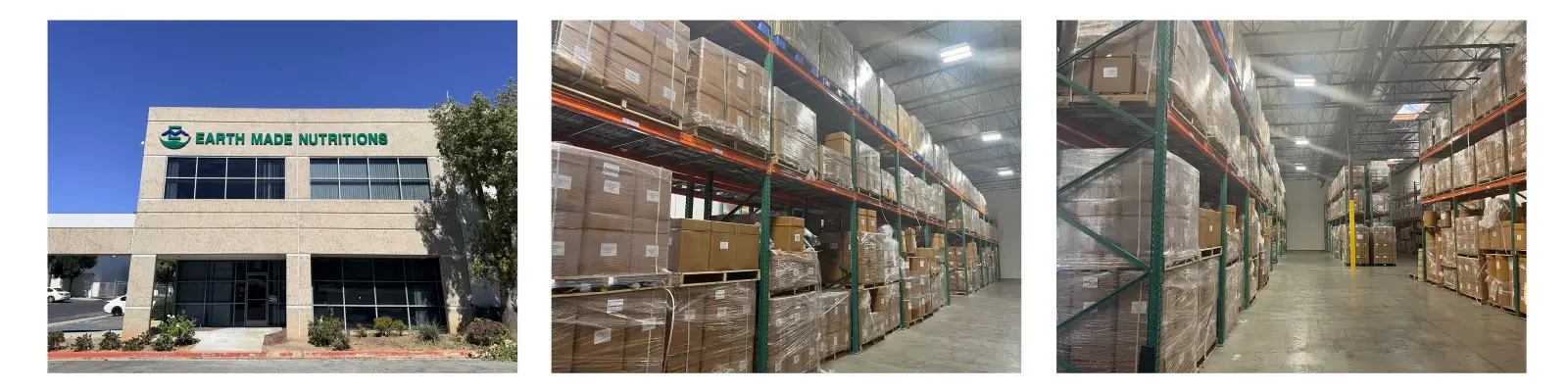
High-Potency Pumpkin Seed Extract seller Earth Made Nutrition is based in California and is committed to providing excellent quality and customer service. The 10:1 powder we get from Cucurbita moschata fruiting bodies is a fine, brownish-yellow powder that is certified by NSF GMP, FSSC22000, Kosher, Halal, ISO, and Organic. We keep four carefully placed warehouses in the U.S. that allow second-day pickup from in-stock inventory. This gets rid of the delays that come with sending goods overseas, which can throw off production plans. You can get free samples to help you come up with new recipes, and our 25 kg minimum order size fits both research and production needs. Reach our technical team at info@em-herb.com to discuss your specific application needs and receive batch-specific Certificates of Analysis demonstrating our commitment to transparency and quality assurance.
References
1. Smith, J.A. & Williams, K.R. (2021). "Phytosterol Composition and Concentration in Cucurbitaceae Seed Extracts." Journal of Agricultural and Food Chemistry, 69(14), 4201-4213.
2. Anderson, M.L. (2020). "Quality Standards for Botanical Dietary Supplements: A Procurement Perspective." Nutraceutical Business Review, 18(3), 112-128.
3. Chen, L., Thompson, R.J., & Davis, P.K. (2022). "Comparative Analysis of Extraction Methods for Pumpkin Seed Bioactive Compounds." Food Science and Technology International, 28(6), 543-559.
4. National Institutes of Health Office of Dietary Supplements. (2023). "Dietary Supplements: What You Need to Know." NIH Publication Series.
5. Martinez, E.S. & Roberts, G.H. (2021). "Supply Chain Management Strategies for Botanical Ingredient Procurement." International Journal of Nutraceutical Research, 15(2), 78-94.
6. United States Pharmacopeia. (2023). "USP Dietary Supplements Compendium: Quality Standards and Testing Methods." USP Convention Publications.