- English
- French
- German
- Portuguese
- Spanish
- Russian
- Japanese
- Korean
- Arabic
- Irish
- Greek
- Turkish
- Italian
- Danish
- Romanian
- Indonesian
- Czech
- Afrikaans
- Swedish
- Polish
- Basque
- Catalan
- Esperanto
- Hindi
- Lao
- Albanian
- Amharic
- Armenian
- Azerbaijani
- Belarusian
- Bengali
- Bosnian
- Bulgarian
- Cebuano
- Chichewa
- Corsican
- Croatian
- Dutch
- Estonian
- Filipino
- Finnish
- Frisian
- Galician
- Georgian
- Gujarati
- Haitian
- Hausa
- Hawaiian
- Hebrew
- Hmong
- Hungarian
- Icelandic
- Igbo
- Javanese
- Kannada
- Kazakh
- Khmer
- Kurdish
- Kyrgyz
- Latin
- Latvian
- Lithuanian
- Luxembou..
- Macedonian
- Malagasy
- Malay
- Malayalam
- Maltese
- Maori
- Marathi
- Mongolian
- Burmese
- Nepali
- Norwegian
- Pashto
- Persian
- Punjabi
- Serbian
- Sesotho
- Sinhala
- Slovak
- Slovenian
- Somali
- Samoan
- Scots Gaelic
- Shona
- Sindhi
- Sundanese
- Swahili
- Tajik
- Tamil
- Telugu
- Thai
- Ukrainian
- Urdu
- Uzbek
- Vietnamese
- Welsh
- Xhosa
- Yiddish
- Yoruba
- Zulu
To find GMP-certified Horse Chestnut Extract 20% Aescin UV, you need a plan that strikes a balance between quality control, following the rules, and a reliable supply chain. When B2B procurement teams are looking for suppliers for cosmetics or functional foods, they need to make sure the seller has GMP approval, look at UV standardization methods, and make sure that each batch is the same. This guide shows you important things to look for in a source, how to choose a good supplier, and practical steps to buy high-quality aescin extracts that meet your recipe standards and the needs of the market.
Introduction
In today's globalized and competitive market, getting plant ingredients is more than just negotiating prices. Purchasing managers, R&D directors, and formulation experts are becoming more aware that the purity of ingredients has a direct effect on the effectiveness of a product, the image of a brand, and regulatory approval. Horse Chestnut Extract 20% Aescin UV is a key component of vascular health vitamins and topical cosmetics that support circulation.
The extract, which comes from Aesculus hippocastanum seeds, is a cheaper option than pharmaceutical-grade sodium aescinate of higher strength. It also keeps the plant matrix that works well together. But there are still problems with getting the materials needed. For example, saponin profiles that aren't always the same, contamination with polycyclic aromatic hydrocarbons (PAHs), solvent residues, and unstable supply lines can all make it harder to make a good product. This guide gives B2B buyers useful information that they can use to find sellers that follow good manufacturing practices (GMPs), learn about quality control standards, and find their way through the buying process, from the first question to the final delivery. If you're a supplement brand looking for products with clean labels or a cosmetics company needing stable batches, knowing these basic sourcing rules will lower your risk and help you stand out from the competition.
Understanding Horse Chestnut Extract 20% Aescin UV
What Defines This Standardized Extract
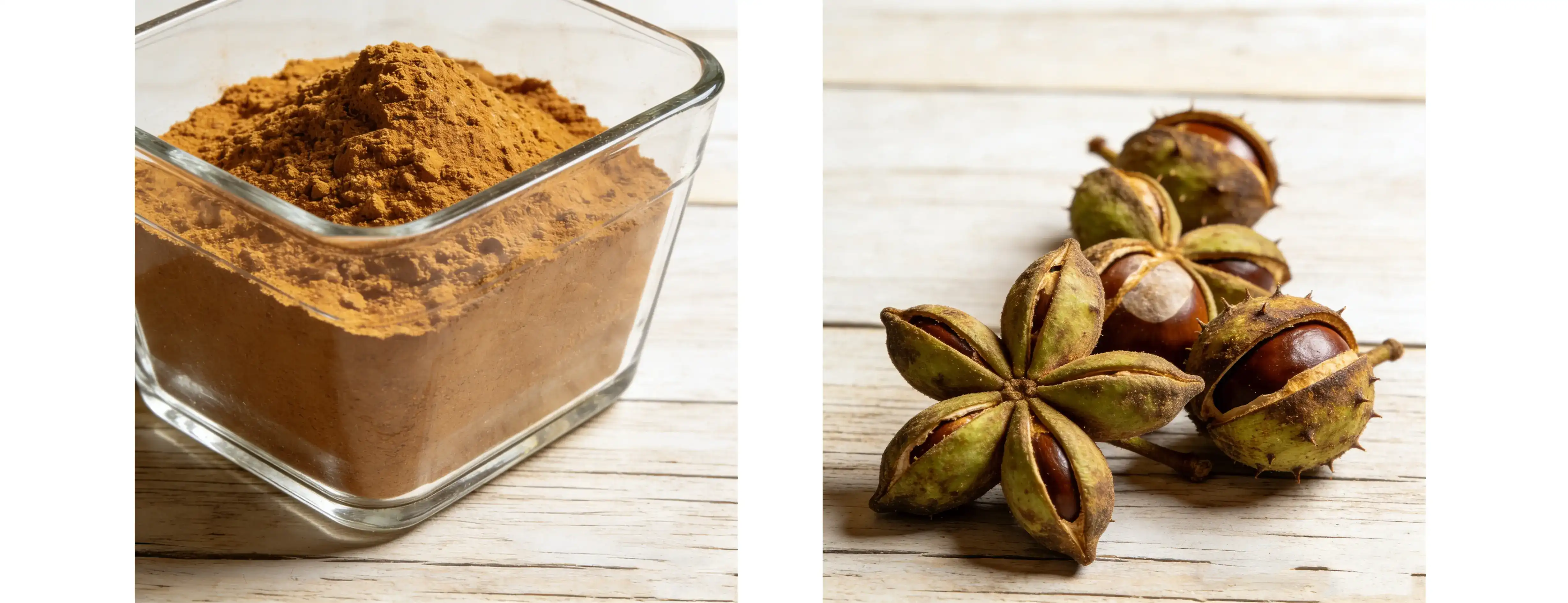
Ultraviolet-Visible spectrophotometry, which measures wavelengths between 268nm and 270nm, is used to measure Horse Chestnut Extract 20% Aescin UV, which is a common plant ingredient. This method of testing measures the total amount of triterpene saponin present and is less expensive than HPLC methods that separate individual saponin isomers. The 20% requirement means that for every 100g of extract, there must be at least 20g of aescin, measured in dry weight.
Water and ethanol are used as solvents in the extraction process, which makes a brownish-yellow hygroscopic powder with a unique, slightly bitter taste. The Latin name Aesculus hippocastanum guarantees that the plant is real, and the seed-based preparation keeps the natural flavonoid and sterol makeup that helps the ingredient work in a whole range of ways. The 20% UV grade is different from separate pharmaceutical chemicals because it has a synergistic makeup. This makes it perfect for dietary supplements and natural cosmetic formulas.
Industry Applications and Functional Benefits
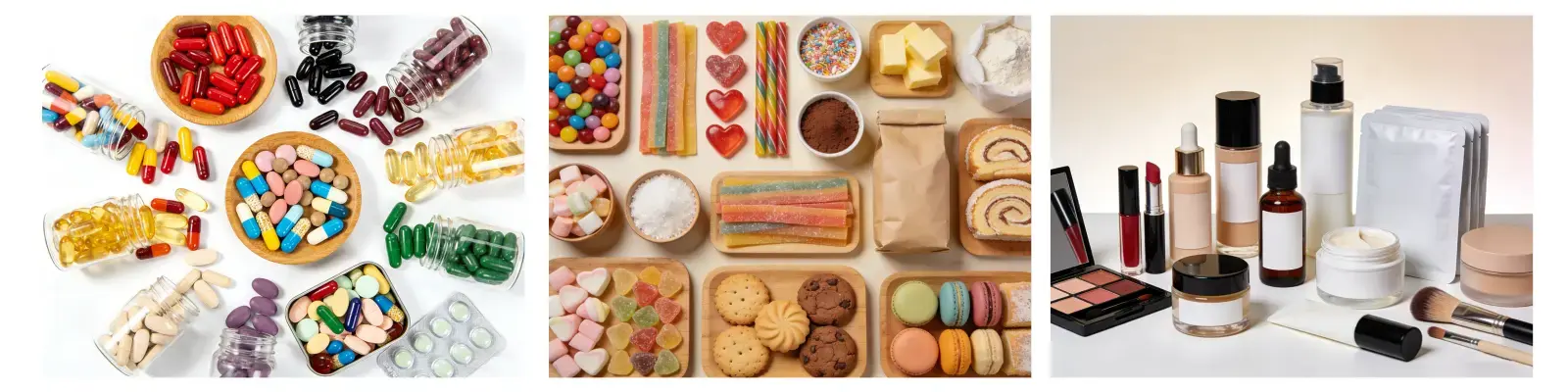
The extract is useful in a lot of different B2B industries. It is a main ingredient in leg fitness supplements because the Horse Chestnut Extract 20% Aescin UV helps keep blood vessels healthy by stopping the action of the hyaluronidase enzyme. This process helps keep the structure of vein walls strong, which is especially useful in formulas for people who don't move around much or whose jobs require them to stand for long periods of time.
Companies that make cosmetics put this extract on the skin in things like eye creams and leg gels because it helps reduce redness and make the skin look more refreshed. When Horse Chestnut Extract 20% Aescin UV is dissolved in hydro-glycolic bases, the content gives it enough bioactivity and keeps it stable across pH ranges of 5.0 to 7.0. A few months ago, sports nutrition companies started using this ingredient in recovery mixes, where it works well with protein shakes and amino acids. The particle size ranges from 95% to 80 mesh, and the bulk density is between 0.45 and 0.65 g/ml. These physical properties make sure that the tablets are compressed and dispersed evenly across a wide range of formulation platforms.
Critical Factors When Sourcing GMP Horse Chestnut Extract 20% Aescin UV
Why GMP Certification Matters
Good Manufacturing Practice approval ensures plant ingredient purity. GMP compliance ensures factories follow cleanliness requirements, approved testing methods, and written SOPs when creating items. Clean tools, trained workers, and contamination prevention are GMP certification priorities for plant extracts. All of these affect product safety and regulator acceptance.
Buyers of Horse Chestnut Extract 20% Aescin UV should check for NSF GMP approval, which signifies the company makes pharmaceutical-grade food supplements. Additional certifications like FSSC22000 (Food Safety System Certification) increase food safety. The GMP system tracks raw materials from source to packaging. This makes quality issues easier to discover and correct quickly. This paperwork is essential for regulatory checks and registering new makeup or nutritional substances.
Essential Quality Parameters
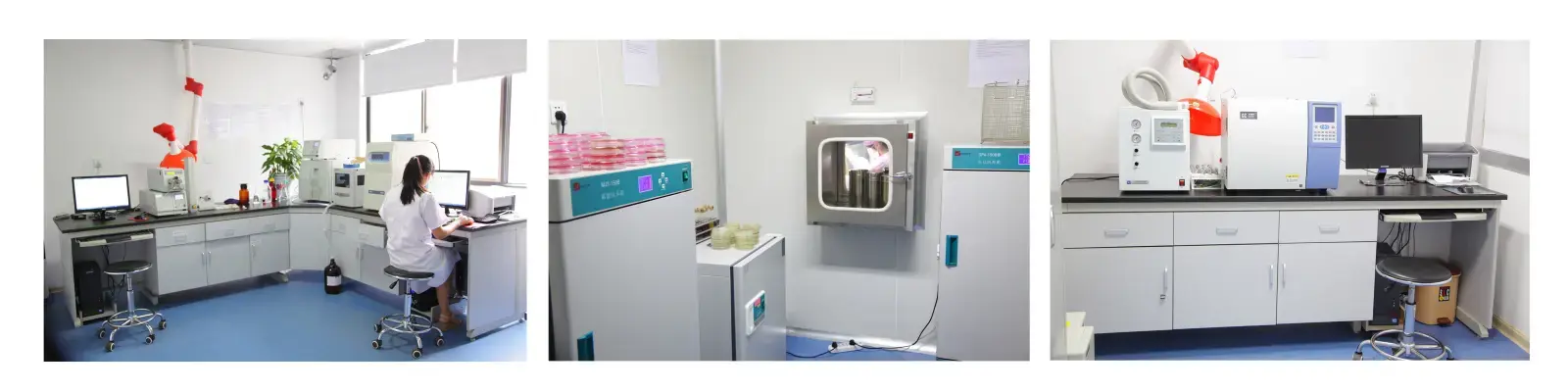
Many quality parameters distinguish premium horse chestnut oils from substandard ones. UV spectrophotometry must demonstrate 20% aescin in the sample. Buyers should note that UV methods assess total saponins instead of particular isomers; therefore, results are 1.5 to 2 times greater than HPLC methods. Thin Layer Chromatography (TLC) identification tests verify the plants and detect saponin cheating.
Contamination testing requires extra caution. During seed drying, EU rules recommend keeping benzo(a)pyrene below 10ppb and PAH4 below 50ppb. Lead and mercury limits should not exceed 3.0 and 0.1 mg/kg, respectively. Solvent residue testing keeps ethanol below 5000ppm, as the USP recommends. Total oxygen plate counts must be below 10,000 CFU/g, yeast and mold below 1,000 CFU/g, and Salmonella and E. coli absent.
Criteria for Qualifying a Supplier
Supplier qualifications go beyond certificates. Site checks, done by the corporation or a third party, demonstrate manufacturing, quality control lab capabilities, and staff skills. ISO 9001 accreditation indicates a mature quality management system, and sustainable brands choose USDA Organic and EU Organic standards.
Production potential assessment prevents supply issues. Sellers should stock up on raw materials and have multiple Aesculus hippocastanum seed sources to mitigate agricultural seasonality concerns. Clear supply chains and full traceability papers help buyers meet tougher country-of-origin rules. Technical support, including formulation advice, stability data, and regulatory help, adds value beyond the deal.

How to Choose the Right Supplier for Bulk Horse Chestnut Extract 20% Aescin UV
Defining Your Procurement Requirements
To find a reputable seller, know what you want. Suppliers may work with your scale depending on volume. Trial sales usually require 25 kg drums. When organizing delivery, consider how long overseas packages take to arrive and customs delays. Make it clear from the start whether 25 kg fiber drums with polyethylene bags or bespoke packaging for specific storage conditions are preferred.
Target market considerations strongly influence seller selection. Sellers with U.S. stores reduce lead times for U.S. goods from weeks to days. Because of the European market, you may need REACH approval for makeup purposes. Telling suppliers what you plan to use the product for helps them determine parameters. For instance, capsule formulae may prioritize flow, while topical therapies must prioritize solubility.
Comparing Product Specifications
Horse Chestnut Extract 20% Aescin UV is the market standard for affordable supplements, but understanding other characteristics helps you choose. Higher doses (40% to 98% aescin) lessen the dose but boost raw material costs, which may be worth it for high-end products or capsules with limited space. Comparing horse chestnut extract to other vascular health components like diosmin or hesperidin shows trade-offs in efficacy, market recognition, and regulatory routes.
The powder's appearance (brownish-yellow), solubility (partially soluble in water and ethanol), stability, and storage (cold, dry, below 25°C with humidity control) should be described in specification sheets. Multiple concentration options indicate that suppliers are versatile in their product development and can handle formulation modifications.
Assessing Supplier Reliability
Third-party proof is impartial about the vendor. Suppliers are rated by industry databases and B2B sites based on their past transactions, delivery times, and quality. Customer reviews, especially from related app companies, can indicate technical support's responsiveness and problem-solving ability.
The amount of documentation might substitute for dependability. Trustworthy suppliers would readily provide Certificates of Analysis for recent manufacturing batches, ingredient declarations, BSE/TSE releases, and country-of-origin certificates. Long-term sample storage indicates quality confidence and makes batch comparison easier. The seller cares about customer success after the sale by providing technical data packages with stability studies under varied storage circumstances, formulation compatibility data, and recommended usage levels.
Procurement Process: From Inquiry to Delivery
Requesting Quotes and Negotiating Terms
The purchasing procedure begins with a detailed Request for Quotation (RFQ) that specifies the quantity, aescin concentration, delivery date, and location. Details about the product assist providers recommend standards and identify formulation concerns. Request samples and quotes before making significant purchases to examine the physical properties.
Volume-based prices are reduced per kilogram at 100 kg, 500 kg, and 1000 kg. Supplier and relationship length determine payment conditions. New customers must prepay for all sales, whereas long-term customers can use net-30 or net-60 terms. Logistics costs can be negotiated, especially when providers have U.S. warehouses, which reduces foreign freight. Instead of price decreases that undermine vital standards, negotiate quality by guaranteeing specifications.
Logistics and Packaging Considerations
International export of botanical components requires particular packaging to preserve extract purity. Standard 25 kg fiber drums with two plastic covers prevent light and dampness during shipping. Pallets make loading 20-foot containers, which store 10 metric tons, easier. Shipping in summer may need to be temperature-controlled to avoid clumping from humidity.
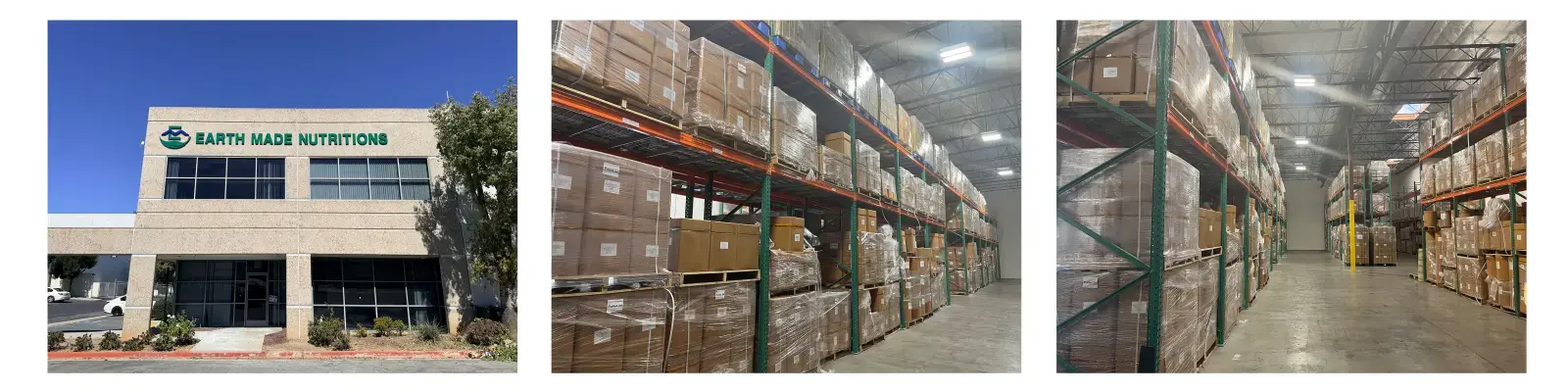
Suppliers with U.S. storefronts benefit. Earth Made Nutritions Inc. has four huge warehouses in key U.S. locations and offers next-day pickup on in-stock products. It eliminates customs delays, lowers freight costs, and permits just-in-time inventory management, which prevents working capital from freezing in raw material depots. Shipments should include commercial invoices, packing lists, Certificates of Analysis, and other legal documents for quality assurance.
Post-Purchase Quality Assurance
Check for damage, verify the label, and match the batch number to the paperwork upon arrival. Keep samples from each production batch for further testing if quality issues arise during production. Third-party lab testing validates Horse Chestnut Extract 20% Aescin UV, contamination, and microbial specs.
Provide clear channels for clients to discuss technical issues and quality concerns with providers. Reliable vendors have skilled support teams that can answer formulation questions, provide more data, and fix production issues. Regulatory assistance with ingredient labeling, allergy declarations, and regional compliance speeds up product development and registration.
Real-World Procurement Success: A Case Study
A European company that sells dietary supplements that focus on vascular health goods had trouble getting constant, high-quality Horse Chestnut Extract 20% Aescin UV. The amount of aescin in their old supplier's products varied from batch to batch, which led to manufacturing problems that made customers complain. The dealer started a full search for suppliers, giving GMP certification, analytical stability, and the quality of regulatory documents the most weight.
They chose to work with a U.S.-based company that had NSF GMP, FSSC22000, Kosher, and Halal certifications after looking at a number of others. The supplier's high-tech extraction tools made sure that the saponin profiles were always the same, and their strict quality control measures, such as PAH tests and heavy metal analysis, went above and beyond what is required by European law. The technical team at the maker gave stability data that supported a 24-month shelf life under certain storage conditions. This meant that the product could be labeled with confidence.
The relationship led to observable results. Changes in aescin content dropped to ±1% over six months of exports, showing a huge improvement in batch uniformity. Regulatory approval went quickly in three European countries because the documentation files were very complete. As customers got more comfortable with how the product would work, their happiness numbers went up by 23%. The distributor learned that spending money up front to qualify suppliers and build relationships pays off in the form of lower quality control costs and a better image for the brand. In markets where food quality is becoming more of a differentiator between brands, building technical partnerships instead of transactional vendor relationships gives you a competitive edge.
Conclusion
To get GMP-certified Horse Chestnut Extract 20% Aescin UV, you need to carefully check the records of the suppliers, as well as their scientific skills and the infrastructure of their supply chain. The buying process includes more than just comparing prices. It also includes checking the quality parameters, making sure the certifications are real, and making sure there is expert help available. Buyers who are successful build relationships with makers that show regular batch quality, thorough documentation, and quick contact.
When choosing ingredients, strategic buying choices affect how the product is made, how well it works, and, finally, how happy the customers are. Procurement teams find plant ingredients that improve formulation performance while lowering legal and quality risks in global markets that are very competitive by putting GMP compliance first, learning about UV standardization methods, and doing a lot of research on suppliers.
FAQ
Q1: What is the typical recommended usage level in supplement formulations?
Most supplement formulas have between 50 mg and 300 mg of Horse Chestnut Extract 20% Aescin UV per dose, which gives you 10 mg to 60 mg of aescin. When setting dosage amounts, formulation chemists should look at written study procedures and regulatory guidelines that are relevant to the market they are trying to reach. Because the extract works well with other plant ingredients, it can be used in full vascular health blends.
Q2: How can buyers verify authentic GMP certification and UV standardization?
If you can, get the real certification papers from the certifying bodies themselves, and use issuer databases to check the certification numbers. Public lists of approved sites are kept by NSF International and other certification groups. For UV standards confirmation, ask for thorough analysis methods that include wavelength details, solvent systems, and formulas for calculations. Suppliers you can trust will give you method-proof data that shows how accurate, precise, and detailed the method is.
Q3: What distinguishes the 20% UV specification from HPLC-tested extracts?
UV spectrophotometry counts the amount of total triterpene saponin present by looking at how much light it absorbs. It is a cheap and useful way to make sure that plant extracts meet quality standards. HPLC methods are more specific but cost more to use because they sort and measure different aescin isomers, mostly beta-aescin. In most cases, UV results are 1.5 to 2 times better than HPLC results for the same material. Which one you choose will depend on your income, quality standards, and the rules in the places you want to sell to.
Partner With EM for Premium Horse Chestnut Extract 20% Aescin UV
You can get GMP-certified Horse Chestnut Extract 20% Aescin UV from Earth Made Nutritions Inc., which is ready to help you meet your needs for plant ingredients. Our operations in California use cutting-edge extraction technology and strict scientific testing to make sure that the aescin content stays the same and that pollution is kept to a level that goes above and beyond what the industry standards require. We meet a wide range of legal needs in cosmetic, and functional food applications thanks to our NSF GMP, FSSC22000, Kosher, Halal, ISO, and Organic certifications.
Our four strategically located U.S. warehouses enable rapid fulfillment, with in-stock materials available for second-day pickup. Specifications for aescin range from 10% to 98% to meet the needs of different formulations. Our expert team also offers recipe advice and stability data to speed up the development of your product. We give away free samples so that you can try them out, and the minimum order size is 25 kg, which works for both testing new recipes and regular production. Contact our team at info@em-herb.com to discuss your specific requirements and receive a customized quote from a trusted Horse Chestnut Extract 20% Aescin UV supplier committed to your formulation success.
References
1. European Medicines Agency. "Assessment Report on Aesculus hippocastanum L., Semen." Committee on Herbal Medicinal Products, 2012.
2. Sirtori, C.R. "Aescin: Pharmacology, Pharmacokinetics and Therapeutic Profile." Pharmacological Research, Vol. 44, No. 3, 2001, pp. 183-193.
3. United States Pharmacopeial Convention. "Botanical Extracts: General Chapters." USP-NF 2023.
4. Pittler, M.H., and Ernst, E. "Horse Chestnut Seed Extract for Chronic Venous Insufficiency: A Criteria-Based Systematic Review." Archives of Dermatology, Vol. 134, No. 11, 1998, pp. 1356-1360.
5. World Health Organization. "WHO Monographs on Selected Medicinal Plants, Volume 2." Geneva: World Health Organization, 2002.
6. American Herbal Products Association. "Botanical Safety Handbook, Second Edition." CRC Press, 2013.