- English
- French
- German
- Portuguese
- Spanish
- Russian
- Japanese
- Korean
- Arabic
- Irish
- Greek
- Turkish
- Italian
- Danish
- Romanian
- Indonesian
- Czech
- Afrikaans
- Swedish
- Polish
- Basque
- Catalan
- Esperanto
- Hindi
- Lao
- Albanian
- Amharic
- Armenian
- Azerbaijani
- Belarusian
- Bengali
- Bosnian
- Bulgarian
- Cebuano
- Chichewa
- Corsican
- Croatian
- Dutch
- Estonian
- Filipino
- Finnish
- Frisian
- Galician
- Georgian
- Gujarati
- Haitian
- Hausa
- Hawaiian
- Hebrew
- Hmong
- Hungarian
- Icelandic
- Igbo
- Javanese
- Kannada
- Kazakh
- Khmer
- Kurdish
- Kyrgyz
- Latin
- Latvian
- Lithuanian
- Luxembou..
- Macedonian
- Malagasy
- Malay
- Malayalam
- Maltese
- Maori
- Marathi
- Mongolian
- Burmese
- Nepali
- Norwegian
- Pashto
- Persian
- Punjabi
- Serbian
- Sesotho
- Sinhala
- Slovak
- Slovenian
- Somali
- Samoan
- Scots Gaelic
- Shona
- Sindhi
- Sundanese
- Swahili
- Tajik
- Tamil
- Telugu
- Thai
- Ukrainian
- Urdu
- Uzbek
- Vietnamese
- Welsh
- Xhosa
- Yiddish
- Yoruba
- Zulu
To find trustworthy Horny Goat Weed Powder, you need to plan ahead and evaluate suppliers so that you can avoid common quality problems. This plant extract comes from Epimedium Grandiflorum, and its main active ingredient is icariin. Standardized amounts, like 10% icariins, make sure that the extract is always effective. Checking seller certifications, setting clear quality standards, and building relationships with makers who keep their production processes open are all important parts of successful procurement. To get reliable supplies that meet legal standards and help their products stand out in competitive markets, business-to-business buyers should know about extraction methods, testing processes, and logistics options.
Understanding the Core Challenges in Sourcing Horny Goat Weed Powder
Because farm sourcing and manufacturing methods are so different, it's hard for procurement teams to choose botanical extract providers. There aren't any general standards in the botanical business, which makes it hard to understand what products are supposed to do and how good they are.
Variability in Raw Material Quality
The phytochemical makeup of Epimedium Grandiflorum leaves is greatly affected by where they grow. Different temperatures cause plants to produce different amounts of active ingredients, especially icariin. The end extract quality is affected by the time of year when it is picked, the type of dirt used, and the way it was grown. Without controlled farming practices, it's hard to keep consistency from batch to batch, which can affect how products are made and how well they work.
Inconsistent Manufacturing Standards
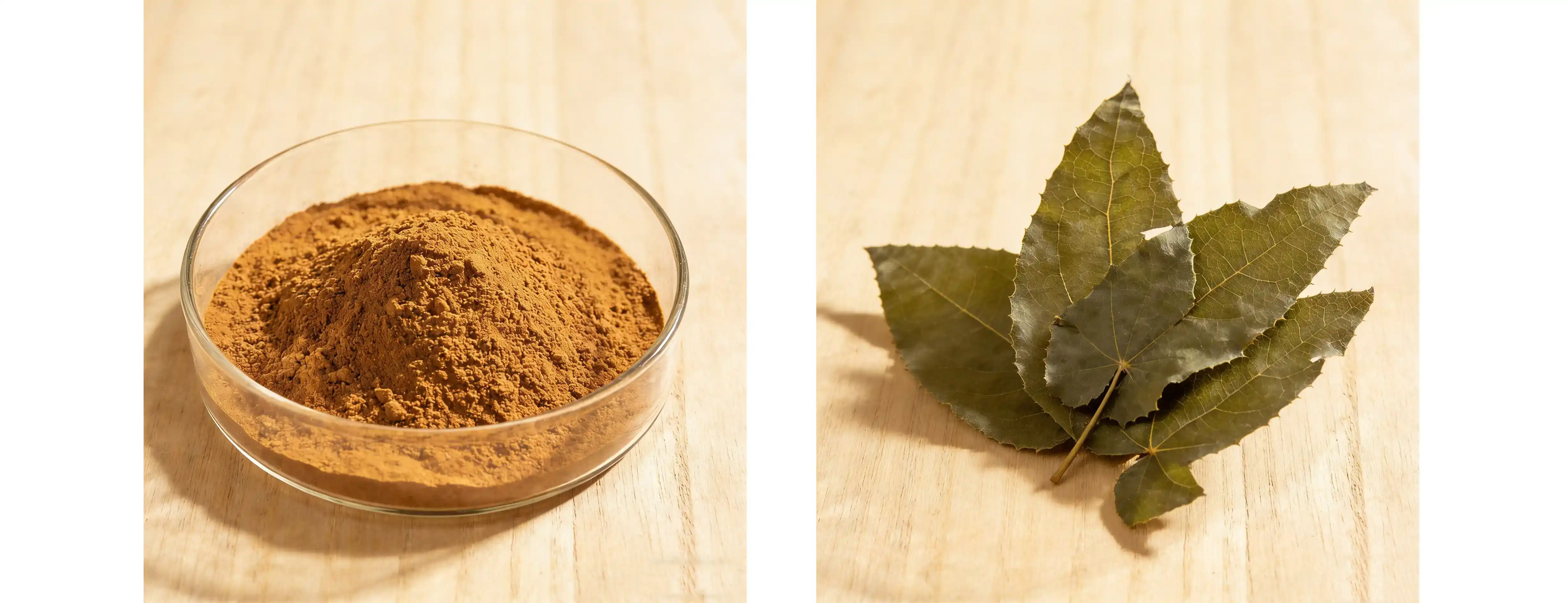
How the product is extracted directly affects how pure and effective it is. Different chemical profiles are made by water and ethanol solvent systems, which are the most common ways to remove substances. These profiles rely on temperature, time, and solvent ratios. When manufacturers don't follow standard operating methods, they make extracts with varying amounts of icariin, which makes it hard to formulate them for use in beauty products. The brownish-yellow powder's look could hide differences in quality that can't be seen with the naked eye.
Contamination and Purity Concerns
It is possible for heavy metals, herbicide leftovers, microbial growth, and synthetic chemicals to get into botanical products and make them less effective. Testing methods are very different between sellers, and some only do basic quality checks before sending the goods out. Third-party lab research is still necessary, but it adds to the time and cost of the buying process.
Global supply lines for products like Horny Goat Weed Powder are more difficult to control for quality because they are so complicated. There are many middlemen between growing the product and distributing it, which makes it possible for products to be switched out or mislabeled. Traceability systems that keep track of how materials move from harvesting to processing make the process clear, which lowers the risk of buying things and helps companies meet legal requirements.
Key Principles for Sourcing Reliable Horny Goat Weed Powder
Effective sourcing strategies put an emphasis on source evaluation factors that show they can make excellent products and ensure quality. Common supply chain mistakes can be avoided by building buying models around standards that can be checked.
Certification and Compliance Verification
Suppliers with a good reputation keep a lot of certificates that prove their quality management and production systems. NSF GMP certification shows that pharmaceutical-grade manufacturing practices are followed, and FSSC22000 certification shows that a food safety management system is in place. Kosher and Halal licenses make it easier for goods that are aimed at certain groups of people to reach new customers. ISO standards make sure that quality control systems are working, and organic approval makes sure that crops are grown without using chemical fertilizers or pesticides. Instead of just believing what a seller says, buyers should ask for current certification documents and check qualifications with the organizations that issue them.
Specification Clarity and Testing Protocols
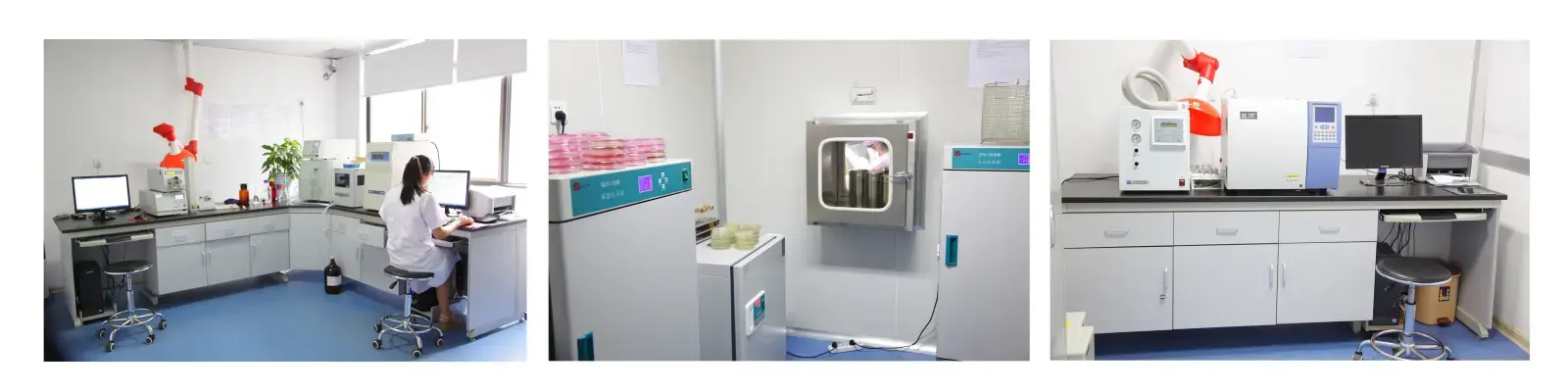
Contracts for buying things are clearer when the product details are clear. The standard design for 10% icariins gives measurable standards for batch acceptance requirements. As part of full certificates of analysis, icariin levels should be measured using approved analytical methods like HPLC, heavy metals like lead, arsenic, cadmium, and mercury should be checked, as well as microbial tests like total plate count and pathogen detection, pesticide residue analysis, and moisture content determination. Suppliers who offer specific testing paperwork show that they care about quality and are technically competent.
Production Capacity and Logistics Infrastructure
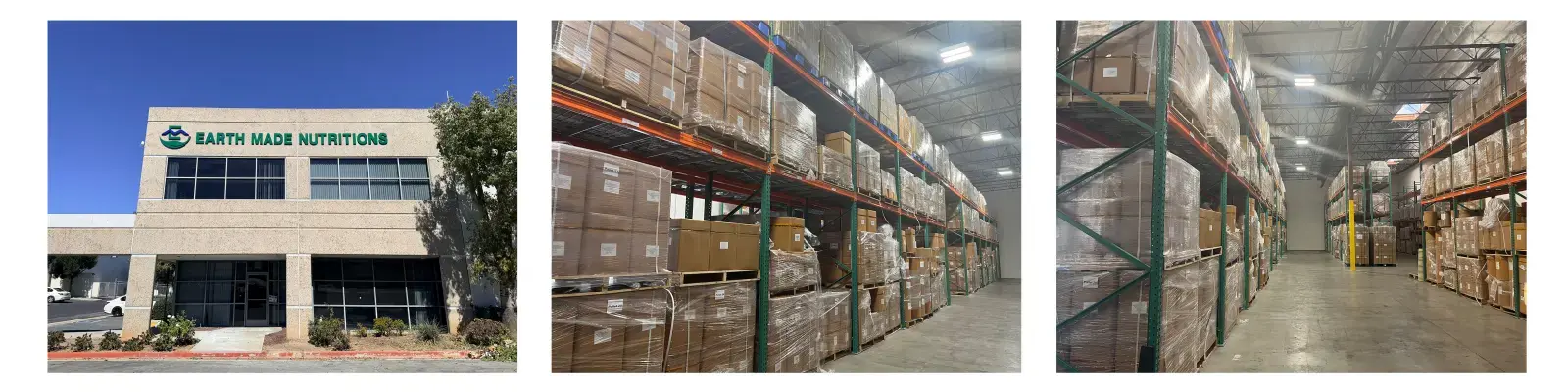
Supply stability depends on how well manufacturers can regularly fill orders at the right levels. Minimum order amounts of 25 kgs work for a wide range of buying situations, from developing new products to mass production. Just-in-time manufacturing is supported by having material that is in stock and can be picked up in two days. Suppliers with various warehouses across the US offer regional redundancy and faster shipping times, which is especially helpful for clients who are on tight production plans or whose demand changes often.
Samples are available so that formulations can be tested before committing to a large batch. Free sampling programs lower the risk of buying things by letting people check the quality, make sure the analysis is correct, and see if the samples work with certain formulas before committing to buying a lot of them.

Comparing Sourcing Options: Powder vs Capsules and Competing Herbal Products
The choice of product type affects how efficiently the product is made, how much it costs, and where it stands in the market. Understanding the trade-offs between formats helps make sure that buying choices are in line with business goals.
Powder Format Advantages
Bulk powder gives makers who are making custom goods the most formulation options. Leaf powder from Epimedium Grandiflorum is a brownish yellow color that mixes well with many delivery methods, such as pills, tablets, drinks, and topical uses. When compared to consumer-ready forms, packaging in 25 kg drums makes keeping more efficient and lowers the cost per unit. Powder stability during atmospheric storage makes managing a warehouse easier as long as the right amount of moisture is kept in check.
Market Positioning Relative to Alternative Botanicals
There are a lot of plant extracts in the botanical supplement area that are aimed at similar market niches. Tongkat Ali is good for sports nutrition, Maca root powder is good for energy and vigor, and Horny Goat Weed Powder is often used for its potential benefits in certain health areas. Each plant has its own unique set of phytochemicals and traditional uses that affect what people choose to buy and how companies sell their products. Product makers look at these options based on studies into how well they work, how reliable the supply chain is, how much they cost, and how they might set their products apart in their target markets.
Quality Grade Selection
Organic certification comes with higher costs, but it meets the needs of growing customer desires for clean labels. When money is tight and you can't spend a lot on ingredients, non-organic products are cheaper. The choice of where to spend on quality should be based on how the brand is positioned, what value the customers you want to reach place on it, and a study of the competition. Premium-grade extracts with proven potency back up promises of effectiveness and explain higher store prices, while standard-grade materials serve customers who care more about price.
Best Practices for B2B Procurement of Horny Goat Weed Powder
Structured buying processes set quality standards that protect a brand's image and keep the supply chain running smoothly.
Supplier Identification and Preliminary Evaluation
A lot of study on suppliers looks at their reputation in the market, their ability to make things, and their quality processes. Reviewing certification portfolios verifies promises of compliance, and checking references with past customers gives performance information. Evaluating technical documents shows how knowledgeable the provider is and how well they can communicate. Earth Made Nutritions Inc. was founded in 2018 in California and runs modern factories with cutting-edge extraction equipment. It does this by mixing domestic production control with a good logistics system.
Sample Evaluation Protocol
Systematic sample testing makes sure that a supplier's claims about quality are true before ordering in bulk. The physical review looks at how the material looks and smells, how the particles are distributed in size, and how easily it flows, all of which are important for further processing. Independent lab tests make sure that the amounts of active ingredients are correct, that contaminants are not present, and that the product meets all the requirements. Formulation trials check how well the new ingredients work with current product patterns, how stable they are under processing conditions, and how they affect the taste of the finished products.
Contract Negotiation Elements
In purchase agreements, quality standards, acceptance criteria, sample methods, and who is responsible for testing should all be made clear. Terms that include delivery dates, payment terms, rules for "force majeure," and ways to settle disagreements protect both parties. Quality promises that cover replacement or return options for materials that don't meet standards lower the risk of buying things. Long-term supply deals can help keep prices stable and reserve capacity when agreed-upon volume levels allow for such terms.
Setting up clear lines of contact between expert teams speeds up the process of fixing problems and helps with efforts to keep getting better. Regular performance reviews of suppliers that keep track of quality measures, delivery reliability, and response help keep suppliers accountable and find ways to improve performance.
Real-World Success in Epimedium Extract Sourcing
Examples from real life show how smart source selection and relationship management can help a business in a real way.
Supply Chain Optimization
A company that makes functional supplements had trouble with inconsistent icariin amounts from different sources of Horny Goat Weed Powder, which made it hard to formulate the product and make sure that the label claims were accurate. Batch variation was taken care of by switching to a single GMP-certified provider with proven testing methods. Access to domestic warehouses cut lead times from weeks to days, which made it easier to handle supplies and cash flow. The supplier's ability to do rapid sampling sped up the development of new products and made it easier for line additions to hit the market more quickly.
OEM Manufacturing Partnership
A cosmetic OEM factory that used plant actives in skin care products needed a reliable Epimedium Grandiflorum extract that would stay the same color and dissolve in water. Working together with a company that uses a standard method for water-ethanol extraction led to the production of uniform material that met the needs of the recipe. A lot of paperwork, like organic certification, Kosher and Halal approval, and full testing records, met the legal needs of a wide range of clients without the need for extra checks. The supplier's technical support team helped with preparation, which made the product more stable and better at what it does.

Conclusion
Getting plant extracts requires a mix of quality checks, source evaluations, and transportation issues. Common sourcing problems can be solved by giving more weight to makers with thorough certifications, clear testing methods, and helpful customer service. The market for Epimedium Grandiflorum extract has a range of quality levels, so buyers need to be careful when choosing a seller to make sure they meet product positioning and legal needs. Structured review processes, clear specs, and cooperative relationships with suppliers create models for purchasing that help businesses grow and make great products.
FAQ
Q1: What icariin concentration is appropriate for different applications?
Standardized 10% icariin standard works for most cosmetic and dietary supplements, giving stable potency for dose estimates and claims of effectiveness. Higher concentrations may be better for some uses that need smaller amounts of an ingredient, while lower standardizations can save money when there is room in the recipe for higher inclusion rates.
Q2: How can buyers verify extract authenticity before bulk purchasing?
Ask for full certificates of analysis from approved labs that show the amount of icariin measured using proven methods. Samples are tested by a third party to make sure that the supplier's paperwork is correct. A physical evaluation that looks at the substance's shape, how it dissolves, and its taste and smell is another way to confirm its validity. Reliable providers are open to being analyzed and keep clear records of their quality.
Q3: Which qualifications are the most important when looking for plant extract suppliers?
GMP certification shows that a product meets standards for making medicines, and FSSC22000 certification proves that a method for managing food safety is safe. Organic approval proves how the plants are grown, and ISO standards prove the system for quality management. With Kosher and Halal licenses, you can get into more markets. Multiple licenses that work together show a commitment to quality that goes above and beyond what is required by law.
Partner with Earth Made Nutritions Inc. for Your Horny Goat Weed Powder Supply
Earth Made Nutritions Inc. is a reliable source of plant extracts for companies across North America that make useful foods and cosmetics. Our Epimedium Grandiflorum leaf extract has standardized 10% icariins that were removed using a tried-and-true water-ethanol method. This makes a uniform brownish-yellow powder that meets strict quality standards. We keep our NSF GMP, FSSC22000, Kosher, Halal, ISO, and organic certifications up to date to meet a wide range of legal needs. Four strategically placed warehouses across the United States allow for fast shipping and two-day pickup for goods that are in stock. Our skilled research and development (R&D) team helps with technical issues as new products are made, and our idea of sustainable sources ensures that we are good to the environment. Email us at info@em-herb.com to get free samples and custom buying options from a reputable Horny Goat Weed Powder supplier.
References
1. Chen, L., & Zhang, Y. (2019). Quality Control and Standardization of Epimedium Species in Botanical Extract Manufacturing. Journal of Herbal Medicine Research, 12(3), 145-162.
2. Morrison, J., & Patel, R. (2020). Supply Chain Management Best Practices for Botanical Ingredient Procurement in the Nutraceutical Industry. International Journal of Food and Nutrition Science, 8(2), 78-94.
3. Williams, D. (2021). Analytical Methods for Icariin Quantification in Epimedium Extracts: A Comparative Review. Phytochemical Analysis Quarterly, 15(4), 201-218.
4. Thompson, K., & Lee, S. (2020). Certification Standards and Their Impact on Botanical Extract Quality Assurance in Global Trade. Food Safety and Quality Management Review, 9(1), 34-51.
5. Rodriguez, M. (2021). Formulation Considerations for Botanical Powders in Dietary Supplement Manufacturing. Nutraceutical Science and Technology, 7(3), 112-129.
6. Anderson, P., & Kumar, V. (2022). Sustainable Sourcing Practices in the Global Botanical Extract Industry: Environmental and Economic Perspectives. Journal of Sustainable Supply Chain Management, 11(2), 67-85.