- English
- French
- German
- Portuguese
- Spanish
- Russian
- Japanese
- Korean
- Arabic
- Irish
- Greek
- Turkish
- Italian
- Danish
- Romanian
- Indonesian
- Czech
- Afrikaans
- Swedish
- Polish
- Basque
- Catalan
- Esperanto
- Hindi
- Lao
- Albanian
- Amharic
- Armenian
- Azerbaijani
- Belarusian
- Bengali
- Bosnian
- Bulgarian
- Cebuano
- Chichewa
- Corsican
- Croatian
- Dutch
- Estonian
- Filipino
- Finnish
- Frisian
- Galician
- Georgian
- Gujarati
- Haitian
- Hausa
- Hawaiian
- Hebrew
- Hmong
- Hungarian
- Icelandic
- Igbo
- Javanese
- Kannada
- Kazakh
- Khmer
- Kurdish
- Kyrgyz
- Latin
- Latvian
- Lithuanian
- Luxembou..
- Macedonian
- Malagasy
- Malay
- Malayalam
- Maltese
- Maori
- Marathi
- Mongolian
- Burmese
- Nepali
- Norwegian
- Pashto
- Persian
- Punjabi
- Serbian
- Sesotho
- Sinhala
- Slovak
- Slovenian
- Somali
- Samoan
- Scots Gaelic
- Shona
- Sindhi
- Sundanese
- Swahili
- Tajik
- Tamil
- Telugu
- Thai
- Ukrainian
- Urdu
- Uzbek
- Vietnamese
- Welsh
- Xhosa
- Yiddish
- Yoruba
- Zulu
To get Green Coffee Bean Extract powder on a large scale, you need to know both the quality standards for the product and what the seller can do. This plant-based ingredient comes from Coffea Arabica L. beans that have not been cooked. It has chlorogenic acids that are useful in cosmetics and functional foods. To successfully buy in bulk, you need to carefully look at things like standard specs, certification compliance, and the infrastructure for shipping. As the need for natural bioactive chemicals grows, it can be hard for buying teams to find the best balance between quality and cost. To make sure that supply chains are reliable and help with product growth and market competitiveness, the right sourcing strategy combines technology validation, following the rules, and working with suppliers.
Understanding the Market and Product Fundamentals
What Makes Quality Green Coffee Extract Distinct
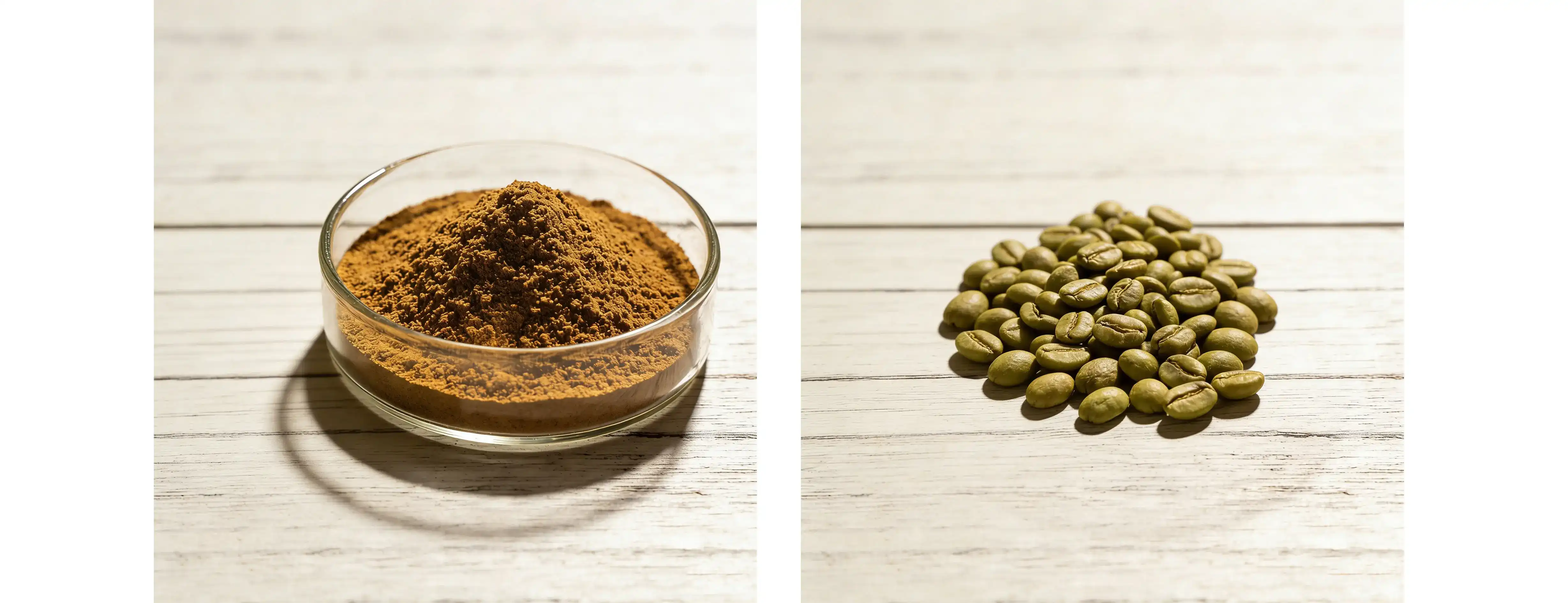
Premium Green Coffee Bean Extract powder looks like a brownish-yellow powder and has unique qualities that set it apart from roasted coffee products. Using water and ethanol to remove the plant keeps the chlorogenic acids, which are the main bioactive substances that provide antioxidant activity. Quality standards are usually set at 50% chlorogenic acids, which can be tested using HPLC analysis. This makes sure that the composition can be predicted. Its physical properties include being very soluble in water, having a bulk density between 0.4 and 0.60 g/ml, and having less than 5% moisture to keep it from sticking during storage. Knowing these factors helps buying teams make sure that the products they buy are real and will work with the way they make things.
Core Applications Across Industries
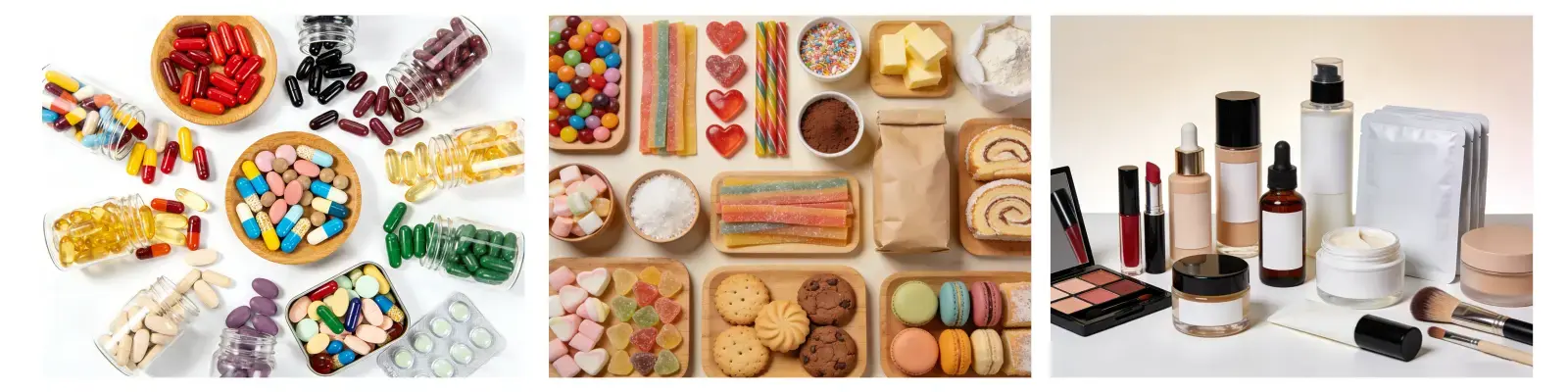
This plant product can be used in a lot of different areas. Nutraceutical companies use it in weight loss products because chlorogenic acids help the metabolism work better by blocking the action of the glucose-6-phosphatase enzyme. Cosmetic makers like its low molecular weight because it helps anti-aging skin care products get deep into the skin and fight oxidative stress and UV damage. Functional beverage makers like how stable it is in low-pH settings, which lets them make "clean energy" drinks without changing the brightness of the product. This desire from different industries makes it easier to buy things, but it also means that specifications need to be flexible.
Common Sourcing Challenges
When buyers try to scale buying, they run into several problems. Differences in quality between batches are caused by differences in how the raw beans are grown and when they are harvested. There are a lot of fake goods on the market, and fillers like maltodextrin in the powders make the amounts of the active ingredients lower. Coffee is mostly grown in a few areas, which makes the supply chain more complicated and leaves buyers open to problems caused by climate change. Different rules in different places make it harder to follow the rules, because you have to make paperwork that meets both the FDA rules in North America and the new food rules in Europe.
Critical Criteria for Choosing Suppliers and Products at Scale
Evaluating Purity and Standardization
Checking analysis skills is the first step in choosing a supplier for Green Coffee Bean Extract powder. Manufacturers with a good reputation give out Certificates of Analysis that show the chlorogenic acid level using approved HPLC methods, not rough spectrophotometric readings. ICP-MS tests for heavy metals should show that the levels of lead are less than 2ppm, cadmium are less than 0.5ppm, and arsenic are less than 1ppm. The cleanliness of the microbes is also important—total plate counts should stay below 3000 cfu/g, and diseases like E. coli and Salmonella should not be present. To check the quality of factory control, procurement teams need to ask for multi-batch consistency data and look at the coefficient of difference across production runs.
Certification Requirements That Matter
Multiple certificates show that a seller is trustworthy and that their operations are thorough. NSF GMP approval means that a company follows Good Manufacturing Practices for making dietary supplements. These practices include designing the building, keeping the equipment in good shape, and training staff. FSSC22000 talks about food safety management systems, which are very important for food and drinks. Organic certification from the USDA or a similar organization proves that the crop was grown without using pesticides, which is becoming more and more important for positioning clean-label products. Kosher and Halal approvals help brands that cater to certain groups of people get into more markets. Buyers shouldn't just depend on copies that the seller gives them; they should also check the accuracy of the certificates directly with the organizations that issued them.
Comparing Product Forms and Sourcing Options
Powder is still the most common form for buying in bulk, but knowing about the other presentations helps you make decisions. Standardized Green Coffee Bean Extract powder gives formulators the most options for how much to use and how to mix it with other materials. Suppliers who give different mesh sizes can meet the needs of a wide range of sealing tools. Some companies offer both spray-dried and freeze-dried choices. Freeze-dried options keep more volatile chemicals but cost more. Organic versions usually cost 20 to 35 percent more than regular ones because they have to pay more for approval, and farmers get less food from their crops. Strategies for buying things should make sure that the details of the goods match the needs of the end users and the prices that are acceptable in the target markets.
Assessing Supplier Reliability Through Due Diligence
In addition to certificates, operational evaluation shows how stable a seller is. When you ask for facility audit reports or do virtual checks through videoconferencing, you let people into production environments. Customer references can help you figure out how to communicate effectively, handle complaints, and handle a problem when quality standards aren't met. Production capacity verification makes sure that your suppliers can grow with your business. For example, a maker that only works with small batches might not be able to handle orders that go from 500 kg to 5000 kg every three months. Stability in your finances is also important; sellers who are having trouble with cash flow may lower the quality of their raw materials or delay orders when they can't pay their bills.

Optimizing the Procurement Process for Bulk Orders
Strategic Sourcing Channels
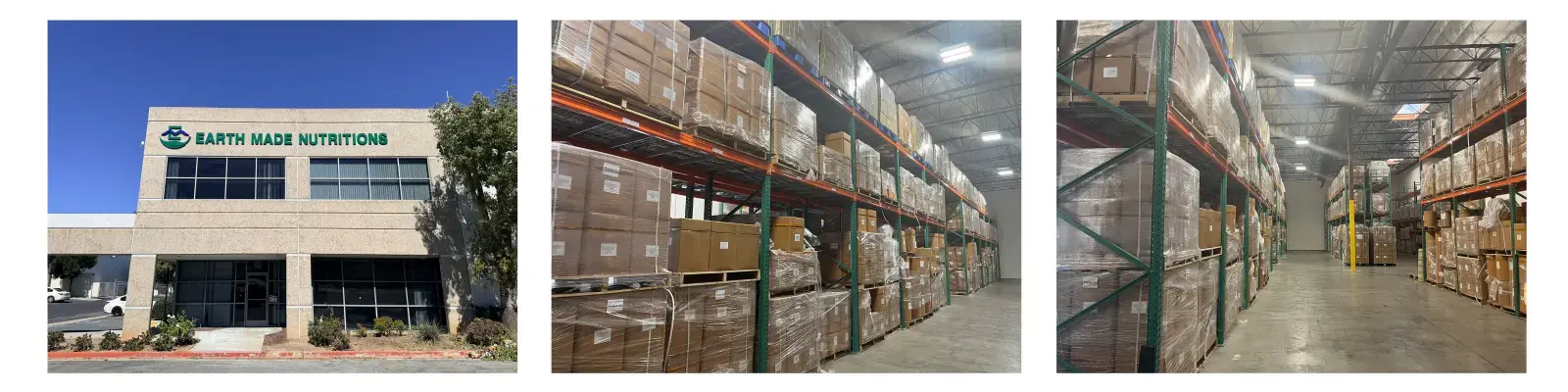
Direct relationships with manufacturers have benefits, such as clear pricing, access to expert help, and the ability to customize for specific needs. Domestic providers that do business in the U.S. get rid of the hassles of importing and cut down on wait times. Companies like Earth Made Nutritions Inc. have facilities in California and four area stores across the United States. This lets them fill orders quickly from stock that is kept on hand for two days. This system helps with just-in-time purchasing tactics, which keep production going while keeping working capital out of inventory.
Distributor relationships help buyers who need smaller amounts or a range of ingredients from different places. Distributors combine packages and handle regulatory paperwork, but they usually charge 15–25% more than what the maker would charge directly. Online B2B markets let you compare prices, but you need to do a lot of research before you can buy in bulk. Asking for samples and having them tested by a third party saves you from being lied to about the quality of the goods.
Negotiating Commercial Terms
Minimum order amounts usually begin at 25 kg, which allows for recipe development while business relationships are being built. Tier-based pricing is unlocked by making a volume promise. For example, annual contracts for 500 kg or more often get 8–12% discounts compared to spot sales. Payment terms change depending on how long the relationship has been going on and how large the order is. For example, new buyers may have to pay in advance, while known customers can use net-30 or net-60 terms. The wording in the contract should include standards for accepting quality, ways to settle disagreements, and "force majeure" clauses that cover supply problems.
Managing Logistics and Packaging
Standard packaging in 25 kg fiber drums with plastic liners keeps the purity of the product safe while it's being shipped and stored. For high-volume operations, bulk buyers may be able to arrange for bigger forms like 50 kg drums or IBC totes, but they will need more processing equipment. Under controlled conditions (below 25°C and below 60% relative humidity), the shelf life is usually 24 months. When buying, procurement teams should take into account the time it takes to clear customs, which usually adds 7–14 days to delivery dates. These delays can be avoided completely by working with sellers who keep goods in the United States.
Leveraging Technology for Procurement Efficiency
Modern source systems for Green Coffee Bean Extract powder let you see your goods in real time, set automatic reorder points, and view digital documents. Batch traceability systems make it possible to keep track of where the raw beans come from, how they are extracted, and how they are packaged at the end. This meets audit standards and helps with recall readiness. Integration of electronic data exchange (EDI) makes sending buy orders and processing invoices easier, which lowers the cost of administration. Some sellers give customers websites with certificate repositories, specification sheets, and technical literature. These are centralized resources that make it faster to create new formulations and send them to regulators.
Ensuring Product Compliance and Risk Mitigation
Navigating Regulatory Frameworks
To get into the U.S. market, you have to follow the rules set by the FDA under the Dietary Supplement Health and Education Act. Suppliers must keep up with current Good Manufacturing Practices, which can be seen by looking at the FDA's site registration and review records. Using botanical verification to prove the identity of an ingredient stops species substitution. Label claims need to be backed up, and structure-function claims need to include caution wording that doesn't imply that the product can be used to treat disease. The Novel Food Regulations and EFSA risk ratings in European markets make the rules stricter, which could lower the content limits for chlorogenic acid.
Identifying Quality Red Flags
Several red flags point to possible problems with the provider. If the price is much lower than the market rate, it could mean that the ingredients aren't pure or aren't up to par. Concerns about reliability are raised when people refuse to give samples or let third parties test them. Poor traceability is shown by source information that isn't clear about where the raw beans came from or how they were extracted. Different batches of a product that don't look the same—color changes beyond the brownish-yellow range or clumping that looks like water got in—mean that the process control isn't working right. Certificate times should match production groups; certificates that are out of date or don't specify a batch should be looked at carefully.
Building Resilient Supplier Relationships
Managing partnerships over time is an important part of reducing risk that goes beyond the original qualification. Reviewing the business every three months keeps everyone on the same page about expected traffic, changes to specifications, and market trends. Clear communication during delays in agriculture or changes to regulations makes it possible to plan for what might go wrong. Collaborative improvement projects could work toward sustainable goals by looking for carbon-neutral ways to remove materials or regenerative agriculture as a source of raw materials. Diversification strategies create alternative sources for important ingredients while keeping 80/20 volume splits that keep primary suppliers loyal and protect against being vulnerable to a single source.
Practical Examples of Effective Large-Scale Sourcing
An original equipment maker (OEM) that made anti-aging serums with plant actives, including Green Coffee Bean Extract powder, needed to lower the cost of the ingredients without lowering the claims of effectiveness. Their purchasing team looked at the total cost of ownership, which includes shipping, customs taxes, and quality testing costs. When they switched from European wholesalers to a U.S.-based manufacturer with domestic storage, they saved 18% on landed costs because freight costs went down and wait times were shortened. Working with a provider that has advanced research and development (R&D) skills lets them co-create unique extraction factors that increase the antioxidant activity and set their formulations apart from competitors who use generic extracts.
Conclusion
To buy a lot of Green Coffee Bean Extract powder, you need to know a lot about technology, work with a provider, and plan. To make sure the product works and follows the rules, quality control has to look at normal chlorogenic acid content, purity testing, and the trustworthiness of the approval. When evaluating a supplier, more than just price is taken into account. Production capacity, traceability systems, and operating security are also looked at. Getting the most out of home storage, the right packaging, and digital tools for buying things cuts down on wait times and keeps costs low. To lower the risk, you need to keep up with relationship management, quality checks, and diversifying your supply chain. By using these strategies, sourcing teams can reliably get this flexible botanical ingredient. This helps with product creation and marketing in the cosmetic, and functional food markets.
FAQ
Q1: What specifications should we verify when purchasing bulk orders?
First, the 50% chlorogenic acid level is confirmed using the HPLC study that is included in the Certificate of Analysis. Heavy metal tests must show that the amount of lead, cadmium, and arsenic is less than 2 ppm, 0.5 ppm, and 1ppm, respectively. Total plate counts for microbes should be less than 3000 cfu/g, which means there are no pathogens. Ask for proof of the physical properties, like the mass density, particle size distribution, and moisture content. Make sure that the water and ethanol used for extraction meet standards for food or medicine. Copies of certifications for NSF GMP, FSSC22000, organic, Kosher, and Halal should match the current expiration dates and addresses of the facilities.
Q2: How can we authenticate supplier product quality?
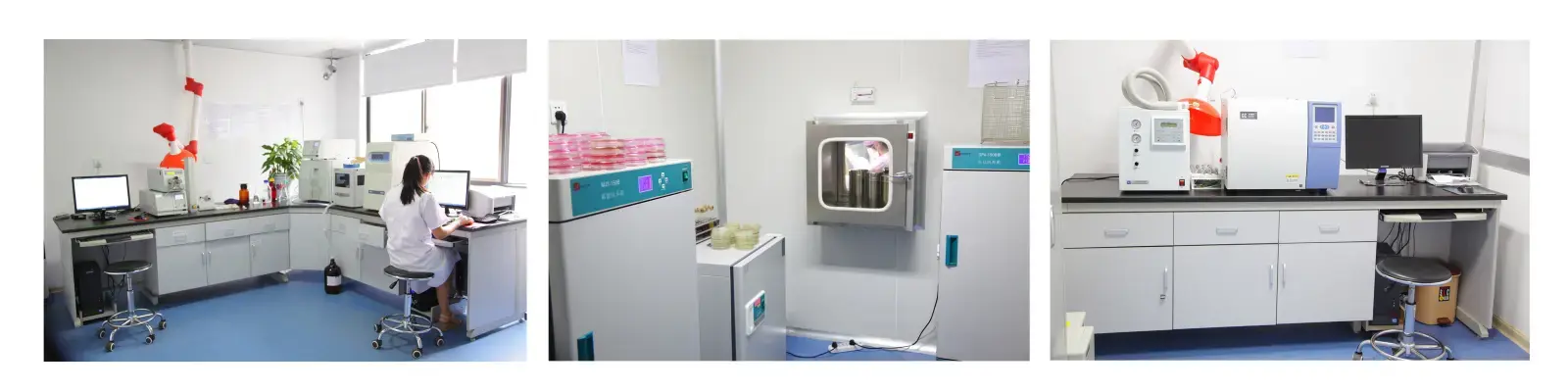
To make sure someone is real, you should ask for samples before placing a big order. Send samples to unbiased third-party labs for verification testing, then compare the results with the analysis given by the seller. Do site audits, either in person or online, looking at the extraction tools, quality control labs, and how the raw materials are stored. Check out customer examples from businesses in the same industry and ask specific questions about how specifications are met, complaints are handled, and the supply chain is reliable. To be sure that the plant is Coffea Arabica L., check its identity under a microscope or by DNA barcoding to confirm species authenticity. Instead of depending only on supplier documents, check certification numbers directly with the organizations that issued them.
Partner With EM for Reliable Green Coffee Bean Extract Powder Supply
Earth Made Nutritions Inc. sends Green Coffee Bean Extract powder that is safe for use in medicines to companies and brands requiring uniform quality on a large scale. Our California plant keeps its NSF GMP, FSSC22000, Kosher, Halal, ISO, and Organic certifications up to date, making sure it meets the needs of a wide range of markets. We use an approved HPLC method to make sure that our extract always has 50% chlorogenic acids. Each batch is then checked for heavy metals and microbial purity. With a minimum order size of 25 kg, four strategically located stores across the United States can complete orders in two days, cutting down on import delays and the complexity of customs. Our research and development (R&D) team helps with recipe development by giving expert advice on how to improve solubility and test stability. Free samples let you check the quality before you commit. Get in touch with our purchasing experts at info@em-herb.com to discuss your unique needs and get reasonable prices from a reliable Green Coffee Bean Extract powder supplier that cares about responsible sourcing and the environment.
References
1. Farah, A., & Duarte, G. (2021). Bioavailability and Metabolism of Chlorogenic Acids from Coffee: A Comprehensive Review. Journal of Agricultural and Food Chemistry, 69(16), 4589-4609.
2. Naveed, M., Hejazi, V., Abbas, M., & Kamboh, A. A. (2018). Chlorogenic Acid: A Pharmacologically Potent Molecule. BioMed Research International, Volume 2018, Article ID 9762390.
3. Santana-Gálvez, J., Cisneros-Zevallos, L., & Jacobo-Velázquez, D. A. (2017). Chlorogenic Acid: Recent Advances on Its Dual Role as a Food Additive and a Nutraceutical. Molecules, 22(3), 358.
4. Tajik, N., Tajik, M., Mack, I., & Enck, P. (2017). The Potential Effects of Chlorogenic Acid on Weight Loss and Management: A Critical Review. Clinical Nutrition ESPEN, 22, 29-34.
5. Yeager, S. L. (2019). Quality Control Considerations for Botanical Dietary Supplements in Global Markets. Journal of AOAC International, 102(2), 415-421.
6. Zhang, L., Wang, Y., Li, D., Ho, C. T., Li, J., & Wan, X. (2016). The Absorption, Distribution, Metabolism and Excretion of Procyanidins. Food & Function, 7(3), 1273-1281.