- English
- French
- German
- Portuguese
- Spanish
- Russian
- Japanese
- Korean
- Arabic
- Irish
- Greek
- Turkish
- Italian
- Danish
- Romanian
- Indonesian
- Czech
- Afrikaans
- Swedish
- Polish
- Basque
- Catalan
- Esperanto
- Hindi
- Lao
- Albanian
- Amharic
- Armenian
- Azerbaijani
- Belarusian
- Bengali
- Bosnian
- Bulgarian
- Cebuano
- Chichewa
- Corsican
- Croatian
- Dutch
- Estonian
- Filipino
- Finnish
- Frisian
- Galician
- Georgian
- Gujarati
- Haitian
- Hausa
- Hawaiian
- Hebrew
- Hmong
- Hungarian
- Icelandic
- Igbo
- Javanese
- Kannada
- Kazakh
- Khmer
- Kurdish
- Kyrgyz
- Latin
- Latvian
- Lithuanian
- Luxembou..
- Macedonian
- Malagasy
- Malay
- Malayalam
- Maltese
- Maori
- Marathi
- Mongolian
- Burmese
- Nepali
- Norwegian
- Pashto
- Persian
- Punjabi
- Serbian
- Sesotho
- Sinhala
- Slovak
- Slovenian
- Somali
- Samoan
- Scots Gaelic
- Shona
- Sindhi
- Sundanese
- Swahili
- Tajik
- Tamil
- Telugu
- Thai
- Ukrainian
- Urdu
- Uzbek
- Vietnamese
- Welsh
- Xhosa
- Yiddish
- Yoruba
- Zulu
The process of making Guarana Seed Extract powder starts with the collection of mature seeds from Paullinia cupana. The seeds are then cleaned, dried under controlled conditions, and extracted with water-ethanol solvents. The bioactive liquid is concentrated, sprayed, or freeze-dried and micronized to make a fine powder with chlorogenic acid amounts that are standard. Advanced quality control checks the ingredient's purity, strength, and compliance, making sure it can be used safely in cosmetics and drinks. Using this method, raw seeds are turned into a steady, high-purity powder that meets all international safety standards.
Understanding Guarana Seed Extract Powder
Botanical Origins and Active Composition
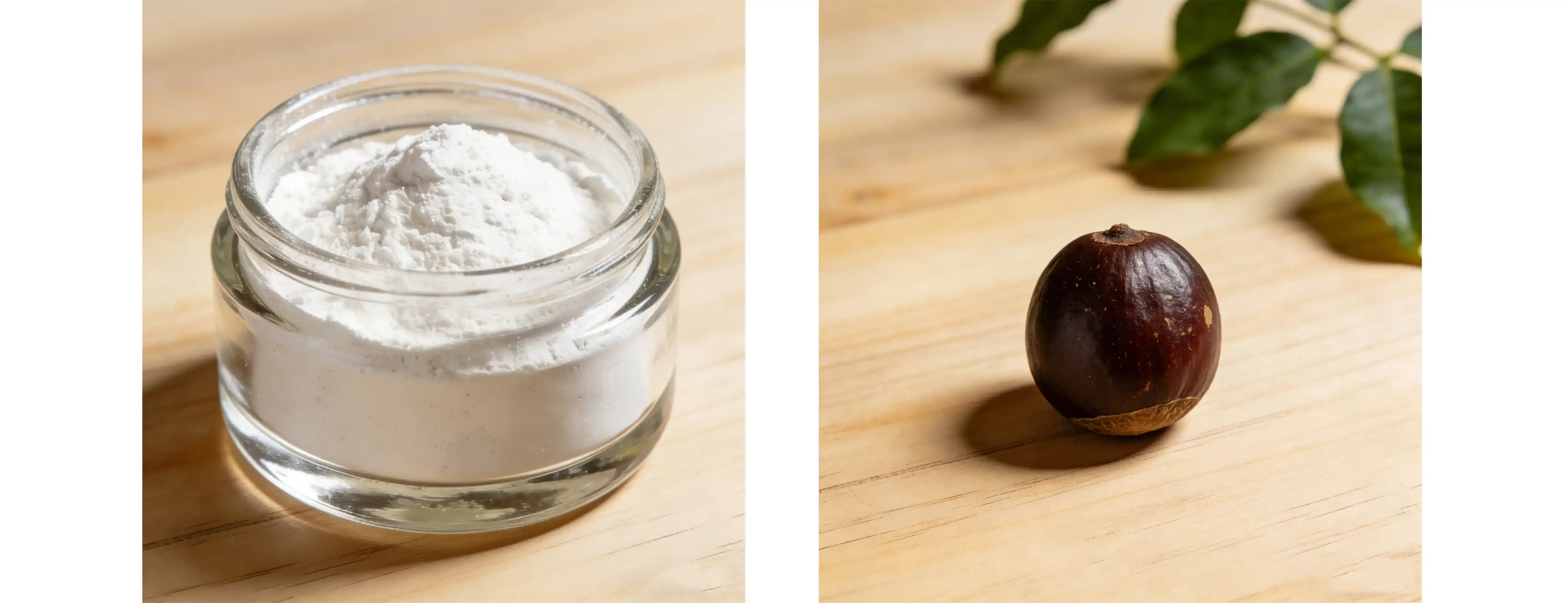
Guarana Seed Extract powder comes from the seeds of Paullinia cupana, a growing plant that grows in the Amazon and is mostly grown in Brazil. Natural caffeine, theobromine, theophylline, and polyphenolic compounds like catechins, epicatechins, and tannins are some of the beneficial compounds found in the seeds. Unlike synthetic versions, this plant extract has a synergistic matrix where tannins link to caffeine, changing how it is absorbed and giving you long-lasting energy.
The guideline for 50% chlorogenic acids meets the rising need for functional formulations with antioxidant-rich ingredients. Guarana Seed Extract powder is useful for more than just boosting energy because chlorogenic acids help the metabolism and protect cells. The fact that it looks like white powder means that it has been carefully processed to get rid of the colors while keeping the bioactivity.
Critical Quality Parameters for Procurement
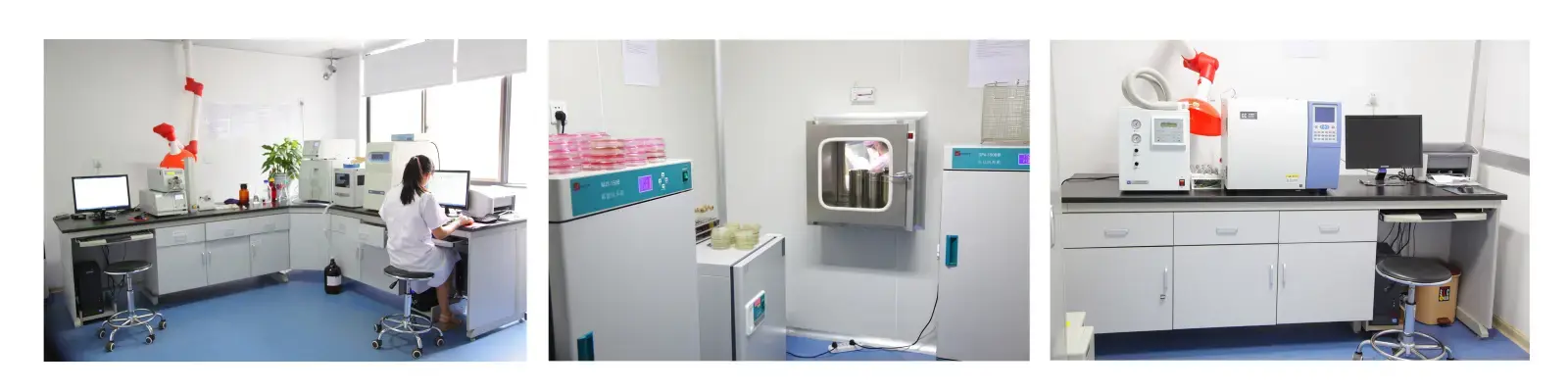
Checking the plant identification with High-Performance Thin-Layer Chromatography (HPTLC) is the first step in judging the quality. This is done to make sure that the product isn't being tampered with by cheaper fillers. HPLC measurement proves the amount of chlorogenic acid and caffeine, which ensures that the dose is the same from batch to batch. Particle size analysis, which usually ranges from 80 to 100 mesh, affects how well finished goods dissolve and mix.
Using an ICP-MS to check for heavy metals shows that arsenic is still less than 1ppm and lead is still less than 3ppm. Using microbiology tests to prove that Salmonella and E. coli, while keeping the total number of plates within reasonable limits. Analysis of residual solvents according to USP <467> makes sure that the amount of ethanol is safe, usually less than 5000ppm. The security of the mixture, regulatory approval, and the safety of the end user are all directly affected by these factors.
Step-by-Step Process of Manufacturing Guarana Seed Extract Powder
Sourcing and Preliminary Processing
The process of making Guarana Seed Extract powder starts with choosing grown seeds from organic farms that practice sustainable gathering. Reliable providers keep records that can be used to connect each batch to a particular growing area, harvest date, and farming method. Seeds are looked at visually to get rid of any broken or young ones that might lower the quality of the extract.
To get rid of dirt, dust, and other unwanted materials, mechanical screening and air classification are used for the first cleaning. The seeds are then put into controlled drying rooms where the temperature stays between 40°C and 50°C. This lowers the moisture content to 10–12% while protecting chemicals that are sensitive to heat. This careful drying stops enzymes from breaking down the food and microbes from growing while it's being stored.
Extraction Methodology
During the extraction process, a water-ethanol solvent solution is used that is specially designed to handle both polar and non-polar bioactives. Before being put into the liquid mixture at controlled temperatures, usually 50–70°C, the seed material is ground up to increase its surface area. The extraction process lasts between 2 and 4 hours with light stirring, which maximizes output while keeping the purity of the compound.
For better effectiveness, modern facilities may use percolation or countercurrent extraction devices that keep the solvent contact fresh. The liquid extract is filtered in several steps. First, coarse filtration gets rid of the particles. Next, fine membrane filtration makes it clear and gets rid of any possible contaminants. This multi-step process makes sure that the quality of the extract stays the same.
Concentration and Drying
The filtered liquid extract goes to vacuum evaporation, where lower pressure lowers the boiling point so that the solvent can be removed at temperatures below 60°C. This gentle concentration keeps thermolabile chemicals safe while raising the bioactive density. The concentrated extract is now a thick liquid that has 40 to 50 percent solids in it.
Spray drying turns the concentrate into powder by breaking it up into tiny particles that are then put into a hot room where the water quickly evaporates. Inlet temperatures of 160°C to 180°C and exit temperatures of 80°C to 90°C keep sensitive materials safe while drying effectively. The powder that is made has great qualities for both flowing and reconstituting. On the other hand, freeze-drying is better at keeping medicinal substances because it sublimates ice crystals under pressure, but it costs more to make.
Final Processing and Quality Validation
The dried powder is machine-milled to make the particle sizes more uniform, which improves the powder's ability to dissolve and mix. Standardization is done by carefully mixing with carrier substances like organic maltodextrin when needed to meet the exact specifications of 50% chlorogenic acids. Each batch of products is thoroughly tested to check for identification, strength, heavy metals, chemical leftovers, solvent traces, and microbial load.
In quality control labs, results are compared to set reference standards using testing methods. Each batch comes with a Certificate of Analysis (COA) paperwork that makes things clear for producers further down the line. Retention samples kept in controlled environments allow for long-term stable monitoring and batch tracking all the way through the distribution chain.
Comparing Guarana Seed Extract Powder with Other Natural Extracts
Caffeine Profile and Release Kinetics
Guarana Seed Extract powder is different from caffeine because it has a complicated phytochemical structure. Synthetic caffeine is quickly absorbed and gives you sharp energy spikes. But the tannins in Guarana Seed Extract powder bind to the caffeine and make it release slowly over time. This moderated release pattern lowers the strength of energy changes, making it a good choice for formulations that want to improve performance over time instead of stimulating the body right away.
Green tea extract that has been standardized to catechins and has lower amounts of caffeine (3–5%) is mostly an antioxidant that has some mild stimulant effects. With only 1% to 2% caffeine and other chemicals called xanthines, yerba mate powder is a good middle ground. Because Guarana Seed Extract powder naturally has higher amounts of caffeine (3–7% in native extracts), it is the best ingredient for making energy-boosting goods. The 50% chlorogenic acid standard adds a lot of antioxidant power to the caffeine level alone.
Organic Certification and Clean Label Appeal
Organic approval meets the growing demand from consumers for foods that come from clear sources and are good for the environment. To get Guarana Seed Extract powder certified as organic, it has to be grown without using manmade fertilizers or pesticides, and its handling has to avoid using substances that aren't allowed. This certification costs more, but it improves the positioning of the brand, especially in outlets for natural products where clean-label characteristics are important for buying choices.
According to organic rules, the water-ethanol extraction system is a natural way to process food, but hexane extraction doesn't allow organic claims. If a buyer really wants organic approval, they should make sure that the whole supply chain, from the farm to the end packing, maintains organic integrity. Certifications like NSF GMP, FSSC22000, Kosher, Halal, and ISO give you more peace of mind about industrial rules and following religious diets.

Procurement Considerations for B2B Buyers
Supplier Evaluation and Risk Management
In order to find trusted providers for Guarana Seed Extract powder, you need to look at more than just the price. A manufacturing capability review looks at how advanced the equipment is, what extraction technology is used, and the infrastructure of the analysis laboratory. Suppliers who follow the NSF GMP and FSSC22000 standards show they are dedicated to quality systems, preventing pollution, and following written processes.
Ask for full technical information, such as factory flow charts, equipment specs, and quality control rules. Site checks, which can be done by the company itself or by a third-party service, make sure that what is actually done matches what is written down. Long-term relationships work best when providers provide steady quality, clear communication about changes in the harvest, and aggressive problem-solving when supply problems arise.
Pricing, MOQ, and Logistics
Minimum order amounts are based on how much it costs to make something and how to handle inventory. Smaller brands can still use the 25kg MOQ as an easy way to start developing and trying new products on the market. When you buy in bulk, you usually get savings at 100 kg, 500 kg, and 1000 kg. This is because sellers can make better production schedules when you commit to buying a lot.
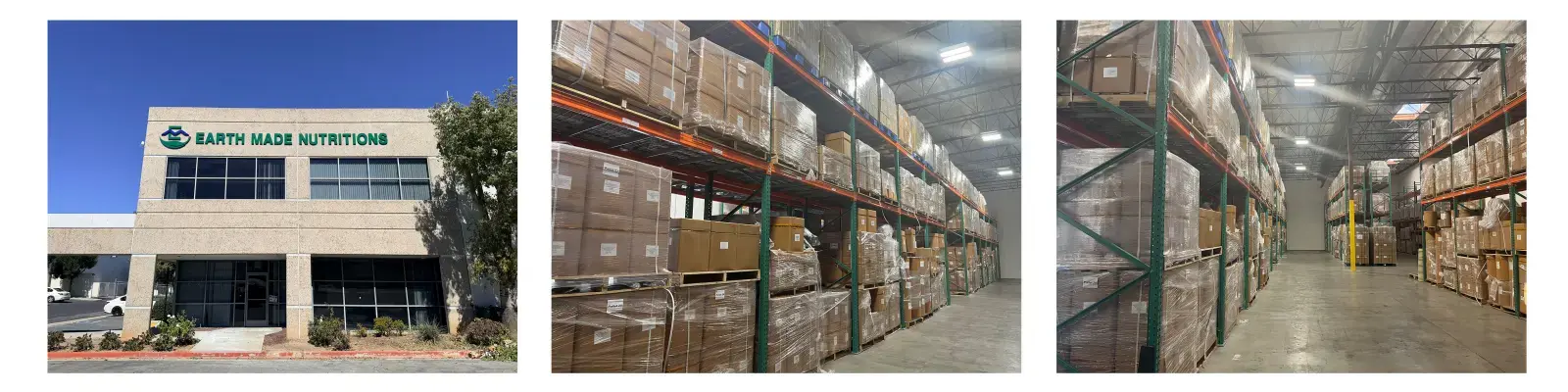
Packaging in 25 kg drums strikes a good mix between saving money on materials and making them easy to handle. Polyethylene bags inside keep wetness out, and fiber drums protect the structure during shipping. Logistics plans have a big effect on the total landed cost. For example, U.S.-based stores get rid of the delays and complications that come with foreign freight and customs. Earth Made Nutritions Inc. runs four large warehouses in the U.S., which let customers pick up in-stock items in just two days. This cuts down on the cost of keeping goods and makes the supply chain more flexible.
Private Label and OEM Opportunities
With private label services, common items can be turned into tools that help a brand stand out. When suppliers offer creative mixing, they can mix Guarana Seed Extract powder with other plants, vitamins, or minerals to make unique mixtures. Brands can put out products without having to spend a lot of money on manufacturing equipment because custom package designs, label printing, and even encapsulation services for final products are all available.
OEM partnerships are good for well-known brands that want to expand their production or reach new areas. To give current formulas to contract makers, you need to include specific details, data on how stable the formula is, and quality agreements that protect intellectual property. For OEM relationships to work, quality standards must be the same, cost structures must be clear, and output minimums must be fluid to account for changes in demand.
Ensuring Quality and Compliance Throughout the Supply Chain
Critical Certifications and Third-Party Verification
Full certification portfolios show that a provider of Guarana Seed Extract powder is dedicated to quality and safety. The NSF GMP certification confirms that pharmaceutical-grade production practices are followed, such as teaching staff, keeping an eye on the surroundings, and calibrating equipment. FSSC22000 covers food safety management all along the supply chain, from receiving raw materials to distributing finished goods.
Kosher and Halal approvals allow more religiously observant consumers to enter the market. However, they require that ingredient sources be checked and processes be separated to avoid cross-contamination. The ISO guidelines for quality management (ISO 9001) and environmental management (ISO 14001) show how to improve things over time and keep going in the long term.
Asking for third-party lab analysis from separate labs is a fair way to make sure that the supplier's COA is correct. Testing at approved labs like Eurofins or SGS makes due diligence stronger, especially when setting up new supply relationships. Retesting on a regular basis during ongoing buying finds quality drift and makes suppliers more responsible.
Traceability and Adulteration Prevention
Botanical extract adulteration is a problem that keeps happening because people who aren't honest are tempted by money to use cheaper materials or reduce the active ingredients. Strong traceability systems that keep track of products from the time they are grown until they are packaged make people responsible and discourage fraud. Blockchain-enabled platforms now offer permanent records of changes in the ownership of goods in the supply chain. However, paper-based systems can still work if they are kept up to date.
Supplier checks that look at how raw materials are received, how they are tested in the process, and how the end product is released can find weak spots. Suppliers who show full identity testing using different analysis methods (like HPTLC, HPLC, and maybe NIR spectroscopy) give more proof that the goods are genuine. When compared to buying on the spot market from unknown sources, long-term supply ties with a past of consistent performance lower the risk of adulteration.
Conclusion
To make high-quality Guarana Seed Extract powder, you need to use complex processing methods that keep the beneficial ingredients safe and consistent. Specialized tools and strict quality control systems are needed for the many steps in the production process, from choosing the seeds to extracting, drying, and standardizing them. When making B2B purchasing choices, it's helpful to understand how complicated manufacturing can be. This lets buyers choose a seller based on things like certifications, analytical skills, and supply chain openness. Certified organic guarana is a key ingredient in beverages, cosmetics, and pharmaceuticals because of the growing demand for plants with clean labels that come from sustainable sources.
FAQ
Q1: What is the typical caffeine content in guarana seed extract standardized to 50% chlorogenic acids?
This standard is mostly about the amount of chlorogenic acid present. In water-ethanol solutions, the amount of natural caffeine is usually between 3 and 5 percent. The standardization of chlorogenic acid focuses on its antioxidant power rather than its stimulating effects. This creates a unique ingredient profile that can be used in formulas that prioritize both energy support and cellular protection. If a buyer needs a certain amount of caffeine in their Guarana Seed Extract powder, they should ask for customized specs with dual standardization.
Q2: How should you store Guarana Seed Extract powder so that it stays effective?
For the best keeping, things need to be kept away from light, wetness, heat, and oxygen. Bioactivity is kept in sealed packages kept below 25°C in low-humidity places. Once packages have been opened, they should be quickly sealed again to keep air out. Vacuum-sealed packing keeps polyphenolic chemicals from breaking down due to oxygen, which extends the shelf life. If you store something properly, it will stay active for 24 months after the date it was made.
Q3: Does organic approval have a big effect on how well ingredients work?
Organic approval is mostly about how plants are grown and processed, not about their natural bioactivity. However, organic farming methods that don't use synthetic herbicides lower residue worries and are in line with the clean-label stance. There aren't many differences in performance between organic and regular extracts when they both meet the same strength standards. This means that the choice comes down to how the brand is positioned and what the target market wants.
Partner with Earth Made Nutritions Inc for Premium Guarana Seed Extract Powder
Earth Made Nutritions Inc is a reliable source for Guarana Seed Extract powder. They offer approved organic, high-purity products that meet strict international standards. Our operations in California combine advanced research and development with four carefully placed U.S. warehouses that ensure fast fulfillment—in-stock items ship within two days, lowering the cost of keeping goods on hand while keeping supplies flowing.
There are many approvals for each batch, such as NSF GMP, FSSC22000, Kosher, Halal, ISO, and Organic. There is also full analytical paperwork to back up our 50% chlorogenic acid specification. Our 25 kg minimum order size is good for projects that are still in the planning stages, and our bulk price rewards teams that buy a lot. Free freebies let you try something without any risk before committing.
Our idea of sustainable buying and care for the environment is in line with that of brands that put an emphasis on responsible supply chains. Email our technical team at info@em-herb.com to talk about your unique recipe needs, get technical data sheets, or set up shipping of samples. Find out how working with a well-known company that makes Guarana Seed Extract powder can help your business by giving you better quality products, faster service, and lower costs.
References
1. Espinola, E.B., Dias, R.F., Mattei, R., and Carlini, E.A. "Pharmacological Activity of Guarana (Paullinia cupana Mart.) in Laboratory Animals." Journal of Ethnopharmacology, vol. 55, no. 3, 1997, pp. 223-229.
2. Kennedy, D.O., Wesnes, K.A., Milne, A.L., and Scholey, A.B. "A Double-Blind, Placebo-Controlled, Multi-Dose Evaluation of the Acute Behavioural Effects of Guarana in Humans." Journal of Psychopharmacology, vol. 21, no. 1, 2007, pp. 65–70.
3. Bittencourt, L.S., Machado, D.C., Machado, M.M., Dos Santos, G.F., Algarve, T.D., Marinowic, D.R., Ribeiro, E.E., Soares, F.A., Barbisan, F., Athayde, M.L., Cruz, I.B., and Da Cruz, J.G. "The Protective Effects of Guarana Extract (Paullinia cupana) on Fibroblast NIH-3T3 Cells Exposed to Sodium Nitroprusside." Food and Chemical Toxicology, vol. 53, 2013, pp. 119–125.
4. Schimpl, F.C., Silva, J.F., Gonçalves, J.F., and Mazzafera, P. "Guarana: Revisiting a Highly Caffeinated Plant from the Amazon." Journal of Ethnopharmacology, vol. 150, no. 1, 2013, pp. 14–31.
5. Portella, R.L., Barcelos, R.P., Rosa, E.J., Ribeiro, E.E., Cruz, I.B., Suleiman, L., and Soares, F.A. "Guarana (Paullinia cupana Kunth) Effects on LDL Oxidation in Elderly People: An In Vitro and In Vivo Study." Lipids in Health and Disease, vol. 12, 2013, article 12.
6. Klein, T., Longhini, R., Bruschi, M.L., and Mello, J.C. "Development of an Analytical Method Using HPLC-UV for the Quantification of Phenolic Compounds and Methylxanthines in Guarana-Based Dietary Supplements." Journal of Pharmaceutical and Biomedical Analysis, vol. 131, 2016, pp. 119–125.