- English
- French
- German
- Portuguese
- Spanish
- Russian
- Japanese
- Korean
- Arabic
- Irish
- Greek
- Turkish
- Italian
- Danish
- Romanian
- Indonesian
- Czech
- Afrikaans
- Swedish
- Polish
- Basque
- Catalan
- Esperanto
- Hindi
- Lao
- Albanian
- Amharic
- Armenian
- Azerbaijani
- Belarusian
- Bengali
- Bosnian
- Bulgarian
- Cebuano
- Chichewa
- Corsican
- Croatian
- Dutch
- Estonian
- Filipino
- Finnish
- Frisian
- Galician
- Georgian
- Gujarati
- Haitian
- Hausa
- Hawaiian
- Hebrew
- Hmong
- Hungarian
- Icelandic
- Igbo
- Javanese
- Kannada
- Kazakh
- Khmer
- Kurdish
- Kyrgyz
- Latin
- Latvian
- Lithuanian
- Luxembou..
- Macedonian
- Malagasy
- Malay
- Malayalam
- Maltese
- Maori
- Marathi
- Mongolian
- Burmese
- Nepali
- Norwegian
- Pashto
- Persian
- Punjabi
- Serbian
- Sesotho
- Sinhala
- Slovak
- Slovenian
- Somali
- Samoan
- Scots Gaelic
- Shona
- Sindhi
- Sundanese
- Swahili
- Tajik
- Tamil
- Telugu
- Thai
- Ukrainian
- Urdu
- Uzbek
- Vietnamese
- Welsh
- Xhosa
- Yiddish
- Yoruba
- Zulu
Learn about the versatility and nutrients of pure Chlorella Powder before utilising it in health programs. Chlorella pyrenoidosa's fine green powder provides about 2,000 mg/100g chlorophyll, 55–65% dry weight protein, and essential amino acids. Procurement teams may readily add this component to vitamin, functional drink, and sports nutrition products. Choosing high-quality, cell wall-disrupted versions with >95% bioavailability ensures end consumers get all the nutrients. Correct formulation and storage will preserve the product's usefulness.
Understanding Pure Chlorella Powder and Its Benefits
What Makes Pure Chlorella Powder Unique
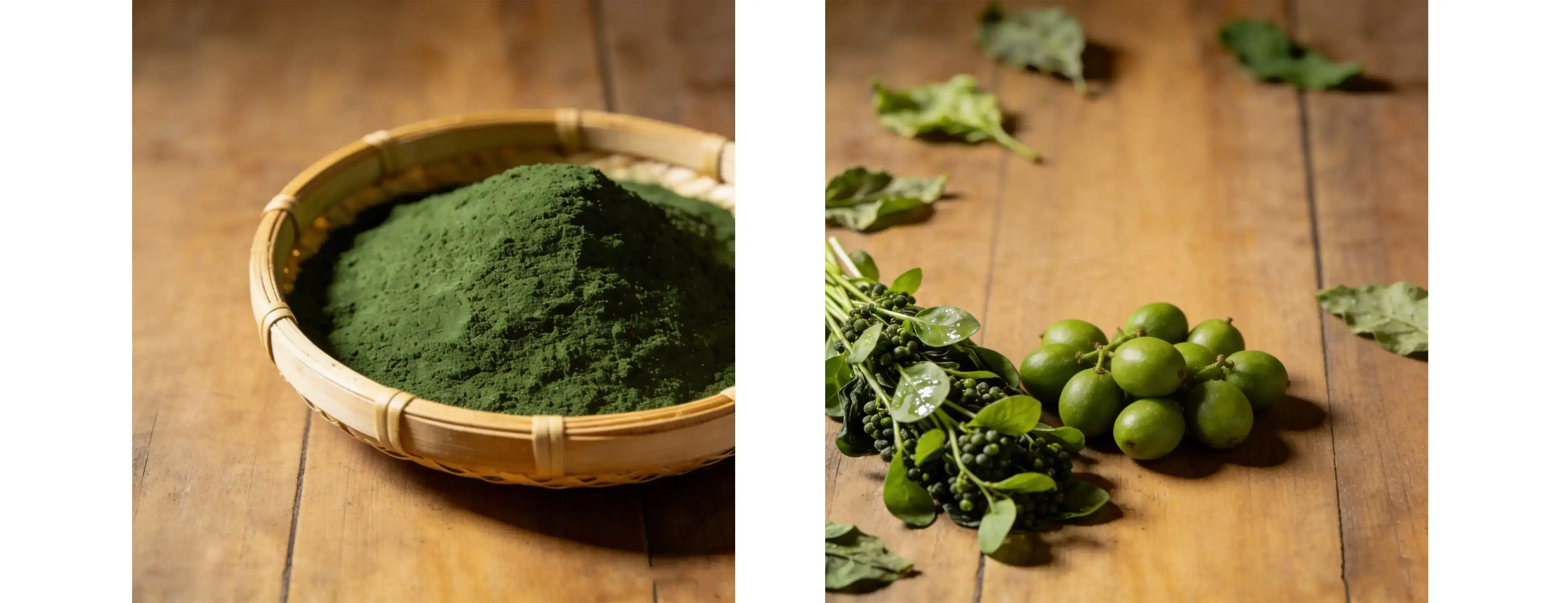
Pure Chlorella Powder is different from other green superfoods because it has a unique set of nutrients and special ways of being made. Chlorella, unlike spirulina or wheatgrass, has its cell walls broken down mechanically using Dyno-Mill technology. This increases its solubility from less than 40% to over 80%. This step in the processing solves a very important problem for formulators: they need accessible nutrients without affecting the purity of the ingredients. The powder is different from other algae-based products because it has Chlorella Growth Factor (CGF), a nucleotide-peptide complex that makes up 3–5% of the biomass. When R&D leaders look at suppliers, they should give more weight to goods with known cell wall crackage rates and low pheophorbide amounts (below 60 mg%) to keep end users from having photosensitivity issues.
Nutritional Composition and Functional Properties
These data regarding fine pure Chlorella Powder illustrate why formulators need it. With a moisture percentage below 7% and ash content below 8%, this powder is stable throughout manufacture and doesn't absorb water. It offers the same protein content as other sources and all nine necessary amino acids, making it ideal for sports nutrition. Food with chlorophyll levels over 2,000 mg/100 g has a natural flavour that is stable at pH levels between 4 and 9 and can withstand brief heat processing up to 120°C. This stability eliminates formulation issues in acidic beverages and baked foods where synthetic colours or less stable plant pigments break down. It also helps clean-label companies meet customers' natural ingredient preferences.
Applications Across Wellness Segments
Formulators enjoy that pure Chlorella Powder serves many health demands throughout markets. Detoxifying products exploit their natural binding, whereas immune support solutions incorporate beta-glucan. Energy and health goods benefit from B vitamins and iron. This is particularly true with vegan supplements. Weight management products employ it as a nutrient-dense, low-calorie meal that fills you up. The thixotropic powder in water requires precise formulation but allows for novel liquid supplements. Cosmetic experts are increasingly studying pure Chlorella Powder for skin. It may be used for more than supplements since anti-aging serums and repair creams employ its amino acids and antioxidants.

Incorporating Pure Chlorella Powder Into Wellness Programs
Formulation Considerations for Different Product Types
Integration requires understanding how pure Chlorella Powder behaves in diverse media. It sticks together naturally, so tablet and capsule recipes require fewer synthetic binders like magnesium stearate. This improves "clean label" placement. When treated properly, the powder can withstand high-speed tableting friction without damaging heat-sensitive enzymes. Drink makers must consider suspension. Ready-to-drink beverages employ lecithin or gum arabic for consistency. Protein powder mixtures must hide the harsh flavour of pure chlorella powder, which some individuals don't enjoy. Natural vanilla, peppermint, or berry flavours complement this taste, keeping the clean-label guarantee. Food technologists should add 2–5% pure Chlorella Powder to nutritious snacks and baked items. This won't impact the texture and adds nourishment.
Purchases and product releases depend on the merging timeframe. Adding pure Chlorella Powder to existing product lines takes 3–6 months for development teams to assess stability and enhance flavour and fragrance. Companies should acquire enough samples to undertake accelerated shelf-life research in various storage conditions at this period. Obscure packaging materials and temperature-controlled transport routes are essential since light and warmth rapidly reduce chlorophyll concentration. Technical standards impact more than raw material costs when calculating overall cost.
Client-Specific Wellness Program Strategies
Distinct client groups need distinct chlorella-based wellness plan implementation strategies. Vegans and vegetarians enjoy that it provides all the important proteins and minerals, although formulators should note that algal B12 may be less bioavailable than animal B12. Athletic performance programs benefit from 3–5 grams of protein daily around exercises to aid recovery and protein synthesis. Corporate health programs choose 2-gram single-serving sachets for eating regularity. Mix them into morning smoothies or post-workout liquids. Detoxification procedures need 3–4 grams of it daily for 4–6 weeks, coupled with hydration standards.
Real-world software use examples demonstrate good design. Functional beverage firms developed 12-ounce ready-to-drink green juice blends with 2 grams of pure Chlorella Powder. These beverages targeted busy city workers who desired simple nourishment. For endurance athletes, sports supplement companies produce tablets with pure Chlorella Powder, electrolytes, and branch-chain amino acids. Food replacement powders with plant-based mixtures added 5% pure Chlorella Powder. By adding cocoa and natural sweeteners, the mixtures became healthier without sacrificing flavour.
Storage and Handling Best Practices
For ingredient purity, certain supply chain norms must be observed. Pure Chlorella Powder should be stored below 25°C in vacuum-sealed aluminised bags. Distribution centers should adopt first-in, first-out inventory management and perform protein and colour stability quality tests every three months. For daily usage, formulators should package large volumes of material in smaller packets to avoid repeated air exposure. Manufacturing locations benefit from nitrogen-flushed storage for high-volume operations that employ ingredients for more than 90 days. These safety methods prevent omega-3 fatty acid oxidation and chlorophyll degradation, which diminish product value and consumer perception.
Procuring Pure Chlorella Powder for Global B2B Clients
Supplier Evaluation Criteria
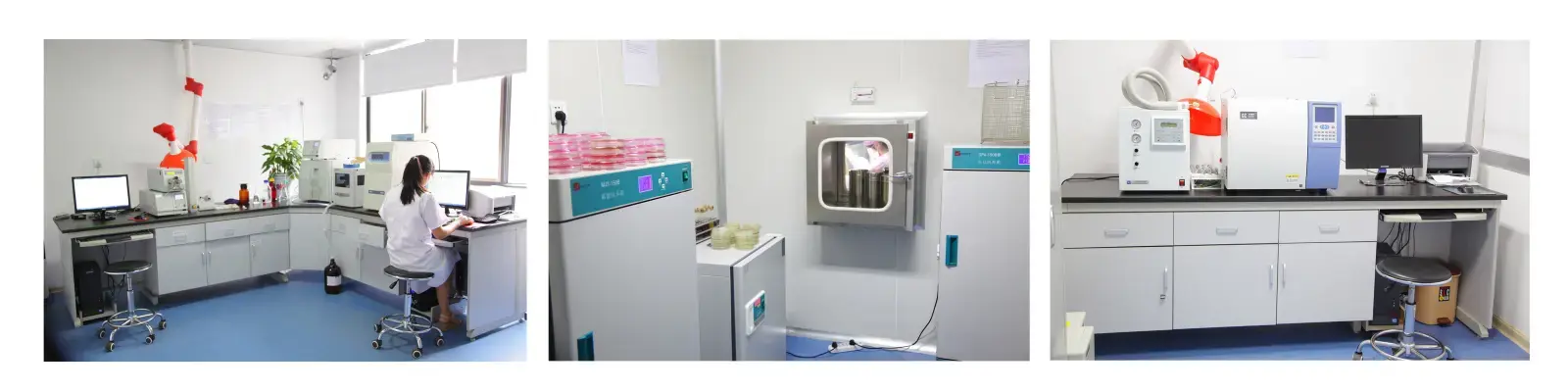
When purchasing managers look at pure Chlorella Powder providers, they should put an emphasis on certification portfolios that show a wide range of quality systems and legal compliance. The best makers keep their NSF GMP, FSSC22000, Kosher, Halal, ISO, and Organic certifications, which show that they have invested in quality infrastructure and can sell their products in other countries. The Certificate of Analysis should list the amount of protein, chlorophyll, moisture, ash, heavy metals (such as lead, arsenic, cadmium, and mercury), bacteria counts, and pesticide residue screening results. When suppliers make it easy to track back to the farms where the plants were grown, brands can tell source stories that connect with environmentally conscious customers.
Manufacturing skills have a big effect on how consistent products are and how reliable supplies are. When compared to open-pond farming, pure Chlorella Powder grown in closed-system photobioreactors is cleaner. This is because outdoor pollutants and competing microorganisms are less likely to get into the pure Chlorella Powder. The way the cell wall is broken down changes bioavailability and should be recorded with exact cracking rate numbers. Some organic standards don't allow irradiation, but steam sterilization or flash pasteurization does a better job of keeping sensitive chemicals safe. A supplier's ability to support unique specs or co-development projects can be seen by how well they use advanced extraction equipment and have professional research and development teams.
Organic Versus Conventional Options
When deciding between organic and conventional farming, you have to weigh the costs, the licensing requirements, and the marketplace. Organic pure Chlorella Powder usually costs 25–40% more than regular pure Chlorella Powder, but it lets you place your goods higher and make them eligible for certified organic end products. When grown with manmade nutrients, conventional pure Chlorella Powder from reputable sources usually meets the same purity standards for heavy metals and contaminants. Brands that want to reach a wide range of people who are interested in health may find that standard choices are a better deal, allowing them to spend less on marketing and sales. More and more, premium supplement brands and natural cosmetic companies need organic approval as a minimum to match their brands and get into retail channels. This makes the premium investment a must, not a choice.
Strategies for buying in bulk have a big effect on unit economics. Small to medium-sized brands can test the market with minimum order numbers as low as 25 kg, while established makers can negotiate better prices when they buy 500 kg or more. Payment terms, such as net-30 or net-60 agreements, affect how you handle your cash flow and should be discussed at the same time as the price. Value-added services set competitive sellers apart. For example, offering free samples lets you try out different formulations without having to commit to a full order, and having in-stock items and allowing two-day pickups reduces the problems that can happen in the supply chain when shipping goods across foreign borders.
Logistics and Distribution Advantages
Domestic storage capabilities completely change how US-based buyers buy things. Suppliers with four main warehouses in the US get rid of the long wait times, customs problems, and need for a minimum number of containers that come with direct imports. Just-in-time inventory management is possible with local delivery. This frees up working capital that would otherwise be used to buy ingredients and lowers the cost of storage. With the ability to quickly restock and two-day pickup for in-stock items, operations are flexible during times of high demand or when new products come out. This investment in infrastructure shows that the seller is committed to the North American market. It also lowers the risks compared to operations that only operate overseas, which could be affected by shipping delays or political unrest.

Evaluating Pure Chlorella Powder: Quality and Cost Considerations
Technical Quality Parameters
Buyers who are picky look at the quality of pure Chlorella Powder through more than just nutritional analysis. The mesh size standard (120–200 mesh) affects how well powder blends mix and how suspensible they are in liquid uses. Consistency in particle size distribution between runs makes sure that the formulation behaves predictably and that the result looks the same everywhere. Using standard LAB color space values to measure colors helps find differences from batch to batch that could mean processing problems or changes in the quality of the raw materials. Protein content should stay in narrow ranges (55–65% dry weight) instead of going up and down a lot, which could mean that the growing conditions were changing or that other animals got into the food.
Purity tests look at what shouldn't be there, along with the nutrients that are wanted. Heavy metal tests must show amounts that are much lower than the FDA's limits for lead (<0.5ppm), arsenic (<0.5ppm), cadmium (<0.3ppm), and mercury (<0.1ppm). Microbial requirements include a total plate count of less than 30,000 CFU/g, yeast or mold counts of less than 300 CFU/g, and no E. coli or Salmonella. Pesticide screening screens that look at more than 200 chemicals give growers peace of mind about their methods. Label claims that are backed up by allergen tests and GMO verification are very important for sensitive consumers and certain market groups.
Pricing Dynamics and Market Trends
The price of pure Chlorella Powder around the world is affected by many factors, including the amount that can be grown, the cost of energy, and the value of certifications. When buying in bulk, conventional grades usually cost between $45.75 and $110 per kilogram, while organic certified material costs between $65 and 110 per kilogram, based on the amount ordered and the seller. Pricing is affected by where the goods come from. For example, Asian sellers often offer cheaper base prices but also have higher logistics costs and longer wait times. On the other hand, North American producers charge more because they are closer, provide better service, and follow the same rules.
Market predictions show steady demand growth, driven by trends in plant-based diet and efforts to make products more "clean." Increasing the supply capacity in controlled farming sites should keep prices from going up too much compared to goods that depend on the availability of farmland. Futures signs, like changes in energy costs that affect how photobioreactors work and changes in regulations around new food ingredients that could open up or close down market possibilities, are useful for procurement managers to keep an eye on.
Building Strategic Supplier Relationships
Long-term relationship building goes beyond one-time purchases to give businesses an edge over their competitors. By evaluating original samples and building relationships with suppliers, you can see for yourself the quality of the product and try out different formulations without taking any financial risks. Regular facility visits and quality audits help everyone understand and trust each other, showing practical skills that go beyond what marketing materials say. Collaborative product creation uses the technical know-how of suppliers, which is especially helpful when coming up with new ways to send products or solving specific formulation problems like hiding flavors or improving stability.
As corporate social responsibility goals get more serious, sustainability pledges become a bigger factor in choosing suppliers. Suppliers who clearly explain their environmental practices, such as recycling water for farming, using green energy, and reducing trash, are in line with brand ideals and stakeholder standards. Being open about work policies and community involvement shows that a business is acting ethically, going above and beyond what is required by law. Even though these qualitative factors are harder to measure than price, they play a big role in making supply chains strong and managing brand image in a time when consumers are more careful than ever.
Conclusion
Adding pure Chlorella Powder to wellness programs that work requires combining technical requirements, quality control, and the dependability of the provider with long-term business goals. Formulators can make supplements, useful foods, and cosmetics that work well by using premium pure Chlorella Powder from Chlorella pyrenoidosa, which has been shown to disrupt cell walls, come with a lot of approvals, and have stable nutrient profiles. When deciding what to buy, procurement decisions should take into account things like brand image, budget constraints, and the availability of organic vs. conventional choices. They should also give priority to sellers who offer domestic storage, quick service, and work together as a team. Pure Chlorella Powder is a natural ingredient that can help brands stand out by being honest and effective, and there is a growing demand for plant-based ingredients with clean labels.
FAQs About Pure Chlorella Powder in Wellness Programs
1. What advantages does regular chlorella powder use provide?
Multiple routes support overall health when used regularly. The high protein content (55–65%) gives you important amino acids that your body needs to keep muscles healthy and your metabolism running smoothly. The powder's unique green color comes from having more than 2,000 mg/100g of chlorophyll, which is respected in traditional health practices. Chlorella Growth Factor (CGF) gives this type of microalgae nucleotides and peptides that are only found in it. The beta-glucan content is good for your overall health, and the fiber content helps keep your digestive system normal. Because it has so many nutrients, pure Chlorella Powder is great for plant-based diets that care about nutrient density.
2. How can procurement teams verify chlorella powder authenticity?
The first step in authentication is a thorough study of all the paperwork. Ask for Certificates of Analysis that list the amount of protein, chlorophyll, moisture, ash, and cell wall cracking rates. Instead of taking copies, check the supplier's certifications through the organizations that issued them. For example, NSF GMP, FSSC22000, Organic, and ISO certifications are regularly audited. When you can, visit the facilities of your suppliers to look at their growing systems, processing tools, and quality control labs. Testing samples by independent laboratories as a third party gives objective confirmation of specs. Build ties with sellers who can show you clear traceability systems that track the product from being grown to being processed to being packaged.
3. What considerations matter when selecting between chlorella suppliers?
When judging, you should look at things like quality standards, certifications, transportation skills, and the chance of forming a relationship. To figure out how reliable one batch of food is compared to another, compare the protein and green content stability across several COAs. Check the method used to break down the cell wall and the rates of cracking that have been recorded, as this is a key factor in determining absorption. Check out the local holding options that let you respond quickly to orders and cut down on lead times. Think about providers who offer free samples, flexible minimum order numbers, and expert help for creating new formulations. As standards for business duty change, sustainability practices and paperwork about ethical sourcing become more important. Instead of just fighting on price, suppliers can create long-term value by putting money into good infrastructure, quick contact, and working together to solve problems.
Strengthen Your Product Line with EM's Premium Pure Chlorella Powder Supplier
Earth Made Nutritions Inc. (EM) offers exceptional value to formulation managers and purchasing workers looking for a trusted source of pure Chlorella Powder. Our Chlorella pyrenoidosa powder has more than 2,000 mg/100g of chlorophyll and a protein level of 55–65%. It is certified by NSF GMP, FSSC22000, Kosher, Halal, ISO, and Organic. With four carefully placed warehouses in the US, we can pick up in-stock orders in just two days, so there are no delays that mess up production plans. Our site in California uses both cutting-edge extraction technology and environmentally friendly methods to make sure that the quality stays the same from the time the plants are grown until they are packed in 25kg drums. Request your free taste today to get a feel for our technical specs for yourself. Get in touch with our purchasing experts at info@em-herb.com to talk about bulk prices, unique needs, and how our ingredients can improve the way your wellness programs are made.
References
1. Merchant, R.E., Andre, C.A., & Sica, D.A. (2002). Nutritional supplementation with Chlorella pyrenoidosa for mild to moderate hypertension. Journal of Medicinal Food, 5(3), 141-152.
2. Panahi, Y., Darvishi, B., Jowzi, N., Beiraghdar, F., & Sahebkar, A. (2016). Chlorella vulgaris: A multifunctional dietary supplement with diverse medicinal properties. Current Pharmaceutical Design, 22(2), 164-173.
3. Kay, R.A. (1991). Microalgae as food and supplement. Critical Reviews in Food Science and Nutrition, 30(6), 555-573.
4. Safi, C., Zebib, B., Merah, O., Pontalier, P.Y., & Vaca-Garcia, C. (2014). Morphology, composition, production, processing and applications of Chlorella vulgaris: A review. Renewable and Sustainable Energy Reviews, 35, 265-278.
5. Becker, E.W. (2007). Micro-algae as a source of protein. Biotechnology Advances, 25(2), 207-210.
6. Spolaore, P., Joannis-Cassan, C., Duran, E., & Isambert, A. (2006). Commercial applications of microalgae. Journal of Bioscience and Bioengineering, 101(2), 87-96.