- English
- French
- German
- Portuguese
- Spanish
- Russian
- Japanese
- Korean
- Arabic
- Irish
- Greek
- Turkish
- Italian
- Danish
- Romanian
- Indonesian
- Czech
- Afrikaans
- Swedish
- Polish
- Basque
- Catalan
- Esperanto
- Hindi
- Lao
- Albanian
- Amharic
- Armenian
- Azerbaijani
- Belarusian
- Bengali
- Bosnian
- Bulgarian
- Cebuano
- Chichewa
- Corsican
- Croatian
- Dutch
- Estonian
- Filipino
- Finnish
- Frisian
- Galician
- Georgian
- Gujarati
- Haitian
- Hausa
- Hawaiian
- Hebrew
- Hmong
- Hungarian
- Icelandic
- Igbo
- Javanese
- Kannada
- Kazakh
- Khmer
- Kurdish
- Kyrgyz
- Latin
- Latvian
- Lithuanian
- Luxembou..
- Macedonian
- Malagasy
- Malay
- Malayalam
- Maltese
- Maori
- Marathi
- Mongolian
- Burmese
- Nepali
- Norwegian
- Pashto
- Persian
- Punjabi
- Serbian
- Sesotho
- Sinhala
- Slovak
- Slovenian
- Somali
- Samoan
- Scots Gaelic
- Shona
- Sindhi
- Sundanese
- Swahili
- Tajik
- Tamil
- Telugu
- Thai
- Ukrainian
- Urdu
- Uzbek
- Vietnamese
- Welsh
- Xhosa
- Yiddish
- Yoruba
- Zulu
Cordyceps sinensis extract, which comes from a rare fungus and has fascinated experts and formulators all over the world, is one of nature's most interesting and useful ingredients. This concentrated bioactive powder takes hundreds of years of traditional knowledge and combines it with current extraction science to create uniform polysaccharides and adenosine compounds that help the body stay healthy and strong. Understanding this ingredient's unique properties, sourcing issues, and wide range of uses can help you make better purchasing decisions that are in line with clean-label trends and consumer demand for natural actives backed by evidence, whether you're making next-generation supplements, performance drinks, or natural skin care products.
What Is Cordyceps Sinensis Extract?
Origins and Botanical Background
The story starts on the Tibetan Plateau, which is more than 3,000 meters above sea level, and is where Cordyceps sinensis (Latin name: Cordyceps sinensis) grows naturally. This parasite fungus has an amazing life cycle, and it is usually found in remote mountain habitats. Today's supply lines use mycelium that has been grown in a controlled environment. This helps with issues of sustainability and quality stability that can't be guaranteed when collecting mycelium in the wild. This change is very important for buying workers who want to make sure that bioactive profiles are consistent and that regulations are followed in all global markets.
Extraction Technology and Processing Methods
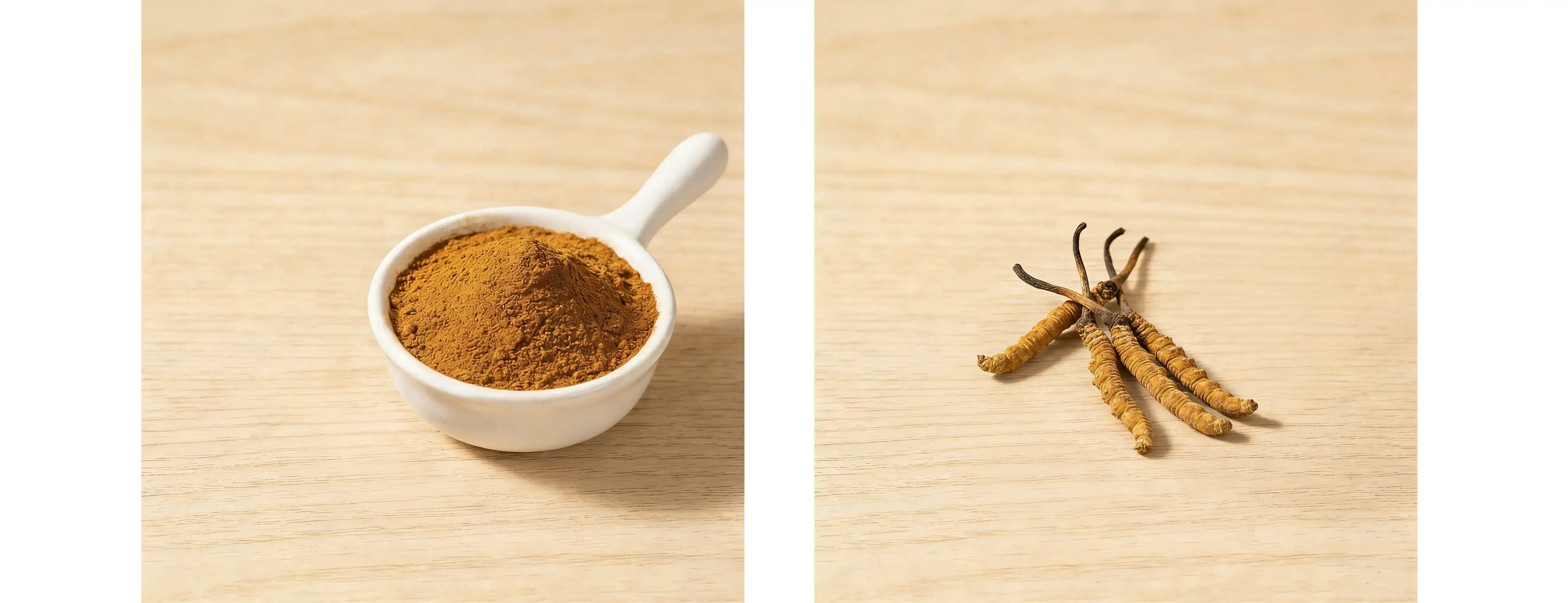
The usual method used in the business today is dual-solvent extraction, which uses both water and ethanol to get both lipophilic bioactives and hydrophilic polysaccharides. To get a brownish-yellow powder, the mycelium goes through controlled enzymatic treatment, liquid extraction, filtration, concentration, and spray drying. Bioavailability is higher with this method than with raw fungal material, where chitinous cell walls make uptake harder. Knowing these differences in processing helps formulators choose ingredients that give measured results in finished goods instead of just making the labels look better.
Key Bioactive Components
Polysaccharides with a concentration of 30% to 50% are the main sign for differentiation. They are made up of complex carbohydrate chains that interact with immune receptors. Quality levels are also defined by the amount of adenosine, cordycepin, and mannitol present. Beta-glucans measure immunologically active (1,3/1,6) links, which lets you tell the difference between high-quality extracts and those that are watered down with starch fillers that don't work. So that suppliers' claims are based on real biochemical makeup and not just marketing stories, procurement teams should ask for HPLC verification results that prove these markers.
Health Benefits and Scientific Research
Immune System Modulation and Antioxidant Activity
Research that has been published in peer-reviewed journals shows that polysaccharide parts of cordyceps sinensis extract work with natural killer cells and macrophages to help keep the immune system in balance. The antioxidant profile, which can be found by measuring ORAC values, shows how well a substance can get rid of free radicals. This helps with oxidative stress processes that are linked to cellular aging. Because of these reasons, sports nutrition companies use cordyceps mycelium preparations in healing formulas to appeal to people who want natural alternatives to artificial immune system boosters.
Energy Metabolism and Athletic Performance
Studies that look at the processes that make ATP show that chemicals found in cordyceps help mitochondria work better and use oxygen more efficiently. VO2 max and lactate threshold got better in runners who took standardized extracts, according to studies released between 2015 and 2023. This body of evidence is appealing to people who make functional drinks and performance nutrition products who want to back up their claims with clinical proof. It's important to stick to the same dose every day. Controlled studies have shown that standardized extracts giving 1 to 3 grams of 40% carbohydrate material show measurable results.
Respiratory Function and Fatigue Reduction
Modern studies that measure lung capacity markers and perceived fatigue scores back up old uses that focused on respiratory resistance. These ingredients can help open up airways and make cells make more energy, which means they can be used in formulas for older people and high-altitude performance goods. Anti-fatigue research also has cosmetic uses. For example, skincare formulators are looking into how to use topical applications for under-eye treatments and face energy products.
Anti-Inflammatory Pathways and Cellular Aging
Molecular study shows that cordyceps bioactives can stop COX-2 from working and change the NF-κB pathway, which explains why it has been used for a long time to treat inflammation. Studies on telomerase activity and reducing oxidative harm have led to uses in anti-aging. Pharmaceutical research and development teams are looking at natural compound libraries for drug development pipelines because of these results. Nutraceutical brands are also putting their goods in the life and healthy aging market segments.
How to Use Cordyceps Sinensis Extract Effectively
Dosage Guidelines Across Applications
Most people take between 1 and 3 grams of pure extracts standardized to 40 to 50 percent carbohydrates every day. In pre-workout or recovery formulas, sports nutrition items often have 500 to 1000 mg per dose. To find a good balance between effectiveness and cost, functional drinks usually have 200 to 500 mg per dose. These groups can be used as starting points for formulating, with changes made based on target audiences, ingredients that work well together, and the desired position that is wanted. Specifications for procurement should take into account differences in concentration—for example, a 30% extract needs a higher dose than a 50% standard to give the same amount of bioactive material.
Product Form Selection and Bioavailability
Whether to use a powder, capsule, or liquid extract style relies on how the product can be made and what the target market wants. Powders give you the most options for making drinks, bars, and custom mixes, but you need to make sure they dissolve properly because alcohol precipitation processes make functional waters clearer. Traditional supplement channels like capsules because they are easy to dose and last longer. Knowing the bulk density (0.45-0.65 g/ml) and tapped density standards affects how well packing works and how well filling equipment works during industrial production.
Regulatory Considerations and Labeling
Different places have very different rules about compliance. Under DSHEA, the U.S. market treats cordyceps sinensis extract products as dietary ingredients, which means they need to have the right supplement facts panels and structure-function claim limits. Novel Food ratings are needed for certain products on the European market. Export-focused companies benefit from sellers with NSF GMP, FSSC22000, Kosher, Halal, ISO, and Organic standards, which makes shipping to multiple markets easier. For serious procurement operations handling compliance risk across supply lines, the right paperwork is a must. This includes Certificates of Analysis, allergen statements, and country-of-origin certificates.

Comparing Cordyceps Sinensis Extract with Other Mushroom Extracts and Forms
Cordyceps Sinensis vs. Cordyceps Militaris
Even though both species are called Cordyceps, their biological profiles are very different. Cordyceps militaris has higher natural cordycepin concentrations, which makes it appealing to drug researchers who are looking for specific chemical paths. Cordyceps sinensis has generally been an expensive product because of its ethnobotanical history and polysaccharide complexity. Choosing what to buy should be based on your product goals. Military fungus is good for cordycepin-focused innovation, while Sinensis mycelium extracts have a bigger market share and are known to be safe for all types of consumers.
Extract Strength vs. Raw Powder
Raw cordyceps powder has the whole fungus material, including chitin that can't be digested, and different amounts of bioactive substances. When concentrated extracts are purified, inactive parts are taken out. This leaves uniform specs that can be used for dose-controlled formulas. The difference in price is due to the amount of work that goes into making them. Quality extracts cost between $80-200/kg, based on the content and certifications, while raw powder costs between $30-60/kg. Value analysis has to weigh the cost of the ingredients against how well the recipe works and where it fits in the market. Premium brands explain the cost of extracts by saying that their products are more bioavailable and have better labels.
Organic Certification and Sourcing Transparency
Organic approval meets the growing needs of consumers who want crops grown without pesticides and safe ways to get food. During the approval process, the substrate materials, fermentation conditions, and processing tools are checked to make sure they meet organic standards. This is especially important for natural skincare brands and breaking into the European market, where organic branding is a big part of why people buy. Professional suppliers can be told apart from commodity traders who don't have traceability infrastructure by their sourcing openness, which includes heavy metal tests showing Lead <2ppm, Arsenic <1ppm, and DNA barcoding proof.
Sourcing Premium Cordyceps Sinensis Extract: A Procurement Framework
Supplier Qualification and Quality Assurance
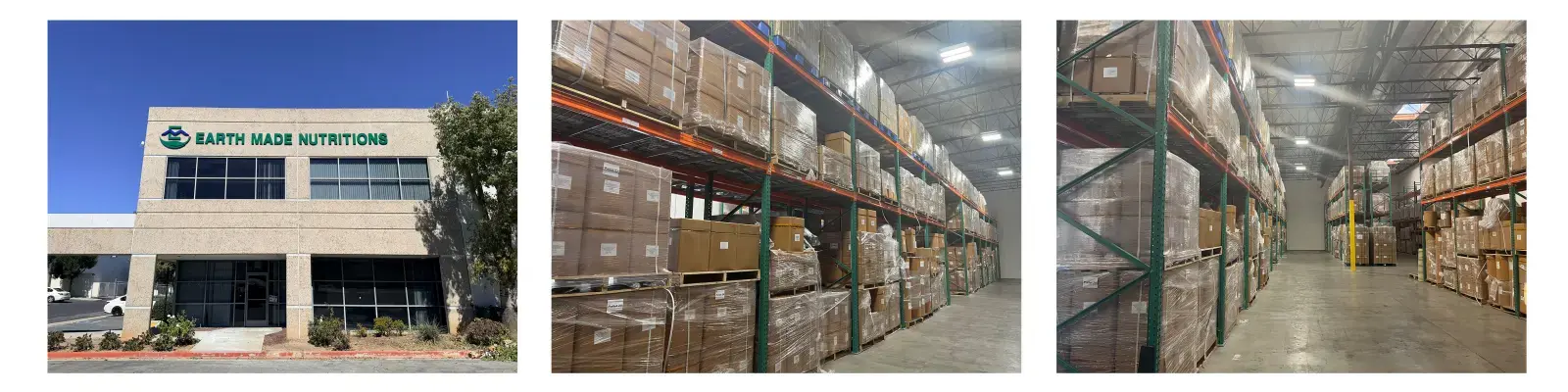
Full supplier checks are the first step in building trusting relationships with ingredient suppliers. Earth Made Nutritions Inc., which was started in 2018 and is based in California, has the kind of quality infrastructure that serious buyers want. Using separate factories with high-tech extraction tools makes sure that each batch is the same, which isn't possible with third-party tolling arrangements. The business keeps its NSF GMP, FSSC22000, Kosher, Halal, ISO, and Organic certifications up to date, and it offers paperwork packages that meet the requirements of regulations in many foreign markets. When looking at possible suppliers, you should ask for site audit records, documentation on your quality management system, and customer reference contacts from well-known names.
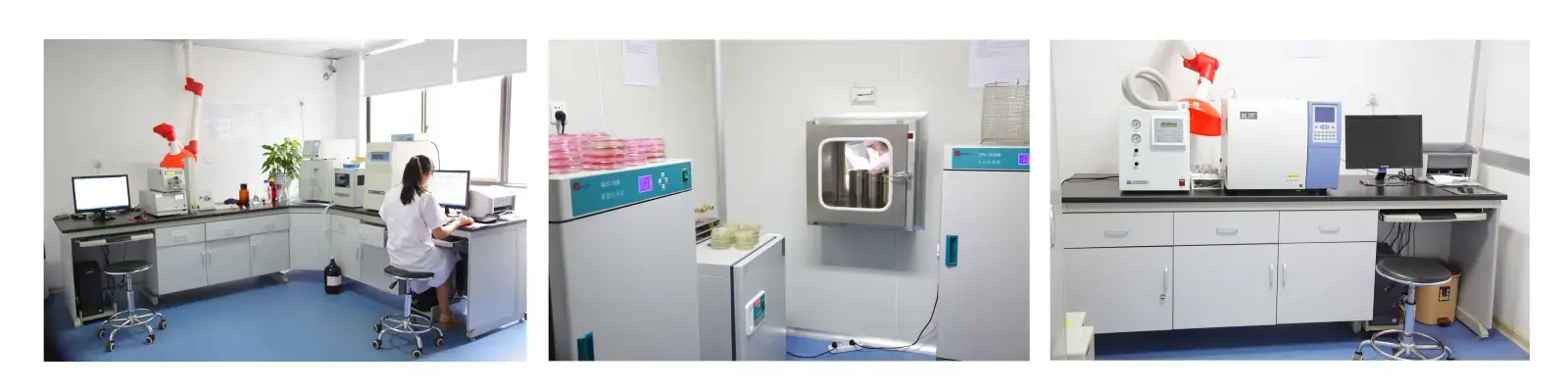
Protocols for quality control should include more than one level of proof. Microbiological tests must show that the Total Plate Count <1,000 cfu/g, and there can be no E. Coli and Salmonella. ICP-MS heavy metal research should make sure that the limits set for pharmaceutical-grade materials are met. HPLC fingerprinting proves the species and bioactive content, which stops cheaper mushroom types or maltodextrin fillers from being mixed in. Suppliers who post typical COA results on their websites as part of thorough testing transparency show faith in manufacturing standards that should be taken into account when choosing a supplier.
Pricing Dynamics and Bulk Purchase Strategies
The price of cordyceps sinensis extract on the market changes depending on the content, the number of certifications, and the number of orders. The 25 kg minimum order amount is usual for getting started in the business. However, established relationships can lead to better price levels for 100 kg or more contracts. Cost structures are affected by the amount of extraction, the quality of the liquid, and the drying technology used. For example, premium spray-dried extracts are more expensive than drum-dried options that don't dissolve as well. Strategic buyers arrange yearly supply deals that lock in stable prices and make sure they get what they need when supplies are low.
Logistics, Infrastructure, and Regulatory Documentation
Finding good ingredients isn't just about getting high-quality products; it's also about making sure the supply chain works well. Earth Made Nutritions Inc. has four carefully placed warehouses in the United States. This lets them quickly ship orders across the entire United States while keeping freight costs and travel times to a minimum. This local logistics network is especially helpful when there are short deadlines for growth or sudden increases in demand. The normal packaging for 25 kg drums protects materials while also making them easy to handle. However, custom packaging can be made to fit specific production needs.
Documentation for import and export compliance decides whether foreign transactions go smoothly or have to wait for expensive customs delays. Professional sellers offer full sets of paperwork, such as commercial bills, packing lists, certificates of origin, phytosanitary certificates, and, if needed, kosher or halal paperwork. To figure out the total landing cost, you need to know the Harmonized Tariff Schedule classifications and the duty rates that go with them. When buyers want to enter more than one market, it helps if the suppliers they work with have experience with a variety of legal systems. This speeds up market entry and lowers the compliance risk exposure.
Conclusion
Cordyceps sinensis extract is a flexible ingredient that comes from a mix of traditional botanical knowledge and current nutritional science. More and more studies are supporting this claim. Knowing about extraction technology, bioactive standardization, and quality testing methods helps buying teams evaluate seller claims and choose partners who can help them reach their product development goals. Concerns about sustainability have been addressed by switching to farmed mycelium, which provides stability that can't be achieved by collecting it from the wild. As the need for natural ingredients with clean labels and evidence-based research grows in supplement, functional food, cosmetic, and pharmaceutical uses, brands can gain a competitive edge in global markets that are always changing by working with certified suppliers who have strong quality systems and logistics infrastructure.
FAQ
1. What makes total polysaccharides different from beta-glucan specifications?
Total polysaccharides are a way to measure all carbohydrate groups, including alpha-glucans, which are inactive carbs. Beta-glucan precisely measures the number of immunologically active (1,3/1,6) molecule bonds that are responsible for cellular activity. When you have a lot of polysaccharides and not much beta-glucan, it usually means that starch filler was added instead of concentrated fungus extract.
2. How can buyers verify authentic Cordyceps sinensis versus adulterated products?
Ask for HPLC chromatograms that show the amounts of adenosine and cordycepin, along with polysaccharide tests. DNA barcoding or TLC fingerprinting confirms the species name, which stops cheaper mushroom types from being used instead. Heavy metal tests that show arsenic levels below 1 ppm mean the source is correct, since cordyceps bioaccumulates soil toxins when it is grown incorrectly.
3. What solubility characteristics should functional beverage formulators expect?
Premium extracts that use alcohol precipitation to get rid of tough fiber and chitin produce high-solubility powders that can be used in clear beverages without forming sediment. Before placing big orders, make sure you get information on solubility testing at the concentrations you want to use in the pH and temperature settings where you will be using the product.
Partner with Earth Made Nutritions Inc. for Premium Cordyceps Sinensis Extract
Earth Made Nutritions Inc. sells pharmaceutical-grade cordyceps sinensis extract that is made under strict quality control standards and has a lot of certifications, such as NSF GMP, FSSC22000, Kosher, Halal, ISO, and Organic qualifications. Our operations in California include advanced research and development (R&D) facilities and four domestic stores that make sure orders are filled quickly and customers are helped quickly. We offer 30-50% polysaccharide standardization made from pure mycelium using water and ethanol extraction. It comes in 25kg drums and can be picked up the same day for samples or two days later if it's in stock. As a provider of cordyceps sinensis extract that cares about sustainability and the environment, we give serious producers the technical documentation, quality consistency, and reliable services they need. Get in touch with us at info@em-herb.com to get free samples, talk about bulk prices, and find out how our cordyceps sinensis extract for sale can improve your product formulations with natural bioactives that have been proven to work, backed by scientific study and top-notch manufacturing.
References
1. Ng TB, Wang HX. "Pharmacological actions of Cordyceps, a prized folk medicine." Journal of Pharmacy and Pharmacology, 2005, 57(12): 1509-1519.
2. Chen S, Li Z, Krochmal R, et al. "Effect of Cs-4 (Cordyceps sinensis) on exercise performance in healthy older subjects: a double-blind, placebo-controlled trial." Journal of Alternative and Complementary Medicine, 2010, 16(5): 585-590.
3. Zhu JS, Halpern GM, Jones K. "The scientific rediscovery of an ancient Chinese herbal medicine: Cordyceps sinensis." Journal of Alternative and Complementary Medicine, 1998, 4(3): 289-303.
4. Holliday JC, Cleaver MP. "Medicinal value of the caterpillar fungi species of the genus Cordyceps: Current research and future applications." International Journal of Medicinal Mushrooms, 2008, 10(3): 219-234.
5. Paterson RRM. "Cordyceps: A traditional Chinese medicine and another fungal therapeutic biofactory." Phytochemistry, 2008, 69(7): 1469-1495.
6. Liu YF, Ooi VE, Chang ST. "Immunomodulating activity of medicinal mushroom extracts." International Journal of Medicinal Mushrooms, 1997, 3(2-3): 195-200.