- English
- French
- German
- Portuguese
- Spanish
- Russian
- Japanese
- Korean
- Arabic
- Irish
- Greek
- Turkish
- Italian
- Danish
- Romanian
- Indonesian
- Czech
- Afrikaans
- Swedish
- Polish
- Basque
- Catalan
- Esperanto
- Hindi
- Lao
- Albanian
- Amharic
- Armenian
- Azerbaijani
- Belarusian
- Bengali
- Bosnian
- Bulgarian
- Cebuano
- Chichewa
- Corsican
- Croatian
- Dutch
- Estonian
- Filipino
- Finnish
- Frisian
- Galician
- Georgian
- Gujarati
- Haitian
- Hausa
- Hawaiian
- Hebrew
- Hmong
- Hungarian
- Icelandic
- Igbo
- Javanese
- Kannada
- Kazakh
- Khmer
- Kurdish
- Kyrgyz
- Latin
- Latvian
- Lithuanian
- Luxembou..
- Macedonian
- Malagasy
- Malay
- Malayalam
- Maltese
- Maori
- Marathi
- Mongolian
- Burmese
- Nepali
- Norwegian
- Pashto
- Persian
- Punjabi
- Serbian
- Sesotho
- Sinhala
- Slovak
- Slovenian
- Somali
- Samoan
- Scots Gaelic
- Shona
- Sindhi
- Sundanese
- Swahili
- Tajik
- Tamil
- Telugu
- Thai
- Ukrainian
- Urdu
- Uzbek
- Vietnamese
- Welsh
- Xhosa
- Yiddish
- Yoruba
- Zulu
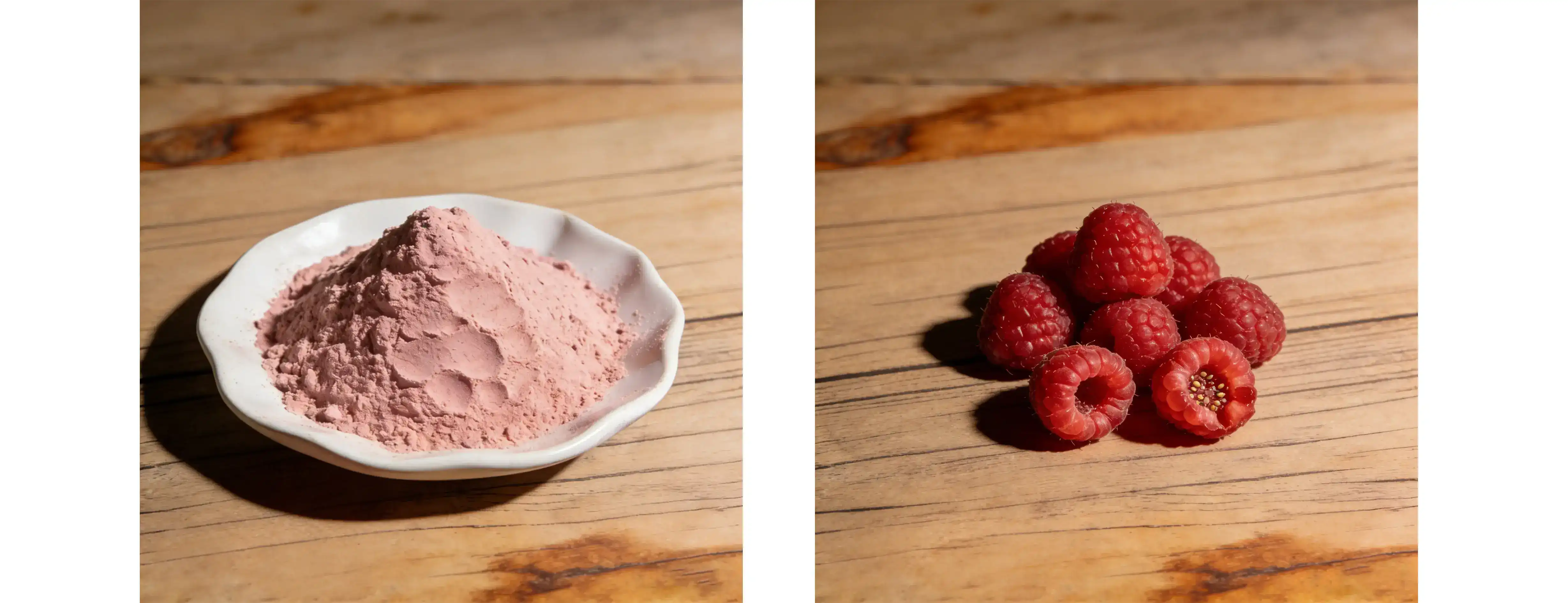
Raspberry Juice Powder from Rubus idaeus L. is a concentrated, useful ingredient that helps solve important problems in modern industry. This fine pink powder has real tart-sweet flavors and natural anthocyanin colors, but it doesn't have to deal with the problems of keeping things cold or keeping the right amount of moisture. As more people want natural ingredients and products with clean labels, purchasing managers in the beverage, and cosmetics industries are realizing that this dried juice concentrate is a great way to make their products stand out. When you use powder instead of liquid concentrates, you don't have to worry about fermentation, and the acidity and color strength are the same across all output runs. Knowing about its technical features, sourcing requirements, and range of uses helps buyers make smart choices that support their goals for both operating efficiency and market positioning.
Understanding Raspberry Juice Powder: Composition and Benefits
This ingredient is very different from whole fruit powders or wine liquids because it is concentrated. Rubus idaeus L. juice was used in the process. By using advanced drying on fruit, producers make a soluble powder that keeps the nutrients that dissolve in water but gets rid of the insoluble fiber.
Nutritional Profile and Bioactive Compounds
There are large amounts of ellagic acid in this ingredient. This is a polyphenol compound that is known for its protective qualities. That pink to magenta color comes from anthocyanins, which change color naturally based on pH levels. They go from red tones in acidic settings to blue-purple tones in neutral ones. The vitamin C level stays high after processing, especially in freeze-dried varieties. The original mineral makeup, which includes potassium, magnesium, and minor elements, is kept because there are no solvents used in production. As a general rule, the wetness content should be kept below 5% to stop microbes from growing and clumping, and the ash content should be below 3% to show that there is little inorganic waste.
Differentiation from Alternative Formats
Compared to Raspberry Juice Powder made from grinding up dried fruit, this juice-based version dissolves better in water and doesn't contain any seed bits that can make drinks less smooth. Unlike liquid extracts that are measured in Brix degrees, powders don't need to be kept cold and can last up to 24 months at room temperature if they are sealed in aluminum foil and the humidity is managed. The way it is made focuses on getting the soluble parts, which makes it perfect for uses that need total breakdown instead of suspension.
Functional Advantages for Product Development
Formulation scientists can predict how the standardized acidity (usually pH 2.9–3.5 when reconstituted) will affect the overall pH of the product. This is especially helpful when trying to hide metallic notes in mineral supplements or bitter compounds in plant mixes. The particles are spread out quickly in both hot and cold liquids because their sizes range from 60 to 80 mesh. Because it is concentrated, a reconstitution ratio of about 1:7 to 1:9 powder to water brings back the features of single-strength juice, which gives you more control over the dose.
The Production Process and Uses of Raspberry Juice Powder
The methods used to make the Raspberry Juice Powder have a direct effect on its useful qualities, cost, and ability to be used in specific situations. There are two main ways that serve different parts of the market, but they have different technology trade-offs.
Spray Drying Technology
To dry raspberry juice by spraying it, the juice is turned into tiny drops that are heated and quickly evaporate. A carrier agent, usually maltodextrin or tapioca starch, is added to the process to keep things from sticking together and make them move better. This method makes a powder that dissolves easily and costs less to make, which makes it a good choice for high-volume drinking uses. Even though the heat contact is short, it breaks down some materials more quickly than freeze-drying. The final product has better flow qualities and packs well, which lowers the cost of shipping per unit weight.
Freeze-Drying Process
Freeze-drying gets rid of water by sublimating it under pressure, which keeps heat-sensitive nutrients and taste volatiles that are more fragile. Without or with less need for transport agents, a powder with higher fruit content purity is made, which brands that stress "100% fruit" claims like. This method makes particles that are more porous and fragile, so they may dissolve more slowly and need to be handled carefully so they don't break. The much higher energy costs and longer working times lead to higher prices, which are usually worth it for nutraceutical products that need to keep as many nutrients as possible.
Versatile Application Landscape
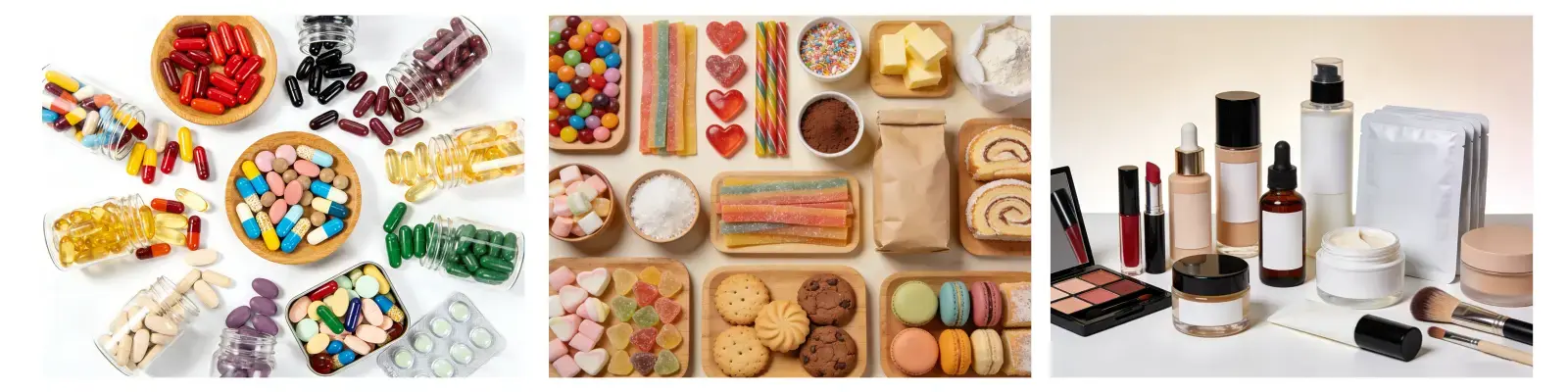
When full water dispersion is needed, the powder shape works perfectly in healthy beverage premixes. It adds natural taste and color to ready-to-drink collagen waters and electrolyte mixes instead of synthetic Red 40 dyes. Nutraceutical companies add it to superfood mixes to make them taste better. It hides the earthy flavors of ingredients like spirulina and wheatgrass without adding a lot of calories. It's good for candy because it can give a strong raspberry flavor in low-moisture areas. For example, chocolatiers use it in ganache fills where liquid juice would cause them to seize, and bakers add it to meringues and macarons without changing their structure. Cosmetic makers are looking more into their anthocyanin content for natural colorant qualities in lip products and their antioxidant profile for skin care uses that claim plant actives.
Choosing the Right Raspberry Juice Powder: Quality, Type, and Cost Considerations
How to Pick the Best Raspberry Juice Powder: Things to Think About in Terms of Price, Type, and Quality. When making a purchase choice, you have to weigh a lot of different factors that affect both the short-term prices and the long-term performance of the product. When buyers understand these factors, they can better match product specs with their budgets and plans for positioning in the market.
Organic Certification and Clean-Label Appeal
Organic versions that are approved by the USDA, the EU, or similar groups cost 20 to 40 percent more, but they can reach more customers who want products that don't contain pesticides. The certification meets the standards for supply chain tracking that are being put in place by store partners more and more. Clean-label compatibility rests on the carrier statement. Spray-dried versions with maltodextrin need to list "Raspberry Juice Powder (Maltodextrin)" in the ingredient deck, which may worry brands that want to appeal to people who are careful about what they put in their food. Freeze-dried choices that only say "Raspberry Juice Powder" work better with simple labeling methods, even though they cost more.
Shelf Life and Storage Requirements
Product stays stable for 12 to 24 months if it is kept correctly, but this window changes depending on how it was made and how well it was packaged. Because it absorbs water, it needs to be packed in aluminized paper or metalized polyester with oxygen filters to keep wetness out. To keep colors from fading and caking, buyers must make sure that providers keep storage temperatures below 25°C and relative humidity below 50%. Buying in 25-kg drums strikes a good mix between ease of handling and defense against contamination during partial use.
Certification and Compliance Standards
Reliable sellers keep a number of licenses that meet the needs of different markets. The NSF GMP certification makes sure that production methods are up to pharmaceutical standards, which is important for nutraceutical uses. FSSC22000 shows that a food safety system is up to code, which is required for use with food and drinks. Kosher and Halal licenses make it easier for certain types of customers to buy things. ISO guidelines give more assurances about quality control. Getting organic approval from a known organization ensures that farming practices are followed. To be sure of the item's validity, buyers should ask for pictures of the most recent certificates and check the registration numbers against databases maintained by certifying bodies.
The scientific details say that it looks like a fine pink powder with particles that are small enough to fit through 80 mesh screens. The only plant part used is from the Rubus idaeus L. fruit, with no solvents being used during preparation. Standard packaging comes in 25 kg fiber drums lined with food-safe plastic. The minimum order amount of 25 kg allows for test runs for formulating, and many suppliers offer free samples for early testing before making bigger promises.

Procurement Insights: How to Source Raspberry Juice Powder Effectively
Strategic buying is more than just comparing prices. It also includes figuring out how to coordinate operations and set up quality assurance protocols, as well as evaluating the skills of potential suppliers. Building strong structures for purchasing cuts down on supply problems and ensures that the quality of ingredients stays the same across production cycles, using Raspberry Juice Powder.
Supplier Evaluation Criteria
To find suitable suppliers, you need to look at the quality processes and manufacturing facilities. Suppliers with their own sites that have advanced spray-drying or freeze-drying tools show that they can consistently produce what they say they can. Having in-house labs that can do identification testing using HPTLC or FTIR fingerprinting shows that the company is serious about making sure that the products they sell are real. Solubility tests in 5% solutions, Karl Fischer titration for moisture analysis, and ICP-MS screening for heavy metals should all be part of quality control methods. Lead levels should be kept below 3ppm and arsenic levels should be kept below 1ppm. Microbiological tests must set limits on Total Plate Count (<10,000 CFU/g), yeast and mold (<100 CFU/g), and Salmonella and E. coli.
Lead Time and Logistics Advantages
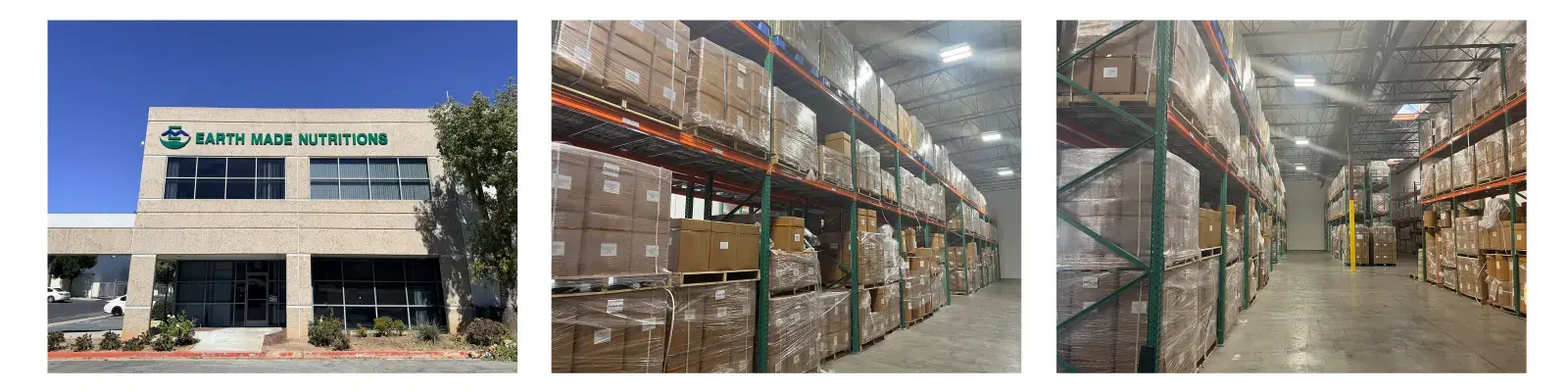
When companies keep inventory in different regional stores, delivery times are much shorter than when goods are imported directly. Suppliers with four big stores in the U.S. can send stock items the same week, which meets the needs of just-in-time manufacturing. Standard wait times for in-stock items range from two days for pickup to one week for delivery, based on where the item is going. Timelines may be pushed back to 4 to 6 weeks for custom orders that need special certifications or changes to the packing. Formulation teams can test for compatibility before placing full purchase orders because samples are available for free.
Price Optimization Strategies
Cost structures are very different depending on the way of production, the amount of approval, and the size of the order. Spray-dried versions usually cost 30–50% less than freeze-dried versions. Organic approval comes with extra costs, but in some areas, the higher price may be worth it. Tiered pricing is often unlocked by making a volume pledge. Prices drop at 100 kg, 500 kg, and pallet numbers. Setting up yearly supply deals with assured minimum volumes is one way to get better prices and make sure that supplies are distributed during times of high demand. Buyers should talk about payment terms that can help them control their cash flow and get early payment savings, which are usually 2% to 3% for paying within 10 days.
Brands that are under a lot of scrutiny from stakeholders are realizing that working with sellers who practice sustainable development and care about the environment is a smart business move. Using renewable energy in processing plants and starting programs to cut down on waste help buyers' corporate social responsibility stories while lowering worries about the company's image when it comes to supply chain practices.
Practical Applications and Case Studies for B2B Clients
Examples of how this ingredient is used in real life show how manufacturers can easily add it to a wide range of products, showing both possibilities and technical issues for Raspberry Juice Powder.
Functional Beverage Innovation
A well-known sports nutrition brand changed the recipe for its recovery drink after a workout by adding this natural powder instead of fake raspberry taste and colorants. When made at pH 3.2, the anthocyanins gave the product a bright red color that stayed the same for the entire 18-month shelf life. It wasn't necessary to add as much citric acid because the natural fruit acids helped balance the electrolyte mix. Consumer tests showed that the new artificial recipe had 23% better taste choice scores than the old one. This led to a 15% rise in sales in the next quarter. The clean-label stance made it possible to grow into natural grocery outlets that weren't possible before because of limits on ingredients.
Nutraceutical Palatability Enhancement
A supplement company that made green vegetable powders kept getting complaints from customers that the powders tasted earthy and grassy because they contained spirulina and chlorella. Adding 8% Raspberry Juice Powder to the mixture covered up unpleasant smells and made the label promises about antioxidant value more accurate. Because the fruit powder was naturally sweet, it didn't need as much stevia, which fixed taste complaints from people who are sensitive to stevia. Within six months, the number of repeat purchases rose by 31% because of the better taste profile. This shows how smart investments in flavoring affect customer retention measures.
Bakery and Confectionery Applications
A craft chocolate maker made a line of raspberry truffles with the powder used in both the ganache filling and the dusting. The powder's low wetness level stopped fat bloom and kept the chocolate's temper while it was being processed. Unlike liquid raspberry concentrate, which adds too much water and breaks down the texture, the powder form lets you change the strength of the taste by simply changing the dose. The natural pink color got rid of the need for synthetic dyes, which was in line with the brand's organic messaging and led to 40% higher selling prices than regular truffles.
A study of market trends shows that people are becoming more interested in healthy products that come from natural sources and have well-known names. As the market for natural food colorants grows around the world, this ingredient could replace manufactured options in a wider range of situations. New uses in natural makeup for lip tints and skin care items show that they could be used in other industries. If procurement professionals keep an eye on these trends, they can get their companies ready for changes in the market by building relationships with suppliers and finishing recipe development before competitors enter new markets.
Conclusion
Raspberry Juice Powder has concentrated benefits that help manufacturers solve important problems in the food, cosmetics, drinks, and supplements industries. Because it dissolves easily, has natural coloration, and has a real taste profile, it can be used to make clean-label products. Its stability at room temperature and long shelf life also make operations easier. Choosing between spray-dried and freeze-dried types relies on how much they cost, how important it is to keep nutrients, and what the label says. To do good buying, you need to look at providers' manufacturing skills, certification portfolios, quality control systems, and transportation infrastructure. This ingredient can be used in a lot of different ways, from useful drinks to sweets. Market trends show that demand will continue to grow as people become more interested in natural ingredients. Strategic relationships with approved sellers who keep merchandise in the U.S. give businesses a competitive edge by ensuring a steady supply of goods, quick delivery, and high-quality standards. When buying, teams know about technical specs, storage needs, and application limits, and they can choose the best ingredients for each formulation.
FAQ
1. Why does raspberry juice powder harden during storage?
Why does Raspberry Juice Powder get harder when it's not being used? The powder is very hygroscopic, which means it draws water quickly from the air, because it has a lot of natural sugar in it. For storage, the goods must be kept in an aluminized paper package that keeps the relative humidity below 50%. When something is exposed to air, it immediately absorbs water, which makes it clump and harden, which makes it harder to dissolve and move.
2. What distinguishes spray-dried from freeze-dried variants?
What makes freeze-dried varieties different from spray-dried ones? Heat and carriers like maltodextrin are used to spray-dry powder, which makes it easier to dissolve and cheaper, making it perfect for use in drinks. When food is freeze-dried, the water is evaporated under a vacuum, leaving behind more nutrients and a purer fruit flavor. However, it costs more and melts more slowly in water.
3. Can this replace liquid concentrate at a 1:1 ratio?
Can this be used in place of liquid concentration in a 1:1 ratio? Not based on weight. The powder concentrates about six to ten times more than fresh juice, but not as much as 65° Brix syrup. A powder-to-water mix of 1:7 to 1:9 brings back the qualities of single-strength juice. To get the taste intensity you want, you have to try changes to the formula.
4. Why does solution color shift from red to blue?
Why does the color of the solution change from red to blue? Anthocyanins found in nature show what the pH level is. The color looks red below pH 4. When things are neutral or alkaline, like protein shakes (pH > 6), the colors change to a blue-purple color. Adding acidulants like citric acid keeps the red color stable over the course of the product's shelf life.
Partner with EM for Premium Raspberry Juice Powder Supply
Earth Made Nutritions Inc. is a company based in California that sells Raspberry Juice Powder and specializes in sending pharmaceutical-grade products to picky business-to-business customers. Our four carefully placed U.S. warehouses allow us to complete orders in two days, cutting out the delays in the supply chain that throw off production plans. The Rubus idaeus L. we sell is certified by NSF GMP, FSSC22000, Kosher, Halal, ISO, and Organic. Fruit powder meets the strict safety standards of companies that make nutraceuticals, food, drinks, and cosmetics. Our modern extraction facilities and advanced research and development skills make sure that the quality of each batch is the same, and our practices for sustainable development are in line with corporate responsibility efforts. We offer free samples to try formulations, a minimum order size of 25 kg to allow for trial production, and technical help from our team of experts. Contact us at info@em-herb.com to talk about your specific needs and find out how our knowledge can help you speed up the development of your product while making sure you always have access to this flexible superfood ingredient.
References
1. Santos, A.M., & Correia, P. (2022). "Anthocyanin Stability in Food Matrices: Processing and Storage Considerations." Journal of Food Science and Technology, 59(8), 3156-3169.
2. Mullen, W., McGinn, J., Lean, M.E., et al. (2020). "Ellagitannins, Flavonoids, and Other Phenolics in Red Raspberries and Their Contribution to Antioxidant Capacity." Journal of Agricultural and Food Chemistry, 68(24), 6543-6558.
3. Bhandari, B., & Howes, T. (2021). "Spray Drying of Fruit Juices: Challenges and Solutions for Optimizing Powder Quality." Drying Technology, 39(7), 915-932.
4. European Food Safety Authority (EFSA). (2021). "Safety Assessment of Natural Food Colorants from Plant Sources." EFSA Journal, 19(4), e06489.
5. Kim, D., & Padilla-Zakour, O.I. (2023). "Comparative Study of Freeze-Drying and Spray-Drying on Retention of Bioactive Compounds in Berry Powders." Food Chemistry, 398, 133891.
6. International Organization for Standardization. (2022). "ISO 22000:2018 - Food Safety Management Systems: Requirements for Organizations in the Food Chain." Geneva: ISO Publications.