- English
- French
- German
- Portuguese
- Spanish
- Russian
- Japanese
- Korean
- Arabic
- Irish
- Greek
- Turkish
- Italian
- Danish
- Romanian
- Indonesian
- Czech
- Afrikaans
- Swedish
- Polish
- Basque
- Catalan
- Esperanto
- Hindi
- Lao
- Albanian
- Amharic
- Armenian
- Azerbaijani
- Belarusian
- Bengali
- Bosnian
- Bulgarian
- Cebuano
- Chichewa
- Corsican
- Croatian
- Dutch
- Estonian
- Filipino
- Finnish
- Frisian
- Galician
- Georgian
- Gujarati
- Haitian
- Hausa
- Hawaiian
- Hebrew
- Hmong
- Hungarian
- Icelandic
- Igbo
- Javanese
- Kannada
- Kazakh
- Khmer
- Kurdish
- Kyrgyz
- Latin
- Latvian
- Lithuanian
- Luxembou..
- Macedonian
- Malagasy
- Malay
- Malayalam
- Maltese
- Maori
- Marathi
- Mongolian
- Burmese
- Nepali
- Norwegian
- Pashto
- Persian
- Punjabi
- Serbian
- Sesotho
- Sinhala
- Slovak
- Slovenian
- Somali
- Samoan
- Scots Gaelic
- Shona
- Sindhi
- Sundanese
- Swahili
- Tajik
- Tamil
- Telugu
- Thai
- Ukrainian
- Urdu
- Uzbek
- Vietnamese
- Welsh
- Xhosa
- Yiddish
- Yoruba
- Zulu
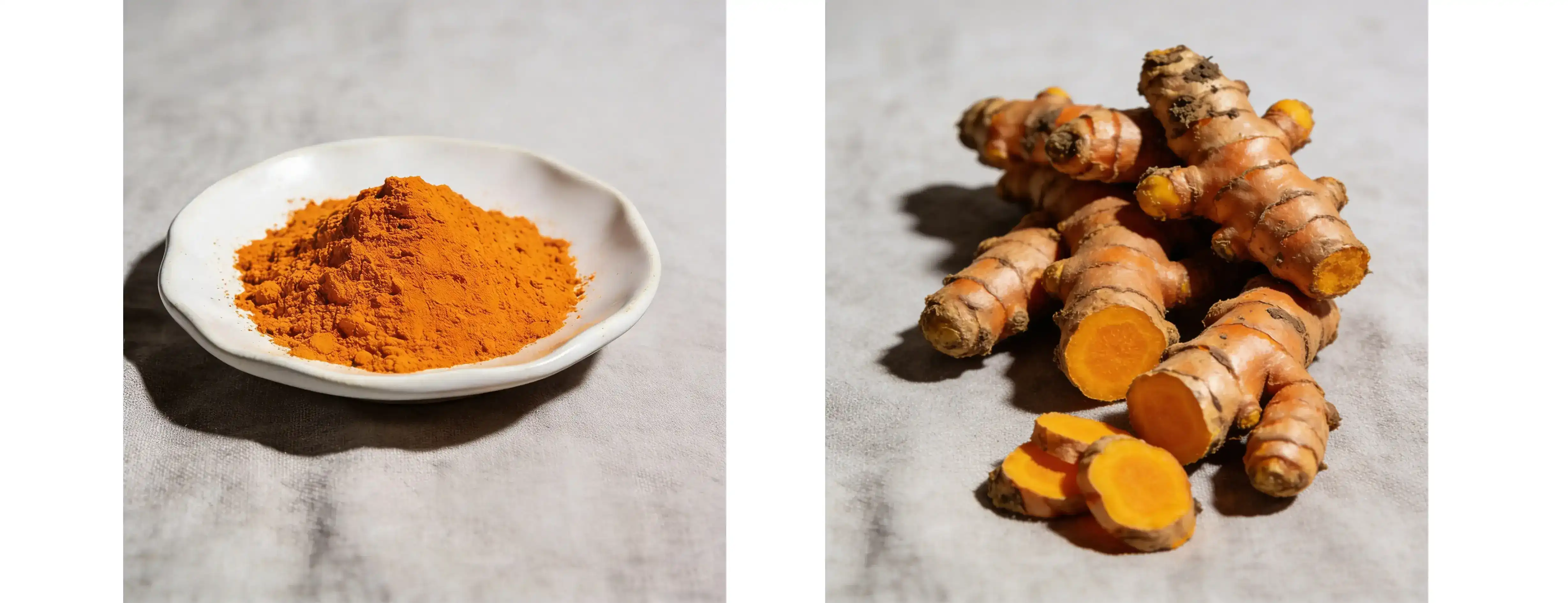
Pure Turmeric Root Powder is more than just a spice. It's a complex botanical raw material that comes from the rhizome of Curcuma longa L. It has a wide range of phytochemicals that have caught the attention of people around the world who make nutraceuticals, cosmetics, and functional foods. This yellow powder naturally has 2-6% curcuminoids, along with essential oils and dietary fiber. It gives procurement professionals a clean-label option that meets the needs of today's consumers for clear, whole-food ingredients while still meeting the batch consistency and technical requirements needed for large-scale production.
Introduction
Over the past ten years, the world's path of pure Turmeric Root Powder has changed a lot. What used to be mostly a traditional spice is now a strategic ingredient that commands a premium place in supplement formulations, cosmetic actives, and functional drinking systems. Consumers are paying more attention to ingredient panels, regulatory bodies are raising the bar for contaminants, and brands are trying to stand out by using plant actives that have been proven to work.
In today's business-to-business world, buying teams need to know the technical details of how to find high-quality pure Turmeric Root Powder. It's not enough to just find providers; you also have to look at processing methods, make sure analytical paperwork is correct, and build supply partnerships that can handle the stress of governmental compliance and market volatility. This in-depth study gives people who need to make decisions the technical information they need to find pure Turmeric Root Powder that meets both short-term recipe needs and long-term strategy goals.
Understanding Pure Turmeric Root Powder: Composition, Benefits, and Uses
The Phytochemical Architecture
The health benefits of pure Turmeric Root Powder come from its curcuminoid complex, which is made up of curcumin, demethoxycurcumin, and bisdemethoxycurcumin. This complex makes up about 2 to 6 percent of high-quality root powder. The whole-root matrix keeps synergistic chemicals like turmerone, atlantone, and zingiberene from the essential oil part, while standardized extracts concentrate to 95% curcuminoids. This full plant profile gives formulators a "whole food" branding edge that is becoming more and more valuable in clean-label product development.
As well as curcuminoids, the powder has significant amounts of iron, manganese, potassium, and nutritional fiber. The substance is lipophilic, which means it forms suspensions instead of true solutions in water-based systems. This is an important thing for beverage formulators to keep in mind when they are trying to solve sedimentation problems.
Validated Biological Activities
Curcumin's ability to eliminate reactive oxygen species has been linked to the antioxidant properties of pure Turmeric Root Powder in a lot of study. The anti-inflammatory effects that are important for joint relief come from changing the signals that are sent along the inflammation pathway. Applications for digestive health use the traditional use of pure Turmeric Root Powder to support healthy gut function, while applications for beauty use its skin-soothing qualities.
These activities that have been proven by science put pure Turmeric Root Powder in a lot of different application groups. Nutraceutical companies use it in joint health plans, and it's often mixed with piperine to help with solubility issues. Its antioxidant profile is useful for anti-aging products made by cosmetic chemists, and functional food makers use both its biological activities and natural colorant qualities.
Quality Parameters That Define Commercial Viability
Standards for purity lay the groundwork for business-to-business deals. Real stuff looks like a fine, bright orange-yellow powder that is usually ground to 60–80 mesh for even distribution. There are earthy, spicy, and characteristically bitter-pungent notes in the organoleptic profile. Important requirements include a curcumin content that has been confirmed by HPLC (≥3.0% for luxury grades), a moisture content that is below 10% to stop the growth of microbes, and a total ash content that is below 7% to show that minerals have been added.
Organic approval adds another level of quality because it requires proof of tracking from planting to harvesting to processing. These certificates, along with Kosher, Halal, NSF GMP, and FSSC22000 credentials, go from being nice to have for procurement teams that work with controlled markets to having to have.

How Pure Turmeric Root Powder is Made: From Farm to Table
Cultivation and Harvest Protocols
Quality begins on the pitch. Tropical environments with clear wet and dry seasons and well-draining soil provide the most pure Turmeric Root Powder. Organic farming bans synthetic fertilisers and pesticides. Use composting and integrated pest management instead. After 7–9 months, rhizomes are completely matured, and curcumin concentration depends on harvest time.
Handling after harvest immediately affects product quality. Rhizomes must be washed and boiled or steamed carefully to remove dirt. This crucial process prevents enzymes from being destroyed and preserves quality throughout drying.
Processing Methodologies and Their Implications
Traditional sun-drying processes are inexpensive yet variable and contaminant-prone. Modern controlled drying systems maintain precise temperature and humidity, regulating volatile oil content and wetness. After drying, rhizomes are mechanically processed to a mesh size. Heat is continually monitored during grinding to prevent curcumin degradation.
Sterilisation helps quality control. Steam washing reduces germs and maintains organic certifications. Gamma rays and other methods work, however, some customers don't like them. Even though ethylene oxide treatment works, EU markets regulate its usage and require waste testing before use.
Quality Assurance Frameworks
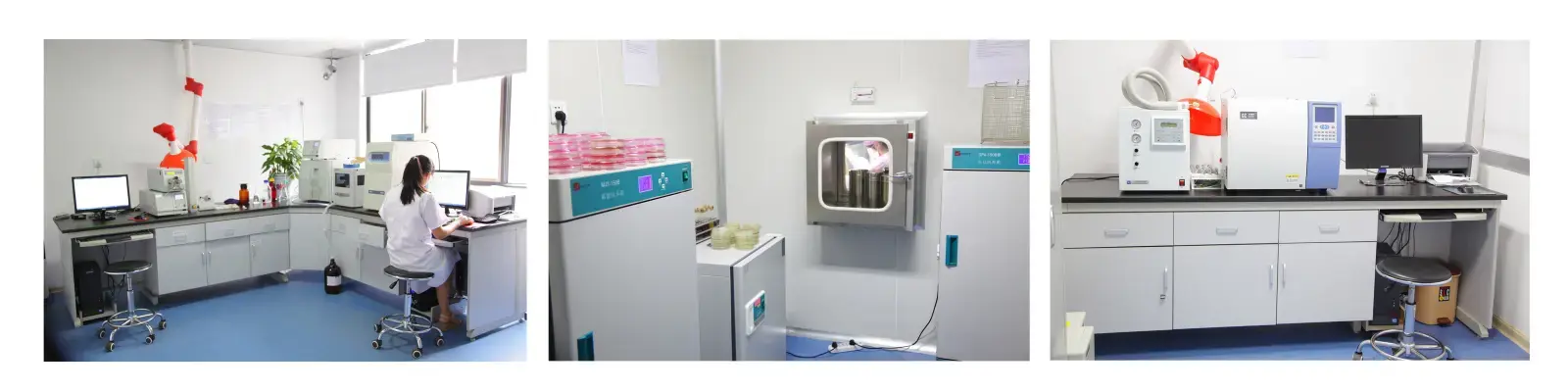
Analysis distinguishes premium vendors from basic ones. HPLC study determines curcuminoids' composition by measuring their amounts. ICP-MS checks for heavier metal contamination, notably lead. Lead chromate has been used to purposefully increase colour, making this a major concern.
Smart vendors scan for produced colourants like Metanil Yellow and Sudan dyes to catch financial cheaters. A microscope shows starch fillers like cassava and rice flour that make meals heavier. Complete microorganism screens meet food safety regulations worldwide.
Packaging and Preservation Strategies
For business-to-business transportation, 25-kilogram fibre drums in food-safe polyethylene bags are typical. These containers keep dampness out and make storage and movement simple. Curcumin may last 24 months if kept correctly in climate-controlled conditions away from direct light.
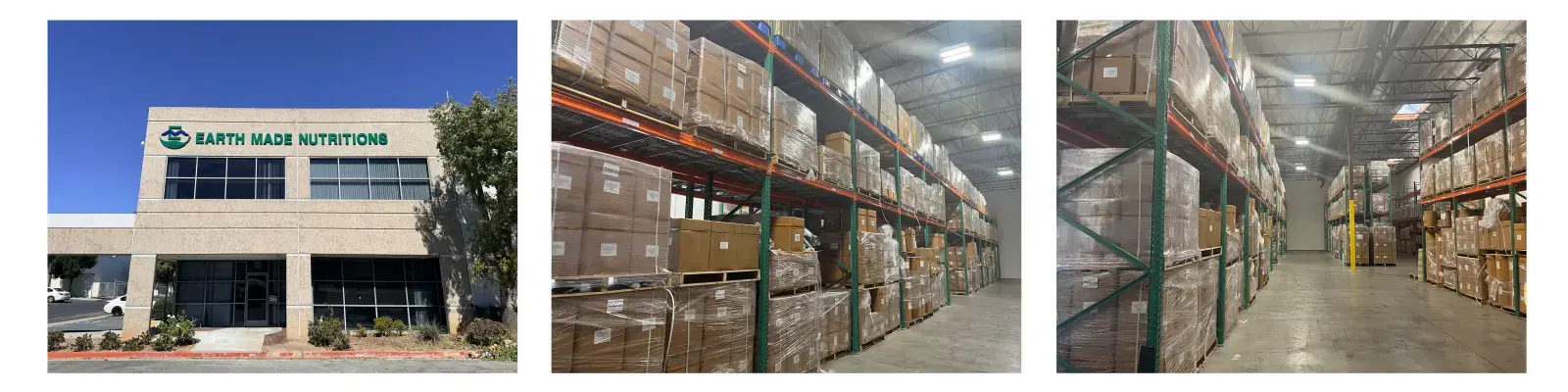
Our California operations include four strategically situated U.S. warehouses that can fulfil orders in two days for urgent clients. The spread inventory model streamlines the supply chain and keeps commodities fresh via improved inventory turnover rules.
Comparing Turmeric Root Powder with Other Turmeric Products
Whole Root Powder Versus Standardized Extracts
The quantity of processing and makeup center varies the most. The liquid extraction and crystallisation of curcuminoids yield standardised extracts with 95% purity. This provides pharmaceutical-grade material for precise dosing. Pure Turmeric Root Powder contains more phytochemicals since it preserves the plant matrix.
When making decisions, cost is crucial. Extracts contain more curcuminoids per gram but cost three to five times more than pure Turmeric Root Powder. Pure Turmeric Root Powder is cost-effective when curcumin concentrations are low or "whole food" marketing is used.
Formulators must consider regulatory labelling. The regulatory procedure is simpler since pure turmeric root powder is a standard food ingredient. High-concentration items may be regulated differently depending on the location and purpose.
Organic Certification and Its Commercial Impact
Organic versions target the fastest-growing natural products sector. Brands that must fulfil USDA or EU organic requirements may utilise certified organic pure Turmeric Root Powder, which costs 20–40% extra. Smart clients and brand managers are scrutinising the agricultural, processing, and supply chain, and the approval validates their honesty.
Besides marketing, organic acceptance frequently indicates superior quality. Organic farming emphasises soil health and variation, which may boost plant phytochemicals. Mandatory organic processing requirements prohibit some sterilisation and processing instruments. This automatically improves quality.
Procuring Pure Turmeric Root Powder: A B2B Buyer's Guide
Supplier Evaluation Criteria
A thorough evaluation of the seller is the first step to successful buying. Certification files should have up-to-date NSF GMP, FSSC22000, Kosher, Halal, ISO, and organic credentials. This is because these credentials confirm both the facility's skills and its management systems. Supplier checks, which can be done directly or through a third-party service, make sure that the written processes match what actually happens.
Trust grows when the whole supply chain is open and clear. Reliable sellers give full traceability paperwork that connects batches of finished powder to specific growing areas and harvest times. This paperwork is very helpful when answering questions from customers or meeting legal requirements.
Pricing Structures and Commercial Terms
The mechanics of bulk purchases have a big effect on unit economics. Usually, the smallest amount you can buy is 25 kg, but if you ask an established supplier for a sample, they can often meet your request. When you commit to buying in bulk, you can get better prices. At 500 kg, 1000 kg, and container-load numbers, the price per kilogram drops a lot.
Payment terms depend on the seller and the credit history of the customer. Standard terms usually start with payments for new accounts and move up to net-30 or net-60 as the relationship gets stronger. Letters of credit are still often used for foreign business, especially for bigger deals.
Logistics and Distribution Considerations
When you ship pure Turmeric Root Powder internationally, you have to be careful with paperwork, travel times, and keeping the purity of the goods. Experienced providers handle customs paperwork, provide harmonized tax classifications, and suggest the best shipping methods based on the size of the order and how quickly it needs to be delivered.
Our four warehouses in California make foreign operations easier for customers in the United States. By carefully placing our inventory across regions, we can send products within two days of receiving confirmation of an order. This cuts wait times by a huge amount and keeps freight costs as low as possible. This infrastructure enables just-in-time inventory techniques, which are becoming more and more popular in lean production.
Private Label and Customization Services
Suppliers who are on the cutting edge offer private label options, which let brands buy pure Turmeric Root Powder in bulk while keeping their own labels and packages. As part of these services, custom label design, regulation compliance review, and package configurations that meet the needs of a particular market are all available. These kinds of agreements let brands focus on marketing and sales while suppliers handle sourcing and quality control.
Integrating Pure Turmeric Root Powder Into Your Business: Practical Tips and Case Studies
Application Strategies Across Industry Segments
Bioavailability additives are mixed with pure Turmeric Root Powder by companies that make nutraceuticals to get the best results. A joint health brand got 23% more satisfied customers after changing the way their turmeric pills were made to include black pepper extract. This fixed the problem of turmeric not being absorbed properly while still using whole-root powder for a clean label.
Color stability and settling are two technical problems that functional drink makers have to deal with. A popular brand of golden milk got rid of these problems by making the pure Turmeric Root Powder into smaller particles and adding lecithin, which is a natural spreading agent. This change to the recipe cut down on responding to complaints by 67% while keeping the genuine "made with real turmeric" messaging that made their brand stand out.
Cosmetic makers like to use pure Turmeric Root Powder in face masks and scrubs because it has healing qualities that work well with the exfoliating properties. A natural skin care company released a turmeric-based mask that quickly became their best-selling item, thanks in large part to the bright color and traditional plant placement of the product on social media.
Risk Management and Quality Consistency
Setting up dual-source methods guards against problems with the supply chain. Smart buying teams check out more than one source and do regular comparison tests to make sure that the pure Turmeric Root Powder can be used interchangeably. This method worked well when bad weather caused harvest delays in South Asia, causing brief shortages. Brands with pre-approved alternative sources kept production going while rivals ran out of stock.
To control shelf life, you need to pay attention to how the items are stored and how often they are stocked. Material that is kept properly in climate-controlled areas stays effective for 24 months. Using FIFO (first-in, first-out) stocking methods makes sure that old stock is moved before it goes bad.
Communication Strategies That Build Customer Confidence
Instead of making general sales pitches, B2B sales teams build stronger relationships with clients by teaching them about technology. Suppliers are seen as technical partners instead of stock sellers when they share analytical data, talk about processing methods, and offer help with formulation. This interactive method builds trust and often shows other ways to improve the performance of pure Turmeric Root Powder ingredients.

Conclusion
Pure Turmeric Root Powder has strategic value that goes far beyond its health benefits. This flexible botanical raw material meets a number of industry trends at the same time, including the demand for "clean labels," the popularity of natural ingredients, the delivery of useful benefits, and consumers' standards for openness. To be good at procurement, you need to know how to understand quality parameters, evaluate suppliers' skills, and set up risk management methods that make sure you always have a supply.
As the market for real botanical products keeps growing, brands and producers that set up strong sourcing partnerships early will have an edge over their competitors. Getting pure Turmeric Root Powder is hard because of all the technicalities involved, from checking for contaminants to making sure the powder is bioavailable. However, sellers who put money into quality systems, clear paperwork, and quick customer service will be rewarded. Companies that see getting ingredients as a strategic function instead of a transactional one are better positioned to grow in natural product markets that are becoming more sophisticated.
FAQ
1. How long does pure turmeric root powder remain stable during storage?
High-quality pure Turmeric Root Powder stays effective for 24 months after it was made, as long as it is kept in the right way, in sealed cases away from direct light and moisture. Temperatures below 25°C (77°F), relative humidity below 60%, and protection from UV light, which breaks down curcumin levels, are all important for keeping. Our food-grade polyethylene-lined drums keep these conditions stable while they are being shipped and stored. Always check the production dates of items when you receive them, and follow store rotation rules to keep things fresh.
2. What distinguishes organic from conventional turmeric powder beyond certification?
Organic approval proves that synthetic fertilizers, pesticides, and herbicides were not used during the growing process, and handling did not involve any chemicals that are not allowed. In addition to meeting certification requirements, organic pure Turmeric Root Powder often has better quality measures. For example, many organic sellers report slightly higher curcumin concentrations, which is because organic farming systems focus on soil health. Organic material goes through the same scientific tests for purity and effectiveness, plus extra requirements for tracking. The higher price is because of the cost of certification, lower crop returns, and stricter paperwork needs all along the supply chain.
3. How can buyers verify turmeric powder quality before committing to large purchases?
Ask for full analytical records, such as HPLC curcumin analysis, heavy metal screening via ICP-MS, microbe testing results, and screening for adulteration for fake colorants and starch fillers. Certificates of Analysis (CoA) are given by reputable sellers for every lot of goods they make. Organoleptic testing can be done on physical samples; real material has a recognizable earthy smell and bitter, pungent taste. Before finishing supply deals, have samples checked by a third-party lab. Our free sample program lets you do a full review without having to make a financial commitment. This helps you make smart purchasing choices based on verified quality data.
Partner with a Trusted Pure Turmeric Root Powder Supplier
Earth Made Nutritions Inc. (EM) has been supplying botanical ingredients for seven years and is based in California. They have advanced processing skills and are dedicated to quality greatness at all times. Our pure Turmeric Root Powder (Curcuma longa L.) always has a yellow color, is certified as NSF GMP, FSSC22000, Kosher, Halal, ISO, and organic, and its curcumin content has been tested and proven.
What makes our service unique is that it is easy to reach and quick to respond. We offer two-day fulfillment on in-stock items because we have four carefully placed U.S. stores. This means that we can send pure Turmeric Root Powder quickly and reliably instead of taking weeks to get it. Our 25 kg minimum order amount works for both new brands and well-known makers, and our free samples can help you develop new recipes without making you make a financial commitment.
Get in touch with our expert team to talk about your unique needs. We have the knowledge and supplies to help you reach your goals, whether you're creating a new nutraceutical formula, changing the formula for clean-label positioning, or looking for a dependable maker for ongoing supply. You can email us at info@em-herb.com to get analytical paperwork, prices for your volume needs, or a sample with no pressure. Let's work together to make your next hit product.
References
1. Hewlings, S.J. & Kalman, D.S. (2017). Curcumin: A Review of Its Effects on Human Health. Foods, 6(10), 92.
2. Prasad, S., Gupta, S.C., Tyagi, A.K., & Aggarwal, B.B. (2014). Curcumin, a component of golden spice: From bedside to bench and back. Biotechnology Advances, 32(6), 1053-1064.
3. Tayyem, R.F., Heath, D.D., Al-Delaimy, W.K., & Rock, C.L. (2006). Curcumin content of turmeric and curry powders. Nutrition and Cancer, 55(2), 126-131.
4. Sasikumar, B. (2005). Genetic Resources of Curcuma: Diversity, Characterization and Utilization. Plant Genetic Resources, 3(2), 230-251.
5. Krup, V., Prakash, L.H., & Harini, A. (2013). Pharmacological Activities of Turmeric (Curcuma longa Linn): A Review. Journal of Homeopathy & Ayurvedic Medicine, 2(4), 1-5.
6. Aggarwal, B.B. & Harikumar, K.B. (2009). Potential therapeutic effects of curcumin, the anti-inflammatory agent, against neurodegenerative, cardiovascular, pulmonary, metabolic, autoimmune, and neoplastic conditions. The International Journal of Biochemistry & Cell Biology, 41(1), 40-59.