- English
- French
- German
- Portuguese
- Spanish
- Russian
- Japanese
- Korean
- Arabic
- Irish
- Greek
- Turkish
- Italian
- Danish
- Romanian
- Indonesian
- Czech
- Afrikaans
- Swedish
- Polish
- Basque
- Catalan
- Esperanto
- Hindi
- Lao
- Albanian
- Amharic
- Armenian
- Azerbaijani
- Belarusian
- Bengali
- Bosnian
- Bulgarian
- Cebuano
- Chichewa
- Corsican
- Croatian
- Dutch
- Estonian
- Filipino
- Finnish
- Frisian
- Galician
- Georgian
- Gujarati
- Haitian
- Hausa
- Hawaiian
- Hebrew
- Hmong
- Hungarian
- Icelandic
- Igbo
- Javanese
- Kannada
- Kazakh
- Khmer
- Kurdish
- Kyrgyz
- Latin
- Latvian
- Lithuanian
- Luxembou..
- Macedonian
- Malagasy
- Malay
- Malayalam
- Maltese
- Maori
- Marathi
- Mongolian
- Burmese
- Nepali
- Norwegian
- Pashto
- Persian
- Punjabi
- Serbian
- Sesotho
- Sinhala
- Slovak
- Slovenian
- Somali
- Samoan
- Scots Gaelic
- Shona
- Sindhi
- Sundanese
- Swahili
- Tajik
- Tamil
- Telugu
- Thai
- Ukrainian
- Urdu
- Uzbek
- Vietnamese
- Welsh
- Xhosa
- Yiddish
- Yoruba
- Zulu
Because it contains 55%-65% protein by dry weight, more than beef or lentils, pure Chlorella Powder has gained the nickname "green gold" in the nutritional world. This powder comes from the single-celled green microalgae Chlorella pyrenoidosa and contains all nine necessary amino acids, as well as very high amounts of chlorophyll (more than 2,000mg/100g), minerals, vitamins B12 and C, and the unique Chlorella Growth Factor (CGF). The process of breaking down the cell walls of premium-grade algae makes it more bioavailable (>95% vs. <40%), which means that formulators can use it to its full nutritional potential in functional foods, and cosmetics.
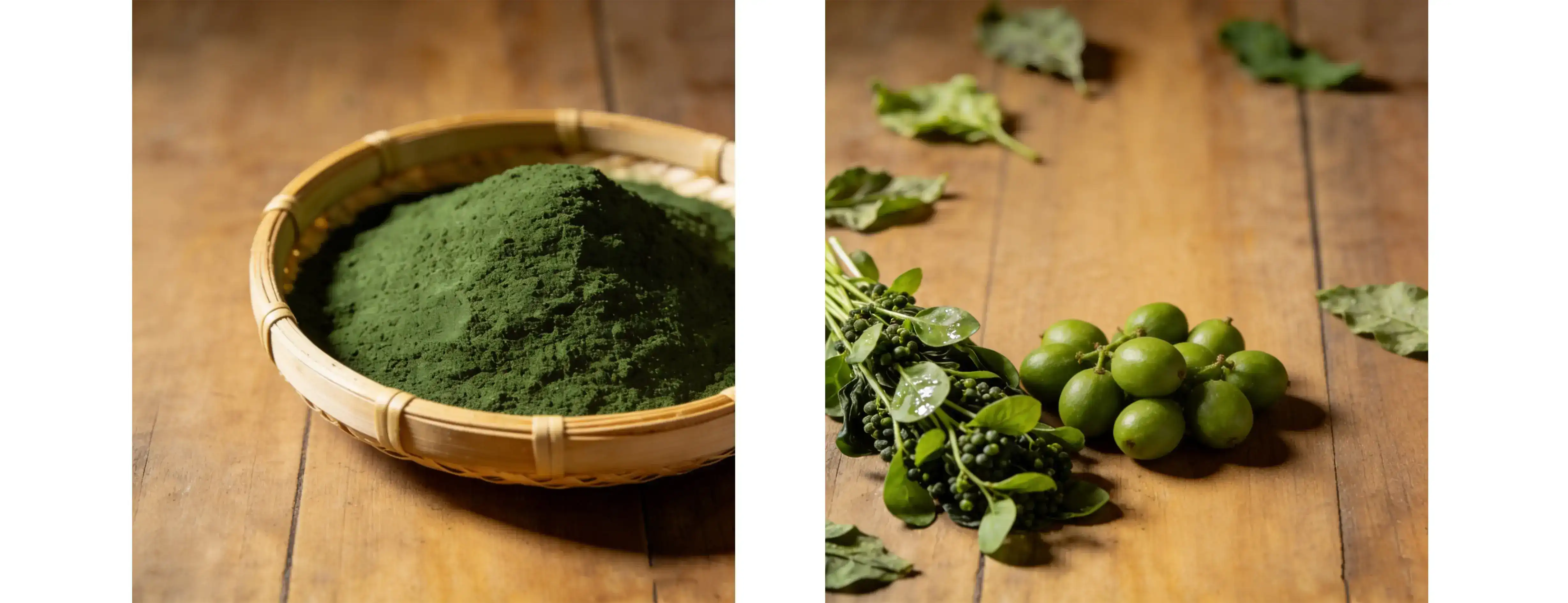
Understanding Pure Chlorella Powder: The Nutritional Powerhouse
What Makes Pure Chlorella Powder Unique?
When buying teams look at this ingredient, they often miss the important difference between regular algal powders and formulas that are truly pure. Genuine material doesn't have any fillers, additives, or fake binders like maltodextrin. The whole Chlorella pyrenoidosa plant is grown in controlled photobioreactors and then dried by spray drying without using any solvents. This makes a fine green powder with particles that are 120 to 200 mesh in size. This solvent-free method keeps nutrients that are lost at high temperatures while solving the main problem: making the food digestible. The natural cellulose cell wall makes it hard for humans to process, but Dyno-Mill technology or low-temperature pressure expansion can break through these barriers. This changes the density of nutrients into their accessibility.
Nutritional Composition That Drives Formulation Innovation
This ingredient's macronutrient profile makes it a full protein source, making it perfect for plant-based sports nutrition and veggie supplement lines that want to reach the growing clean-label market. In addition to protein, the vitamin range includes levels of iron, magnesium, zinc, and beta-carotene that are on par with those found in traditional plant extracts. The color that gives emeralds their unique look is chlorophyll, which also gives them natural coloring and high ORAC numbers that show how well they work as an antioxidant. The special CGF complex, which is made up of 3–5% of the total biomass as nucleotide–peptide compounds, is still unique to this genus and makes immune-support formulas stand out.
Research in nutrition journals shows that this ingredient can bind to heavy metals and has measured effects on detoxification pathways. This makes it a useful ingredient for cleansing programs in food products. Beta-glucan polysaccharides found in cell wall pieces after processing change the immune system. The high fiber content (8–10%) and protein-satiety effect are used in weight control products, meeting a number of user health concerns with a single ingredient.
Application Standards and Dosage Considerations
For dietary supplements, the industry standards say that the daily dose should be between 2 and 10 grams, and clinical studies have shown that amounts of 3 to 5 grams are effective. R&D teams like how the ingredient sticks together when it's compressed. This means that magnesium stearate or silicon dioxide isn't needed for tableting, which is great for making clean-label claims. Keeping the moisture content below 7% and the ash content below 8% ensures stable production in a range of temperatures and storage conditions. The powder is stable at pH levels 4 to 9 and can withstand short periods of heat up to 120°C. This makes it more compatible with functional foods and drinks that have been heated, since spinach or matcha powders would oxidize at higher temperatures.
Comparing Pure Chlorella Powder with Alternatives: Making Informed Procurement Decisions
Chlorella Versus Spirulina: Strategic Selection Criteria
Business-to-business buyers often argue about these microalgae species, but their biological profiles are useful for different manufacturing goals. Spirulina, or Arthrospira platensis, has a higher protein content (60–70%) and is easily digestible because it doesn't have any cellulose walls. This makes it a cheap and easy way to add protein to food. However, chlorella has a higher percentage of chlorophyll—about two to three times higher—which is needed for natural colorant uses in makeup and functional drinks. The fact that chlorella contains CGF makes it a unique candidate for cellular health claims that can't be made with spirulina.
Some vegans prefer the accessible forms of vitamin B12 that are found in chlorella, while some of spirulina's B12 is found in inactive forms. The way market demand changes shows that placement is more like a companion than a competitor. Pure Chlorella Powder is popular for detoxification and long-term health, while Spirulina is popular for energy and physical success. When buying a lot of different products, procurement teams often buy both to meet the needs of different types of customers.
Organic Certification and Quality Tiers
Organically approved materials are more expensive (20–40% more than regular ones), but they can be sold in natural goods stores that have strict rules about what ingredients can be used. The approval proves that the crops were grown without using manmade fertilizers or pesticides, which makes them appealing to brands that care about the environment. In addition to being organic, pure grades tell the difference between standards for food, medicine, and beauty products.
Material that is pharmaceutical-grade goes through extra tests for endotoxins and certain microbial limits. This is needed for some nutritional uses that target sensitive groups. Powder or pill types should be chosen based on the target market and where the product fits in the value chain. Bulk powder with a minimum order quantity of 25kg drums is good for companies that do their own packaging or tableting. Distributors and brands that don't have the production facilities but need to make sure that the excipients are compatible with clean-label standards can use pre-compressed tablets. Powder forms give formulators more freedom to make unique blends and amounts that only they know.
Supplier Credibility and Certification Verification
Getting rid of procurement risks requires a thorough evaluation of suppliers that goes beyond negotiating prices. Partners you can trust keep their NSF GMP, FSSC22000, Kosher, Halal, ISO, and organic standards up to date and easy to check through third-party databases. Each batch must have a Certificate of Analysis (COA) that lists the amount of protein, chlorophyll, moisture, ash, heavy metals (such as lead, arsenic, cadmium, and mercury), and microbe numbers (such as yeast/mold, E. coli, and Salmonella).
Suppliers who offer tracking from farming to packaging show that their quality systems are mature, which is important for markets that are controlled. Long-term business-to-business relationships work best when sellers offer technical help, such as formulation advice, stability testing data, and regulatory paperwork packages for import compliance. Earth Made Nutritions Inc is a good example of this method because they have advanced research and development (R&D) tools and skilled technical teams that help formulators find the best inclusion rates and solve matrix compatibility problems.

Procurement Strategies for Bulk Buying and Supplier Selection
Sourcing Channels and Geographic Considerations
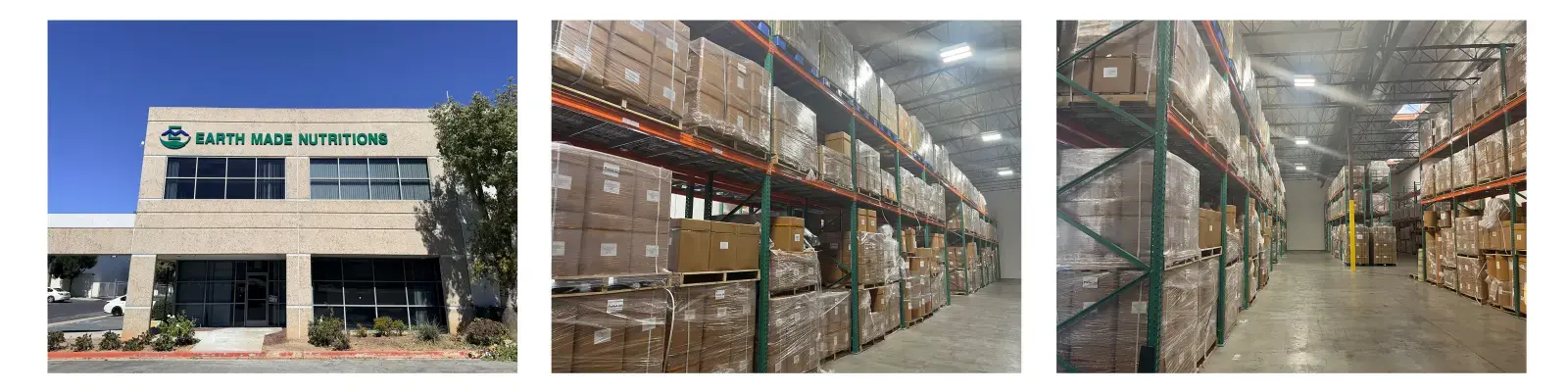
Direct ties with manufacturers cut out the middlemen and give you access to technical knowledge and customization options. Through vertical integration, Earth Made Nutritions Inc runs its own modern facility with cutting-edge extraction tools and quality control infrastructure. This gives the company benefits when it comes to buying things. Their base in California and four big U.S. warehouses make it possible to pick up in-stock items in just two days, which solves the lead-time problems that come with foreign sourcing.
When compared to buying from a single foreign source, this local availability makes the supply chain less vulnerable. B2B platforms and ingredient wholesalers offer a wider range of products and smaller test batches, but they usually don't offer the same level of formulation support and batch customization that maker direct programs do. When launching a product quickly or using just-in-time inventory management, being close to the store is especially important.
Pricing Dynamics and Negotiation Leverage
Costs per kilogram of pure Chlorella Powder go down a lot when companies promise to buy a lot of them. Orders of 500kg or more often unlock tiered pricing systems that lower prices by 10 to 15 percent compared to buying on the spot. Specifications for chlorophyll content, organic certification, and cell wall cracking rates (>95% gets a premium) affect the base price. Buyers should ask for multi-batch pricing deals that lock in prices for 6 to 12 months. This will protect them from changes in the market and allow them to accurately figure out the price of finished goods.
When procurement teams show clear specs, expected yearly volumes, and flexible payment terms, they have more negotiating power. Suppliers like it when demand is reliable because it helps them plan production better. When you talk about customization needs in a technical way, like private marking, specific mesh sizes, or specialized testing, you can often find value-added services that set providers apart beyond unit price.
Logistics and Value-Added Services
When you ship large goods across international borders, you have to deal with customs paperwork, import taxes, and the cold chain for materials that need to be kept at a certain temperature. Established customs brokerage relationships and FDA-registered sites make it easier for domestic providers like Earth Made Nutritions Inc to follow the rules. Their multi-warehouse delivery approach allows for regional fulfillment, which cuts down on freight costs and lets shipments be split between production sites.
Inventory management programs and membership services run by vendors make the supply chain more stable, especially for names that are used the same way every month. These agreements make sure that materials will be available and keep operating capital from getting stuck in raw material inventory. Free samples are standard with reliable sellers, and they let you try out different formulations and test how they taste before committing to full production runs.
Ensuring Quality and Safety for B2B Buyers
Comprehensive Testing and Traceability Protocols
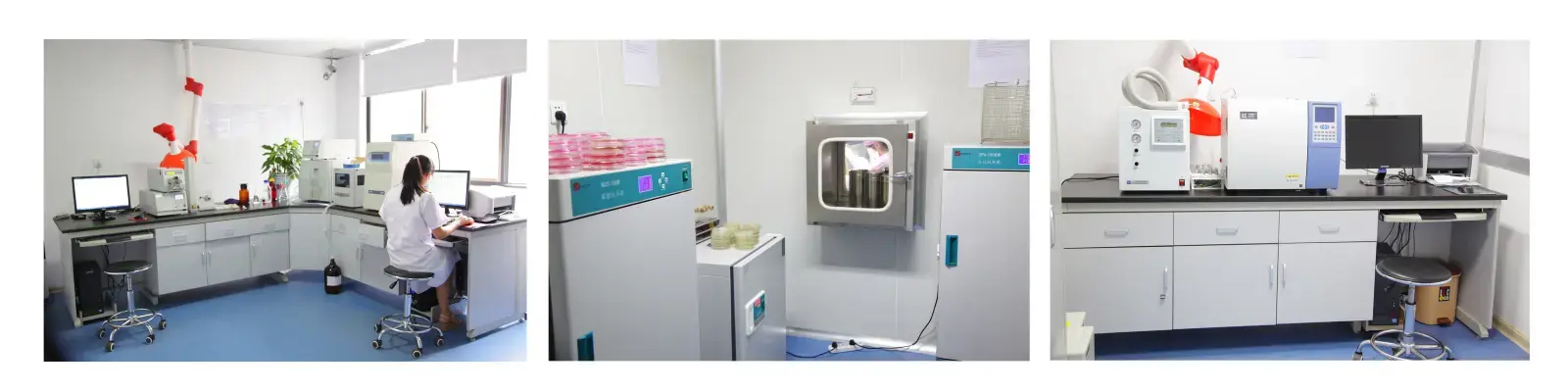
Monitoring for contaminants in the growing media during farming is the first step in quality assurance. Hazard Analysis Critical Control Points (HACCP) tools are used by high-end suppliers to keep track of every step of the production process, from harvesting to final packing. Validated test methods from ISO 17025-accredited labs must be included in the Certificate of Analysis paperwork. ICP-MS (Inductively Coupled Plasma Mass Spectrometry) tests for heavy metals find lead below 0.5ppm, arsenic below 0.3ppm, cadmium below 0.3ppm, and mercury below 0.1ppm, which is in line with FDA and EFSA guidelines.
When algae are grown in water, microbial pollution is a very important control point. Total plate counts should stay below 10,000 cfu/g, and 25g samples should not have any E. coli or Salmonella. Pheophorbide levels, which are broken down chlorophyll metabolites, must stay below 60mg% to avoid photosensitivity responses. This is an important safety requirement that less experienced sellers often forget about, but it's a must for cosmetics and supplements.
For stability from batch to batch, you need statistical process control with a small range of specifications. Protein content changes shouldn't be more than ±2%, and chlorophyll changes shouldn't be more than ±200mg/100g. This way, the recipe can be predicted across production cycles. This uniformity is especially useful in cosmetics, where stable emulsions and matching colors rely on the same qualities of the raw materials.
Regulatory Compliance and Documentation Support
To follow the FDA's rules for food supplements (21 CFR Part 111) and GRAS (Generally Recognized as Safe) status, you need to keep a lot of information about the ingredients. Suppliers should give regulatory dossiers that have toxicological studies, allergen statements, and compliance letters that are specific to each country. When it comes to European markets, companies must follow the Novel Foods Regulation and the limits set by Commission Regulation (EC) No 1881/2006 for heavy metals.
Organic certificates (USDA NOP, EU Organic), Kosher and Halal certificates for brands that serve a wide range of customers, and non-GMO proof through tested methods should all be included in documentation packages. This extra paperwork is worth a lot when providers keep their certifications up to date and let customers know when they need to be renewed.
Storage and Handling to Preserve Bioactivity
When stored properly, sensitive phytonutrients are kept from breaking down. The powder needs to be kept below 25°C in aluminized bags that are vacuum-sealed and protect against light and air. Photooxidation changes chlorophyll's color to brown pheophytin, and oxidative conditions turn omega-3 fatty acids (alpha-linolenic acid, which makes up 10-15% of the lipid part), rancid. Suppliers who use nitrogen cleaning or pressure packaging show that they are aware of these problems with stability.
To keep the most nutritional value, containers that have been opened should be quickly resealed with little air and eaten within 90 days. To cut down on waste from old stock, procurement teams should define packaging designs that match how the products are used during the production cycle.
Future Trends and Opportunities in the Market
Expanding Applications Beyond Traditional Supplements
Standardized extracts are being looked into more and more by the pharmaceutical industry for drug research, especially to target inflammation and lipid metabolism pathways. Cosmetic makers use the ingredient in anti-aging serums because it has antioxidant qualities and ceramide-like substances that help the skin's barrier function. For these high-end uses, you need pharmaceutical-grade specs that include strict, stable testing and bioactivity that is kept after preparation.
Functional food innovation goes beyond adding extra protein. For example, natural colorants can be used instead of manufactured dyes like Tartrazine in drinks and baked goods. Because the powder is pH and temperature stable, it can add bright green colors to goods that used to use fake colors. This meets the needs of consumers who want products with clean labels. To compete with whey-based drinks, sports nutrition companies make healing drinks from algae that contain all nine essential amino acids and natural salts.
Sustainability and Consumer-Driven Market Growth
Plant-based protein markets are expected to grow by more than 10% each year until 2030. This is because more people are becoming health-conscious and environmentally concerned. Growing microalgae takes less space and water than growing soy or pea protein, and the natural growth of microalgae helps store carbon. Brands that talk about sustainable sources have an edge over their competitors, especially among millennials and Gen Zers who care about the world when they buy things.
Clean-label trends call for ingredient lists that are clear and easy to understand. Products that say "pure Chlorella Powder" instead of vague "green superfood blend" give current customers the clarity they want. This openness stretches to the supply chain, where working with suppliers who prioritize social and environmental responsibility supports the brand's ideals.
Strategic Supplier Partnerships for Market Leadership
Leaders in the market see getting ingredients as a strategic competitive edge, not just a cost center. Product innovation processes can be sped up by suppliers who offer co-development help, views into market trends, and regulatory information. Earth Made Nutritions Inc's dedication to long-term growth and environmental protection fits with brand partners looking for more than just business partnerships.
Technical teamwork leads to unique formulations, such as custom ratios that mix chlorella with botanicals that work well with it, specialized granulations that make it easier for capsules to flow, or microencapsulation technologies that hide the earthy taste. These new ideas protect the company's market place from copied competitors by creating intellectual property moats.
Conclusion
Pure Chlorella Powder deserves to be called "Green Gold" because it has a high nutritional density, can be used in a variety of ways, and is opening up new market possibilities in functional foods, cosmetics, and medicines. Procurement strategies that work well combine price with quality assurance, source dependability, and following the rules. The ingredient fits in with health, clean label, and environmental trends that are changing customer markets because it has a full protein makeup, a unique CGF complex, and sustainable properties. When business-to-business buyers work with certified sellers who offer expert support, full paperwork, and domestic logistics infrastructure, they gain a competitive edge through faster innovation cycles and quality assurance. Today's strategic choices about where to get products set the stage for tomorrow's unique product portfolios that will take advantage of the health market's growth.
Frequently Asked Questions
1. Is this ingredient suitable for vegan formulations?
Yes, Chlorella pyrenoidosa powder is made from only plants. There are no animal parts used in the growing or making of the powder. It gives vegans accessible forms of vitamin B12 that fill a nutritional gap that often happens in plant-based diets. This makes it useful for companies that want to reach the growing number of vegans and vegetarians who buy functional foods and nutrition supplements.
2. Which certifications verify supplier credibility?
It shows that the quality system is mature and there are rules in place for food safety that premium providers keep their NSF GMP, FSSC22000, and ISO certifications. Organic certification (USDA, EU) checks the way crops are grown, and Kosher and Halal certifications let more products reach more markets. Third-party testing documents from ISO 17025-accredited labs and non-GMO verification are two more ways to help determine the trustworthiness of a business-to-business procurement risk.
3. How do you guarantee material safety from contaminants?
Reliable providers follow HACCP rules and test regularly for heavy metals like lead, arsenic, cadmium, and mercury using ICP-MS. They also check for microbial pollution and pesticide residue. Each batch comes with a Certificate of Analysis that shows it meets FDA and EFSA standards. Traceability systems keep track of the conditions of farming all the way through to final packing. This lets people act quickly if quality problems arise. Regular checks are done on domestic suppliers whose sites are FDA-registered to make sure they meet safety standards.
Partner with Earth Made Nutritions Inc for Premium Chlorella Solutions
Earth Made Nutritions Inc can help you reach your recipe goals by providing pharmaceutical-grade chlorella powder that meets the strictest requirements. Our business is based in California and has four carefully placed U.S. warehouses that work together to make sure that goods are delivered within two days of an order being confirmed. As a well-known company that sells pure Chlorella Powder, we keep a lot of certificates, such as NSF GMP, FSSC22000, Kosher, Halal, ISO, and organic qualifications. This makes it easier for you to follow the rules set by the government.
Our expert team helps you come up with the best formulations by figuring out the best inclusion rates, stability factors, and sensory profiles for your needs. Get a free sample of our fine green powder today to see how high-quality it is, and then email our procurement specialists at info@em-herb.com to talk about volume pricing, customization options, and partnership opportunities that will help you stay competitive in the wellness markets that are growing quickly.
References
1. Merchant, R.E. & Andre, C.A. (2001). "A Review of Recent Clinical Trials of the Nutritional Supplement Chlorella pyrenoidosa in the Treatment of Fibromyalgia, Hypertension, and Ulcerative Colitis." Alternative Therapies in Health and Medicine, 7(3), 79-91.
2. Panahi, Y., Darvishi, B., Jowzi, N., Beiraghdar, F., & Sahebkar, A. (2016). "Chlorella vulgaris: A Multifunctional Dietary Supplement with Diverse Medicinal Properties." Current Pharmaceutical Design, 22(2), 164-173.
3. Becker, E.W. (2007). "Micro-algae as a Source of Protein." Biotechnology Advances, 25(2), 207-210.
4. Safi, C., Zebib, B., Merah, O., Pontalier, P.Y., & Vaca-Garcia, C. (2014). "Morphology, Composition, Production, Processing and Applications of Chlorella vulgaris: A Review." Renewable and Sustainable Energy Reviews, 35, 265-278.
5. Kay, R.A. (1991). "Microalgae as Food and Supplement." Critical Reviews in Food Science and Nutrition, 30(6), 555-573.
6. Nakano, S., Takekoshi, H., & Nakano, M. (2010). "Chlorella pyrenoidosa Supplementation Reduces the Risk of Anemia, Proteinuria, and Edema in Pregnant Women." Plant Foods for Human Nutrition, 65(1), 25-30.