- English
- French
- German
- Portuguese
- Spanish
- Russian
- Japanese
- Korean
- Arabic
- Irish
- Greek
- Turkish
- Italian
- Danish
- Romanian
- Indonesian
- Czech
- Afrikaans
- Swedish
- Polish
- Basque
- Catalan
- Esperanto
- Hindi
- Lao
- Albanian
- Amharic
- Armenian
- Azerbaijani
- Belarusian
- Bengali
- Bosnian
- Bulgarian
- Cebuano
- Chichewa
- Corsican
- Croatian
- Dutch
- Estonian
- Filipino
- Finnish
- Frisian
- Galician
- Georgian
- Gujarati
- Haitian
- Hausa
- Hawaiian
- Hebrew
- Hmong
- Hungarian
- Icelandic
- Igbo
- Javanese
- Kannada
- Kazakh
- Khmer
- Kurdish
- Kyrgyz
- Latin
- Latvian
- Lithuanian
- Luxembou..
- Macedonian
- Malagasy
- Malay
- Malayalam
- Maltese
- Maori
- Marathi
- Mongolian
- Burmese
- Nepali
- Norwegian
- Pashto
- Persian
- Punjabi
- Serbian
- Sesotho
- Sinhala
- Slovak
- Slovenian
- Somali
- Samoan
- Scots Gaelic
- Shona
- Sindhi
- Sundanese
- Swahili
- Tajik
- Tamil
- Telugu
- Thai
- Ukrainian
- Urdu
- Uzbek
- Vietnamese
- Welsh
- Xhosa
- Yiddish
- Yoruba
- Zulu
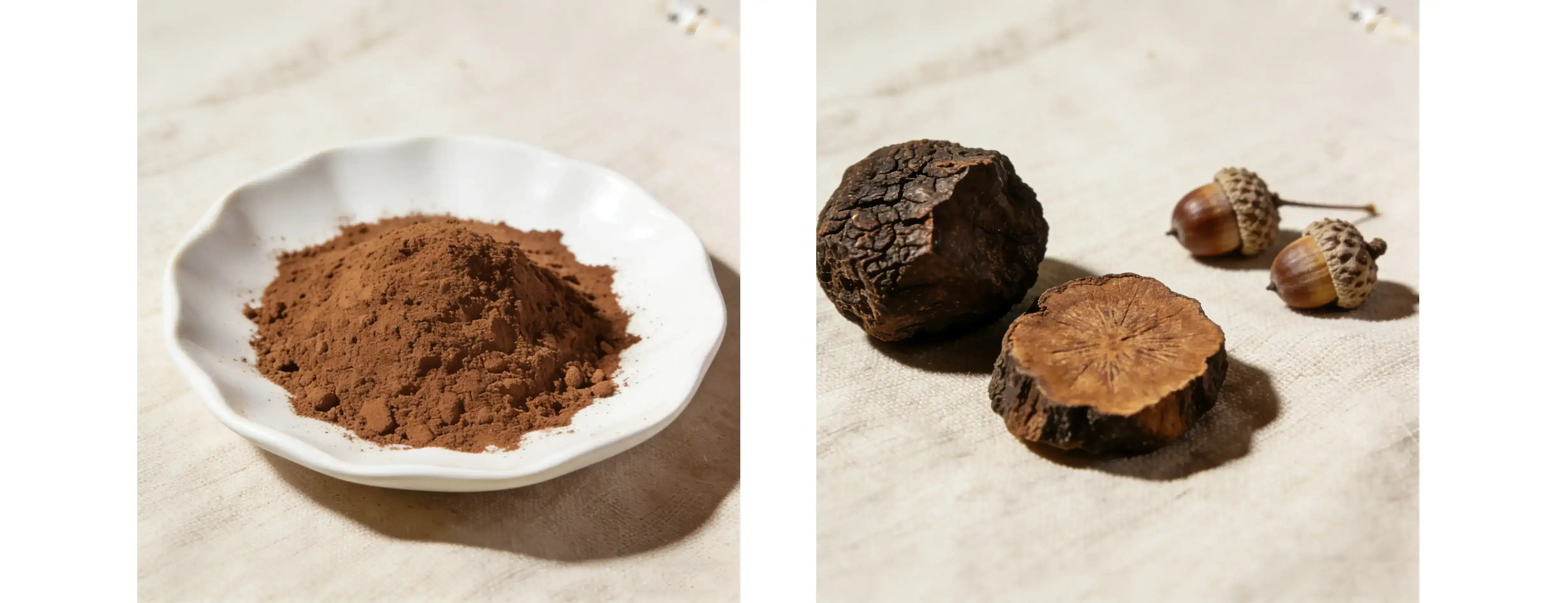
Pure Chaga mushroom Powder is a new and important ingredient that comes from Inonotus obliquus, a parasite fungus that grows on birch trees in subarctic areas. This brownish-yellow powder has been used for hundreds of years in traditional medicine. It has a lot of beneficial compounds—polysaccharides, melanin, triterpenes, and beta-glucans—that fight oxidative stress and keep skin healthy. As more people want botanical products with clean labels, sourcing workers in cosmetics and functional foods see Chaga as a way to improve product effectiveness while also following natural ingredient trends. This article talks about how high-purity Chaga powder changes skin care products and what quality standards are most important for B2B buying decisions.
What Is Pure Chaga Mushroom Powder and How Is It Made?
Botanical Origin and Harvesting Practices
In Siberia, Northern Canada, and Alaska, the Inonotus obliquus grows wild on old birch trees. Over the course of 10 to 20 years, the fungal sclerotium, which looks like thick charcoal, builds up betulinic acid and other chemicals that come from birch. Lab-grown mycelium grown on grain surfaces is not at all like real wild-harvested material; it lacks the birch-wood triterpene profile that makes premium Chaga what it is. Sustainable gathering rules say that at least 30% of the conk should be left whole so that it can grow back. This keeps the forest environment in balance over time.
Production Process and Quality Milestones
Cleaning and drying the raw sclerotium to get the wetness level below 8% stops the growth of microbes, which is the first step in the manufacturing process. Two types of extraction are used on the dried material: hot water boiling frees up polysaccharides, and ethanol extraction grabs lipophilic triterpenes. This two-step process increases absorption by breaking down chitin cell walls that people can't eat. The extract is turned into a fine brownish-yellow powder (80–120 mesh) by spray-drying after it has been filtered and concentrated. Advanced providers keep temperatures very low during spray-drying to protect heat-sensitive superoxide dismutase (SOD) activity, which is a key indicator of how strong an antioxidant is.
Distinguishing Product Forms
Chaga comes in a number of different forms for business buyers, including raw bits, tinctures, pills, and standardized extracts. Raw chunks are good for craft beverage brands that like to use traditional methods of preparation, but the ingredient amounts aren't always the same. Tinctures work quickly, but they make it harder to make sure that all dosages are the same when they are being made. Powdered extracts give you more options for how to make your products because they can be easily mixed into pills, useful drinks, and topical emulsions. Standardized extracts with confirmed polysaccharide content (≥30%) and beta-glucan levels (≥10%) guarantee stability from batch to batch. This is a must for large-scale production runs where safety for consumers and regulatory compliance meet.
Health and Skin Benefits of Pure Chaga Mushroom Powder
Antioxidant Mechanisms and Skin Protection
Chaga has a very high ORAC (Oxygen Radical Absorbance Capacity) number, making it one of the most powerful antioxidants found in nature. Melanin chemicals in the powder fight free radicals that are made by UV light and outdoor pollutants. This keeps skin fibroblasts from getting damaged by oxidative stress. Studies in the lab show that Chaga polysaccharides improve the repair of cells, which helps the production of collagen, which keeps the skin's flexibility. Cosmetic companies that want to reach older women who want natural options to manmade anti-aging ingredients, like formulas that contain high-purity pure Chaga mushroom Powder.
Anti-Inflammatory Properties in Skincare Applications
Chronic low-grade inflammation speeds up the aging process and weakens the skin's barrier function. Chaga triterpenes, especially betulinic acid, change the levels of cytokines that cause inflammation without making the defense system less effective. Chaga is great for sensitive skin products because it soothes itching while keeping the skin's defenses strong. Cosmetic scientists use this trait in serums for after surgery, creams that reduce redness, and daily moisturizers for people with sensitive skin. Once the powder has been properly extracted, it dissolves easily in water and can be easily added to oil-in-water emulsions without causing phase separation or stability problems.
Broader Wellness Applications Beyond Skincare
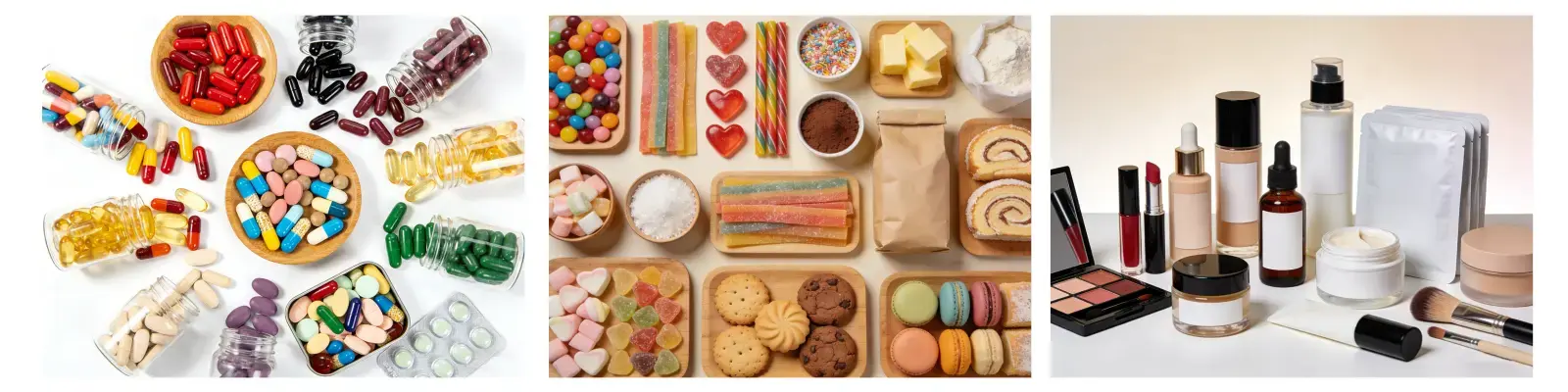
The cosmetics business is interested in skin health, but Chaga's benefits for the whole body open up possibilities in other areas as well. Functional beverage companies use the powder to make adaptogenic coffee mixes and immune-boosting elixirs, taking advantage of people's interest in health in all its forms. The polysaccharide part helps keep immune reactions in order, and the triterpenes help with metabolic health. In competitive markets where single-benefit products are under pressure to become more common, this ability to do more than one thing makes a brand stand out.
How to Choose the Best Pure Chaga Mushroom Powder for B2B Procurement
Critical Quality Metrics and Testing Protocols
To choose the best pure Chaga mushroom Powder, you need to do a lot of scientific testing. The Megazyme Method (K-YBGL) precisely measures fungus beta-glucans while leaving out starchy alpha-glucans, which are a sign of grain-based filler. Products with high amounts of alpha-glucan (>5%) probably have mycelium growth instead of pure sclerotium extract. As wild-harvested fungi store environmental pollutants, an ICP-MS heavy metal study is needed to make sure that the levels of lead (<2 ppm), cadmium (<1 ppm), mercury (<0.1 ppm), and arsenic (<1 ppm) are within the limits. Radioactivity testing for Cesium-137 in materials from Siberia handles issues related to natural events that happened in the past. DNA barcoding of the ITS (Internal Transcribed Spacer) region confirms the species' identity, which stops cheaper fungi that don't have Chaga's unique phytochemical profile from being used instead.
Certification Requirements and Regulatory Compliance
Here are the essential certifications that validate quality and market access for B2B procurement:
Organic Certification: The USDA Organic or EU similar seal of approval shows that wild-harvesting methods are in line with strict environmental standards. This makes sure that no synthetic fertilizers or pesticides get into the growing environment.
- NSF GMP: This approval shows that factories follow current Good Manufacturing Practices for pharmaceuticals, which is important for nutrition and cosmetic uses that need to keep contamination to a minimum.
- FSSC22000: Food Safety System Certification 22000 covers all aspects of food safety management and is required for practical food and beverage uses where the powder is eaten.
- Kosher and Halal: These certifications help brands reach a wider range of customers and show that the processing follows religious food rules.
Along with each other, these licenses help with problems like tracking, legal issues, and limited market access. Suppliers who offer full paperwork files, such as Certificates of Analysis, third-party test results, and organic certificates, make it easier to register products in controlled markets. This speeds up the time it takes for new formulations to hit the market.
Evaluating Supplier Capabilities and Logistics
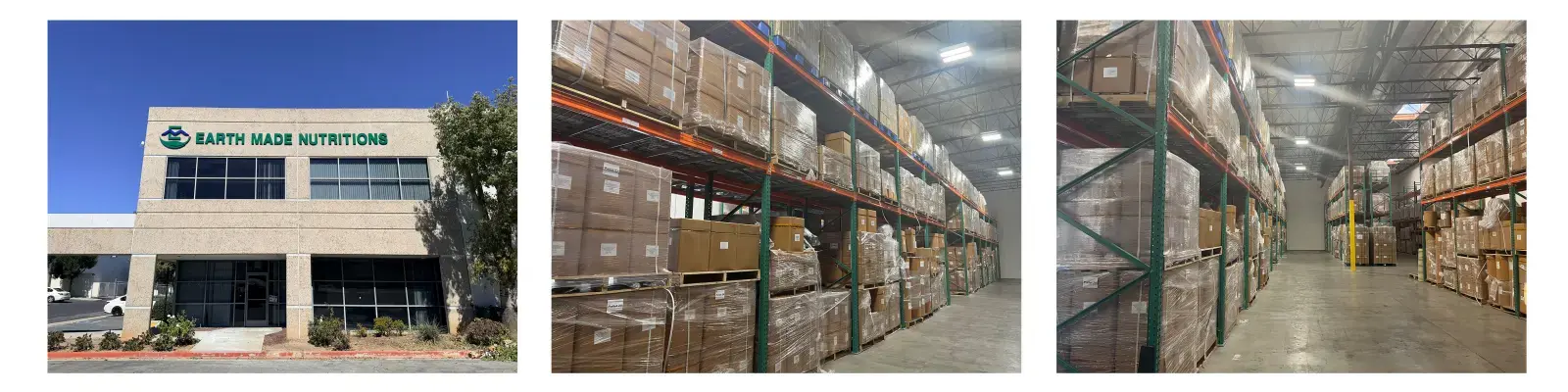
Along with product quality, the success of long-term relationships depends on how reliable the supply chain is. Especially for buyers in the U.S., procurement teams should look at the infrastructure of warehouses. When suppliers have local warehouses in key areas, they cut down on wait times and import delays. Earth Made Nutritions Inc., for example, has four area stores in the U.S. that can fill orders from in-stock items within two days. Minimum order numbers (MOQ) of 25 kg are a good compromise between low cost and flexibility for new brands that want to try recipes before going into full-scale production. R&D teams can test compatibility with current ingredient matrices by getting free samples. This lets them check solubility, organoleptic qualities, and stability under processing conditions. Transactional sellers who only sell commodities are different from partners who want to work together to grow because they don't communicate clearly about batch availability, pricing models for different volume levels, and custom packaging choices.

Brewing and Application Methods Focused on Skin Benefits
Optimal Extraction Techniques for Bioactive Preservation
Even though traditional ways of making tea are important to culture, they might not get the most bioactives out of raw Chaga bits. Hot water boiling at 185–200°F for 20–30 minutes frees up polysaccharides that dissolve in water, but locks in lipophilic triterpenes inside the fungus matrix. When pre-extracted powders are mixed with warm water, the chemicals that have already been released are quickly bioavailable. People who make drinks that are meant to be functional coffee alternatives can add 500 to 1000 mg of standardized powder to each dose, making adaptogenic blends that give uniform amounts of compounds. The woody taste of the powder, which is slightly sweet from vanillic acid found in birch, goes well with cocoa, cinnamon, and roasted grain bases without the need for extra sweeteners that go against the clean-label positioning.
Topical Formulation Strategies
Adding pure Chaga mushroom Powder to skin care products needs to be micronized so that the particles are smaller than 10 microns. This keeps the finished creams and serums from being gritty. To get a uniform solution, cosmetic formulators usually use high-shear mixing to spread the powder in the water phase before emulsification. The melanin gives mixtures a light golden color, which companies use to show that the active ingredients are natural. Testing the powder's stability at 45°C and 5°C for 30 days shows that it keeps its antioxidant activity without turning brown or separating into different phases. Newer formulas mix Chaga with plants that work well together, like green tea polyphenols, resveratrol, or vitamin C. This makes antioxidant networks that work better than single-ingredient methods. New trends in cosmetics favor leave-on treatments like sleeping masks and concentrated serums. Chaga's slow-release polysaccharides improve the skin for a long time while they are on it.
Product Development Guidance for Innovators
Brands making the first version of Chaga goods can benefit from positioning advice based on research into what consumers want. Instead of making unproven claims about turning back the clock on aging, skincare claims should focus on protecting against environmental damage, protecting against free radicals, and making the skin look brighter. Functional beverage messages can focus on daily health practices, long-lasting energy without stimulants, and all-around beauty support. People are more likely to believe ingredients they haven't used before if the packaging includes educational material like where the ingredients came from, how they were extracted, and how to use them. When providers offer more than just basic materials, like formulation advice, stability data, and marketing positioning models that speed up product commercialization while lowering the risk of reformulation, B2B customers get the most value.
Trusted Suppliers of Pure Chaga Mushroom Powder
Supplier Evaluation Framework
To find trusted sources of pure Chaga mushroom Powder, you need to do a systematic review of many factors. Quality checks should check the capabilities of the extraction tools. Dual-extraction systems with different lines for aqueous and ethanolic processing show advanced technology. Transparency in documentation is important. Reliable providers share Certificates of Analysis for every batch, which show the amount of polysaccharides, beta-glucans, heavy metals, and microbes in the food. Regulatory compliance includes more than just certifying ingredients. Facilities must also be listed with the FDA for sales in the U.S., Health Canada for sales in Canada, and Novel Foods for sales in Europe. When looking at logistics, it's important to look at things like domestic storage, flexible packaging choices (like bulk drums vs. custom store sizes), and quick customer service. These are the things that set long-term partners apart from short-term brokers.
Earth Made Nutritions Inc. as a Strategic Partner
Earth Made Nutritions Inc. was started in 2018 and has its main office in California. Its specialty is plant ingredients used in cosmetics and functional foods. The company has its own factories that are equipped with cutting-edge extraction technology. This allows for controlled handling from the time the raw materials are received until the end powder is made. They use Inonotus obliquus fruiting bodies that were collected in the wild and handled without using chemical agents. This makes a fine brownish-yellow powder that has been tested for bioactive content. NSF GMP, FSSC22000, Kosher, Halal, ISO, and Organic are some of the broad standards that meet the different legal needs of markets around the world. The 25 kg minimum order quantity (MOQ) works for new names, and the bulk price helps well-known brands. Four carefully placed U.S. warehouses make it possible to quickly fill orders, which saves clients money on the cost of keeping goods on hand. Professional research and development (R&D) help with formulating new products by giving information on their security and how to use them, which speeds up the product creation process.
Conclusion
Pure Chaga mushroom Powder has changed from a traditional folk cure to a scientifically proven functional ingredient. It now offers great possibilities for B2B clients in the areas of skincare and functional foods. The powder's special mix of bioactive compounds—including protective melanin compounds, anti-inflammatory triterpenes, and antioxidant polysaccharides—meets the needs of customers who want natural ingredients that work and are backed by good evidence. To make sure that buying goes well, quality must be carefully checked using advanced analytical methods, a wide range of certifications, and seller partnerships that put an emphasis on openness and reliable logistics. As clean-label trends continue to change the market for ingredients, Chaga powder is a smart addition for brands that want to stand out by using plant innovations that are rooted in both tradition and modern science.
Frequently Asked Questions
1. What distinguishes Chaga powder from Chaga extract?
Chaga powder is usually ground raw material that still has all of its chemicals, but it isn't always bioavailable because the cell walls are still whole. Extracts are processed to break down chitin structures and concentrate certain bioactives, such as polysaccharides or triterpenes. This makes uptake better. Standardized extracts offer constant potency, which is important for controlled uses. Whole powders, on the other hand, are popular with brands that stress minimal processing.
2. How should you store large Chaga powder so that it stays effective?
Because pure Chaga mushroom Powder absorbs water, it needs to be stored in a controlled environment. Antioxidant activity is kept in sealed containers that are kept in a cool (<25°C) and dry (<60% relative humidity) environment. Nitrogen flushing or vacuum closing stops oxidative breakdown once the door is open. If you store powder properly, it will stay effective for 24 months from the date it was made, but you should do regular antioxidant tests to make sure it stays effective even after longer storage.
3. Where can procurement teams source verified high-quality Chaga powder?
Suppliers with a good reputation keep clear quality records, full certificates, and helpful expert support. Earth Made Nutritions Inc. sells certified organic Chaga powder that is stored in the United States and comes with full analysis reports. By working with wholesalers who offer free samples, you can test the recipe before placing large orders. This lowers the risk of development and makes sure that the new product will work with other products in your line.
Partner with Earth Made Nutritions Inc. for Premium Chaga Mushroom Powder Supply
As a reliable source of pure Chaga mushroom Powder, Earth Made Nutritions Inc. is ready to help you reach your recipe goals. We make sure that the quality of our wild-harvested Inonotus obliquus powder is very high by testing it with a third party and having certifications from NSF GMP, FSSC22000, Kosher, Halal, ISO, and Organic. We send 25 kg orders within two days because we have four warehouses in the U.S. This keeps your production plans on track. Before making big purchases, our R&D team can try out free samples of our powder to see how well it dissolves, how well it works as an antioxidant, and how well it works with other ingredients. Our expert team can help you speed up the development of your product by giving you formulation advice, stability data, and regulation advice. Email us at info@em-herb.com right now to get samples or talk about making special specs that fit your specific manufacturing needs. Find out how our environmentally friendly methods of finding and cutting-edge extraction technology give your business the uniform quality it needs in today's natural ingredients market.
References
1. Zheng, W., Miao, K., Liu, Y., Zhao, Y., Zhang, M., Pan, S., & Dai, Y. (2010). Chemical diversity of biologically active metabolites in the sclerotia of Inonotus obliquus and submerged culture strategies for up-regulating their production. Applied Microbiology and Biotechnology, 87(4), 1237-1254.
2. Lee, S. H., Hwang, H. S., & Yun, J. W. (2009). Antitumor activity of water extract of a mushroom, Inonotus obliquus, against HT-29 human colon cancer cells. Phytotherapy Research, 23(12), 1784-1789.
3. Glamočlija, J., Ćirić, A., Nikolić, M., Fernandes, Â., Barros, L., Calhelha, R. C., Ferreira, I. C., Soković, M., & van Griensven, L. J. (2015). Chemical characterization and biological activity of Chaga (Inonotus obliquus), a medicinal "mushroom". Journal of Ethnopharmacology, 162, 323-332.
4. Balandaykin, M. E., & Zmitrovich, I. V. (2015). Review on Chaga medicinal mushroom, Inonotus obliquus (higher Basidiomycetes): realm of medicinal applications and approaches on estimating its resource potential. International Journal of Medicinal Mushrooms, 17(2), 95-104.
5. Shashkina, M. Y., Shashkin, P. N., & Sergeev, A. V. (2006). Chemical and medicobiological properties of Chaga (review). Pharmaceutical Chemistry Journal, 40(10), 560-568.
6. Park, Y. K., Lee, H. B., Jeon, E. J., Jung, H. S., & Kang, M. H. (2004). Chaga mushroom extract inhibits oxidative DNA damage in human lymphocytes as assessed by the comet assay. BioFactors, 21(1-4), 109-112.