- English
- French
- German
- Portuguese
- Spanish
- Russian
- Japanese
- Korean
- Arabic
- Irish
- Greek
- Turkish
- Italian
- Danish
- Romanian
- Indonesian
- Czech
- Afrikaans
- Swedish
- Polish
- Basque
- Catalan
- Esperanto
- Hindi
- Lao
- Albanian
- Amharic
- Armenian
- Azerbaijani
- Belarusian
- Bengali
- Bosnian
- Bulgarian
- Cebuano
- Chichewa
- Corsican
- Croatian
- Dutch
- Estonian
- Filipino
- Finnish
- Frisian
- Galician
- Georgian
- Gujarati
- Haitian
- Hausa
- Hawaiian
- Hebrew
- Hmong
- Hungarian
- Icelandic
- Igbo
- Javanese
- Kannada
- Kazakh
- Khmer
- Kurdish
- Kyrgyz
- Latin
- Latvian
- Lithuanian
- Luxembou..
- Macedonian
- Malagasy
- Malay
- Malayalam
- Maltese
- Maori
- Marathi
- Mongolian
- Burmese
- Nepali
- Norwegian
- Pashto
- Persian
- Punjabi
- Serbian
- Sesotho
- Sinhala
- Slovak
- Slovenian
- Somali
- Samoan
- Scots Gaelic
- Shona
- Sindhi
- Sundanese
- Swahili
- Tajik
- Tamil
- Telugu
- Thai
- Ukrainian
- Urdu
- Uzbek
- Vietnamese
- Welsh
- Xhosa
- Yiddish
- Yoruba
- Zulu
If you're sourcing functional ingredients for your next supplement line, cordyceps sinensis extract deserves serious attention. Derived from the mycelium of Cordyceps sinensis, this brownish-yellow powder has become one of the most sought-after botanicals in the U.S. nutraceutical market. Standardized to deliver consistent levels of polysaccharides, adenosine, and cordycepic acid, it offers supplement brands a reliable, scalable, and clean-label ingredient. This guide walks R&D directors, formulation managers, and procurement teams through everything they need to know — from composition to supplier selection.
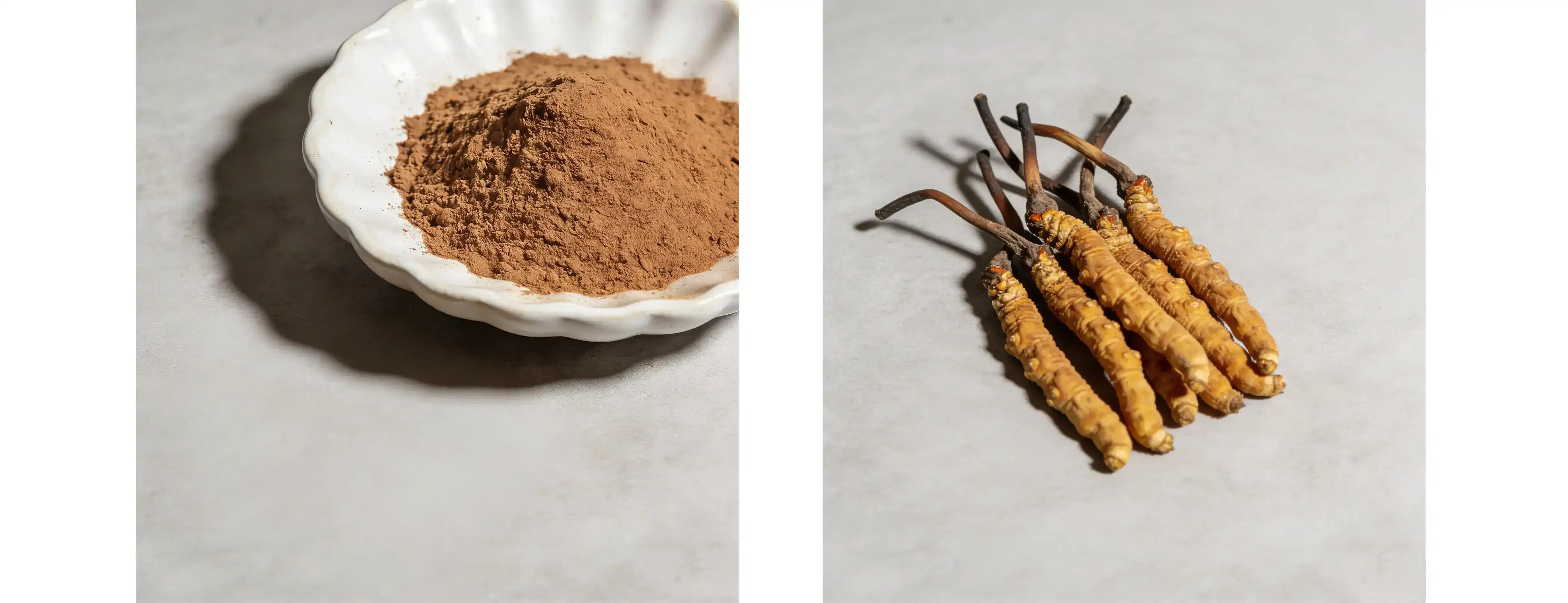
Understanding Cordyceps Sinensis Extract: Composition, Benefits, and Uses
What Makes This Fungal Extract Unique?
Wild Opiocordyceps sinensis, which is called "Yarsagumba" in Tibet, sells for more than $20,000 a kilogram because it is so hard to find in nature. Mycelial fermentation technology can copy the bioactive profile of the wild organism for a lot less money. It does this by using controlled submerged fermentation of strains like Hirsutella sinensis or Paecilomyces hepiali (Cs-4). The end result is a controlled extract that can be used again and again and has much lower heavy metal exposure than wild biomass that was collected from the ground.
Polysaccharides (main marker for immune modulation), adenosine (linked to ATP energy metabolism), and cordycepic acid (D-mannitol) are the most important bioactive markers in a good extract. The tough chitinous cell wall of the mycelium is broken down by water and ethanol dual-solvent extraction. This makes it easier for finished formulations to absorb these compounds.
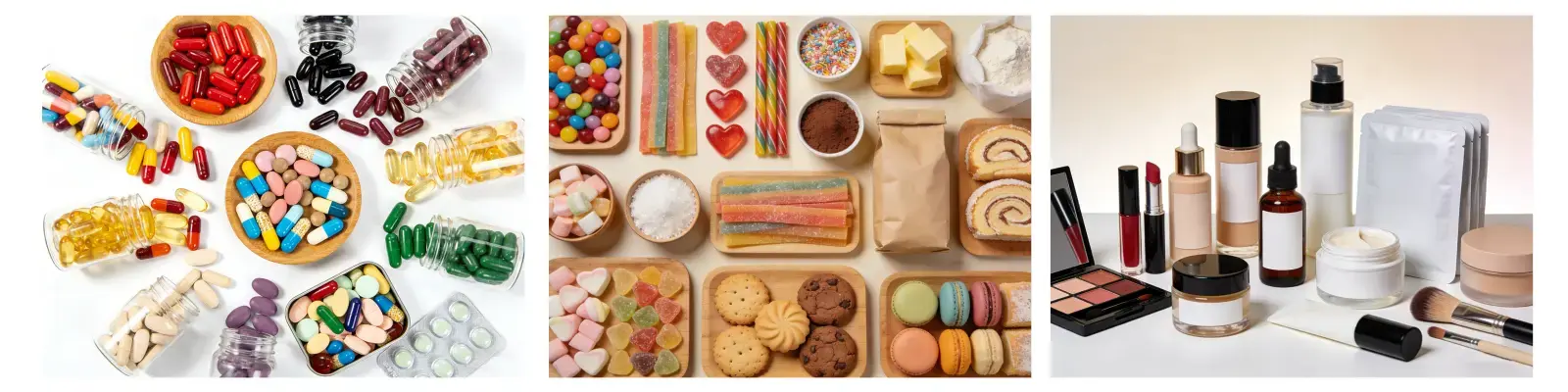
Supported Applications in Supplement Formulations
This ingredient has been used by brands in the energy boost, sports nutrition, and adaptogen categories for well-known reasons. Research published in the Journal of Alternative and Complementary Medicine (2010) showed that older people who took Cs-4 supplements did better at exercise and took in more air. In several experimental tests, the polysaccharide fraction has been linked to immunomodulatory activity.
Some common uses for formulations are:
- Sports nutrition capsules and powders: Positioned around oxygen utilization and endurance, where polysaccharide standardization at 30%–50% ensures potency consistency across production batches.
- Adaptogen blends: Combined with ashwagandha, reishi, or lion's mane to create synergistic stress-response formulas targeting the growing wellness consumer segment.
- Functional beverages: The water-soluble polysaccharide fraction integrates cleanly into RTD formats without affecting taste or turbidity significantly.
Usually, 500 mg to 1,500 mg per serving of cordyceps sinensis extract is the recommended amount to be added to finished products. However, formulation managers should make sure that the dosage matches the data on the specification sheet and the claims that are meant to be made on the label. Under FDA 21 CFR Part 101, you should always look at regulatory guidelines to find the right structure/function claim wording.
Comparing Cordyceps Sinensis Extract Forms and Market Options
Extract Powder vs. Crude Mycelium Powder
At the formulation stage, the difference between an extract and a crude powder is very important. The unbroken cell walls in crude mycelium powder make it less bioavailable and give variable amounts of active compounds. A standardized extract made from water and ethanol extraction guarantees a polysaccharide concentration of 30% to 50%, giving your quality control team a reliable standard to test every new lot against.
Cordyceps Sinensis vs. Cordyceps Militaris
Both species are useful for business, but they have different positioning strategies. Cordyceps militaris naturally makes a substance called cordycepin (3′-deoxyadenosine) in large amounts, and it is easy to grow the fruiting body. On the other hand, "Yarsagumba" mycelium extract from Cordyceps sinensis is more in line with its traditional TCM roots and has a better reputation in the U.S. premium supplement market. When it comes to packaging, brands that are aimed at Asian-Americans or people with a history of health issues often prefer the sinensis name.
Organic vs. Conventional Certified Options
Organic certification comes with a big price hike—usually 15% to 30% more than regular grades—but it gives you access to clean-label and USDA organic product lines. When looking at different markets, make sure that the organic certification covers the whole process, not just the raw mycelium biomass. This includes the growing medium and the extraction process.
Procurement Insights: Finding and Buying High-Quality Cordyceps Sinensis Extract
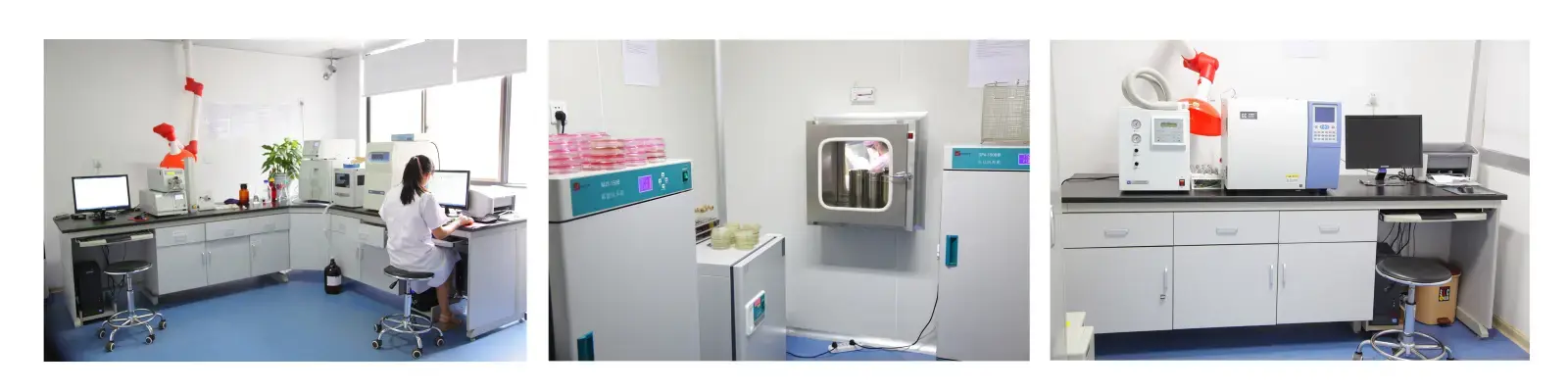
What Rigorous Quality Control Looks Like
Before approving a new supplier, procurement teams should require the following paperwork:
- HPTLC identity testing to confirm fungal strain authenticity and rule out starch filler adulteration.
- UV-VIS polysaccharide assay (Anthrone-sulfuric acid method) — request that the supplier confirm the method is validated against maltodextrin interference.
- HPLC adenosine assay for potency verification.
- Heavy metal panel per USP standards: total heavy metals below 10 ppm, arsenic below 1 ppm, lead below 2 ppm, mercury below 0.1 ppm.
- Pesticide residue screening covering 500+ compounds for EU/USDA compliance.
- Loss on Drying (LOD) below 5% to prevent clumping and microbial proliferation during storage.
These requirements set the standard for any GMP-compliant Cordyceps sinensis extract supplement production area. If a seller can't give you third-party CoA statistics for these factors, they are responsible for the procurement.
Pricing Dynamics and Bulk Contract Considerations
The main thing that affects price is the polysaccharide specification. Because of changes in extraction yield, a 30% polysaccharide extract costs less per unit than a 50% grade. Costs go up when you need organic approval and NSF GMP/ISO paperwork. For brands that buy in bulk at 25 kg, per-kilogram prices should be looked at along with supply security, not just one at a time. A slightly cheaper provider whose polysaccharide differences vary from batch to batch will hurt your production economics by making you pay more to re-formulate and test your products.
Criteria for Choosing the Right Cordyceps Sinensis Extract Supplier
Certifications That Signal Genuine Compliance
A trustworthy seller uses a certification system with multiple standards. For food safety management system approval, at the very least, look for NSF GMP, ISO, and FSSC 22000. With Kosher and Halal approvals, you can reach a wider range of people who have different nutritional needs. Organic certification helps you get a higher price. If a supplier has all of these at the same time, it shows that they are operationally mature and continue to invest in quality infrastructure. It's not just a one-time audit pass.
Delivery Reliability and U.S. Market Accessibility
For U.S.-based names, a supplier with storage facilities in the U.S. is a real practical plus. It gets rid of delays in customs processing, cuts lead times from weeks to days, and makes planning for incoming operations easier. Suppliers with warehouses in California or multiple states can meet pressing production needs without the problems that come up when you only source from overseas.
Earth Made Nutritions Inc. was started in 2018 and has its main office in California. It has four big warehouses in the United States. Our cordyceps sinensis extract is in stock and can be picked up the next business day. It comes in 25 kg drums, and there is a 25 kg minimum order quantity. Qualified buyers can get free samples. There are many types of certificates, such as NSF GMP, FSSC 22000, Kosher, Halal, ISO, and Organic.

Conclusion
It takes more than just finding the lowest price per kilogram to get a good cordyceps sinensis extract for your supplement line. It needs bioactive standardization that has been proven to work, reliable certifications, a supply chain, and a supplier that knows how to work in GMP formulation environments. Every purchase choice you make affects the performance and credibility of your end product, from choosing the right polysaccharide specifications to figuring out how to deliver them. Earth Made Nutritions Inc. is set up to help with that process; they have stock in the United States, full records, and a team that speaks the language of your recipe.
FAQs
1. What is the difference between cordyceps extract powder and crude mycelium powder?
Crude mycelium powder is ground biomass with intact cell walls that limit active compound absorption. Extract powder uses water and/or ethanol extraction to concentrate and standardize bioactives like polysaccharides and adenosine, delivering consistent potency in finished formulations.
2. How do I verify extract purity before purchasing?
Request a third-party Certificate of Analysis (CoA) showing HPTLC identity confirmation, HPLC adenosine assay, UV-VIS polysaccharide assay, heavy metal panel, pesticide residue screening, and LOD below 5%.
3. What certifications should a compliant U.S. supplement supplier hold?
At minimum: NSF GMP and ISO for quality management, FSSC 22000 for food safety, and Halal/Kosher for broad market access. Organic certification is required if your label carries USDA organic claims.
4. What is the standard MOQ for bulk procurement?
Many qualified suppliers offer a 25 kg drum as the entry-level MOQ, which aligns with pilot batch production volumes for most mid-sized nutraceutical manufacturers.
Partner With Earth Made Nutritions Inc. for Reliable Cordyceps Sinensis Extract Supply
Earth Made Nutritions Inc. stocks pharmaceutical-grade cordyceps sinensis extract supplier-grade material with same-week availability across four U.S. warehouses. Our extract is standardized at 30%–50% polysaccharides, certified under NSF GMP, FSSC 22000, Kosher, Halal, ISO, and Organic, and available with free samples for qualified brands. Reach us at info@em-herb.com to request your sample and product specification sheet today.
References
1. Chen, S., et al. — Journal of Alternative and Complementary Medicine, 2010.
2. Holliday, J., & Cleaver, M. — Medicinal Value of the Caterpillar Fungi Species of the Genus Cordyceps, American Herbal Products Association, 2008.
3. Panda, A.K., & Swain, K.C. — Journal of Applied Pharmaceutical Science, 2011.
4. Zhu, J.S., Halpern, G.M., & Jones, K. — Journal of Alternative and Complementary Medicine, 1998.
5. Paterson, R.R.M. — Phytochemistry, 2008.
6. Lo, H.C., & Wasser, S.P. — International Journal of Medicinal Mushrooms, 2011.