- English
- French
- German
- Portuguese
- Spanish
- Russian
- Japanese
- Korean
- Arabic
- Irish
- Greek
- Turkish
- Italian
- Danish
- Romanian
- Indonesian
- Czech
- Afrikaans
- Swedish
- Polish
- Basque
- Catalan
- Esperanto
- Hindi
- Lao
- Albanian
- Amharic
- Armenian
- Azerbaijani
- Belarusian
- Bengali
- Bosnian
- Bulgarian
- Cebuano
- Chichewa
- Corsican
- Croatian
- Dutch
- Estonian
- Filipino
- Finnish
- Frisian
- Galician
- Georgian
- Gujarati
- Haitian
- Hausa
- Hawaiian
- Hebrew
- Hmong
- Hungarian
- Icelandic
- Igbo
- Javanese
- Kannada
- Kazakh
- Khmer
- Kurdish
- Kyrgyz
- Latin
- Latvian
- Lithuanian
- Luxembou..
- Macedonian
- Malagasy
- Malay
- Malayalam
- Maltese
- Maori
- Marathi
- Mongolian
- Burmese
- Nepali
- Norwegian
- Pashto
- Persian
- Punjabi
- Serbian
- Sesotho
- Sinhala
- Slovak
- Slovenian
- Somali
- Samoan
- Scots Gaelic
- Shona
- Sindhi
- Sundanese
- Swahili
- Tajik
- Tamil
- Telugu
- Thai
- Ukrainian
- Urdu
- Uzbek
- Vietnamese
- Welsh
- Xhosa
- Yiddish
- Yoruba
- Zulu
Formulating supplements with reishi mushroom extract powder starts with a clear specification, not an extraction ratio. Choose the extract profile that matches your format, confirm the marker compounds with a COA, and test the powder in your own blend before scaling up. Polysaccharides, beta-glucans, and triterpenes each need a named test method. Sensory profile, moisture control, and packaging also shape the finished product. In this guide, I walk product developers and procurement teams through selection, formulation, quality review, supplier evaluation, and bulk purchasing, so you can move from concept to approved supply with fewer surprises.
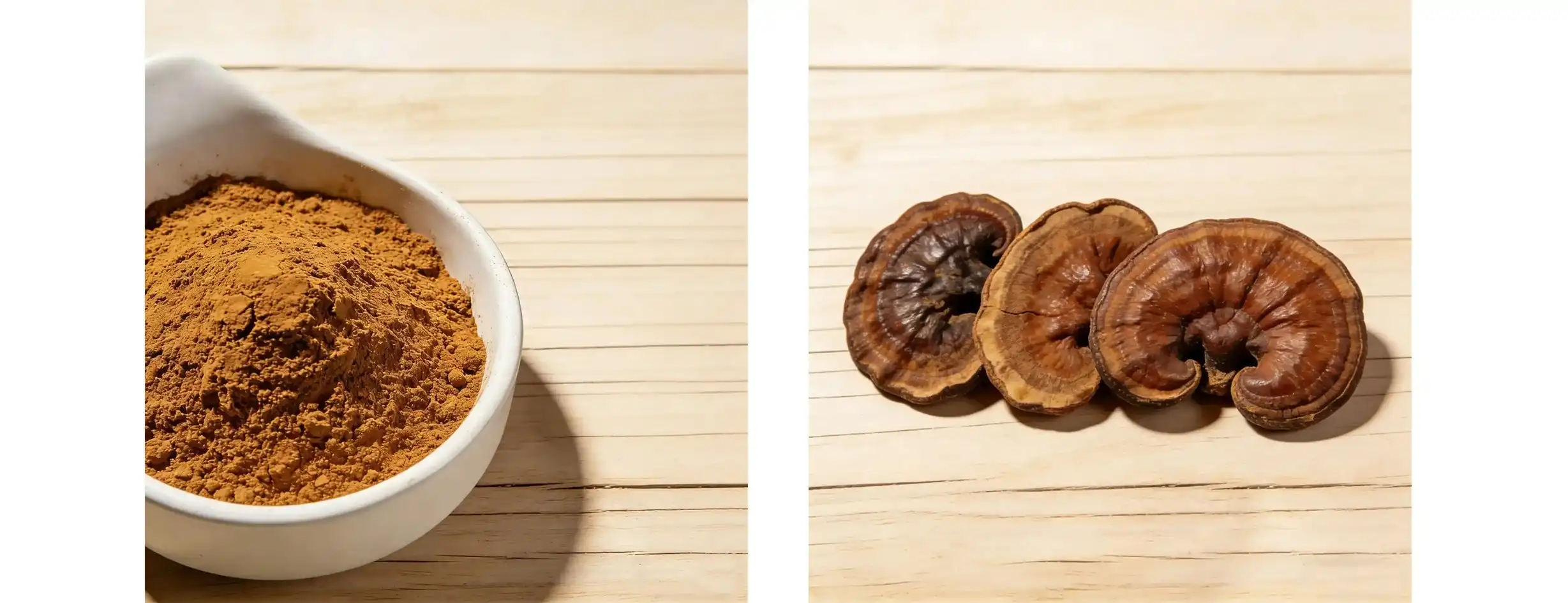
Understanding Reishi Mushroom Extract Powder From Raw Material to Drum
What Sets Extract Powder Apart From Whole Mushroom Powder?
Mushroom parts that have been dried out and ground up make up whole mushroom powder. There are more of the desired chemicals in each gram of Ganoderma lucidum mushrooms because they are baked and dried. These steps will show you how to make reishi mushroom extract powder. Polysaccharides, beta-glucans, and triterpenes like ganoderic acids make up most of these things. What kind of base did you use to make the extract? This is clear from rates of extraction like 10:1 or 20:1. They don't check the marker amount because the tests for two 20:1 powders can be very different. First, I tell people who buy something to read the COA and specs. Then, they should ask how each number was made. Polysaccharides and beta-glucans are made in various ways, so this is the case.
Physical Properties That Affect Your Formula
How a powder works on your machine depends on these things. A lot of reishi products are light to dark brown. When triterpenes are present, they taste earthy and bitter. This means that most of them are hygroscopic, which means they take in water from damp air. They might get stuck together and not flow well. After that, how well the pills fill and how well the powder mixes with water depend on the particle size, mass density, and absorption. You can buy fine, yellow-red Ganoderma lucidum mycelium powder. What should you ask about on the COA? The level of wetness, the mesh size, and the mass density. Do a small flow test before you pick a batch size.
How Manufacturers Produce Reishi Extract?
Raw materials that have been checked out are used to start making things. There should be no contaminants when goods come in from good suppliers. They should write down where the plants came from and how they were grown. After being extracted with hot water, the polysaccharides and beta-glucans that break down in water are left behind. The plant is extracted twice, once with water and once with ethanol, to add chemicals that are related to triterpenes.
After that, the liquid is drained, the pieces are ground up, and they are mixed together until they are a certain size. It is then kept safe in cases. Light, air, heat, and water can all weaken things. That's why it's important to dry things slowly and wrap them up tightly. For the process of making, ask for a flow chart and records of each batch. The records make it easy to see how each step fits into the bigger picture.
Selecting and Formulating With reishi mushroom extract powder
Match the Extract Profile to Your Product Format
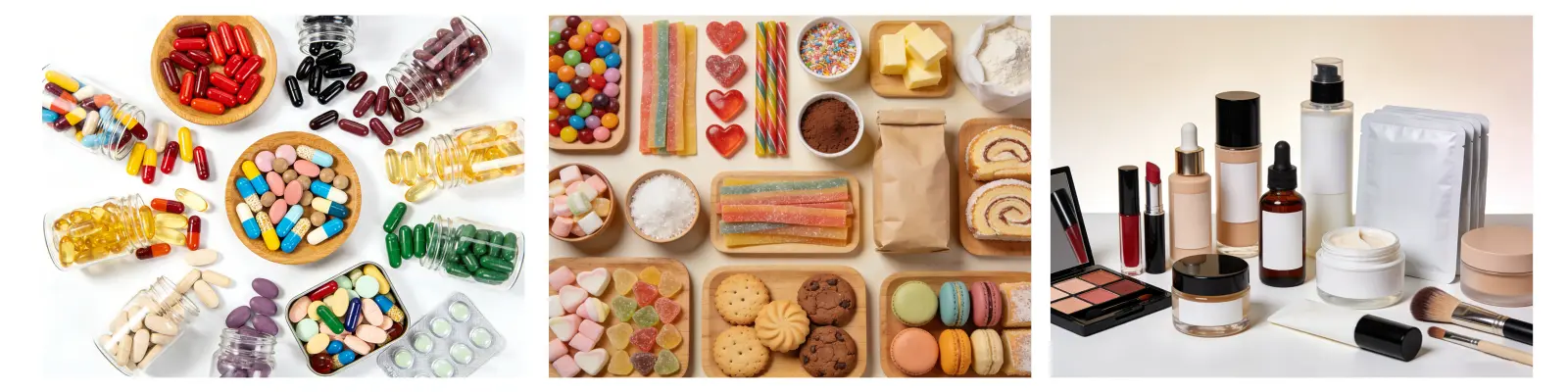
Start with the style and work your way back to the profile for reishi mushroom extract powder. It's important for tablets and capsules to be able to dose well, flow well, and be squished. For these purposes, a powder that is concentrated but still moves easily works well. It should be easy to spread out coffee, tea, and other quick drinks that come in sachets. They should also taste good. Functional foods and gums give the mix shape, heat, and sugar.
There is a good way to get carbohydrates and beta-glucans with hot water. An extract with two parts works well if you also need triterpenes. Write down your goals, the name of the plant, how it was harvested, the particle size, the maximum amount of contaminants that can be present, the certifications, and the package before you go shopping. You should use that sheet instead of marketing terms to compare samples.
Dosage, Taste, and Flow in the Finished Formula
One dose does not work for all things. To find the right price, use the COA numbers and a lawyer's help. This will help you understand the market's strength, style, and rules. Next is taste. It looks like a mix of dark brown and black and tastes bitter and earthy. It's either wrapped up and ground up or hidden by coffee, mint, lemon, or vanilla blends. Test it out on the bench to see how well it runs, mixes, settles, and works with other things. You can also check out how well it mixes with mushrooms, other grains, vitamins, minerals, and plant foods. Finally, test a few before you make a lot of them. Things that are mixed and filled to their fullest don't always change when they are made in small batches.
Choosing the Right Powder for Each Application
An easy-to-flow powder that is strong is best for pills and tablets. For tea, coffee, and instant drinks, the powder shouldn't stick together in the pouch. It should be easy to dry out and spread out. Healthy foods need to be put through tests to see how the fats, proteins, carbs, and sugars react to heat and to each other. Lines that say "organic" or "clean" on the label need to have supply chain records and certificates that back up what they say on the label. Having a source that can help with things like sampling, packing, labeling, and legal paperwork is helpful for both private-label and OEM projects. Before you ask for samples, write a one-page summary for each SKU. You can then pick out the best thing for your needs.
Comparing Formats and Reviewing Quality and Compliance
Extract Powder vs. Other Reishi Formats
To get whole mushroom powder to work, you need to put more of it in each capsule and serve it more often. You can buy pills and liquids that have already been made, but you don't have as much say over what's in them. This reishi mushroom extract powder can be used to make drinks, foods, capsules, tablets, and sachets. This type of extract is all about compounds that dissolve in water. This type of extract is also all about triterpenes. Still, whole powder should be used in some foods that need more fiber and a more natural taste. When you compare formats, don't look at the price per kilogram. Instead, look at the price per active serving, the shipping weight, the stability, and how well the dose works.
Documents to Request Before You Buy
That shows you care about making things clear. This is what I think you should get from the seller before you say yes:
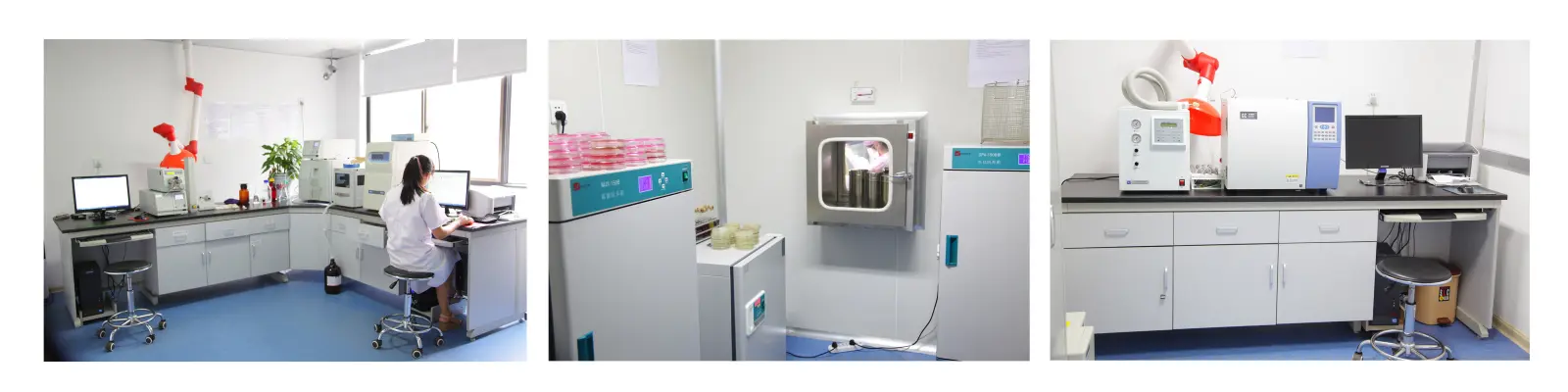
- Specification and COA: Ask for details about the item and a sample of the letter of analysis. Check out the type of material, how wet it is, the carbs, beta-glucans, and triterpenes it contains, as well as the test method that was used to arrive at each answer. Compare two or three new batches by putting them next to each other. It's easier to test the new work yourself when there aren't many days between lots.
- Safety and stability data: Reports on bacteria, heavy metals, herbicides, mycotoxins, and residual solvents should be sent to you if they apply. You will learn about safety and stability from this. Finding out about the security, allergens, and shelf life would be helpful. These records let you know how long the powder lasts and if it works for the people you want to buy it.
- Certificates and process records: Get up-to-date GMP records, a manufacturing flow chart, and certificates like NSF GMP, ISO, Kosher, Halal, or organic, depending on the label. Each certificate should have a date that says it is still current and the name of the site that made it. A flow chart also shows where the packing, drying, and cutting happen.
Before the first sale, your QA team can use these records to check claims that are written down.
Regulatory Checks for the U.S. Market
For those in the US who make food supplements, the FDA has rules called 21 CFR Part 111 that say how to do things correctly when making them. These rules say that you need to make sure that every food item is clean, strong, and made of certain things. The papers from the seller are now in your safety file. We need to look at each claim on its own. This is what the DSHEA rules say: structure-function statements must have the FDA disclaimer. Aside from that, each market has its own rules about functional foods and trade. Before you leave, read the labels to make sure you know where each stop is.

Evaluating Suppliers and Planning Bulk Purchases
Manufacturer or Distributor: What to Compare
It is the job of a straight maker to extract, test, and share the product. In other words, detailed questions are sent to the people who run the process. It's possible for a wholesaler to have a lot of goods and fill orders quickly, but more people may need to handle the paperwork. You can check out their wait time, customer service, supplies, minimum order size, and how simple it is to access their records. Then look at the most important things, like GMP systems, high-quality tests, the ability to give samples, the amount of work that can be done, and how much work has been exported before. A simple scorecard might be useful. You should rate each option on how often they bring, how good their service is, and how much it costs altogether. Note down your thoughts and keep them in a safe place.
Questions to Ask Before You Choose
Every call, bring a short list. What kind of plant do you use? Which part? What kinds of acids are used, and how does extraction work? In what way do you check the markers? What are you trying to find? How are drums marked and packed? What kinds of licenses do you need for the site? Do you do OEM or ODM work? What do you do when things change or go wrong? As proof that you are in charge of the process, give answers that are clear and to the point. If the answer isn't clear or only talks about the extraction ratio, you should get more records before you place your order.
Pricing, Packaging, and OEM/ODM Options
Price per kg of reishi mushroom extract powder doesn't always tell you everything. What kind of product it is, where it comes from, how it's packed, how big the order is, how much it costs, how much it's taxed, and how long it's kept. The price changes because of all of these things. You can compare quotes based on how much confirmed live material there is and how much the whole landing will cost.
Also, make sure you package things well. Check to see how long drums, foil-lined bags, and large bags last and make sure they make the job easy before you stack them. Each service provider also does things in their own unique ways. Standard ingredient supply works for teams that already have their own recipe. Private-label goods can help you get going faster. OEM makes things based on the recipe you give them, and ODM helps you make the recipe.
Putting It Together With EM
A Practical Formulation and Procurement Workflow
I do six things. First, decide on the structure, the market, the audience, the claims, the certifications, and the amount of money each part will need. Writing down the technical specs is the second step. Third, take examples, certificates, and COAs with you to check out sources. Fourth, test the product in the lab and on a small scale to make sure it can be mixed, filled, and shipped. Fifth, agree on the final specs, the checks that will be done before sending, the samples that will be kept, the batch records, who will be in charge of making changes, and how people can file complaints. Sixth, place a first order that fits with your launch plan. If R&D, QA, and buying see these steps as gates that need to be opened in a certain order, they will all be on the same page and not be caught off guard at the last minute.
EM reishi mushroom extract powder Specifications
Reishi mushroom extract powder can be bought at EM. Mycelium is what this powder is made of. The powder is a yellow-brown color and comes in 25 kg drums. You need to buy at least 25 kg to get it. It's in stock, so you can pick it up on the second day. Samples are free for your team to try out to see how they mix, taste, and flow in your own blend. There are many kinds of certs, such as NSF GMP, FSSC22000, Kosher, Halal, ISO, and Organic. Send us your goal scores and how you plan to test. We will check them against our needs and the COA before you sign anything.
Why Product Developers Work With EM?
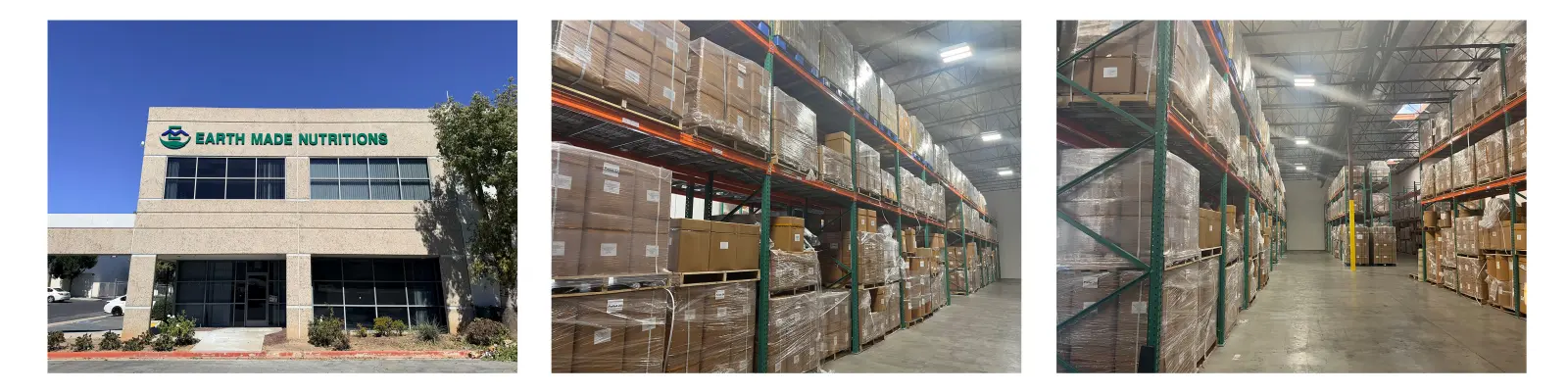
EM began in 2018 and is based in California. The business has four warehouses in the US and its own current building. For people in the US, this speeds up shipping times. We follow FDA and GMP rules when making our products, and our R&D team uses the most up-to-date extraction tools for special projects. Along with long-term growth, we care about being good citizens. You can get all the things you need from us in one place. We sell herbal powders, vitamins, amino acids, and protein powders. Both the buying teams and the R&D teams can talk to a single expert, which saves them time and work.
Conclusion
To make a good reishi product, you need to know the chemicals used to mark the plant, how to extract it, and how to test it. The amount of reishi mushroom extract powder and whole mushroom powder is not the same. Also, the dose does not work the same way. As for quality, a 10:1 or 20:1 extraction ratio can't do it by itself. Some things, like pills and tablets, need to be able to move and be squashed. Foods need to be able to be processed, and drinks need to be able to spread out and stay wet. You need to test it on people and in the lab to see what color it is, how it tastes, and how well it holds water. You need things like COAs, pollution reports, licenses, and GMP records to follow U.S. rules. It is also important to have a good source and a low total landing cost. In real life, this means you need to use facts instead of business speak to make your choice.
FAQ
Q1: What is the difference between extract powder and whole mushroom powder?
A: To make extract powder more valuable, more marker compounds are packed into every gram of it. Whole powder is made up of biomass that has been broken down but is not as concentrated. More needs to be done. The COA should also be checked for carbohydrates, beta-glucans, and triterpenes.
Q2: Is a 20:1 extract better than a 10:1 extract?
A: Not automatically. It doesn't say what was written; it just says what was put in. Check out the methods that were used and the results for each thing that was checked.
Q3: What tests belong on a reishi COA?
A: Look for things that are still there, such as identity, moisture, heavy metals, pesticides, mycotoxins, triterpenes, microbiology, and solvents, to figure out what's important.
Q4: Can I use reishi extract in tea or coffee?
A: Yes, as long as the powder is tasty and easy to spread. You should test how well the extracts mix, settle, and taste in your base because each one is bitter in its own way.
Q5: Does EM offer samples, and what is the MOQ?
A: Yes. To get free samples, you can buy 25 kg, which will be packed in 25 kg drums.
Request a reishi mushroom extract powder Specification and Quote from EM
Have you thought of a way to do it? Reishi mushroom extract powder is sold by the US company EM. They have four stores in the U.S., offer free samples, and are certified by NSF GMP. Email info@em-herb.com with your request, the details you need, and an idea of how much you want. As soon as we can, we'll send you a quote, a COA, and a specification sheet.
References
1. From 2000 Years of Ganoderma lucidum to Recent Developments in Nutraceuticals. Phytochemistry, 2015.
2. Ganoderma lucidum (Lingzhi or Reishi): A Medicinal Mushroom. Herbal Medicine: Biomolecular and Clinical Aspects, 2nd Edition, 2011.
3. Medicinal Mushroom Science: Current Perspectives, Advances, Evidences, and Challenges. Biomedical Journal, 2014.
4. Current Good Manufacturing Practice in Manufacturing, Packaging, Labeling, or Holding Operations for Dietary Supplements (21 CFR Part 111). U.S. Food and Drug Administration, Federal Register, 2007.
5. Reishi Mushroom: Ganoderma lucidum, Standards of Analysis, Quality Control, and Therapeutics. American Herbal Pharmacopoeia, 2006.
6. Dietary Supplement Health and Education Act. U.S. Congress, 1994.