- English
- French
- German
- Portuguese
- Spanish
- Russian
- Japanese
- Korean
- Arabic
- Irish
- Greek
- Turkish
- Italian
- Danish
- Romanian
- Indonesian
- Czech
- Afrikaans
- Swedish
- Polish
- Basque
- Catalan
- Esperanto
- Hindi
- Lao
- Albanian
- Amharic
- Armenian
- Azerbaijani
- Belarusian
- Bengali
- Bosnian
- Bulgarian
- Cebuano
- Chichewa
- Corsican
- Croatian
- Dutch
- Estonian
- Filipino
- Finnish
- Frisian
- Galician
- Georgian
- Gujarati
- Haitian
- Hausa
- Hawaiian
- Hebrew
- Hmong
- Hungarian
- Icelandic
- Igbo
- Javanese
- Kannada
- Kazakh
- Khmer
- Kurdish
- Kyrgyz
- Latin
- Latvian
- Lithuanian
- Luxembou..
- Macedonian
- Malagasy
- Malay
- Malayalam
- Maltese
- Maori
- Marathi
- Mongolian
- Burmese
- Nepali
- Norwegian
- Pashto
- Persian
- Punjabi
- Serbian
- Sesotho
- Sinhala
- Slovak
- Slovenian
- Somali
- Samoan
- Scots Gaelic
- Shona
- Sindhi
- Sundanese
- Swahili
- Tajik
- Tamil
- Telugu
- Thai
- Ukrainian
- Urdu
- Uzbek
- Vietnamese
- Welsh
- Xhosa
- Yiddish
- Yoruba
- Zulu
Freeze-dried Raspberry Juice Powder is superior in flavour & colour preservation due to a special low-temperature dehydration technique, which eliminates moisture without the use of harmful heat. Unlike typical drying procedures, freeze-drying retains the sensitive fragrance components and natural anthocyanin hues of fresh raspberries (Rubus idaeus L.). For businesses that value clean-label ingredients and sensory perfection, this premium Raspberry Juice Powder retains the genuine pink colour and tangy-sweet taste profile essential for B2B formulations in nutraceuticals, functional foods, and cosmetics.
Understanding Freeze-Dried Raspberry Juice Powder
What Makes Freeze-Dried Raspberry Different
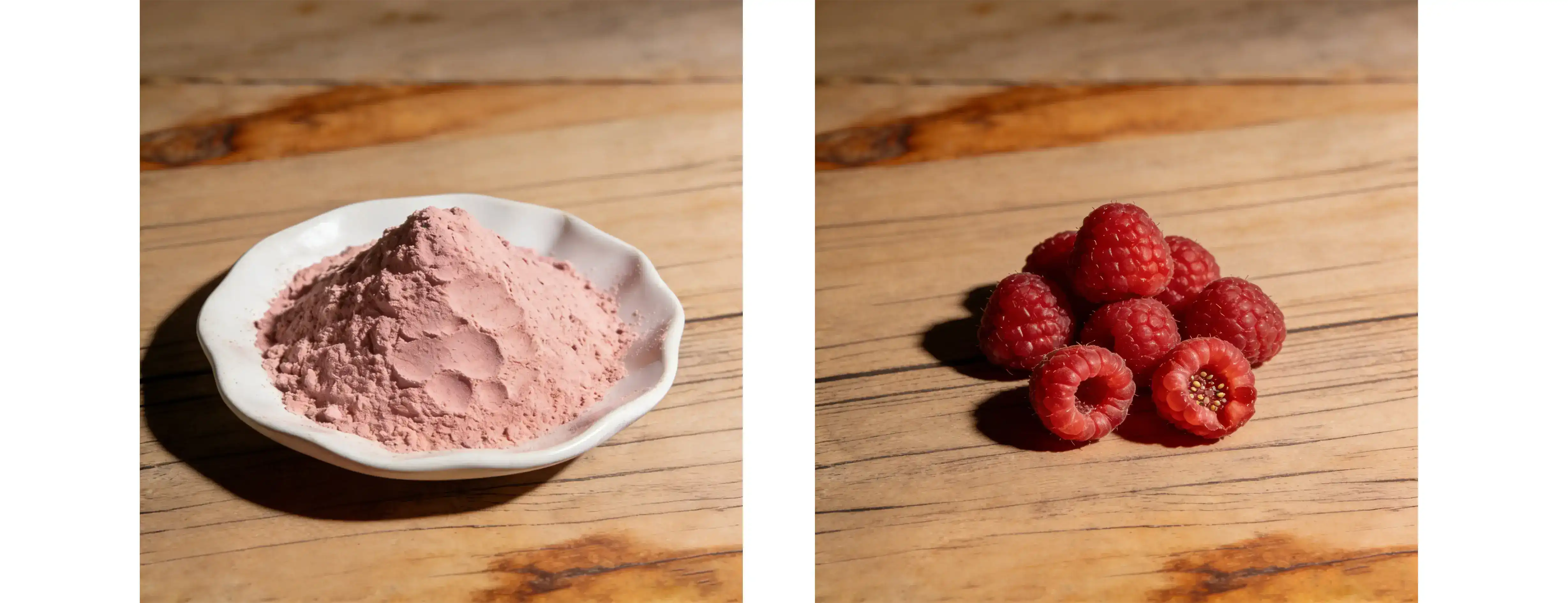
Raspberry Juice Powder is on the higher end of fruit-based products. Our product is composed of 100% fruit of Rubus idaeus L., and it is freeze-dried without the use of any solvent in its processing. The end product is a fine pink powder that simulates the raspberry-ness of fresh raspberries but with the added advantage of a longer shelf life and enhanced vitamin content. This is unlike spray drying, which uses high temperatures that may harm taste molecules and heat-sensitive bioactive chemicals.
The Freeze-Drying Process Step-by-Step
The freeze-drying process: Fresh raspberry juice was frozen at temperatures below -40°C. The fast freeze method produces microscopic ice crystals that don’t damage the integrity of cells. The juice is frozen and then sublimed in a vacuum chamber. Sublimation is the process in which ice turns into vapor without being liquid first. The process is gradual and happens at temperatures much below the breakdown point for sensitive taste esters and color pigments. It takes 18 to 24 hours. Complete when the product has less than 5% moisture content. It provides microbiological stability and inhibits caking during storage.
Retention of Nutrients and Bioactive Compounds
In normal heat drying, the parts are subjected to temperatures above 150 °C. This damages vitamin C, flavonoids, and anthocyanins. Freeze drying is carried out under vacuum between -30°C and -50°C and maintains up to 95% of the bioactive profile of the original material. This retention is of interest to formulators of nutritional supplements and cosmetic actives since the effectiveness is determined by the preservation of these compounds. Raspberries owe their vibrant color to anthocyanins, which also provide important antioxidant properties that may be beneficial for both function and looks of finished products.
How Freeze-Drying Preserves Flavor and Color
Common Causes of Flavor and Color Degradation
Heat drying initiates several breakdown pathways. As the temperature increases, the Maillard reaction between sugars and amino acids proceeds more quickly, creating browning and off-flavors. The easily oxidized phenolic chemicals and unsaturated fatty acids lead to the development of rancid odor and loss of color. Prolonged drying increases the period of enzymatic activity during which aromatic volatiles and pigments are destroyed. “Spray-dried concentrates tend to have a cooked or caramelized character rather than fresh fruit authenticity.” These quality trade-offs pose challenges for organizations looking to appeal to clean-label seekers and to win customer approval.
Scientific Principles Behind Freeze-Drying Protection
Freeze-drying is performed at low temperatures to avoid thermal deterioration. The vacuum environment limits exposure to oxygen, therefore reducing oxidative damage to colour pigments and volatile aromatics. Fast freezing in the beginning inactivates enzymatic processes before breakdown. Anthocyanins in raspberries are glycosylated flavonoid molecules that create the distinctive pink-red colour. Anthocyanins are stable throughout sublimation. Similarly, the volatile ester molecules responsible for raspberry’s characteristic scent profile (e.g., alpha-ionone and raspberry ketone) are retained inside the Raspberry Juice Powder matrix. The porous structure generated by sublimation also provides fast rehydration, releasing these stored chemicals upon contact with liquids.
Case Studies in Sensory Quality Retention
“The leading functional beverage companies have seen better taste results with freeze-dried raspberry powder in ready-to-mix formulations. Sensory panels consistently rate freeze-dried products better than spray-dried products in terms of fresh fruit taste, color brightness, and overall acceptability. A nutraceutical firm reformulated its line of antioxidant supplements using freeze-dried berry powders and experienced a 34% increase in repeat buy rates attributable to the increased flavor and visual appeal. The following real-life examples show the technological benefits that procurement teams are seeking in the acquisition of premium ingredients.
Comparing Freeze-Dried Raspberry Juice Powder with Other Forms
Quality Metrics Across Processing Methods
When evaluating raspberry ingredients, several quality parameters differentiate freeze-dried powder from concentrated powders, extracts, and traditional spray-dried variants:
- Freeze-Dried Powder: Keeps 90–95% of its original color strength, tastes the most like fresh fruit, contains minimal carrier agents, exhibits excellent solubility, and delivers a 20–30:1 concentration ratio relative to fresh juice.
- Spray-Dried Powder: Shows 60–70% color retention due to heat exposure, develops cooked notes during processing, requires maltodextrin carriers (typically 30–40% by weight), and achieves a 10–15:1 concentration ratio.
- Solvent-Based Extracts: Isolate specific compounds using water or ethanol extraction, sacrifice full flavor profile for targeted bioactive concentration, may introduce solvent residues requiring strict quality control, and serve different formulation purposes focused on standardized compound delivery rather than authentic fruit character.
Understanding these distinctions helps R&D teams select the appropriate ingredient form based on specific product objectives, whether prioritizing sensory experience or targeted compound delivery.
Shelf Life and Application Suitability
Shelf Life of Raspberry Juice Powder is unlimited if properly packed. Standard packaging: 25kg drums, moisture barrier protection, 24 months shelf life in an unopened container when stored under prescribed storage conditions (cold, dry environment, relative humidity less than 40%). The longer shelf life takes the pressure off to turn over stock and prevent wastage. Uses include beverage mixes that dissolve instantly to encapsulated supplements that provide concentrated nutrients in a small quantity. Generally, the spray-dried alternatives have a lower shelf life, owing to residual moisture and the tendency of the carrier matrix to cake.
Organic Certification and Regulatory Compliance
The use of certified organic freeze-dried raspberry powder is in line with the rising customer desire for clean label goods. Our product is certified Organic, Kosher, Halal, NSF GMP, FSSC 22000, and ISO to fulfill the strict regulatory requirements in worldwide markets. These certificates provide procurement teams with the essential documents for worldwide distribution to FDA, EU, and export standards. The certification of organic products is especially important for buying choices in the luxury supplements and cosmetics sectors, where companies exploit claims of natural origin to differentiate themselves.

Practical Applications and Usage in B2B Sectors
Applications Across Product Categories
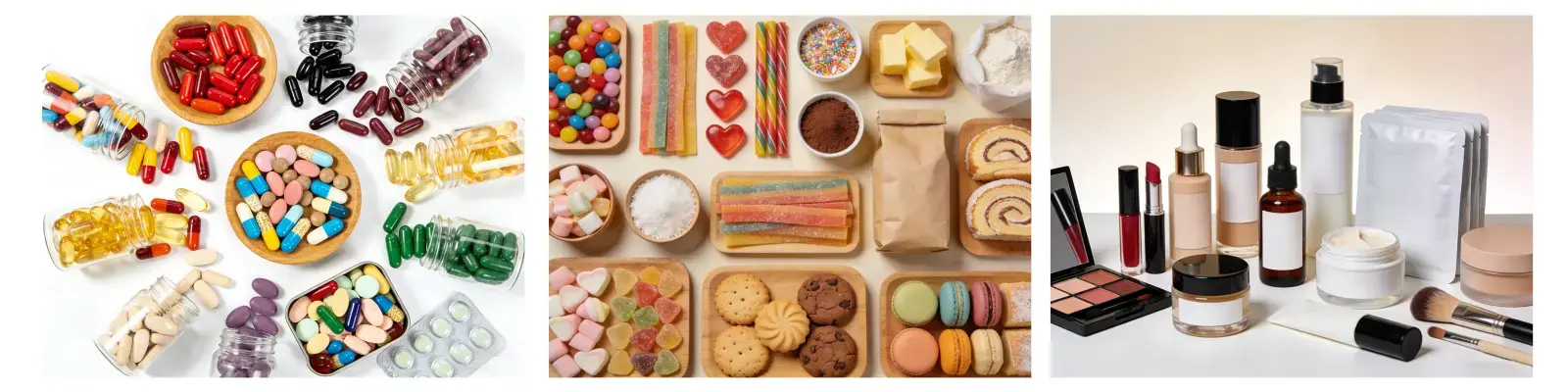
Freeze-dried Raspberry Juice Powder flexibility may be used in a variety of B2B industrial industries. It is used by nutraceutical formulators in antioxidant blends, immune support formulas, and sports nutrition products where natural colour reduces the need for synthetic dyes. Instant solubility is used by functional beverage makers for ready-to-drink smoothies, wellness shots, and hydration powders. Cosmetic chemists use the anthocyanin content and natural smell in anti-aging serums, natural colourants in lip cosmetics, and botanical active compositions. Its heat-durable colour and flavour improvement in fillings, glazes, and premium baked products make it ideal for bakery applications.
Dosage Recommendations and Handling Protocols
TYPICAL USE LEVELS FOR SOME APPLICATIONS: 0.5-2% by weight is often used in beverage formulations to get the desired taste strength and color impact. Supplement capsules provide a delicious fruit boost of 200-500 mg per serving. 0.1-1% is used in final formulations for cosmetic purposes depending upon the intensity of color required. - Fine particle size (95% via 80 mesh filter) - Homogeneous dispersion without special equipment. Follow blending tips. Combine dry-mix with other powdered ingredients before adding liquid to prevent clumping. It is hygroscopic. The container should include desiccants and be resealed promptly after opening to maintain flowability.
Storage Best Practices and Packaging Innovations
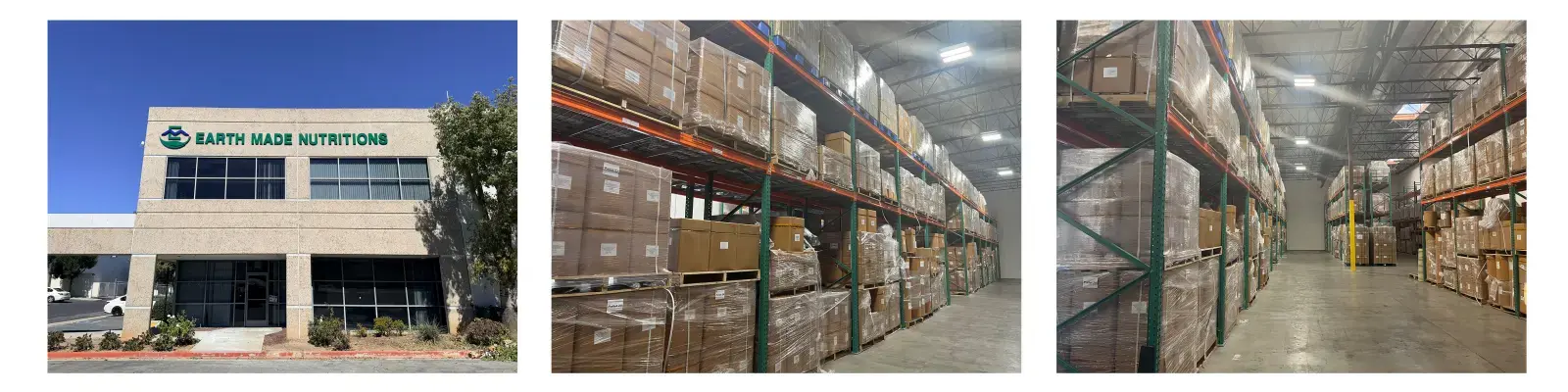
The performance of the product throughout its shelf life will be directly affected by proper storage. Good moisture barriers are needed to maintain the quality of the powder throughout travel and storage. We do bulk packaging in 25kg barrels with an aluminum foil laminate liner. Recommended storage conditions: temperature below 20°C, relative humidity below 40%. Temperature-controlled logistics is critical, notably in the summer months for shipments to humid locations. We have 4 main U.S. warehouses for 2-day pickup on products in stock, which helps shorten supply chain delays. Quality assurance measures include allergy controls, consistency tests from batch to batch, and are recorded in detailed Certificates of Analysis that accompany each lot issued.
Procurement Guide for Freeze-Dried Raspberry Juice Powder
Selecting Reliable Suppliers and Quality Standards
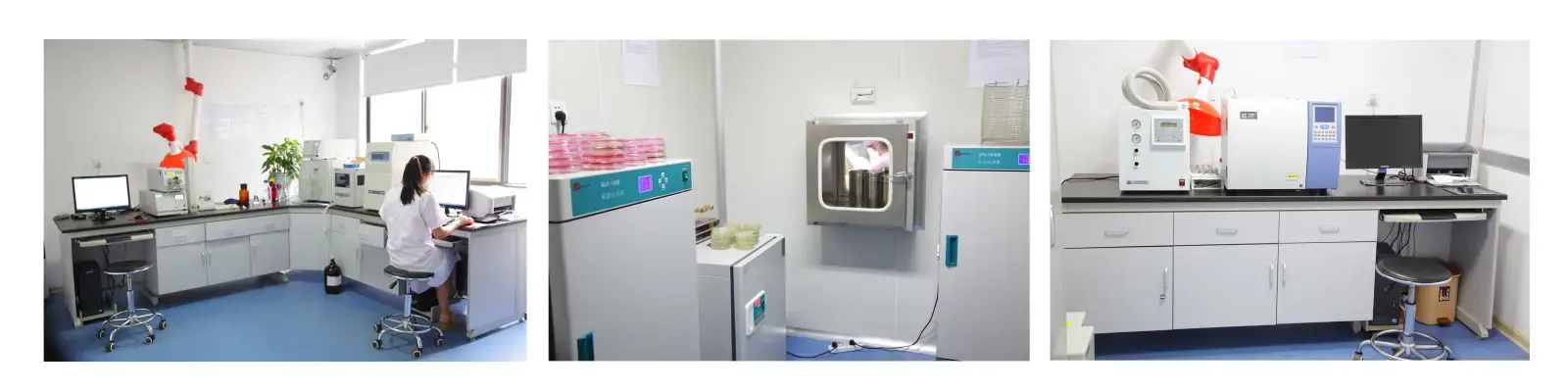
The procurement teams need to look for suppliers that have a quality system and are transparent in their manufacturing procedures. The most important certifications to look for are NSF GMP for manufacturing standards, FSSC22000 for food safety management, and organic certification when suitable for finished goods. Audits of suppliers should include traceability of raw materials, calibration standards for production equipment, and frequency of third-party testing. We employ the latest extraction technology and tight quality control at our California plant to ensure continuous particle size distribution and microbial restrictions. If a provider has Certificates of Analysis, allergy declarations, and specifications on file, then they know the requirements and are competent.
Pricing Structures and Sample Procurement
Transparent pricing structures facilitate budget planning and long-term connection development. Raspberry juice powders that are spray dried are less expensive than those that are freeze dried owing to their reduced manufacturing costs and worse quality characteristics. Buying in bulk (often with a minimum purchase of 25 kg) enables you to take advantage of economies of scale. B2B customers get free samples for formulation testing prior to ordering a production quantity. This sample technique also decreases procurement uncertainty and enables R&D teams to evaluate performance in particular applications. Stock items are chosen and packed within 2 days. Special orders take 4-6 weeks depending on the manufacturing schedule.
Logistical Considerations and After-Sales Support
Successful ingredient procurement is not just about the first purchase but also about logistics reliability and ongoing supplier interaction. Temperature-regulated shipping is necessary in warmer months to reduce exposure to heat in transit. Fast delivery and low freight costs are guaranteed by our four major U.S. warehouses and proven logistics network. Post-sale technical support is required to aid with formulation difficulties, stability testing inquiries, and regulatory paperwork. Last but not least, continuous interaction with suppliers is a fantastic tool to minimize supply chain delays. They can always let you know in advance about production schedules, crop availability, and be proactive in addressing issues if anything unexpected arises.
Conclusion
Freeze-dried Raspberry Juice Powder has superior flavour authenticity and colour preservation due to low-temperature processing that maintains sensitive aromatics and anthocyanin pigments. Its advantages over heat-based drying processes make it the premier option for nutraceutical, cosmetic, and functional food applications where sensory quality and preservation of bioactives drive product success. This component allows formulators to satisfy clean-label regulations with complete certifications, stable U.S.-based inventories, and clear quality standards that guarantee batch-to-batch consistency. Freeze-dried raspberry fruit powder provides a unique mix of technical performance, regulatory compliance, and supply chain stability, making it a crucial ingredient for companies looking to differentiate competitively in health-conscious markets.
FAQ
1. Why does freeze-dried raspberry powder sometimes clump during storage?
The natural fruit sugars in raspberry powder make it highly hygroscopic, meaning it readily absorbs moisture from the environment. This moisture absorption causes particles to stick together, forming clumps. Proper storage requires maintaining relative humidity below 40% and temperatures under 20°C. Packaging with aluminum-foil moisture barriers and inclusion of food-grade desiccants effectively prevents caking. After opening containers, prompt resealing minimizes air exposure and extends flowability.
2. Can freeze-dried raspberry powder be used in clear beverage applications?
The powder dissolves readily in liquids, though complete clarity depends on several factors. The natural pectin content in raspberry juice may create a slight haze in crystal-clear applications. Filtration during juice preparation before freeze-drying influences final clarity. Beverage developers targeting transparent formulations should request trial samples to evaluate appearance in specific pH conditions and formulation matrices before scaling to production volumes.
3. What differentiates raspberry juice powder from raspberry extract powder?
Juice powder represents dried whole juice, retaining the complete flavor profile, natural sugars, and color compounds in a concentrated form (typically 20-30:1 fresh juice equivalent). Extract powder involves solvent-based extraction targeting specific bioactive compounds like ellagic acid or anthocyanins at standardized percentages (such as 40% polyphenols). Extracts sacrifice authentic flavor for targeted compound delivery, serving pharmaceutical-grade applications. Juice powder prioritizes sensory authenticity for food, beverage, and cosmetic uses where natural fruit character matters.
Partner with EM for Premium Raspberry Juice Powder Supply
As a trusted Raspberry Juice Powder manufacturer, EM combines California-based quality control with nationwide logistics infrastructure to support your formulation needs. Our certified organic, solvent-free fine pink powder undergoes rigorous testing to meet NSF GMP, FSSC22000, Kosher, Halal, and ISO standards. With four major U.S. warehouses, we deliver in-stock materials within two days, eliminating supply chain delays that impact production schedules. Request your free sample today by contacting info@em-herb.com to experience the superior color stability and authentic flavor that freeze-drying technology delivers.
References
1. Anderson, K.M. & Collins, R.J. (2019). Freeze-Drying Technology in Food Preservation: Principles and Applications. Academic Press.
2. Chen, Y., Zhang, H., & Wang, X. (2021). Comparison of anthocyanin stability in freeze-dried versus spray-dried berry powders. Journal of Food Science and Technology, 58(4), 1432-1441.
3. Morrison, D.S. & Fletcher, G.C. (2020). Quality retention of bioactive compounds during freeze-drying of fruit juices. International Journal of Food Engineering, 16(8), 789-802.
4. Patterson, L.R. (2022). Natural Food Colorants: Sources, Stability, and Applications. Woodhead Publishing.
5. Reynolds, T.M. & Singh, B. (2018). Volatile compound preservation in freeze-dried fruit powders: Analytical perspectives. Food Chemistry, 267, 215-224.
6. Wilson, P.D., Thompson, K.A., & Garcia, M.E. (2023). Functional Ingredients in Nutraceutical Manufacturing: Selection, Application, and Regulatory Compliance. CRC Press.