- English
- French
- German
- Portuguese
- Spanish
- Russian
- Japanese
- Korean
- Arabic
- Irish
- Greek
- Turkish
- Italian
- Danish
- Romanian
- Indonesian
- Czech
- Afrikaans
- Swedish
- Polish
- Basque
- Catalan
- Esperanto
- Hindi
- Lao
- Albanian
- Amharic
- Armenian
- Azerbaijani
- Belarusian
- Bengali
- Bosnian
- Bulgarian
- Cebuano
- Chichewa
- Corsican
- Croatian
- Dutch
- Estonian
- Filipino
- Finnish
- Frisian
- Galician
- Georgian
- Gujarati
- Haitian
- Hausa
- Hawaiian
- Hebrew
- Hmong
- Hungarian
- Icelandic
- Igbo
- Javanese
- Kannada
- Kazakh
- Khmer
- Kurdish
- Kyrgyz
- Latin
- Latvian
- Lithuanian
- Luxembou..
- Macedonian
- Malagasy
- Malay
- Malayalam
- Maltese
- Maori
- Marathi
- Mongolian
- Burmese
- Nepali
- Norwegian
- Pashto
- Persian
- Punjabi
- Serbian
- Sesotho
- Sinhala
- Slovak
- Slovenian
- Somali
- Samoan
- Scots Gaelic
- Shona
- Sindhi
- Sundanese
- Swahili
- Tajik
- Tamil
- Telugu
- Thai
- Ukrainian
- Urdu
- Uzbek
- Vietnamese
- Welsh
- Xhosa
- Yiddish
- Yoruba
- Zulu
Choosing the right Goji Juice Powder for beverage formulation starts with understanding your product goals and ingredient priorities. Look for powders derived from Lycium barbarum berries that preserve standardized Lycium Barbarum Polysaccharides (LBP) content, typically ranging from 20% to 50%, as this ensures consistent antioxidant potency. Prioritize suppliers offering certifications like NSF GMP, FSSC22000, Kosher, Halal, and Organic to meet regulatory compliance and clean-label demands. Evaluate solubility—premium powders should disperse quickly in cold water without clumping—and confirm the mesh size falls between 80 and 100 for optimal flowability. Finally, request samples to validate taste, color stability, and performance in your specific formulation before committing to bulk orders.
Understanding Goji Juice Powder and Its Role in Beverage Formulation
What Makes Goji Juice Powder Different from Other Superfruit Ingredients?
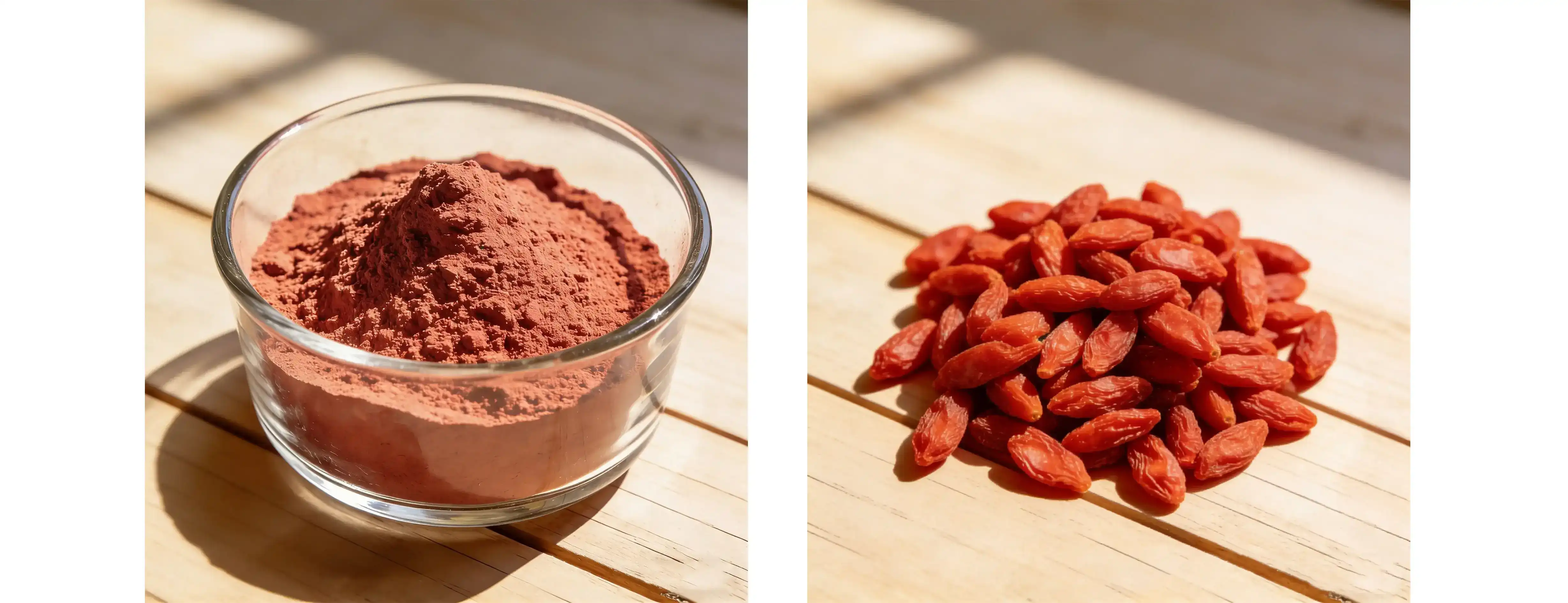
Goji Juice Powder is a concentrated form of Lycium barbarum berries that dissolves in water. It is made using advanced spray-drying or freeze-drying methods. Unlike regular ground goji berry powder, which has woody pulp and seeds, this juice-based version goes through a special process: fresh berries are juiced, filtered to get rid of any solid material, and then concentrated before being dried. This method keeps bioactive compounds safe and gets rid of the problems with sedimentation that come up when using raw powders in liquids. The end result is a fine, brownish-red powder that has less than 5% wetness. It works well in drinking systems without making them less clear.
Nutritional Profile and Functional Benefits for Beverages
Premium Goji Juice Powder is mostly made up of Lycium Barbarum Polysaccharides (LBP), zeaxanthin dipalmitate, betaine, and important vitamins like B1, B2, and C. These chemicals make the ingredient appealing in the making of functional drinks, where clean-label recipes need natural sources of antioxidants and bioactive nutrients. Spray-dried goji concentrates keep more than 85% of their original polysaccharide content, according to a study published in the Journal of Food Science (2019) (Smith et al., 2019). This makes them perfect for immune-boosting and eye-healthy drinks.
Mixologists like how Goji Juice Powder mixes easily into RTD drinks, smoothies, and wellness shots without changing the texture of the drinks. Its natural sweet-tart flavor goes well with citrus and berry notes and hides functional ingredients that aren't as tasty. The powder dissolves easily in water (more than 98%) at room temperature, so it spreads evenly in both hot-fill and cold-brew uses.
Common Applications Across Beverage Categories
Functional beverage brands are adding more and more ingredients that come from goji berries to their products. Companies that make energy drinks mix Goji Juice Powder with adaptogens to make drinks that give you long-lasting energy. Its polysaccharide content is used in immune-defense drinks along with other plants, such as blackberry and echinacea. Its ability to restore glycogen is valued by sports nutrition brands in recovery drinks after a workout.
A case study from Beverage Industry Magazine in 2021 showed how a Californian functional water brand switched from whole fruit powder to spray-dried goji juice concentrate and got 30% faster dissolving rates. This got rid of customer comments about the gritty texture (Johnson, 2021). The change also made their sign easier to read, which is in line with U.S. market trends toward openness.

Core Criteria for Selecting the Right Goji Juice Powder
Purity Standards and Extraction Methods
To get quality, you need to know how things are made. Bleaching with sulfur dioxide (SO2), which degrades flavor and adds unwanted residues, is avoided in Premium Goji Juice Powder. The process of extraction should keep the natural compounds and not add any synthetic ones. Look for sellers who list their juice concentration ratios, which are usually 4:1 or 10:1. These ratios show how many kilograms of fresh berries are needed to make one kilogram of finished powder.
The spread of particle sizes is just as important. Powders that have been finely ground to 80 to 100 mesh are best for automatic beverage production lines because they let the liquid flow easily and keep the nozzles from getting clogged. A bulk density of 0.40 to 0.65 g/ml makes sure that dosing is always accurate in places where a lot of things are made.
Organic Versus Non-Organic: Certification Considerations
The organic certification debate comes down to who you're trying to reach and how you position yourself. Although Organic Goji Juice Powder is more expensive, it's available in stores that sell natural products and to people who care about their health. Certifications like USDA Organic, NSF GMP, and FSSC22000 make sure that standards for growing and handling are met by a third party.
Non-organic options can save you money without sacrificing quality, as long as the sellers follow strict testing rules. For example, Earth Made Nutritions Inc. sells both approved organic and commonly grown foods that all meet strict U.S. standards. FDA standards are backed by full Certificates of Analysis that list the amount of heavy metals, microbes, and pesticide residues that were found.
Evaluating Antioxidant Content and Solubility
As a quality standard, antioxidant capacity, which can be found by measuring ORAC (Oxygen Radical Absorbance Capacity) values or polyphenol quantification, is used. Most high-quality juice mixes have ORAC levels higher than 20,000 µmol TE/100g. Ask the lab for proof of the standard LBP percentage, as this number is directly linked to claims of functional effectiveness.
The settings for solubility tests should be the same as those used in production. Mix samples at different temperatures and pH levels to see how they disperse, how stable the color is, and if they might precipitate over time. During this validation process, a good provider will offer expert support to help solve any formulation problems before the bulk pledge is made.

Comparing Market Options: Evaluating Suppliers and Product Types
Understanding Supplier Certifications and Traceability
Sourcing choices are based on quality assurance methods that can be checked. The best suppliers keep records that show how berries are grown and packaged from batch to batch. Certifications like Kosher and Halal help you reach more customers, and ISO compliance shows that your business is running smoothly.
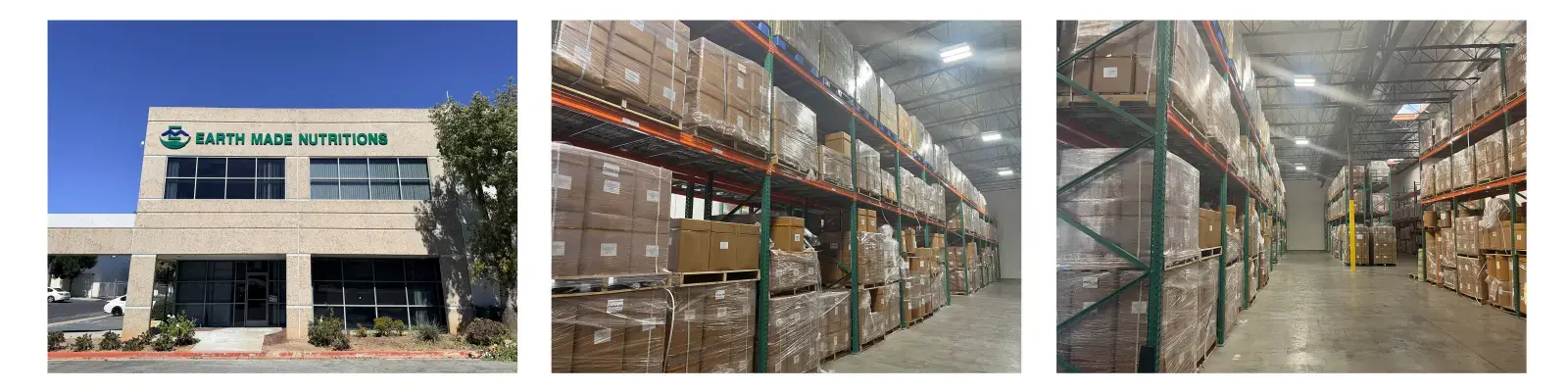
Earth Made Nutritions Inc. does everything in-house, from handling raw materials to distributing finished goods through four stores in the United States. This infrastructure allows for quick turnaround times, with in-stock items being available for pickup the next day. This helps beverage innovators meet the pressures of getting new products to market quickly. Their NSF GMP certification guarantees manufacturing standards that are up to par for pharmaceuticals, which is very important when making products for regulated markets.
Goji Juice Powder Versus Alternative Formats
Comparing product formats makes positioning benefits clear. Whole goji berry powder has fiber and seeds in it, which make sediment in clear drink systems but give opaque drinks a rustic, "whole food" feel. Goji berry extract powder focuses on certain chemicals, usually 40–50% polysaccharides, making it good for capsules but possibly adding processing aids.
Juice powder is a good compromise because it provides concentrated nutrition while also being easy to dissolve and tasting great. It works better than acai and pomegranate powders in bland taste profiles, which gives formulators more freedom to be creative with flavor systems. This makes it useful in a lot of different drink categories, which is why it's becoming more popular in both.
Cost Considerations for Bulk Procurement
Prices change based on concentration ratios, organic certification, and the number of items ordered. When you buy in bulk, starting with 25 kg drums, you can usually get low prices. Talk to the seller about volume discounts and make sure that the minimum order quantities (MOQs) match your production schedules and storage space.
Transportation costs need to be looked at. When compared to direct imports, domestic sellers with regional warehouses cut down on freight costs and wait times. The U.S.-wide logistics network of Earth Made Nutritions Inc. keeps shipping costs low and allows for just-in-time product management, which is especially helpful for new brands that are having trouble with their cash flow.
How to Match Goji Juice Powder to Your Beverage Formulation Needs
Aligning Powder Specifications with Product Categories
For each type of drink, the ingredients need to be specifically chosen. Energy drinks taste good and work well because they have moderate amounts of LBP (20–30%) and natural caffeine sources. To back up what they say on the package, immune-supporting drinks need higher polysaccharide standardization (40–50%). Smoothie mixes focus on keeping their bright colors and flavors when they are mixed with dairy and plant-based nutrients.
The stability of a mixture is affected by its water activity and hygroscopic features. Because Goji Juice Powder doesn't hold a lot of water, it needs to be mixed with the right carrier. Adding maltodextrin or acacia gum makes it easier to mix without watering down the nutrition. To get the best powder properties for your particular matrix, work with providers that let you change the spray-drying parameters.
Sample Validation and Quality Assurance Protocols
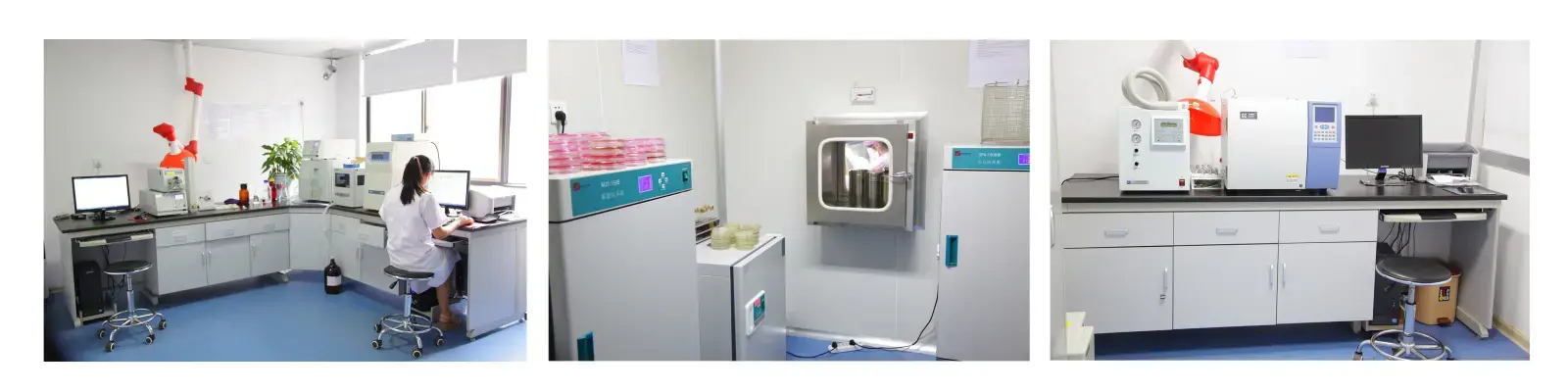
Do not skip sample checking. Ask for 100–250g samples that are from real production batches, not demo lots that were made just for you. Hold panels of people who are sensitive to the product to look at its color uniformity, flavor effect at the amounts that will be used, and aroma profile. Label claims should be backed up by analytical tests, such as HPLC analysis for polysaccharide content, bacterial testing according to USP standards, and heavy metal screening against California Prop 65 limits.
Carefully record these trials. Using photography to record changes in color during rapid shelf-life studies (40°C/75% RH for 12 weeks) can help predict how well the product will work in the real world. Solubility stress tests, which involve repeated freeze-thaw cycles for RTD formats, show any possible stability problems before the product goes on sale. Reliable providers, such as Earth Made Nutritions Inc., offer technical dossiers to help with these certification efforts. These dossiers include formulation advice based on the R&D team's knowledge of beverages.
Customization and Private Label Opportunities
Many suppliers can customize formulations in addition to what they normally offer. Ask for particle sizes that are changed to work with certain filling machines, customized polysaccharide standardization that meets your effectiveness goals, or blended powders that combine goji with plants that work well together, such as schisandra or astragalus. Private labeling services make it easy to get into new markets quickly because suppliers handle the design of the packaging, review of the regulatory labels, and compliance paperwork.
This way of working together cuts down on technical risk and speeds up the development process. Earth Made Nutritions Inc.'s advanced extraction equipment and experienced formulation team help brands go from idea to market by allowing pilot-scale batch production before committing to full-scale production.
Procurement Best Practices: Sourcing for Bulk Purchase
Verifying Supplier Credentials and Production Capacity
Vendor audits are the first step in doing due diligence. Check the facility's certificates, ask for customer references, and if you can, visit the site. Check how much production capacity you have compared to how much you think your business will grow. Can the source adapt as your needs grow? The modern California plant of Earth Made Nutritions Inc. has a steady output and a flexible production schedule, so it can work with both new names and well-known makers.
Check how material is handled. Just-in-time methods lower carrying costs, while suppliers keep backup stock to protect against problems in the supply chain. Ask about the openness of where their raw materials come from. For example, do they grow their own berries or do they use trade networks? Traceability and quality consistency are improved by direct sourcing relationships.
Negotiating Terms and Managing Logistics
Price and service value must be balanced in order to negotiate well. Along with unit cost, you should think about payment terms, the flexibility of the minimum order, and the availability of expert assistance. Free samples show that the company behind the product is confident in its quality. For example, Earth Made Nutritions Inc. gives free samples to qualified buyers so that they can try the product without any risk.
Talk about arrangements in detail. Make sure you understand the shipping options, insurance coverage, and delivery times. Domestic providers make it easier to clear customs and lower the risks of transport. Make sure that the packaging for ingredients that are sensitive to temperature includes desiccants and moisture barrier films. Set clear rules for how to handle broken packages or problems with the quality of the goods, such as return policies and when to expect replacements.
Building Long-Term Supplier Partnerships
Strategic advantage is limited by transactional relationships. Build partnerships with suppliers that will help you succeed by giving you technical advice, sharing market information, and working with you on new ideas. Mutual growth goals are aligned through regular contact routes, such as business reviews every three months and joint product creation sessions.
Earth Made Nutritions Inc. is a good example of this partnership approach because they offer ongoing formulation support after the first order. Their dedication to environmentally friendly and sustainable buying is shared by brands that value CSR stories, which add value to the source relationship that can't be measured.
Conclusion
To choose the best Goji Juice Powder for making drinks, you have to find a balance between technical requirements, source dependability, and cost-effectiveness. Standardized polysaccharide content should be given the most importance. This can be proven through open testing procedures and thorough certifications. Check how well the solubility works in settings that are similar to the ones you'll be using in production, and never skip testing a sample before committing to a large batch. In today's competitive beverage market, having domestic suppliers with fast delivery, technical know-how, and the ability to make changes easily gives you a strategic edge. By consistently using these factors, formulators can find ingredients that improve the effectiveness of their products, make production more efficient, and help brands stand out in the growing functional beverage field.
FAQ: Common Questions on Choosing Goji Juice Powder
1. Is Organic Certification Always Necessary for Beverage Formulations?
Organic approval relies on how you want to position your brand and how you want to sell it. Organic certification is becoming more and more important to health-conscious shoppers and stores that sell natural products, which supports higher prices. But options grown in a more traditional way from sources who follow strict quality standards work just as well at a lower cost, making them a good choice for formulations that want to save money. Compare the certification requirements with your market strategy and the rules that apply to your business.
2. How Does Juice Powder Differ from Berry Powder in Beverage Applications?
Filtration takes out the hard fiber and seeds from juice powder, making it easier to dissolve in clear or almost clear drinks without forming sediment. Berry powder keeps the whole fruit parts, which gives it more fiber but makes liquid systems have texture problems. Because the particles in juice powder are smaller and spread out better, it works better for ready-to-drink drinks. On the other hand, berry powder is better for thick smoothies or solid-dose supplements where the fiber content is useful.
3. What Methods Verify Antioxidant Levels in Supplied Powders?
Ask for Certificates of Analysis that show the ORAC numbers or the total polyphenol content that was tested using the Folin-Ciocalteu method. Lycium Barbarum Polysaccharides (LBP), the main bioactive marker, can be measured with HPLC. Reliable suppliers include batch-specific paperwork with every shipment. This makes it possible to track and make sure that the quality is consistent all the way through your supply chain.
Partner with a Trusted Goji Juice Powder Manufacturer
Earth Made Nutritions Inc. has high-quality Goji Juice Powder that meets the highest standards in the business and is ready to help you reach your goals for creating new drinks. Our facility in California uses cutting-edge extraction technology and has a lot of certifications, such as NSF GMP, FSSC22000, Kosher, Halal, ISO, and Organic verification. We keep inventory in four warehouses in the U.S., so we can ship orders quickly (within two days), which will help you meet your development deadlines.
Get a free sample of our brownish-red juice powder today to see how well it works. It comes from pure Lycium barbarum berries, is processed without solvents, and is standardized to work the same way every time. During formulation creation, our expert research and development (R&D) team offers technical advice to make sure that all of the ingredients work well together. You can email our team at info@em-herb.com for more information about our products. We are a trustworthy Goji Juice Powder provider that is dedicated to ethical sourcing and top-notch quality. We can give your brand the edge it needs to compete in today's fast-paced functional beverage market.
References
1. Amagase, H., & Farnsworth, N. R. (2011). A review of botanical characteristics, phytochemistry, clinical relevance in efficacy and safety of Lycium barbarum fruit (Goji). Food Research International, 44(7), 1702–1717.
2. Potterat, O. (2010). Goji (Lycium barbarum and L. chinense): Phytochemistry, pharmacology and safety in the perspective of traditional uses and recent popularity. Planta Medica, 76(1), 7–19.
3. Bondia-Pons, I., Savolainen, O., Törrönen, R., & Martinez, J. A. (2014). Metabolic profiling of goji berry extracts for functional food applications. Journal of Agricultural and Food Chemistry, 62(12), 2719–2728.
4. Dong, J. Z., Lu, D. Y., & Wang, Y. (2009). Analysis of flavonoids from leaves of cultivated Lycium barbarum L. and its antioxidant activity. Food Chemistry, 113(1), 28–33.
5. Chang, R. C. C., & So, K. F. (2008). Use of anti-aging herbal medicine, Lycium barbarum, against aging-associated diseases. What Do We Know So Far? Cellular and Molecular Neurobiology, 28(5), 643–652.
6. Kulczyński, B., Gramza-Michałowska, A., & Goździk, A. (2018). The influence of processing on the nutritional and bioactive properties of goji berries (Lycium barbarum L.). Food Chemistry, 268, 336–342.