- English
- French
- German
- Portuguese
- Spanish
- Russian
- Japanese
- Korean
- Arabic
- Irish
- Greek
- Turkish
- Italian
- Danish
- Romanian
- Indonesian
- Czech
- Afrikaans
- Swedish
- Polish
- Basque
- Catalan
- Esperanto
- Hindi
- Lao
- Albanian
- Amharic
- Armenian
- Azerbaijani
- Belarusian
- Bengali
- Bosnian
- Bulgarian
- Cebuano
- Chichewa
- Corsican
- Croatian
- Dutch
- Estonian
- Filipino
- Finnish
- Frisian
- Galician
- Georgian
- Gujarati
- Haitian
- Hausa
- Hawaiian
- Hebrew
- Hmong
- Hungarian
- Icelandic
- Igbo
- Javanese
- Kannada
- Kazakh
- Khmer
- Kurdish
- Kyrgyz
- Latin
- Latvian
- Lithuanian
- Luxembou..
- Macedonian
- Malagasy
- Malay
- Malayalam
- Maltese
- Maori
- Marathi
- Mongolian
- Burmese
- Nepali
- Norwegian
- Pashto
- Persian
- Punjabi
- Serbian
- Sesotho
- Sinhala
- Slovak
- Slovenian
- Somali
- Samoan
- Scots Gaelic
- Shona
- Sindhi
- Sundanese
- Swahili
- Tajik
- Tamil
- Telugu
- Thai
- Ukrainian
- Urdu
- Uzbek
- Vietnamese
- Welsh
- Xhosa
- Yiddish
- Yoruba
- Zulu
Lycium barbarum berry juice is used to make goji juice powder, which is dried fruit juice. If you want to buy a lot of it, check that the specs meet your needs, look at the landed cost instead of the unit price, and get an analysis certificate for each batch. This powder is easy to mix, just like whole-fruit powder, so it works well in smoothies, drinks, gummies, and supplement blends. There is a detailed list of things to do at the end of this guide. It goes over the basics of nutrition, processing, specifications, pricing, MOQ, private label options, and more. I talk about how EM helps buyers by having stock in the U.S. and giving away free samples.
Goji Juice Powder Nutrition, Benefits, and Product Fundamentals
What Goji Juice Powder Is and Is Not
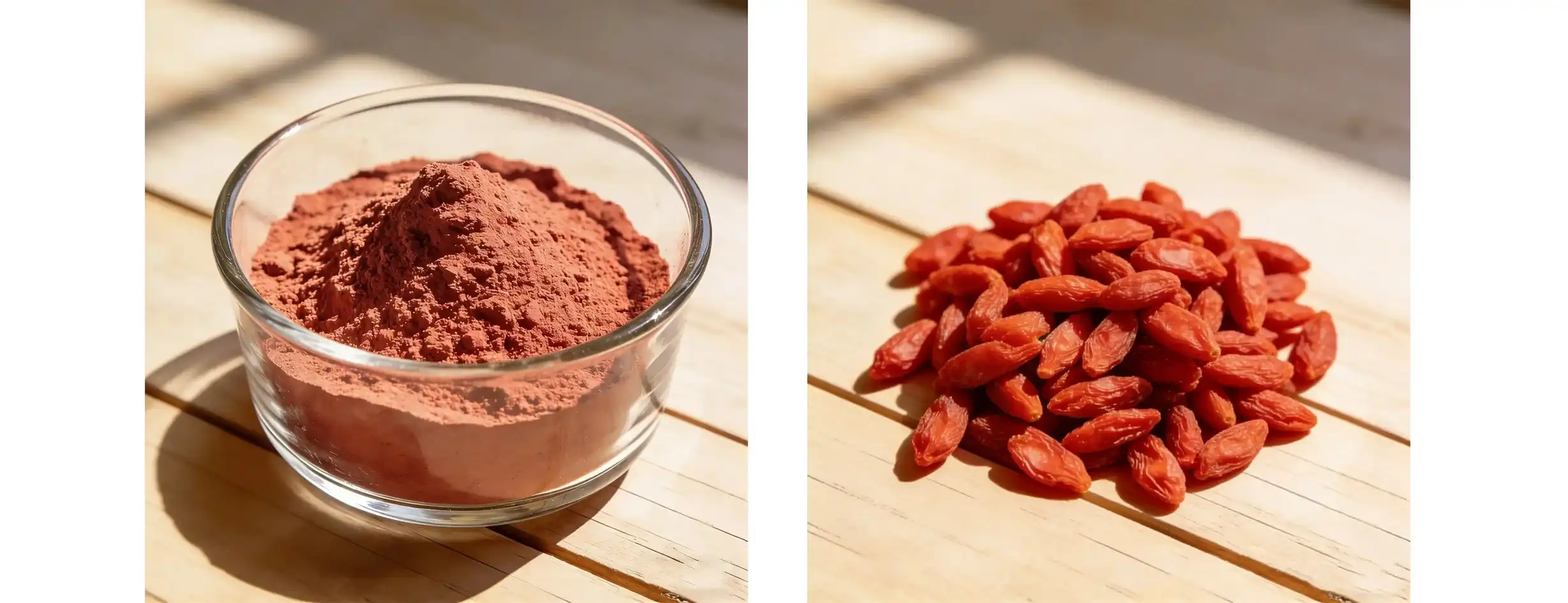
The fruit known as Lycium barbarum is the source of the powder that is used to make goji juice. In order to make the powder, the juice of the berries, either fresh or pressed, is used. It is then ground into a powder when the liquid has been dried. Drying the berry results in the production of whole-fruit powder. When it comes to this powder, the skins and fibres that do not separate in water are still there. An extract powder, which is often combined with a solvent, has a wide variety of chemical compounds packed into its constituent parts. The berry is the source of the powder that is used in EM. Because we do not make use of a solvent, the component is preserved in its juice form rather than in its fractionated extract form. When it is finished, it will have the appearance of red powder that has been burnt. When juice is packed in liquid form, it is more difficult to correctly dose, package, and transport. When it comes to dry blends, drink mixes, and private-label products, powder is the superior option.
Reading the Nutrition Panel
There are varying quantities of beneficial substances for you included inside each powder. The quantities are determined by the quantity of each berry that was used, the method by which it was dried, the container in which it was packed, the amount of sugar that was added, and the amount that was served. When someone is in the market for a product, I recommend that they avoid reading the general numbers that are available online and instead focus on reading the panel and lab data that are particular to the product. Find out how many calories, sodium, water, fibre, protein, sugars, and carbohydrates it contains. Also, how much sodium it contains. After that, you should read the vitamin C, polyphenols, and carotenoids one more time to ensure that they continue to be significant components of the equation or label. The goji berries are claimed to include carotenoids such as zeaxanthin in their composition. However, the manner in which these chemicals were introduced to a powder changes the amount of them that the powder contains. If you want to locate the best offer, apply the same amount.
Organic or Conventional Goji Juice Powder
Every option has a specific function. According to the National Organic Program of the United States Department of Agriculture, organic powder must be certified and have a documented history. Not only does this result in an increase in expenses, but it also contributes to the positioning of clean labels and retail listings. The use of normal powder to build a drink mix that is focused on value rather than health claims is something that can be done. Before making a decision, you should give some thought to the following factors: the cost, the positioning of the brand, compliance, traceability, and certification. In addition to ISO, Kosher, FSSC22000, and NSF GMP certifications, EM offers a wide variety of other certifications. We are able to provide you with the necessary paperwork for your sales site. It is essential that the certificate corresponds precisely to the item and lot that you purchase.

How Goji Juice Powder Is Made and How to Choose the Right Grade
From Fresh Berries to Finished Powder
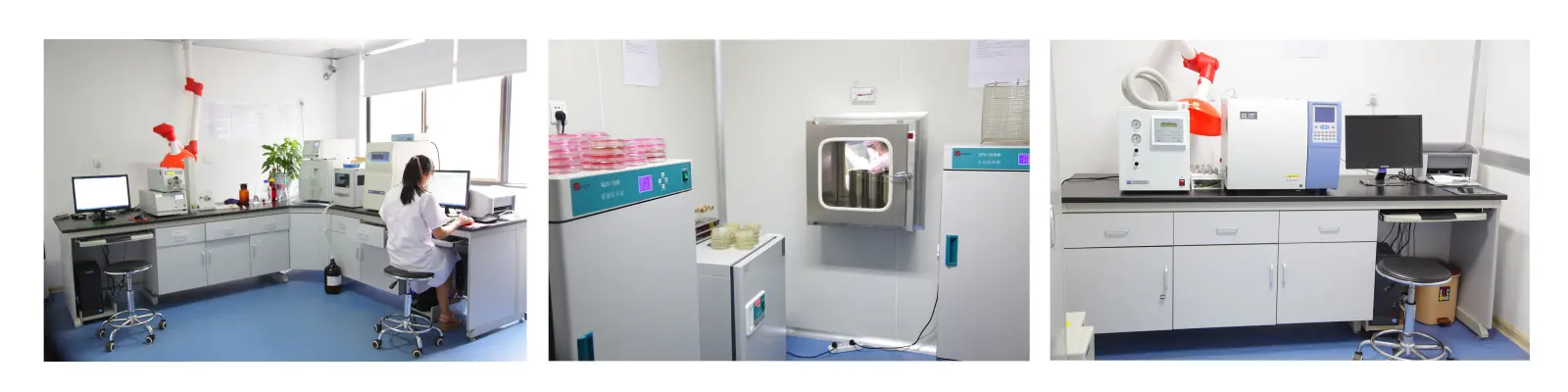
After you have determined what it is composed of, the next thing to ask is how it is constructed. In the beginning, locate the uncooked berries and clean them. After the pulp and seeds have been removed via a strainer, the juice is next extracted or pressed. In the next steps, the completed product will be dried, sieved, packaged, and inspected. The outcome of the situation changes with each successive phase. In this manner, the colour and flavour of the food will remain unchanged, and if you handle it carefully, it will maintain its freshness for a longer period of time. Due to the fact that the powder is simple to combine with water, the fibre that does not dissolve is removed by skimming. In addition to being able to monitor the food, it is essential to conduct tests for bacteria, pollutants, and allergies. We offer berry juice powder that is produced without the use of any solvents and is packaged in barrels that are 25 kilograms in capacity. Enquire with any potential provider to jot down these procedures.
Spray-Dried or Freeze-Dried
Two common methods for producing goji juice powder are freeze-drying and spray-drying. Freeze-drying removes moisture from frozen material through sublimation under reduced pressure, helping preserve heat-sensitive nutrients and flavour compounds. However, this method generally involves higher production costs and may have lower processing capacity. Spray-drying, on the other hand, converts concentrated juice into fine droplets that are exposed to hot air, producing a powder suitable for beverage mixes and other formulations. This method is often more cost-effective for larger-scale production. Researchers such as Gharsallaoui and colleagues have discussed the use of carrier agents, including maltodextrin, to improve the spray-drying performance of sugar-rich materials. This is particularly relevant because goji juice contains natural sugars, and the resulting powder may be susceptible to moisture absorption and caking. When requesting quotations, ask each supplier about its drying method, the use of carrier agents, and the composition of the finished powder.
Build Your Specification Checklist
Writing the application first, followed by the specification, is the most effective method. First, let's examine these three:
- The scientific name, Lycium barbarum, the portion that was utilised, the origin data, the ratio of juice to powder, the goji solids, the kind of carrier, and any additional sugar should all be confirmed. Please be sure to request the whole list of ingredients so that your label team and your regulatory reviewer are not taken aback in the future. Make a comparison between that list and the sample, as well as the COA.
- Check the moisture content, water activity, particle size, solubility, colour, and pH levels to evaluate the physical performance. According to sources in the field of food science, water activity below around 0.6 inhibits the development of microorganisms in the majority of foods, which also helps anticipate shelf behaviour. It is important to do solubility and dispersion tests in your own base, since the results obtained in ordinary water may not be consistent with your recipe.
- Documentation and safety measures: It is important to get information on microbiological limits, heavy metals, pesticide residue findings, allergy statements, shelf-life data, and storage conditions. Make sure to get a certificate of authenticity that is specific to the batch, identifies the testing procedures, and corresponds to the lot that you will be receiving. Verify the packing style as well, since the size of the drum and the kind of liner both have an impact on how it is handled and how well it protects against moisture while it is being stored.
Whenever there are checks, it is simple to understand what is being requested.
Bulk Goji Juice Powder Sourcing: Supplier, Pricing, and MOQ Evaluation
Why Prices Differ Between Quotes
Two goji juice powder sellers may charge different prices. It depends on the raw materials' origin, drying, packaging, and testing, the amount ordered, and the product's destination. Before comparing prices, check the powder's juice content. Low prices may mean more filler and fewer goji solids. Also covered are commodities, responsibilities, handling, testing, and storage. This yields the total landed cost, including the unit price and other costs. Ocean freight and customs aren't an issue when buying from a US warehouse. This usually means that quotes from different countries are less different than previously.
Sample, Trial, and Bulk MOQ
The minimum order quantity (MOQ) changes with project progress. You may submit samples to your lab to assess their flavour and breakdown. Test orders enable pilot batches. If you place a large order, you can't change your manufacturing technique. When ordering private label or custom packaging, you must write down the minimums. Our goji juice powder comes in a 25-kilogram drum and has a 25-kg minimum purchase. You may get it for free. You may pick up the item on the second day since it's still in stock. We can efficiently deliver things to you since we have four US warehouses. Smaller and medium-sized companies may test the products before buying more since they are made quickly.
Qualifying a Dependable Manufacturer
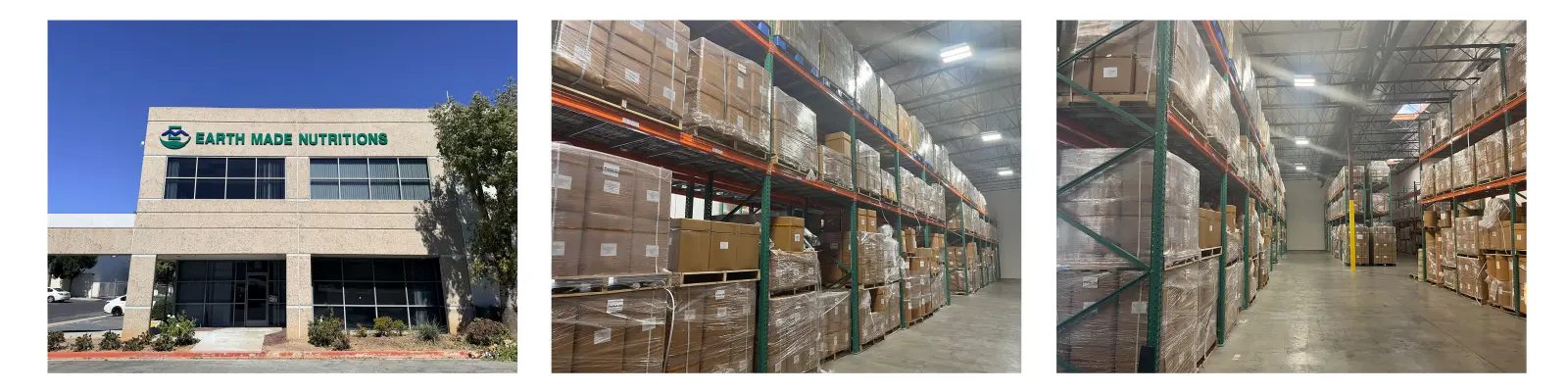
A company's initial pricing quote should be rejected. Ask about the powder's manufacturer, handling, packaging, storage, and capacity. If your market demands ISO, FSSC22000, or NSF GMP food safety certificates, verify them. Also look for organic, halal, and kosher items. EM owns everything on this list and manufactures in accordance with US FDA and GMP laws. The R&D crew at our new manufacturing facility is trained. Since 2018, we've been headquartered in California. Also, test its responsiveness. How quickly does the provider answer technical questions? If you complain, how quickly does the company respond? These procedures might reveal more about long-term supply than a price sheet.
Goji Juice Powder Applications, Formulation Guidance, and Sourcing Mistakes
Smoothies, Drink Mixes, and Ready-to-Drink Beverages
Beverage manufacturers evaluating goji juice powder should assess dosage, flavour, colour, dispersibility, sedimentation, and compatibility with other fruit- or vegetable-based ingredients. Key formulation factors also include pH, heat exposure, pasteurization conditions, sweetness, and colour stability during storage. Because juice powder is typically produced from extracted juice rather than whole fruit, it may contain fewer insoluble particles and produce less sediment than whole-fruit powder, depending on the manufacturing process. However, its performance should be verified through formulation trials rather than assumed. Adding the powder at a later processing stage may help reduce unnecessary heat exposure when the production process allows, as prolonged heating can affect certain heat-sensitive compounds. When comparing acai powder and goji berry powder, evaluate how each ingredient disperses, settles, and tastes in your actual beverage base. These application-specific tests provide a more reliable basis for selecting the most suitable ingredient.
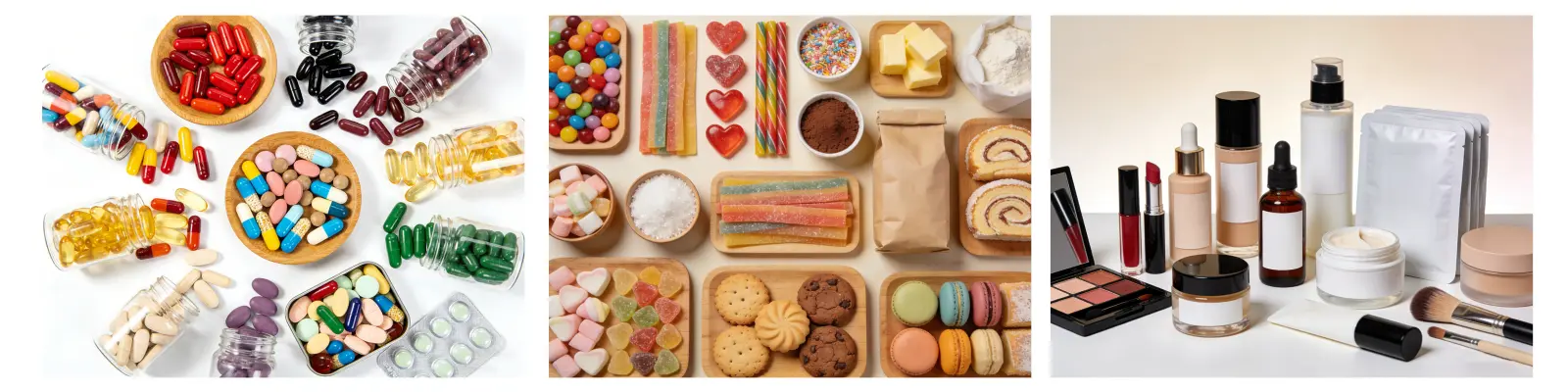
Supplements, Gummies, Bars, and Baked Foods
Different kinds are challenging for a variety of reasons. Juice sugars are able to attract water and may cause supplement powders and mixes to clump together; thus, they need to be able to reduce the amount of water that they absorb. In order to produce sweets and bars, you need to heat the ingredients and then combine them. This step is quite important. There is no intention of blurring. If you want to make yoghurt or baked products, you need to be aware of how hot and acidic the cooking process is. Ensure that your claims are allowed by the law and that they are compatible with other pharmaceuticals. The first step in ensuring that everyone receives the correct dosage is to create fakes in the laboratory. The next step is to do research on the product's stability, taste testing, nutrition calculations, and product trials. Grow slowly by moving slowly. The problems are identified promptly, before they become so costly to fix that they cannot be fixed.
Common Sourcing Mistakes to Avoid
A great number of individuals have poor habits that make it difficult to identify them. The majority of consumers choose the product that is the least expensive without taking into account the quantity of goji solids, the carrier content, the drying procedure, or the testing. The terms "organic" and "pure" are sometimes used interchangeably; nevertheless, the "organic" label is the only one that can guarantee that the product is organic. There is a possibility that it is not on their list of goods that they would take, or that the authorisation certificates are out of date and do not correspond to the other products. Before being used, many are not examined for different characteristics such as colour, flavour, dispersion, sedimentation, moisture absorption, shelf life, or dispersion. It is very uncommon for individuals to overlook the need to check market limitations regarding importing, labelling, residue, certification, and promises. In the absence of these products, you are able to maintain both quality and low expenses.
Private Label, OEM, ODM, and the Final Bulk-Buying Checklist
Standard Bulk, Private Label, OEM, and ODM
Examine a number of different models in order to get the one that best suits your needs. The most flexible bulk powders are also the ones that are the simplest to purchase and the least expensive to produce. A label review, ready-to-sell forms, brand-branded packaging, and the ability to exhibit the brand are all included in this package. The original equipment manufacturer (OEM) staff will build products based on your designs or recipes. ODM providers contribute to the production of both the recipe and the product. In what ways might blended beverages be made better? Characteristics such as flavour, concentration, organic status, carrier system, solubility, packaging, and format sizes are very important. You may communicate your goals to the members of our research and development team, and we will assist you in accomplishing them.
A Step-by-Step Workflow
Things are not surprising when they are in obvious contexts. First, make a list of everything that you need. It is important to express the objective, audience, qualifications, and dollar amount all at the same time. Having your laboratory prepare samples is the second stage in the process. The third step is to take a drawing. Claims, paperwork, and labels will next be examined to see whether or not they are legitimate. Next, make a commitment to doing effectively on orders that are high on business. If the teams responsible for quality assurance, research and development, and procurement are able to recall each procedure, then they will be able to reach a consensus on the subsequent stages. You will be able to purchase Step 2 from our US provider after you have locked your formula. One option is to use the code found in our example.
Final Bulk-Buying Checklist
Before placing your purchase, be sure you use this last checklist. Check the product's name, the origin of the herbs, the amount of juice, the amount of goji solids and sugars, the amount of water, the amount of moisture, the flavour, the look, the storage, and the shelf life. Labels, batch authenticity certificates, laboratory reports, and any other paperwork that your market requires in order to validate claims have to be examined. In addition to the minimum order quantity, the lead time, the export paperwork (if it is required), and the various complaint methods, check these. It is imperative that the order be stopped until all of these stages have been completed. Among these procedures are the verification of packaging and labelling, the testing of the application, the comparison of landing prices, the inspection of supply capacity, and the signature of a contract or quality agreement. Prepare yourself to make a purchase if everything has a paper trail.
Conclusion
Goji juice powder can be combined with water. Yuzu juice is used to make it. Because it's not made from whole fruit or extract powder, it doesn't work as well, cost as much, or have the same nutrients. First, buyers should explain what they want to use it for. Once that is done, they should write a specification that includes documents about safety, identity, and physical performance. Last, they should check each lot with a COA that is unique to that batch. They are not the same when it comes to cost or sensitivity. Spray drying and freeze drying are different. There is a better way to find out how much something costs than to look at its price per unit. Testing in drinks, supplements, gummies, and other forms can help you avoid surprises when you're making the formula. It takes a different amount of time for bulk, private label, OEM, and ODM routes. Finally, a list brings all of these steps together.
FAQ About Bulk Goji Juice Powder
1. How does goji juice powder differ from whole-fruit powder?
To make goji juice powder, most of the fiber that doesn't mix with water has been taken out of the juice. It goes well with drinks. Whole-fruit powder is made by grinding up the skins and seeds of a dried berry. Because of this, it feels rougher and breaks down faster in water.
2. Why do vitamin C and calorie values vary?
What makes it different is the type of berry, how much juice was in the base, how much sugar was added, how it was dried, and how much was eaten. Always read the nutrition facts and certificate of analysis (COA) that come with the things you buy. Don't believe broad numbers from other companies or websites.
3. What is the MOQ for EM's goji juice powder?
You can order as little as 25 kg, which comes in a 25 kg drum. You can pick up this item the next day because it is in stock. You can try some of it for free. Talk to us about the boxes you need.
4. How should I store it?
Keep the powder in a cool, dry container that can't be opened. Turn off the drum every time you're done using it. Keep the humidity low to keep the juice going. A lot of the sugar in juice likes to hold water. The sheet with the specs tells you how to store the item.
Request a Goji Juice Powder Sample and Bulk Sourcing Quote
Are you ready to use goji juice powder in your own recipe? You can get free samples, place an order for at least 25 kg, and pick up your drums the next business day when you buy goji juice powder from EM, a company based in California with warehouses in four U.S. cities. Our products are safe and meet the requirements set by the US FDA and GMP. Send an email to info@em-herb.com with your application, the amount you want, your certifications, and when you need the herbs delivered. We'll send you back a COA and a list of specs.
References
1. Food Research International, 2011. "A review of botanical characteristics, phytochemistry, clinical relevance in efficacy and safety of Lycium barbarum fruit (Goji)."
2. Planta Medica, 2010. "Goji (Lycium barbarum and L. chinense): Phytochemistry, pharmacology and safety from the perspective of traditional uses and recent popularity."
3. Food Research International, 2007. "Applications of spray-drying in microencapsulation of food ingredients: An overview."
4. Water Activity in Foods: Fundamentals and Applications, 2007. Blackwell Publishing and IFT Press.
5. Code of Federal Regulations, Title 21, Part 111, U.S. Food and Drug Administration, 2007.
6. Code of Federal Regulations, Title 7, Part 205, National Organic Program, U.S. Department of Agriculture, 2000.