- English
- French
- German
- Portuguese
- Spanish
- Russian
- Japanese
- Korean
- Arabic
- Irish
- Greek
- Turkish
- Italian
- Danish
- Romanian
- Indonesian
- Czech
- Afrikaans
- Swedish
- Polish
- Basque
- Catalan
- Esperanto
- Hindi
- Lao
- Albanian
- Amharic
- Armenian
- Azerbaijani
- Belarusian
- Bengali
- Bosnian
- Bulgarian
- Cebuano
- Chichewa
- Corsican
- Croatian
- Dutch
- Estonian
- Filipino
- Finnish
- Frisian
- Galician
- Georgian
- Gujarati
- Haitian
- Hausa
- Hawaiian
- Hebrew
- Hmong
- Hungarian
- Icelandic
- Igbo
- Javanese
- Kannada
- Kazakh
- Khmer
- Kurdish
- Kyrgyz
- Latin
- Latvian
- Lithuanian
- Luxembou..
- Macedonian
- Malagasy
- Malay
- Malayalam
- Maltese
- Maori
- Marathi
- Mongolian
- Burmese
- Nepali
- Norwegian
- Pashto
- Persian
- Punjabi
- Serbian
- Sesotho
- Sinhala
- Slovak
- Slovenian
- Somali
- Samoan
- Scots Gaelic
- Shona
- Sindhi
- Sundanese
- Swahili
- Tajik
- Tamil
- Telugu
- Thai
- Ukrainian
- Urdu
- Uzbek
- Vietnamese
- Welsh
- Xhosa
- Yiddish
- Yoruba
- Zulu
Give an explanation of nettle leaf powder by defining the plant it comes from (Urtica dioica), describing the component that is used, describing where it comes from, and describing how it was processed. The information should be tested at the batch level and then saved in a safe location for backup purposes. Listed are the characteristics of the solid, including its appearance, particle size, water content, microbiology, heavy metals, pesticides, and packaging. First, you should look for a provider that has well-known credentials and supplies that can be tracked. The testing process guarantees that the market identification and contaminant limits are properly met. Before you use anything, make sure everything is cold, dry, and sealed to perfection. Additionally, these details are included in each and every EM quote so that the R&D, QA, and buying teams can read them.
What Are Nettle Leaf Powder Specifications?
Defining the Ingredient and the Plant Part
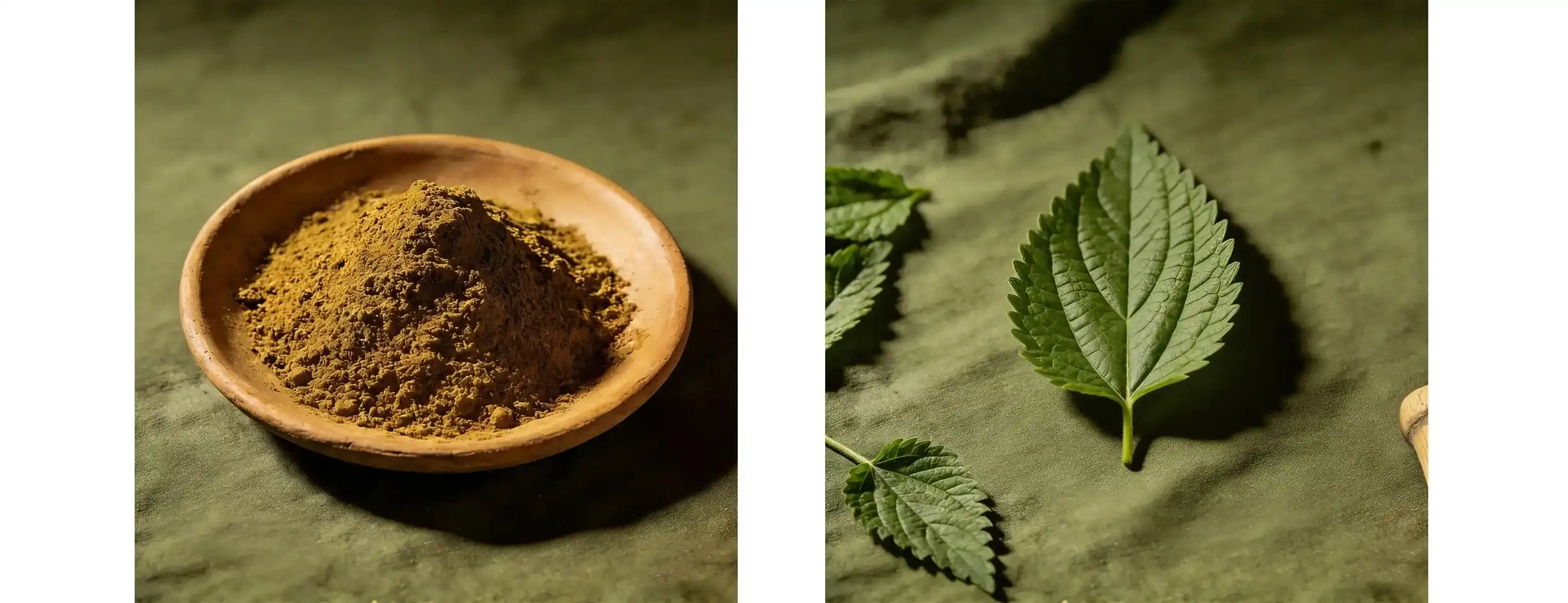
In order to create powder, damp nettle leaves (Urtica dioica) should be ground and dried. Due to the fact that the leaf, root, and seed are all composed of different elements, the plant part is very important. A species study of Urtica was published by Moleculares in October of 2018. Both minerals and vitamins, as well as chlorophyll and polyphenols, may be found in the leaves. An unusual form for the root substance. There are a variety of tea cuts, dried leaves, and extracts available to choose from. Before you really sign the label, check to see that it includes the species and the plant part. It is not enough to just say "nettle powder" on a line.
Why Written Specifications Matter
The Good Manufacturing Practice (GMP) regulation for dietary supplements included in 21 CFR Part 111 mandates that companies specify the criteria for their ingredients and validate their claims. Written commitments are comparable to spoken commitments. Your group is able to verify. It is easier to evaluate regulatory compliance, formula performance, shelf life, and transportation when clear sheets are used. The homogeneity of the blend and the weight of the capsules that are filled may change from batch to batch due to variations in the amount of water or the particle size. You have the ability to refuse a variety of things by determining whether or not the limits are contained in a signed agreement. What should be sent will be known to the provider.
Core Information to Request Before You Order
Enquire about a concise summary of information prior to placing a purchase. Is that what it tastes like? Where was it first discovered? Where did it come from? In what way was it processed? Is the mesh a certain size? What is the moisture content? Definitions of microbiological and contaminant limits are provided. How packed is it? How was it handled? Who is the current COA? Additionally, if your finished product needs organic matter and lot number format, you should provide those. Blends and flows may be predicted with the use of this information by color makers. Moreover, they assist quality assurance teams in comparing new batches to standards. In the event that a provider promptly replies to your enquiries, it is quite probable that the paperwork is in order.

How to Source High-Quality Nettle Leaf Powder
Match the Grade to Your Application
Determine the first step you will take. When it comes to drinks, capsules, food premixes, cosmetics, and animal nutrition, many different grades and forms of the ingredient are required. It's possible that the most important factors for a capsule maker are the particle size and flow. The flavour and blending of the ingredients are evaluated by the drink makers. Purity and the number of microorganisms are both evaluated by skin care chemists. All food must be accompanied by documentation indicating that it is of food-grade quality. Ensure that the application is sent together with your request to obtain the appropriate certificates and examinations. You won't be charged for grades that aren't essential either.
Check Species, Origin, Cultivation, and Traceability
Take notes on the plant parts and species that you are familiar with. Determine whether the plant was grown in a garden or in the wild, as well as the date. In 2003, the World Health Organization (WHO) established guidelines for the safe cultivation and collection of medicinal plants. These rules explain how the quality of raw materials is affected by the processes of growing, harvesting, and drying. They are helpful in verifying suppliers. A valid certificate is required in order to get a certified organic label. In order to determine the origin of each lot, a transparent paper trail is required.
Evaluate the Manufacturer
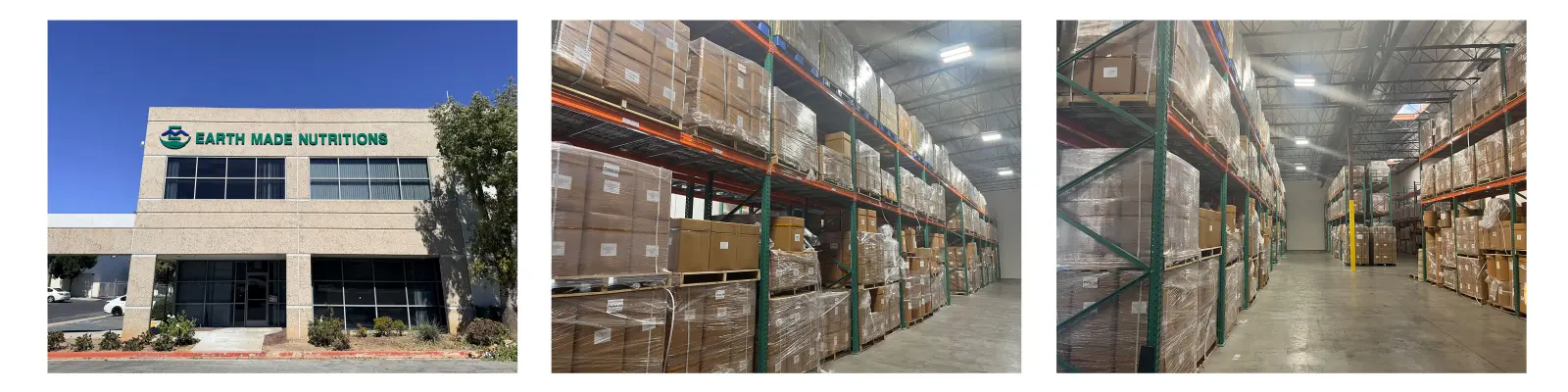
Process control is done differently by multiple parties, including manufacturers, processors, retailers, and private-label suppliers. All of the following should be investigated: good manufacturing practices (GMP) systems, batch records, food-grade paperwork, exportability, minimum order quantity, and future capacity. From the raw materials to the powder that is ready to be used, an in-house facility is able to precisely track each step. Since the company's inception, EM has been based in the state of California. We have four warehouses and a facility in the United States. Certifications such as NSF GMP, Kosher, Halal, ISO, FSSC22000, and Organic are among many that we possess. As a result, we request that they show evidence to support their assertions.
Nettle Leaf Powder Quality Specifications and Testing Requirements
Identity, Physical, and Sensory Controls
Confirming the botanical identity of nettle leaf powder comes first. Other species and filler herbs are removed with the use of HPTLC. To determine the plant's botanical origin, a microscope may be necessary. After that, look at the size, colour, fragrance, external substance, and smell of the object. The majority of customers of raw leaf powder are looking for products that are able to pass an 80-mesh screen with a 95% to 100% success rate. The overall ash pollution, acid-insoluble ash pollution, and drying loss of the soil were all below acceptable limits. This test for plant-based goods is covered by the United States Pharmacopoeia General Rules, Chapter 561. The activity of water is yet another sign of the age of the storage.
Microbiology and Contaminant Limits
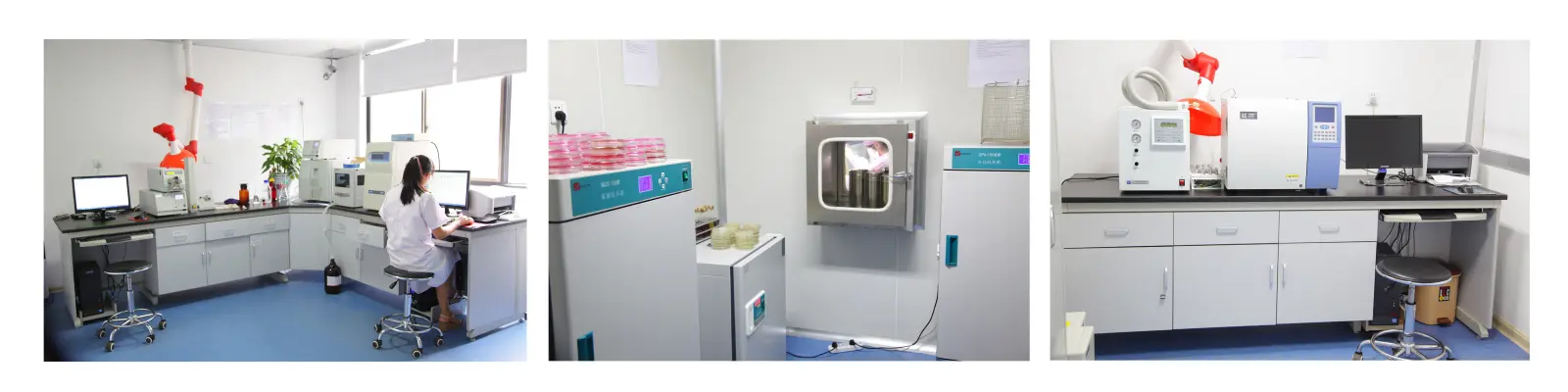
The tests for yeast, mould, coliforms, and E. coli. You should conduct tests for Salmonella and E. coli using levels that are acceptable for the market. Heavy metals such as lead, cadmium, arsenic, and mercury are among the things that need to be searched for. Other things that need to be checked for include pesticide residues, mycotoxins, and solvents for extracts that are still at the scene. As a result of the fact that plants take in minerals from the soil, heavy metal data is necessary. Depending on the location of the food's production, the time it was harvested, processed, and the laboratory technique, hormonal and botanical markers might differ from one food to another. Additionally, a test method must be provided for each limit in the specification. Consequently, the supplier's laboratory and your own are able to measure the same item.
How to Read a Certificate of Analysis
The product, the plants that were used to produce it, the batch number, the dates that it was created and tested, the quality standards, the results, the testing methodology, and the approver are all included in a complete and accurate certificate of analysis (COA). What is required is more than just a "pass" mark. You need values that have been measured. Request in-depth information on the results of testing conducted on high-risk products such as pathogens, heavy metals, and pesticides, as well as whether the testing was carried out internally or externally. Lead readings expressed in parts per million (ppm) provide more information than simply stating "heavy metals: conforms." The batch number on the drum label and the certificate of analysis (COA) should be the same. Your inventory approach should be modified as a result of the record, which should also warn you when it is necessary to retest or when anything goes wrong.
Choosing the Right Format, Packaging, and Storage
Leaf Powder, Root Powder, Tea, and Extract
They cannot be replaced in any way. Leaf powder is made from dried leaves that have been pulverised. Blends, smoothies, premixes, and capsules all benefit from its ability to disperse ingredients in a consistent manner. There is another part of the plant that is the source of root powder. Tea cuttings of a larger size are used for infusion. There is a need for extract specifications to include a solvent and extract ratio or a marker ingredient because of the concentration of the extracts. Raw leaf powder does not need water in order to make a suspension. Extracts are what make clear drinks effective. "Nettle powder" is only acceptable if it is accompanied by a plant part and an item number.
Where the EM Extract Fits
Urtica dioica extract powder that is prepared with ethanol and water is available from us. Yellowish-brown powdery hue. In the event that the plant part field in the listing contains the word "beans," you should compare it to the item code and the requirements you have before accepting it. There is a minimum order of 25 kilograms, and you will get it in drums of 25 kilograms. It is possible to try anything for free, and you will be able to pick up your purchase the following day. Stock is available. Due to the fact that this is an extract and not green leaf powder, you should compare it to the specifications of an extract.
Storage, Packaging, and Transport
Botanical powders are most susceptible to being destroyed by water, heat, light, oxygen, insects, and strong odours. Most things should be kept in an atmosphere that is cold, dry, well-ventilated, and below 25 degrees Celsius with a relative humidity of sixty percent. Packaging for food that can be sealed, such as polyethylene liners in fibre drums, is the best option. When the humidity increases, powders that absorb water begin to cake, whilst products that are rich in chlorophyll begin to oxidise and brown. At the time of delivery, be sure to check the remaining shelf life, the retest dates, and the shelf life. After that, swap the stock from the in to the out direction. Before receiving a pallet, be sure to inspect it for its seals, lot numbers, water marks, fragrance transfer, and other obvious signs of contamination.
Safety, Compliance, and Procurement Checklist
Safety and Regulatory Considerations
When sourcing nettle leaf powder, to prevent contamination, you need to be aware of the identification of the plant and have effective controls. Your visit to the market will determine the regulations. Documents that are used to make purchases in the United States are required to comply with FDA regulations. Among the references are 21 CFR Part 111 for dietary supplements and the Codex general food hygiene guidelines for establishments. Ascertain if there are any allergies, cross-contacts, or shared equipment. The "best-before" date, the ingredients, the origin, the lot number, and the recommendations for storage should all be included on the labels of finished goods. Every food claim, whether it be organic or otherwise, must be proven and must comply with local legislation. The final label must to be reviewed by an individual who is experienced.
A Specification Template for RFQs
Simply copy and paste this simple form into a request for proposal or quality agreement. Include the following information about the products: the commercial name, the scientific name (Urtica dioica), the plant section, the form, the intended use, the origin, the organic status, and the lot-number format. Name any species that may be substituted, but only if the contract allows for it, and provide the item number so that both purchasing and quality assurance can view the same line.
Controls based on analysis: Determine the sensory description, the particle size, the moisture content, the ash, the microbiology, the heavy metals, the pesticides, the foreign matter, the identification test, and the marker records. If you want your results to be consistent between lots, you should link each limit with a test technique and then state who is responsible for carrying it out.
Materials, unit weight, pallet arrangement, shelf life, storage, transportation, and minimum delivery shelf life are factors that are considered in the realm of packaging and logistics. Prior to their arrival, inform the team in charge of receiving the kind of drum or bag and the lining. This template provides every team with a similar direction, which speeds up the approval process.
Supplier Approval Process
It is possible that you will get unanimous approval if you adhere to the plan. You are responsible for providing an explanation of the requirements, confirming the documents, testing a good sample, approving the packaging, reviewing the pre-shipment COA, checking delivery, and monitoring the supplier. Candidates may be evaluated using a scorecard based on a variety of criteria, including credentials, packaging, minimum order quantity (MOQ), price, lead time, shelf life, microbiology, contaminants, and technical support. For yearly supply, organic certification, private-label work, and OEM support, it is better to engage with long-term manufacturing partners rather than spot suppliers. Due to the fact that the quality and documentation of each purchase are the same.
Conclusion
The purchase of nettle leaf powder is based on the facts that were presented. This identifies the plant as well as the portion itself. Certain constraints are imposed on the appearance, particle size, moisture, microbiology, heavy metals, pesticides, and packaging. These restrictions must be written down and signed. When the grade meets your requirements, and the vendor has GMP procedures, valid certificates, and traceability, you should source the product. Testing for both identity and contamination is quite important. It is much simpler to examine such tests when there is a certificate of analysis that contains actual test results, processes, and batch numbers. Powdered leaves, powdered roots, tea, and extract each have their own unique compositions and applications. Delivery items are protected by storage that is cool, dry, and sealed, as well as by reception inspections. Authorities are also responsible for verifying labels. Those that acquire lots benefit from more uniformity and fewer surprises as a result of these procedures.
Frequently Asked Questions About Nettle Leaf Powder Specifications
1. What is the difference between leaf powder and root powder?
Due to the fact that they are made from different plant parts, one cannot be substituted for the other. Check that the plant part and item code are correct on the specification page before you sign it.
2. What should a COA include?
Find out the name of the product, the plants that were used to make it, the batch number, the test dates, the constraints of the specifications, the actual results, the processes that were utilised, and the authority that gave permission. Dates for retesting and expiration should be displayed.
3. What are your MOQ and sample terms?
Drums containing a minimum of 25 kilograms of EM must be bought. You may test it out for free, and then buy the available quantities the next day.
4. How should I store the powder?
When not in use, ensure that it is kept closed, cool, dry, clean, out of the light, and away from strong odours. A significant number of purchasers of botanical powder prefer temperatures below 25 degrees Celsius and humidity levels below 60 percent.
Request a Nettle Leaf Powder Specification and Quote from EM
In order to get your application, target market, quantity, and packaging requirements, please send an email to info@em-herb.com. There are four sites in the United States where EM sells nettle leaf powder. Certified organic, Kosher, Halal, and ISO, as well as FSC22000 certified. There is no charge for samples, and our minimum order is 25 kg. Plenty of items are available for collection the following day.
References
1. Kregiel, D., et al. Molecules, 2018. "Urtica spp.: Ordinary Plants with Extraordinary Properties."
2. Otles, S., and Yalcin, B. The Scientific World Journal, 2012. "Phenolic Compounds Analysis of Root, Stalk, and Leaves of Nettle."
3. World Health Organization. WHO Guidelines on Good Agricultural and Collection Practices (GACP) for Medicinal Plants, 2003.
4. U.S. Food and Drug Administration. Current Good Manufacturing Practice in Manufacturing, Packaging, Labeling, or Holding Operations for Dietary Supplements (21 CFR Part 111), 2007.
5. United States Pharmacopeia–National Formulary. General Chapter <561> Articles of Botanical Origin, 2023.
6. Codex Alimentarius Commission. General Principles of Food Hygiene (CXC 1-1969), 2020.