- English
- French
- German
- Portuguese
- Spanish
- Russian
- Japanese
- Korean
- Arabic
- Irish
- Greek
- Turkish
- Italian
- Danish
- Romanian
- Indonesian
- Czech
- Afrikaans
- Swedish
- Polish
- Basque
- Catalan
- Esperanto
- Hindi
- Lao
- Albanian
- Amharic
- Armenian
- Azerbaijani
- Belarusian
- Bengali
- Bosnian
- Bulgarian
- Cebuano
- Chichewa
- Corsican
- Croatian
- Dutch
- Estonian
- Filipino
- Finnish
- Frisian
- Galician
- Georgian
- Gujarati
- Haitian
- Hausa
- Hawaiian
- Hebrew
- Hmong
- Hungarian
- Icelandic
- Igbo
- Javanese
- Kannada
- Kazakh
- Khmer
- Kurdish
- Kyrgyz
- Latin
- Latvian
- Lithuanian
- Luxembou..
- Macedonian
- Malagasy
- Malay
- Malayalam
- Maltese
- Maori
- Marathi
- Mongolian
- Burmese
- Nepali
- Norwegian
- Pashto
- Persian
- Punjabi
- Serbian
- Sesotho
- Sinhala
- Slovak
- Slovenian
- Somali
- Samoan
- Scots Gaelic
- Shona
- Sindhi
- Sundanese
- Swahili
- Tajik
- Tamil
- Telugu
- Thai
- Ukrainian
- Urdu
- Uzbek
- Vietnamese
- Welsh
- Xhosa
- Yiddish
- Yoruba
- Zulu
When collecting plant ingredients for nutritional supplements or cosmetic compositions, reliable UV dose control is necessary to produce uniform batches. Horse Chestnut Extract 20% Aescin UV is a standardised extract from seeds of Aesculus hippocastanum, and its total triterpene saponin concentration is measured by UV spectrophotometry. This method provides a cost-effective verification, with absorbance measurements at specific wavelengths to confirm aescin concentration, thus preserving the bioactive integrity that supports vascular wellness applications and anti-inflammatory properties sought after in the nutraceutical and cosmetic industries.


Understanding Horse Chestnut Extract 20% Aescin and UV Dosage Control
Botanical extract standardization requires meticulous attention to assay methodology and quality parameters that directly influence formulation performance.
What Defines Horse Chestnut Extract 20% Aescin UV
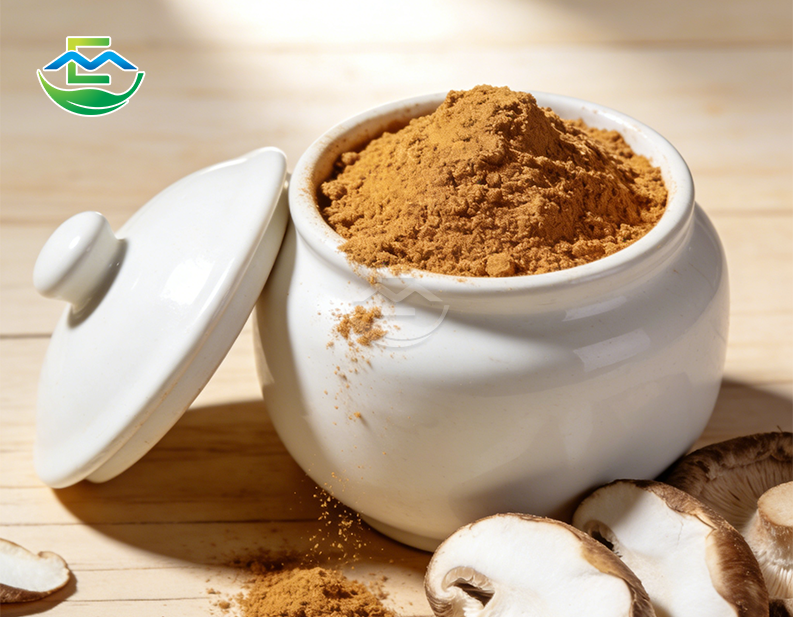
Horse chestnut seed extract standardised to 20% aescin by UV spectrophotometry provides a balanced profile of triterpene saponins. Seeds of Aesculus hippocastanum were treated with water-ethanol, resulting in a brownish-yellow powder with a somewhat bitter flavour and hygroscopic properties. UV testing measures the absorbance of light, quantifying the total saponin load. This is a good standard for procurement teams, without the complication of chromatographic separation. This standard is in agreement with the market expectations for mass-produced food supplements for circulatory health and leg comfort.
The Role of UV Dosage Control in Quality Assurance
Controlling UV dose is a pillar of production quality and is closely related to the purity and stability of extracts. Controlled exposure to light during processing inhibits the destruction of sensitive bioactive chemicals. To ensure uniformity between manufacturing batches, manufacturers use calibrated UV-Vis spectrophotometers to measure absorbance at a wavelength of around 268-270nm. This analytic rigour meets the major pain points of R&D directors and formulation managers: ingredient stability, repeatability, and international quality requirements. Implementing strict UV control measures, providers will ensure each shipment retains the claimed content of 20% aescin.
Technical Specifications and Physical Properties
Formulation scientists may use their knowledge of the physical and chemical properties of this botanical powder to optimise product development. The extract has a particle size of 95% passing 80 mesh, which allows for easy tableting and encapsulation. Bulk density varies from 0.45 to 0.65 g/ml and is an important factor for correct volume estimates in blending. The solubility properties indicate partial solubility in water and ethanol and total solubility in hydroalcoholic solutions. This is crucial for oral supplement formulations, as well as for topical cosmetic uses that need stable emulsions.

Health Benefits and Safety Profile of Horse Chestnut Extract 20% Aescin
Scientific literature extensively documents the functional properties of aescin-containing extracts, making them valuable for diverse product categories.
Vascular Wellness and Circulatory Support
Clinical investigations have shown that aescin is active via inhibition of hyaluronidase enzymes, which helps to maintain the integrity of the extracellular matrix components in vein walls. This metabolic process helps sustain appropriate capillary function and normal fluid balance within the leg tissues. Supports nourishment for occasional leg soreness or maintenance of good circulation patterns. These features make it especially attractive to sports nutrition manufacturers looking to create recovery products and nutraceutical companies building specialised vein health products.
Anti-Inflammatory and Antioxidant Properties
Horse Chestnut Extract 20% Aescin UV Circulatory applications only. Aescin UV has antioxidant properties that counteract oxidative damage at the cellular level. The combination of flavonoids, sterols, and triterpene saponins provides what the industry refers to as the “entourage effect” – a complete botanical profile that provides wider advantages than individual substances. Cosmetic chemists use these anti-inflammatory properties in topical products that are intended to reduce puffiness in the skin. Anti-edema advantages are most obvious to the user in eye creams and in gels for the legs.
Quality Control Through UV Methodology
For quality assurance teams, the practical benefits of using UV spectrophotometry for aescin measurement are the advantages. The process is quick, allowing real-time choices in production, without the long delays of chromatographic methods. This efficiency is consistent with lean manufacturing concepts while adhering to strict quality requirements. Procurement experts should be aware that UV findings are often 1.5 to 2 times higher than HPLC values for the same materials owing to changes in methodology. It is important to recognise this connection when comparing certificates of analysis from different vendors.
Comparative Analysis for Smart Procurement Decisions
Strategic sourcing requires evaluating multiple factors beyond price per kilogram to ensure optimal value delivery.
Concentration Options and Cost-Efficiency Balance
Horse chestnut extracts are sold in specifications from 10% to 98% aescin for the different market groups. The 20% UV standard strikes a strategic balance, giving enough bioactive material for significant product claims, while still being cost-effective for mass-market supplements. Our 20% formulation contains natural botanical co-factors that enable synergistic efficacy relative to pharmaceutical-grade 98% sodium aescinate. For nutraceutical makers who want to balance ingredient prices with retail price points, this concentration provides superior value without sacrificing formulation performance.
Supplier Certification and Documentation Requirements
Supplier credentialing requires the evaluation of many quality indicators that signal production competence and regulatory compliance. Essential certifications include NSF GMP, FSSC22000, Kosher, Halal, ISO, and organic certification where appropriate. These certifications show that they follow international food safety management systems and good manufacturing practices. Detailed documentation packages, including Certificates of Analysis (including aescin concentration by UV technique), heavy metals testing findings, microbiological load verification, and solvent residue analysis, are sought to support informed procurement choices. Suppliers that comply with PAH testing methods of benzo(a)pyrene levels below 10ppb and PAH4 below 50ppb show a commitment to consumer safety.
Application Versatility Across Market Segments
The functional diversity of this plant extract opens doors to several product categories. It is included in capsules and tablets by dietary supplement producers in circulatory health formulae, typically in combination with vitamin C and butcher’s broom for complementary benefits. Cosmetic formulators use it in topical applications to support product performance claims with its anti-puffiness qualities. Sports nutrition businesses are finding recovery mixes more appealing as a way to reduce post-exercise inflammation. These ingredients are cross-industry, so ingredient distributors may service a variety of customers, optimising their inventory while still providing the formulations that the customer needs.

Best Practices in UV Dosage Control for Optimal Extract Performance
Maintaining analytical precision throughout production ensures the consistent quality that builds long-term client relationships.
Standardized Testing Protocols
Horse Chestnut Extract 20% Aescin UV spectrophotometry procedures calibrated to reference standards are used by leading manufacturers to assure measurement accuracy. Critical control points for testing include receipt of raw material, upon extraction, and upon release of the completed product, and provide a complete quality trail. Analytical labs try to keep the temperature in the environment under control and also utilise approved reference materials to minimise variability in measurements. This methodical methodology also handles the natural variability of botanical raw materials in which the initial aescin concentration is affected by the growth circumstances, time of harvest, and seed maturity.
Batch-to-Batch Consistency Monitoring
Statistical process control approaches that monitor trends in performance over time are necessary to provide repeatable outcomes. Quality teams analyse several production runs to discover drift tendencies before they damage product requirements. Root cause studies are performed on extraction parameters, solvent ratios, and drying conditions when changes go beyond preset limits. This proactive quality management concept avoids non-conforming material from reaching consumers, safeguarding the brand's image and minimising expensive product recalls.
Supplier Evaluation Checklist for Procurement Teams
Procurement managers need to check a few operational competencies while evaluating possible suppliers of botanical extracts. Make sure manufacturers have specialised UV spectrophotometry equipment with up-to-date calibration certifications. Request extract performance data for accelerated circumstances from stability research. Evaluate the traceability processes of suppliers for raw materials, including documentation of the origin of the seed and verification of the identity using TLC or HPTLC techniques. Ask about their complaint management methods and remedial action processes. Suppliers who provide this insight show the operational maturity needed for dependable collaborations that last the test of time.
Procurement Strategies for Horse Chestnut Extract 20% Aescin with UV Dosage Control
Optimizing purchasing decisions requires understanding market dynamics and supplier capabilities that influence total cost of ownership.
Minimum Order Quantities and Bulk Pricing Structures
The standard packaging for botanical extracts is 25kg fibre drums, which offers most suppliers a workable MOQ. The volume-based pricing tiers often start at 100kg, 500kg and 1000kg order levels. There are significant price reductions for yearly commitment contracts. Because the extract is hygroscopic and requires climate-controlled storage, procurement decisions must evaluate the trade-off between current demands and inventory carrying costs. Setting up blanket purchase orders with planned releases may lock in a good price while using working capital wisely.
Documentation and Regulatory Compliance
Complete technical documentation assists quality system audits and regulatory filings. Quality standards, allergy statement, BSE/TSE declaration, non-GMO certification, and pesticide residue testing results must be specified. Destination country legislation requires importers to provide commercial invoices, packing lists, origin certificates, and phytosanitary certifications. We provide complete paperwork for all botanical medications to simplify customs clearance and speed product launches.
Our modern extraction equipment and expert R&D team ensure high-quality Horse Chestnut Extract every time. NSF GMP, FSSC22000, Kosher, Halal, ISO, and organic certifications show excellent manufacturing. We ship in-stock products within two days from our strategically located US warehouses. The 25kg barrels contain 10%–98% aescin. Buy 25kg. Minimum. Manufacturers and distributors that qualify get free samples for formulation development and quality assessment. We dependably provide Horse Chestnut Extract 20% Aescin UV. Our supply chain prioritises environmental responsibility with technical knowledge and sustainable procurement.
Strategic Partnerships and Private Label Opportunities
Working with manufacturers who provide private label services might help you stand out from the competition. Suppliers with knowledge of the formulation may aid in the development of the product idea, recommending synergistic combinations of ingredients and suitable dosage forms. Assessing a supplier’s flexibility in bespoke packaging, label design assistance, and flexible production schedule provides insight into their commitment to partnership vs transactional partnerships. These value-added services are critical for new product line launches or new market sector entries where technical assistance may help to expedite time to market.

Conclusion
How to pick the Top Horse Chestnut Extract 20% Aescin UV with validated dose control is more complex than a simple comparison of prices, requiring an evaluation of several technical and operational considerations. Successful procurement methods are based on knowledge of the UV spectrophotometry technique, the necessity of complete quality documentation, and evaluation of supplier production capabilities. The extract's adaptability in nutritional supplements, cosmetics, and functional meals offers prospects for ingredient distributors servicing several sectors. Working with certified manufacturers who show analytical rigour, transparent quality standards, and dependable supply chain logistics helps assure consistent product performance that creates customer confidence and brand loyalty in competitive markets.
FAQ
1. What is the recommended usage level for Horse Chestnut Extract 20% Aescin UV in dietary supplements?
Typical inclusion rates for oral supplements range from 300mg to 600mg of the 20% extract per serving, delivering approximately 60- 120 mg of aescin daily. Formulation scientists should consider the complete ingredient matrix, as synergistic components like vitamin C may enhance absorption. Always consult regulatory guidelines specific to your target market when establishing dosage recommendations.
2. Why is UV dosage control important when sourcing this botanical extract?
UV spectrophotometry provides a standardized measurement technique that ensures each production batch contains the specified aescin concentration. This analytical control minimizes variability between shipments, supporting consistent product performance and simplifying formulation adjustments. Suppliers implementing rigorous UV monitoring demonstrate quality system maturity essential for long-term reliability.
3. How does the 20% specification compare to higher concentration options?
The 20% aescin level offers an excellent cost-performance balance for mass-market applications while retaining beneficial co-factors present in whole seed extracts. Higher concentrations, like 98% sodium aescinate, serve pharmaceutical applications requiring maximum potency in minimal dosage forms. Selection depends on target application, formulation constraints, and pricing objectives.
4. What quality certifications should procurement teams verify?
Essential certifications include NSF GMP, FSSC22000, and ISO standards demonstrating food safety management and manufacturing quality. Additional certifications like Kosher, Halal, and organic address specific market segment requirements. Comprehensive COAs should document aescin content via the UV method, heavy metals, microbial load, and PAH testing results.
Partner with EM for Premium Botanical Ingredients
EM specializes in delivering pharmaceutical-grade botanical extracts backed by rigorous quality assurance and comprehensive technical support. Our California-based operations combine advanced extraction technology with sustainable sourcing practices, serving nutritional supplement manufacturers, cosmetic formulators, and functional food producers throughout North America. With four strategically located U.S. warehouses, we guarantee prompt delivery to meet your production schedules. Our Horse Chestnut Extract 20% Aescin UV inventory includes specifications from 10% to 98% aescin, all tested via validated UV methodology and supported by complete regulatory documentation. Contact our technical team at info@em-herb.com to request samples, discuss custom formulation support, or explore bulk pricing options.
References
1. Sirtori CR. Aescin: pharmacology, pharmacokinetics, and therapeutic profile. Pharmacological Research 2001;44(3):183-193.
2. Pittler MH, Ernst E. Horse chestnut seed extract for chronic venous insufficiency. Cochrane Database of Systematic Reviews 2012;11:CD003230.
3. Guillaume M, Padioleau F. Venotonic effect, vascular protection, anti-inflammatory and free radical scavenging properties of horse chestnut extract. Arzneimittelforschung 1994;44(1):25-35.
4. Wilkinson JA, Brown AM. Horse chestnut – Aesculus hippocastanum: potential applications in cosmetic skin-care products. International Journal of Cosmetic Science 1999;21(6):437-447.
5. European Medicines Agency. Assessment report on Aesculus hippocastanum L., semen. Committee on Herbal Medicinal Products 2009; EMA/HMPC/638244/2008.
6. Dudek-Makuch M, Studzińska-Sroka E. Horse chestnut – efficacy and applications in modern phytotherapy. Journal of Herbal Medicine 2015;5(4):233-239.